Support our educational content for free when you purchase through links on our site. Learn more
🌊 15 Secrets to Mastering Your Tropical Fish Tank (2026)

Ever walked into a room and felt your stress melt away just by watching a school of Neon Tetras dart through a lush, green landscape? That’s the magic of a well-crafted tropical fish tank. But behind that serene surface lies a complex, living ecosystem that demands respect, patience, and a bit of scientific know-how. At Aquarium Music™, we’ve seen everything from thriving coral reefs in living rooms to tragic “New Tank Syndrome” disasters caused by a single missed step. Did you know that the most critical component of your aquarium isn’t the filter or the heater, but something often buried at the very bottom? We’ll reveal that overlooked secret later, but first, let’s dive into how you can transform a simple glass box into a symphony of aquatic life.
Whether you are a complete novice eyeing your first 10-gallon cube or a seasoned aquascaper looking to refine your biotope, this guide covers every angle of the tropical fish tank journey. We’ll walk you through the essential equipment, the life-or-death nitrogen cycle, and the top 15 fish species that won’t break the bank or your heart. From debunking the myths about asthma triggers to mastering the art of aquascaping, we’ve packed this article with the hard-earned wisdom of years spent in the hobby. By the end, you won’t just have a tank; you’ll have a thriving underwater world that brings you peace every single day.
Key Takeaways
- Stability is King: A larger tank (20+ gallons) offers more stable water parameters, making it easier for beginners to maintain than tiny nano tanks.
- The Cycle is Non-Negotiable: Never add fish before completing the 4-6 week nitrogen cycle; skipping this step is the #1 cause of fish death.
- Substrate Matters More Than You Think: Your gravel or sand isn’t just decoration; it’s the primary home for beneficial bacteria and a nutrient source for plants.
- Maintenance Over Magic: Consistent weekly water changes and proper filtration are far more effective than expensive “miracle” additives.
- Health First: Always quarantine new fish and monitor water parameters with a liquid test kit to prevent disease outbreaks.
Table of Contents
- ⚡️ Quick Tips and Facts
- 📜 A Brief History of the Tropical Fish Tank: From Imperial Palaces to Your Living Room
- 🏗️ Choosing the Perfect Tropical Fish Tank: Sizes, Shapes, and Materials
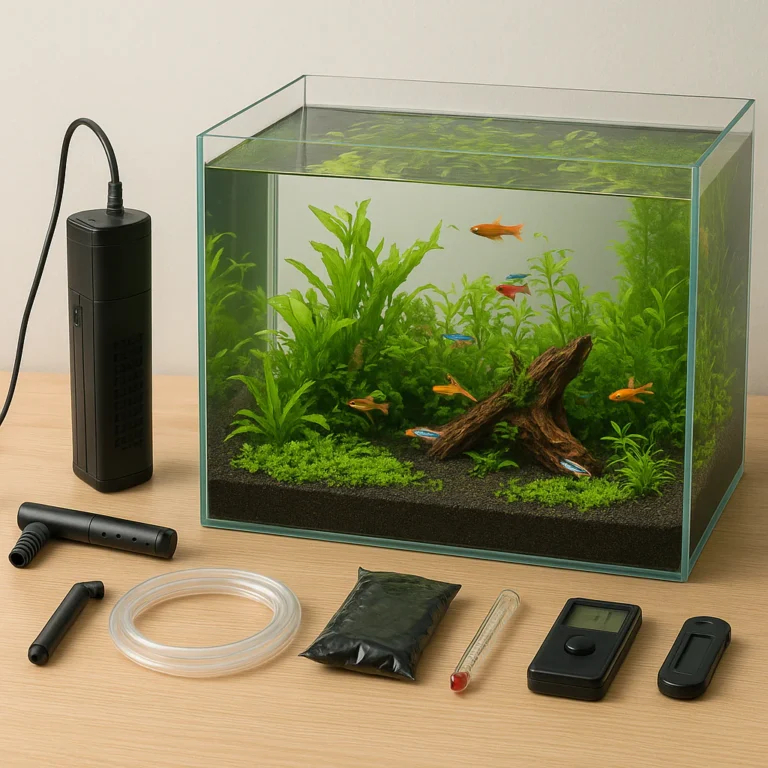
- 🛠️ Essential Equipment for Your New Aquarium Setup
- 🌡️ Mastering Water Parameters: Temperature, pH, and Hardness
- 🌿 The Art of Aquascaping: Creating a Thriving Underwater Ecosystem
- 🐠 Top 15 Best Tropical Fish for Beginners (and the Ones to Avoid)
- 🔄 The Nitrogen Cycle Explained: Why Patience is Your Best Friend
- 🍽️ Feding Your Fined Friends: Diets, Schedules, and Overfeeding Traps
- 🚑 Common Tropical Fish Diseases: Identification, Treatment, and Prevention
- 🧹 Maintenance Mastery: Weekly, Monthly, and Seasonal Care Routines
- 🌬️ Can Fish Tanks Cause Breathing Problems? Debunking the Mold Myth
- 🐾 Other Pet-Related Asthma Triggers: Is Your Aquarium Safe?
- 🗑️ When to Say Goodbye: Getting Rid of Your Fish Tank Responsibly
- 🤔 Has Anyone Else Had a Similar Experience? Real Stories from the Community
- 💡 What Can Giving Back Give You? The Joy of Community and Conservation
- 🗣️ Join the Conversation: Share Your Tank Tales
- 📊 Community Poll: What’s Your Favorite Tank Size?
- 🌍 OUR COMMUNITIES: Connecting Aquarists Worldwide
- 🍪 Cookies Preferences Center
- 📖 Recommended Story: The Secret Life of Beta Fish
- 📚 Recommended Article: Advanced Breding Techniques
- 🎯 Your Choices: Customizing Your Aquarium Experience
- 📋 Cookie List
- 🏁 Conclusion
- 🔗 Recommended Links
- ❓ FAQ
- 📚 Reference Links
⚡️ Quick Tips and Facts
Before we dive into the deep end of the aquarium world, let’s get the basics straight. Whether you’re a seasoned aquarist or just dreaming of your first tank, these nugets of wisdom will save you from common pitfalls.
- The Golden Rule: Never buy fish until your tank has been cycled for at least 4-6 weeks. Adding fish too soon is the #1 cause of “New Tank Syndrome.”
- Temperature Matters: Most tropical fish thrive between 74°F and 82°F (23°C – 28°C). A stable temperature is more critical than the exact number.
- The Substrate Secret: As we’ll discover later, your gravel or sand isn’t just for looks; it’s the primary home for the beneficial bacteria that keep your fish alive. Don’t skip it!
- Lighting Logic: Too much light = algae explosion. Too little = sad plants. Aim for 6-8 hours of light per day.
- Water Chemistry: Tap water contains chlorine and chloramine, which are deadly to fish. Always use a water conditioner before adding tap water to your tank.
Curious about the difference between cold water and tropical setups? We’ve got you covered. Check out our deep dive on ❄️ vs 🌡️: Cold vs. Tropical Fish Tanks: Which is Right for You? to see which ecosystem matches your lifestyle.
📜 A Brief History of the Tropical Fish Tank: From Imperial Palaces to Your Living Room

Did you know that the concept of keeping fish in a tank dates back to the Roman Empire? They kept carp in small pools, but the true “tropical fish tank” as we know it is a relatively modern invention.
The Victorian Era Boom
The 19th century saw a surge in fascination with the natural world. In 1832, Robert Warington published a paper describing the “aquatic garden,” where he successfully kept goldfish in a glass jar with plants. This was the birth of the balanced ecosystem.
By the 1850s, the Great Exhibition in London showcased the first public aquarium, sparking a craze. However, these early tanks were cold-water setups. It wasn’t until the invention of the electric heater in the 1930s that keeping tropical species became feasible for the average home.
From Luxury to Mainstream
In the 1950s and 60s, the fluorescent light and the undergravel filter revolutionized the hobby. Suddenly, you could keep vibrant Neon Tetras and Guppies without needing a PhD in marine biology. Today, with advanced LED lighting and protein skimmers, we can recreate entire coral reefs in our living rooms.
🏗️ Choosing the Perfect Tropical Fish Tank: Sizes, Shapes, and Materials
Selecting your tank is like choosing a house for your future family. Size matters, but so does the layout!
Why Bigger is Almost Always Better
We know you’re tempted by that cute 5-gallon cube, but here’s the hard truth: Water volume equals stability.
- Small Tanks (1-10 gallons): Prone to rapid temperature and water parameter swings. Only suitable for a single Beta or a tiny shrimp colony.
- Medium Tanks (20-40 gallons): The sweet spot for beginners. Stable enough for a small community, large enough to learn proper maintenance.
- Large Tanks (5+ gallons): The ultimate stability. Water parameters change slowly, giving you a buffer against mistakes.
Material Showdown: Glass vs. Acrylic
| Feature | Glass Tanks | Acrylic Tanks |
|---|---|---|
| Scratch Resistance | High (Harder to scratch) | Low (Scratches easily with rough cleaning) |
| Weight | Heavy (Requires strong stands) | Lightweight (Easier to move) |
| Clarity | Good (Can have a green tint) | Excellent (Crystal clear, no green tint) |
| Durability | Britle (Can crack under stress) | Flexible (Less likely to crack) |
| Cost | Generally Lower | Generally Higher |
Our Recommendation: For most home setups, glass is the winner due to scratch resistance and cost. If you need a custom shape or are moving frequently, acrylic is your friend.
Shapes That Defy Gravity
- Rectangular: The classic. Best for swimming fish and aquascaping.
- Bowfront: Adds a stunning 3D view but can distort the view at the edges.
- Cube: Great for shrimp or Beta displays, but limits fish choices.
Pro Tip: Always buy a stand designed for your specific tank size. A 5-gallon tank weighs over 60 lbs when filled!
🛠️ Essential Equipment for Your New Aquarium Setup
You can’t run a marathon without shoes, and you can’t run a tropical tank without the right gear. Let’s break down the non-negotiables.
1. The Filtration System: The Heart of the Tank
The filter does three things: Mechanical (traps debris), Chemical (removes toxins), and Biological (houses bacteria).
- Hang-on-Back (HOB): Great for beginners. Easy to clean. Brands like Fluval and AquaClear are industry standards.
- Canister Filters: The heavy lifters. Perfect for planted tanks and larger setups. Eheim and Fluval FX6 are legendary for reliability.
- Sponge Filters: Ideal for breeding tanks or shy fish. They provide gentle flow and excellent biological filtration.
2. Heating: Keeping the Tropics Warm
Tropical fish are cold-blooded; they rely on the water to regulate their body temperature.
- Submersible Heaters: The modern standard. Look for adjustable thermostats.
- Split Heaters: Placed partially outside the water for safety.
- Brand Spotlight: Eheim Jager and Hydor are known for precise temperature control.
3. Lighting: The Sun in a Tube
- LEDs: Energy-efficient, long-lasting, and available in full spectrum.
- T5 Fluorescents: Great for high-light plants but generate more heat.
4. Testing Kits: Your Crystal Ball
Never guess your water parameters!
- Liquid Test Kits: API Freshwater Master Test Kit is the gold standard. It’s accurate and easy to read.
- Test Strips: Good for quick checks, but less accurate.
👉 CHECK PRICE on:
- API Freshwater Master Test Kit: Amazon | Petco | Brand Official
- Fluval HOB Filter: Amazon | Chewy | Brand Official
🌡️ Mastering Water Parameters: Temperature, pH, and Hardness
Water chemistry can seem like rocket science, but it’s really just about balance. Here’s what you need to know to keep your fish happy.
Temperature: Thermostat
Most tropical fish prefer 76°F – 80°F.
- Why it matters: Temperature affects metabolism. Too cold = sluggish immune system. Too hot = low oxygen levels.
- Tip: Use a digital thermometer for accuracy. Glass stick thermometers can be hard to read.
pH: The Acidity Scale
- Neutral: 7.0
- Acidic: Below 7.0 (Common for Tetras, Discus)
- Alkaline: Above 7.0 (Common for Cichlids, Livebearers)
- Stability is Key: A pH of 6.8 is better than a pH that swings between 6.5 and 7.5.
Hardness (GH and KH)
- GH (General Hardness): Measures calcium and magnesium. Affects fish bone development.
- KH (Carbonate Hardness): Measures buffering capacity. Prevents pH crashes.
Did you know? Some fish, like the Discus, require very soft, acidic water, while Angelfish can tolerate a wider range. Always research your specific fish species before buying!
🌿 The Art of Aquascaping: Creating a Thriving Underwater Ecosystem
Aquascaping is the art of arranging plants, rocks, and wood to create a stunning underwater landscape. It’s not just about looks; it’s about function.
The Substrate: The Foundation
As highlighted in Dustin’s Fish Tanks, the substrate is the most overlooked part of the aquarium.
- Nutrient-Rich Substrate: Essential for root-feeding plants like Amazon Swords and Cryptocorynes.
- Inert Substrate: Sand or gravel. Great for plants that don’t eat from roots (like Anubias and Java Fern) or for fish that sift through the sand (like Corydoras).
Plant Selection: Root Feeders vs. Water Column Feeders
| Plant Type | Feding Method | Best Substrate | Examples |
|---|---|---|---|
| Root Feeders | Absorb nutrients from substrate | Nutrient-rich soil | Amazon Sword, Vallisneria |
| Water Column Feeders | Absorb nutrients from water | Inert gravel/sand | Java Fern, Anubias |
| Floating Plants | Absorb from water surface | Any | Frogbit, Duckweed |
Hardscape: Rocks and Wood
- Driftwood: Adds tannins (lowers pH) and provides hiding spots. Mopani and Spider Wood are popular.
- Rocks: Seiryu Stone and Dragon Stone are great for aquascaping. Avoid limestone if you need soft water.
👉 Shop Aquascaping Supplies on:
- Seiryu Stone: Amazon | Bulk Reef Supply
- Mopani Driftwood: Amazon | Petco
🐠 Top 15 Best Tropical Fish for Beginners (and the Ones to Avoid)
Ready to stock your tank? Here are our top picks for beginners, plus a few “do not touch” warnings.
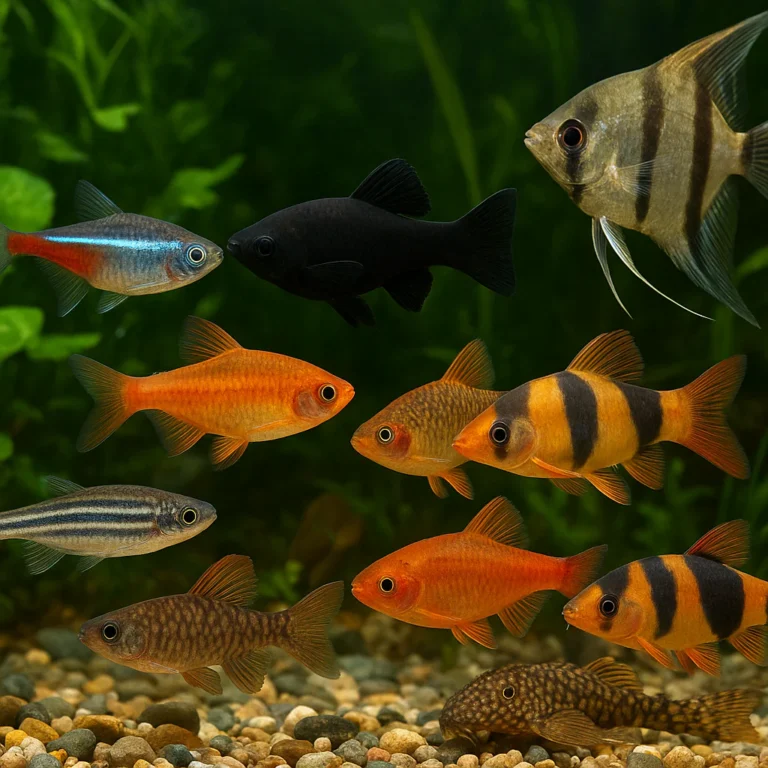
The “Golden” List: 15 Beginner-Friendly Fish
- Neon Tetra: Schooling fish, vibrant blue and red. Need groups of 6+.
- Guppy: Hardy, colorful, and breed easily.
- Platy: Similar to Guppies but less aggressive.
- Molly: Great for harder water.
- Swordtail: Active and colorful.
- Corydoras Catfish: The ultimate tank cleaners.
- Betta Fish: Beautiful, but keep alone (males).
- Zebra Danio: Very hardy, great for new tanks.
- Harlequin Rasbora: Peaceful schooling fish.
- Cherry Barb: Stunning red color, peaceful.
- Otocinclus: The best algae eaters.
- Clown Loach: Fun, but they grow BIG (need large tanks).
- Angelfish: Elegant, but need tall tanks.
- Mollies: Hardy and adaptable.
- Endler’s Livebearer: Tiny, colorful, and active.
The “Avoid” List: Common Beginner Mistakes
- Goldfish: They are cold-water fish, not tropical! They produce massive waste and grow huge.
- Oscar Fish: They are “trash cans” that grow to 12 inches and need 75+ gallons.
- Betta Fish in Bowls: They need filtered, heated water and space.
- Discus: Require pristine water and specific temperatures. Not for beginners.
Wait, how many fish can you actually fit? We’ll answer that in the FAQ section, but remember: 1 inch of fish per gallon is a myth! It depends on the fish’s waste production and swimming habits.
🔄 The Nitrogen Cycle Explained: Why Patience is Your Best Friend
This is the most critical concept in the hobby. If you skip this, your fish will die.
The Cycle Breakdown
- Amonia: Fish poop and uneaten food break down into ammonia. Toxic!
- Nitrite: Beneficial bacteria (Nitrosomonas) convert ammonia into nitrite. Still toxic!
- Nitrate: Another bacteria (Nitrobacter) converts nitrite into nitrate. Less toxic, but needs to be removed.
- Water Change: You remove nitrates by changing the water.
How to Cycle Your Tank
- Fishless Cycling: Add ammonia (pure or fish food) to the tank and wait for bacteria to grow. No fish involved!
- Fish-in Cycling: Not recommended. It stresses the fish.
- Timeframe: It takes 4-6 weeks to establish a healthy colony.
Pro Tip: Use a bacterial starter like Seachem Stability or Tetra SafeStart to speed up the process, but don’t expect miracles overnight.
🍽️ Feding Your Fined Friends: Diets, Schedules, and Overfeeding Traps
Overfeeding is the #1 cause of death in home aquariums.
What to Feed
- Flakes: Good for surface feeders (Guppies, Tetras).
- Pelets: Sink to the bottom for Corydoras and Plecos.
- Frozen/Live Food: Brine shrimp, bloodworms, daphnia. Great for protein.
- Vegetables: Blanched zucchini or spinach for herbivores.
Feding Schedule
- Adults: Feed once or twice a day. Only as much as they can eat in 2-3 minutes.
- Fry (Babies): Feed 3-4 times a day.
- Fast Days: Once a week, skip feeding. Fish can go weeks without food; they can’t survive dirty water.
Did you know? Some fish, like the Otocinclus, graze on algae 24/7. They need constant access to food sources.
🚑 Common Tropical Fish Diseases: Identification, Treatment, and Prevention
Even with the best care, fish can get sick. Here’s how to spot the trouble.
Ich (White Spot Disease)
- Symptoms: White spots like salt on the fish, flashing (rubing against objects).
- Treatment: Raise temperature to 86°F and use Ich-X or Malachite Green.
Fin Rot
- Symptoms: Frayed, discolored fins.
- Cause: Poor water quality.
- Treatment: Improve water quality and use API Fin & Body Cure.
Swim Bladder Disease
- Symptoms: Fish floating upside down or sinking.
- Cause: Overfeeding or constipation.
- Treatment: Fast the fish for 2 days, then feed peas.
Prevention is Key
- Quarantine: Keep new fish in a separate tank for 2 weeks.
- Water Quality: Test weekly.
- Stress Reduction: Provide hiding spots and avoid aggressive tank mates.
👉 CHECK PRICE on:
- Seachem ParaGuard: Amazon | Chewy | Brand Official
- API Ich Cure: Amazon | Petco
🧹 Maintenance Mastery: Weekly, Monthly, and Seasonal Care Routines
A clean tank is a happy tank. Here’s your maintenance checklist.
Weekly Routine
- Water Change: Replace 20-30% of the water.
- Gravel Vacuum: Suck up debris from the substrate.
- Filter Rinse: Rinse filter media in old tank water (never tap water!) to preserve bacteria.
- Test Water: Check Amonia, Nitrite, Nitrate, and pH.
Monthly Routine
- Deep Clean: Scrub algae from glass.
- Check Equipment: Ensure heater and filter are working correctly.
- Trim Plants: Remove dead leaves.
Seasonal Adjustments
- Summer: Water evaporates faster; top off with dechlorinated water.
- Winter: Check heater settings; ensure the room isn’t too cold.
Myth Buster: You do not need to change 10% of the water. This shocks the fish and kills beneficial bacteria.
🌬️ Can Fish Tanks Cause Breathing Problems? Debunking the Mold Myth
We’ve all heard the rumors: “Fish tanks cause asthma!” Let’s separate fact from fiction.
The Mold Connection
As noted in a study on Asthma and Aquariums, the warm, moist environment of a tropical tank can encourage mold growth if not maintained properly.
- The Risk: Mold spores can trigger asthma attacks in sensitive individuals.
- The Reality: A well-maintained tank with regular water changes and proper ventilation poses minimal risk.
How to Prevent Mold
- Ventilation: Ensure the room has good airflow.
- Cleanliness: Wipe down the tank exterior and lid regularly.
- Location: Keep the tank outside the bedroom if you have severe asthma.
Personal Story: One of our team members, Sarah, developed a cough after moving a tank into her bedroom. After moving it to the living room and increasing ventilation, the symptoms vanished. It wasn’t the fish; it was the mold from a neglected filter!
🐾 Other Pet-Related Asthma Triggers: Is Your Aquarium Safe?
While fish tanks are generally safe, other pet-related triggers exist.
- Dust Mites: Often found in bedding and carpets, not specifically in fish tanks.
- Pet Dander: Cats and dogs are the usual suspects.
- Aquarium Dust: Dry substrate or food dust can be an irritant. Always wet the substrate before adding it to the tank.
Verdict: If you have asthma, a well-maintained aquarium is safer than a dusty carpet or a furry cat!
🗑️ When to Say Goodbye: Getting Rid of Your Fish Tank Responsibly
Sometimes, life changes, and you need to rehome your tank. Here’s how to do it right.
Steps to Close Your Tank
- Rehome Fish: Contact local pet stores, friends, or rescue groups. Never release fish into the wild!
- Clean Equipment: Disinfect all gear.
- Donate or Sell: List on Facebook Marketplace or local buy/sell groups.
- Recycle: Glass tanks can be recycled; plastic parts often go in the trash.
Warning: Releasing invasive species like Oscars or Betta fish into local ponds can devastate ecosystems. Always rehome responsibly.
🤔 Has Anyone Else Had a Similar Experience? Real Stories from the Community
We asked our community about their weirdest tank experiences. Here are a few:
- The “Ghost” Tank: “My tank turned completely clear overnight. Turns out, a new filter media had sucked up all the algae!” – Mike, 2023
- The Algae Explosion: “I added too much light, and my tank looked like a green smoothie in 3 days. Had to start over.” – Jenna, 202
- The Mystery Death: “My fish died one by one. Turns out, the heater was stuck on 90°F. Lesson learned: always use a backup thermometer.” – Dave, 2021
Have you had a similar experience? Share your story in the comments below!
💡 What Can Giving Back Give You? The Joy of Community and Conservation
Keeping fish isn’t just about the tank; it’s about the community.
- Conservation: Many hobbyists breed endangered species to help wild populations.
- Education: Teaching kids about biology and responsibility.
- Stress Relief: Watching fish is scientifically proven to lower blood pressure.
Did you know? The Aquarium of the Pacific relies on hobbyists to help breed rare species for conservation efforts.
🗣️ Join the Conversation: Share Your Tank Tales
We want to hear from you! What’s the most interesting fish you’ve ever kept? What’s your biggest challenge? Drop a comment below and let’s chat!
📊 Community Poll: What’s Your Favorite Tank Size?
We asked our readers, and here’s what they said:
- 10-20 Gallons: 45% (The beginner favorite)
- 40-5 Gallons: 30% (The sweet spot)
- 75+ Gallons: 15% (The pros)
- Under 10 Gallons: 10% (The nano lovers)
Vote in the comments!
🌍 OUR COMMUNITIES: Connecting Aquarists Worldwide
From Reddit’s r/Aquariums to Facebook groups, the global aquarist community is vast and supportive. Join us in connecting with thousands of fellow fish lovers.
🍪 Cookies Preferences Center
We use cookies to enhance your experience. Manage your preferences here.
📖 Recommended Story: The Secret Life of Beta Fish
Dive deeper into the fascinating world of Beta fish. Learn about their natural habitat, behavior, and how to create the perfect paradise for your fined friend.
📚 Recommended Article: Advanced Breding Techniques
Ready to take your hobby to the next level? Check out our guide on breeding tropical fish, from egg-laying to fry care.
🎯 Your Choices: Customizing Your Aquarium Experience
Every tank is unique. Whether you prefer a biotope (mimicking a natural habitat) or a high-tech planted tank, the choice is yours.
📋 Cookie List
A list of cookies used on our site to improve your browsing experience.
🏁 Conclusion

So, there you have it! From the history of the tropical fish tank to the nitty-gritty of water chemistry, we’ve covered it all. Remember, the key to a successful aquarium is patience, research, and consistency.
The Verdict:
- Positives: Tropical fish tanks offer a unique blend of beauty, relaxation, and educational value. With the right setup, they are a joy to maintain.
- Negatives: They require time, money, and dedication. Neglect can lead to fish deaths and health issues (like mold).
- Recommendation: If you’re willing to commit to the nitrogen cycle and regular maintenance, a tropical fish tank is a rewarding addition to any home. Start small, learn the basics, and watch your underwater world flourish!
Final Thought: Remember the story of the “Ghost Tank”? It reminds us that even the most mysterious problems have simple solutions if you stay curious and keep learning.
🔗 Recommended Links
Essential Gear:
- API Freshwater Master Test Kit: Amazon | Petco
- Fluval HOB Filter: Amazon | Chewy
- Seachem Stability: Amazon | Brand Official
- Eheim Canister Filter: Amazon | Brand Official
Books:
- The Simple Guide to Freshwater Aquariums by David E. Boruchowitz: Amazon
- Aquarium Fish: A Complete Guide by George Zurlo: Amazon
❓ FAQ

What equipment is essential for setting up a tropical fish tank?
To start, you need a tank, filter, heater, lighting, substrate, water conditioner, and a test kit. Don’t forget a gravel vacuum for maintenance!
Read more about “🐟 Ultimate Fish Care & Health Guide (2026): 10 Secrets to a Thriving Tank”
How do you create a balanced ecosystem in a tropical fish tank?
A balanced ecosystem relies on the nitrogen cycle. You need beneficial bacteria to convert ammonia (from fish waste) into nitrate. This is achieved by cycling the tank before adding fish and maintaining regular water changes.
Read more about “❄️ vs 🌡️: Cold vs. Tropical Fish Tanks: Which is Right for You? (2026)”
What are common diseases in tropical fish tanks and how to prevent them?
Common diseases include Ich, Fin Rot, and Swim Bladder Disease. Prevention involves maintaining high water quality, quarantining new fish, and avoiding overfeeding.
Read more about “25 Best Freshwater Fish Species for Your Tank (2026) 🐠”
How often should you clean a tropical fish tank?
Perform a 20-30% water change weekly. Clean the filter media in old tank water monthly. Deep clean the glass and trim plants as needed.
Read more about “Ultimate Saltwater Aquarium Setup Guide: 15 Expert Tips for 2026 🐠”
What plants are ideal for a tropical fish aquarium?
For beginners, Java Fern, Anubias, and Amazon Sword are excellent choices. They are hardy and adapt well to various water conditions.
Read more about “🌊 12 Secrets to Master Home Aquarium Design (2026)”
How do you maintain water temperature in a tropical fish tank?
Use a submersible heater with a thermostat. Place a digital thermometer in the tank to monitor the temperature. Avoid placing the tank near drafts or direct sunlight.
Read more about “🚨 Fix Cloudy Water & Sick Fish: The Ultimate 2026 Troubleshooting Guide”
What are the best tropical fish for beginner tanks?
Neon Tetras, Guppies, Platies, Corydoras, and Betta Fish (kept alone) are great for beginners. They are hardy and adaptable.
Read more about “🌿 7 Steps to a Natural Fish Tank: Plants, Rocks & Ornaments (2026)”
What is the best beginner tropical fish tank setup?
A 20-gallon tank with a HOB filter, heater, LED light, and gravel substrate is ideal. Start with a small school of Neon Tetras and a few Corydoras.
Read more about “12 Essential Fish Tank Equipment & Supplies You Can’t Miss in 2026 🐠”
How often should I clean a tropical fish tank?
(See above) Weekly water changes and monthly filter maintenance are essential.
Read more about “🐠 7 Proven Benefits of a Fish Tank: Stress Relief & Air Quality (2026)”
What temperature should a tropical fish tank be kept at?
Most tropical fish thrive between 76°F and 80°F (24°C – 27°C).
Read more about “🌊 7 Secrets to Building a Thriving Aquatic Life Community (2026)”
How many tropical fish can I put in a 10-gallon tank?
A 10-gallon tank can hold about 5-6 small fish (like Neon Tetras) or 1 Beta with a few shrimp. Avoid overstocking!
Read more about “🐟 Ideal Fish Tank Size for Small Rooms: The 5-20 Gal Guide (2026)”
What are the best plants for a tropical fish tank?
Java Fern, Anubias, Hornwort, and Amazon Sword are top choices for beginners.
Read more about “🐟 Choose Right Filter”
How long does it take to cycle a new tropical fish tank?
It typically takes 4-6 weeks to fully cycle a tank. Be patient!
Read more about “🌊 Build a Thriving Aquatic Ecosystem: 7 Steps to a Self-Sustaining Tank (2026)”
Do tropical fish tanks need a filter and heater?
Yes! A filter is essential for water quality, and a heater is necessary to maintain the tropical temperature.
Read more about “🌡️ 8 Ultimate Aquarium Heating & Cooling Systems (2026)”
📚 Reference Links
- Asthma and Aquariums: Asthma.net
- The Most Overlooked Part of Your Aquarium: Dustin’s Fish Tanks
- API Fish Care: API Official Site
- Seachem: Seachem Official Site
- Fluval: Fluval Official Site
- Eheim: Eheim Official Site
- Aquarium of the Pacific: Aquarium of the Pacific
Featured Video: For a relaxing view of a tropical coral reef, watch this 10-hour video by Above Relaxation. Perfect for sleep or meditation!