Support our educational content for free when you purchase through links on our site. Learn more
Aquarium Water Quality Unveiled: 13 Secrets Every Hobbyist Must Know 💧 (2025)


Imagine walking into your living room and finding your fish gasping for air or hiding in the shadows — all because of invisible threats lurking in their water. Aquarium water quality is the silent guardian of your aquatic pets’ health, yet many hobbyists overlook its complexity until disaster strikes. At Aquarium Music™, we’ve orchestrated the ultimate guide to mastering water chemistry, biology, and maintenance so your tank thrives like a perfectly tuned symphony.
In this article, we’ll reveal 13 essential water parameters you must monitor, the science behind the nitrogen cycle, troubleshooting tips, and cutting-edge tech shaping the future of aquarium care. Whether you’re a newbie or a seasoned aquarist, get ready to dive deep into the unseen world that makes or breaks your underwater paradise.
Key Takeaways
- Master the nitrogen cycle to prevent toxic ammonia and nitrite spikes that can devastate your fish.
- Regularly test critical parameters like pH, ammonia, nitrite, nitrate, hardness, and temperature using trusted kits and digital meters.
- Maintain stable water chemistry with consistent partial water changes, proper filtration, and careful feeding habits.
- Tailor water conditions to your species’ needs by adjusting pH, hardness, and temperature gradually.
- Leverage live plants and quality filter media to naturally improve water quality and reduce toxins.
- Stay ahead with smart monitoring tools and automated dosing systems for hassle-free aquarium management.
Ready to equip your tank with the best water quality tools?
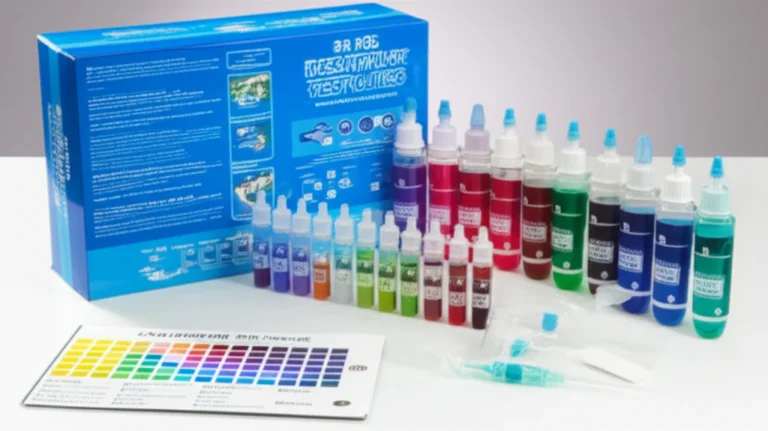
- 👉 Shop API Test Kits: Amazon | Chewy | API Official
- 👉 Shop Seachem Conditioners: Amazon | Bulk Reef Supply | Seachem Official
- Explore Digital Meters: Amazon | Hanna Official
Table of Contents
- ⚡️ Quick Tips and Facts
- 🌊 The Unseen World: A Deep Dive into Aquarium Water Chemistry & Biology
- ♻️ The Cornerstone of Aquatic Life: Understanding the Nitrogen Cycle (and Beyond!)
- 🧪 The Essential Parameters: What to Test and Why You Should Care
- 1. pH: The Acidity/Alkalinity Balance ⚖️
- 2. Ammonia (NH3/NH4+): The Silent Killer 💀
- 3. Nitrite (NO2-): The Intermediate Threat ⚠️
- 4. Nitrate (NO3-): The Algae Fueler 🌱
- 5. General Hardness (GH): Mineral Content for Health 💪
- 6. Carbonate Hardness (KH): The pH Buffer 🛡️
- 7. Temperature: The Metabolic Regulator 🔥
- 8. Salinity/Specific Gravity (for Saltwater): The Ocean’s Essence 🌊
- 9. Phosphates (PO4): Another Algae Booster 🦠
- 10. Chlorine/Chloramine: Tap Water Toxins 💧
- 11. Dissolved Oxygen (DO): The Breath of Life 🌬️
- 12. ORP (Oxidation-Reduction Potential): The Water’s “Cleanliness” Score ✨
- 13. Heavy Metals: Hidden Dangers ☢️
- 🛠️ Tools of the Trade: Your Water Quality Arsenal
- 💧 Maintaining Pristine Waters: The Art of Water Quality Management
- 🚨 Troubleshooting Water Quality Woes: Common Problems & Solutions
- 🐠 Optimizing Water Parameters: Tailoring to Your Aquatic Inhabitants’ Needs
- 🔮 The Future of Water Quality: Smart Aquariums & Advanced Monitoring
- ✅ Conclusion
- 🔗 Recommended Links
- ❓ FAQ
- 📚 Reference Links
⚡️ Quick Tips and Facts
Welcome to the watery world of aquarium water quality! Before we dive deep, here are some quick nuggets from the aquarists and aquascapers at Aquarium Music™ to get you started:
- ✅ Test your water weekly — it only takes about 30 minutes to an hour to keep your tank healthy and happy.
- ✅ Ammonia and nitrite levels should always be zero — these are toxic to fish even in tiny amounts.
- ✅ Nitrate levels below 20 ppm are ideal; higher levels fuel algae and stress fish.
- ✅ pH stability beats chasing perfect pH values — sudden swings are worse than a slightly off number.
- ✅ Use live plants to help absorb nitrates and phosphates naturally.
- ✅ Partial water changes (20-30%) weekly are your best friend for maintaining balance.
- ✅ Avoid overfeeding — uneaten food rots and spikes ammonia.
- ✅ Filter media from an established tank can speed up cycling — don’t start from scratch if you can help it!
For a detailed guide on setting up your fish tank and maintaining water quality, check out our Fish Tank Basics article.
Ready to unravel the mysteries behind these tips? Let’s go! 🐠💧
🌊 The Unseen World: A Deep Dive into Aquarium Water Chemistry & Biology
Aquarium water quality isn’t just about clear water — it’s a living, breathing ecosystem where chemistry and biology dance in harmony. At Aquarium Music™, we think of your tank as a symphony, where every parameter plays a vital note.
The Aquatic Symphony: What’s in Your Water?
- Water Chemistry: pH, hardness, dissolved oxygen, and nutrients create the chemical environment.
- Biological Processes: Beneficial bacteria convert toxic waste into less harmful substances.
- Physical Factors: Temperature, flow, and clarity affect fish and plants’ health.
Water may look simple, but it’s a complex cocktail. For example, did you know that ammonia exists in two forms — toxic free ammonia (NH3) and less toxic ammonium ion (NH4+)? The balance depends on pH and temperature, making water chemistry a dynamic puzzle.
Understanding this unseen world helps you prevent fish stress, disease, and algae blooms before they start. Curious about how this all works? Keep reading!
♻️ The Cornerstone of Aquatic Life: Understanding the Nitrogen Cycle (and Beyond!)
If aquarium water quality were a superhero saga, the Nitrogen Cycle would be the lead character — the ultimate waste recycler keeping your tank safe.
The Nitrogen Cycle in a Nutshell
| Stage | Process | Impact on Aquarium |
|---|---|---|
| Ammonia (NH3) | Produced by fish waste, uneaten food, decay | Highly toxic, must be zero |
| Nitrite (NO2-) | Bacteria convert ammonia to nitrite | Also toxic, zero is safe |
| Nitrate (NO3-) | Another bacteria convert nitrite to nitrate | Less toxic, but high levels stress fish |
This cycle depends on nitrifying bacteria colonizing your filter and substrate — a process called “cycling.” It can take weeks to months to establish, so patience is key.
Pro Tip: Speed up cycling by adding filter media or gravel from an established tank. This seeds your tank with beneficial bacteria and avoids the dreaded “New Tank Syndrome” — a spike in ammonia and nitrite that can kill fish.
Want to geek out on the full nitrogen cycle? Our friends at Aqueon have a great explainer.
🧪 The Essential Parameters: What to Test and Why You Should Care
Testing your aquarium water is like checking the vital signs of your aquatic pets. Here’s a detailed rundown of the key parameters you should monitor, why they matter, and how to keep them in check.
1. pH: The Acidity/Alkalinity Balance ⚖️
- What it is: Measures how acidic (<7) or alkaline (>7) your water is; 7 is neutral.
- Why it matters: Fish and plants have species-specific pH preferences. Sudden changes cause stress.
- Ideal range: Most freshwater fish thrive between 6.8 and 7.8.
- How to test: Use liquid test kits (API, Seachem) or digital pH meters for precision.
- How to adjust:
- Lower pH with peat moss, driftwood, or commercial pH down products.
- Raise pH with crushed coral or limestone substrates.
- Caution: Avoid rapid pH swings; slow, gradual changes are safer.
2. Ammonia (NH3/NH4+): The Silent Killer 💀
- What it is: Toxic waste from fish metabolism and decaying matter.
- Why it matters: Even tiny amounts can damage gills and cause death.
- Safe level: Zero ppm.
- Testing: Use high-quality ammonia test kits like API Freshwater Master Test Kit.
- Managing spikes:
- Immediate partial water changes.
- Reduce feeding.
- Add biological filter media or nitrifying bacteria supplements (e.g., Seachem Stability).
3. Nitrite (NO2-): The Intermediate Threat ⚠️
- What it is: Toxic intermediate in the nitrogen cycle.
- Why it matters: Interferes with oxygen transport in fish blood.
- Safe level: Zero ppm.
- Testing: Same kits as ammonia often include nitrite tests.
- Managing spikes: Water changes and ensuring a mature biofilter.
4. Nitrate (NO3-): The Algae Fueler 🌱
- What it is: End product of nitrogen cycle, less toxic but harmful in excess.
- Why it matters: High nitrates stress fish and promote algae blooms.
- Safe level: Ideally below 20 ppm.
- Testing: Nitrate test kits or digital meters.
- Management:
- Regular water changes.
- Live plants to absorb nitrates.
- Avoid overstocking and overfeeding.
5. General Hardness (GH): Mineral Content for Health 💪
- What it is: Measures calcium and magnesium ions.
- Why it matters: Affects fish osmoregulation and plant growth.
- Ideal range: Depends on species; many freshwater fish prefer 4-12 dGH.
- Testing: GH test kits (API, Salifert).
- Adjusting:
- Raise with mineral supplements or crushed coral.
- Lower with RO/DI water dilution.
6. Carbonate Hardness (KH): The pH Buffer 🛡️
- What it is: Measures carbonate and bicarbonate ions buffering pH.
- Why it matters: Prevents dangerous pH swings.
- Ideal range: 3-8 dKH typical for freshwater tanks.
- Testing: KH test kits.
- Adjusting:
- Raise with baking soda or crushed coral.
- Lower with peat or RO water.
7. Temperature: The Metabolic Regulator 🔥
- What it is: Water temperature affects fish metabolism and oxygen levels.
- Ideal range: Species-dependent; tropical fish usually 74-82°F (23-28°C).
- Monitoring: Use reliable aquarium heaters and digital thermometers.
- Tip: Avoid sudden temperature changes; acclimate new fish slowly.
8. Salinity/Specific Gravity (for Saltwater): The Ocean’s Essence 🌊
- What it is: Salt concentration in water, critical for marine tanks.
- Ideal range: 1.023-1.025 specific gravity for reef tanks.
- Testing: Hydrometers or refractometers (e.g., Milwaukee, Hanna).
- Adjusting: Add marine salt mix or RO water to maintain balance.
9. Phosphates (PO4): Another Algae Booster 🦠
- What it is: Nutrient from fish food, tap water, and decay.
- Why it matters: High levels cause algae blooms.
- Safe level: Below 0.03 ppm for reef tanks; freshwater less critical but keep low.
- Testing: Phosphate test kits (Seachem, API).
- Managing: Use phosphate-absorbing media like Kent Marine Phosphate Sponge.
10. Chlorine/Chloramine: Tap Water Toxins 💧
- What it is: Chemicals added to municipal water to kill pathogens.
- Why it matters: Toxic to fish and beneficial bacteria.
- Removal: Use water conditioners like Seachem Prime or API Tap Water Conditioner.
- Tip: Always treat tap water before adding to your aquarium.
11. Dissolved Oxygen (DO): The Breath of Life 🌬️
- What it is: Oxygen dissolved in water for fish and bacteria respiration.
- Ideal level: Above 6 mg/L (ppm).
- Testing: DO meters or test kits.
- Improvement: Increase surface agitation, air stones, or powerheads.
12. ORP (Oxidation-Reduction Potential): The Water’s “Cleanliness” Score ✨
- What it is: Measures water’s ability to break down waste and toxins.
- Ideal range: 300-450 mV for freshwater tanks.
- Testing: ORP meters (advanced hobbyists).
- Significance: Higher ORP usually means better water quality.
13. Heavy Metals: Hidden Dangers ☢️
- What it is: Metals like copper, lead, and zinc can leach from pipes or decorations.
- Why it matters: Toxic to fish and invertebrates.
- Testing: Specialized test kits or lab analysis.
- Prevention: Use activated carbon, water conditioners, and avoid metal-containing decor.
🛠️ Tools of the Trade: Your Water Quality Arsenal
To master aquarium water quality, you need the right tools. Here’s our expert pick of essentials:
| Tool | Purpose | Recommended Brands & Notes |
|---|---|---|
| Test Kits | Measure water parameters | API Freshwater Master Test Kit, Seachem MultiTest |
| Digital Meters | pH, ORP, DO, Salinity | Hanna Instruments, Milwaukee, Apera |
| Refractometer | Saltwater specific gravity | Milwaukee, AquaMedic |
| Water Conditioners | Remove chlorine, detoxify ammonia | Seachem Prime, API Tap Water Conditioner |
| Test Strips | Quick but less accurate | Useful for beginners, not for precise readings |
| Filter Media | Biological filtration | Fluval Biomax, Seachem Matrix, Eheim Substrat Pro |
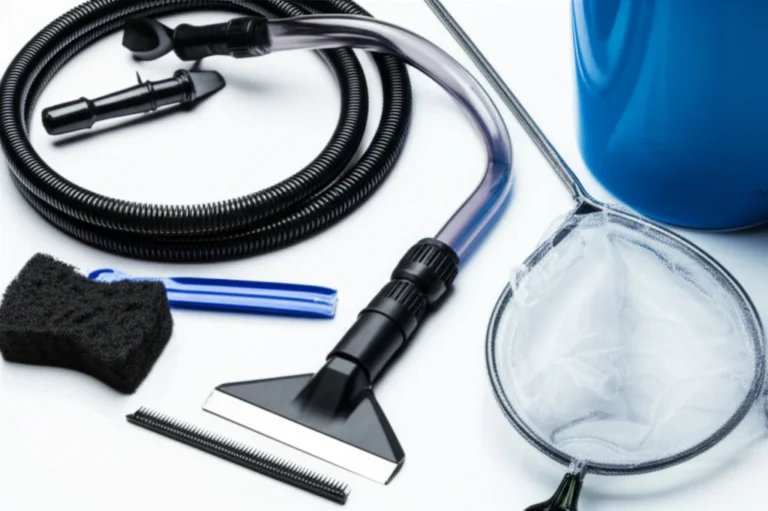
| Water Change Equipment | Maintain water quality | Python No Spill Clean and Fill, gravel vacuum siphons |
Our Experience: Why Digital Meters Rock
We’ve tested many kits over the years, and while liquid test kits are reliable, digital meters provide faster, more precise readings — especially for pH and salinity. For saltwater tanks, a quality refractometer is a game-changer.
User Reviews
- “The API Master Test Kit is my go-to for freshwater tanks — easy to use and accurate.” — Jamie, hobbyist
- “Hanna’s pH meter saved my reef tank from a pH crash. Worth every penny!” — Carlos, marine aquarist
💧 Maintaining Pristine Waters: The Art of Water Quality Management
Keeping your aquarium water in tip-top shape is an ongoing performance. Here’s how we at Aquarium Music™ keep the symphony playing smoothly:
Step-by-Step Water Quality Maintenance Routine
- Test water weekly for ammonia, nitrite, nitrate, pH, and hardness.
- Perform partial water changes (20-30%) weekly to dilute toxins and replenish minerals.
- Clean filters monthly but avoid washing all media at once to preserve beneficial bacteria.
- Avoid overfeeding — feed only what fish consume in 2-3 minutes.
- Remove uneaten food and dead plant matter promptly.
- Monitor temperature daily and adjust heaters as needed.
- Add live plants to absorb nitrates and phosphates naturally.
- Use water conditioners when adding tap water.
- Quarantine new fish to prevent disease introduction.
Pro Tips from Our Aquascapers
- Use a water change schedule chart to stay consistent.
- Keep a logbook of test results to spot trends early.
- Consider CO2 injection for planted tanks to stabilize pH and promote growth.
- Use activated carbon sparingly — it removes toxins but also beneficial trace elements.
🚨 Troubleshooting Water Quality Woes: Common Problems & Solutions
Even the best aquarists hit bumps in the road. Here’s how to tackle common water quality issues:
| Problem | Symptoms | Causes | Solutions |
|---|---|---|---|
| Ammonia spike | Fish gasping, lethargy, red gills | New tank, overstocking, overfeeding | Immediate water change, reduce feeding, add bio media |
| Nitrite spike | Fish gasping, rapid breathing | Incomplete cycling, filter failure | Water changes, add nitrifying bacteria, improve filtration |
| High nitrate levels | Algae bloom, fish stress | Infrequent water changes, overfeeding | Increase water changes, add plants, reduce feeding |
| pH crash or spike | Fish hiding, erratic behavior | Low KH, organic decay, chemical additives | Buffer KH, partial water changes, avoid additives |
| Cloudy water | Milky or green tint | Bacterial bloom, algae, poor filtration | Improve filtration, water changes, reduce light |
| Low dissolved oxygen | Fish gasping at surface | Overcrowding, high temperature, poor aeration | Increase aeration, reduce stocking, lower temperature |
Anecdote: The Case of the Mysterious Fish Loss
One of our team members once lost half a tank of neon tetras overnight. Testing revealed a sudden ammonia spike caused by a clogged filter. After a massive water change and filter cleaning, the tank recovered. The lesson? Never skip regular filter maintenance!
🐠 Optimizing Water Parameters: Tailoring to Your Aquatic Inhabitants’ Needs
Different fish and plants have different water quality preferences. Here’s how to customize your water chemistry for your tank’s stars:
| Species Group | Preferred pH | GH (dGH) | KH (dKH) | Temp (°F/°C) | Notes |
|---|---|---|---|---|---|
| Tetras & Rasboras | 6.0 – 7.0 | 1 – 5 | 1 – 3 | 72-79 / 22-26 | Soft, slightly acidic water |
| Cichlids (African) | 7.8 – 8.6 | 10 – 20 | 10 – 15 | 75-82 / 24-28 | Hard, alkaline water with stable KH |
| Goldfish | 7.0 – 8.0 | 5 – 19 | 3 – 10 | 65-75 / 18-24 | Cooler temps, moderate hardness |
| Livebearers | 7.0 – 8.0 | 10 – 20 | 8 – 12 | 74-82 / 23-28 | Hard water, stable pH |
| Discus | 6.0 – 7.0 | 1 – 4 | 1 – 3 | 82-86 / 28-30 | Very soft, acidic, warm water |
How to Adjust Parameters Safely
- Use RO/DI water mixed with tap water to soften and lower GH/KH.
- Add crushed coral or limestone to raise hardness and pH gradually.
- Use peat moss or alder cones to lower pH naturally.
- Always change parameters slowly over days or weeks to avoid shocking fish.
For more species-specific care, explore our Fish Care and Species Profiles section.
🔮 The Future of Water Quality: Smart Aquariums & Advanced Monitoring
The aquarium hobby is evolving fast, and water quality management is no exception. The Seattle Aquarium’s new Ocean Pavilion is pioneering closed-loop systems that recycle 96% of saltwater, using advanced ion chromatography and ion-selective electrodes to monitor water chemistry with precision and sustainability.
Emerging Technologies to Watch
- Smart sensors and IoT devices that provide real-time water quality data on your phone.
- Automated dosing systems that adjust parameters like pH and CO2 based on sensor feedback.
- Eco-friendly testing methods reducing plastic waste, like reusable electrodes.
- AI-powered water quality prediction to prevent problems before they arise.
Imagine your aquarium sending you a text: “Hey, your nitrate is creeping up — time for a water change!” That future is closer than you think.
For more on aquarium equipment innovations, visit our Aquarium Equipment category.
✅ Conclusion

Congratulations! You’ve just navigated the vast and fascinating ocean of aquarium water quality with us at Aquarium Music™. From the fundamental nitrogen cycle to the nuances of pH, hardness, and dissolved oxygen, you now hold the keys to creating a thriving aquatic symphony.
Remember, water quality is the heartbeat of your aquarium — keep it stable, clean, and balanced, and your fish and plants will reward you with vibrant health and mesmerizing behavior. The secret? Consistent testing, timely water changes, and understanding the unique needs of your aquatic inhabitants.
While we didn’t review a specific product here, we highlighted some of the best tools and conditioners like the API Freshwater Master Test Kit, Seachem Prime, and Hanna Instruments digital meters — all trusted by hobbyists worldwide. These tools empower you to monitor and maintain water quality confidently.
And as you’ve seen, the future is bright with smart monitoring devices and eco-friendly testing on the horizon, making aquarium care easier and more precise than ever.
So, dive in, keep your water pristine, and let your aquarium sing its watery song! 🎶🐠💧
🔗 Recommended Links
Ready to gear up with the best aquarium water quality tools and resources? Check these out:
-
API Freshwater Master Test Kit:
Amazon | Chewy | API Official Website -
Seachem Prime Water Conditioner:
Amazon | Bulk Reef Supply | Seachem Official Website -
Hanna Instruments pH and ORP Meters:
Amazon | Hanna Official Website -
Milwaukee Refractometer (Saltwater):
Amazon | Milwaukee Official Website -
Books for Deep Diving into Aquarium Water Chemistry:
❓ FAQ

What are the most important parameters to test for in aquarium water quality?
The critical parameters include:
- Ammonia (NH3/NH4+): Toxic waste product; must be zero.
- Nitrite (NO2-): Intermediate toxin; must be zero.
- Nitrate (NO3-): Less toxic but harmful in excess; keep below 20 ppm.
- pH: Measures acidity/alkalinity; stability is key.
- General Hardness (GH) and Carbonate Hardness (KH): Affect fish health and pH buffering.
- Temperature: Influences metabolism and oxygen levels.
Testing these regularly ensures your tank remains a safe environment for aquatic life.
How often should I test the water in my aquarium to ensure good water quality?
- New tanks: Test daily or every other day during the cycling process to monitor ammonia and nitrite spikes.
- Established tanks: Weekly testing is sufficient for key parameters like ammonia, nitrite, nitrate, and pH.
- Special cases: Test more frequently if you notice fish stress, illness, or after adding new livestock or equipment.
Regular testing helps catch problems early and maintain a stable environment.
What are the effects of poor water quality on aquatic life in an aquarium?
Poor water quality can cause:
- Stress and weakened immune systems leading to disease susceptibility.
- Gill damage and respiratory distress from ammonia and nitrite toxicity.
- Stunted growth, color loss, and behavioral changes due to chronic nitrate exposure.
- Algae blooms that compete with plants and reduce oxygen.
- Fish deaths in severe cases.
Maintaining good water quality is essential for vibrant, healthy aquatic life.
Read more about “Dive Into Coral Reef Aquariums: 15 Essentials for a Thriving Reef 🌊 (2025)”
How can I improve the water quality in my aquarium if it’s currently poor?
- Perform immediate partial water changes (20-50%) to dilute toxins.
- Reduce feeding to minimize waste production.
- Clean or replace filter media carefully to restore biological filtration.
- Add beneficial bacteria supplements (e.g., Seachem Stability) to boost the nitrogen cycle.
- Increase aeration and circulation to improve oxygen levels.
- Test tap water for contaminants and treat with conditioners before adding.
Consistency and patience are key to restoring balance.
What are the benefits of regular water changes for maintaining good aquarium water quality?
Regular water changes:
- Dilute accumulated nitrates, phosphates, and toxins.
- Replenish essential minerals and trace elements.
- Help stabilize pH and hardness.
- Remove organic waste and debris.
- Support beneficial bacteria by maintaining a healthy environment.
They are the cornerstone of aquarium maintenance and greatly reduce the risk of water quality problems.
Read more about “25 Must-Have Freshwater Aquarium Plants for a Lush Underwater Oasis (2025) 🌿”
What role do biological filters play in maintaining good water quality in an aquarium?
Biological filters house nitrifying bacteria that convert toxic ammonia into nitrite, then into less harmful nitrate — a process essential for a healthy aquarium. Without a mature biofilter, toxic compounds accumulate rapidly, harming fish.
Maintaining biofilters involves:
- Avoiding over-cleaning to preserve bacteria colonies.
- Using quality filter media with high surface area (e.g., Fluval Biomax).
- Seeding new tanks with media from established ones to speed cycling.
How can I balance the pH and other chemical levels in my aquarium to maintain optimal water quality?
Balancing pH and chemistry involves:
- Testing regularly to understand your water’s baseline.
- Using natural methods like driftwood or peat moss to lower pH gently.
- Adding crushed coral or limestone to raise pH and hardness gradually.
- Avoiding chemical additives that cause rapid swings.
- Maintaining stable KH to buffer pH changes.
- Mixing RO/DI water with tap water to achieve desired hardness and purity.
Always make changes slowly over days or weeks to avoid shocking your aquatic friends.
📚 Reference Links
- Aqueon: Freshwater Aquarium Water Quality — Comprehensive guide on water chemistry and cycling.
- AquariumInfo.org: Water Chemistry and Aquarium Care — Detailed explanations of water parameters and adjustments.
- Seattle Aquarium: Hidden Science Superheroes — Water Quality — Innovative water quality management in a public aquarium setting.
- API Fish Care — Official site for test kits and aquarium products.
- Seachem Laboratories — Trusted water conditioners and supplements.
- Hanna Instruments — Precision digital meters for aquarium monitoring.
- Milwaukee Instruments — Refractometers and water testing devices.
For more expert insights and aquarium care tips, visit our Fish Care and Species Profiles and Tank Maintenance categories at Aquarium Music™.