Support our educational content for free when you purchase through links on our site. Learn more
🌿 7 Steps to a Natural Fish Tank: Plants, Rocks & Ornaments (2026)

what we have to offer by watching the videoFor more details, you can also visit our OFFICIAL BLOG:https://aquariumstoredepot.com/blogs/news/best-driftwood-for-aquariumsPurchase WYYIWYG Aquascaping Rocks from our partners BucePlant:https://aquariumstoredepot.com/blogs/news/best-rocks-for-freshwater-aquariumTimestamps:00:00 Introduction01:22 Intro To Aquarium Rocks01:51 Types Of Aquarium Rocks02:03 Igneous Rock02:18 Sedimentary Rocks02:35 Metamorphic Rocks04:10 Ohko Dragon Stone Rock04:51 Black Mountain Seiryu Stone05:50 Black Lava Stone06:30 Traditional Seiryu07:12 WYSIWYG Stones08:05 Lifegard Aquatics Petrified Stone08:43 Penn Plax Deco Rock09:40 Slate Rock10:26″>
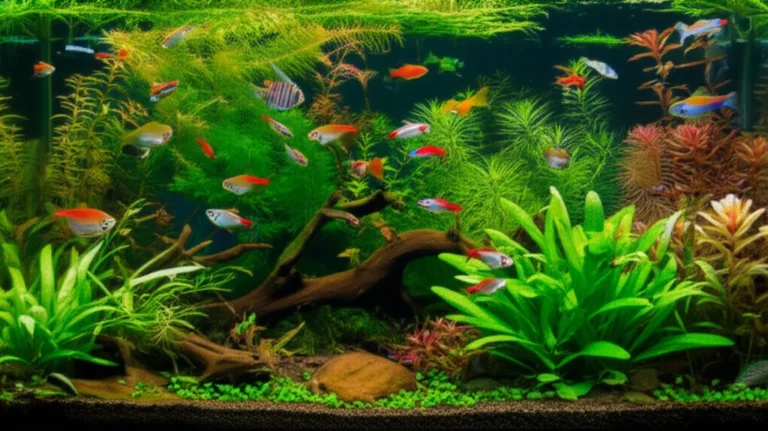
Ever stared into a glass box of swirling water and wished it looked less like a swimming pool and more like a slice of the Amazon or a rocky Swiss lake? We’ve all been there. At Aquarium Music™, we’ve seen tanks transform from sterile, plastic-filled jars into thriving, breathing ecosystems that stop traffic. But here’s the secret most beginners miss: nature doesn’t follow a grid. Creating a natural environment isn’t about stuffing your tank with every ornament you find; it’s about understanding the delicate balance between hardscape, flora, and the invisible chemistry that keeps your fish happy.
Imagine a tank where your Beta rests on a broad leaf, your Tetras dart through a “forest” of Java Fern, and your Corydoras sift through sand without a single sharp edge in sight. Sounds like a dream? It’s entirely possible, but it requires a shift in perspective. In this guide, we’ll walk you through the 7 essential steps to curate a natural aquascape, from selecting the right rocks that won’t poison your water to arranging driftwood that mimics ancient riverbeds. We’ll even reveal why that “cool” plastic castle might be ruining your tank’s chemistry and how to avoid the common pitfalls that turn a masterpiece into a maintenance nightmare. Ready to turn your tank into a living work of art? Let’s dive in.
Key Takeaways
- Safety First: Always perform the vinegar test on natural rocks to ensure they won’t alter your water chemistry.
- Hardscape is King: Use driftwood and stones as your foundation before adding plants to create depth and structure.
- Biotope Matters: Match your decor to your fish species’ natural habitat for optimal health and vibrant colors.
- Less is More: Embrace negative space to prevent overcrowding and reduce stress for your aquatic inhabitants.
- Maintenance is Key: Regular pruning and water changes are essential to keep your natural look pristine and algae-free.
Table of Contents
- ⚡️ Quick Tips and Facts
- 🌿 From Concrete Jungle to Aquatic Eden: A Brief History of Natural Aquascaping
- 🧭 The Ultimate Guide to Decorating Your Fish Tank with Plants, Rocks, and Ornaments
- 1. 🌱 Selecting the Right Live and Artificial Plants for Your Biotope
- 2. 🪨 Choosing Safe Rocks and Substrates for a Natural Look
- 3. 🪵 Incorporating Driftwood and Hardscape Elements
- 4. 🏺 Curating Ornaments That Mimic Nature Without the Clutter
- 5. 🎨 Mastering Composition: The Art of Balance and Negative Space
- 6. 🐟 Matching Decor to Your Fish Species’ Natural Habitat
- 7. 🛠️ Step-by-Step: How to Arrange Your Aquascape for Maximum Impact
- 8. 🧼 Maintenance Hacks: Keeping Your Natural Decor Clean and Thriving
- 🚫 What to Avoid: Common Mistakes in Fish Tank Decoration
- 💡 Quick Tips and Facts for the Aspiring Aquascaper
- 🏆 Conclusion: Creating Your Own Underwater Masterpiece
- 🔗 Recommended Links and Resources
- ❓ Frequently Asked Questions (FAQ)
- 📚 Reference Links
⚡️ Quick Tips and Facts
Before we dive into the deep end of aquascaping, let’s hit the pause button on your impulse buy and drop some non-negotiable truths that even seasoned aquarists sometimes forget. At Aquarium Music™, we’ve seen tanks turn into toxic soup because someone skipped these basics.
- The “Inert” Rule is King: If it changes your water chemistry (pH, hardness) without you wanting it to, don’t put it in. A quick vinegar test on rocks can save your fish from a slow, painful death.
- Size Matters (Literally): A decoration that looks tiny in the store can dominate a 10-gallon tank. Always scale your ornaments to your tank volume.
- Sharp Edges = Torn Fins: If you can cut your finger on it, your fish will definitely get shredded. Smooth is safe.
- The “Boil or Soak” Mandate: Natural wood and rocks must be sterilized. We’re talking boiling for 20 minutes or soaking in a bleach solution (followed by a thorough dechlorinator rinse) to kill hitchiking pests.
- Plants are Not Just Decor: They are your biological filter. A tank with live plants is a self-sustaining ecosystem; a tank with plastic plants is a sterile box.
Did you know? Creating a natural environment isn’t just about aesthetics; it’s a proven stress reliever for both you and your fish. Check out our deep dive on 🐟 7 Proven Benefits of a Fish Tank: Stress Relief & Air Quality to see how a well-decorated tank transforms your home into a sanctuary.
🌿 From Concrete Jungle to Aquatic Eden: A Brief History of Natural Aquascaping

You might think decorating a fish tank with rocks and plants is a modern trend, but the roots of natural aquascaping go back much further than the internet age. While the Victorians loved their glass globes filled with plastic castles, the true art of mimicking nature has ancient origins.
In the 17th century, Chinese and Japanese scholars began keeping goldfish in bowls, often placing stones and aquatic plants to mimic riverbeds. However, it wasn’t until the 20th century that aquascaping evolved from a hobby into a high art form. The Japanese master Takashi Amano revolutionized the industry in the 1980s and 90s by introducing the concept of the Nature Aquarium. He argued that an aquarium should not just hold fish, but should be a living piece of art that replicates a specific terrestrial or aquatic landscape.
Amano’s philosophy shifted the focus from “what looks cool” to “what feels real.” He popularized the use of driftwood, hardscape, and carpeting plants to create depth and perspective. Today, styles like Iwagumi (rock-focused), Ryuboku (wood-focused), and Biotope (habitat-specific) dominate the scene.
Why does this history matter to you? Because understanding the why behind the decor helps you avoid the “plastic castle” trap. When you know that a rock formation is meant to mimic a riverbank where fish spawn, you start arranging your tank with purpose, not just clutter.
🧭 The Ultimate Guide to Decorating Your Fish Tank with Plants, Rocks, and Ornaments
So, you’re ready to transform your boring glass box into a thriving underwater world? Excellent. But where do you start? The answer lies in planning.
Before you buy a single pebble, ask yourself: What story am I telling? Are we recreating the Amazonian blackwaters, the rocky shores of Lake Malawi, or a lush, planted forest floor?
1. 🌱 Selecting the Right Live and Artificial Plants for Your Biotope
Plants are the soul of your natural environment. They provide oxygen, absorb nitrates, and offer crucial hiding spots. But choosing the wrong ones is a recipe for disaster.
Live Plants: The Living Choice
Live plants are the gold standard for a natural look. They grow, change, and interact with your fish.
- Beginer Friendly: Java Fern, Anubias, and Amazon Sword. These are hardy, low-light lovers that attach to rocks and wood.
- Advanced Carpeting: Dwarf Hairgrass or Monte Carlo for that lush lawn look. These require high light and CO2.
- Floating Plants: Duckweed or Frogbit to diffuse light and provide cover for fry.
Pros:
- ✅ Improves water quality naturally.
- ✅ Provides real shelter and breeding grounds.
- ✅ Changes over time, keeping the tank dynamic.
Cons:
- ❌ Requires specific lighting and nutrients.
- ❌ Can introduce pests if not quarantined.
- ❌ Slower to establish than plastic.
Artificial Plants: The Low-Maintenance Alternative
Don’t knock them until you try them! High-quality silk or plastic plants can look surprisingly natural if chosen wisely.
- Silk vs. Plastic: Always choose silk. Plastic plants have sharp edges that can shred delicate fins (looking at you, Beta owners). Silk is soft and flexible.
- Color Palette: Avoid neon greens and pinks. Stick to olive, dark green, and brown tones to mimic nature.
Pros:
- ✅ Zero maintenance (no trimming, no dying).
- ✅ Instant gratification (no waiting for growth).
- ✅ Perfect for low-light tanks or tanks with plant-eating fish (like Goldfish).
Cons:
- ❌ Can trap debris and require frequent cleaning.
- ❌ No water quality benefits.
- ❌ Can look “fake” if the color is too bright.
Pro Tip: Mix live and artificial! Use live plants in the background and hardy silk plants in the foreground where fish might nible.
👉 Shop Live Aquatic Plants on:
👉 Shop High-Quality Silk Plants on:
2. 🪨 Choosing Safe Rocks and Substrates for a Natural Look
The substrate is the foundation of your aquascape. It’s not just about color; it’s about chemistry and texture.
The Great Rock Debate: Which Stones are Safe?
Not all rocks are created equal. As mentioned in our “Quick Tips,” some rocks leach calcium, raising pH and hardness, which can be disastrous for soft-water fish like Tetras or Discus.
| Rock Type | Chemistry Impact | Best For | Aesthetic |
|---|---|---|---|
| Seiryu Stone | Neutral | Planted tanks, Iwagumi | Blue-grey with white veins |
| Dragon Stone (Ohko) | Neutral | General aquascaping | Earthy, textured, brown |
| Black Lava Rock | Neutral | Bio-filtration, contrast | Porous, black, rugged |
| Limestone / Marble | Raises pH/Hardness | African Cichlids, Livebearers | White, smooth, classic |
| Slate | Neutral | Backgrounds, flat surfaces | Dark grey, layered |
| Texas Holey Rock | Raises pH/Hardness | Cichlids (agression reduction) | Porous, white/grey |
The Vinegar Test:
Before buying any natural rock, pour a drop of white vinegar on it. If it fizzes, it contains calcium carbonate and will alter your water chemistry. Avoid it unless you keep African Cichlids.
Substrate Choices
- Sand: Essential for bottom dwellers (Corydoras, Loaches). It allows them to sift and forage naturally.
- Gravel: Good for anchoring heavy plants. Choose a grain size that won’t trap debris but isn’t too large for your fish to swallow.
- Soil (Aquasoil): The secret weapon for planted tanks. It provides nutrients for roots and buffers pH.
👉 Shop Aquarium Rocks on:
👉 Shop Aquarium Substrates on:
3. 🪵 Incorporating Driftwood and Hardscape Elements
Driftwood is the “skeleton” of your aquascape. It adds verticality, texture, and a sense of age.
Types of Driftwood
- Spider Wood: Thin, branching, perfect for delicate setups.
- Manzanita: Thick, gnarled, great for creating caves.
- Malaysian Driftwood: Dark, heavy, sinks easily, and releases tannins (which some fish love!).
- Cholla Wood: Great for attaching moss to.
Preparation is Key:
Driftwood floats! You must soak it in a bucket of water for several days (or boil it) until it sinks. This also leaches out tannins that turn your water tea-colored. While tannins are harmless (and beneficial for some species), they can be unsightly if you want crystal clear water.
Fun Fact: Tannins from wood can actually lower pH and have antibacterial properties, mimicking the blackwater environments of the Amazon!
👉 Shop Driftwood on:
4. 🏺 Curating Ornaments That Mimic Nature Without the Clutter
Here is where many beginners go wrong: The “Junk Drawer” Effect. A tank full of plastic pirates, sunken castles, and neon skulls looks like a toy store, not a natural habitat.
The Art of Subtlety
If you must use ornaments, choose ones that blend in.
- Ceramic: Unglazed ceramic pots (like terracotta) are excellent for hiding spots. They are porous and safe.
- Resin: Look for high-quality resin that mimics stone or wood. Avoid anything with sharp edges or bright, unnatural colors.
- DIY: Use PVC pipes or coconut shells (boiled and sanded) to create natural-looking caves.
What to Avoid:
- ❌ Metal (rusts and leaches toxins).
- ❌ Painted items (unless certified aquarium-safe).
- ❌ Items with small detachable parts (choking hazards).
👉 Shop Safe Ornaments on:
- Amazon | PetSmart | The Viet Potter (For unique ceramic art)
5. 🎨 Mastering Composition: The Art of Balance and Negative Space
Now that you have your elements, how do you arrange them? This is where aquascaping becomes art.
The Golden Ratio and Rule of Thirds
Don’t place your focal point dead center. It looks static. Place your main rock or wood piece at the 1/3 or 2/3 mark of the tank. This creates a dynamic, asymetrical balance that mimics nature.
Creating Depth
- Foreground: Short plants, small stones.
- Midground: The focal point (large rock/wood).
- Background: Tall plants to hide equipment and create a “wall” of green.
Negative Space:
Leave some open swimming areas. A tank that is 10% covered in decor is stressful for fish. They need space to patrol and feel safe.
6. 🐟 Matching Decor to Your Fish Species’ Natural Habitat
This is the most critical step. Biotope aquariums are the pinnacle of natural decoration.
- Tetras & Discus (Amazon): Dark substrate, driftwood, leaf litter, soft water.
- African Cichlids (Lake Malawi/Tanganyika): Sand substrate, large rocks, caves, hard water.
- Livebearers (Guppies/Mollies): Plants, moderate flow, neutral pH.
- Bettas: Plants with broad leaves for resting, gentle flow, no sharp rocks.
Why does this matter? Fish that feel “at home” display better colors, eat better, and breed more often. A Beta in a tank full of sharp rocks will be stressed and hide; a Cichlid in a soft, sandy tank with no rocks will be bullied.
Learn more about matching decor to species in our Fish Care and Species Profiles section.
7. 🛠️ Step-by-Step: How to Arrange Your Aquascape for Maximum Impact
Ready to build? Follow this workflow:
- Prep the Tank: Clean the glass, install the heater/filter (but don’t turn them on yet).
- Add Substrate: Slope it higher in the back to create depth.
- Place Hardscape: Arrange rocks and wood dry first. Step back. Move them. Repeat. This is the most important step.
- Add Water: Fill slowly using a plate to avoid disturbing the substrate.
- Plant: Insert plants into the substrate or attach them to wood.
- Final Adjustments: Add a few more rocks or plants if it looks empty.
- Cycle: Let the tank cycle for 4-6 weeks before adding fish.
Wait, why cycle? Because the “New Tank Syndrome” (amonia spikes) can kill your fish. The bacteria needed to break down waste need time to establish.
👉 Shop Aquarium Equipment on:
- Amazon | Chewy | Marine Depot
8. 🧼 Maintenance Hacks: Keeping Your Natural Decor Clean and Thriving
A natural tank requires maintenance, but it doesn’t have to be a chore.
- Algae Control: Don’t scrub rocks with soap! Use an algae scraper or a soft brush. Introduce algae-eaters like Nerite Snails or Amano Shrimp.
- Pruning Plants: Trim dead leaves immediately. Overgrown plants block light and rot.
- Water Changes: 25-30% weekly is the golden rule. It removes nitrates and replenishes minerals.
- Vacuuming: Use a gravel vacuum to clean the substrate, but be gentle around plant roots.
Pro Tip: If you use driftwood, it will eventually stop releasing tannins. If you want that “blackwater” look, add a bag of Indian Almond Leaves (Catappa leaves) to the tank.
🚫 What to Avoid: Common Mistakes in Fish Tank Decoration
Even the best intentions can lead to a disaster. Here are the pitfalls we see at Aquarium Music™ every day.
1. The “Overcrowding” Trap
Putting too many decorations reduces swimming space and creates dead spots where debris accumulates. Less is more.
2. Ignoring Water Chemistry
Using limestone in a tank with soft-water fish is a death sentence. Always test your water parameters before adding rocks.
3. Sharp Edges
If your decoration has a jaged edge, it will tear fins. Sand it down or throw it away.
4. Fake Plants with Plastic Stems
These are rigid and can injure fish. Stick to silk or high-quality plastic with flexible stems.
5. Neglecting the “Dry Run”
Never put everything in the tank at once. Arrange it dry, take a photo, and then decide if it works. You can’t easily move heavy rocks once the tank is full!
💡 Quick Tips and Facts for the Aspiring Aquascaper
Let’s recap the wisdom we’ve gathered:
- Test Before You Trust: Always perform the vinegar test on rocks.
- Silk is King: If using fake plants, choose silk over plastic.
- Soak Your Wood: Driftwood must be soaked until it sinks.
- Biotope is Best: Mimic the fish’s natural habitat for the happiest livestock.
- Patience Pays: Let your tank cycle before adding fish.
One last question: Have you ever wondered why some tanks look like a museum exhibit while others look like a swamp? The secret isn’t just the plants; it’s the composition. We’ll reveal the final secret to a masterpiece in the conclusion.
🏆 Conclusion: Creating Your Own Underwater Masterpiece

So, there you have it. You’ve learned the history, the chemistry, the art, and the science of decorating your fish tank with plants, rocks, and ornaments. From the ancient roots of Chinese goldfish keeping to Takashi Amano’s revolutionary Nature Aquarium concept, the journey to a natural environment is one of patience and observation.
Remember, the goal isn’t just to fill a tank; it’s to create a living ecosystem where your fish can thrive and you can find peace. Whether you choose the rugged beauty of Seiryu stone, the organic curves of Manzanita wood, or the vibrant life of Java Fern, every element you add tells a story.
The Final Secret: The most beautiful tanks are not the ones with the most expensive rocks or the rarest plants. They are the ones where the balance is perfect, where the fish feel safe, and where the owner has taken the time to understand the needs of their aquatic inhabitants. Don’t be afraid to experiment, move things around, and learn from your mistakes. After all, nature is rarely perfect, and that’s what makes it beautiful.
Now, go forth and create your own Aquatic Eden!
🔗 Recommended Links and Resources
Ready to get started? Here are our top picks for products and resources to help you build your natural aquarium.
👉 Shop Aquarium Rocks:
- Seiryu Stone: Amazon | BucePlant
- Dragon Stone: Amazon | Lifegard Aquatics
- Black Lava Rock: Amazon | Bulk Reef Supply
👉 Shop Driftwood:
- Spider Wood: Amazon | Etsy
- Manzanita Wood: Amazon | The Wood Whisper
👉 Shop Plants:
👉 Shop Ornaments & Substrates:
- Aquasoil: Amazon | CaribSea
- Ceramic Ornaments: The Viet Potter | Amazon
Books:
- The Nature Aquarium World by Takashi Amano: Amazon
- Aquarium Plants: The Complete Guide by Frank Schäfer: Amazon
❓ Frequently Asked Questions (FAQ)

How often should I clean and maintain plants and decorations in my fish tank?
Frequency depends on your tank’s bioload. Generally, you should trim dead plant leaves weekly and vacuum the substrate during your weekly water change. For decorations, a gentle rinse during water changes is usually sufficient. Avoid using soap or chemicals; if algae builds up, use a soft brush or an algae scraper.
What lighting is best to enhance the natural appearance of a planted aquarium?
Full-spectrum LED lights are the gold standard. They mimic natural sunlight and promote healthy plant growth. Look for lights with adjustable intensity and color temperature (usually 650K for a natural daylight look). Avoid lights that are too intense, as they can cause algae blooms.
Read more about “12 Essential Fish Tank Equipment & Supplies You Can’t Miss in 2026 🐠”
How do I create hiding spots for fish using plants and decorations?
Layer your decor. Use tall plants in the back, mid-ground rocks or wood with crevices, and foreground plants to create a “forest” effect. Caves made from rocks, driftwood, or ceramic pots are essential for shy species. Ensure there are multiple entry and exit points to prevent fish from getting trapped.
Read more about “🌊 10 Steps to the Ultimate Oceanic Aquarium Theme (2026)”
What types of ornaments are safe for freshwater fish tanks?
Inert materials only. Safe options include:
- Glass: Non-porous and safe.
- Ceramic: Unglazed or food-safe glazed.
- Resin: Specifically labeled “aquarium safe.”
- Natural Wood: Boiled and soaked.
- Natural Stone: Tested with vinegar (no fizzing).
Avoid metal, painted items (unless safe), and plastics that aren’t designed for aquariums.
Read more about “25 Stunning Ideas for Decorating a Fish Tank in 2026 🐠”
Can I use artificial plants and still maintain a natural look in my aquarium?
Absolutely! High-quality silk plants can look very natural if you choose realistic colors (olive, dark green) and avoid neon shades. The key is to arrange them naturally, not in perfect rows, and to mix them with live plants or hardscape to break up the “plastic” look.
How do I arrange rocks and driftwood to mimic a natural aquatic habitat?
Follow the Rule of Thirds. Place your main focal point (a large rock or piece of wood) at the 1/3 or 2/3 mark of the tank. Create a slope with your substrate, higher in the back and lower in the front. Use smaller rocks and plants to fill gaps and create a seamless transition.
Read more about “Can I Use a Fish Tank as a Decorative Piece in My Home? 🐠✨”
What are the best live plants for creating a natural fish tank environment?
- Beginer: Java Fern, Anubias, Amazon Sword.
- Intermediate: Cryptocoryne, Vallisneria.
- Advanced: Dwarf Hairgrass, Monte Carlo, Rotala.
Choose plants that match your lighting and CO2 levels.
Read more about “🐠 7 Proven Benefits of a Fish Tank: Stress Relief & Air Quality (2026)”
What are the best live plants for a natural-looking fish tank?
(See above). The best plants are those that thrive in your specific conditions. A tank with healthy, growing plants looks more natural than one with dying or struggling plants, regardless of the species.
Read more about “25 Best Freshwater Fish Species for Your Tank (2026) 🐠”
How do I arrange rocks and driftwood to create a natural aquascape?
Think like a river. Rocks and wood should follow the flow of the water. Place larger pieces at the bottom and smaller ones at the top. Create “canyons” and “valeys” to add depth. Always step back and check the balance from the front.
Are there specific ornaments that are safe for freshwater fish?
Yes, see the “What types of ornaments are safe” section above. The key is inertness and smoothness.
Read more about “18 Creative Fish Tank Ideas to Transform Your Tank (2026) 🐠”
How can I maintain water quality when using natural decorations?
Natural decorations like wood can release tannins, which are harmless but can lower pH. To maintain water quality, perform regular water changes (25-30% weekly) and monitor your parameters. If tannins are too strong, use activated carbon in your filter.
Read more about “10 Jaw-Dropping Aquatic Decoration Themes to Try in 2026 🌊”
What substrate works best for planted aquariums with rocks?
Aquasoil is excellent for planted tanks as it provides nutrients. For a natural look with rocks, you can use a layer of aquasoil under a layer of sand or gravel. This allows plants to root while keeping the surface clean.
How do I prevent algae growth on plants and rocks in a natural tank?
Balance your ecosystem. Ensure your lighting isn’t too intense, provide adequate CO2 (if using high-tech plants), and maintain a healthy population of algae-eaters (snails, shrimp, fish). Regular water changes and pruning are also crucial.
Read more about “🌊 Build a Thriving Aquatic Ecosystem: 7 Steps to a Self-Sustaining Tank (2026)”
Can I use real stones from outside in my fish tank?
Only if you are sure they are safe. Collect stones from clean sources, boil them for 20 minutes, and perform the vinegar test. If they fizz, they contain calcium and will alter your water chemistry. If they don’t fizz, they are likely safe, but always monitor your water parameters after adding them.
Read more about “How to Cycle a New Fish Tank for a Healthy Aquarium (2026) 🐠”
📚 Reference Links
- Aqua-Fish: Fish Tank Decorations Purpose – A comprehensive guide on safe decoration principles.
- WikiHow.Pet: Decorate a Fish Tank – Step-by-step instructions for beginners.
- The Viet Potter: Fish Tank Decorations Guide – Unique ceramic art pieces for aquariums.
- Aquarium Music™: Aquascaping and Aquatic Plants – Our expert guides on plant care.
- Aquarium Music™: Aquarium Setup – Complete setup guides.
- Aquarium Music™: Fish Care and Species Profiles – Species-specific advice.
- Aquarium Music™: Aquarium Equipment – Gear reviews and recommendations.
- Aquarium Music™: Fish and Aquatic Life – General fish care.
- Aquarium Music™: 7 Proven Benefits of a Fish Tank – The science behind the hobby.