Support our educational content for free when you purchase through links on our site. Learn more
10 Jaw-Dropping Aquatic Decoration Themes to Try in 2026 🌊

Ever stared into your fish tank and thought, “This could be so much more”? You’re not alone! At Aquarium Music™, we’ve witnessed how the right aquatic decoration theme can turn a simple tank into a mesmerizing underwater world that captivates both fish and humans alike. From serene Japanese Zen gardens to vibrant coral reefs and even futuristic alien landscapes, the possibilities are as vast as the ocean itself.
Did you know that well-themed aquariums not only boost your room’s ambiance but also improve fish wellbeing by mimicking natural habitats? Later in this article, we’ll reveal expert tips on matching fish species to your theme, choosing the perfect lighting, and maintaining your aquatic masterpiece so it stays stunning year-round. Plus, we’ll share insider secrets from top aquascaping artists that will inspire your next tank transformation!
Key Takeaways
- Choosing a theme first helps create a harmonious and healthy aquatic environment.
- Top 10 themes include Natural Riverbeds, Mystical Ruins, Coral Reefs, Zen Gardens, and more.
- Matching fish and plants to your theme ensures both aesthetic appeal and fish comfort.
- Lighting and maintenance are crucial to keep your themed aquarium vibrant and thriving.
- Expert inspiration and quality supplies elevate your aquascaping game from good to breathtaking.
Ready to dive in? Let’s turn your aquarium into a living symphony of aquatic life!
Table of Contents
- ⚡️ Quick Tips and Facts About Aquatic Decoration Themes
- 🌊 The Evolution and History of Aquatic Decoration Themes
- 🎨 Top 10 Stunning Aquatic Decoration Themes to Transform Your Aquarium
- 1. Natural Riverbed and Stream Themes
- 2. Mystical Underwater Ruins and Ancient Temples
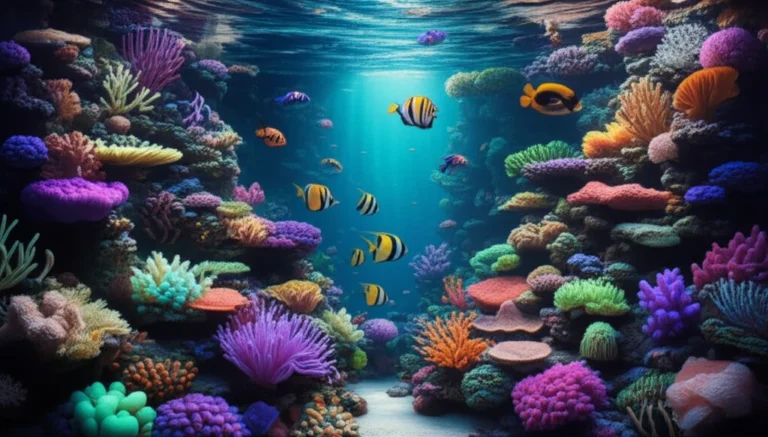
- 3. Vibrant Coral Reef and Tropical Paradise
- 4. Japanese Zen Garden Aquascapes
- 5. Pirate Shipwreck and Treasure Themes
- 6. Futuristic Sci-Fi and Alien Worlds
- 7. Minimalist Black and White Aquariums
- 8. Jungle and Rainforest Biotope Aquariums
- 9. Fantasy and Mythical Creature Themes
- 10. Seasonal and Holiday Aquatic Decorations
- 🛠️ Essential Materials and Decorations for Crafting Your Theme
- 🐠 Matching Fish and Inhabitants to Your Aquatic Theme
- 💡 Lighting and Plant Selection to Enhance Your Theme
- 📏 Aquarium Size and Shape Considerations for Theme Success
- 🔧 Maintenance Tips to Keep Your Themed Aquarium Stunning
- 🎥 Inspiring Aquascaping Artists and Influencers to Follow
- 🛒 Where to Buy Quality Aquatic Decorations and Supplies
- ❓ Frequently Asked Questions About Aquatic Decoration Themes
- 📚 Recommended Links for Further Exploration
- 🔗 Reference Links and Resources
- 🏁 Conclusion: Dive Into Your Perfect Aquatic Theme!
⚡️ Quick Tips and Facts About Aquatic Decoration Themes
Alright, fellow aquarists and aspiring aquascapers, let’s dive straight into the shimmering world of aquatic decoration themes! Here at Aquarium Music™, we believe your tank isn’t just a glass box; it’s a canvas, a living piece of art, and a tiny ecosystem waiting for your personal touch. Choosing the right theme can literally transform your aquarium from “just a tank” to a breathtaking underwater spectacle. But where to begin?
Here are some quick, splashy facts and tips from our seasoned team:
- Theme First, Fish Second (Mostly!): While we always advocate for the well-being of your finned friends, having a theme in mind before you stock up on fish can save you a lot of headaches. It ensures your decor, plants, and inhabitants all sing in harmony.
- Safety First, Always! ⚠️ Every single item you place in your aquarium must be aquarium-safe. This means non-toxic, no sharp edges, and no leaching harmful chemicals. Always rinse new decorations thoroughly, and if in doubt, don’t put it in! For common issues like cloudy water or unhappy fish, check out our guide on Fish Tank Troubleshooting: 12 Expert Fixes for Clear Water & Happy Fish (2026) 🐠.
- Balance is Key: “Choosing the right theme can significantly enhance the aesthetic and biological balance of your aquatic environment,” as the Facebook group summary wisely states. Don’t overcrowd your tank with decor. Fish need swimming space, and plants need room to grow.
- Consider Your Tank Size: A sprawling shipwreck might look epic in a 100-gallon tank, but it’ll just look cramped in a 10-gallon nano tank. Size matters, folks!
- Live Plants vs. Artificial: Both have their place! Live plants offer biological benefits and a dynamic, evolving look, while artificial plants require less maintenance and offer consistent aesthetics. We’ll explore this more later!
- Lighting is a Game-Changer: The right lighting can dramatically enhance your chosen theme, mimicking natural sunlight or creating a mysterious, deep-sea glow. Think of it as your underwater spotlight!
- LSI Keywords to Keep in Mind: As you explore, remember terms like aquarium decor ideas, fish tank themes, aquascaping styles, underwater landscapes, and aquatic habitat design. These are the breadcrumbs that lead to amazing inspiration!
🌊 The Evolution and History of Aquatic Decoration Themes

Believe it or not, the concept of decorating an aquarium isn’t new; it’s a fascinating journey that parallels our understanding of aquatic life itself! From simple glass bowls to the intricate, living art pieces we see today, the evolution of aquascaping history is truly captivating.
In the early days, aquariums were primarily scientific curiosities – glass boxes to observe fish. Decor was minimal, often just gravel and perhaps a few rocks. The focus was on the fish themselves, not their environment. However, as the hobby grew in the late 19th and early 20th centuries, people started to realize that a more naturalistic setting not only looked better but also benefited the fish.
Fast forward to the mid-20th century, and the “Dutch style” of aquascaping emerged. This style, originating in the Netherlands, was revolutionary. It focused heavily on the meticulous arrangement of diverse aquatic plants, often in terraced formations, creating a vibrant, underwater garden. It was less about recreating a specific natural scene and more about showcasing the beauty of the plants themselves, almost like a floral bouquet. This style, as our featured video explains, requires “extensive knowledge of aquatic plants and their growth patterns.”
Then came the late 20th century, and with it, a true pioneer: Takashi Amano. Hailing from Japan, Amano revolutionized the hobby with his “Nature Aquarium” style. He advocated for recreating natural landscapes – mountains, forests, and riverbeds – using rocks, driftwood, and live plants. His philosophy emphasized natural beauty, ecological balance, and the artistic arrangement of elements to create a harmonious, serene underwater world. The video rightly identifies him as a “pioneer of aquascaping, particularly the Nature style.” His work, often featured in publications like Aqua Journal, inspired countless aquarists to view their tanks as living art.
Today, the world of aquarium design trends is incredibly diverse. We’ve moved beyond just naturalistic scenes to embrace fantasy, minimalist, and even highly conceptual themes. The availability of safe, diverse decorations and advanced equipment has opened up endless possibilities for underwater landscapes. We’ve seen a shift from merely housing fish to creating entire immersive experiences, reflecting the growing appreciation for both the aesthetic and ecological aspects of our aquatic companions. It’s a testament to human creativity and our enduring fascination with the underwater world!
🎨 Top 10 Stunning Aquatic Decoration Themes to Transform Your Aquarium
Ready to turn your fish tank into a masterpiece? We’ve scoured the depths of our collective experience, pulled insights from fellow enthusiasts, and even peeked at what’s trending on platforms like Pinterest and Facebook to bring you our top 10 aquarium decor ideas that will truly transform your aquatic space. Forget boring gravel and a plastic plant; let’s craft a story!
1. Natural Riverbed and Stream Themes
Ah, the classic! This theme aims to replicate a slice of a real riverbed or stream, bringing a piece of untouched nature right into your home. It’s about authenticity and creating a serene, natural habitat for your fish. The Facebook summary aptly notes this theme “features realistic plants, rocks, and substrate” and “promotes a habitat that mimics natural aquatic ecosystems.”
- Key Elements:
- Substrate: Fine sand or small, smooth gravel in natural tones (browns, grays, tans).
- Hardscape: Smooth river stones, pebbles, and natural driftwood pieces. Think about how water would naturally arrange these elements.
- Plants: Hardy, flowing plants like Anubias, Java Fern, Cryptocoryne, and various mosses attached to wood or rocks.
- Fish: Schooling fish that thrive in flowing water, such as various Tetras (e.g., Neon Tetras, Cardinal Tetras), Rasboras, and Corydoras catfish.
- Benefits: Creates a calming, realistic environment. Excellent for biotope setups, which, as our featured video explains, “aims to replicate a specific natural habitat.”
- Our Take: “There’s something incredibly grounding about a well-executed riverbed tank,” shares our lead aquascaper, Maya. “It feels alive, dynamic, and truly brings the outside in. Just make sure your driftwood is properly cured to avoid tannins turning your water tea-colored too quickly!” (Unless that’s the look you’re going for, of course!)
- Recommended Decor:
- Fluval Mopani Driftwood: Shop Fluval on Amazon | Shop Fluval on Chewy | Fluval Official Website
- CaribSea Super Naturals Aquarium Sand: Shop CaribSea on Amazon | Shop CaribSea on Petco | CaribSea Official Website
2. Mystical Underwater Ruins and Ancient Temples
Ever dreamed of discovering a lost city beneath the waves? This theme lets you create your own Atlantis or a forgotten Mayan temple, complete with crumbling columns and moss-covered statues. It’s dramatic, adventurous, and full of intrigue!
- Key Elements:
- Decor: Artificial ruins, broken pillars, ancient-looking statues, archways. Look for pieces with realistic textures and a weathered appearance.
- Substrate: Darker gravel or sand to enhance the mysterious, deep-sea feel.
- Plants: Low-light, hardy plants like Java Moss or Anubias to grow on and around the ruins, giving them an aged, overgrown look.
- Fish: Schooling fish that can weave through structures, or larger, more solitary fish that can claim a ruin as their territory.
- Benefits: Creates a captivating focal point, offers plenty of hiding spots for shy fish, and sparks imagination.
- Our Take: “My first big tank was a ruin theme,” recalls Alex from our team. “I spent hours arranging the pieces, imagining the stories behind them. It’s a fantastic way to add depth and narrative to your tank. Just ensure all decor is smooth and won’t snag fins!”
- Recommended Decor:
- Penn-Plax Spongebob Squarepants Pineapple House (for a whimsical twist!): Shop Penn-Plax on Amazon | Shop Penn-Plax on Chewy
- Marina Ancient Ruin Ornament: Shop Marina on Amazon | Shop Marina on PetSmart
3. Vibrant Coral Reef and Tropical Paradise
Bring the dazzling colors of the ocean’s most biodiverse ecosystems right into your living room! This theme is all about bright hues, intricate textures, and the lively dance of tropical fish. The Facebook summary highlights this theme’s use of “colorful artificial or real corals” and its ability to “attract vibrant fish and marine species.”
- Key Elements:
- Decor: Artificial corals (soft and hard), live rock (for saltwater), and colorful reef inserts. For freshwater, use brightly colored artificial plants and decor that mimics coral shapes.
- Substrate: Crushed coral or aragonite sand for saltwater; light-colored sand or gravel for freshwater to make colors pop.
- Plants: For freshwater, vibrant artificial plants or live plants like Red Ludwigia or Rotala to add splashes of color. For saltwater, live corals (if you’re ready for the commitment!) or high-quality artificial corals.
- Fish: For saltwater, Clownfish, Tangs, Gobies. For freshwater, Guppies, Platies, Mollies, or colorful Cichlids.
- Benefits: Visually stunning, creates a lively and engaging display. “Create a calming, underwater ambiance with shades of blue, turquoise, and sandy tones,” as the Pinterest summary suggests, perfectly describing the color palette for this theme.
- Our Take: “I love the energy a coral reef tank brings,” says our marine specialist, Chloe. “The sheer variety of colors and life is just mesmerizing. Just remember, if you’re going live coral, research, research, research! It’s a whole different ballgame.”
- Recommended Decor:
- Blue Ribbon Artificial Coral Decor: Shop Blue Ribbon on Amazon | Shop Blue Ribbon on Chewy
- Reef Brite LED Lighting (for live coral): Shop Reef Brite on Bulk Reef Supply | Reef Brite Official Website
4. Japanese Zen Garden Aquascapes
Inspired by the minimalist beauty of traditional Japanese gardens, this theme, often referred to as Iwagumi aquascape, focuses on the elegant arrangement of rocks, subtle planting, and open spaces. It’s about harmony, balance, and creating a serene, contemplative environment. Our featured video describes Iwagumi as “a Japanese style emphasizing rocks, with minimal plants, creating a minimalist and serene aesthetic.”
- Key Elements:
- Hardscape: Carefully selected rocks (often Seiryu Stone or Dragon Stone) arranged to create a focal point (the “Oyaishi” or main stone), balanced by secondary and tertiary stones.
- Substrate: Fine, light-colored sand or gravel, often sloped to create depth.
- Plants: Low-growing carpeting plants like Dwarf Hairgrass, Monte Carlo, or Glossostigma, with perhaps a few small Anubias or Bucephalandra attached to rocks.
- Fish: Nano schooling fish are highly recommended for Iwagumi to enhance the minimalist design, as the video suggests. Think Ember Tetras, Chili Rasboras, or small school of Otocinclus catfish.
- Benefits: Creates a profoundly peaceful and artistic display. Emphasizes negative space and natural forms.
- Our Take: “Iwagumi is deceptively simple,” explains our resident aquascaping guru, Hiroshi. “It’s not about having fewer things; it’s about making every single element count. The placement of each rock is crucial, telling a story of strength and tranquility.”
- Recommended Decor:
- ADA Aqua Soil Amazonia (for plant growth): Shop ADA on Amazon | Shop ADA on Aqua Forest Aquarium
- Seiryu Stone (various sizes): Shop Seiryu Stone on Amazon | Shop Seiryu Stone on Buceplant
5. Pirate Shipwreck and Treasure Themes
Ahoy, matey! For those with a sense of adventure and a love for swashbuckling tales, a pirate-themed tank is an absolute blast. This theme, mentioned as “Sunken Shipwreck” in the Facebook summary, adds a dramatic, adventurous element to your aquarium.
- Key Elements:
- Decor: A prominent shipwreck ornament (often split into pieces for a more realistic look), treasure chests (some with bubbling air stones!), anchors, cannons, and perhaps a skull or two.
- Substrate: Dark sand or gravel to evoke the deep ocean floor.
- Plants: Artificial seaweed, or hardy live plants like Java Fern and Anubias to grow on the shipwreck, making it look ancient and overgrown.
- Fish: Robust, curious fish that enjoy exploring nooks and crannies, such as certain Cichlids, larger Tetras, or even a Pleco to keep things tidy.
- Benefits: Highly engaging, especially for kids (and adults who are kids at heart!). Provides excellent hiding spots and visual interest.
- Our Take: “My nephew absolutely adores his pirate tank,” laughs Sarah, our customer insights specialist. “It’s not just a tank; it’s a whole story unfolding. Just make sure the shipwreck pieces are smooth and don’t have any sharp edges that could harm your fish.”
- Recommended Decor:
- Top Fin Sunken Shipwreck Ornament: Shop Top Fin on PetSmart
- Marina Treasure Chest with Bubbler: Shop Marina on Amazon | Shop Marina on Chewy
6. Futuristic Sci-Fi and Alien Worlds
Ready to boldly go where no fish has gone before? This theme is for the imaginative and the modern, transforming your aquarium into an otherworldly landscape straight out of a sci-fi movie. Think neon glows, geometric shapes, and strange, alien flora.
- Key Elements:
- Decor: Abstract sculptures, glowing ornaments (LED-powered), geometric structures, and perhaps even miniature alien spacecraft or futuristic cities.
- Substrate: Black sand or gravel provides a stark contrast for neon elements.
- Plants: Brightly colored artificial plants (think neon pinks, blues, greens) or live plants with unusual forms.
- Lighting: Crucial for this theme! Blue or purple LED lights, combined with UV-reactive decor, will make your tank glow.
- Fish: Fish with unique shapes or iridescent scales, like certain Bettas, GloFish (genetically modified fluorescent fish), or even some types of Danios.
- Benefits: A truly unique and eye-catching display, perfect for a modern home or a gaming room.
- Our Take: “This is where you can really let your creativity run wild,” says our tech guru, Leo. “We’ve seen tanks with glowing ‘alien eggs’ and miniature ‘space stations.’ It’s a fantastic way to blend your love for sci-fi with the aquatic hobby.”
- Recommended Decor:
- GloFish Aquarium Gravel: Shop GloFish on Amazon | Shop GloFish on Petco
- Aqueon LED Mini Bow Kit (with color-changing lights): Shop Aqueon on Amazon | Shop Aqueon on PetSmart
7. Minimalist Black and White Aquariums
For those who appreciate sleek lines, stark contrasts, and sophisticated simplicity, a black and white theme offers a striking aesthetic. It’s a bold choice that emphasizes form, texture, and the subtle movements of your aquatic inhabitants.
- Key Elements:
- Substrate: Jet black sand or gravel.
- Hardscape: Smooth, white rocks (e.g., white marble, quartz) or black rocks (e.g., lava rock) for contrast. Driftwood can also be used, but sparingly, to maintain the monochrome palette.
- Plants: Live plants with deep green or dark red foliage (e.g., Anubias Nana, Java Fern, Red Root Floater) to provide the only splashes of color, or artificial plants in black/white/grey tones.
- Fish: Fish with strong black and white patterns (e.g., Zebra Danios, Panda Corydoras, Black Mollies) or vibrant, single-color fish (e.g., bright red Bettas, electric blue Rams) to act as a dramatic focal point against the monochrome backdrop.
- Benefits: Creates a modern, elegant, and visually impactful display. Highlights the natural beauty of the fish and plants.
- Our Take: “I once set up a black and white tank with just a single, vibrant red Betta,” recounts our design lead, Olivia. “The contrast was absolutely stunning. It proves you don’t need a lot of clutter to make a statement.”
- Recommended Decor:
- Imagitarium Black Aquarium Gravel: Shop Imagitarium on Petco
- API Perfect Start Aquarium Gravel (Black): Shop API on Amazon | Shop API on Chewy
8. Jungle and Rainforest Biotope Aquariums
Step into the lush, untamed heart of a tropical rainforest or a dense jungle river. This theme, which the video describes as “characterized by dense, lush plant growth, mimicking a forest environment,” is all about creating an overgrown, vibrant, and incredibly naturalistic environment.
- Key Elements:
- Substrate: Nutrient-rich substrate for plants, often topped with dark sand or fine gravel.
- Hardscape: Abundant driftwood (spiderwood, manzanita) creating intricate root systems, and scattered natural rocks.
- Plants: Dense planting with a variety of tall, leafy plants (e.g., Amazon Swords, Vallisneria, Cryptocoryne), floating plants (e.g., Frogbit, Dwarf Water Lettuce), and mosses.
- Fish: Fish that thrive in heavily planted environments, such as various Tetras, Gouramis, Angelfish, and Discus.
- Benefits: Provides ample hiding spots and a sense of security for fish, excellent for plant enthusiasts, and creates a truly immersive natural feel.
- Our Take: “My jungle tank is my sanctuary,” confesses our plant expert, Ben. “It’s a living, breathing ecosystem. The challenge is managing the growth, but the reward is seeing fish behave so naturally within such a dense, vibrant environment.” The video warns that this style “can lead to challenges with algae if not managed,” which is a very real concern!
- Recommended Decor:
- Seachem Flourite Black Substrate: Shop Seachem on Amazon | Shop Seachem on Petco | Seachem Official Website
- Manzanita Driftwood: Shop Manzanita on Amazon | Shop Manzanita on Buceplant
9. Fantasy and Mythical Creature Themes
Unleash your inner storyteller and create an enchanted underwater realm! This theme allows for boundless creativity, incorporating elements of folklore, mythology, and pure imagination. It’s a whimsical approach to aquatic habitat design.
- Key Elements:
- Decor: Castles, mermaids, dragons, fairies, sunken chariots, or even custom-made mythical beast sculptures.
- Substrate: Can vary from bright, colorful gravel to natural sand, depending on the specific fantasy world you’re building.
- Plants: Artificial plants in fantastical colors, or live plants arranged to create magical forests or mysterious groves.
- Lighting: Color-changing LEDs can create dynamic moods, from ethereal glows to dramatic shadows.
- Fish: Fish with flowing fins (e.g., Bettas, Guppies), unique patterns, or bright colors that fit the magical aesthetic.
- Benefits: Highly personalized, sparks imagination, and can be a fantastic conversation starter.
- Our Take: “My daughter’s tank has a little mermaid castle and a friendly dragon,” shares our marketing lead, Jen. “It’s her own little storybook. The key is to find decor that’s well-made and truly safe for the fish.” The Facebook summary mentions “Fantasy/Whimsical Themes” as suitable for “creating a magical underwater world,” and we couldn’t agree more!
- Recommended Decor:
- KollerCraft TOM Aquarium Castle: Shop KollerCraft on Amazon
- Marina Betta Kit (with themed decor): Shop Marina on Amazon | Shop Marina on Petco
10. Seasonal and Holiday Aquatic Decorations
Who says holiday cheer has to stay on land? This theme is all about temporary, fun, and festive decorations that celebrate the seasons or special occasions. It’s a fantastic way to keep your tank fresh and engaging throughout the year.
- Key Elements:
- Decor: Small, aquarium-safe ornaments related to holidays (e.g., mini pumpkins for Halloween, tiny Santa hats for Christmas, shamrocks for St. Patrick’s Day).
- Substrate: Colored gravel (e.g., orange for Halloween, red/green for Christmas) can be used temporarily or in small sections.
- Plants: Artificial plants in seasonal colors, or live plants that can be easily rearranged.
- Lighting: Colored LED lights to match the holiday theme (e.g., orange/purple for Halloween, red/green for Christmas).
- Fish: Consider fish with colors that complement the holiday, or simply enjoy your regular inhabitants amidst the festive decor!
- Benefits: Keeps the hobby exciting, allows for creative expression, and brings seasonal joy to your aquatic display.
- Our Take: “Every December, my office tank gets a tiny Santa and some festive red and green plants,” grins our CEO, David. “It’s a small touch, but it always makes people smile. Just remember to remove temporary decor promptly to avoid algae buildup or stress to fish.”
- Recommended Decor:
- Zoo Med Aqua Bling Holiday Ornaments: Shop Zoo Med on Amazon | Shop Zoo Med on Chewy
- Tetra ColorFusion LED Light: Shop Tetra on Amazon | Shop Tetra on PetSmart
🛠️ Essential Materials and Decorations for Crafting Your Theme
Now that your imagination is bubbling with aquarium decor ideas, let’s get down to the nitty-gritty: the actual materials and decorations you’ll need to bring your vision to life. This is where the rubber meets the road, or rather, where the decor meets the water!
The Golden Rule: Aquarium Safety First! ✅
Before we list anything, let’s reiterate: every single item you introduce into your aquarium must be 100% safe for aquatic life. This means no toxic paints, no sharp edges, no materials that will leach harmful chemicals or alter water parameters negatively. Always buy products specifically designed for aquariums.
Types of Essential Decorations and Materials
-
Substrate: The foundation of your aquascape!
- Gravel: Comes in various sizes and colors. Great for anchoring plants and providing surface area for beneficial bacteria.
- Pros: Easy to clean, good for most fish.
- Cons: Can trap detritus if too coarse.
- Brands: API, Fluval, CaribSea.
- Sand: Finer texture, ideal for bottom-dwelling fish like Corydoras and for creating natural riverbed looks.
- Pros: Natural aesthetic, gentle on fish barbels, good for rooting plants.
- Cons: Can compact, requires careful cleaning to avoid disturbing it.
- Brands: CaribSea Super Naturals, Seachem Flourite Sand.
- Aqua Soil/Planting Substrate: Nutrient-rich, specifically designed for live plants.
- Pros: Promotes robust plant growth, often buffers pH.
- Cons: Can be more expensive, may break down over time.
- Brands: ADA Aqua Soil Amazonia, Fluval Stratum.
- Gravel: Comes in various sizes and colors. Great for anchoring plants and providing surface area for beneficial bacteria.
-
Hardscape (Rocks & Wood): The bones of your design.
- Rocks: Provide structure, hiding spots, and aesthetic appeal.
- Types: Seiryu Stone (popular for Iwagumi), Dragon Stone (unique texture), Lava Rock (porous, good for bacteria), Petrified Wood.
- Pros: Natural look, durable, can influence pH (some rocks raise pH).
- Cons: Some rocks can alter water chemistry; always test.
- Brands: Often sold by type, e.g., Seiryu Stone, Dragon Stone.
- Driftwood: Adds a natural, organic feel, releases beneficial tannins, and provides surfaces for plants to attach.
- Types: Mopani (dense, dark), Manzanita (branchy, intricate), Cholla Wood (hollow, good for shrimp).
- Pros: Natural beauty, tannins can lower pH (beneficial for some fish), provides biofilm for grazing.
- Cons: Can leach tannins (stain water) for weeks/months, may float initially.
- Brands: Fluval Mopani, Zoo Med Mopani.
- Rocks: Provide structure, hiding spots, and aesthetic appeal.
-
Plants (Live & Artificial): The greenery (or colorful accents!).
- Live Plants: Offer biological filtration, oxygenation, and a dynamic, evolving aesthetic.
- Types: Anubias, Java Fern, Cryptocoryne (easy); Amazon Sword, Vallisneria (medium); Dwarf Hairgrass, Rotala (advanced).
- Pros: Natural, improve water quality, provide cover for fish.
- Cons: Require specific lighting, nutrients, and CO2 (for some), can be prone to algae.
- Brands: Often sold by species, but reputable suppliers include Buceplant, Aquarium Co-Op.
- Artificial Plants: Low maintenance, consistent look, no special requirements.
- Types: Silk plants (softer, more natural movement), plastic plants (more rigid, durable).
- Pros: No maintenance, won’t die, won’t introduce pests.
- Cons: Can look unnatural if low quality, don’t offer biological benefits.
- Brands: Marina, Penn-Plax, Blue Ribbon.
- Live Plants: Offer biological filtration, oxygenation, and a dynamic, evolving aesthetic.
-
Ornaments & Figurines: The fun, thematic elements.
- Types: Shipwrecks, castles, ruins, treasure chests, cartoon characters, abstract sculptures.
- Pros: Instantly establishes a theme, provides hiding spots.
- Cons: Can look unnatural if overused, some cheaper ones may degrade over time.
- Brands: Penn-Plax, Marina, Top Fin.
Product Spotlight: API SAFE & SOURCED DECORATIONS
“Artificial decorations should mimic natural textures and colors for a more authentic look,” as the Facebook summary advises. We agree! API, a brand often recommended for high-quality products, offers a range of decorations that fit this bill.
API Decorations Rating Table (Example)
| Feature | Rating (1-10) | Notes To ensure your aquarium thrives, we’ve got to talk about the unsung heroes of the aquatic world: the plants! Whether you’re aiming for a lush jungle or a minimalist Zen garden, the right flora can make or break your aquascape.
🐠 Matching Fish and Inhabitants to Your Aquatic Theme
You’ve got your dazzling theme picked out, your hardscape perfectly placed, and your plants are thriving. But what about the stars of the show? Choosing the right fish for themed aquariums is paramount, not just for aesthetic harmony but, more importantly, for the well-being of your aquatic inhabitants. After all, “Balance your decoration choices with the needs of your aquatic inhabitants,” as the Facebook summary wisely advises.
Why Matching Matters: More Than Just Looks!
It’s tempting to pick the prettiest fish you see, but a truly successful themed aquarium considers:
- Biotope Accuracy: If you’re going for a Natural Riverbed theme, stocking it with fish from an African Rift Lake would be a biological mismatch, even if they look cool. A true biotope aquarium aims for ecological consistency.
- Behavioral Needs: Some fish are shy and need dense planting for cover (perfect for a Jungle theme). Others are active swimmers and need open spaces (ideal for a minimalist or open-water reef theme).
- Compatibility: Will your chosen fish get along with each other and with the decor? Aggressive fish might stress out smaller, more peaceful species, and some fish might try to eat your carefully placed plants!
- Water Parameters: Different fish require different pH, hardness, and temperature. Your decor choices (e.g., certain rocks) can influence these, so ensure everything aligns.
Pairing Fish with Popular Themes: Our Expert Picks
Let’s look at how to create a harmonious aquarium stocking guide for some of our top themes:
Natural Riverbed / Stream Themes
- Fish: Schooling fish that appreciate current and open swimming space. Think Neon Tetras (Paracheirodon innesi), Cardinal Tetras (Paracheirodon axelrodi), Rummy Nose Tetras (Hemigrammus rhodostomus), various Rasboras (e.g., Harlequin Rasbora, Chili Rasbora), and bottom-dwelling Corydoras Catfish (Corydoras aeneus, Corydoras panda).
- Why they fit: These species are often found in similar natural habitats, enjoy the driftwood and rock structures, and their schooling behavior enhances the natural flow of the aquascape.
- Internal Link: For more details on these species, check out our Fish Care and Species Profiles.
Mystical Underwater Ruins / Ancient Temples
- Fish: Fish that enjoy exploring structures and finding hiding spots. Angelfish (Pterophyllum scalare) can add a majestic, ancient feel. German Blue Rams (Mikrogeophagus ramirezi) or Bolivian Rams (Mikrogeophagus altispinosus) add color and personality. Smaller schooling fish like Black Skirt Tetras (Gymnocorymbus ternetzi) can weave through the ruins.
- Why they fit: These fish utilize the vertical and horizontal elements of the ruins, adding life and movement without overwhelming the dramatic decor.
Vibrant Coral Reef / Tropical Paradise
- Freshwater: Brightly colored, active fish like Guppies (Poecilia reticulata), Platies (Xiphophorus maculatus), Mollies (Poecilia sphenops), and smaller, colorful African Cichlids (e.g., Yellow Lab, Electric Blue Hap) if you’re prepared for their specific needs and potential aggression.
- Saltwater: The possibilities are endless! Iconic Clownfish (Amphiprioninae), vibrant Tangs (Acanthuridae), curious Gobies (Gobiidae), and graceful Damselfish (Pomacentridae).
- Why they fit: Their vibrant colors perfectly complement the bright corals and tropical plants, creating a lively, dynamic display.
Japanese Zen Garden Aquascapes (Iwagumi)
- Fish: As our featured video suggests, “nano schooling fish are recommended for Iwagumi to enhance the minimalist design.” Think Ember Tetras (Hyphessobrycon amandae), Chili Rasboras (Boraras brigittae), Celestial Pearl Danios (Danio margaritatus), or a small school of Otocinclus Catfish (Otocinclus affinis) for algae control.
- Why they fit: Their small size and schooling behavior emphasize the vastness and serenity of the rock arrangement, rather than distracting from it.
Jungle and Rainforest Biotope Aquariums
- Fish: Species that thrive in heavily planted, often darker water conditions. Discus (Symphysodon spp.) are kings of the Amazon biotope. Angelfish, various Gouramis (e.g., Dwarf Gourami, Pearl Gourami), Apistogramma Cichlids (Apistogramma spp.), and large schools of Cardinal Tetras or Rummy Nose Tetras are excellent choices.
- Why they fit: These fish feel secure and exhibit natural behaviors in dense vegetation, darting in and out of the foliage.
A Word on Invertebrates! 🦐🐌
Don’t forget the unsung heroes of the cleanup crew! Shrimp (e.g., Amano Shrimp, Cherry Shrimp) and Snails (e.g., Nerite Snails, Mystery Snails) can be fantastic additions to almost any freshwater theme. They help with algae control, detritus cleanup, and add another layer of interest to your aquatic life. Just ensure they are compatible with your chosen fish – some fish see shrimp as snacks!
💡 Lighting and Plant Selection to Enhance Your Theme
If hardscape is the skeleton and fish are the heart, then lighting and plants are the very soul of your themed aquarium. They breathe life, color, and depth into your underwater world, transforming it from a static display into a dynamic, living ecosystem. “Use lighting to accentuate the theme,” the Facebook summary wisely suggests, and we couldn’t agree more!
The Power of Light: More Than Just Illumination
Aquarium lighting guide is crucial for two main reasons:
- Aesthetics: It sets the mood, highlights your chosen decor, and brings out the vibrant colors of your fish and plants.
- Biology: It’s essential for photosynthesis in live plants and influences the circadian rhythms of your fish.
Types of Aquarium Lighting
- LED (Light Emitting Diode): The reigning champion!
- Pros: Energy-efficient, long-lasting, customizable (color, intensity, timers), low heat output. Many offer full spectrum for plant growth.
- Cons: Higher initial cost.
- Our Take: “LEDs are a game-changer,” says Leo. “The ability to program dawn-to-dusk cycles or create specific color palettes for a sci-fi theme is just incredible.”
- Brands: Fluval Plant 3.0 LED, Chihiros WRGB II, Current USA Satellite Freshwater LED Plus.
- Fluorescent (T5/T8): Older technology, but still effective.
- Pros: Good light output for the cost, wide range of spectrums available.
- Cons: Shorter lifespan, higher heat output, less customizable than LEDs.
- Halide (Metal Halide): High intensity, primarily for deep or large reef tanks.
- Pros: Excellent light penetration, intense shimmer effect.
- Cons: Very high heat output, high energy consumption, bulbs need frequent replacement.
Lighting for Your Theme
- Natural Riverbed/Jungle: Full spectrum white light with a slight warm tint (around 6500K) to mimic natural sunlight. Consider a gentle shimmer effect.
- Coral Reef: High-intensity blue and actinic lighting to make corals pop and support their growth. Brands like HomeGlow and AquaLite (from the Pinterest IN summary) offer excellent options.
- Mystical Ruins/Sci-Fi: Experiment with blue, purple, or even red LEDs to create an eerie, mysterious, or futuristic glow. UV-reactive lights can make certain decor elements fluoresce.
- Zen Garden (Iwagumi): Clean, crisp white light to highlight the rock formations and the delicate carpeting plants.
Plant Selection: The Green (and Red, and Purple!) Heart of Your Aquascape
Choosing the right aquatic plant selection is critical for both the health and aesthetic of your themed tank.
Live Plants: The Living Decor
- Benefits:
- Natural Filtration: Absorb nitrates and other pollutants, improving water quality.
- Oxygenation: Release oxygen during photosynthesis.
- Hiding Spots: Provide cover and security for fish, reducing stress.
- Algae Control: Outcompete algae for nutrients.
- Dynamic Beauty: Grow, change, and add a living element to your theme.
- Considerations:
- Light Requirements: Low, medium, or high light. Match plants to your chosen lighting.
- Growth Rate & Size: Will the plant fit your tank when mature? Does it grow too fast for your maintenance schedule?
- Substrate Needs: Some plants are root feeders, others absorb nutrients from the water column.
- CO2: Some advanced plants require CO2 injection for optimal growth.
- Our Take: “Live plants are an investment, but they pay dividends in tank health and beauty,” says Ben. “For beginners, stick to easy, low-light plants like Anubias, Java Fern, and Cryptocorynes. They’re incredibly forgiving.”
- Internal Link: Dive deeper into plant care with our Aquascaping and Aquatic Plants section.
Artificial Plants: The Low-Maintenance Option
- Benefits:
- No Maintenance: No trimming, no specific light or nutrient requirements.
- Consistent Look: Always look the same, won’t die or get eaten.
- Variety: Available in any color, shape, or size imaginable.
- Safety: No risk of introducing pests or diseases.
- Considerations:
- Quality: Cheap plastic plants can look fake and have sharp edges. Opt for silk or high-quality plastic.
- No Biological Benefits: Don’t filter water or produce oxygen.
- Algae: Can still get algae, requiring manual cleaning.
- Our Take: “Artificial plants have come a long way,” notes Sarah. “For a quick theme change, or if you’re just starting out and want to focus on fish care, they’re a perfectly valid choice. Just make sure they’re soft and won’t harm your fish.”
Plant Selection by Theme
- Dutch Style (from video): This style “highlights the beauty and arrangement of plants, often in layered or single-species groupings, creating a colorful and vibrant ‘bouquet-like’ display.” It demands a wide variety of stem plants like Rotala, Ludwigia, Myriophyllum, and Alternanthera, meticulously trimmed and arranged.
- Jungle/Rainforest: Tall, broad-leaf plants like Amazon Swords, Vallisneria, and Aponogeton. Floating plants like Frogbit or Dwarf Water Lettuce add to the canopy effect.
- Iwagumi/Zen: Low-growing carpeting plants like Dwarf Hairgrass, Monte Carlo, or Glossostigma. Minimalist approach.
- Coral Reef (Freshwater): Brightly colored artificial corals and plants, or live plants like Red Ludwigia, Rotala ‘Colorata’, and other red/pink stem plants.
By carefully integrating your lighting and plant choices, you’ll not only create a visually stunning themed aquarium but also a healthy, vibrant home for your aquatic companions.
📏 Aquarium Size and Shape Considerations for Theme Success
Choosing your aquarium’s theme is exciting, but let’s pump the brakes for a moment and talk about the canvas itself: your tank! The aquarium dimensions and shape play a monumental role in how successful and impactful your chosen theme will be. You wouldn’t try to paint a sprawling mural on a postage stamp, right? The same logic applies to your underwater masterpiece.
Why Size and Shape Matter
- Visual Impact: A grand, intricate theme like a sunken city or a dense jungle needs space to breathe and be appreciated. Cramming it into a small tank will just look cluttered and diminish the effect.
- Fish Welfare: This is non-negotiable. Your fish need adequate swimming space, hiding spots, and room to grow. A theme should enhance their environment, not restrict it.
- Decor Scale: Decorations need to be appropriately sized for the tank. A massive shipwreck in a nano tank is disproportionate; tiny ruins in a huge tank will get lost.
- Aquascaping Potential: Certain aquascaping styles lend themselves better to specific tank shapes. For instance, a tall tank might be great for a vertical jungle, while a long, shallow tank is perfect for a riverbed.
Common Aquarium Shapes and Their Thematic Potential
Let’s explore how different tank shapes can influence your tank size for aquascaping decisions:
-
Rectangular Tanks (Standard):
- Description: The most common and versatile shape. Offers good length and depth.
- Thematic Potential: Excellent for almost any theme! Their length allows for panoramic views of riverbeds, sprawling coral reefs, or the full expanse of a shipwreck. The depth provides room for layering plants and hardscape.
- Our Take: “You can’t go wrong with a classic rectangle,” says Maya. “They offer the best balance for both fish and decor. Just be mindful of the ‘golden ratio’ when placing your focal points.”
- Internal Link: For general setup advice, visit our Aquarium Setup guide.
-
Cube Tanks:
- Description: Equal length, width, and height. Creates a deep, immersive view.
- Thematic Potential: Fantastic for themes that emphasize verticality and depth. Think a towering rock formation for an Iwagumi, a dense jungle column, or a deep-sea cavern. Less ideal for themes requiring long horizontal lines.
- Our Take: “Cube tanks are challenging but rewarding,” notes Hiroshi. “They force you to think in three dimensions. I’ve seen some incredible Iwagumi cubes that feel like looking down into a deep canyon.”
-
Tall/Column Tanks:
- Description: Much taller than they are wide or long.
- Thematic Potential: Perfect for themes that utilize vertical space. Imagine a towering kelp forest, a dramatic waterfall effect with rocks, or a “tree” made of driftwood reaching for the surface. Limited horizontal swimming space, so choose fish accordingly.
- Our Take: “Tall tanks are great for a dramatic statement piece,” says Olivia. “But you really have to consider the fish. Long-finned fish or those that prefer vertical swimming are best. And reaching the bottom for maintenance can be a stretch!”
-
Panoramic/Bowfront Tanks:
- Description: Curved front panel, offering a wider, distorted view.
- Thematic Potential: The curved glass can enhance the illusion of depth and movement, making a coral reef or an open-water scene feel even more expansive.
- Our Take: “The bowfront can be tricky with decor placement because of the distortion,” warns Alex. “But when done right, it creates a really immersive, almost cinematic view of your theme.”
Small Tanks vs. Large Tanks: Thematic Limitations and Opportunities
- Nano Tanks (Under 10-15 Gallons):
- Limitations: Very limited space for decor. Complex themes are difficult to execute without looking cluttered. Fewer fish options.
- Opportunities: Excellent for minimalist Iwagumi, a single Betta with a simple natural setup, or a small, focused biotope. Perfect for showcasing intricate moss arrangements or a single, striking piece of driftwood.
- Our Take: “Nano tanks demand precision,” says Ben. “Every element has to earn its place. They’re great for showcasing tiny details.”
- Medium Tanks (20-50 Gallons):
- Limitations: Still require careful planning, but offer much more flexibility than nanos.
- Opportunities: Most of the themes discussed are achievable here. Good balance between space for fish and decor.
- Our Take: “This is the sweet spot for many hobbyists,” Jen observes. “Enough room to be creative without being overwhelming to maintain.”
- Large Tanks (75+ Gallons):
- Limitations: Higher cost, heavier, require more powerful equipment and more extensive maintenance.
- Opportunities: The sky’s the limit! Grand, complex aquascapes, large schools of fish, intricate biotope recreations, multi-level designs. You can truly create an entire underwater world.
- Our Take: “Large tanks are where you can truly realize ambitious visions,” David enthuses. “A full-scale Amazon biotope or a massive reef system is breathtaking. But remember, bigger tank, bigger commitment!”
Ultimately, your aquarium’s size and shape are the foundational constraints and opportunities for your theme. Plan your theme around your tank, not the other way around, and you’ll be well on your way to a stunning and healthy aquatic display!
🔧 Maintenance Tips to Keep Your Themed Aquarium Stunning
You’ve poured your heart and soul into creating a magnificent themed aquarium. It’s a living, breathing piece of art! But like any masterpiece, it requires ongoing care to maintain its brilliance. Neglecting maintenance is the quickest way for your vibrant coral reef to become a murky mess or your serene Zen garden to be overrun by algae. “Regular cleaning and maintenance are essential to keep decorations looking their best,” as the Facebook summary reminds us, and we couldn’t agree more!
Here at Aquarium Music™, we’ve learned that consistent, thoughtful aquarium cleaning tips are the bedrock of a beautiful and healthy tank.
The Pillars of Themed Aquarium Maintenance
-
Regular Water Changes: The Lifeblood of Your Tank
- Why: Removes nitrates, phosphates, and other pollutants that build up over time, replenishes essential minerals, and keeps water parameters stable.
- How Often: Typically 25-30% weekly or bi-weekly, depending on your tank’s bioload and plant density.
- Tip: Use a gravel vacuum to simultaneously remove detritus from your substrate. Be gentle around delicate decor or plants.
- Our Take: “Water changes are non-negotiable,” stresses Maya. “It’s the single most important thing you can do for your fish and the longevity of your aquascape.”
-
Algae Control: The Unwanted Green Monster
- Why: Algae can quickly cover your beautiful decor, plants, and glass, obscuring your theme and competing with live plants for nutrients.
- How:
- Manual Removal: Use an algae scraper for glass, a toothbrush for decor, and gently rub leaves of live plants.
- Balance Light & Nutrients: Too much light or too many nutrients (from overfeeding or infrequent water changes) are primary causes.
- Algae Eaters: Introduce a cleanup crew like Otocinclus catfish, Nerite snails, or Amano shrimp (check compatibility!).
- Our Take: “Algae is a constant battle, but it’s winnable,” laughs Ben. “The trick is consistency and understanding the root cause. Don’t just treat the symptom!”
-
Decor Cleaning: Keeping Your Theme Pristine
- Why: Decorations can accumulate algae, detritus, and biofilm, dulling their appearance.
- How:
- During Water Changes: Gently remove accessible decorations and scrub them with an aquarium-safe brush or sponge (never use soap!).
- Stubborn Algae: For really tough spots, a dilute bleach solution (1 part bleach to 19 parts water) can be used, but rinse, soak in dechlorinated water, and air dry thoroughly for days before returning to the tank. This is a last resort!
- Driftwood: Can be scrubbed to remove algae. If it’s leaching too many tannins, boiling or prolonged soaking outside the tank can help.
- Tip: Don’t clean all decor at once, as beneficial bacteria reside on surfaces. Clean a few pieces at a time over several weeks.
- Our Take: “I love seeing a freshly cleaned shipwreck,” says Alex. “It’s like discovering it anew. But always prioritize fish safety over sparkling decor.”
-
Plant Care: Trimming and Fertilizing
- Why: Live plants grow! Regular trimming maintains the aesthetic of your theme, prevents overcrowding, and encourages bushier growth. Fertilization ensures they have the nutrients they need.
- How:
- Trimming: Use sharp aquascaping scissors to prune stem plants, remove dead leaves, and shape carpeting plants.
- Fertilizing: Use liquid fertilizers (e.g., Seachem Flourish) or root tabs (e.g., API Root Tabs) as needed, following product instructions.
- Our Take: “A well-maintained plant scape is a joy,” Hiroshi shares. “It’s a living sculpture that evolves. Don’t be afraid to trim; it’s good for the plants!”
-
Filter Maintenance: The Unsung Hero
- Why: Your filter is the workhorse, removing physical debris and housing beneficial bacteria crucial for the nitrogen cycle. A clogged filter means poor water quality.
- How:
- Rinse Filter Media: Gently rinse mechanical media (sponges, floss) in old tank water during a water change. Never use tap water or replace all media at once, as this can kill beneficial bacteria.
- Replace Chemical Media: Replace activated carbon or other chemical filtration as recommended by the manufacturer (usually monthly).
- Clean Impeller: Periodically clean the filter’s impeller and housing to ensure optimal flow.
- Our Take: “A healthy filter equals a healthy tank,” states Leo. “It’s the backbone of your tank maintenance routine. Don’t neglect it!”
Creating a Maintenance Schedule
Consistency is key! Develop a routine and stick to it.
| Task | Daily | Weekly | Monthly | Quarterly |
|---|---|---|---|---|
| Check Fish & Plants | ✅ | |||
| Feed Fish | ✅ | |||
| Top Off Evaporated Water | ✅ | |||
| Scrape Front Glass | (as needed) | ✅ | ||
| Water Change (25-30%) | ✅ | |||
| Gravel Vacuum | ✅ | |||
| Trim Plants | (as needed) | ✅ | ||
| Clean Filter Media | ✅ | |||
| Clean Decor | (few pieces) | ✅ (deep clean) | ||
| Test Water Parameters | ✅ |
By following these tips and establishing a consistent fish tank maintenance schedule, your themed aquarium will remain a stunning, healthy, and captivating focal point for years to come.
🎥 Inspiring Aquascaping Artists and Influencers to Follow
Feeling inspired but need a little push to get those creative juices flowing? Sometimes, the best way to ignite your own passion is to witness the mastery of others. The world of aquascaping is rich with incredible talent, from pioneers who shaped the art form to contemporary artists pushing its boundaries. Following these famous aquascapers and influencers can provide endless aquascaping inspiration and practical tips.
The Legends Who Paved the Way
-
Takashi Amano (Japan):
- Why Follow: The undisputed godfather of the “Nature Aquarium” style. As our featured video mentions, Amano was a “pioneer of aquascaping, particularly the Nature style.” His philosophy blended art, nature, and photography, emphasizing natural beauty and ecological balance. His work, often featuring lush plant growth, intricate hardscape, and serene compositions, set the standard for modern aquascaping.
- Where to Find: His legacy lives on through Aqua Design Amano (ADA) products and publications like Aqua Journal. While he is no longer with us, his influence is eternal.
- Our Take: “Amano didn’t just create aquascapes; he created an entire philosophy,” says Hiroshi. “His attention to detail and reverence for nature are lessons for us all.”
-
Oliver Knott (Germany):
- Why Follow: A highly influential aquascaper known for his diverse styles, from natural biotopes to more artistic, conceptual tanks. Knott is a master of creating depth and perspective, often using innovative techniques and materials. He’s also a fantastic educator, sharing his knowledge widely.
- Where to Find: Oliver Knott’s YouTube channel, his website, and various aquascaping forums.
- Our Take: “Oliver’s ability to adapt to so many styles is incredible,” notes Olivia. “He makes complex techniques seem approachable, which is fantastic for anyone looking to expand their skills.”
Contemporary Masters and Rising Stars
-
George Farmer (UK):
- Why Follow: A prominent figure in the aquascaping community, known for his stunning nature aquariums and his clear, concise tutorials. George is an excellent resource for both beginners and experienced aquascapers, covering everything from plant care to hardscape arrangement. He’s also a strong advocate for the hobby.
- Where to Find: His YouTube channel (often collaborating with The Green Machine), his website, and various online articles.
- Our Take: “George is one of my go-to guys for practical advice,” says Ben. “His explanations are always easy to understand, and his tanks are consistently breathtaking.”
-
The Green Machine (UK):
- Why Follow: While not a single artist, The Green Machine is a collective and a powerhouse in the aquascaping world. They produce incredibly high-quality videos showcasing their award-winning aquascapes, product reviews, and detailed tutorials. Their commitment to the “Nature Aquarium” style is evident in every piece.
- Where to Find: Their extensive YouTube channel and their official website.
- Our Take: “If you want to see aquascaping at its absolute peak, The Green Machine is where it’s at,” enthuses Leo. “Their cinematography alone is inspiring, let alone the tanks themselves!”
-
Dennis Wong (Singapore):
- Why Follow: A multiple award-winning aquascaper known for his intricate and often dramatic designs. Dennis’s work frequently features stunning rock formations and meticulously placed plants, creating a powerful sense of scale and depth.
- Where to Find: Instagram, Facebook groups, and international aquascaping competition galleries (e.g., IAPLC).
- Our Take: “Dennis’s hardscape is just next level,” marvels Alex. “He can make a small tank feel like a vast mountain range. It’s truly inspiring to see that level of artistry.”
-
Aqua Design Amano (ADA) Official Channels:
- Why Follow: Beyond Takashi Amano himself, the ADA team continues to produce stunning aquascapes and educational content that upholds Amano’s legacy. Their demonstrations of ADA products and techniques are invaluable.
- Where to Find: ADA’s official YouTube channel, Instagram, and website.
- Our Take: “ADA isn’t just a brand; it’s a standard of excellence,” David explains. “Their content is always top-tier and a constant source of inspiration for pushing the boundaries of natural aquascaping.”
By immersing yourself in the work of these talented individuals and organizations, you’ll not only gain a deeper appreciation for the art of aquascaping but also gather countless ideas and techniques to apply to your own themed aquarium. Happy viewing, and happy scaping!
🛒 Where to Buy Quality Aquatic Decorations and Supplies
Alright, you’ve got your theme, your fish, your plants, and a head full of inspiration! Now comes the fun part: shopping for the actual goodies to bring your vision to life. But where do you find best aquarium stores and reliable sources for buy fish tank decor online? With so many options out there, it can feel like navigating a coral maze!
Here at Aquarium Music™, we’ve spent countless hours (and dollars!) exploring retailers, both online and brick-and-mortar. We prioritize quality, safety, and customer service.
Online Retailers: Convenience and Selection
Online stores offer unparalleled selection and often competitive pricing. Just remember to always check reviews and product descriptions carefully to ensure items are truly aquarium-safe.
-
Amazon:
- Pros: Massive selection, competitive pricing, fast shipping (especially with Prime), extensive customer reviews. You can find almost anything here, from basic gravel to specialized aquascaping tools.
- Cons: Quality can vary wildly between sellers; always check seller ratings and product reviews.
- 👉 Shop Aquarium Decorations on: Amazon
- Our Take: “Amazon is my go-to for quick finds and comparing options,” says Sarah. “But I always cross-reference with brand websites to ensure authenticity and safety.”
-
Chewy:
- Pros: Excellent customer service, often good deals on bulk items, reliable shipping, strong focus on pet products. Great for substrates, filters, and common decor.
- Cons: Selection might be slightly less specialized than dedicated aquascaping stores.
- 👉 Shop Aquarium Supplies on: Chewy
- Our Take: “Chewy is fantastic for staples like food, filters, and common decor,” notes Jen. “Their auto-ship feature is a lifesaver for busy aquarists.”
-
Petco & PetSmart (Online):
- Pros: Convenient for picking up in-store, good for common fish, plants, and decor. Often have sales and loyalty programs.
- Cons: Online selection can be better than in-store, but still not as specialized as some dedicated sites.
- 👉 Shop Petco Aquarium: Petco
- 👉 Shop PetSmart Fish: PetSmart
- Our Take: “Great for beginners or for grabbing essentials,” says Alex. “Their in-store staff can sometimes offer advice, but always double-check their recommendations.”
-
Bulk Reef Supply (BRS):
- Pros: THE go-to for saltwater hobbyists. Unrivaled selection of high-quality reef equipment, live rock, and specialized supplies. Excellent educational content.
- Cons: Primarily saltwater focused, can be overwhelming for beginners, prices reflect quality.
- 👉 Shop Bulk Reef Supply: Bulk Reef Supply Official Website
- Our Take: “If you’re serious about saltwater, BRS is your Mecca,” Chloe states confidently. “Their customer support and knowledge base are second to none.”
-
Marine Depot:
- Pros: Another excellent resource for saltwater aquarists, offering a vast array of equipment, supplements, and decor. Good for comparing brands and finding specific items.
- Cons: Also primarily saltwater, less focus on freshwater.
- 👉 Shop Marine Depot: Marine Depot Official Website
- Our Take: “Marine Depot is a strong contender alongside BRS for reefers,” adds Chloe. “They often have different brands or sales worth checking out.”
-
Buceplant:
- Pros: Specializes in live aquatic plants, particularly rare and high-quality species. Excellent for aquascapers focusing on planted tanks. Also offers hardscape.
- Cons: Primarily plants and hardscape, not a full-service aquarium store.
- 👉 Shop Buceplant: Buceplant Official Website
- Our Take: “For serious plant enthusiasts, Buceplant is a treasure trove,” Ben raves. “Their plant quality is consistently superb.”
Brick-and-Mortar Stores: See Before You Buy
There’s something to be said for seeing and touching decorations, especially hardscape, before you commit.
-
Local Fish Stores (LFS):
- Pros: Knowledgeable staff, often carry unique or locally sourced items (like specific types of driftwood or rocks), can offer personalized advice, support local businesses. Great for live fish and plants.
- Cons: Selection can be limited, prices might be higher than online.
- Our Take: “Always check out your LFS first,” urges David. “The community aspect and the ability to hand-pick your fish and hardscape are invaluable. Plus, you might discover a hidden gem!”
-
Petco & PetSmart (In-Store):
- Pros: Widely available, good for basic supplies, live fish, and common decor.
- Cons: Quality of fish and plants can vary greatly by location. Decor selection is often generic.
- Our Take: “Good for emergencies or if you need something immediately,” says Leo. “But for specialized items or high-quality livestock, an LFS or online specialist is usually better.”
Brands to Look For (and Where to Find Them)
- API: Shop API on Amazon | Shop API on Chewy | API Official Website
- Fluval: Shop Fluval on Amazon | Shop Fluval on Petco | Fluval Official Website
- Tetra: Shop Tetra on Amazon | Shop Tetra on PetSmart | Tetra Official Website
- Penn-Plax: Shop Penn-Plax on Amazon | Shop Penn-Plax on Chewy
- Marina: Shop Marina on Amazon | Shop Marina on Petco
- CaribSea: Shop CaribSea on Amazon | Shop CaribSea on Petco | CaribSea Official Website
- ADA (Aqua Design Amano): Shop ADA on Aqua Forest Aquarium | ADA Official Website
- SeaShells Co. & Coral Creations: (As mentioned in Pinterest IN summary) These are likely smaller, specialized online retailers or Etsy shops. A quick search for “aquarium safe seashells” or “artificial coral decor” will yield results. Always verify product safety!
No matter where you shop, always prioritize the health and safety of your aquatic inhabitants. Read reviews, ask questions, and choose quality over cheap imitations. Happy shopping, and may your themed aquarium be everything you dreamed of!
🏁 Conclusion: Dive Into Your Perfect Aquatic Theme!

Wow, what a journey! From the tranquil ripples of a natural riverbed to the glowing mysteries of a futuristic alien world, aquatic decoration themes offer endless ways to express creativity, enhance your living space, and provide a thriving home for your aquatic friends. At Aquarium Music™, we’ve seen firsthand how a well-chosen theme can transform a simple tank into a mesmerizing underwater symphony — a true living artwork.
Remember our early teaser: Where to start? The answer lies in aligning your vision with your tank’s size, your fish’s needs, and your maintenance commitment. Whether you’re drawn to the minimalist elegance of an Iwagumi or the whimsical charm of a pirate shipwreck, the key is balance — between aesthetics, fish welfare, and practical upkeep.
We also tackled the big question of matching fish and plants to your theme, lighting’s magical role in setting the mood, and the importance of choosing quality materials and decorations. And of course, we didn’t forget the maintenance essentials — because a stunning tank is a happy tank!
So, are you ready to dive in? Pick your theme, gather your materials, and start crafting your own aquatic masterpiece. Your fish will thank you, and your guests will be awestruck. As Maya from our team says, “A well-executed theme isn’t just decoration — it’s a story that unfolds every day.”
Happy scaping, and may your aquarium sing with life and beauty!
📚 Recommended Links for Further Exploration
Ready to shop or dive deeper? Here are some top picks to help you get started:
Aquarium Decorations & Supplies
- Fluval Mopani Driftwood: Amazon | Chewy | Fluval Official Website
- CaribSea Super Naturals Aquarium Sand: Amazon | Petco | CaribSea Official Website
- Penn-Plax Sunken Shipwreck Ornament: Amazon | PetSmart
- ADA Aqua Soil Amazonia: Amazon | Aqua Forest Aquarium
- Seiryu Stone: Amazon | Buceplant
- Zoo Med Aqua Bling Holiday Ornaments: Amazon | Chewy
Lighting & Equipment
- Fluval Plant 3.0 LED: Amazon | Fluval Official Website
- Reef Brite LED Lighting: Bulk Reef Supply | Reef Brite Official Website
- Tetra ColorFusion LED Light: Amazon | PetSmart
Books for Aquascaping Inspiration and Guidance
- The Art of the Planted Aquarium by George Farmer: Amazon
- Nature Aquarium World by Takashi Amano: Amazon
- Aquascaping: A Step-by-Step Guide to Planting, Styling, and Maintaining Beautiful Aquariums by George Farmer: Amazon
❓ Frequently Asked Questions About Aquatic Decoration Themes
What are popular aquatic decoration themes for home interiors?
Popular themes include Natural Riverbeds, Coral Reefs, Japanese Zen Gardens (Iwagumi), Sunken Shipwrecks, and Fantasy/Mythical Worlds. These themes resonate because they combine natural beauty with storytelling, creating immersive environments that complement home decor. For example, a Zen garden theme offers minimalist elegance suitable for modern interiors, while a coral reef theme adds vibrant color and energy.
How can I create an underwater ambiance with aquatic decorations?
To evoke an underwater ambiance, use blue and turquoise color palettes, soft ambient lighting (preferably LED with adjustable hues), and decorations like driftwood, smooth stones, and aquatic plants that mimic natural underwater textures. Incorporate lighting effects that simulate sunlight filtering through water, such as dappled or shimmering light patterns. Adding bubbles or gentle water movement can enhance the sensory experience.
What materials are best for durable aquatic-themed decor?
Materials like ceramic, resin, natural driftwood, and aquarium-safe stones are durable and safe. Avoid metals or painted items not specifically designed for aquariums, as they can leach toxins. Brands like Fluval, Penn-Plax, and CaribSea specialize in aquarium-safe decor. Always verify product safety and rinse thoroughly before use.
How do aquatic decoration themes enhance relaxation and mood?
Aquatic themes promote relaxation by replicating the calming effects of natural water environments. The gentle movement of fish, the soothing colors of plants and water, and the rhythmic bubbles create a tranquil atmosphere. Studies have shown that watching aquariums can reduce stress and lower blood pressure, making themed tanks a perfect addition to living rooms, offices, or therapy spaces.
What are some DIY ideas for aquatic-themed decorations?
DIY ideas include crafting seashell art, creating miniature underwater ruins from non-toxic clay, arranging natural driftwood and stones collected responsibly, and making floating plant rafts. Painting aquarium-safe rocks with non-toxic paints to mimic coral or using LED lights creatively can add personalized touches. Pinterest is a treasure trove for such projects.
How to incorporate aquatic life motifs into modern decor styles?
In modern decor, aquatic motifs can be subtle and elegant: think glass vases shaped like bubbles, abstract fish sculptures, or textured fabrics with wave patterns. Use a restrained color palette with accents of blue, teal, or sandy beige. Incorporate minimalist aquariums with clean lines and simple hardscape to blend seamlessly with contemporary furniture.
What colors work best for an aquatic decoration theme?
Shades of blue, turquoise, aquamarine, and teal dominate aquatic themes, evoking water’s natural hues. Complementary colors include white, sandy beige, coral pink, and sea green. These colors create a serene, refreshing atmosphere. For vibrant themes like coral reefs, pops of bright orange, red, and yellow add energy and contrast.
🔗 Reference Links and Resources
- Aqua Theme – Pinterest Collection by Neetu Goel
- Fish Tank Troubleshooting: 12 Expert Fixes for Clear Water & Happy Fish 🐠
- Fluval Official Website
- CaribSea Official Website
- API Fish Care
- Bulk Reef Supply
- Marine Depot
- ADA Aqua Design Amano
- Buceplant Aquatic Plants
- Zoo Med Aquarium Supplies
- Penn-Plax Aquarium Decor
- Marina Aquarium Products
Dive in, explore, and let your aquarium become a symphony of aquatic life and art!