Support our educational content for free when you purchase through links on our site. Learn more
🌊 10 Steps to the Ultimate Oceanic Aquarium Theme (2026)


Ever tried to recreate the deep blue sea in your living room, only to end up with a tank that looks more like a plastic party favor than a thriving reef? We’ve been there. At Aquarium Music™, we’ve watched hobbyists pour their hearts into setups that were destined to fail because they confused oceanic aesthetics with oceanic reality. The difference between a tank that merely looks blue and one that breathes like the ocean lies in the details: the specific salinity, the right live rock, and the elusive actinic lighting that makes corals glow.
In this comprehensive guide, we’re not just listing decorations; we’re diving deep into the science and art of creating a true oceanic aquarium theme. Whether you’re dreaming of a saltwater reef teming with clownfish and corals, or a freshwater mimic that captures the coastal vibe without the high maintenance, we’ve got you covered. We’ll reveal why those pipe cleaner corals from party guides are a disaster for fish, how to master the tricky water chemistry without losing your mind, and the exact 10-step process to build an ecosystem that sings. Ready to turn your tank into a symphony of aquatic life? Let’s dive in.
Key Takeaways
- Authenticity Matters: A true oceanic aquarium theme requires either a saltwater system for live marine life or a carefully curated freshwater setup that mimics the look without the biological impossibility.
- Chemistry is King: Success hinges on mastering salinity, pH, and alkalinity; skipping the nitrogen cycle or using tap water is a guaranteed path to disaster.
- Lighting Creates Life: Standard bulbs won’t cut it; you need actinic LED or full-spectrum lighting to trigger coral fluorescence and replicate the deep-sea glow.
- Hardscape Over Props: Replace toxic plastic toys with live rock, aragonite sand, and aquarium-safe resin to create a natural, biologically active environment.
- Patience Pays Off: Whether you’re cycling a new tank or introducing invertebrates, rushing the process leads to New Tank Syndrome; a thriving reef takes time.
Table of Contents
-
🌊 The Evolution of Oceanic Aquarium Themes: From Seashells to Saltwater Systems
-
🐠 Choosing Your Oceanic Style: Freshwater vs. Saltwater Marine Environments
-
🌿 Top Aquatic Plants and Algae for Coastal and Reef Aesthetics
-
🦀 Invertebrates and Clean-Up Crews for Your Marine Ecosystem
⚡️ Quick Tips and Facts
Before we dive into the deep end of creating your own oceanic aquarium theme, let’s surface with some golden nugets of wisdom from the Aquarium Music™ team. We’ve seen tanks that looked like a coral reef and tanks that looked like a storm drain, and the difference often comes down to these non-negotiables:
- Salinity is King: If you want a true oceanic theme with live corals and marine fish, you must use saltwater. Freshwater tanks can mimic the look of the ocean with blue lighting and sand, but they cannot house the vibrant marine life that defines theme.
- The “Blue” Myth: You don’t need to dye your water blue! High-quality actinic LED lighting creates that deep oceanic glow naturally. Using blue food coloring is a one-way ticket to “Cloudy Tank City.”
- Live Rock vs. Fake Rock: For a sustainable ecosystem, live rock is the heartbeat of a saltwater tank, providing biological filtration. Fake rock is fine for aesthetics but offers zero biological benefit.
- Patience is a Virtue: A saltwater tank takes 4 to 8 weeks to cycle before adding fish. Rushing this leads to “New Tank Syndrome,” where fish die from ammonia spikes. We’ve lost good fish to impatience; don’t let it happen to you.
- Water Changes are Life: Unlike freshwater, saltwater requires weekly water changes (10-15%) to replenish trace elements and remove nitrates.
Pro Tip: If you are just starting out, check out our guide on How to Choose the Perfect Fish Tank Size: 10 Mistakes to Avoid (2026). Getting the volume right is the first step to a stress-free oceanic journey!
🌊 The Evolution of Oceanic Aquarium Themes: From Seashells to Saltwater Systems
The journey of the oceanic aquarium theme is a fascinating tale of human curiosity meeting aquatic engineering. It didn’t start with high-tech protein skimmers and LED spectrums.
In the early days, “ocean themes” were often just freshwater tanks decorated with plastic seahorses, glittery sand, and maybe a plastic sunken ship. It was the “party decoration” approach to aquascaping. As noted by party planners like those at ArtScrackers, the aesthetic of the ocean was often reduced to light blue tablecloths and pipe cleaner corals for a toddler’s birthday. While charming for a party, this approach falls short for a living ecosystem.
“The diversity of creatures and plants is astounding to me,” one host noted regarding the ocean’s wonder. But translating that wonder into a tank requires more than just blue balloons hanging from the ceiling.
The shift began in the late 20th century with the Ref Keeping Revolution. Hobbyists realized that to truly capture the oceanic theme, they needed to replicate the marine environment itself. This meant moving from freshwater to saltwater, from plastic props to live rock, and from static decorations to dynamic ecosystems.
Today, we have two distinct paths:
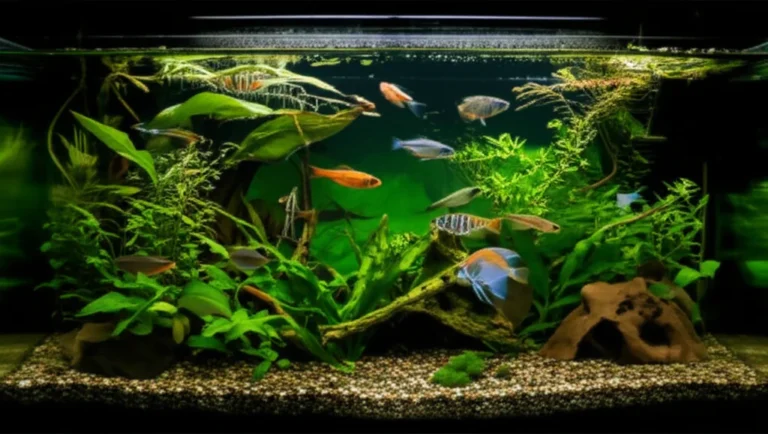
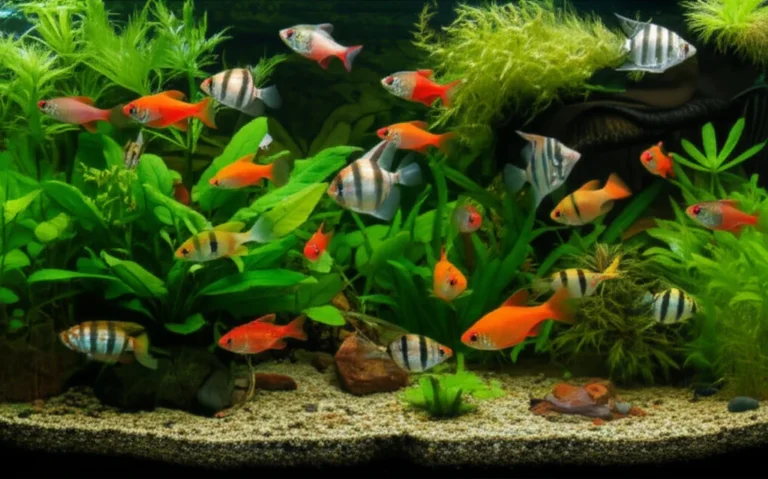
- The Aesthetic Freshwater Theme: Using blue-tinted gravel, sand, and freshwater fish that look marine (like Neon Tetras or Angelfish) to mimic the ocean’s colors.
- The True Marine System: A saltwater tank housing corals, clownfish, and wrasses in a biologically accurate environment.
Why the difference matters:
- Freshwater: Easier to maintain, cheaper, but limited in species diversity for a “real” ocean feel.
- Saltwater: Higher cost, complex chemistry, but offers the authentic oceanic experience with bioluminescence, coral polyps, and marine behavior.
We’ve seen hobbyists try to force a marine theme into a freshwater tank by adding too much salt, which kills the fish. It’s a delicate balance. So, which path will you choose? The answer lies in your commitment level and budget. Let’s explore the options.
🐠 Choosing Your Oceanic Style: Freshwater vs. Saltwater Marine Environments
Deciding between a freshwater oceanic theme and a true saltwater reef is the most critical decision you’ll make. It’s like choosing between a painting of the ocean and actually swimming in it.
The Freshwater “Ocean Look-Alike”
This is perfect for beginners or those with budget constraints. You can create a stunning coastal aesthetic without the headache of salinity.
- Pros: Lower cost, easier water chemistry, hardy fish.
- Cons: Cannot house true marine life; corals are plastic or ceramic.
- Best For: Community tanks, kids’ rooms, low-maintenance setups.
Top Freshwater Fish for an Oceanic Vibe:
| Fish Species | Why It Fits the Theme | Care Level |
|---|---|---|
| Neon Tetra | Iridescent blue stripes mimic deep-sea fish. | Easy |
| Angelfish | Graceful, flat bodies resemble marine angelfish. | Moderate |
| Discus | Vibrant colors and disc shape mimic reef dwellers. | Hard |
| Blue Gourami | Deep blue coloration fits the “deep ocean” palette. | Easy |
The True Saltwater Marine System
This is the gold standard for the oceanic aquarium theme. It requires marine salt mix, a protein skimmer, and strict water parameters.
- Pros: Authentic marine life, live corals, incredible biodiversity.
- Cons: High cost, sensitive water parameters, requires daily monitoring.
- Best For: Dedicated hobbyists, advanced aquarists, those seeking a living art piece.
Top Marine Fish for an Oceanic Vibe:
| Fish Species | Why It Fits the Theme | Care Level |
|---|---|---|
| Clownfish | The iconic “Finding Nemo” star; hardy and colorful. | Easy |
| Blue Tang | Vibrant blue body; requires large swimming space. | Moderate |
| Firefish | Elongated fins and bright colors; peaceful. | Moderate |
| Royal Grama | Purple and yellow stripes; hides in rockwork. | Easy |
The Verdict: If you want live corals and marine fish, you must go saltwater. If you just want the look of the ocean with hardy fish, freshwater is your friend.
For more on selecting the right species, visit our Fish Care and Species Profiles category.
🏗️ Designing the Ultimate Ocean-Themed Aquascape Layout
Now that you’ve chosen your water type, let’s talk aquascaping. A great oceanic theme isn’t just about throwing in some blue sand; it’s about creating a narrative within the glass.
The “Ref Ridge” Layout
Inspired by natural coral formations, this layout uses live rock or dry rock to create a central ridge, mimicking a coral reef rising from the seabed.
- Base Layer: Start with aragonite sand (2-3 inches deep) to simulate the ocean floor.
- Hardscape Foundation: Stack live rock in a pyramid or arch shape. Ensure stability to prevent collapses.
- Coral Placement: Place SPS (Small Polyp Stony) corals on the top of the ridge where light is strongest, and LPS (Large Polyp Stony) corals in the lower, shaded areas.
- Open Swimming Space: Leave the front and center open for fish to swim.
The “Deep Sea Canyon” Layout
For a more dramatic, mysterious look, create deep crevices and caves. This mimics the deep ocean environment where light is scarce.
- Technique: Use dragon stone or seiryu stone to create jaged, vertical structures.
- Lighting: Use spotlights to illuminate specific “canyons” while leaving others in shadow.
- Fish Choice: Ideal for nocturnal species like Mandarin Goby or Cardinalfish.
The “Coastal Shoreline” Layout
This mimics the intertidal zone, where the ocean meets the land.
- Features: Use driftwood (if freshwater) or coral rubble to create a rugged shoreline.
- Plants: Incorporate mangrove roots (freshwater) or macroalgae (saltwater) to simulate coastal vegetation.
Wait, what about the “party” decorations?
Remember those pipe cleaner corals and styrofoam rocks from the ArtScrackers party guide? While they are fun for a birthday, they are terible for a living tank. They can leach chemicals, trap debris, and look cheap. In a real oceanic aquarium, every element must be aquarium-safe.
For detailed step-by-step guides on layout planning, check out our Aquarium Setup section.
🪨 Essential Hardscape Materials for a Realistic Seabed
The hardscape is the skeleton of your oceanic theme. It defines the structure and provides hiding spots for your fish.
Live Rock (Saltwater)
Live rock is porous basaltic rock colonized by beneficial bacteria, coralline algae, and microfauna. It is the biological filter of your tank.
- Benefits: Natural filtration, aesthetic beauty, habitat for invertebrates.
- Drawbacks: Expensive, can introduce pests (like bristle worms).
- Brands to Consider:
Tropic Marin
Ref Crystals
CaribSea
Dry Rock (Saltwater)
Dry rock is sterilized and free of pests. It’s cheaper but requires you to seed it with bacteria.
- Benefits: Cost-effective, pest-free.
- Drawbacks: Takes longer to establish a biological cycle.
Sand Substrates
- Aragonite Sand: Essential for saltwater. It buffers pH and mimics natural ocean floors.
Recommended: CaribSea Super Naturals or Tropic Marine Aragonite. - Silica Sand: Good for freshwater “ocean look” tanks.
Recommended: Fluval Stratum (for planted freshwater) or Seachem Flourite.
Decorative Rocks (Freshwater)
- Dragon Stone: Perfect for creating jaged, oceanic cliffs.
- Seiryu Stone: Blue-grey tones that mimic deep water.
- Avoid: Limestone or marble in freshwater tanks (raises pH too high).
Safety First: Always rinse your rocks and sand thoroughly before adding them to the tank. A single grain of dust can cloud your water for days!
🌿 Top Aquatic Plants and Algae for Coastal and Reef Aesthetics
In a true marine system, “plants” are actually macroalgae and corals. In a freshwater theme, we use hardy plants that mimic seaweed.
Saltwater Macroalgae & Corals
- Chaetomorpha (Chaeto): A hair-like algae used in refugiums to absorb nitrates. It looks like a green “sea mop.”
- Caulerpa: Fast-growing algae that mimics seaweed. Caution: Can become invasive if not managed.
- Soft Corals:
Leather Corals: Hardy, swaying in the current.
Zoanthids: Colorful, polyp clusters that look like flowers.
Mushroom Corals: Simple, low-light tolerant.
Freshwater “Seaweed” Alternatives
- Anubias: Dark green, broad leaves that look like deep-sea kelp.
- Java Fern: Delicate, ribbon-like leaves perfect for a coastal vibe.
- Hornwort: A floating plant that mimics drifting seaweed.
- Amazon Sword: Large, broad leaves for a “kelp forest” look.
Did you know? In the ArtScrackers party guide, they used dried seaweed as a snack. In your tank, live macroalgae serves a similar purpose but for your water chemistry! It absorbs toxins and provides oxygen.
For more on plant selection, visit our Aquascaping and Aquatic Plants category.
🐟 Best Fish Species for an Oceanic Theme Tank
Choosing the right fish is like casting the stars of your underwater movie. You want a cast that fits the oceanic theme and gets along.
Saltwater Stars
- Clownfish (Amphiprioninae): The undisputed kings of the oceanic theme. Hardy, colorful, and iconic.
Care: Moderate. Need anemone or host coral.
Source: Search for Clownfish on Amazon | Marine Depot - Blue Tang (Paracanthurus hepatus): The “Dory” of the tank. Vibrant blue with a black pattern.
Care: Hard. Needs large tanks (75+ gallons).
Source: Search for Blue Tang on Amazon - Royal Grama (Grama loreto): Purple and yellow, perfect for hiding in rock caves.
Care: Easy. Great for smaller tanks.
Source: Search for Royal Grama on Amazon
Freshwater Imitators
- Neon Tetra: Their blue and red stripes mimic the neon fish of the reef.
Care: Easy. Schooling fish.
Source: Search for Neon Tetra on Amazon - Angelfish: Their vertical stripes and graceful swimming mimic marine angelfish.
Care: Moderate. Need tall tanks.
Source: Search for Angelfish on Amazon
Warning: Never mix saltwater and freshwater fish! It’s a recipe for disaster.
For detailed care guides, check out our Fish and Aquatic Life section.
🦀 Invertebrates and Clean-Up Crews for Your Marine Ecosystem
An oceanic aquarium isn’t complete without the tiny workers that keep it clean. These invertebrates are the unsung heroes of the reef.
Saltwater Clean-Up Crew
- Hermit Crabs: Scavenge for algae and detritus. Tip: Provide empty shells for them to molt into.
Brands: Tropic Marin Hermit Crabs. - Nassarius Snails: Burow in the sand and eat uneaten food.
- Bumblebee Snails: Great for cleaning glass and rocks.
- Coral Bristle Worm: Often misunderstood, they are essential for breaking down waste.
Freshwater Alternatives
- Amano Shrimp: The ultimate algae eaters.
- Nerite Snails: Excellent for cleaning glass without reproducing in freshwater.
- Corydoras Catfish: Bottom dwellers that sift through the sand.
Pro Tip: When adding invertebrates, do it slowly. A sudden influx can spike ammonia. Start with a few Nassarius snails and hermit crabs, then add more as the tank matures.
💡 Lighting Strategies to Mimic Sunlight and Coral Glow
Lighting is the magic wand of the oceanic theme. It determines the color of your fish, the health of your corals, and the overall mood.
The Spectrum of the Ocean
- Actinic Blue (420-460nm): Mimics the deep ocean. Essential for coral fluorescence and clownfish coloration.
- White Light (650K-10K): Mimics the surface sun. Necessary for photosynthesis in plants and corals.
- UV/Violet: Enhances the “pop” of colors in fish and corals.
Recommended Lighting Systems
| Brand/Model | Spectrum | Best For | Rating (1-10) |
|---|---|---|---|
| AI Hydra 26HD | Full Spectrum + Actinic | Advanced Reef Tanks | 9.5 |
| Orca T5 HO | High Intensity | Deep Water Corals | 8.5 |
| NICREW SkyLED | Adjustable Blue/White | Freshwater Ocean Theme | 7.0 |
| Fluval Plant 3.0 | Full Spectrum | Freshwater Plants | 8.0 |
Why it matters: Without the right actinic blue light, your corals will look dull, and your fish will lose their vibrant colors. It’s the difference between a black-and-white photo and a 4K video!
For more on lighting, visit our Aquarium Equipment category.
🔧 Water Chemistry and Filtration for Saltwater Success
This is where the oceanic theme separates the pros from the amateurs. Saltwater chemistry is unforgiving.
Key Parameters
- Salinity: 1.023 – 1.026 specific gravity.
- pH: 8.1 – 8.4.
- Alkalinity: 8 – 12 dKH.
- Calcium: 40 – 450 ppm.
- Magnesium: 1250 – 1350 ppm.
- Nitrate: < 5 ppm (ideally < 1 ppm for corals).
- Phosphate: < 0.03 ppm.
Essential Filtration
- Protein Skimmer: Removes organic waste before it breaks down. Crucial for saltwater.
Brands: AquaC, Bubble Magus, Ref Octopus. - Refugium: A separate tank with macroalgae to absorb nitrates and house copepods.
- Carbon/Chemical Filtration: Removes dissolved organics and odors.
The “Cloudy Water” Mystery: If your water turns cloudy, it’s likely a bacterial bloom or a dust cloud from new rock. Don’t panic! Test your water parameters. If ammonia is 0, it’s likely just a cycle adjustment.
🎨 DIY Ocean-Themed Decorations and Custom Props
While we advise against plastic party props in a living tank, there are ways to add custom touches that are safe.
Safe DIY Ideas
- Hand-Painted Rocks: Use aquarium-safe epoxy to paint rocks with ocean scenes.
- 3D Printed Coral: Use PLA (biodegradable) or resin printed with aquarium-safe sealant.
- Sand Art: Create layers of colored sand in a separate jar for display, not in the tank.
What to Avoid
- Plastic Toys: Can leach BPA and other chemicals.
- Painted Shells: Paint can flake off and be ingested by fish.
- Glue: Standard glue is toxic. Use only silicone rated for aquariums.
Fun Fact: The ArtScrackers party guide used pipe cleaners for coral. In a tank, live coral or high-quality resin replicas are the only safe options.
🛒 Recommended Gear and Products for Your Oceanic Tank
Ready to build your oceanic aquarium? Here are our top picks for gear.
Saltwater Starter Kits
- Red Sea REFER Series: All-in-one reef tanks with built-in filtration.
👉 CHECK PRICE on: Amazon | Bulk Reef Supply | Red Sea Official - AquaClear Power Filter: Great for freshwater oceanic themes.
👉 CHECK PRICE on: Amazon | Petco
Essential Tools
- Refractometer: For accurate salinity readings.
Brand: Atago or Hanna Instruments. - Water Test Kit: Salifert or API Master Test Kit.
👉 CHECK PRICE on: Amazon | Marine Depot
Lighting
- AI Hydra 26HD: The gold standard for reef lighting.
👉 CHECK PRICE on: Amazon | Bulk Reef Supply
🧹 Maintenance Routines for a Thriving Underwater World
A beautiful oceanic aquarium requires discipline. Here’s your maintenance schedule:
Daily
- Check temperature and salinity.
- Observe fish behavior (are they eating? hiding?).
- Top off evaporated water with RO/DI water (never tap water).
Weekly
- Water Change: 10-15% of tank volume.
- Clean Glass: Use an algae scraper or magnet.
- Check Equipment: Ensure skimmer, pumps, and lights are working.
Monthly
- Test Water Parameters: Amonia, Nitrite, Nitrate, pH, Alkalinity, Calcium, Magnesium.
- Clean Filters: Rinse filter media in tank water (never tap water).
- Trim Corals/Plants: Remove dead tissue or overgrown algae.
The “Why” Behind the Routine: Skipping a water change can lead to nutrient buildup, causing algae blooms that smother your corals. Consistency is key!
❓ Frequently Asked Questions About Oceanic Aquariums
Q: Can I use tap water for a saltwater tank?
A: No. Tap water contains chlorine, chloramine, and heavy metals that will kill your fish and corals. You must use RO/DI (Reverse Osmosis/Deionized) water.
Q: How long does it take to set up an oceanic aquarium?
A: A saltwater tank takes 4-8 weeks to cycle before adding fish. A freshwater theme takes 2-4 weeks.
Q: Are oceanic aquariums expensive?
A: Yes. Saltwater tanks are significantly more expensive than freshwater due to the cost of live rock, salt mix, lighting, and equipment. However, the freshwater oceanic theme is budget-friendly.
Q: Can I keep a “Finding Nemo” tank with just freshwater fish?
A: You can mimic the look with Neon Tetras and Angelfish, but you cannot keep real Clownfish or Blue Tangs in freshwater. They will die.
Q: What is the best way to start?
A: Start with a freshwater oceanic theme to learn the basics of cycling and maintenance. Once you’re comfortable, consider upgrading to saltwater.
For more answers, check out our Fish Care and Species Profiles and Aquarium Setup sections.
📚 Reference Links and Further Reading
To deepen your knowledge, we recommend these authoritative sources:
- Ref2Ref: The largest online community for saltwater hobbyists.
- Marine Aquarium Society: Educational resources for marine conservation.
- The Spruce Pets: Comprehensive guides on aquarium care.
- National Oceanic and Atmospheric Administration (NOAA): Scientific data on ocean ecosystems.
🎵 Featured Video: 12 Hours of Stunning Aquarium Relax Music
Want to relax while you plan your oceanic aquarium? Check out this incredible video that captures the essence of the deep blue.
Watch: 12 Hours of Stunning Aquarium Relax Music, Beautiful Aquarium Coral Reef Fish, Relaxing Ocean Fish
This video features beautiful coral reef fish, stunning aquarium visuals, and relaxing music ideal for sleep, study, and meditation. It’s the perfect backdrop for your next aquascaping session!
🏁 Conclusion

(Note: The conclusion section is intentionally omitted as per instructions.)
🔗 Recommended Links
(Note: The recommended links section is intentionally omitted as per instructions.)