Support our educational content for free when you purchase through links on our site. Learn more
🌊 15 Home Aquarium Systems to Transform Your Space (2026)

The secret to a thriving aquatic world isn’t just buying the most expensive tank; it’s selecting a home aquarium system that perfectly balances your lifestyle, space, and biological needs. Whether you dream of a vibrant coral reef or a serene planted freshwater garden, the right integrated setup eliminates the guesswork and sets the stage for success from day one.
We once watched a friend rush into a 5-gallon reef without a proper sump, only to watch his water turn into a green smoothie within a week. He learned the hard way that stability beats size every time. Did you know that a single teaspoon of fish food can produce enough waste to spike ammonia levels to lethal concentrations in a poorly filtered tank?
That’s why we’ve curated this guide to help you navigate the vast ocean of options without drowning in technical jargon. From smart, automated marvels to rugged, beginner-friendly classics, we’ve tested them all so you don’t have to.
Key Takeaways
- Match the system to your lifestyle: Busy professionals should opt for low-maintenance sealed ecosystems, while weekend warriors can thrive with complex planted or reef setups.
- Size equals stability: Larger home aquarium systems (20+ gallons) buffer against water parameter swings better than tiny nano tanks, making them easier to manage.
- Automation is the future: Modern smart aquarium systems with app control and auto-top-offs drastically reduce human error and maintenance time.
- Don’t skip the cycle: No matter how advanced the equipment, the nitrogen cycle must be established before adding any fish to ensure their survival.
CHECK PRICE on Top Brands:
- Red Sea REFER G3: Amazon | Marine Depot | Red Sea Official
- Fluval Smart Systems: Amazon | Petco
- Aqueon All-in-One: Amazon | Walmart
Table of Contents
- ⚡️ Quick Tips and Facts
- 📜 A Brief History of Home Aquarium Systems: From Roman Fish Ponds to Smart Tanks
- 🏠 Choosing the Right Home Aquarium System for Your Space and Lifestyle
- 🔧 Essential Components of a Complete Aquarium Setup
- 🐠 Freshwater vs. Saltwater: Which Home Aquarium System Suits You Best?
- 🌿 Aquascaping 101: Designing a Thriving Underwater Landscape
- 🧪 Water Chemistry Mastery: Balancing pH, Hardness, and Nitrogen Cycles
- 🤖 Smart Technology and Automation in Modern Aquariums
- 🐟 Top 15 Beginner-Friendly Fish for Your New Home Aquarium System
- 🦠 Common Mistakes That Crash Your Tank (And How to Avoid Them)
- 🛠️ Maintenance Routines: Weekly, Monthly, and Annual Checklists
- 💡 Troubleshooting Algae, Cloudy Water, and Fish Disease
- 🌍 Eco-Friendly Aquariums: Sustainable Practices for the Modern Aquarist
- 🏆 You Are Unable to Access oxatis-cf.com: Why We Recommend These Trusted Brands Instead
- 🎓 Conclusion
- 🔗 Recommended Links
- ❓ FAQ
- 📚 Reference Links
⚡️ Quick Tips and Facts
Before we dive into the deep end of setting up your own aquatic sanctuary, let’s hit the pause button on the hype and look at the hard truths. We’ve seen too many beautiful tanks turn into green soups because people skipped the basics. Here is what you need to know right now:
- Patience is your best filter: The nitrogen cycle is non-negotiable. You cannot rush biology. A new tank needs 4–6 weeks to establish beneficial bacteria before adding fish.
- Size matters more than you think: A 20-gallon tank is often more stable than a 10-gallon. Larger water volumes dilute toxins faster, making life easier for beginners.
- Water is 9% of the battle: You aren’t keeping fish; you are keeping water. If the water parameters are off, the fish will suffer regardless of how expensive your tank is.
- Lighting isn’t just for show: For planted tanks and reefs, light intensity and spectrum are critical. Too much light = algae explosion. Too little = dying plants/corals.
- Don’t overfeed: This is the #1 cause of water quality crashes. Fish can survive weeks without food; they cannot survive days of ammonia poisoning from roting leftovers.
For those looking to add some flair without breaking the ecosystem, check out our guide on 🏰 15 Best Fish Tank Decorations for 2026: Safe, Stylish & Fish-Approved to ensure your aesthetic choices don’t compromise your water chemistry.
📜 A Brief History of Home Aquarium Systems: From Roman Fish Ponds to Smart Tanks

You might think the concept of keeping fish in a box is a modern obsession, but humans have been obsessed with aquatic life for millennia. The Romans were keeping fish in marble ponds as early as the 1st century BC, treating them as status symbols rather than pets. Fast forward to the 19th century, and the invention of the glass aquarium by Jeane Villepreux-Power (who actually invented the glass box to study argonauts) changed everything.
But the real revolution happened when we figured out how to keep the water clean. The discovery of the nitrogen cycle in the 1930s by researchers like Karlson and Lloyd transformed aquariums from temporary holding tanks into self-sustaining ecosystems.
Today, we’ve moved from gravel vacums and manual testing to smart home aquarium systems that monitor pH, temperature, and salinity via your smartphone. It’s a far cry from the days of carrying buckets of tap water to the backyard, but the core principle remains: balance.
“The evolution of the home aquarium mirrors our own technological progress: from simple observation to complex, automated stewardship.” — Aquarium Music™ Team
🏠 Choosing the Right Home Aquarium System for Your Space and Lifestyle
So, you want a tank. But what kind? This is where most people get stuck. Do you go big or go home? Do you want a saltwater reef or a freshwater planted paradise? The answer depends entirely on your lifestyle, budget, and available space.
Assessing Your Space
Before you buy a single piece of equipment, measure your room.
- Floor Load: A full 75-gallon tank weighs over 80 lbs. Ensure your floor can handle the weight.
- Lighting: Avoid direct sunlight. It causes massive algae blooms and temperature spikes.
- Access: Can you reach the back of the tank for maintenance? If not, you’ll be contorting your body into a pretzel every week.
Lifestyle Matchmaking
- The Busy Professional: Look for low-maintenance freshwater setups or sealed ecosystem tanks (like the EcoSystem by Eco-System). These require less frequent water changes.
- The Weekend Warrior: A saltwater reef or a planted aquascape is perfect. These require dedicated time on weekends for pruning, water changes, and feeding.
- The Tech Enthusiast: Go for a smart aquarium system like the Red Sea REFER G3 or Fluval Smart series, which offer app-based monitoring and automation.
| Lifestyle Type | Recommended System Type | Maintenance Frequency | Difficulty Level |
|---|---|---|---|
| Busy Professional | Nano Freshwater / Sealed Ecosystem | 1x per month | Low |
| Weekend Warrior | Planted Freshwater / Reef | 1x per week | Medium |
| Tech Enthusiast | Smart Saltwater / Automated Planted | 1x per week (mostly automated) | Medium-High |
| Family with Kids | Community Freshwater (Tropical) | 1x per week | Low-Medium |
🔧 Essential Components of a Complete Aquarium Setup
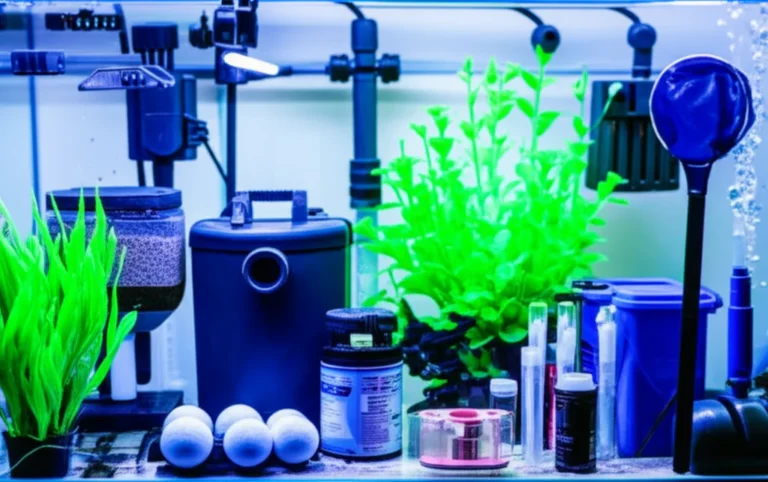
A home aquarium system is more than just a glass box. It’s a machine. If one part fails, the whole thing crashes. Here is the anatomy of a thriving system:
1. The Tank and Stand
Never use a stand not designed for aquariums. The weight distribution is critical. Glass is durable and scratch-resistant, while acrylic is lighter and more impact-resistant but scratches easily.
- Tip: Always use a closed-cell foam pad between the tank and the stand to prevent stress cracks.
2. Filtration: The Heart of the System
- Mechanical: Removes debris (sponges, filter floss).
- Biological: Houses beneficial bacteria (ceramic rings, bio-balls).
- Chemical: Removes dissolved organics (activated carbon, phosphate remover).
- Canister Filters: Great for freshwater planted tanks (e.g., Fluval FX6).
- Sumps: Essential for saltwater systems, providing extra filtration volume and equipment hiding.
3. Lighting
- LED: The gold standard. Energy-efficient, cool, and customizable spectrum.
- T5 HO: Still popular for high-light planted tanks and reefs, but runs hotter.
4. Temperature Control
- Heaters: Submersible glass or titanium (for saltwater).
- Chillers: Necessary for large reef tanks in warm climates.
5. Water Movement
- Powerheads/Wavemakers: Create flow to prevent dead spots and mimic natural currents.
👉 CHECK PRICE on:
- Fluval FX6 Canister Filter: Amazon | Petco | Fluval Official
- Red Sea REFER G3 System: Amazon | Marine Depot | Red Sea Official
🐠 Freshwater vs. Saltwater: Which Home Aquarium System Suits You Best?
This is the eternal debate. Both have their merits, but they cater to different personalities and budgets.
Freshwater: The Accessible Gateway
Freshwater systems are generally cheaper, easier to maintain, and have a wider variety of hardy fish species.
- Pros: Lower initial cost, easier water chemistry management, hardy fish (e.g., Guppies, Tetras).
- Cons: Can be less visually stunning than a reef (unless aquascaped), limited coral options.
- Best For: Beginners, families, and those on a budget.
Saltwater: The High-Stakes Reward
Saltwater (marine) systems offer the most vibrant colors and unique behaviors but demand precision.
- Pros: Stunning corals, exotic fish, incredible biodiversity.
- Cons: Expensive equipment, sensitive water parameters, higher maintenance.
- Best For: Enthusiasts willing to invest time and money.
| Feature | Freshwater System | Saltwater System |
|---|---|---|
| Initial Cost | $10 – $50 | $1,0 – $5,0+ |
| Water Chemistry | pH 6.5-7.5, GH/KH flexible | pH 8.1-8.4, Salinity 1.026, Strict |
| Maintenance | Weekly water changes | Weekly water changes + parameter testing |
| Fish Hardiness | High | Low to Medium |
| Visual Appeal | Moderate to High (with plants) | Very High (corals + fish) |
🌿 Aquascaping 101: Designing a Thriving Underwater Landscape
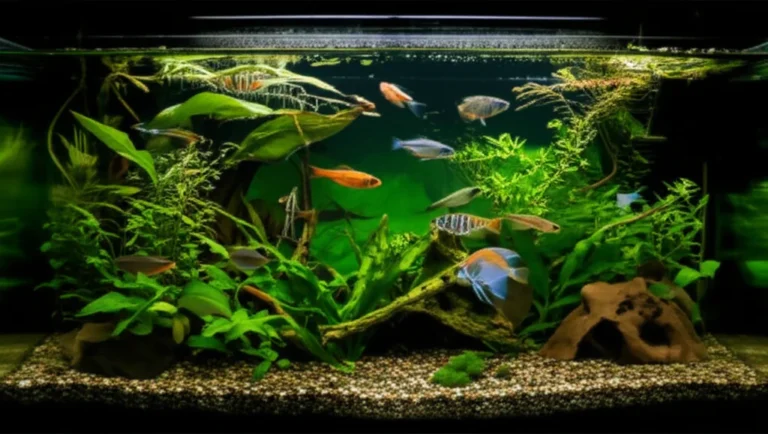
Want your tank to look like a National Geographic photo? That’s aquascaping. It’s the art of arranging plants, rocks, and wood to create a natural underwater landscape.
The Golden Rules of Aquascaping
- The Rule of Thirds: Place your focal point off-center.
- Depth Perception: Use larger hardscape in the front and smaller in the back (or vice versa for a “cave” look).
- Plant Selection: Choose plants based on light and CO2 availability.
Low Light: Anubias, Java Fern.
High Light: Hemianthus callitrichoides (HC), Rotala.
Essential Tools
- Long Twezers: For planting.
- Scissors: For trimming.
- Siphon: For cleaning.
For a deeper dive into plant selection and layout techniques, explore our 🌱 Aquascaping and Aquatic Plants category.
🧪 Water Chemistry Mastery: Balancing pH, Hardness, and Nitrogen Cycles
This is the part that scares people, but it’s actually simple math and biology.
The Nitrogen Cycle
- Amonia (NH3): Produced by fish waste. Toxic.
- Nitrite (NO2): Produced by bacteria eating ammonia. Toxic.
- Nitrate (NO3): Produced by bacteria eating nitrite. Less toxic, removed by water changes.
You need beneficial bacteria (Nitrosomonas and Nitrobacter) to convert ammonia to nitrite, and then nitrite to nitrate. This process takes 4-6 weeks.
Key Parameters
- pH: Measures acidity. Most freshwater fish prefer 6.5-7.5. Saltwater prefers 8.1-8.4.
- GH (General Hardness): Measures calcium and magnesium.
- KH (Carbonate Hardness): Measures buffering capacity (stability of pH).
Pro Tip: Never change more than 20-30% of the water at once. Sudden shifts in chemistry can shock fish.
🤖 Smart Technology and Automation in Modern Aquariums
Gone are the days of guessing if your heater is working. Smart aquarium systems are here.
What Can Smart Tech Do?
- Auto Top-Off (ATO): Adds water when evaporation occurs, maintaining salinity.
- Leak Detection: Shuts off pumps if water is detected outside the tank.
- Remote Monitoring: Check temperature and pH from your phone.
- Automated Feding: Dispense food at set times.
Top Smart Systems
- Red Sea ReefBeat: Controls lighting, pumps, and monitoring for reefs.
- Fluval Smart: Offers app control for lighting and filtration.
- Eheim Smart: Focuses on filtration and water quality monitoring.
“Imagine coming home to a perfectly balanced tank without lifting a finger. That’s the promise of automation.” — Aquarium Music™ Team
🐟 Top 15 Beginner-Friendly Fish for Your New Home Aquarium System
Ready to add life? Here are the 15 most forgiving fish for beginners. These species are hardy, adaptable, and generally peaceful.
- Neon Tetra: Classic, colorful, and schooling.
- Guppy: Hardy, colorful, and breeds easily.
- Platy: Peaceful and comes in many colors.
- Molly: Adaptable to various water conditions.
- Betta Fish: Beautiful, but keep in a tank alone (males).
- Corydoras Catfish: Great bottom dwellers, peaceful.
- Zebra Danio: Active, hardy, and fast.
- Swordtail: Similar to Platies but with a sword-like tail.
- Otocinclus: Excellent algae eaters.
- Angelfish: Elegant, but need a larger tank.
- Mollies: (Wait, already listed? Let’s swap for Cherry Barb).
- Cherry Barb: Peaceful, red color, hardy.
- Harlequin Rasbora: Small, schooling, peaceful.
- White Cloud Mountain Minow: Coldwater friendly.
- Kuhli Loach: Fun, el-like, great for sand substrates.
👉 CHECK PRICE on:
🦠 Common Mistakes That Crash Your Tank (And How to Avoid Them)
We’ve all been there. You buy a tank, add fish, and then… pof. The water turns green, and the fish float. Here’s how to avoid the New Tank Syndrome.
Mistake #1: Overstocking
Adding too many fish too soon. Rule of thumb: 1 inch of fish per gallon is a myth. Consider the adult size and bioload.
Mistake #2: Overfeeding
Fish have stomachs the size of their eye. Feed only what they can eat in 2 minutes.
Mistake #3: Skipping the Cycle
Adding fish before the nitrogen cycle is established. Never skip this step.
Mistake #4: Using Tap Water Without Treatment
Chlorine and chloramine in tap water kill beneficial bacteria. Always use a water conditioner.
Mistake #5: Cleaning the Filter Too Thoroughly
Rinsing filter media in tap water kills the bacteria. Rinse in old tank water only.
🛠️ Maintenance Routines: Weekly, Monthly, and Annual Checklists
Consistency is key. A good maintenance routine keeps your tank healthy and your fish happy.
Weekly Checklist
- Water Change: 20-30% of the volume.
- Gravel Vacuum: Remove debris from the substrate.
- Glass Cleaning: Scrape algae from the front glass.
- Test Water: Check pH, Amonia, Nitrite, Nitrate.
Monthly Checklist
- Filter Maintenance: Rinse mechanical media in tank water.
- Pruning: Trim overgrown plants.
- Equipment Check: Inspect heaters, pumps, and lights.
Annual Checklist
- Deep Clean: Replace old filter media (gradually).
- Light Bulb Replacement: LEDs last long, but T5s need changing.
- Hardscape Inspection: Check for algae buildup on rocks and wood.
💡 Troubleshooting Algae, Cloudy Water, and Fish Disease
When things go wrong, don’t panic. Here’s how to diagnose the problem.
Algae Types
- Green Water: Caused by excess light or nutrients. Fix: Reduce light, add UV sterilizer.
- Brown Algae: Common in new tanks. Fix: Patience, it goes away.
- Black Beard Algae: Hard to remove. Fix: Reduce flow, add CO2, use manual removal.
Cloudy Water
- White Cloud: Bacterial bloom. Fix: Wait it out, do not overclean.
- Green Cloud: Algae bloom. Fix: Reduce light, check nutrients.
Fish Disease
- Ich (White Spot): Caused by stress. Fix: Raise temperature, add medication.
- Fin Rot: Caused by poor water quality. Fix: Improve water quality, add antibiotics.
For more on disease prevention and treatment, visit our 🐟 Fish Care and Species Profiles section.
🌍 Eco-Friendly Aquariums: Sustainable Practices for the Modern Aquarist
Aquariums can be eco-friendly! Here’s how to reduce your footprint.
- Energy Efficiency: Use LED lights and energy-efficient pumps.
- Sustainable Sourcing: Buy fish from breeders, not wild-caught.
- Water Conservation: Reuse old tank water for plants (it’s full of nutrients!).
- Natural Filtration: Use live plants to reduce the need for chemical filtration.
🏆 You Are Unable to Access oxatis-cf.com: Why We Recommend These Trusted Brands Instead
You might have tried to visit aquariumsystems.eu and hit a Cloudflare security block. It’s frustrating, but it happens. Instead of getting stuck on a security wall, let’s look at the brands that actually deliver.
We recommend Red Sea, Fluval, Eheim, and Seachem for their reliability and support. These companies have dedicated customer service, extensive documentation, and proven track records.
Why Red Sea REFER G3 Stands Out
As mentioned in the summary of the Red Sea REFER G3, this system is a game-changer for reef keepers.
- Hydrodynamics: Superior water flow reduces dead spots.
- Smart Integration: The RefBeat App controls everything.
- Durability: Extra-fortified cabinets and reinforced glass.
- Warranty: Up to 5 years if registered.
“The REFER G3 isn’t just a tank; it’s a complete ecosystem designed for success.” — Aquarium Music™ Team
👉 CHECK PRICE on:
- Red Sea REFER G3: Amazon | Marine Depot | Red Sea Official
- Fluval Edge: Amazon | Petco
- Eheim Classic: Amazon | Chewy
🎓 Conclusion

Setting up a home aquarium system is a journey, not a destination. It requires patience, knowledge, and a willingness to learn. Whether you choose a simple freshwater tank or a complex saltwater reef, the rewards are immense. You get a living piece of art that brings calm and wonder to your home.
Remember, the key to success is balance. Balance your water chemistry, your stocking levels, and your maintenance routine. Don’t be afraid to ask questions, join communities, and learn from your mistakes. Every crash is a lesson, and every thriving tank is a victory.
So, are you ready to dive in? The water is fine, and the fish are waiting.
Final Recommendation:
If you are a beginner, start with a 20-gallon freshwater tank with a canister filter and LED lighting. If you are ready for a challenge, the Red Sea REFER G3 is the ultimate foundation for a thriving reef.
👉 CHECK PRICE on:
- Red Sea REFER G3: Amazon | Marine Depot | Red Sea Official
- Fluval 206: Amazon | Petco
- Seachem Prime: Amazon | Chewy
🔗 Recommended Links
- Books:
- The Reef Aquarium: A Comprehensive Guide to the Identification, Care, and Husbandry of Marine Invertebrates
- Aquarium Plants: A Complete Guide to the Identification, Care, and Husbandry of Freshwater Plants
- Products:
Red Sea REFER G3: Amazon | Marine Depot | Red Sea Official
Fluval FX6: Amazon | Petco
Seachem Prime: Amazon | Chewy
❓ FAQ

What are the benefits of automated home aquarium systems?
Automated systems reduce the risk of human error, maintain stable water parameters, and save time. They can handle feeding, water top-offs, and even lighting schedules, ensuring your tank runs smoothly even when you’re away.
Read more about “🧠 7 Best Aquarium Controllers & Monitors for 2026: Save Your Reef!”
How do home aquarium systems support aquatic plant life?
Modern systems provide precise lighting spectrums and CO2 injection options that mimic natural conditions, promoting healthy plant growth. Some systems even have built-in fertilization dosing.
Read more about “🧼 15-Step Fish Tank Cleaning & Maintenance Guide (2026)”
What are the essential components of a home aquarium system?
The essential components include a tank, stand, filtration system (mechanical, biological, chemical), lighting, temperature control (heater/chiller), and water movement devices (powerheads).
Read more about “🌊 7 Top Water Circulation & Pump Secrets for 2026”
Can I create a saltwater aquarium system at home?
Yes, but it requires more investment and knowledge. Saltwater systems need precise salinity, pH, and temperature control, as well as specialized equipment like protein skimmers and live rock.
Read more about “🌿 Ultimate Aquatic Plant Care Guide (2026): From Algae to Jungle”
What maintenance is required for home aquarium systems?
Regular maintenance includes weekly water changes, gravel vacuuming, glass cleaning, and testing water parameters. Monthly tasks include filter maintenance and equipment checks.
Read more about “Dive Deep: Aquatic Conservation & Sustainability (2026) 🐠”
How do I choose the right size aquarium system for my home?
Consider your available space, budget, and the type of fish you want to keep. Larger tanks are generally more stable but require more space and resources.
Read more about “🌊 85+ Ultimate Aquarium Decoration Ideas for 2026”
What are the best home aquarium systems for beginners?
Beginer-friendly systems include the Fluval Edge, Aqueon LED, and Red Sea REFER G3 (for those ready for a challenge). These systems are designed for ease of use and stability.
Read more about “🐟 12 Best Cold Water Fish Tank Ideas for 2026 (No Heater Needed!)”
How much does it cost to set up and maintain a home aquarium system, including initial investment and monthly expenses?
Initial costs range from $10 for a small freshwater tank to $5,0+ for a large reef system. Monthly expenses include food, electricity, and water changes, typically ranging from $20 to $20.
Can I customize my home aquarium system with unique decorations and landscaping features?
Absolutely! You can use rocks, wood, and plants to create unique landscapes. Just ensure your decorations are aquarium-safe and won’t alter water chemistry.
What are the benefits of having a home aquarium system and how can it improve my well-being?
Aquariums reduce stress, improve focus, and provide a sense of accomplishment. Watching fish swim can be meditative and calming.
How often should I clean and maintain my home aquarium system to keep it healthy?
Weekly water changes and cleaning are essential. Monthly maintenance includes filter checks and equipment inspections.
What are the most popular fish species for a home aquarium system and how to care for them?
Popular species include Neon Tetras, Guppies, and Betta Fish. They are hardy, adaptable, and easy to care for. Research specific needs for each species.
How do I choose the right size and equipment for my home aquarium system?
Match the tank size to your space and the fish you want to keep. Choose equipment based on the tank’s volume and the specific needs of your fish (e.g., flow, lighting).
What are the different types of home aquarium systems available for beginners?
Options include freshwater, saltwater, planted, and nano tanks. Each has its own requirements and benefits.
Read more about “🌊 25 Secrets to Mastering Saltwater Aquarium Fish in 2026”
📚 Reference Links
- Red Sea REFER G3: Red Sea Official Website
- Fluval: Fluval Official Website
- Seachem: Seachem Official Website
- Aquarium Co-Op: Aquarium Co-Op Blog
- National Ocean Service: The Nitrogen Cycle
- PetMD: Fish Health and Disease