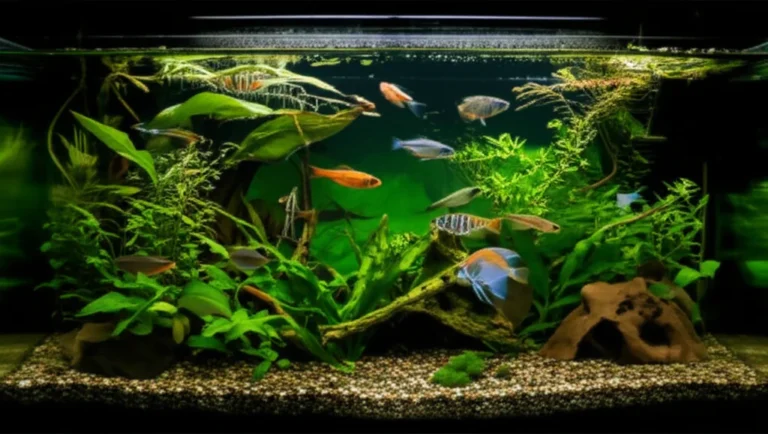
Beginner’s Guide to Aquarium Keeping: 15 Expert Tips for 2026 🐠

Ever stared into a fish tank and wondered how those tiny underwater worlds stay so vibrant and alive? You’re not alone! Aquarium keeping might seem like a mysterious art reserved for experts, but with the right guidance, it’s an accessible and deeply rewarding hobby. Whether you’re dreaming of colorful neon tetras darting through lush plants or a peaceful betta reigning supreme in a cozy 5-gallon, this guide will walk you through everything you need to know to start strong—and keep your aquatic friends thriving.

Did you know that over 90% of beginner tanks fail within the first six months due to common mistakes like overfeeding or skipping the nitrogen cycle? Don’t worry—we’ve distilled decades of experience from our Aquarium Music™ team into 15 essential tips that will have you cycling your tank like a pro, choosing the perfect fish, and mastering maintenance without stress. Plus, we reveal why that “brown gunk” in your filter is actually your tank’s best friend (hint: it’s not dirt!). Ready to dive in? Let’s make your aquarium a living symphony of aquatic life!


Key Takeaways

  • Start with a larger tank (20+ gallons) for stability and easier maintenance.
  • Master the nitrogen cycle before adding fish to avoid toxic water conditions.
  • Use water conditioners like Seachem Prime to neutralize chlorine and chloramine.
  • Feed fish only what they can eat in one minute to prevent pollution.
  • Embrace the “brown gunk” in your filter—it’s beneficial bacteria essential for water quality.
  • Choose hardy, beginner-friendly fish such as Neon Tetras, Corydoras, and Guppies.
  • Incorporate live plants and proper aquascaping for a balanced, healthy ecosystem.
  • Maintain a consistent weekly routine with partial water changes and gentle filter cleaning.

Ready to shop for the best gear and supplies? Check out our recommended products in the Aquarium Equipment section to get started on the right fin!


Table of Contents


⚡️ Quick Tips and Facts

Before we dive into the deep end, let’s get our feet wet with some rapid-fire wisdom. We’ve learned these the hard way so you don’t have to!

Feature Beginner Advice Why It Matters
Tank Size Bigger is better (20+ gallons) More water volume buffers against chemistry swings.
Water Prep Always use a de-chlorinator Chlorine kills fish and your “good” bacteria.
Feeding Once a day, 60 seconds max Overfeeding is the #1 cause of tank crashes.
Cleaning Never replace all filter media You’ll throw away your beneficial bacteria!
Cycling Wait 2-4 weeks before adding fish The Nitrogen Cycle needs time to establish.

Pro Tip: If you think your tank is clean because the water is “crystal clear,” think again! Some of the deadliest toxins (ammonia and nitrite) are completely invisible. Always keep an API Freshwater Master Test Kit (https://www.amazon.com/API-FRESHWATER-MASTER-TEST-KIT-Test/dp/B000255NCI?tag=bestbrands0a9-20) on hand. 🧪


🏺 From Ancient Ponds to Modern Parlors: A History of Fishkeeping

a fish tank filled with lots of different colored fish

Believe it or not, you aren’t the first person to stare at a fish and think, “I want that in my living room.” The history of fishkeeping dates back to the Sumerians (2500 BC), who kept fish in ponds for food. However, the Chinese Song Dynasty really leveled things up by selectively breeding Silver Prussian Carp into the vibrant Goldfish we know today. 🎏

The hobby exploded in the Victorian era when the first “glass boxes” appeared. Back then, they didn’t have fancy LED lights or hang-on-back filters; they relied on “The Balanced Aquarium” theory—basically, a lot of plants and a prayer. Today, we have the technology to create miniature ecosystems that would make a 19th-century naturalist weep with joy. We’ve come a long way from keeping carp in ceramic bowls!


🌊 Why Keeping Fish is Easier Than You Think

Video: 30 Freshwater Aquarium Tips Every Beginner Needs To Know.

We hear it all the time: “I can’t even keep a cactus alive, how can I keep a fish?” 🌵

Here’s the secret: Keeping fish is easy! Once you understand that you aren’t just keeping fish—you’re actually farming beneficial bacteria—the rest falls into place. Modern equipment like the Fluval 07 Series Canister Filters (https://www.amazon.com/Inland-Seas-Canister-Performance-Upgrade/dp/B0BXVNJDKD) does 90% of the heavy lifting for you.

Think of your aquarium as a tiny, underwater apartment complex. If the plumbing works and the trash gets picked up, the tenants (your fish) are happy. It’s a relaxing, meditative hobby that brings a slice of nature into your home. Plus, fish don’t bark at the mailman or scratch the sofa. Win-win! ✅


📏 Choosing Your First Tank: Why Size Actually Matters

Video: Best Ways To Maintain A Fish Tank! 10 Things You Should Know About Aquarium Maintenance.

When you walk into a pet store, those cute 2.5-gallon “Betta Deskside Cubes” look tempting. Don’t do it!

In the world of aquarium keeping, small tanks are actually “Expert Mode.” Why? Because in a small volume of water, one dead leaf or a pinch of extra food can cause an ammonia spike that wipes out everything in hours.

We recommend starting with a 20-gallon Long or a 29-gallon tank. These sizes provide a “buffer zone.” If you make a small mistake, the larger water volume dilutes the impact, giving you time to fix it. Plus, it gives you way more options for aquascaping and fish compatibility!


🧬 The Invisible Engine: Mastering the Nitrogen Cycle

Video: How to Set Up a Freshwater Fish Tank – First Aquarium Setup Guide.

If you skip this section, your fishkeeping journey will be short and sad. The Nitrogen Cycle is the biological process where “good” bacteria break down toxic waste.

  1. Ammonia (NH3): Produced by fish poop and rotting food. Highly Toxic. 💀
  2. Nitrite (NO2): Bacteria (Nitrosomonas) turn ammonia into nitrite. Still Toxic. ⚠️
  3. Nitrate (NO3): Different bacteria (Nitrobacter) turn nitrite into nitrate. Safe in low amounts. 🙂

You “cycle” a tank by letting these bacteria grow in your filter before adding fish. We love using DrTim’s Aquatics One & Only (https://www.amazon.com/DrTims-Aquatics-Nitrifying-Bacteria-Aquarium/dp/B001LULBXI?tag=bestbrands0a9-20) to speed this up. It’s like sending a “starter colony” of bacteria straight to the front lines.


🛠 12 Essential Steps to Setting Up Your First Aquarium

Video: Beginners Guide to The Aquarium Hobby Part 1: What You Need to Do BEFORE You Buy a Fish Tank!

Ready to get your hands wet? Follow our battle-tested roadmap to success:

  1. Level Your Stand: Water is heavy (8.3 lbs per gallon!). Ensure your stand is sturdy and level.
  2. Rinse Your Substrate: Whether it’s sand or gravel, rinse it until the water runs clear.
  3. Install the Heater: We recommend the Eheim Jager TruTemp (https://www.amazon.com/gp/product/B00425AXQA/) for reliability.
  4. Set Up Filtration: Don’t turn it on yet!
  5. Hardscaping: Place your rocks and driftwood.
  6. Fill Halfway: Use a plate to pour water onto so you don’t disturb the sand.
  7. Add Plants: It’s easier to plant in shallow water.
  8. Fill to the Top: Leave a small gap for oxygen exchange.
  9. De-chlorinate: This is non-negotiable!
  10. Fire It Up: Turn on the filter and heater.
  11. The Ghost Feed: Add a tiny bit of fish food to start the Nitrogen Cycle.
  12. Test and Wait: Use your test kit. When Ammonia and Nitrite are 0, you’re ready!

🧪 The Golden Rule of Water: Defeating Chlorine and Chloramine

Video: How to Set Up a Fish Aquarium at Home – Beginners Guide.

Tap water is great for humans because it contains chlorine to kill pathogens. Unfortunately, chlorine is a chemical weapon to fish; it burns their gills and nukes your beneficial bacteria.

If you have chlorinated water, you must use a water conditioner. We don’t just suggest it; we insist on it. Our “Holy Grail” product is Seachem Prime (https://www.amazon.com/Seachem-67104330-Prime-500ml/dp/B00025694O?tag=bestbrands0a9-20). It doesn’t just remove chlorine; it also detoxifies ammonia and nitrite for 24 hours. It’s the ultimate insurance policy for your wet pets. ✅


🦠 Filtration Secrets: Why You Need That “Brown Gunk”

Video: HOW TO: GET STARTED WITH AN AQUARIUM? 10 THINGS YOU NEED!

New hobbyists often see a dirty filter sponge and think, “Ew, I need to scrub this with soap until it’s white again!”

STOP! 🛑

That “brown gunk” is actually a thriving metropolis of beneficial bacteria. It is the heart of your ecosystem. Any aquarium works best with LOTS of “brown gunk” in the filter.

When the filter flow slows down, gently swish the sponge in a bucket of old tank water (never tap water!) to knock off the heavy debris. You want it functional, not sterile. Remember: Cleanliness is next to godliness, but in an aquarium, “gunkiness” is next to healthiness.


🍽 Dinner Time! The One-Minute Feeding Rule

Video: Beginners Guide to The Aquarium Hobby Part 2: Everything You Need to Start an Aquarium!

Overfeeding is the fastest way to turn a beautiful tank into a swampy mess. In the wild, fish are opportunistic hunters; they don’t get three square meals a day.

Feed fish once a day ONLY an amount of food the fish can consume in one minute. If food hits the bottom and stays there, you’ve failed the mission. We recommend high-quality pellets like Fluval Bug Bites (https://www.amazon.com/Fluval-Tropical-Flakes-Medium-A7332/dp/B0D9DRRXHJ) because they mimic a natural insect-based diet.

Watch closely: Are all the fish eating? Is someone being a bully? Feeding time is the best time to do a “health check” on your inhabitants.


🐠 15 Best Beginner-Friendly Fish for Your New Tank

Video: Aquarium Setup for Beginners – Skip the Confusion, Get Results.

Don’t go for the “cool-looking” Discus or Saltwater Tangs yet—those are for when you’ve leveled up. Start with these hardy legends:

  1. Honey Gourami: Peaceful and colorful.
  2. Cherry Barb: Active and hardy.
  3. Neon Tetra: The classic “blue streak.”
  4. Corydoras Catfish: The “vacuum cleaners” of the tank.
  5. Zebra Danios: Practically indestructible.
  6. Harlequin Rasboras: Great schoolers.
  7. Platies: Vibrant and easy to breed.
  8. Guppies: Endless color varieties.
  9. White Cloud Mountain Minnows: Don’t even need a heater!
  10. Bristlenose Pleco: Great for algae control (in 20+ gallons).
  11. Kuhli Loach: Weird little “water noodles.”
  12. Endlers Livebearers: Small and high-energy.
  13. Amano Shrimp: The best algae eaters in the business.
  14. Nerite Snails: They won’t overpopulate your tank.
  15. Betta Fish: (In a 5-gallon minimum, please!)

🌿 Aquascaping 101: Plants, Rocks, and Driftwood

Video: Best Nitrogen Cycle Guide for Beginners (Different Methods Explained).

An empty tank is just a cage. An aquascaped tank is a home. Plus, live plants act as a secondary filter, sucking up nitrates!

Start with “Easy Mode” plants like Anubias, Java Fern, and Amazon Swords. These don’t need fancy CO2 systems. For the “hardscape,” use Dragon Stone or Spider Wood to create depth and hiding spots.

Metaphor Alert: Think of your tank like a theater stage. Put the tall plants in the back (the backdrop), the rocks in the middle (the props), and the short plants in the front (the footlights). 🎭


🧹 Maintenance Without the Meltdowns: Your Weekly Routine

Video: AQUARIUM MAINTENANCE FOR BEGINNERS – QUICK AND SIMPLE.

You don’t need to drain the whole tank to clean it. In fact, please don’t!

If you stay consistent, maintenance takes 15 minutes. If you wait a month, it takes two hours and a lot of swearing. Choose wisely! ⏱


🚑 Troubleshooting Common Newbie Mistakes

Video: Beginners Guide to The Aquarium Hobby Part 5: How to Clean a Fish Tank!

  • Cloudy Water: Usually a “bacterial bloom.” Don’t panic! It usually clears up on its own in a few days.
  • Fish Gasping at Surface: Likely low oxygen or high ammonia. Do a 50% water change immediately and add an air stone.
  • Algae Explosion: You’re either leaving the lights on too long (8 hours is plenty!) or overfeeding.
  • The “New Tank Syndrome”: Fish dying shortly after being added. This usually means the tank wasn’t cycled.

💬 Reader Interactions: Your Success Stories and Questions

Video: Don’t Do These Beginner Mistakes – (We’ve All Done Them).

We love hearing from the Aquarium Music™ community!

User “FishFanatic99” asks: “I just saw a tiny snail in my tank but I didn’t buy one! Am I infested?” Our Answer: You likely have “hitchhiker” snails from your live plants. Don’t worry! They are actually great cleaners. Just don’t overfeed, or their population will explode.

Have a success story? Did your Guppies just have fry? Did you finally master the carpet of Monte Carlo? Drop us a comment below! We might feature your tank in our next gallery. 📸


🏁 Conclusion

a group of colorful fish swimming in an aquarium

Starting your first aquarium is a journey into a hidden world. It requires patience, a bit of science, and a lot of love. By choosing the right tank size, mastering the Nitrogen Cycle, and respecting the “brown gunk,” you’re already ahead of 90% of beginners.

Remember: The best tool in your arsenal isn’t a fancy filter or a high-tech light—it’s your own observation. Spend time watching your fish. They’ll tell you when they’re happy and when something is wrong.

So, are you ready to build your underwater masterpiece? We think you are. Happy fishkeeping! 🐠✨


❓ FAQ

a large aquarium filled with lots of different types of fish

Q: How long do aquarium fish live? A: It depends! Small tetras might live 3-5 years, while Goldfish can live 20+ years and Bettas usually 2-4 years.

Q: Do I really need a heater? A: If you are keeping tropical fish (most species), yes. You need to keep the water stable between 75-80°F.

Q: Can I put a Goldfish in a bowl? A: ❌ No. Goldfish are messy and grow huge. They need at least 20-30 gallons and heavy filtration.


⚡️ Quick Tips and Facts

Before we dive into the deep end, let’s get our feet wet with some rapid-fire wisdom. We’ve learned these the hard way so you don’t have to! If you are wondering about the long-term commitment, check out our guide on How Often Should I Clean My Fish Tank to Keep It Healthy? 🐠 (2026).

Feature Beginner Advice Why It Matters
Tank Size Bigger is better (20+ gallons) More water volume buffers against chemistry swings.
Water Prep Always use a de-chlorinator Chlorine kills fish and your “good” bacteria.
Feeding Once a day, 60 seconds max Overfeeding is the #1 cause of tank crashes.
Cleaning Never replace all filter media You’ll throw away your beneficial bacteria!
Cycling Wait 2-4 weeks before adding fish The Nitrogen Cycle needs time to establish.

Pro Tip: If you think your tank is clean because the water is “crystal clear,” think again! Some of the deadliest toxins (ammonia and nitrite) are completely invisible. Always keep an API Freshwater Master Test Kit on hand. 🧪

👉 CHECK PRICE on:


🏺 From Ancient Ponds to Modern Parlors: A History of Fishkeeping

a group of fish swimming in an aquarium

Believe it or not, you aren’t the first person to stare at a fish and think, “I want that in my living room.” The history of fishkeeping dates back to the Sumerians (2500 BC), who kept fish in ponds for food. However, the Chinese Song Dynasty really leveled things up by selectively breeding Silver Prussian Carp into the vibrant Goldfish we know today. 🎏

The hobby exploded in the Victorian era when the first “glass boxes” appeared. Back then, they didn’t have fancy LED lights or hang-on-back filters; they relied on “The Balanced Aquarium” theory—basically, a lot of plants and a prayer. Today, we have the technology to create miniature ecosystems that would make a 19th-century naturalist weep with joy. We’ve come a long way from keeping carp in ceramic bowls!


🌊 Why Keeping Fish is Easier Than You Think

Video: Everything you need for an Aquarium! (Beginner’s series).

We hear it all the time: “I can’t even keep a cactus alive, how can I keep a fish?” 🌵

Here’s the secret: Keeping fish is easy! As the experts at Aquarium Science note, “Mother Nature should be left alone to do what Mother Nature does best.” Once you understand that you aren’t just keeping fish—you’re actually farming beneficial bacteria—the rest falls into place.

Think of your aquarium as a tiny, underwater apartment complex. If the plumbing works and the trash gets picked up, the tenants (your fish) are happy. It’s a relaxing, meditative hobby that brings a slice of nature into your home. Plus, fish don’t bark at the mailman or scratch the sofa. Win-win! ✅

For more on specific species that make this hobby a breeze, visit our Fish Care and Species Profiles.


📏 Choosing Your First Tank: Why Size Actually Matters

Video: Switch to Saltwater Tank for Beginners | Easier Than You Think! (Only 3 Steps).

When you walk into a pet store, those cute 2.5-gallon “Betta Deskside Cubes” look tempting. Don’t do it!

In the world of aquarium keeping, small tanks are actually “Expert Mode.” Why? Because in a small volume of water, one dead leaf or a pinch of extra food can cause an ammonia spike that wipes out everything in hours.

We recommend starting with a 20-gallon Long or a 29-gallon tank. These sizes provide a “buffer zone.” If you make a small mistake, the larger water volume dilutes the impact, giving you time to fix it. As mentioned in the first video in this article, tank size is one of the most critical decisions you make, and it dictates exactly what kind of fish you can keep.

Key Benefits of a Larger Starter Tank:

  • Stability: Water parameters fluctuate slower.
  • Options: You can keep schooling fish like Tetras or Rasboras.
  • Forgiveness: You have time to react to problems.

🧬 The Invisible Engine: Mastering the Nitrogen Cycle

Video: Saltwater Aquarium 101: Everything You Need To Know.

If you skip this section, your fishkeeping journey will be short and sad. The Nitrogen Cycle is the biological process where “good” bacteria break down toxic waste.

  1. Ammonia (NH3): Produced by fish poop and rotting food. Highly Toxic. 💀
  2. Nitrite (NO2): Bacteria (Nitrosomonas) turn ammonia into nitrite. Still Toxic. ⚠️
  3. Nitrate (NO3): Different bacteria (Nitrobacter) turn nitrite into nitrate. Safe in low amounts. 🙂

You “cycle” a tank by letting these bacteria grow in your filter before adding fish. This usually takes 2-4 weeks. We love using DrTim’s Aquatics One & Only to speed this up. It’s like sending a “starter colony” of bacteria straight to the front lines.

👉 CHECK PRICE on:


🛠 12 Essential Steps to Setting Up Your First Aquarium

Video: Beginners Guide to Aquatic Plants: How to Keep Plants in Your Fish Tank.

Ready to get your hands wet? Follow our battle-tested roadmap to success. For a deep dive into gear, check our Aquarium Setup category.

  1. Level Your Stand: Water is heavy (8.3 lbs per gallon!). Ensure your stand is sturdy and level.
  2. Rinse Your Substrate: Whether it’s sand or gravel, rinse it until the water runs clear.
  3. Install the Heater: We recommend the Eheim Jager TruTemp for reliability.
  4. Set Up Filtration: Don’t turn it on yet!
  5. Hardscaping: Place your rocks and driftwood.
  6. Fill Halfway: Use a plate to pour water onto so you don’t disturb the sand.
  7. Add Plants: It’s easier to plant in shallow water.
  8. Fill to the Top: Leave a small gap for oxygen exchange.
  9. De-chlorinate: This is non-negotiable!
  10. Fire It Up: Turn on the filter and heater.
  11. The Ghost Feed: Add a tiny bit of fish food to start the Nitrogen Cycle.
  12. Test and Wait: Use your test kit. When Ammonia and Nitrite are 0, you’re ready!

🧪 The Golden Rule of Water: Defeating Chlorine and Chloramine

Video: My Honest Review of 10 Beginner Fish from Petco.

Tap water is great for humans because it contains chlorine to kill pathogens. Unfortunately, chlorine is a chemical weapon to fish; it burns their gills and nukes your beneficial bacteria.

If you have chlorinated water, you must use a water conditioner. We don’t just suggest it; we insist on it. As Aquarium Science states, “The only firm rule in the aquarium hobby is to use conditioner if you have chlorinated water.”

Our “Holy Grail” product is Seachem Prime. It doesn’t just remove chlorine; it also detoxifies ammonia and nitrite for 24 hours. It’s the ultimate insurance policy for your wet pets. ✅

Seachem Prime Review

Rating: 10/10

Feature Rating Notes
Concentration 10/10 5ml treats 50 gallons. A bottle lasts forever.
Effectiveness 10/10 Instantly neutralizes Chlorine and Chloramine.
Versatility 9/10 Can be used in emergencies to detoxify Ammonia.

Pros:

  • Highly concentrated (saves money long-term).
  • Promotes natural slime coat.
  • Detoxifies heavy metals.

Cons:

  • Smells a bit like sulfur (rotten eggs), but the smell dissipates quickly.

👉 CHECK PRICE on:


🦠 Filtration Secrets: Why You Need That “Brown Gunk”

Video: Beginners Guide to The Aquarium Hobby Part 3: How to Set-up an Aquarium Step by Step!

New hobbyists often see a dirty filter sponge and think, “Ew, I need to scrub this with soap until it’s white again!”

STOP! 🛑

That “brown gunk” is actually a thriving metropolis of beneficial bacteria. It is the heart of your ecosystem. Any aquarium works best with LOTS of “brown gunk” in the filter.

When the filter flow slows down, gently swish the sponge in a bucket of old tank water (never tap water!) to knock off the heavy debris. You want it functional, not sterile. Remember: Cleanliness is next to godliness, but in an aquarium, “gunkiness” is next to healthiness.

Choosing Your Filter

As discussed in the first video, you have three main choices:

  1. Sponge Filters: Great for beginners, cheap, and safe for small fish.
  2. Hang-on-Back (HOB): The standard choice. Easy to maintain.
  3. Canister Filters: The powerhouse option.

For those ready to step up their game, we recommend the Fluval 07 Series Canister Filters.

Fluval 407 Performance Canister Filter Review

Rating: 9.5/10

Feature Rating Notes
Flow Rate 10/10 Powerful circulation for cleaner water.
Maintenance 9/10 “AquaStop” valves make cleaning mess-free.
Quietness 9/10 Runs almost silent.

Pros:

  • Huge media capacity for biological filtration.
  • Energy efficient.
  • Self-priming handle.

Cons:

  • More expensive than HOB filters.
  • Takes up space inside the cabinet.

👉 CHECK PRICE on:

For more gear reviews, browse our Aquarium Equipment section.


🍽 Dinner Time! The One-Minute Feeding Rule

Video: Tank Maintenance Is EASIER Than You Think! – (Beginners Month).

Overfeeding is the fastest way to turn a beautiful tank into a swampy mess. In the wild, fish are opportunistic hunters; they don’t get three square meals a day.

Feed fish once a day ONLY an amount of food the fish can consume in one minute. While Marineland suggests feeding twice a day, we side with the “less is more” approach for beginners to avoid pollution. If food hits the bottom and stays there, you’ve failed the mission.

We recommend high-quality pellets like Fluval Bug Bites because they mimic a natural insect-based diet.

👉 CHECK PRICE on:

Watch closely: Are all the fish eating? Is someone being a bully? Feeding time is the best time to do a “health check” on your inhabitants.


🐠 15 Best Beginner-Friendly Fish for Your New Tank

Don’t go for the “cool-looking” Discus or Saltwater Tangs yet—those are for when you’ve leveled up. Start with these hardy legends. For detailed profiles, check Fish Care and Species Profiles.

  1. Honey Gourami: Peaceful and colorful.
  2. Cherry Barb: Active and hardy.
  3. Neon Tetra: The classic “blue streak.”
  4. Corydoras Catfish: The “vacuum cleaners” of the tank.
  5. Zebra Danios: Practically indestructible.
  6. Harlequin Rasboras: Great schoolers.
  7. Platies: Vibrant and easy to breed.
  8. Guppies: Endless color varieties.
  9. White Cloud Mountain Minnows: Don’t even need a heater!
  10. Bristlenose Pleco: Great for algae control (in 20+ gallons).
  11. Kuhli Loach: Weird little “water noodles.”
  12. Endlers Livebearers: Small and high-energy.
  13. Amano Shrimp: The best algae eaters in the business.
  14. Nerite Snails: They won’t overpopulate your tank.
  15. Betta Fish: (In a 5-gallon minimum, please!)

Note on Shrimp: As Buce Plant highlights, shrimp like Neocaridina are sensitive to water changes. Ensure your tank is fully mature before adding them!


🌿 Aquascaping 101: Plants, Rocks, and Driftwood

An empty tank is just a cage. An aquascaped tank is a home. Plus, live plants act as a secondary filter, sucking up nitrates! Dive deeper into our Aquascaping and Aquatic Plants category.

Start with “Easy Mode” plants like Anubias, Java Fern, and Amazon Swords. These don’t need fancy CO2 systems. For the “hardscape,” use Dragon Stone or Spider Wood to create depth and hiding spots.

Metaphor Alert: Think of your tank like a theater stage. Put the tall plants in the back (the backdrop), the rocks in the middle (the props), and the short plants in the front (the footlights). 🎭


🧹 Maintenance Without the Meltdowns: Your Weekly Routine

You don’t need to drain the whole tank to clean it. In fact, please don’t! According to Marineland, a healthy routine only takes about 30 minutes a week.

  • Weekly: 20-30% water change using a gravel vacuum.
  • Scrape Algae: Use a magnetic scraper for the glass.
  • Check Parameters: Ensure your pH, Ammonia, Nitrite, and Nitrate are stable.

We swear by the Python No Spill Clean and Fill. It hooks up to your sink, eliminating the need to carry heavy buckets.

Python No Spill Review

Rating: 10/10 (Back Saver Award)

Feature Rating Notes
Ease of Use 10/10 Drains and fills directly from the tap.
Durability 9/10 High-quality tubing and brass adapters available.

Pros:

  • No more buckets!
  • Strong suction for cleaning gravel.
  • Adjustable flow valve.

Cons:

  • Wastes some water to create suction (Venturi effect).

👉 CHECK PRICE on:

For more tips, see our Tank Maintenance section.


🚑 Troubleshooting Common Newbie Mistakes

  • Cloudy Water: Usually a “bacterial bloom.” Don’t panic! It usually clears up on its own in a few days.
  • Fish Gasping at Surface: Likely low oxygen or high ammonia. Do a 50% water change immediately and add an air stone.
  • Algae Explosion: You’re either leaving the lights on too long (8 hours is plenty!) or overfeeding.
  • The “New Tank Syndrome”: Fish dying shortly after being added. This usually means the tank wasn’t cycled.

💬 Reader Interactions: Your Success Stories and Questions

We love hearing from the Aquarium Music™ community!

User “FishFanatic99” asks: “I just saw a tiny snail in my tank but I didn’t buy one! Am I infested?” Our Answer: You likely have “hitchhiker” snails (like Bladder Snails) from your live plants. Don’t worry! They are actually great cleaners. Just don’t overfeed, or their population will explode.

Have a success story? Did your Guppies just have fry? Did you finally master the carpet of Monte Carlo? Drop us a comment below! We might feature your tank in our next gallery. 📸

🏁 Conclusion

Many small colorful fish swimming in dark water.

Congratulations! You’ve just unlocked the gateway to a mesmerizing underwater world. Starting your first aquarium might seem daunting, but with the right knowledge and a dash of patience, it’s one of the most rewarding hobbies you can dive into. From choosing the right tank size to mastering the nitrogen cycle, and respecting the “brown gunk” that keeps your ecosystem alive, you’re now equipped with the essentials to succeed.

Remember the unresolved question from earlier: Why is that “brown gunk” so important? Now you know—it’s the bustling city of beneficial bacteria that keeps your water safe and your fish happy. So next time you see a dirty filter sponge, smile and say, “Thank you for your service!”

If you’re considering gear upgrades, the Fluval 407 Canister Filter and Seachem Prime water conditioner are our top picks for reliability and performance. They’ve earned high marks from our team and thousands of hobbyists worldwide. While the initial investment might feel steep, their durability and efficiency pay off in stress-free maintenance and healthier fish.

Positives:

  • Fluval 407: Powerful, quiet, easy to maintain, excellent biological filtration capacity.
  • Seachem Prime: Concentrated, multi-functional (dechlorinates and detoxifies), trusted by professionals.

Negatives:

  • Fluval 407: Higher price point, requires space under the tank.
  • Seachem Prime: Slight sulfur smell initially (harmless and temporary).

Our confident recommendation: If you want to build a thriving, low-maintenance aquarium that brings joy for years, these products are worth every penny.

Now that you’re armed with knowledge, gear, and enthusiasm, it’s time to start your own aquatic symphony. Happy fishkeeping from all of us at Aquarium Music™! 🎶🐠


👉 Shop Aquarium Essentials:

Recommended Books:

  • The Simple Guide to Freshwater Aquariums by David E. Boruchowitz
    Amazon

  • Aquarium Care of Bettas by Scott W. Michael
    Amazon

  • Aquascaping: A Step-by-Step Guide to Planting, Styling, and Maintaining Beautiful Aquariums by George Farmer
    Amazon


❓ FAQ

a group of fish swimming in an aquarium

What are the essential supplies for a beginner’s aquarium setup?

Answer:
You’ll need a tank (20 gallons or larger recommended), a reliable filter (HOB or canister), a heater (for tropical fish), substrate (gravel or sand), a water conditioner (like Seachem Prime), fish food (quality pellets or flakes), a test kit (API Freshwater Master Test Kit), and maintenance tools such as a gravel vacuum and algae scraper. Decorations and live plants are optional but highly recommended for a balanced ecosystem.

How do I cycle a new aquarium before adding fish?

Answer:
Cycling establishes beneficial bacteria that convert toxic ammonia and nitrite into less harmful nitrate. You can cycle your tank by adding a small amount of fish food or pure ammonia and testing water parameters over 2-4 weeks. Alternatively, use bacterial starters like DrTim’s One & Only to speed the process. Never add a full fish load before the cycle completes, or you risk fish deaths.

What are the best beginner-friendly fish for a home aquarium?

Answer:
Start with hardy, peaceful species such as Neon Tetras, Corydoras Catfish, Guppies, Cherry Barbs, and Honey Gouramis. Avoid delicate or aggressive species until you gain experience. Shrimp like Amano and Nerite Snails are excellent algae eaters and beginner-friendly in mature tanks.

How often should I clean and maintain my aquarium?

Answer:
Perform a 20-30% water change weekly or biweekly, clean algae from glass as needed, and gently rinse filter media in tank water monthly. Avoid full water changes or overcleaning filter media to preserve beneficial bacteria. Maintenance should take about 30 minutes per week with consistent care.

What type of water is best for freshwater vs saltwater tanks?

Answer:
Freshwater tanks typically use dechlorinated tap water treated with conditioners like Seachem Prime. Saltwater tanks require mixing purified water (RO/DI) with marine salt mixes to achieve the correct salinity and mineral balance. Always test parameters and adjust accordingly.

How can I create a balanced ecosystem in my aquarium?

Answer:
Balance involves stable water chemistry, a healthy population of beneficial bacteria, appropriate stocking levels, live plants to absorb nitrates, and proper filtration. Avoid overfeeding and overcrowding. Regular testing and maintenance keep the ecosystem thriving.

What common mistakes should beginners avoid in aquarium keeping?

Answer:

  • Overfeeding fish, leading to toxic buildup.
  • Adding fish before the tank is cycled.
  • Overcleaning filters and removing beneficial bacteria.
  • Choosing tanks that are too small.
  • Using untreated tap water.
  • Overcomplicating with unnecessary chemicals or equipment.
  • Ignoring water parameter testing.

Dive in, explore, and let your aquarium become a living symphony of aquatic life! 🎶🐟

Leave a Reply

Your email address will not be published. Required fields are marked *