Support our educational content for free when you purchase through links on our site. Learn more
🚨 7 Algae & Water Fixes: Master Your Tank (2026)


Ever stared into your once-pristine aquarium, only to find it transformed into a murky, green swamp or a fuzzy nightmare? You’re not alone. At Aquarium Music™, we’ve watched countless hobbyists panic when their crystal-clear water turns into pea soup or when stubborn black beard algae refuses to budge. But here’s the secret most beginners miss: algae isn’t the enemy; it’s the symptom. Just like a fever tells your body is fighting an infection, a bloom tells your tank’s ecosystem is out of balance.
In this comprehensive guide, we’re ditching the quick-fix chemical band-aids that often make things worse. Instead, we’re diving deep into the real science of troubleshooting. From the dreaded “New Tank Syndrome” to the elusive Green Spot Algae, we’ll walk you through our team’s battle-tested strategies to restore harmony. Did you know that a single overfed meal can spike ammonia levels enough to trigger a cyanobacteria outbreak within 48 hours? We’ll show you exactly how to prevent that and much more.
Key Takeaways
- Algae is a Symptom, Not the Cause: Stop fighting the green fuzz and start fixing the underlying nutrient imbalance, lighting issues, or water quality crashes.
- The Nitrogen Cycle is Non-Negotiable: Understanding the conversion of amonia → nitrite → nitrate is the single most important skill for preventing toxic spikes and cloudy water.
- Consistency Wins: Regular water changes, stable CO2 levels, and a consistent lighting schedule are far more effective than erratic chemical treatments.
- Identify Before You Treat: Whether it’s Brown Diatoms, Black Beard Algae, or Green Water, each type requires a specific, targeted solution.
- Test, Don’t Guess: Never rely on your eyes alone; use a reliable liquid test kit to monitor your tank’s vital signs daily.
Table of Contents
- ⚡️ Quick Tips and Facts
- 📜 The Evolution of the Aquarium: From Ancient Ponds to Modern Tanks
- 🚨 Emergency Triage: Diagnosing the Most Common Fish Tank Disasters
- 🌿 The Algae Arms Race: Identifying and Eradicating 7 Persistent Algae Types
- 1. Green Water (Phytoplankton Bloms)
- 2. Brown Diatoms (The New Tank Syndrome)
- 3. Green Spot Algae (GSA)
- 4. Black Beard Algae (BA) and Staghorn
- 5. Blue-Green Algae (Cyanobacteria)
- 6. Hair and Thread Algae
- 7. Fuzzy Algae and Dinoflagellates
- 💧 Water Quality Woes: Mastering the Nitrogen Cycle and Parameter Balance
- 1. Crashing the Cycle: Amonia and Nitrite Spikes
- 2. The Silent Killer: High Nitrate Accumulation
- 3. pH Swings and Hardness Conflicts
- 4. Temperature Fluctuations and Oxygen Depletion
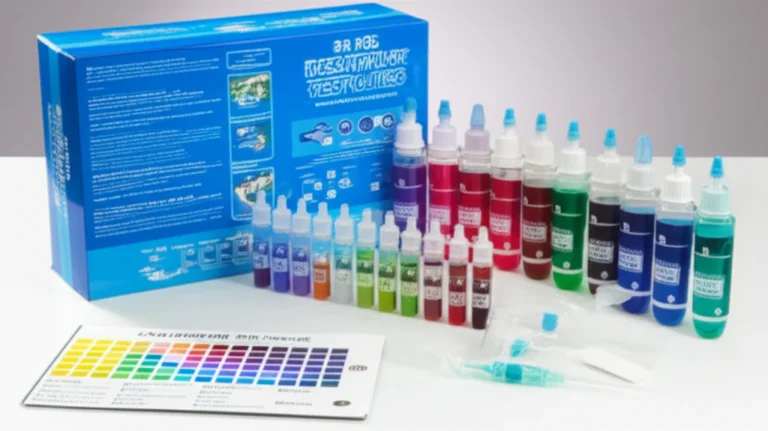
- 🧪 The Detective’s Toolkit: Essential Testing Kits and Monitoring Gear
- 🛠️ The Fix-It Workshop: Step-by-Step Solutions for Turbid Water and Cloudy Tanks
- 🥗 Nutrient Management: Balancing Fertilizers, CO2, and Feding to Prevent Outbreaks
- 🧹 Maintenance Mastery: The Art of the Water Change and Filter Cleaning
- 🐠 Fish Behavior as a Diagnostic Tool: What Your Fined Friends Are Telling You
- 🚫 Common Myths and Mistakes That Make Tank Problems Worse
- ✅ Quick Tips and Facts
- 🏁 Conclusion
- 🔗 Recommended Links
- ❓ FAQ
- 📚 Reference Links
Welcome
, fellow aquarists and aspiring aquascapers, to Aquarium Music™! We’ve all been there: staring into our beloved aquatic worlds, only to find a murky haze, a fuzzy green carpet, or worse, fish looking
less than thrilled. It’s enough to make you want to throw in the towel, isn’t it? But fear not! Our expert team is here to guide you through the murky waters of fish tank troubleshooting. We’ve seen
it all, from the most stubborn algae blooms to perplexing water quality issues, and we’re ready to share our battle-tested wisdom, personal anecdotes, and top-tier recommendations. Get ready to transform your aquarium from a problem child into a pristine
paradise!
⚡️ Quick Tips and Facts
Before we dive deep into the nitty-gritty, let’s arm you with some rapid-fire wisdom
that can often prevent a minor hiccup from becoming a full-blown aquatic crisis. Remember, a healthy aquarium is a balanced ecosystem, and often, the simplest solutions are the most effective! For a deeper dive into maintaining a thriving aquatic environment, check out
our article on 15 Secrets to Mastering Your Tropical Fish Tank (2026).
- Test, Test, Test! 🧪 Regular
water testing is your aquarium’s report card. Know your ammonia, nitrite, nitrate, and pH levels. Ignorance is definitely not bliss in this hobby! - Consistency is Key 🔄 Sudden changes in temperature
, lighting, or feeding routines can shock your system and invite problems. Stick to a schedule. - Don’t Overfeed 🍔 This is perhaps the most common mistake. Uneaten food decomposes, creating ammonia spikes and
fueling algae. Feed small amounts, multiple times a day, only what your fish can consume in 2-3 minutes. - Water Changes are Your Best Friend 💧 Regular partial water changes dilute pollutants, replenish essential minerals, and keep
your water sparkling. Aim for 25-50% weekly or bi-weekly, depending on your tank’s bioload. - Clean Your Filter, But Wisely 🧼 Rinse filter media in old tank
water during a water change, not harsh tap water, to preserve beneficial bacteria. - Patience, Young Padawan 🧘 Many issues, especially in new tanks, resolve with time as the ecosystem matures. Resist the urge for
drastic, immediate interventions. - Observe Your Fish 👀 Your finned friends are excellent indicators of water quality. Lethargy, clamped fins, gasping at the surface, or unusual spots are red flags.
Lighting Matters** 💡 Too much light, or the wrong spectrum, is a primary driver for algae. Stick to 6-8 hours a day for most planted tanks.
- Quarantine New Additions 🦠 Always
quarantine new fish and plants to prevent introducing diseases or pests to your established tank. - Know Your Algae 🌿 Not all algae are created equal! Identifying the type of algae you have is the first step to effective treatment
.
📜 The Evolution of the Aquarium: From Ancient Ponds to Modern Tanks
Have you ever wondered about the journey our glass boxes took from simple curiosity to the intricate ecosystems we manage today? The history of aquariums is a fascinating tale, deeply intertwined with our understanding of aquatic biology and, crucially, water quality.
It all started centuries ago, with the ancient Egyptians and Romans keeping fish in outdoor ponds for food and aesthetic pleasure. Fast forward to the 18th and 19th centuries, and the “aquarium” as we know it began to
take shape. Early enthusiasts, often naturalists, were captivated by the idea of observing aquatic life indoors. However, these early attempts were fraught with challenges. Tanks would quickly become cloudy, fish would perish, and algae would take over with alarming speed. Why
? Because the fundamental principles of water quality and the nitrogen cycle were largely unknown or misunderstood.
The real breakthrough came with the scientific understanding of the nitrogen cycle – the process by which fish waste and decaying organic matter are broken down into less
harmful substances by beneficial bacteria. This revelation transformed the hobby from a frustrating endeavor into a more predictable and enjoyable pursuit. Suddenly, aquarists could troubleshoot problems not just by removing symptoms, but by addressing the underlying biological processes.
Today,
we stand on the shoulders of these pioneers, armed with sophisticated testing kits, advanced filtration systems, and a wealth of collective knowledge. From the simple goldfish bowls of yesteryear to the high-tech, intricately aquascaped tanks of today, our
journey has been one of continuous learning and adaptation. Understanding this evolution helps us appreciate that many of the “problems” we face today are simply modern manifestations of age-old biological principles. For more on setting up your aquatic haven, explore our
Aquarium Setup guides.
🚨 Emergency Triage: Diagnosing the Most Common Fish Tank Disasters
Alright, let’s get real. Sometimes, despite our best efforts, things go sideways. Your crystal-clear water turns into pea soup, your fish
are acting strangely, or a mysterious slime begins to coat your beautiful plants. Panic? Absolutely not! At Aquarium Music™, we believe in swift, decisive action based on accurate diagnosis. Think of yourself as an aquatic emergency room doctor. The first step is always
to identify the symptoms.
Here’s a quick triage guide for common fish tank disasters:
| Symptom | Potential Cause(s)
Aquarium Music™: Your Ultimate Guide to Troubleshooting Common Fish Tank Problems
⚡️ Quick Tips and Facts
Hey there, fellow aqu
arists! Ever felt that heart-sinking moment when your clear, vibrant aquarium starts looking… well, a bit off? We’ve all been there. At Aquarium Music™, we believe that a little knowledge goes a long way in keeping
your underwater symphony in perfect harmony. Here are some rapid-fire tips and crucial facts to keep in your back pocket. For a deeper dive into maintaining a thriving aquatic environment, don’t miss our comprehensive guide: 15 Secrets to Mastering Your Tropical Fish Tank (2026).
- The Golden Rule: Test Your Water! 🧪 Seriously, this isn’t optional. Regular
testing for ammonia, nitrite, nitrate, and pH is like your aquarium’s vital signs. Without this data, you’re just guessing. - Consistency Trumps Chaos 🗓️ Fish, plants, and beneficial bacteria thrive on routine
. Sudden changes in lighting, temperature, or feeding can throw your entire ecosystem into a tailspin. - Overfeeding = Over-Problems 🍔 It’s tempting to spoil your finned friends, but uneaten food is
the number one culprit for ammonia spikes and algae explosions. Feed small amounts, 2-3 times a day, only what they can devour in a couple of minutes. - Water Changes: Your Tank’s Reset Button 💧
Regular partial water changes (25-50% weekly or bi-weekly) are crucial for diluting pollutants and replenishing essential minerals. It’s the simplest, most effective maintenance you can do. - Filter Care
: The Gentle Touch 🧼 When cleaning your filter media, always rinse it in old tank water during a water change. Tap water’s chlorine will decimate your precious beneficial bacteria! - Patience is a Virtue (Especially in Aquariums) 🧘 Many issues, particularly in newly established tanks, will resolve themselves as the biological filter matures. Resist the urge to overreact with drastic chemical interventions.
- Your Fish Talk! Are You Listening?
👀 Observe your fish closely. Clamped fins, lethargy, gasping at the surface, or unusual spots are all distress signals. They’re telling you something’s wrong with their environment. - Light: A Double
-Edged Sword 💡 While essential for plants, too much light, or the wrong spectrum, is a primary driver for many stubborn algae types. Aim for a consistent 6-8 hour photoperiod for most planted tanks.
Quarantine is Not Just for Hospitals 🦠 Always, always, always quarantine new fish and plants in a separate tank for a few weeks. This prevents introducing diseases, parasites, or unwanted algae to your main display.
*
Know Your Enemy (Algae Edition) 🌿 Different algae types have different triggers and require different solutions. Identifying the specific algae plaguing your tank is the first step to winning the battle.
📜 The Evolution of the Aquarium: From Ancient Ponds to Modern Tanks
Ever paused to ponder the fascinating journey our beloved glass boxes have taken
? From rudimentary outdoor ponds to the intricate, high-tech ecosystems we meticulously craft today, the evolution of the aquarium is a captivating saga, deeply intertwined with humanity’s growing understanding of aquatic biology and, most critically, **water quality management
**.
Our story begins not with glass, but with earth and stone. Ancient Egyptians and Romans, keen observers of nature, kept fish in outdoor ponds, primarily for sustenance and later, for their aesthetic appeal. Fast forward to the 18th and
19th centuries, and the “aquarium” as we recognize it began to emerge. Early naturalists, driven by an insatiable curiosity, attempted to replicate aquatic environments indoors. Yet, these pioneering efforts were often met with frustration. Tanks
would rapidly cloud, fish would mysteriously perish, and pervasive green slimes would quickly obscure the view. The fundamental principles governing these delicate aquatic worlds – particularly the nitrogen cycle – remained largely a mystery.
The true paradigm shift arrived with the scientific elucidation
of the nitrogen cycle. This groundbreaking discovery revealed how fish waste, uneaten food, and decaying organic matter are naturally processed through a series of bacterial transformations into progressively less harmful compounds. This understanding transformed the hobby from a hit-or-miss
endeavor into a more predictable and sustainable pursuit. Suddenly, aquarists could troubleshoot problems not just by addressing symptoms, but by targeting the underlying biological processes.
Today, we stand on the shoulders of these early pioneers, equipped with sophisticated testing kits, advanced
filtration technologies, and a vast collective knowledge base. From the simple goldfish bowls of old to the intricately aquascaped, CO2-injected planted tanks of the modern era, our journey has been one of continuous learning and adaptation. Understanding this
rich history helps us appreciate that many of the “problems” we troubleshoot today are, at their core, modern manifestations of age-old biological principles. For those embarking on their own aquatic journey, our Aquarium Setup guides offer invaluable insights.
🚨 Emergency
Triage: Diagnosing the Most Common Fish Tank Disasters
Alright, let’s get down to brass tacks. Despite our best intentions and diligent routines, sometimes, things in our aquatic worlds take an unexpected turn. Your once-pr
istine water morphs into a cloudy enigma, a mysterious fuzz blankets your plants, or your fish exhibit behavior that screams “HELP!” This isn’t the time for panic; it’s the moment for swift, informed action. At Aquarium
Music™, we empower you to become the chief diagnostician of your aquatic ecosystem. The first, most crucial step in any emergency is accurate identification of the problem.
Consider this your rapid-response triage guide for common fish tank disasters. What
are the symptoms telling you?
| Symptom | Potential Cause(s)
Aquarium Music™:
Your Ultimate Guide to Troubleshooting Common Fish Tank Problems
⚡️ Quick Tips and Facts
Hey there, fellow aquarists! Ever felt that heart-sinking moment
when your clear, vibrant aquarium starts looking… well, a bit off? We’ve all been there. At Aquarium Music™, we believe that a little knowledge goes a long way in keeping your underwater symphony in perfect harmony. Here are some
rapid-fire tips and crucial facts to keep in your back pocket. For a deeper dive into maintaining a thriving aquatic environment, don’t miss our comprehensive guide: 15 Secrets to Mastering Your Tropical Fish Tank (2026).
- The Golden Rule: Test Your Water! 🧪 Seriously, this isn’t optional. Regular testing for ammonia, nitrite,
nitrate, and pH is like your aquarium’s vital signs. Without this data, you’re just guessing. We personally rely on the API Freshwater Master Test Kit for its reliability and comprehensive range.
Consistency Trumps Chaos 🗓️ Fish, plants, and beneficial bacteria thrive on routine. Sudden changes in lighting, temperature, or feeding can throw your entire ecosystem into a tailspin.
- Overfeeding = Over-
Problems 🍔 It’s tempting to spoil your finned friends, but uneaten food is the number one culprit for ammonia spikes and algae explosions. Feed small amounts, 2-3 times a day, only what they can devour in
a couple of minutes. - Water Changes: Your Tank’s Reset Button 💧 Regular partial water changes (25-50% weekly or bi-weekly) are crucial for diluting pollutants and replenishing essential
minerals. It’s the simplest, most effective maintenance you can do. - Filter Care: The Gentle Touch 🧼 When cleaning your filter media, always rinse it in old tank water during a water change.
Tap water’s chlorine will decimate your precious beneficial bacteria! - Patience is a Virtue (Especially in Aquariums) 🧘 Many issues, particularly in newly established tanks, will resolve themselves as the biological filter matures.
Resist the urge to overreact with drastic chemical interventions. - Your Fish Talk! Are You Listening? 👀 Observe your fish closely. Clamped fins, lethargy, gasping at the surface, or unusual spots are all
distress signals. They’re telling you something’s wrong with their environment. - Light: A Double-Edged Sword 💡 While essential for plants, too much light, or the wrong spectrum, is a primary
driver for many stubborn algae types. Aim for a consistent 6-8 hour photoperiod for most planted tanks. - Quarantine is Not Just for Hospitals 🦠 Always, always, always quarantine new fish
and plants in a separate tank for a few weeks. This prevents introducing diseases, parasites, or unwanted algae to your main display. - Know Your Enemy (Algae Edition) 🌿 Different algae types have different triggers and require
different solutions. Identifying the specific algae plaguing your tank is the first step to winning the battle.
📜 The Evolution of the Aquarium: From Ancient Ponds to Modern Tanks
Ever paused to ponder the fascinating journey our beloved glass boxes have taken? From rudimentary outdoor ponds to the intricate, high-tech ecosystems we meticulously
craft today, the evolution of the aquarium is a captivating saga, deeply intertwined with humanity’s growing understanding of aquatic biology and, most critically, water quality management.
Our story begins not with glass, but with earth and stone.
Ancient Egyptians and Romans, keen observers of nature, kept fish in outdoor ponds, primarily for sustenance and later, for their aesthetic appeal. Fast forward to the 18th and 19th centuries, and the “aquarium”
as we recognize it began to emerge. Early naturalists, driven by an insatiable curiosity, attempted to replicate aquatic environments indoors. Yet, these pioneering efforts were often met with frustration. Tanks would rapidly cloud, fish would mysteriously perish, and
pervasive green slimes would quickly obscure the view. The fundamental principles governing these delicate aquatic worlds – particularly the nitrogen cycle – remained largely a mystery.
The true paradigm shift arrived with the scientific elucidation of the nitrogen cycle. This groundbreaking
discovery revealed how fish waste, uneaten food, and decaying organic matter are naturally processed through a series of bacterial transformations into progressively less harmful compounds. This understanding transformed the hobby from a hit-or-miss endeavor into a more predictable and sustainable
pursuit. Suddenly, aquarists could troubleshoot problems not just by addressing symptoms, but by targeting the underlying biological processes.
Today, we stand on the shoulders of these early pioneers, equipped with sophisticated testing kits, advanced filtration technologies, and a vast
collective knowledge base. From the simple goldfish bowls of old to the intricately aquascaped, CO2-injected planted tanks of the modern era, our journey has been one of continuous learning and adaptation. Understanding this rich history helps us
appreciate that many of the “problems” we troubleshoot today are, at their core, modern manifestations of age-old biological principles. For those embarking on their own aquatic journey, our Aquarium Setup guides offer invaluable insights.
🚨 Emergency T
riage: Diagnosing the Most Common Fish Tank Disasters
Alright, let’s get down to brass tacks. Despite our best intentions and diligent routines, sometimes, things in our aquatic worlds take an unexpected turn. Your once-pr
istine water morphs into a cloudy enigma, a mysterious fuzz blankets your plants, or your fish exhibit behavior that screams “HELP!” This isn’t the time for panic; it’s the moment for swift, informed action. At
Aquarium Music™, we empower you to become the chief diagnostician of your aquatic ecosystem. The first, most crucial step in any emergency is accurate identification of the problem.
Consider this your rapid-response triage guide for common fish tank disasters.
What are the symptoms telling you?
| Symptom | Potential Cause(s)
Aquarium Music™: Your Ultimate Guide to Troubleshooting Common Fish Tank Problems
<
a id=”-quick-tips-and-facts”>
⚡️ Quick Tips and Facts
Hey there, fellow aquarists! Ever felt that heart-sinking moment when your clear, vibrant aquarium starts looking… well
, a bit off? We’ve all been there. At Aquarium Music™, we believe that a little knowledge goes a long way in keeping your underwater symphony in perfect harmony. Here are some rapid-fire tips and crucial facts to keep in
your back pocket. For a deeper dive into maintaining a thriving aquatic environment, don’t miss our comprehensive guide: 15 Secrets to Mastering Your Tropical Fish Tank (2026).
-
The Golden Rule: Test Your Water! 🧪 Seriously, this isn’t optional. Regular testing for ammonia, nitrite, nitrate, and pH is like your aquarium’s
vital signs. Without this data, you’re just guessing. We personally rely on the API Freshwater Master Test Kit for its reliability and comprehensive range. -
Consistency Trumps Chaos
🗓️ Fish, plants, and beneficial bacteria thrive on routine. Sudden changes in lighting, temperature, or feeding can throw your entire ecosystem into a tailspin. -
Overfeeding = Over-Problems 🍔 It’s
tempting to spoil your finned friends, but uneaten food is the number one culprit for ammonia spikes and algae explosions. Feed small amounts, 2-3 times a day, only what they can devour in a couple of minutes. -
Water Changes: Your Tank’s Reset Button 💧 Regular partial water changes (25-50% weekly or bi-weekly) are crucial for diluting pollutants and replenishing essential minerals. It’s the
simplest, most effective maintenance you can do. -
Filter Care: The Gentle Touch 🧼 When cleaning your filter media, always rinse it in old tank water during a water change. Tap water’s chlorine will
decimate your precious beneficial bacteria! -
Patience is a Virtue (Especially in Aquariums) 🧘 Many issues, particularly in newly established tanks, will resolve themselves as the biological filter matures. Resist the urge to overreact
with drastic chemical interventions. -
Your Fish Talk! Are You Listening? 👀 Observe your fish closely. Clamped fins, lethargy, gasping at the surface, or unusual spots are all distress signals. They’re
telling you something’s wrong with their environment. -
Light: A Double-Edged Sword 💡 While essential for plants, too much light, or the wrong spectrum, is a primary driver for many stubborn algae types
. Aim for a consistent 6-8 hour photoperiod for most planted tanks. -
Quarantine is Not Just for Hospitals 🦠 Always, always, always quarantine new fish and plants in a separate tank
for a few weeks. This prevents introducing diseases, parasites, or unwanted algae to your main display. -
Know Your Enemy (Algae Edition) 🌿 Different algae types have different triggers and require different solutions. Identifying the specific
algae plaguing your tank is the first step to winning the battle.
📜
The Evolution of the Aquarium: From Ancient Ponds to Modern Tanks
Ever paused to ponder the fascinating journey our beloved glass boxes have taken? From rudimentary outdoor ponds to the intricate, high-tech ecosystems we meticulously craft today, the evolution of
the aquarium is a captivating saga, deeply intertwined with humanity’s growing understanding of aquatic biology and, most critically, water quality management.
Our story begins not with glass, but with earth and stone. Ancient Egyptians and Romans, keen
observers of nature, kept fish in outdoor ponds, primarily for sustenance and later, for their aesthetic appeal. Fast forward to the 18th and 19th centuries, and the “aquarium” as we recognize it began to
emerge. Early naturalists, driven by an insatiable curiosity, attempted to replicate aquatic environments indoors. Yet, these pioneering efforts were often met with frustration. Tanks would rapidly cloud, fish would mysteriously perish, and pervasive green slimes would quickly
obscure the view. The fundamental principles governing these delicate aquatic worlds – particularly the nitrogen cycle – remained largely a mystery.
The true paradigm shift arrived with the scientific elucidation of the nitrogen cycle. This groundbreaking discovery revealed how fish waste,
uneaten food, and decaying organic matter are naturally processed through a series of bacterial transformations into progressively less harmful compounds. This understanding transformed the hobby from a hit-or-miss endeavor into a more predictable and sustainable pursuit. Suddenly, aquar
ists could troubleshoot problems not just by addressing symptoms, but by targeting the underlying biological processes.
Today, we stand on the shoulders of these early pioneers, equipped with sophisticated testing kits, advanced filtration technologies, and a vast collective knowledge base.
From the simple goldfish bowls of old to the intricately aquascaped, CO2-injected planted tanks of the modern era, our journey has been one of continuous learning and adaptation. Understanding this rich history helps us appreciate that many of
the “problems” we troubleshoot today are, at their core, modern manifestations of age-old biological principles. For those embarking on their own aquatic journey, our Aquarium Setup guides offer invaluable insights.
🚨 Emergency Triage: Diagnosing
the Most Common Fish Tank Disasters
Alright, let’s get down to brass tacks. Despite our best intentions and diligent routines, sometimes, things in our aquatic worlds take an unexpected turn. Your once-pristine water morph
s into a cloudy enigma, a mysterious fuzz blankets your plants, or your fish exhibit behavior that screams “HELP!” This isn’t the time for panic; it’s the moment for swift, informed action. At Aquarium Music™, we
empower you to become the chief diagnostician of your aquatic ecosystem. The first, most crucial step in any emergency is accurate identification of the problem.
Consider this your rapid-response triage guide for common fish tank disasters. What are the symptoms
telling you?
| Symptom | Potential Cause(s)
**
💧 Water Quality Woes: Mastering the Nitrogen Cycle and Parameter Balance
Ah
, water quality! This is the bedrock of a healthy aquarium. Forget fancy plants or rare fish for a moment; if your water parameters are out of whack, everything else crumbles. At Aquarium Music™, we’ve seen countless aquarists fall
prey to the silent killers of poor water quality. The good news? Understanding and mastering the nitrogen cycle and key water parameters is entirely within your grasp. It’s the ultimate secret to preventing most common fish tank problems. For more on keeping
your fish healthy, visit our Fish Care and Species Profiles section.
1. Crashing the Cycle: Ammonia and Nitrite Sp
ikes
Imagine a pristine forest suddenly inundated with garbage. That’s what an ammonia spike feels like to your fish. Ammonia (NH3) is highly toxic, a direct result of fish waste, uneaten food, and decaying plant matter
. In a healthy, cycled aquarium, beneficial bacteria (Nitrosomonas) rapidly convert ammonia into nitrite (NO2). While less toxic than ammonia, nitrite is still incredibly dangerous, preventing your fish’s blood from carrying oxygen.
Another type of bacteria (Nitrobacter) then converts nitrite into the much less harmful nitrate (NO3). This entire process is the nitrogen cycle.
- Causes:
- ❌ New Tank Syndrome
: The most common cause. Your tank hasn’t had enough time to grow a robust colony of beneficial bacteria. - ❌ Overfeeding: Excess food decomposes, releasing ammonia.
- ❌ Overstocking: Too many
fish produce too much waste for your biological filter to handle. - ❌ Dead Fish/Plants: Decomposing organic matter.
- ❌ Filter Crash: Cleaning filter media with chlorinated tap water or replacing too
much media at once can wipe out your beneficial bacteria. - Solutions:
- ✅ Immediate Water Change: Perform a 50% water change immediately to dilute toxins. Use a good water conditioner like
Seachem Prime or FritzGuard that detoxifies ammonia and nitrite. - ✅ Reduce Feeding: Stop feeding for 24-48
hours, then feed very sparingly. - ✅ Add Beneficial Bacteria: Products like Seachem Stability, FritzZyme 7, or Tetra Safe
Start Plus can help jumpstart or boost your biological filter. - ✅ Increase Aeration: Ammonia and nitrite stress fish, making them more susceptible to oxygen deprivation. An air stone or increased
surface agitation can help. - ✅ Identify and Remove Source: Check for dead fish or decaying plant matter.
👉 CHECK PRICE on:
2. The Silent Killer: High Nitrate Accumulation
While nitrates (NO3) are far less toxic than ammonia or nitrites, chronically
high levels can still stress your fish, stunt plant growth, and, you guessed it, fuel algae blooms. Think of it as a slow, insidious poison.
- Causes:
- ❌ Infrequent Water Changes:
Nitrates accumulate over time and are primarily removed through water changes. - ❌ Overfeeding/Overstocking: More waste ultimately means more nitrates.
- ❌ Lack of Live Plants: Live plants consume nitrates as
a nutrient, helping to keep levels down. - ❌ Inefficient Filtration: Filters packed with detritus can become nitrate factories.
- Solutions:
- ✅ Regular Water Changes: This is your
primary weapon. Increase frequency or volume of water changes. - ✅ Add Live Plants: Fast-growing stem plants like Hornwort or Anacharis are nitrate sponges. Consider easy-to-grow species
from our Aquascaping and Aquatic Plants section. - ✅ Reduce Bioload: If overstocked, consider re
homing some fish. - ✅ Clean Substrate and Filter: Regularly vacuum your gravel and clean your filter to remove trapped organic matter.
- ✅ Nitrate-Reducing Media: Products like **Seachem Purigen
** or Fluval BioMax can help absorb nitrates.
👉 CHECK PRICE on:
3
. pH Swings and Hardness Conflicts
The pH level (potential of Hydrogen) measures how acidic or alkaline your water is. Most freshwater fish thrive in a pH range of 6.5 to 7.5, but specific
species have specific needs. Water hardness (GH for General Hardness, KH for Carbonate Hardness) also plays a critical role, particularly KH, which acts as a buffer against pH swings.
- Causes:
❌ Unstable KH: Low KH means your water has little buffering capacity, making pH prone to drastic drops (pH crash).
- ❌ Adding Chemicals without Testing: Using pH adjusters without understanding your water’s buffering
can cause rapid, dangerous swings. - ❌ Driftwood/Substrate: Some driftwood releases tannins that lower pH, while certain substrates (like crushed coral) can raise it.
- ❌ CO2 Injection: Improper
ly managed CO2 can cause severe pH drops. - Solutions:
- ✅ Test KH: If your pH is unstable, check your KH. If it’s below 3-4 dKH, consider adding
a buffer like Seachem Alkaline Buffer or API Proper pH 7.0. - ✅ Consistent Water Source: Use water with consistent parameters
. If your tap water is problematic, consider an RO/DI unit. - ✅ Acclimate Slowly: When introducing new fish, acclimate them slowly to your tank’s pH.
- ✅ Monitor CO
2: If injecting CO2, use a drop checker and monitor pH carefully to avoid sudden drops.
4. Temperature Fluctuations and Oxygen Depletion
Temperature stability is vital for fish health and metabolic processes. Rapid or extreme temperature changes
can stress fish, weaken their immune systems, and even lead to death. Similarly, adequate dissolved oxygen is non-negotiable for all aquatic life.
-
Causes:
-
❌ Faulty/Inconsistent Heater
: An old or improperly sized heater can lead to temperature instability. -
❌ Large Water Changes with Different Temperature Water: Introducing significantly colder or warmer water during a water change.
-
❌ Lack of Surface Agitation:
Still water surfaces limit gas exchange, leading to low oxygen. -
❌ High Temperatures: Warmer water holds less dissolved oxygen.
-
❌ Overstocking/Overfeeding: High bioload increases oxygen demand.
-
Solutions:
-
✅ Reliable Heater: Invest in a good quality, appropriately sized heater like the Fluval E Series Heater or Eheim Jager Heater.
-
✅ Match Water Temperatures: Always match the temperature of new water to your tank water during changes.
-
✅ Increase Surface Agitation: Use an air stone, a power
head, or adjust your filter outflow to create ripples on the surface. -
✅ Monitor Temperature: A reliable thermometer is essential. We like the Marina Deluxe Floating Thermometer.
-
✅ Reduce Bioload: If oxygen is consistently low, consider reducing the number of fish.
👉 CHECK PRICE on:
🌿 The Algae Arms Race: Identifying and Eradicating 7 Persistent Algae Types
Ah
, algae. The bane of many an aquarist’s existence! It’s the uninvited guest that always seems to show up, often in the most inconvenient places. But here’s a crucial insight from our friends at Green Aqua,
and one we wholeheartedly agree with: “Algae is a symptom of a biological imbalance, not the problem itself.” They emphasize, “Avoid just treating symptoms, like removing algae or using biocide chemicals,
as these are temporary fixes.” This philosophy is paramount. Simply scraping algae or dosing chemicals without addressing the root cause is like putting a band-aid on a broken leg – it won’t solve the underlying issue,
and the algae will inevitably return.
So, what drives these pesky outbreaks? The primary culprits, according to Green Aqua, are light and ammonia. Even in high-tech tanks with intense lighting
, it takes surprisingly little ammonia to trigger an algae bloom. Let’s delve into the most common types of algae we encounter and how to win the battle, not just the skirmish! For more on cultivating a lush, algae-free planted
tank, explore our Aquascaping and Aquatic Plants resources.
1. Green Water (Phytoplankton Blooms) 🟢
This is perhaps the most visually alarming algae problem: your tank water turns a murky, opaque green, making it impossible to see your fish or plants. It’s caused by a rapid proliferation of microscopic, single-celled
algae (phytoplankton) floating freely in the water column.
- Identification: Water is uniformly green and cloudy.
- Causes:
- ❌ Ammonia Spikes: Often triggered by an ammonia spike from
overfeeding, decaying organic matter, or a disturbed substrate. - ❌ Excess Nutrients: An imbalance of nutrients, particularly phosphates and nitrates, combined with strong light.
- ❌ **
Too Much Light:** Prolonged or intense lighting. - Aquarium Music™ Solutions:
- ✅ The Blackout Method: This is our go-to first line of defense. Turn off all lights, cover
the tank completely with blankets or black trash bags for 3-4 days. Ensure good aeration during this period to prevent oxygen depletion from dying algae. Do NOT feed your fish during the blackout! - ✅ UV Steril
izer: For persistent green water, a UV sterilizer is incredibly effective. It kills free-floating algae cells as water passes through it. Brands like Aqua UV or **Green Killing Machine
** are popular choices. - ✅ Diatom Filter: For a very rapid fix, a diatom filter (which uses diatomaceous earth) can clear green water in hours, though it’
s a temporary solution and doesn’t address the root cause. - ❌ Avoid Chemicals: Chemical “algae removers” can be harsh on fish and plants and often don’t solve
the underlying issue.
👉 CHECK PRICE on:
- Green Killing Machine UV Sterilizer: Amazon | Chewy
- Aqua UV Sterilizer
: Bulk Reef Supply | Marine Depot
2. Brown Diatoms (The New Tank Syndrome) 🍂
Often mistaken for brown algae, these are actually diatoms, a type of single
-celled organism with silica cell walls. They’re incredibly common in new tanks and usually a sign of an immature biological filter.
-
Identification: A thin, dusty, brownish layer on glass, substrate, and decorations. It wipes
off easily. -
Causes:
-
❌ New Tank Syndrome: High silicates (from tap water, sand, or gravel) combined with excess ammonia/nitrite in a newly cycled tank.
-
❌ Low Light: Can also appear in older tanks with very low light conditions.
-
Aquarium Music™ Solutions:
-
✅ Patience: In new
tanks, diatoms typically disappear on their own as the tank matures and the beneficial bacteria establish. -
✅ Manual Removal: Physically wipe off glass and decorations.
-
✅ Algae Eaters: Otocinclus
catfish (Otocinclus affinis) are fantastic diatom grazers. Just ensure your tank is established enough to support them. -
✅ Increase Light (for old tanks): If in an older,
low-tech tank, a slight increase in light intensity can help, but be mindful of increasing CO2 and fertilizer needs. -
✅ Check Silicates: If persistent in an older tank, test
your tap water for silicates or consider an RO/DI unit.
👉 Shop Algae Eaters on:
- Otocinclus Catfish: LiveAquaria
3. Green Spot Algae (GSA) 🟢⚫
These are tough, circular green spots that cling
stubbornly to glass, slow-growing plant leaves (like Anubias), and hardscape. They’re a sign of strong lighting combined with nutrient deficiencies.
- Identification: Small, hard, dark green circular spots. Difficult
to scrape off. - Causes:
- ❌ Strong Lighting + Low Phosphate (PO4): This is the classic combination.
- ❌ Low CO2: In
adequate CO2 can also contribute, as plants can’t efficiently use other nutrients. - Aquarium Music™ Solutions:
- ✅ Increase Phosphates: This is often the most effective solution
. Dose a phosphate supplement like Seachem Flourish Phosphorus to reach levels around 0.5-1 ppm. - ✅ Optimize CO2: Ensure your CO2 injection is consistent and adequate
for your tank size and lighting. - ✅ Manual Removal: Use an algae scraper (like the Flipper Platinum Scraper or an ADA Pro Picker) for glass. For plants, gently rub off or trim heavily infected leaves.
- ✅ Nerite Snails: While Zebra Nerite Snails can help,
Green Aqua notes they aren’t always efficient enough for heavy infestations.
👉 CHECK PRICE on:
- Seachem Flourish Phosphorus: Amazon | Chewy
- Flipper Platinum Scraper: Amazon | Bulk Reef Supply
4. Black Beard Algae (BBA) and
Staghorn Algae 🧔🦌
These two often go hand-in-hand, both being notoriously stubborn and indicative of fluctuating or insufficient CO2, along with nutrient imbalances. BBA forms dense, dark tufts, while Staghorn looks like
grey/bluish branching horns.
-
Identification:
-
BBA: Dense, fuzzy, black, grey, or reddish tufts (up to 0.5 cm) on hardscape, equipment
, and plant edges. Feels rough. -
Staghorn: Grey/bluish, branching, horn-like growths, often on leaf edges. Greasy feel.
-
Causes:
-
❌
Fluctuating/Low CO2: The most common culprit, especially in planted tanks. Inconsistent CO2 delivery or insufficient levels make plants weak and vulnerable. -
❌ Low Nitrates: Can also
contribute to BBA. -
❌ Strong Flow Areas: BBA often thrives in areas of high water movement.
-
❌ Hard Water: Green
Aqua suggests hard water (calcium incorporation) can play a role in BBA. -
Aquarium Music™ Solutions:
-
✅ Stabilize CO2: This is paramount.
Ensure consistent CO2 injection, starting 2-3 hours before lights on and turning off with lights. Use a reliable regulator and a drop checker to monitor levels. -
✅ Spot Treatment with Liquid Carbon: For targeted removal
, turn off your filter and apply Seachem Flourish Excel or API CO2 Booster directly to the algae with a syringe. The algae will turn red
/whitish before dying. -
✅ Manual Removal: For BBA, use an ADA Pro Picker or tweezers to pluck off individual tufts. For Staghorn, trim infected leaves.
-
✅ Increase Nitrates: If nitrates are low, dose a nitrate supplement to maintain 10-20 ppm.
-
✅ Improve Flow (for Staghorn): Clean gravel and unclog filters
to ensure good, even flow throughout the tank. -
✅ Algae Eaters: Siamese Algae Eaters (SAE) are excellent for BBA
, and Amano Shrimp will also graze on it, though they may not eradicate a heavy infestation alone.
👉 CHECK PRICE on:
5. Blue-Green Algae (Cyanobacteria) 🔵🤢
Despite its name, Blue-Green Algae (BGA) isn’t algae at all; it’s a photosynthetic
bacterium (cyanobacteria). It’s often characterized by its distinctive foul, earthy smell and can quickly smother plants and substrate.
- Identification: A slimy, dark green, blue-green, black, or even reddish-purple
mat that spreads rapidly over substrate, plants, and hardscape. It often peels off in sheets and has a distinct “swampy” or “earthy” odor. - Causes:
❌ Low Nitrates + Ammonia Spikes: A common trigger. BGA thrives in tanks with low nitrate levels but available ammonia.
- ❌ Dirty Substrate/Filter: Accumulation of organic
waste provides a food source. - ❌ Poor Water Circulation: Stagnant areas can encourage BGA growth.
- Aquarium Music™ Solutions:
- ✅ **
Blackout Method:** Similar to green water, a 3-4 day blackout can be very effective. Ensure good aeration. - ✅ Manual Removal: Siphon out as much as possible during a water change.
✅ Increase Nitrates: If your nitrate levels are consistently below 10 ppm, slowly raise them to 10-30 ppm using a nitrate supplement.
- ✅ Improve
Tank Hygiene: Thoroughly clean your substrate and filter. - ✅ Antibiotics (Last Resort): For severe, persistent cases, an antibiotic like Erythromycin can be used
. However, be aware that it will also kill beneficial nitrifying bacteria, requiring you to re-cycle or re-seed your filter afterward. Use with extreme caution. - ✅ Fast-Growing Plants: Introduce fast-growing
stem plants to outcompete BGA for nutrients.
👉 CHECK PRICE on:
- ChemiClean (for BGA): Amazon | Bulk Reef Supply
6. Hair and Thread Algae 🧶
These are long, stringy, green algae that can grow rapidly and entangle plants and decorations. They can range from fine, wispy threads to thicker
, more robust strands.
- Identification: Long, green, hair-like strands that wave in the current. Can be easily twirled around a toothbrush.
- Causes:
- ❌ Low Nutrients/
CO2: Often indicates an imbalance where plants aren’t getting enough of what they need, allowing algae to take over. - ❌ Excess Iron: Green Aqua suggests excess iron (e.g., from root tabs) can contribute.
- ❌ Low Flow: Stagnant areas can allow these algae to settle and grow.
- Aquarium Music™ Solutions:
- ✅ Manual
Removal: The “toothbrush trick” is great for this! Simply twirl a toothbrush in the affected area to wind up the strands. - ✅ Algae Eaters: Amano Shrimp and **
Siamese Algae Eaters (SAE)** are excellent grazers for hair and thread algae. - ✅ Optimize Nutrients/CO2: Ensure your plants are receiving adequate CO2 and a
balanced fertilizer regimen. Rethink your dosing if this is a persistent issue. - ✅ Improve Flow: Ensure good water circulation throughout the tank.
7. Fuzzy Algae and Din
oflagellates 🌫️👾
This category encompasses a few less common but equally frustrating types. Fuzzy algae (often Oedogonium) looks like short, soft green fuzz on leaves, while **Dinoflagellates
** are a more advanced, often reddish-brown or gold, slimy growth that can be particularly challenging.
-
Identification:
-
Fuzzy Algae: Short, soft, green fuzz on plant leaves.
-
Dinoflagellates: Slimy, often bubbly, reddish-brown, gold, or even greyish film, usually with a distinct, unpleasant odor. Can resemble BGA but often has a more stringy or
“snotty” texture. -
Causes:
-
❌ Fuzzy Algae: Often linked to fluctuating or low CO2 levels, similar to BBA.
❌ Dinoflagellates: Often a sign of severe nutrient imbalance (low nitrates/phosphates), poor water quality, or even contaminated RO/DI water. More common in marine tanks but can appear in freshwater.
- Aqu
arium Music™ Solutions: - ✅ For Fuzzy Algae: Focus on stabilizing and optimizing your CO2 injection. Ensure a consistent photoperiod (Green Aqua suggests reducing to 8 hours if too long). Amano Shrimp are also helpful.
- ✅ For Dinoflagellates: This requires a more aggressive approach.
- Blackout: A 3-5 day blackout can help.
Manual Removal: Siphon out as much as possible.
- Aggressive Water Changes: Frequent, large water changes (50%+) to reset water parameters.
- Nutrient Reset: Ensure
your tank has adequate nitrates (10-20 ppm) and phosphates (0.5-1 ppm). - Check Water Source: If using RO/DI, check your filters and TDS meter to ensure zero TDS
water. - Consider Algaecides (Extreme Last Resort): Products like Red Slime Remover (often used for marine dinoflagellates, but some freshwater versions exist) should be used with extreme
caution and only after all other methods fail.
💧 Water Quality Woes: Mastering the Nitrogen Cycle
and Parameter Balance
Ah, water quality! This is the bedrock of a healthy aquarium. Forget fancy plants or rare fish for a moment; if your water parameters are out of whack, everything else crumbles. At Aquarium Music™, we’
ve seen countless aquarists fall prey to the silent killers of poor water quality. The good news? Understanding and mastering the nitrogen cycle and key water parameters is entirely within your grasp. It’s the ultimate secret to preventing most
common fish tank problems. For more on keeping your fish healthy, visit our Fish Care and Species Profiles section.
1
. Crashing the Cycle: Ammonia and Nitrite Spikes
Imagine a pristine forest suddenly inundated with garbage. That’s what an ammonia spike feels like to your fish. Ammonia (NH3) is highly toxic, a
direct result of fish waste, uneaten food, and decaying plant matter. In a healthy, cycled aquarium, beneficial bacteria (Nitrosomonas) rapidly convert ammonia into nitrite (NO2). While less toxic than ammonia
, nitrite is still incredibly dangerous, preventing your fish’s blood from carrying oxygen. Another type of bacteria (Nitrobacter) then converts nitrite into the much less harmful nitrate (NO3). This entire process is the **
nitrogen cycle**.
- Causes:
- ❌ New Tank Syndrome: The most common cause. Your tank hasn’t had enough time to grow a robust colony of beneficial bacteria.
- ❌ Over
feeding: Excess food decomposes, releasing ammonia. - ❌ Overstocking: Too many fish produce too much waste for your biological filter to handle.
- ❌ Dead Fish/Plants: Decomposing organic
matter. - ❌ Filter Crash: Cleaning filter media with chlorinated tap water or replacing too much media at once can wipe out your beneficial bacteria.
- Aquarium Music™ Solutions:
- ✅ Immediate
Water Change: Perform a 50% water change immediately to dilute toxins. Use a good water conditioner like Seachem Prime or FritzGuard that
detoxifies ammonia and nitrite. - ✅ Reduce Feeding: Stop feeding for 24-48 hours, then feed very sparingly.
- ✅ Add Beneficial Bacteria: Products like Seachem Stability
, FritzZyme 7, or Tetra SafeStart Plus can help jumpstart or boost your biological filter.
✅ Increase Aeration: Ammonia and nitrite stress fish, making them more susceptible to oxygen deprivation. An air stone or increased surface agitation can help.
- ✅ Identify and Remove Source: Check for dead fish or decaying plant
matter.
👉 CHECK PRICE on:
2. The Silent Killer: High Nitrate Accumulation
While nitrates (NO3) are far less toxic than ammonia or nitrites, chronically high levels can still stress your fish, stunt plant growth, and, you
guessed it, fuel algae blooms. Think of it as a slow, insidious poison.
-
Causes:
-
❌ Infrequent Water Changes: Nitrates accumulate over time and are primarily removed through water changes.
-
❌ Overfeeding/Overstocking: More waste ultimately means more nitrates.
-
❌ Lack of Live Plants: Live plants consume nitrates as a nutrient, helping to keep levels down.
❌ Inefficient Filtration: Filters packed with detritus can become nitrate factories.
-
Aquarium Music™ Solutions:
-
✅ Regular Water Changes: This is your primary weapon. Increase frequency or volume of water
changes. -
✅ Add Live Plants: Fast-growing stem plants like Hornwort or Anacharis are nitrate sponges. Consider easy-to-grow species from our Aquascaping and Aquatic Plants section.
-
✅ Reduce Bioload: If overstocked, consider rehoming some fish.
-
✅ Clean Substrate and Filter: Regularly vacuum your gravel and clean your filter to remove trapped organic matter.
-
✅ Nitrate-Reducing Media: Products like Seachem Purigen or Fluval BioMax can help absorb nitrates.
👉 CHECK PRICE on:
3. pH Swings and Hardness Conflicts
The pH level (potential of Hydrogen) measures how acidic or alkaline your water is. Most freshwater fish thrive in a pH range of 6.5 to 7.
5, but specific species have specific needs. Water hardness (GH for General Hardness, KH for Carbonate Hardness) also plays a critical role, particularly KH, which acts as a buffer against pH swings.
Causes:
-
❌ Unstable KH: Low KH means your water has little buffering capacity, making pH prone to drastic drops (pH crash).
-
❌ Adding Chemicals without Testing: Using pH adjusters
without understanding your water’s buffering can cause rapid, dangerous swings. -
❌ Driftwood/Substrate: Some driftwood releases tannins that lower pH, while certain substrates (like crushed coral) can raise it.
-
❌ CO2 Injection: Improperly managed CO2 can cause severe pH drops.
-
Aquarium Music™ Solutions:
-
✅ Test KH: If your pH is unstable, check your KH
. If it’s below 3-4 dKH, consider adding a buffer like Seachem Alkaline Buffer or API Proper pH 7.0. -
✅ Consistent Water Source: Use water with consistent parameters. If your tap water is problematic, consider an RO/DI unit.
-
✅ Acclimate Slowly: When introducing new fish, acclimate them
slowly to your tank’s pH. -
✅ Monitor CO2: If injecting CO2, use a drop checker and monitor pH carefully to avoid sudden drops.
4. Temperature Fluctuations and Oxygen Depletion
Temperature stability is vital for fish health and metabolic processes. Rapid or extreme temperature changes can stress fish, weaken their immune systems, and even lead to death. Similarly, adequate dissolved oxygen is non-negotiable for all aquatic life.
-
Causes:
-
❌ Faulty/Inconsistent Heater: An old or improperly sized heater can lead to temperature instability.
-
❌ Large Water Changes with Different Temperature Water: Introducing significantly colder or
warmer water during a water change. -
❌ Lack of Surface Agitation: Still water surfaces limit gas exchange, leading to low oxygen.
-
❌ High Temperatures: Warmer water holds less dissolved oxygen.
-
❌ Overstocking/Overfeeding: High bioload increases oxygen demand.
-
Aquarium Music™ Solutions:
-
✅ Reliable Heater: Invest in a good quality, appropriately sized
heater like the Fluval E Series Heater or Eheim Jager Heater. -
✅ Match Water Temperatures: Always match the temperature of new
water to your tank water during changes. -
✅ Increase Surface Agitation: Use an air stone, a powerhead, or adjust your filter outflow to create ripples on the surface.
-
✅ Monitor Temperature
: A reliable thermometer is essential. We like the Marina Deluxe Floating Thermometer. -
✅ Reduce Bioload: If oxygen is consistently low, consider reducing the number of fish.
👉 CHECK PRICE on:
🧪 The Detective’s Toolkit: Essential Testing Kits and Monitoring Gear
You wouldn’t drive a car without a dashboard, right? So why run an aquarium without knowing what’s going on inside? At Aquarium Music™, we
can’t stress enough the importance of regular water testing. It’s your eyes and ears into the invisible world of water chemistry. Without it, you’re flying blind, and that usually ends in disaster. For more insights on essential
gear, check out our Aquarium Equipment reviews.
Our Top Pick: API Freshwater Master Test Kit
| Aspect | Rating (1-10) | Notes