Support our educational content for free when you purchase through links on our site. Learn more
🌊 Underwater Aquarium Landscaping: The Ultimate 2026 Guide to Nature’s Art


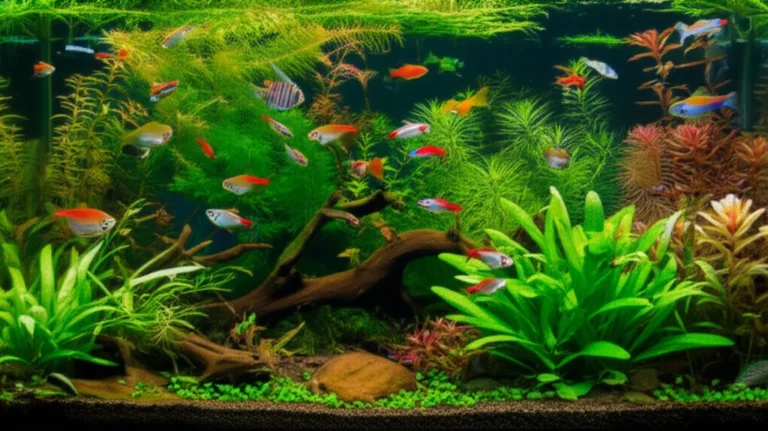
Ever stared into a fishbowl and felt a pang of disappointment? You’re not alone. For decades, the average aquarium was a chaotic mess of plastic castles and neon tetras, but the world of underwater aquarium landscaping has evolved into a breathtaking art form that rivals terrestrial gardening. At Aquarium Music™, we’ve watched hobbyists transform sterile glass boxes into living, breathing micro-ecosystems that rival the depths of the Amazon or the rugged cliffs of Japan. But here’s the kicker: creating a masterpiece isn’t just about stacking rocks and planting greenery; it’s about mastering the invisible chemistry that keeps it all alive.
You might be wondering, “Can I really do this without killing my fish or turning my tank into a green slime factory?” The answer is a resounding yes, but only if you understand the delicate balance of light, CO2, and nutrients. In this guide, we’ll take you from the ancient rice paddies that inspired the first aquascapes to the cutting-edge techniques of 2026. We’ll even reveal the one common mistake 90% of beginners make that leads to algae blooms (hint: it’s not what you think). Whether you’re aiming for a minimalist Iwagumi or a lush Dutch-style jungle, we’ve got the blueprint to help you build a symphony of aquatic life.
Key Takeaways
- Master the Composition: Successful underwater aquarium landscaping relies on the Rule of Thirds and depth perspective to create a natural, immersive look.
- Hardscape First: Always place your rocks and driftwood before adding substrate or plants to avoid destroying your layout later.
- Balance is Everything: A thriving ecosystem requires a precise balance of lighting, CO2, and nutrients; neglecting any one of these leads to plant death or algae outbreaks.
- Patience Pays Off: A mature aquascape takes 3 to 6 months to fully develop; don’t rush the cycling process or your fish will suffer.
- Choose the Right Plants: Select species based on your tank’s lighting and CO2 levels, opting for hardy Anubias for beginners and demanding carpeting plants for advanced setups.
Table of Contents
- ⚡️ Quick Tips and Facts
- 📜 From Ancient Rice Paddies to Modern Tanks: A Brief History of Underwater Aquarium Landscaping
- 🧠 The Psychology of the Underwater Scene: Why We Crave Aquascapes
- 🛠️ Essential Tools of the Trade: What You Actually Need to Start
- 🪨 Mastering the Hardscape: Rocks, Driftwood, and Substrates
- 🌿 Selecting the Perfect Flora: Hardy Plants vs. High-Tech Carpeting
- 💧 Water Chemistry and Filtration: The Invisible Foundation of Your Landscape
- 🎨 The Golden Rules of Composition: Applying the Rule of Thirds and Focal Points
- 🚀 Step-by-Step Guide: Building Your First Underwater Masterpiece
- Step 1: Sketching Your Vision and Choosing a Style
- Step 2: Sourcing Quality Materials and Equipment
- Step 3: Preparing the Tank and Substrate
- Step 4: Placing the Hardscape with Precision
- Step 5: Planting Techniques for Depth and Texture
- Step 6: Filling the Tank Without Ruining the Layout
- Step 7: Cycling, Maintenance, and Long-Term Care
- 🐟 Livestock Selection: Choosing Fish That Complement Your Landscape
- 💡 Lighting and CO2: The Fuel Behind the Greenery
- 🚫 Common Mistakes to Avoid: Why Your Plants Are Dying
- 🏆 Top 7 Aquascaping Styles Explained: From Iwagumi to Nature Aquarium
- 🔍 Troubleshooting Algae: The Uninvited Guest in Your Garden
- 📸 Photography and Documentation: Capturing Your Underwater Art
- 🌐 Community and Inspiration: Where to Find the Best Ideas
- ✅ Conclusion
- 🔗 Recommended Links
- ❓ FAQ
- 📚 Reference Links
⚡️ Quick Tips and Facts
Welcome to the deep end, where the water is clear, the plants are lush, and the only thing you need to worry about is whether your fish are judging your composition! Before we dive into the nitty-gritty of underwater aquarium landscaping, let’s hit the highlights. We’ve seen thousands of tanks at Aquarium Music™, and while every layout is unique, the rules of the game remain surprisingly consistent.
- The “Rule of Thirds” is your best friend: Just like in photography, placing your focal point (a stunning piece of driftwood or a vibrant rock cluster) at the intersection of imaginary grid lines creates a more dynamic look than centering it.
- Hardscape first, plants second: Never plant before you place your rocks and wood. You’ll end uprooting your hard work and creating a muddy mess.
- Soil vs. Sand: If you want a carpet of Eleocharis or Hemianthus callitrichoides, you need a nutrient-rich substrate. If you prefer a minimalist Iwagumi, fine sand is your canvas.
- Algae is inevitable, but manageable: It’s not a sign of failure; it’s a sign of life. The key is balance, not elimination.
- Patience is a virtue: A “mature” aquascape takes 3-6 months to settle. Don’t panic if it looks a bit messy in week two!
For those of you eager to jump straight into the action, check out our guide on 🌊 15 Secrets to Mastering Your Tropical Fish Tank (2026) to get your foundation solid before you even touch a rock.
📜 From Ancient Rice Paddies to Modern Tanks: A Brief History of Underwater Aquarium Landscaping

You might think underwater aquarium landscaping is a modern obsession born from Instagram feeds, but the roots go much deeper—literally. The concept of arranging nature in a confined space dates back to the Rice Paddies of Asia, where farmers created intricate water channels that naturally selected for specific plant and fish interactions. However, the art form as we know it today owes a massive debt to Takashi Amano, the Japanese photographer who revolutionized the hobby in the 1980s.
Amano didn’t just put fish in a tank; he brought the Nature Aquarium style to life, mimicking terrestrial landscapes underwater. He introduced the world to the idea that an aquarium is a living painting. Before Amano, tanks were often cluttered with plastic castles and neon tetras. He championed the use of natural hardscape (driftwood and stones) and aquatic plants to create depth and perspective.
“The aquarium is a window into another world, a world where nature is in perfect harmony.” — Takashi Amano
While Amano popularized the Nature Aquarium, other styles like the Iwagumi (rock-focused) and Ryoboku (wood and rock) have ancient roots in Japanese garden design. Today, we see a fusion of these styles with modern technology, allowing us to create underwater landscapes that were once impossible.
🧠 The Psychology of the Underwater Scene: Why We Crave Aquascapes
Have you ever stared into a tank and felt your heart rate slow down? There’s science behind that. It’s called Biophilia, the innate human tendency to seek connections with nature. When we engage in underwater aquarium landscaping, we aren’t just decorating; we are curating a micro-ecosystem that triggers a primal sense of calm.
Studies suggest that watching aquatic life reduces stress and lowers blood pressure. But it’s the act of creating the landscape that truly hooks us. It’s a form of mindful gardening. You are solving a 3D puzzle where the pieces move, grow, and change color.
- The Control Factor: In a chaotic world, controlling a tiny, perfect world is therapeutic.
- The Creative Outlet: It allows for artistic expression without the permanence of a canvas.
- The Scientific Curiosity: Understanding the nitrogen cycle and plant biology satisfies our intellectual hunger.
However, there’s a catch. The pursuit of the “perfect” layout can sometimes lead to aquascaping anxiety. We’ve seen hobbyists tear down entire tanks because a single leaf didn’t align with their vision. Remember: nature is messy, and that’s where the beauty lies.
🛠️ Essential Tools of the Trade: What You Actually Need to Start
You don’t need a spaceship to start underwater aquarium landscaping, but you do need the right gear. Using kitchen tongs to plant your carpeting plants is a recipe for disaster. Here is the arsenal of the professional aquascaper.
The Non-Negotiables
- Long-Handled Twezers: You need reach. Aqua Design Amano (ADA) twezers are the gold standard, but Seachem offers excellent alternatives.
- Curved Scissors: Essential for trimming plants without disturbing the substrate.
- Siphon Gravel Vacuum: For water changes without destroying your layout.
- Algae Scraper/Magnet: Keep the glass pristine.
- Dosing Bottles: For precise liquid fertilizers.
The “Nice to Haves”
- Substrate Spatula: For leveling your soil.
- Spray Bottle: To mist plants before filling the tank (prevents floating).
- Bucket with Lid: For water changes (keep it dedicated to the tank!).
| Tool | Function | Why You Need It |
|---|---|---|
| Long Twezers | Planting & Hardscape | Reach the back of deep tanks without bending your fingers. |
| Curved Scissors | Trimming | Cut plants at the base without pulling them out. |
| Siphon | Cleaning | Remove debris without sucking up your substrate. |
| Algae Magnet | Glass Cleaning | Clean the front glass without getting your hands wet. |
👉 Shop Essential Tools on:
- Amazon: Aquascaping Tools Search
- Bulk Reef Supply: Aquascaping Supplies
- ADA Official: ADA Tools
🪨 Mastering the Hardscape: Rocks, Driftwood, and Substrates
The hardscape is the skeleton of your underwater aquarium landscape. Without it, you just have a bowl of mud and water. Choosing the right materials is critical, not just for aesthetics, but for water chemistry.
Rocks: The Foundation
Not all rocks are created equal. Some will leach minerals that kill your fish, while others will buffer the pH to perfection.
- Seiryu Stone: The darling of the Iwagumi style. It’s grey-blue, layered, and generally safe for freshwater.
- Dragon Stone (Ohko): Famous for its rugged, earthy texture and warm brown tones. It’s incredibly versatile.
- Slate: Great for creating flat surfaces and caves.
- Limestone & Coral: Avoid these in soft-water fish tanks (like Discus or Tetras) as they raise pH and hardness.
Pro Tip: Always test your rocks! Drop a few drops of vinegar on them. If it fizzes, it contains calcium carbonate and will alter your water chemistry.
Driftwood: The Soul
Wood adds organic texture and releases tannins, which can lower pH and give the water a “blackwater” tea color.
- Spider Wood: Thin, branching, perfect for intricate layouts.
- Manzanita: Hard, dense, and resists roting.
- Mopani: Dark, heavy, and creates dramatic caves.
Preparation is Key: You must soak your wood for days or weeks to remove tannins and ensure it sinks. Boiling it speeds up the process and sterilizes it.
Substrates: The Soil
- Aquasoil: Nutrient-rich, lowers pH, and promotes root growth. It eventually breaks down, so it’s not permanent.
- Sand: Inert, great for bottom dwellers.
- Gravel: Traditional, but harder to plant in.
👉 Shop Hardscape Materials on:
- Amazon: Aquarium Rocks & Driftwood
- CaribSea: Life Rock & Sand
- Tropica: Aquarium Plants & Substrates
🌿 Selecting the Perfect Flora: Hardy Plants vs. High-Tech Carpeting
Choosing plants is where the magic happens. But beware: a plant that looks great in the store might be a nightmare in your tank. We categorize plants into three tiers based on difficulty.
Tier 1: The Unkillables (Beginer)
Perfect for low-light, low-tech tanks.
- Anubias: Slow-growing, attaches to wood/rocks.
- Java Fern: Similar to Anubias, very hardy.
- Java Moss: Great for covering hardscape.
- Cryptocoryne: Root feeders that adapt slowly.
Tier 2: The Middle Ground (Intermediate)
Require moderate lighting and some CO2 or liquid fertilizers.
- Amazon Sword: Large, leafy, great for backgrounds.
- Vallisneria: Grass-like, creates a “jungle” effect.
- Rotala: Redish stems that pop against green.
Tier 3: The Divas (Advanced)
Need high light, CO2 injection, and precise nutrients.
- Hemianthus callitrichoides (HC): The famous carpeting plant.
- Eleocharis parvula: Another carpeting option, slightly easier than HC.
- Ludwigia repens: Intense red coloration.
| Plant Type | Light Req | CO2 Req | Difficulty | Best For |
|---|---|---|---|---|
| Anubias | Low | No | Easy | Beginners, Shrimp |
| Java Fern | Low | No | Easy | Beginners, Shrimp |
| Rotala | Medium | Optional | Medium | Color contrast |
| HC Carpet | High | Yes | Hard | Foreground carpet |
👉 Shop Aquatic Plants on:
- Amazon: Live Aquarium Plants
- Tropica: Plant Catalog
- Aquarium Co-Op: Aquatic Plants
💧 Water Chemistry and Filtration: The Invisible Foundation of Your Landscape
You can have the most beautiful underwater aquarium landscape, but if the water chemistry is off, your plants will melt and your fish will die. This is the “invisible” part of aquascaping that separates the pros from the amateurs.
The Nitrogen Cycle
Before adding a single fish, your tank must cycle. Beneficial bacteria convert toxic ammonia (from fish waste) into nitrite, and then into nitrate. This process takes 4-6 weeks.
- Amonia: 0 ppm (Deadly)
- Nitrite: 0 ppm (Deadly)
- Nitrate: < 20 ppm (Safe, but needs water changes)
pH and Hardness (GH/KH)
Different fish and plants have different needs.
- Soft Water (Low GH/KH): Preferred by Tetras, Discus, and many aquatic plants.
- Hard Water (High GH/KH): Preferred by Livebearers (Guppies, Mollies) and African Cichlids.
Filtration: In a heavily planted tank, you need strong flow to distribute CO2 and nutrients, but not so strong that it uproots your plants. Canister filters like the Fluval FX6 or Eheim Pro are industry standards for their efficiency and quiet operation.
👉 Shop Filtration on:
- Amazon: Canister Filters
- Fluval: FX Series Filters
- Eheim: Professional Filters
🎨 The Golden Rules of Composition: Applying the Rule of Thirds and Focal Points
How do you make your tank look like a masterpiece and not a cluttered mess? It’s all about composition.
The Rule of Thirds
Imagine a tic-tac-toe grid over your tank. Place your main focal point (a large rock or a cluster of red plants) at one of the four intersections, not in the center. This creates visual tension and interest.
The Golden Ratio (1:1.618)
A more complex version of the rule of thirds. The ratio of the largest element to the medium element should be roughly 1:1.618. This creates a natural, pleasing proportion.
Depth and Perspective
- Foreground: Small, low-growing plants (carpeting).
- Midground: Medium plants and hardscape.
- Background: Tall, bushy plants to hide equipment.
- Technique: Place larger rocks/wood in the front and smaller ones in the back to create the illusion of distance.
Color Theory
- Contrast: Use red plants against green backgrounds.
- Harmony: Use varying shades of green for a serene look.
- Accent: A single bright yellow or red plant can draw the eye immediately.
🚀 Step-by-Step Guide: Building Your First Underwater Masterpiece
Ready to build? Follow this proven workflow. We’ve seen too many people skip steps and end up with a cloudy, algae-infested disaster. Don’t be that person.
Step 1: Sketching Your Vision and Choosing a Style
Before you buy a single rock, grab a pencil. Sketch your layout. Decide on a style:
- Nature Aquarium: Lush, natural, balanced.
- Iwagumi: Rock-focused, minimalist.
- Ryoboku: Wood and rock combination.
- Paludarium: Semi-aquatic, with land and water.
Step 2: Sourcing Quality Materials and Equipment
Gather your hardscape, substrate, plants, and equipment. Ensure your rocks and wood are clean and prepped (soaked/boiled).
Step 3: Preparing the Tank and Substrate
- Clean the tank with water only (no soap!).
- Rinse your substrate thoroughly until the water runs clear.
- Pour the substrate into the tank, creating a slope: deeper in the back (2-3 inches), shallower in the front (1 inch). This enhances perspective.
Step 4: Placing the Hardscape with Precision
- Place your largest “base” rocks first.
- Build your structure, ensuring stability. Never stack rocks vertically without a solid base; they can crush your glass.
- Add wood, tucking it into the rocks.
- Step back and look. Does it look balanced? Adjust now, not later!
Step 5: Planting Techniques for Depth and Texture
- Mist the plants with water to keep them from drying out.
- Use long twezers to insert plants into the substrate.
- Plant tall species in the back, medium in the middle, and carpeting plants in the front.
- For carpeting plants, plant them in small clumps, spaced out, to encourage spreading.
Step 6: Filling the Tank Without Ruining the Layout
This is the moment of truth!
- Place a plastic bag or a plate on the substrate to diffuse the water flow.
- Slowly pour water onto the bag/plate.
- Once the tank is half full, remove the bag/plate.
- Fill the rest of the way.
Step 7: Cycling, Maintenance, and Long-Term Care
- Turn on your filter and heater.
- Add a bacterial starter (like Seachem Stability or Tetra SafeStart) to jumpstart the cycle.
- Do not add fish yet! Wait for the nitrogen cycle to complete (test kits are essential).
- Perform 50% water changes weekly.
- Trim plants as they grow.
👉 Shop Cycling & Maintenance Supplies on:
- Amazon: Aquarium Test Kits
- Seachem: Stability & Prime
- API: Master Test Kit
🐟 Livestock Selection: Choosing Fish That Complement Your Landscape
Your underwater aquarium landscape is the stage; the fish are the actors. But not every actor fits every role. Choosing the wrong fish can ruin your layout.
- Diging Fish: Avoid Cichlids like Jack Dempseys or Oscars if you have a delicate carpet. They will uproot everything.
- Grazers: Otocinclus and Amano Shrimp are great for keeping algae in check without damaging plants.
- Schooling Fish: Tetras and Rasboras add movement and color. They look best in groups of 6+.
- Bottom Dwellers: Corydoras and Plecos (like the Bristlenose) are essential for cleaning the substrate.
Pro Tip: Always consider the adult size of the fish. A small fish in a 10-gallon tank today might need a 5-gallon tank tomorrow.
👉 Shop Fish Care Guides on:
- Amazon: Aquarium Fish Books
- Aquarium Co-Op: Fish Care Guides
💡 Lighting and CO2: The Fuel Behind the Greenery
You can have the best plants, but without light and CO2, they will starve. This is the “High-Tech” part of aquascaping.
Lighting
- Intensity: Measured in PAR (Photosynthetically Active Radiation). Low-tech tanks need 10-20 PAR; High-tech need 30-50+ PAR.
- Spectrum: Full spectrum (650K) is ideal for plant growth and color rendering.
- Duration: 6-8 hours a day. Too much light = Algae.
CO2 Injection
- Why? CO2 is the primary building block for plant growth. In a high-light tank, plants can run out of CO2, leading to stunted growth and algae.
- Methods: Pressurized CO2 systems (most effective) vs. DIY yeast systems (unstable) vs. Liquid Carbon (e.g., Seachem Excel).
👉 Shop Lighting & CO2 on:
- Amazon: Aquarium CO2 Systems
- ADA: CO2 & Lighting
- Twinstar: LED Lights
🚫 Common Mistakes to Avoid: Why Your Plants Are Dying
We’ve all been there. You spend hours building a masterpiece, and two weeks later, it’s a brown, slimy mess. Here are the usual suspects:
- Overcrowding: Planting too many plants too close together leads to competition for light and nutrients.
- Under-fertilizing: Plants need nutrients (NPK + trace elements). If you don’t dose, they will melt.
- Over-fertilizing: Too much fertilizer = Algae bloom.
- Ignoring the Cycle: Adding fish before the tank is cycled kills your livestock.
- Wrong Plant for the Tank: Putting a high-light plant in a low-light tank guarantees failure.
🏆 Top 7 Aquascaping Styles Explained: From Iwagumi to Nature Aquarium
Let’s break down the most popular styles so you can pick your favorite.
- Nature Aquarium: The classic Amano style. Lush, natural, balanced.
- Iwagumi: Rock-focused. Minimalist, often using odd numbers of rocks.
- Ryoboku: Combination of wood and rock. Very organic.
- Dutch Style: Dense planting, no hardscape. Focus on plant variety and color.
- Paludarium: Semi-aquatic. Land and water coexist.
- Biotope: Recreating a specific natural habitat (e.g., Amazon River, Lake Tanganyika).
- Abstract/Modern: Non-traditional, artistic layouts.
🔍 Troubleshooting Algae: The Uninvited Guest in Your Garden
Algae is the nemesis of every aquascaper. But it’s not a sign of failure; it’s a sign of imbalance.
- Green Spot Algae: Low CO2, low light.
- Black Beard Algae (BA): High CO2 fluctuations, poor flow.
- Hair Algae: Excess nutrients, low CO2.
- Diatoms (Brown Algae): New tank syndrome, excess silicates.
The Fix:
- Manual Removal: Siphon it out.
- Adjust Lighting: Reduce duration.
- Balance Nutrients: Dose fertilizers correctly.
- Add Clean-up Crew: Amano Shrimp, Nerite Snails, Otocinclus.
📸 Photography and Documentation: Capturing Your Underwater Art
You’ve built it, now show it off! But taking a good photo of an aquarium is harder than it looks.
- Turn off the room lights: Only the tank light should be on.
- Clean the glass: No fingerprints!
- Use a tripod: Prevents blur.
- Shoot straight on: Avoid angles that distort the perspective.
- Edit wisely: Adjust contrast and saturation, but don’t overdo it.
🌐 Community and Inspiration: Where to Find the Best Ideas
You don’t have to do this alone. The aquascaping community is incredibly supportive.
- Aquatic Plant Talk: A massive forum for plant lovers.
- Reddit r/Aquascape: Great for feedback and inspiration.
- Instagram: Follow hashtags like #aquascape, #plantedtank.
- Aquarium Music™ Community: Join our discussions on Aquascaping and Aquatic Plants.
✅ Conclusion

Building an underwater aquarium landscape is a journey of patience, creativity, and scientific curiosity. From the ancient roots of rice paddies to the high-tech tanks of today, the art of aquascaping continues to evolve. We’ve covered everything from selecting the perfect hardscape to troubleshooting algae, but the most important lesson is this: don’t be afraid to fail. Every melted plant and every algae bloom is a learning opportunity.
Remember, the goal isn’t perfection; it’s harmony. Whether you choose the minimalist elegance of an Iwagumi or the lush jungle of a Nature Aquarium, your tank is a reflection of your unique vision. So, grab your twezers, pick your rocks, and start creating your own underwater symphony.
Our Top Recommendation: If you are a beginner, start with a low-tech setup using hardy plants like Anubias and Java Fern. It’s forgiving and teaches you the basics without the stress of CO2 injection. Once you’re comfortable, you can upgrade to high-tech layouts.
Ready to dive in? Check out our Aquascaping and Aquatic Plants category for more detailed guides, or join our community to share your progress!
🔗 Recommended Links
Essential Books & Guides:
- The Nature Aquarium World (Takashi Amano) – The bible of aquascaping.
- Aquatic Plants: A Guide to the Identification and Cultivation of Aquatic Plants – Comprehensive plant database.
Top Brands & Products:
- ADA (Aqua Design Amano): Official Website – Premium tools and substrates.
- Seachem: Official Website – Water conditioners and fertilizers.
- Tropica: Official Website – High-quality aquatic plants.
- Fluval: Official Website – Filters and lighting.
Community Resources:
❓ FAQ

What are common mistakes to avoid in underwater aquarium landscaping?
The most common mistake is rushing the process. Many beginners add fish too soon, before the nitrogen cycle is complete, leading to fish death. Another major error is overcrowding the tank with too many plants or fish, which leads to poor water quality and stunted growth. Finally, ignoring water chemistry (pH, GH, KH) can result in plants that won’t grow or fish that become stressed.
Read more about “Dive Into the Top 10 Aquarium Community Forums You Need in 2026 🐠”
How do I maintain underwater landscaping in a freshwater aquarium?
Maintenance is key to a thriving underwater aquarium landscape.
- Weekly Water Changes: Replace 25-50% of the water to remove nitrates and replenish minerals.
- Pruning: Trim overgrown plants to maintain the shape and encourage new growth.
- Glass Cleaning: Use a magnet scraper to keep the view clear.
- Substrate Vacuuming: Gently siphon debris from the substrate without disturbing the roots.
- Fertilization: Dose liquid fertilizers or root tabs as needed, depending on your plant load.
Read more about “🐠 Ultimate Fish Tank Equipment Guide: 7 Essential Upgrades (2026)”
What lighting is ideal for underwater aquarium plants?
The ideal lighting depends on your plant choice.
- Low-Light Plants: Anubias, Java Fern, and Mosses need 10-20 PAR.
- Medium-Light Plants: Rotala, Ludwigia, and Cryptocoryne need 20-30 PAR.
- High-Light Plants: Carpeting plants like HC and Eleocharis need 30-50+ PAR.
A full-spectrum LED light with a timer is recommended to ensure consistent photoperiods (6-8 hours).
Read more about “🌊 Build a Thriving Aquatic Ecosystem: 7 Steps to a Self-Sustaining Tank (2026)”
How can I design a balanced ecosystem in my aquarium?
A balanced ecosystem requires a harmony of producers (plants), consumers (fish/shrimp), and decomposers (bacteria).
- Plants: Absorb nitrates and produce oxygen.
- Fish: Provide waste (amonia) for bacteria.
- Bacteria: Convert ammonia to nitrate.
- Clean-up Crew: Shrimp and snails eat algae and detritus.
Avoid overstocking fish and ensure your filtration is adequate for the bioload.
Read more about “🌊 Marine Aquarium Nutrition: 15 Secrets to Feed Your Reef (2026)”
What materials are safe for underwater aquarium landscaping?
Safe materials include Seiryu stone, Dragon stone, Slate, Spider wood, Manzanita, and Mopani. Avoid rocks that fizz with vinegar (limestone, coral) if you keep soft-water fish. Always rinse and boil wood to remove tannins and sterilize.
Read more about “17 Stunning Aquatic Tank Landscaping Ideas to Transform Your Aquarium 🌿 (2025)”
How do I create a natural look in my underwater aquarium?
To create a natural look, follow the Rule of Thirds and use asymetry. Avoid placing rocks or wood in the center. Use a variety of textures and colors in your hardscape. Plant in groups rather than single stems, and allow plants to grow naturally without over-pruning.
Read more about “🌊 15 Best Reef Aquarium Lights for 2026: The Ultimate Guide”
What are the best plants for underwater aquarium landscaping?
- Beginer: Anubias, Java Fern, Java Moss, Cryptocoryne.
- Intermediate: Amazon Sword, Vallisneria, Rotala.
- Advanced: Hemianthus callitrichoides (HC), Eleocharis parvula, Ludwigia repens.
What are the best hardscape materials for underwater aquarium landscaping?
- Rocks: Seiryu Stone, Dragon Stone, Slate.
- Wood: Spider Wood, Manzanita, Mopani.
- Substrate: Aquasoil (for plants), Sand (for aesthetics), Gravel (traditional).
How do I create a balanced aquascape layout for a planted tank?
Start with a sketch. Place the largest hardscape elements first, ensuring stability. Use the Rule of Thirds for focal points. Plant tall species in the back and short species in the front. Ensure there is enough space for fish to swim.
Read more about “🧠 Fish Behavior & Psychology: 12 Secrets to Their Hidden Minds (2026)”
What plants are easiest to maintain in an underwater aquarium?
Anubias and Java Fern are the easiest. They attach to wood/rocks, don’t need substrate, and thrive in low light. Java Moss is also very forgiving and can be tied to almost anything.
Read more about “🏰 15 Freshwater Aquarium Decorations to Transform Your Tank (2026)”
How often should I trim aquatic plants in my aquarium landscape?
Triming frequency depends on the plant’s growth rate. Fast-growing stem plants (like Rotala) may need trimming every 1-2 weeks. Slow-growing plants (like Anubias) may only need trimming once a month. Always trim to maintain the desired shape and prevent shading of lower plants.
Read more about “🌊 15 Secrets to Mastering Your Tropical Fish Tank (2026)”
What lighting setup is best for underwater aquarium landscaping?
A full-spectrum LED with adjustable intensity is best. It provides the necessary spectrum for photosynthesis and allows you to control the intensity to match your plant’s needs. A timer is essential to prevent algae growth from over-lighting.
How do I prevent algae growth in a heavily planted aquarium?
- Balance Nutrients: Ensure plants get enough CO2 and fertilizers.
- Lighting Control: Limit light to 6-8 hours.
- Water Changes: Regular changes to remove excess nutrients.
- Clean-up Crew: Add Amano Shrimp, Nerite Snails, and Otocinclus.
- Manual Removal: Siphon algae during water changes.
Read more about “🌊 Master Aquarium Water Quality: 10 Secrets for Crystal Clear Tanks (2026)”
What are the top mistakes to avoid when designing an underwater landscape?
- Ignoring the Nitrogen Cycle: Adding fish too soon.
- Poor Hardscape Stability: Rocks falling and breaking the tank.
- Overcrowding: Too many plants or fish.
- Wrong Plant Selection: Choosing high-tech plants for a low-tech tank.
- Neglecting Maintenance: Skipping water changes and pruning.
Read more about “🌊 12 Secrets to Master Home Aquarium Design (2026)”
📚 Reference Links
- Takashi Amano’s Nature Aquarium: Aquasabi.com
- Aquatic Plant Central: AquaticPlantCentral.com
- Seachem Laboratories: Seachem.com
- Tropica: Tropica.com
- Fluval: Fluval.com
- CaribSea: CaribSea.com
- Facebook Group Discussion: Any non-toxic glues for underwater aquarium use?
- Aquarium Music™ Categories:
- Fish Care and Species Profiles
- Aquarium Setup
- Fish and Aquatic Life
- Aquascaping and Aquatic Plants
- Aquarium Equipment