Support our educational content for free when you purchase through links on our site. Learn more
🚨 15 Ultimate Aquarium Troubleshooting Tips to Save Your Tank (2026)

Ever stared into your once-pristine aquarium, only to see it transform into a murky, algae-choked graveyard overnight? You’re not alone. At Aquarium Music™, we’ve seen tanks go from symphonies of color to silent, sad bowls in the blink of an eye. But here’s the secret the big guides won’t tell you: 90% of aquarium disasters aren’t caused by bad fish, but by a single, overlooked water parameter. Whether you’re battling the dreaded “New Tank Syndrome,” fighting a war against Black Beard Algae, or trying to figure out why your neon tetras are gasping at the surface, panic is your worst enemy.
In this comprehensive guide, we’re diving deep into the 15 most critical troubleshooting tips that separate the hobbyists from the masters. We’ll walk you through the exact diagnostic steps we use in our own tanks, from decoding the color of your cloudy water to identifying the subtle body language of a stressed fish. You’ll learn why your plants are melting (and why it might actually be a good thing), how to fix a broken heater without losing a single fish, and the specific nutrient ratios that turn algae into a distant memory. By the end of this article, you’ll have a step-by-step diagnostic checklist that turns confusion into confidence.
Key Takeaways
- Water Quality is King: 80% of all aquarium problems stem from unstable water parameters; always test for amonia, nitrite, and nitrate before assuming disease.
- Identify the Enemy: Different algae types (Green Spot, Black Beard, Brown) require completely different treatments; one size does not fit all.
- Stability Over Perfection: Fish can adapt to a “wrong” pH or hardness, but they cannot survive rapid swings; focus on stabilizing your water chemistry first.
- The Power of Observation: Fish behavior (clamped fins, gasping, hiding) is your earliest warning system for hidden toxins or illness.
- Patience Pays Off: Many issues, like bacterial blooms or plant melting, are temporary phases that resolve with reduced feeding and time, not immediate chemical fixes.
Table of Contents
- ⚡️ Quick Tips and Facts
- 📜 The Evolution of the Home Aquarium: From Roman Fish Ponds to Modern Troubleshooting
- 🚨 The Big Three: Diagnosing Water Quality Crises
- 1. 🌡️ Taming the Nitrogen Cycle: Amonia, Nitrite, and Nitrate Nightmares
- 2. 💧 pH Swings and Hardness Hiccups: Stabilizing Your Water Chemistry
- 3. 🌫️ Cloudy Water Conundrums: Bacterial Bloms vs. Algae vs. Particulates
- 🐠 Fish Behavior & Health: Reading the Signs of Distress
- 1. 🤢 Gasping, Clamped Fins, and Lethargy: Identifying Common Diseases
- 2. 🦠 Parasites, Fungus, and Bacterial Infections: A Deep Dive into Pathogens
- 3. 🚫 Tank Mate Troubles: Agression, Bulying, and Incompatible Species
- 🌿 Plant & Algae Warfare: Keeping Your Aquascape Green and Clean
- 1. 🦠 Algae Types Decoded: Green Spot, Black Beard, and Brown Algae Solutions
- 2. 🥀 Melting Leaves and Stunted Growth: Fixing Nutrient Deficiencies
- 3. 💡 Lighting and CO2 Imbalances: The Photosynthesis Equation
- 🛠️ Equipment Failures: Filters, Heaters, and Pumps That Quit
- 1. 🌀 Filter Flow Issues: Clogs, Cavitation, and Media Maintenance
- 2. 🌡️ Temperature Troubles: Overheating, Freezing, and Thermostat Glitches
- 3. 🔌 Power Outages and Electrical Safety: Emergency Protocols
- 🧪 The Ultimate Troubleshooting Checklist: A Step-by-Step Diagnostic Guide
- 🧪 Quick Tips and Facts
- 🔗 Recommended Links
- ❓ FAQ: Your Burning Questions Answered
- 📚 Reference Links
⚡️ Quick Tips and Facts
Before we dive into the deep end of the troubleshooting pool, let’s hit the surface with some golden nugets of wisdom that every aquarist at Aquarium Music™ wishes they knew on day one.
- The 80/20 Rule of Aquariums: 80% of all aquarium problems stem from water quality issues, not the fish themselves. If your fish are acting weird, check the water first, not the fish! 🧪
- Patience is a Virtue: Never add new fish to a tank that hasn’t completed the Nitrogen Cycle. This is the #1 cause of “New Tank Syndrome.”
- The Golden Rule of Feding: Underfeed rather than overfeed. Uneaten food is the silent killer of water clarity and fish health.
- Temperature Matters: A fluctuation of just 2-3°F can stress fish and trigger disease. Stability is key! 🌡️
- Don’t Panic: If you see a few dead fish, don’t immediately dump the tank. Identify the cause first, or you’ll just kill the next batch!
💡 Pro Tip: Want to skip the guesswork? Check out our comprehensive guide on 🌊 15 Secrets to Mastering Your Tropical Fish Tank (2026) for a deeper dive into preventative care.
📜 The Evolution of the Home Aquarium: From Roman Fish Ponds to Modern Troubleshooting
Did you know that the concept of keeping fish in a contained environment dates back to the Romans, who kept carp in stone ponds? Fast forward to the 19th century, and we have the invention of the glass aquarium, sparking a revolution in home hobbyism. But with innovation came a new set of headaches: cloudy water, algae blooms, and mysterious fish deaths.
Today, troubleshooting isn’t just about guessing; it’s about science. We’ve moved from “maybe it’s the water” to precise testing of amonia, nitrite, and pH levels. The modern aquarist is part biologist, part detective.
Why do we still struggle? Because nature is dynamic. A change in tap water chemistry, a new decoration, or even a change in room temperature can throw your aquatic ecosystem off balance. Understanding this history helps us appreciate that troubleshooting is simply the art of restoring balance to a miniature world.
🚨 The Big Three: Diagnosing Water Quality Crises
If your tank is acting up, 9 times out of 10, the culprit is water chemistry. Think of your aquarium water as the blood of your tank; if it’s toxic, the whole body suffers. Let’s break down the Big Three killers.
1. 🌡️ Taming the Nitrogen Cycle: Amonia, Nitrite, and Nitrate Nightmares
The Nitrogen Cycle is the heartbeat of your aquarium. It’s the biological process where beneficial bacteria convert toxic waste into less harmful substances.
- Amonia (NH3): Produced by fish waste and decaying food. Highly toxic. Even 0.25 ppm can burn fish gills.
- Nitrite (NO2): The intermediate stage. Still toxic, blocking oxygen uptake in fish blood (causing “Brown Blood Disease”).
- Nitrate (NO3): The end product. Less toxic, but high levels (>40-50 ppm) cause stress and algae growth.
The Symptom: Fish gasping at the surface, clamped fins, or sudden deaths.
The Fix: Immediate water changes (25-50%) and adding a bacterial starter like Seachem Stability or API Quick Start.
📚 Learn more about the cycle: Aquarium Setup
2. 💧 pH Swings and Hardness Hiccups: Stabilizing Your Water Chemistry
pH measures acidity/alkalinity, while GH (General Hardness) and KH (Carbonate Hardness) measure mineral content.
- pH Swings: A sudden drop or rise in pH is often more dangerous than a stable “wrong” pH. Fish can adapt to 6.5, but they can’t handle a swing from 7.5 to 6.5 in an hour.
- KH (Buffer): This is your tank’s shock absorber. Low KH leads to pH crashes.
The Symptom: Lethargy, loss of appetite, or fish rubbing against objects.
The Fix: Test your KH first. If it’s low, use a buffer or add crushed coral to stabilize the pH.
3. 🌫️ Cloudy Water Conundrums: Bacterial Bloms vs. Algae vs. Particulates
Cloudy water is the most common visual complaint, but the cause varies wildly.
| Cloud Type | Cause | Solution |
|---|---|---|
| White/Grey Cloud | Bacterial Bloom (New Tank) | Wait it out, improve filtration, reduce feeding. |
| Green Water | Free-floating Algae (Light/Nutrients) | Blackout the tank, reduce light, add UV sterilizer. |
| Brown/Yellow | Tannins (Driftwood) or Particulates | Add activated carbon, check filter media. |
The Symptom: Reduced visibility, fish hiding.
The Fix: Identify the color! White usually means new tank syndrome. Green means light overload.
🐠 Fish Behavior & Health: Reading the Signs of Distress
Your fish can’t speak English, but they scream in body language. At Aquarium Music™, we’ve learned that a clamped fin is a fish’s way of saying “I’m in pain.”
1. 🤢 Gasping, Clamped Fins, and Lethargy: Identifying Common Diseases
- Gasping at Surface: Indicates low oxygen or amonia poisoning. Check your air stones and water parameters immediately.
- Clamped Fins: Fins held tight against the body. A sign of stress, poor water quality, or early infection.
- Lethargy: Hiding, lying on the bottom, or swimming sluggishly. Could be temperature shock or disease.
The Fix: Isolate the sick fish in a hospital tank and treat the main tank if water quality is the issue.
2. 🦠 Parasites, Fungus, and Bacterial Infections: A Deep Dive into Pathogens
- Ich (White Spot Disease): Tiny white salt-like spots. Caused by a parasite.
Treatment: Raise temperature to 86°F and use Copper-based meds or Malachite Green. - Fin Rot: Fins look raged or disintegrating. Often bacterial.
Treatment: Improve water quality and use antibacterial meds like API Fin & Body Cure. - Fungus: Cotton-like growths. Usually secondary to injury.
Treatment: Use methylene blue or antifungal treatments.
📚 Dive deeper: Fish Care and Species Profiles
3. 🚫 Tank Mate Troubles: Agression, Bulying, and Incompatible Species
Sometimes the problem isn’t the water; it’s the neighbor.
- Bulying: Agressive fish chasing others.
- Incompatibility: Mixing peaceful community fish with fin-nippers like Tiger Barbs.
- Overcrowding: Too many fish for the tank size.
The Fix: Research temperament and tank size before buying. If bullying persists, rearrange decorations to break lines of sight or remove the aggressor.
🌿 Plant & Algae Warfare: Keeping Your Aquascape Green and Clean
For the aquascaper, a tank is a canvas. But when algae takes over, it’s a disaster. Let’s decode the enemy.
1. 🦠 Algae Types Decoded: Green Spot, Black Beard, and Brown Algae Solutions
- Brown Algae (Diatoms): Common in new tanks. Looks like brown dust.
Cause: High silicates, low light.
Fix: Clean glass, add Si-free water, increase light. - Green Spot Algae (GSA): Hard green dots on glass.
Cause: Low Phosphate or CO2 fluctuation.
Fix: Add liquid carbon or adjust nutrients. - Black Beard Algae (BA): Black, bristly tufts.
Cause: CO2 instability or high organic waste.
Fix: Spot treat with hydrogen peroxide (3%) or improve CO2 injection.
2. 🥀 Melting Leaves and Stunted Growth: Fixing Nutrient Deficiencies
Why are your plants dying? It might be melting.
- The Melting Phenomenon: Many plants (like Cryptocoryne) are grown emersed (out of water) in farms. When submerged, they shed old leaves to grow new ones. This is normal!
- Nutrient Deficiencies:
Yellowing leaves: Nitrogen deficiency.
Holes in leaves: Potassium deficiency.
Stunted growth: Iron or Micronutrient lack.
The Fix: Use a comprehensive liquid fertilizer (like Seachem Flourish) for water-column feeders and root tabs for root feeders like Amazon Swords.
3. 💡 Lighting and CO2 Imbalances: The Photosynthesis Equation
Algae thrives on excess light and nutrients without enough CO2.
- Lighting: Too much light = Algae party. Limit to 6-8 hours.
- CO2: Essential for high-tech planted tanks. Without it, plants starve, and algae wins.
The Fix: Use a timer for lights and a drop checker for CO2.
📚 Master the art: Aquascaping and Aquatic Plants
🛠️ Equipment Failures: Filters, Heaters, and Pumps That Quit
When the gear fails, the tank dies. Here is how to handle the mechanical nightmares.
1. 🌀 Filter Flow Issues: Clogs, Cavitation, and Media Maintenance
- Clogs: Sponges and media get clogged with gunk.
Fix: Rinse media in old tank water (never tap water!) to preserve bacteria. - Cavitation: Air bubbles in the pump causing noise and low flow.
Fix: Prime the pump or check for air leaks in the intake.
2. 🌡️ Temperature Troubles: Overheating, Freezing, and Thermostat Glitches
- Overheating: Heater stuck “on”.
Fix: Unplug immediately, use a chiller or fan. - Freezing: Heater stuck “off” or broken.
Fix: Use a backup heater or move the tank to a warmer room.
3. 🔌 Power Outages and Electrical Safety: Emergency Protocols
- Power Outage: Fish can survive hours without power, but oxygen is the issue.
Fix: Gently agitate the surface or use a battery-powered air pump. - Electrical Safety: Always use a GFCI outlet to prevent shocks.
📚 Gear up: Aquarium Equipment
🧪 The Ultimate Troubleshooting Checklist: A Step-by-Step Diagnostic Guide
Stuck? Follow this Aquarium Music™ diagnostic flowchart.
- Observe: Are fish gasping? Are plants melting? Is water cloudy?
- Test: Measure Amonia, Nitrite, Nitrate, pH, GH, KH.
- Inspect: Check filter flow, heater temperature, and light duration.
- Act:
High Amonia/Nitrite: 50% water change + bacterial booster.
Cloudy Water: Identify type (White/Green/Brown) and treat accordingly.
Sick Fish: Isolate and treat.
Algae: Adjust light/nutrients/CO2. - Monitor: Re-test in 24 hours.
Conclusion

Troubleshooting an aquarium can feel like solving a complex puzzle, but with the right diagnostic skills, you can turn a dying tank into a thriving ecosystem. Remember, stability is the name of the game. Whether it’s a bacterial bloom, a nutrient deficiency, or a heater malfunction, the solution almost always lies in patience, observation, and water testing.
Don’t let a cloudy tank or a sick fish discourage you. Every problem is a learning opportunity. As we’ve seen, understanding the Nitrogen Cycle, recognizing algae types, and maintaining equipment are the pillars of success.
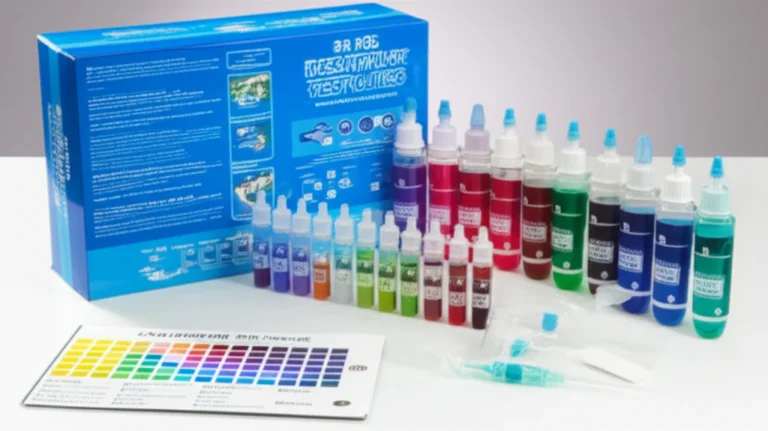
Final Recommendation: If you are struggling with persistent issues, invest in a high-quality test kit (like API Freshwater Master Test Kit) and a reliable heater (like Eheim Jager). These small investments save big headaches later.
🎵 Ready to tune your tank? Keep the rhythm of nature flowing and enjoy your underwater symphony!
🔗 Recommended Links
Here are the top products and resources we recommend for keeping your troubleshooting journey smooth:
- Test Kits:
API Freshwater Master Test Kit: Amazon | Petco | Brand Official - Bacterial Starters:
Seachem Stability: Amazon | Chewy | Brand Official - Heaters:
Eheim Jager Thermostat Heater: Amazon | PetSmart | Brand Official - Fertilizers:
Seachem Flourish: Amazon | Bulk Reef Supply | Brand Official - Books:
“The Optimal Aquarium” by Ad Konings: Amazon
❓ FAQ: Your Burning Questions Answered

What are effective troubleshooting steps for aquarium filter issues?
If your filter flow is weak, clean the media in old tank water (never tap water) to preserve beneficial bacteria. Check for clogs in the intake tube and ensure the impeller is spinning freely. If the filter is making noise, it might be cavitating due to air leaks; check all seals.
Read more about “🚨 Fix Cloudy Water & Sick Fish: The Ultimate 2026 Troubleshooting Guide”
How do I maintain proper water parameters for a healthy aquarium?
Test your water weekly using a liquid test kit. Maintain Amonia and Nitrite at 0 ppm, and keep Nitrate below 40 ppm. Perform 25% water changes weekly to dilute toxins. Use a buffer if your pH is unstable.
Read more about “🌊 Master Aquarium Water Quality: 10 Secrets for Crystal Clear Tanks (2026)”
What should I do if my fish are showing signs of stress or illness?
Isolate the sick fish in a hospital tank. Check water parameters immediately. If water quality is good, treat for specific diseases (e.g., Ich with heat and medication). Quarantine new fish for 2 weeks before adding them to the main tank.
Read more about “🐟 15 Deadly Saltwater Fish Diseases: The Ultimate Cure Guide (2026)”
How can I prevent algae buildup in my fish tank?
Limit light exposure to 6-8 hours a day. Avoid overfeeding. Perform regular water changes. Introduce algae eaters like Amano Shrimp or Nerite Snails. Ensure your CO2 levels are stable if you have planted tanks.
Read more about “🌊 Marine Aquarium Nutrition: 15 Secrets to Feed Your Reef (2026)”
Why is my aquarium water turning green and how can I fix it?
Green water is caused by free-floating algae due to excess light and nutrients. The best fix is a blackout: cover the tank completely for 3-4 days to starve the algae. Adding a UV sterilizer is a long-term solution.
What are the best ways to clear cloudy water in my aquarium?
If the water is white/grey, it’s a bacterial bloom; wait it out and reduce feeding. If it’s green, use a blackout or UV sterilizer. If it’s brown, check for tannins from wood or particulates from substrate; use activated carbon.
Read more about “🌊 15 Secrets to Mastering Your Tropical Fish Tank (2026)”
How do I identify common aquarium problems early?
Watch your fish daily. Look for clamped fins, gasping, or loss of appetite. Test water parameters weekly. Observe plant growth; melting leaves or yellowing indicate nutrient issues.
How do I fix cloudy water in my aquarium?
(See “Green Water” and “White Cloud” sections above). The key is identifying the type of cloudiness. White = Bacteria, Green = Algae, Brown = Tannins/Particulates.
Read more about “🌊 12 Secrets to Master Home Aquarium Design (2026)”
Why are my fish gasping at the surface?
This indicates low oxygen or high ammonia/nitrite. Check your air stones, increase surface agitation, and perform a water change immediately.
Read more about “🐟 Ultimate Fish Care & Health Guide (2026): 10 Secrets to a Thriving Tank”
What causes brown algae to grow on glass?
Brown algae (Diatoms) thrive in new tanks with high silicates and low light. It usually disappears on its own as the tank matures. Increase light and clean the glass.
Read more about “🚨 Fix Your Tank: 7 Algae & Gear Fixes (2026)”
How often should I test my aquarium water parameters?
Test weekly for Amonia, Nitrite, Nitrate, and pH. Test monthly for GH and KH. Test immediately if fish show signs of illness.
Read more about “🐠 7 Proven Steps to Introduce New Fish Without Stress or Disease (2026)”
Why are my plants turning yellow and dying?
Yellowing leaves often indicate Nitrogen deficiency. Holes indicate Potassium deficiency. Ensure you are using the right fertilizer (liquid vs. root tabs) and that your lighting is appropriate.
Read more about “Can I Keep Plants in My Fish Tank? 15 Best Beginner Picks (2026) 🌿”
How do I treat ich in a freshwater tank?
Raise the temperature to 86°F (30°C) to speed up the parasite’s life cycle. Add medication containing copper or malachite green. Continue treatment for at least 7 days after symptoms disappear.
Read more about “🏰 15 Freshwater Aquarium Decorations to Transform Your Tank (2026)”
What should I do if my aquarium filter stops working?
Check the power cord and outlet. Ensure the intake isn’t clogged. If the impeller is stuck, clean it. If the pump is dead, replace it immediately to prevent fish death.
Read more about “Fish Tank Troubleshooting: 12 Expert Fixes for Clear Water & Happy Fish (2026) 🐠”
📚 Reference Links
- LiveAquaria: Common Aquarium Problems Troubleshooting Guide
- Seachem: Product Guides & Support
- API: Aquarium Care & Water Testing
- Eheim: Technical Support & Manuals
- PetMD: Fish Health & Diseases
- Aquarium Co-Op: Educational Articles