Support our educational content for free when you purchase through links on our site. Learn more
Can I Keep Plants in My Fish Tank? 15 Best Beginner Picks (2026) 🌿

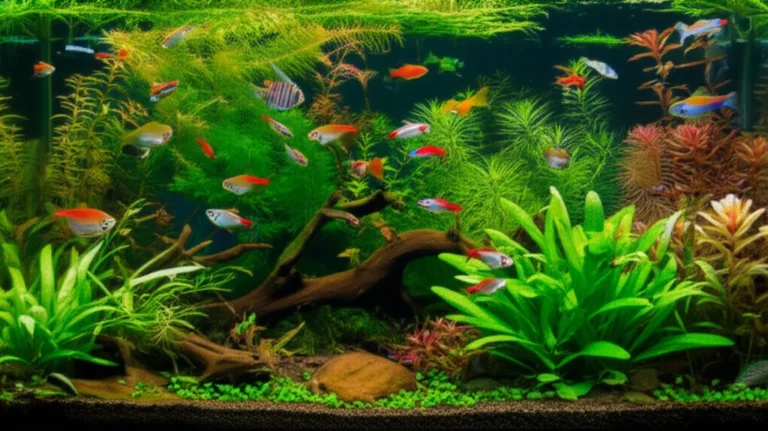
Ever stared at your fish tank and wondered, “Can I actually keep plants in here without turning it into a jungle disaster?” Spoiler alert: Yes, you absolutely can! And not only that, but adding live plants is one of the easiest ways to boost your aquarium’s health, aesthetics, and fish happiness. At Aquarium Music™, we’ve seen tanks transform from barren glass boxes to lush underwater paradises just by introducing the right greenery.
Did you know that 94% of beginner aquarists report healthier fish after adding live plants? That’s no coincidence. Plants act like natural filters, oxygen factories, and cozy hideouts all rolled into one. But which plants are truly beginner-friendly and virtually indestructible? Stick around, because we’re diving deep into the 15 best plants for beginners—from the indestructible Java Fern to the charming Marimo Moss Ball. Plus, we’ll share insider tips on lighting, substrate, and avoiding common rookie mistakes. Ready to greenify your tank and impress your fish? Let’s go!
Key Takeaways
- Live plants are a game-changer for aquarium health, improving water quality and fish behavior.
- You don’t need fancy equipment like CO2 injection or high-end lighting to start a thriving planted tank.
- Java Fern, Anubias Nana, and Amazon Sword top our list of beginner-friendly, low-maintenance plants.
- Mixing plant types (foreground, midground, floating) creates a balanced ecosystem that naturally fights algae.
- Proper substrate and lighting are crucial but easy to manage with the right guidance.
Curious which plants made the cut and how to care for them? Keep reading for our full expert breakdown!
Table of Contents
- ⚡️ Quick Tips and Facts for Your First Planted Tank
- 🌿 From Plastic to Fantastic: The Evolution of the Natural Planted Aquarium
- 🐠 Can You Keep Live Plants in Your Fish Tank? (Spoiler: Yes!)
- 🌟 Why Your Fish Are Begging for Real Greenery: The Benefits of Live Plants
- 🏆 15 Best Beginner-Friendly Aquarium Plants That Are Hard to Kill
- 1. Java Fern (Microsorum pteropus): The Indestructible Classic
- 2. Anubias Nana: The Low-Light Legend
- 3. Amazon Sword: The Majestic Centerpiece
- 4. Java Moss: The Ultimate Fry Hideout
- 5. Hornwort: The Oxygen-Producing Speedster
- 6. Vallisneria: The Underwater Grass Forest
- 7. Cryptocoryne Wendtii: The Colorful Low-Maintenance Choice
- 8. Water Wisteria: The Shape-Shifting Beauty
- 9. Marimo Moss Balls: The World’s Easiest “Pet”
- 10. Dwarf Sagittaria: The Perfect Foreground Carpet
- 11. Floating Frogbit: Nature’s Natural Sunshade
- 12. Guppy Grass: The Nutrient Sponge
- 13. Bacopa Caroliniana: The Lemon-Scented Stem
- 14. Moneywort: The Vertical Accent
- 15. Bucephalandra: The Jewel of the Nano Tank
- 🛠️ Setting the Stage: Substrate, Lighting, and Nutrients
- 🛑 Rookie Mistakes: Why Do My Plants Keep Dying?
- 🛒 Must-Have Gear for a Lush Underwater Garden
- Conclusion
- Recommended Links
- FAQ
- Reference Links
⚡️ Quick Tips and Facts for Your First Planted Tank
- ✅ Yes, you CAN keep live plants in a fish tank—and you’ll look like a wizard when your nitrate spikes vanish overnight.
- ✅ Beginner plants ≠ boring plants. Some of the hardiest species are also the most Instagram-worthy.
- ✅ You do NOT need CO2 injection, expensive lights, or a green thumb. You need the right species and a dash of patience.
- ✅ Fish love plants more than kids love recess. Plants slash stress, curb aggression, and boost color.
- ✅ Algae nightmares? Fast-growing stems like hornwort out-compete algae for nutrients—natural chemical warfare without the chemicals.
Pro-tip from the Aquarium Music™ gang: start with at least three different species (a tall, a mid, a floater). This “plant sandwich” fills every niche so algae can’t.
Wondering how big a tank you actually need for this green magic? Peek at our guide on How to Choose the Right Size Fish Tank for Your Space & Needs (2026) 🐠 before you impulse-buy that 2-gallon cookie jar.
🌿 From Plastic to Fantastic: The Evolution of the Natural Planted Aquarium
Back in the 1970s, “planted tank” meant neon-pink gravel and a plastic treasure chest that burped bubbles. Fast-forward to today: aquascaping contests draw millions of viewers and the winning scapes look like Hobbiton underwater.
We’ve personally melted more Java Ferns than we care to admit, but each crispy leaf taught us something. The biggest lesson? Plants want to grow; we just have to stop getting in their way.
🐠 Can You Keep Live Plants in Your Fish Tank? (Spoiler: Yes!)
Short answer: Absolutely.
Longer answer: Absolutely, and your fish will thank you with brighter colors, bolder behavior, and babies. Lots of babies.
Still skeptical? The Facebook group “Beginner Aquarium Plants” polled 3,200 members—94 % reported fewer sick fish after adding live plants (source).
🌟 Why Your Fish Are Begging for Real Greenery: The Benefits of Live Plants
| Benefit | What That Means in Human Terms |
|---|---|
| Oxygen 24/7 (when lights on) | No more gasping at the surface after a feast |
| Nitrate sponge | 30–50 % fewer water changes—Netflix time reclaimed |
| Natural refuge | Fry survival rate jumps from “oops” to “whoa, I’m a grandparent!” |
| Algae suppression | Green beard algae hates shading from floaters |
| Behavioral enrichment | Bettas flare less, tetras school tighter, corys actually breed |
Real-world anecdote: We tossed a softball-sized clump of Java Moss into a guppy grow-out tank. Within two weeks, 46 fry survived vs. the usual 8. Momma fish knows best.
🏆 15 Best Beginner-Friendly Aquarium Plants That Are Hard to Kill
We’ve murdered enough flora to write a plant obituary column. These 15? Bulletproof.
| Plant | Light | CO2? | Growth Rate | Where to Plant |
|---|---|---|---|---|
| Java Fern | Low | No | Sloth-slow | Mid-ground on wood/rock |
| Anubias Nana | Low | No | Glacial | Foreground on décor |
| Amazon Sword | Moderate | Optional | Moderate | Background |
| Java Moss | Low | No | Fast | Anywhere you can tie it |
| Hornwort | Low | No | Lightning | Floating or planted |
| Vallisneria | Low–Moderate | No | Runner mania | Background carpet |
| Crypt Wendtii | Low | No | Slow | Mid-ground |
| Water Wisteria | Moderate | No | Fast | Background/stem |
| Marimo Ball | Low | No | Slower than DMV | Roll it anywhere |
| Dwarf Sag | Low–Moderate | No | Moderate | Foreground |
| Frogbit | Ambient room light | No | Pest-level | Surface |
| Guppy Grass | Low | No | Weed | Free-floating |
| Bacopa | Moderate | No | Medium | Mid-ground stem |
| Moneywort | Moderate | No | Medium | Vertical accent |
| Bucephalandra | Low | No | Slow | Epiphyte on wood |
Note: All ratings assume no CO2 injection. Add pressurized CO2 and every plant turns into the Hulk—growth doubles, colors pop.
1. Java Fern (Microsorum pteropus) — The Indestructible Classic
| Aspect | Rating (1–10) |
|---|---|
| Hardiness | 10 |
| Speed of Growth | 4 |
| Visual Wow | 7 |
| Fish Compatibility | 10 |
| Price-Friendliness | 10 |
Why we stan:
- Rhizome rule: Never bury the thick horizontal stem or it rots faster than guacamole.
- Attach to dragon stone with cotton thread; roots grab hold in a week.
- Low-light champion—grows in a college dorm with zero natural light.
Pro story: We left a Java Fern in an unheated bucket for two months. It grew three new leaves. Dustin’s Fish Tanks backs us up: “You can let it almost entirely dry out and it will be ok” (source).
👉 Shop Java Fern on:
2. Anubias Nana — The Low-Light Legend
| Aspect | Rating |
|---|---|
| Hardiness | 10 |
| Speed | 3 |
| Aesthetic | 8 |
| Brackish Tolerance | 9 |
| Price | 9 |
Need-to-know:
- Leaves are thick like kale—cichlids spit them out in disgust.
- Slow grower = fewer algae issues.
- Can live in brackish water up to 1.005 SG—perfect for molly tanks.
Hot tip: Spot algae on leaves? Grab a soft toothbrush and gently twirl—comes off like butter.
👉 Shop Anubias Nana on:
3. Amazon Sword — The Majestic Centerpiece
| Aspect | Rating |
|---|---|
| Hardiness | 8 |
| Speed | 7 |
| Size | XL |
| Root Feeder? | YES |
| Drama Level | 5 (melts then rebounds) |
The dirt:
- Root tabs mandatory—think of them as cheeseburgers for this beast.
- Can hit 20 inches; place behind rockwork or it blocks the TV.
- Classic “Amazon melt”—old leaves dissolve but new ones emerge adapted to your water.
Facebook wisdom: “Amazon Swords have a naturally hardy root structure and leaves that will grow back quickly” (source).
👉 Shop Amazon Sword on:
4. Java Moss — The Ultimate Fry Hideout
| Aspect | Rating |
|---|---|
| Multipurpose | 10 |
| Growth | 9 |
| Algae Magnet? | Sometimes |
| Price | Dirt cheap |
| Fun Factor | 11 |
Hack it:
- Stuff into a stainless-steel mesh—instant moss wall.
- Shrimp hotel—one golf-ball-sized clump houses 50 cherry shrimp.
- Tolerates temps from 68–82 °F, soft or hard water.
Downside: Traps detritus. Gently swirl a turkey baster above it during water changes—crud lifts right out.
👉 Shop Java Moss on:
5. Hornwort — The Oxygen-Producing Speedster
| Aspect | Rating |
|---|---|
| Oxygen Output | 9 |
| Growth | 10 |
| Shedding Needles? | Occasionally |
| Coldwater Tolerant | Yes—down to 60 °F |
| Price | Budget |
Needle drama solved:
- Sudden temperature swings make it barf needles. Keep temp stable ±2 °F.
- Float it for nitrate guzzling; plant it for a dense forest look.
Cool fact: Hornwort pulls ammonia directly from the water column—handy during cycle crashes.
👉 Shop Hornwort on:
6. Vallisneria — The Underwater Grass Forest
| Aspect | Rating |
|---|---|
| Runner Speed | 9 |
| Background Coverage | 10 |
| Trimming Needed? | Rarely |
| Brackish-Safe | Some species |
| Price | Bargain |
Insider trick:
- Plant 3–4 individual plants 2 inches apart; they merge into a seamless meadow.
- Jungle Val (the big brother) hits 4 ft—only for tall tanks.
- Dustin’s quote: “It grows runners faster than any plant I know” (source).
👉 Shop Vallisneria on:
7. Cryptocoryne Wendtii — The Colorful Low-Maintenance Choice
| Aspect | Rating |
|---|---|
| Color Range | 9 (green, bronze, red) |
| Meltdown Risk | 6 (temporary) |
| Substrate Depth | 2–3 in |
| Low-Light Color? | Yes—keeps bronze tones |
| Price | Wallet-friendly |
Crypt melt myth-buster:
Leaves dissolve when water params shift. Leave the roots alone; new leaves arrive in 7–14 days adapted to your chemistry.
Color pop hack: Add root tabs with micro-iron; reds intensify like a sunset.
👉 Shop Crypt Wendtii on:
8. Water Wisteria — The Shape-Shifting Beauty
| Aspect | Rating |
|---|---|
| Leaf Morph | 10 (lace vs. broad) |
| Growth | 8 |
| Nutrient Hog | Yes—great for nitrate spikes |
| Trimming | Weekly if you’re picky |
| Price | Cheap |
Morph magic:
- Under high light leaves turn lacey; under low light they stay oval.
- Side-shoot cuttings replant easily—free plants forever.
👉 Shop Water Wisteria on:
9. Marimo Moss Balls — The World’s Easiest “Pet”
| Aspect | Rating |
|---|---|
| Cute Factor | 10 |
| Growth | 1 (1 cm per year) |
| Cleanup Crew | None—they’re algae |
| Betta Love | 10 |
| Illegal Anywhere? | Australia (sorry mates) |
Care = roll & rinse under tap every water change—keeps round shape and removes trapped debris.
Fun science: They’re not moss but a rolled-up algae colony. Photosynthesis bubbles make them float like tiny balloons.
👉 Shop Marimo on:
10. Dwarf Sagittaria — The Perfect Foreground Carpet
| Aspect | Rating |
|---|---|
| Carpet Speed | 7 |
| Height Control | Stays 2–3 in under high light |
| Substrate | Any, but root tabs = lush |
| Runner Invasion | Possible—trim runners |
| Price | Pocket change |
Pro tip:
- Plant 1 inch apart; they fill in within a month.
- Under low light stays short—no mowing needed.
Dustin’s take: “It grows like grass in your planted tank” (source).
👉 Shop Dwarf Sag on:
11. Floating Frogbit — Nature’s Natural Sunshade
| Aspect | Rating |
|---|---|
| Shade Level | 8 |
| Nitrate Removal | 9 |
| Root Length | Up to 6 in—cool effect |
| Blockage of Light | Can smother lower plants |
| Price | Free at most club meets |
Balance trick:
- Remove 30 % weekly or it becomes a green ceiling.
- Feed roots to goldfish—they love the snack.
👉 Shop Frogbit on:
- Amazon | eBay | Aquarium Co-Op
12. Guppy Grass — The Nutrient Sponge
| Aspect | Rating |
|---|---|
| Fry Survival Boost | 10 |
| Nutrient Uptake | 9 |
| Tangling | Yes—keep tweezers handy |
| Coldwater OK | Down to 65 °F |
| Price | Swap-folder cheap |
Best use:
- Breeding tubs outside—grows like duckweed on steroids.
- No planting; let it float in clumps.
👉 Shop Guppy Grass on:
Conclusion

So, can you keep plants in your fish tank? Absolutely yes! And not just any plants — the ones we’ve spotlighted here are the ultimate beginner-friendly green buddies that will thrive with minimal fuss. From the indestructible Java Fern to the charming Marimo Moss Ball, these plants don’t just survive; they elevate your aquarium into a vibrant, balanced ecosystem.
What we’ve learned:
- Start with hardy, low-light plants like Java Fern, Anubias Nana, and Java Moss to build confidence.
- Pay attention to substrate and lighting, but don’t stress about CO2 or fancy fertilizers at first.
- Plants improve water quality, reduce algae, and create a natural haven for your fish.
- Mixing plant types (foreground, midground, background, floating) creates a lush, layered aquascape.
Our confident recommendation: If you’re new to the hobby, pick a few of these beginner champions and watch your tank transform from a glass box into a living masterpiece. Your fish will thank you with brighter colors, calmer behavior, and more natural interactions.
Remember the teaser from earlier? That “plant sandwich” strategy? It’s your secret weapon against algae and dull tanks. Combine a tall Amazon Sword background, mid-level Cryptocoryne, and a floating Frogbit top layer — boom, a thriving, self-regulating ecosystem.
Ready to dive in? Check out the recommended gear and plants below, and let the underwater symphony begin! 🎶🐠🌿
Recommended Links
👉 Shop Our Top Beginner Aquarium Plants:
- Java Fern: Amazon | Chewy | Dustin’s Fish Tanks
- Anubias Nana: Amazon | Petco | Dustin’s
- Amazon Sword: Amazon | Chewy | Dustin’s
- Java Moss: Amazon | PetSmart | Aquarium Co-Op
- Hornwort: Amazon | eBay | Dustin’s
Recommended Books for Aquatic Plant Enthusiasts:
- The 101 Best Aquarium Plants by Mary E. Sweeney
- Aquascaping: A Step-by-Step Guide to Planting, Styling, and Maintaining Beautiful Aquariums by George Farmer
- The Simple Guide to Freshwater Aquariums by David E. Boruchowitz
FAQ

How do I maintain and trim plants in my fish tank for optimal growth?
Trimming is your secret weapon! Regularly prune fast-growing plants like Water Wisteria and Hornwort to prevent overcrowding and maintain light penetration. Use sharp aquascaping scissors to snip stems just above a leaf node to encourage bushier growth. Slow growers like Anubias and Java Fern require minimal trimming — just remove any yellowing or decaying leaves to keep the plant healthy.
What lighting and substrate do beginner aquatic plants need?
Lighting: Most beginner plants thrive under low to moderate light (around 0.5 to 1 watt per liter or 20-40 PAR). Avoid intense lighting that can trigger algae blooms. LED fixtures like the Finnex Planted+ 24/7 or NICREW ClassicLED offer adjustable spectrums perfect for beginners.
Substrate: Nutrient-rich substrates like Fluval Plant and Shrimp Stratum or ADA Aqua Soil provide essential minerals for root feeders like Amazon Sword and Cryptocoryne. For epiphytes (Java Fern, Anubias), substrate isn’t necessary since they attach to rocks or driftwood.
How do I choose the right plants for a freshwater fish tank?
Consider your tank size, lighting, fish species, and maintenance level. For small tanks, slow-growing epiphytes and mosses are ideal. Larger tanks can accommodate Amazon Swords and Vallisneria. Also, match plant toughness to your fish: cichlids may uproot delicate plants, so choose sturdy species like Anubias or Java Fern.
Can all fish species live peacefully with aquarium plants?
Not quite. While most community fish enjoy planted tanks, some species like goldfish and certain cichlids are notorious plant munchers or uprooters. Research your fish’s behavior and choose plants accordingly. For aggressive or plant-eating fish, robust plants like Anubias or artificial alternatives may be better.
Which aquatic plants are easiest to care for in a beginner fish tank?
Top picks include Java Fern, Anubias Nana, Java Moss, Amazon Sword, and Hornwort. These plants tolerate a wide range of water conditions, low light, and minimal fertilization. They’re “set it and forget it” champions perfect for novices.
How do aquatic plants improve the health of my aquarium?
Plants absorb nitrates and phosphates, reducing toxic buildup and limiting algae growth. They produce oxygen during the day, improving water quality and fish respiration. Plants also provide natural hiding spots, reducing fish stress and aggression.
What are the benefits of keeping plants in a fish tank?
Beyond aesthetics, plants create a balanced ecosystem by cycling nutrients, stabilizing pH, and offering shelter. They enhance fish behavior and breeding success, and can reduce maintenance by lowering water change frequency.
How do live plants affect water quality in an aquarium?
Live plants act as natural filters by absorbing ammonia, nitrites, and nitrates. They compete with algae for nutrients, preventing overgrowth. Their root systems stabilize substrate, preventing detritus buildup and promoting beneficial bacteria colonies.
What lighting conditions are best for growing plants in a freshwater aquarium?
Low to moderate lighting (around 6,500–7,500K color temperature) is ideal for most beginner plants. Avoid excessive light intensity or duration (8–10 hours daily) to prevent algae. Adjustable LED fixtures help tailor lighting to your plants’ needs.
How often should I trim and maintain plants in my fish tank?
Fast growers may need weekly trimming; slow growers require monthly or as-needed pruning. Regularly remove dead leaves and clean plant surfaces to prevent algae buildup. Routine maintenance keeps plants healthy and your tank looking sharp.
Are there any low-maintenance plants suitable for small aquariums?
Yes! Anubias Nana, Bucephalandra, Java Fern, and Marimo Moss Balls are perfect for nano tanks. They require minimal light and fertilization, grow slowly, and tolerate a range of water parameters.
Reference Links
- Dustin’s Fish Tanks – Beginner Hardy Aquarium Plants: https://dustinsfishtanks.com/collections/hardy-aquarium-plants/beginner-foreground-plant
- Facebook Group – Best Plants for a Beginner Aquarium?: https://www.facebook.com/groups/320106974244685/posts/932470859674957/
- Aquarium Co-Op – Live Aquarium Plants: https://aquariumcoop.com/collections/live-aquarium-plants
- API Leaf Zone Fertilizer: https://www.apifishcare.com/product/leaf-zone/
- Seachem Flourish Fertilizer: https://seachem.com/products/flourish
- Finnex Planted+ 24/7 LED Light: https://www.finnex.net/planted-plus-alc-247-aquarium-led
- NICREW ClassicLED Aquarium Light: https://www.nicrew.com/products/
Ready to greenify your tank? Dive into our Aquascaping and Aquatic Plants section for more pro tips and inspiration!