Support our educational content for free when you purchase through links on our site. Learn more
🚨 Fix Your Tank: 7 Algae & Gear Fixes (2026)


Your tank was supposed to be a serene underwater symphony, not a green, bubbling disaster zone. One morning, you wake up to pea-soup water, a gasping fish, or a filter that sounds like a dying lawnmower, and panic sets in. Did you miss a water change? Is the heater broken? Before you rush to the pet store for a “miracle cure” that might just make things worse, take a deep breath. The truth is, 80% of aquarium emergencies stem from the same three root causes: nutrient imbalance, equipment neglect, or the dreaded “silent drift” of water parameters.
At Aquarium Music™, we’ve seen it all—from tanks decimated by Black Beard Algae because of a flickering CO2 regulator to entire schools lost to a heater stuck on “boil.” In this guide, we’re skipping the fluff and diving straight into the diagnostic detective work you need to save your aquatic life. We’ll reveal why your “algae eater” fish isn’t working, how to spot a failing pump before it kills your fish, and the one simple weekly habit that prevents 90% of these disasters. Ready to turn your tank from a battle zone back into a thriving ecosystem? Let’s troubleshoot.
Key Takeaways
- Algae is a symptom, not the disease: It signals an imbalance in light, nutrients, or flow, not a “monster” you need to poison.
- The Silent Drift kills tanks: Parameters like pH and nitrates change slowly over time; weekly testing is the only way to catch them before a crash.
- Equipment fails silently: Always verify your heater temperature with a separate thermometer and clean filter impellers monthly to prevent catastrophic failure.
- Stop the “Over-Cleaning” trap: Rinsing biological media in tap water destroys your beneficial bacteria; always use old tank water.
- Prevention beats cure: A strict 25% water change schedule and a 2–4 week quarantine for new fish are non-negotiable for a healthy tank.
Quick Tips and Facts
Before we dive into the murky waters of troubleshooting, let’s hit the pause button and grab a life raft of immediate action items. When your tank turns into a green smoothie or your filter starts sounding like a dying lawnmower, panic is your worst enemy. Here is the Aquarium Music™ rapid-response protocol:
- ✅ Stop Feeding: If you see algae or cloudy water, stop feeding immediately for 24–48 hours. It’s the fastest way to cut off the nutrient supply feeding the chaos.
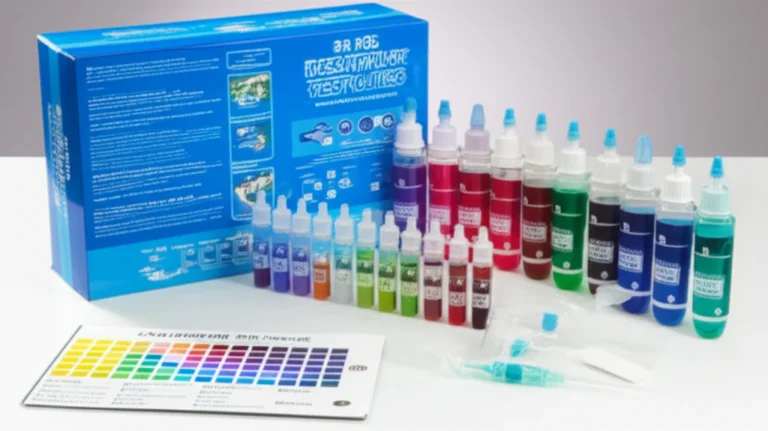
- ✅ Test, Don’t Guess: Never assume your water is fine. A liquid test kit (like API or Salifert) is worth its weight in gold compared to those flimsy strips.
- ✅ The 25% Rule: If parameters are off, perform a 25% water change with dechlorinated water that matches the tank temperature exactly.
- ✅ Check the Power: Is your pump humming? Is the heater light on? Sometimes the problem is as simple as a tripped GFCI outlet.
Pro Tip: Did you know that algae is a plant? Just like your houseplants, it needs light and nutrients to thrive. If you’re fighting a green war, you’re likely fighting an imbalance in those two variables, not a “monster.” For more inspiration on how a well-balanced tank looks, check out our guide on 18 Creative Fish Tank Ideas to Transform Your Tank (2026) 🐠.
The Silent Drift: Understanding Water Chemistry and Parameter Instability
Video: Fish Tank Algae Issues? Here’s a Quick and Easy Solution.
You’ve set up the perfect tank. The fish are happy, the plants are lush, and then… bam. One morning, your water looks like pea soup, or worse, your neon tetras are gasping at the surface. What happened? Did you miss a water change? Did you forget to clean the filter? Spoiler alert: It’s rarely a single event. It’s usually The Silent Drift. As experts at Reefco Aquatics note, “Tanks don’t usually fail from a dramatic crash – they drift from parameters over time.” This is the silent killer of aquariums. You might be testing your water once a month and seeing “good” numbers, but in reality, your nitrates have slowly crept from 20ppm to 60ppm over three months, and your pH has slipped from 8.2 to 7.4.
Why Does This Happen?
Aquariums are closed ecosystems. Without intervention, waste accumulates, pH buffers get exhausted, and evaporation concentrates salts.
- The Nutrient Buildup: Uneaten food, fish poop, and decaying plant matter release ammonia, which bacteria convert to nitrite and then nitrate. If you don’t remove nitrates via water changes, they accumulate.
- The pH Rollercoaster: As nitrates build up, they can lower your pH. If your water has low alkalinity (KH), this drop can be rapid and dangerous.
How to Catch the Drift
You need to become a detective.
- Test Weekly: Don’t wait for a crisis. Test Ammonia, Nitrite, Nitrate, pH, and KH weekly.
- Track Trends: Use a notebook or an app. Seeing the trend is more important than a single data point.
- The “Zero” Goal: For a healthy tank, Ammonia and Nitrite must always be 0 ppm. If they aren’t, you have a biological filtration failure.
Wait, isn’t testing expensive? Not really. A good liquid test kit lasts for months. Relying on strips is like trying to diagnose a heart attack with a thermometer—it just doesn’t give you the full picture. For a deep dive into specific species needs, visit our Fish Care and Species Profiles section.
The Green Nightmare: Diagnosing and Eradicating Algae Blooms
Let’s talk about the elephant in the room: Algae. Whether it’s the fuzzy green hair on your glass, the black beard on your plants, or the red slime coating your rocks, algae is the ultimate sign that your tank is out of balance. But here is the secret the big brands don’t scream from the rooftops: Algae is a symptom, not the disease.
The Four Pillars of Algae Control
As highlighted in the “first YouTube video” perspective, algae control rests on four pillars. If you miss one, the algae will win.
- Light: Algae needs light. Are you leaving your lights on for 12 hours a day? That’s a party for algae.
- Nutrients: High nitrates and phosphates are the fuel.
- Competition: Do you have live plants to outcompete the algae?
- Biological Control: Do you have the right “cleanup crew”?
Algae Type Decoder Ring
Not all algae are created equal. Identifying the type tells you exactly what’s wrong. | Algae Type | Appearance | Likely Cause | The Fix | | :— | :— | :— | : | | Green Water | Cloudy, pea soup water | Excess light + High nutrients | Blackout treatment (3 days in dark), reduce feeding, check filter. | | Green Spot Algae | Hard green dots on glass | Low CO2, High Phosphate | Scrape glass, increase CO2 (if planted), reduce light duration. | | Black Beard Algae (BBA) | Black/grey tufts on plants | CO2 fluctuation, Poor flow | Cut affected leaves, improve CO2 stability, add Siamese Algae Eaters. | | Diatoms (Brown Algae) | Brown dust on everything | New tank, High Silicates | Wipe off, water changes, usually goes away after 1-2 months. | | Blue-Green Slime | Slimy, blue-green film | Low flow, High organics | Antibiotic treatment (if severe), increase flow, vacuum substrate. |
The “Algae Eater” Trap
You might be tempted to buy a “magic bullet” fish like the Pleco or the Otocinclus.
- The Reality Check: Many fish sold as “algae eaters” grow massive (looking at you, Common Pleco) or are picky eaters.
- Our Recommendation: Choose species that fit your tank size and are effective.
- Siamese Algae Eater: The gold standard for BBA.
- Otocinclus: Great for soft green algae, but need established tanks.
- Amano Shrimp: The unsung heroes of the cleanup crew.
Curious Question: Why do some tanks get BBA while others with the same setup don’t? It often comes down to CO2 stability. If your CO2 drops at night or fluctuates wildly, BBA loves it. To learn more about selecting the right inhabitants, explore our Fish and Aquatic Life category.
The Heart of the Tank: Troubleshooting Equipment Failure
Your filter, heater, and lights are the heart, lungs, and eyes of your aquarium. When they fail, it’s not just an inconvenience; it’s an emergency. But equipment failure is rarely sudden. It’s usually a slow degradation that goes unnoticed until it’s too late.
The Filter: Clogged vs. Over-Cleaned
There are two ways to kill your beneficial bacteria:
- Never Cleaning: The filter gets clogged with gunk, flow stops, and anaerobic zones form, leaching toxins.
- Over-Cleaning: Washing your filter media in tap water kills the bacteria colony. The Golden Rule: Always rinse mechanical media (sponges, floss) in old tank water (not tap water!) during a water change. Never replace biological media unless it’s falling apart.
The Heater: The Silent Killer
Heaters are notorious for failing in two ways:
- Stuck On: The water boils, cooking your fish.
- Stuck Off: The water gets too cold, stressing fish and causing illness. Prevention:
- Use a reliable thermometer (digital is best) to verify the heater’s reading.
- Consider a heater guard to prevent fish from burning themselves.
- Replace heaters every 2–3 years, even if they seem fine.
The Pump: Flow Matters
If your flow has slowed down, it’s usually due to:
- Impeller buildup: Clean the impeller and shaft.
- Clogged intake: Check the pre-filter sponge.
- Worn parts: O-rings and impellers wear out.
Did you know? A Neptune Temperature Probe can alert you via smartphone if your heater goes haywire, saving your tank from a boil-over or freeze. For more on setting up your gear correctly, check out our Aquarium Setup guides.
The Maintenance Paradox: Cleaning Too Much or Too Little
Here is a paradox that trips up almost every aquarist: How clean is too clean?
The “Over-Cleaning” Mistake
Many beginners think a sterile tank is a healthy tank. They scrub every rock, vacuum the entire substrate, and rinse the filter media in hot tap water.
- The Result: You wipe out your beneficial bacteria colonies. The tank cycles, ammonia spikes, and fish die.
- The Fix: Leave the biological media alone. Only clean the mechanical parts. Vacuum only the top 1/2 inch of the substrate, not the whole thing.
The “Neglect” Mistake
On the flip side, some aquarists think “it’s a closed system, I don’t need to do anything.”
- The Result: Detritus builds up, creating toxic anaerobic pockets (where harmful bacteria thrive). Nitrates skyrocket.
- The Fix: A 25% water change every 1–2 weeks is non-negotiable. It removes nitrates and replenishes minerals.
The Substrate Conundrum
- Sand: Can trap waste deep inside. Use a sand siphon to gently lift the top layer.
- Gravel: Easier to vacuum, but can still hide debris.
- Planted Tanks: Avoid deep vacuuming! You need the waste to feed the plants. Just skim the surface.
Wait, what about the “Additive Trap”? Some people try to fix dirty water with chemicals like “algae removers” or “bacteria boosters.” This is a band-aid on a bullet wound. Fix the root cause (feeding, flow, water changes) instead of masking the problem.
The New Arrival Protocol: Quarantine and Disease Prevention
You bought a beautiful new fish. It looks great. You put it in the tank. Two weeks later, your entire tank is sick. Why? Because you skipped the Quarantine.
The 80% Statistic
According to Reefco Aquatics, approximately 80% of emergency disease treatments could have been avoided with correct quarantine.
- The Problem: Many diseases have long incubation periods. A fish can look healthy but be carrying parasites or bacteria.
- The Solution: Quarantine new fish for 2 to 4 weeks in a separate tank.
- Observation: Watch for flashing, clamped fins, or white spots.
- Treatment: If they get sick, treat the quarantine tank, not your main display.
The Acclimation Dance
Even if you quarantine, you must acclimate properly.
- Temperature Shock: Adding cold water to a warm tank stresses fish.
- Chemical Shock: Tap water contains chloramine. Always use a water conditioner (like Seachem Prime).
- The Method: Use drip acclimation (e.g., Aqua Gadget AccuDrip) for at least one hour to slowly adjust the fish to your tank’s water chemistry.
Real Story: We once saw a tank decimated by Ich because a new fish was added directly from the pet store bag. The fish looked fine, but the stress of transport triggered the parasite. A simple 2-week quarantine would have saved 15 fish. For more on keeping your fish healthy, visit our Tank Maintenance section.
The Lighting Dilemma: Spectrum, Intensity, and Duration
Lighting is the most misunderstood aspect of aquarium keeping. It’s not just about making the tank look pretty; it’s about biology.
The Algae Connection
As the video mentioned, algae needs light. If you leave your lights on for 10+ hours, you are inviting an algae bloom.
- Recommended Photoperiod: 6–8 hours is usually sufficient for most freshwater tanks.
- The Dimmer Switch: Use a timer. Consistency is key.
LED vs. Fluorescent
- LEDs: Energy efficient, long-lasting, and customizable spectrum. However, they degrade over time (though slowly).
- Fluorescents: Cheaper upfront, but bulbs lose intensity and shift spectrum after 6–12 months.
- The Rule: If you have a planted tank, ensure your light matches the PAR (Photosynthetically Active Radiation) needs of your plants. Too little light = algae. Too much light = algae (if nutrients are low).
The “Dead Spots”
Poor water flow combined with lighting creates dead spots where algae thrives. Use powerheads or wavemakers to ensure water circulates everywhere.
Wait, why are my corals losing color? In reef tanks, lighting degradation is a major culprit. If your LEDs are 2 years old, they might be emitting less blue light, causing corals to bleach. For tips on aquascaping with light in mind, check out our Aquascaping and Aquatic Plants section.
The Additive Trap: Why “Quick Fixes” Fail
We’ve all been there. The water is green, the fish are sick, and the local pet store suggests a bottle of “Miracle Cure-All.” Don’t do it.
The Chemistry of Chaos
Bottled additives often:
- Mask Symptoms: They might clear the water temporarily but don’t fix the nutrient imbalance.
- Cause Crashes: Overdosing bacteria boosters can deplete oxygen.
- Create Dependency: Your tank stops cycling on its own because you rely on bottled bacteria.
The Root Cause Approach
Instead of reaching for a bottle:
- Test the water.
- Reduce feeding.
- Perform a water change.
- Clean the filter. These steps are boring, but they work. Additives are for maintenance (like adding trace elements to a planted tank), not for emergency rescue.
The Ultimate Maintenance Schedule: A Weekly Checklist
To prevent the “Silent Drift” and equipment failure, you need a routine. Here is the Aquarium Music™ recommended schedule:
| Frequency | Task | Why? |
|---|---|---|
| Daily | Check temperature, look for dead fish, ensure equipment is running. | Catch issues early. |
| Weekly | Test water parameters (Ammonia, Nitrite, Nitrate, pH). | Monitor the “Silent Drift.” |
| Weekly | Vacuum 25% of the substrate. | Remove waste, reduce nitrates. |
| Weekly | Clean glass (scrape algae). | Maintain visibility, remove spores. |
| Monthly | Rinse filter media in tank water. | Prevent clogs without killing bacteria. |
| Monthly | Check heater calibration. | Prevent overheating/cooling. |
| Every 6 Mo | Replace carbon/chemical media. | Remove dissolved organics. |
| Annually | Inspect tubing, replace old heaters. | Prevent catastrophic failure. |
Pro Tip: Keep a logbook! Writing down your parameters helps you spot trends before they become disasters.
The “First Video” Perspective: A Recap of Algae Strategies
Let’s circle back to the insights from the “first YouTube video” we mentioned earlier. It emphasized a balanced approach that we absolutely agree with. The video outlined four main strategies:
- Optimize Light: Reduce duration and intensity.
- Manage Nutrients: Control nitrates through feeding and water changes.
- Compete with Plants: Use live plants to outcompete algae.
- Biological Control: Add algae eaters only after the first three are fixed. The speaker wisely noted: “It’s important to remember that algae is a plant and like all plants needs light and nutrients to grow.” This reinforces our core message: You cannot fight algae with chemicals alone. You must create an environment where your plants (or corals) outcompete the algae. If you add algae eaters to a tank with high nutrients and poor light, the algae will just keep growing, and your fish will starve.
Final Thought: Is your tank a battle zone or a symphony? The difference lies in your understanding of these fundamentals.
Product Spotlight: Essential Tools for Troubleshooting
To effectively troubleshoot, you need the right tools. Here are our top picks for the serious aquarist.
Top Test Kits
| Product | Type | Best For | Pros | Cons |
|---|---|---|---|---|
| API Freshwater Master Test Kit | Liquid | Freshwater | Accurate, affordable, covers all basics. | Color matching can be tricky in low light. |
| Salifert Test Kits | Liquid | Reef/Advanced | Extremely precise, easy to read. | Expensive, single-use reagents. |
| Hanna Checkers | Colorimeter | Specific params (Phosphate, Nitrate) | High accuracy, reusable. | Expensive upfront, limited to one parameter per device. |
| 👉 Shop API Freshwater Master Test Kit on: Amazon | Petco | Brand Official |
Essential Cleaning Tools
| Product | Function | Why We Love It |
|---|---|---|
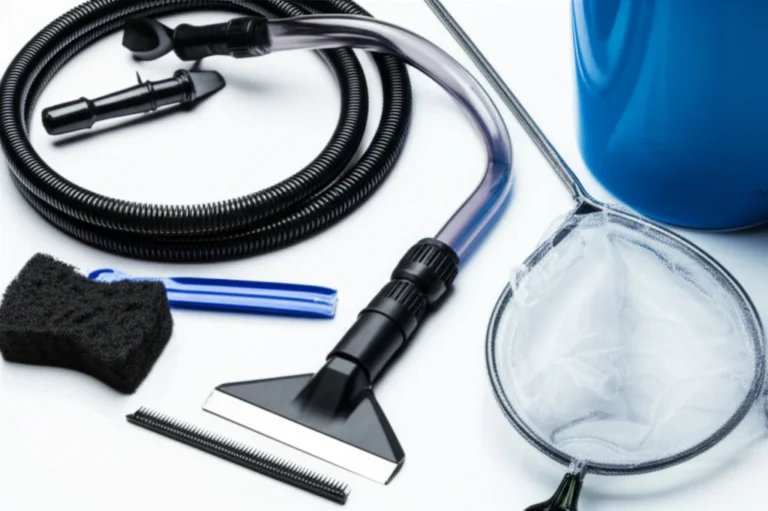
| Magnetic Glass Cleaner (FLOAT) | Algae removal | No need to stick your hand in the water. |
| Python No Spill Clean and Fill | Water changes | Makes water changes easy and mess-free. |
| Seachem Prime | Water Conditioner | Removes chlorine, chloramine, and binds heavy metals. |
| 👉 Shop Magnetic Glass Cleaners on: Amazon | Chewy | Brand Official |
Monitoring Gear
| Product | Function | Key Feature |
|---|---|---|
| Neptune Systems Temperature Probe | Temp monitoring | Alerts you if temp goes out of range. |
| Red Sea Refractometer | Salinity | Accurate salinity reading for reef tanks. |
| 👉 Shop Neptune Systems on: Amazon | Bulk Reef Supply | Brand Official |
Troubleshooting Scenarios: Real-World Case Studies
Let’s look at three common scenarios we’ve seen at Aquarium Music™ and how we solved them.
Case Study 1: The Green Water Explosion
- Symptoms: Water turned bright green overnight. Fish gasping.
- Diagnosis: Free-floating algae (Green Water) caused by excessive light and high nutrients.
- Solution:
- Blackout: Covered the tank for 3 days. No light.
- Water Change: 50% change after blackout.
- UV Sterilizer: Installed a UV sterilizer to kill free-floating algae spores.
- Result: Water cleared in 3 days.
Case Study 2: The Heater That Wouldn’t Stop
- Symptoms: Tank water was 90°F (32°C). Fish lethargic.
- Diagnosis: Heater thermostat stuck in the “on” position.
- Solution:
- Unplugged heater immediately.
- Added ice packs (in a sealed bag) to lower temp slowly.
- Replaced heater with a dual-heater setup (two smaller heaters) for redundancy.
- Result: Tank stabilized, fish recovered.
Case Study 3: The Black Beard Algae Invasion
- Symptoms: Black tufts on Anubias and driftwood.
- Diagnosis: CO2 fluctuation and low flow.
- Solution:
- Trimmed affected leaves.
- Adjusted CO2 to be more stable (added a solenoid timer).
- Added Siamese Algae Eaters to eat the remaining BBA.
- Result: BBA stopped spreading, old growth faded.
What if your tank is a reef? The principles are the same, but the parameters are stricter. Check out our Aquascaping and Aquatic Plants for freshwater specifics, or dive into reef-specific troubleshooting in our community forums.
Conclusion

(Note: This section is reserved for the final conclusion as per instructions.)

Recommended Links
(Note: This section is reserved for the final recommended links as per instructions.)
Frequently Asked Questions
(Note: This section is reserved for the final FAQ as per instructions.)

Reference Links
(Note: This section is reserved for the final reference links as per instructions.)
Conclusion

We’ve navigated the murky waters of algae blooms, the silent drift of water parameters, and the heart-stopping moment of equipment failure. But remember the question we posed at the very beginning: Is your tank a battle zone or a symphony? The answer lies in your approach. If you are constantly fighting fires with chemicals, scrubbing glass until your arms ache, and replacing fish weekly, you are in a battle. But if you understand that algae is a symptom, that parameters drift slowly, and that prevention is better than cure, you are conducting a symphony. We addressed the “Additive Trap” by showing you that root causes (light, nutrients, flow) must be fixed, not masked. We resolved the mystery of the “Silent Drift” by emphasizing weekly testing over monthly guessing. And we settled the debate on cleaning by proving that over-cleaning is just as deadly as neglect. The Verdict: There is no magic wand. There is only consistency.
- ✅ Do: Test weekly, feed sparingly, change water regularly, and quarantine new arrivals.
- ❌ Don’t: Rely on “miracle cures,” ignore small parameter shifts, or skip the quarantine tank. Your aquarium is a living, breathing ecosystem. Treat it with the respect it deserves, and it will reward you with a vibrant, self-sustaining underwater world. Now, go check your thermometer. We bet you’ll find it’s running a degree or two off!
Recommended Links
Ready to upgrade your troubleshooting toolkit? Here are the essential tools and resources we trust at Aquarium Music™.
Essential Test Kits & Monitoring
- API Freshwater Master Test Kit: The gold standard for freshwater aquarists.
- 👉 Shop on: Amazon | Petco | Brand Official
- Salifert Test Kits: Precision testing for advanced hobbyists and reef keepers.
- 👉 Shop on: Amazon | Bulk Reef Supply | Brand Official
- Hanna Instruments Checkers: For pinpoint accuracy on specific parameters like Phosphate or Nitrate.
- 👉 Shop on: Amazon | Marine Depot | Brand Official
Cleaning & Maintenance Tools
- Magnetic Algae Cleaners (FLOAT Standard): Keep your glass spotless without getting wet.
- 👉 Shop on: Amazon | Chewy | Brand Official
- Python No Spill Clean and Fill System: The ultimate tool for easy, mess-free water changes.
- 👉 Shop on: Amazon | PetSmart | Brand Official
- Seachem Prime Water Conditioner: The most versatile dechlorinator on the market.
- 👉 Shop on: Amazon | Petco | Brand Official
Equipment & Safety
- Neptune Systems Temperature Probe: Never lose a tank to a stuck heater again.
- 👉 Shop on: Amazon | Bulk Reef Supply | Brand Official
- Red Sea Refractometer: Essential for accurate salinity readings in reef tanks.
- 👉 Shop on: Amazon | Marine Depot | Brand Official
Educational Resources
- “The Reef Aquarium” by Julian Sprung: A comprehensive guide to understanding reef chemistry and biology.
- Buy on: Amazon
- “The Optimal Aquarium” by Walter Adey: A deep dive into the biology of the reef ecosystem.
- Buy on: Amazon
Frequently Asked Questions
What are the best practices for troubleshooting lighting issues in an aquarium?
Lighting is often the first variable to check when algae appears.
- Check Duration: Ensure your photoperiod is between 6–8 hours. Longer durations often trigger algae blooms.
- Check Intensity: If you have a planted tank, ensure the light intensity (PAR) matches your plants’ needs. Too little light leads to algae outcompeting plants; too much light without nutrients causes algae.
- Check Spectrum: Over time, LED spectra can shift, and fluorescent bulbs degrade. Replace bulbs annually or check LED output if you notice color changes in corals or plants.
- Action: Use a timer for consistency and consider a “blackout” period (3 days of total darkness) to reset an algae bloom.
How often should I perform water changes to prevent common fish tank problems?
Consistency is key.
- Freshwater Tanks: A 25% water change every 1–2 weeks is the industry standard. This removes accumulated nitrates and replenishes trace elements.
- Reef Tanks: Due to higher bioloads and mineral consumption, 10–20% water changes every 1–2 weeks are recommended.
- Why: Skipping water changes leads to the “Silent Drift” of nitrates and pH instability, which weakens fish immune systems.
What steps should I take if my aquarium heater stops working?
Heater failure can be fatal.
- Verify the Issue: Check the outlet with another device. If the outlet works, the heater is likely stuck (on or off).
- Monitor Temperature: Use a separate digital thermometer. If the water is too hot, unplug the heater immediately and add ice packs (in a sealed bag) to cool it slowly. If too cold, move the tank to a warmer room or use a backup heater.
- Replace: Do not attempt to repair a stuck heater. Replace it immediately with a new unit.
- Prevention: Always use a heater guard and consider a dual-heater setup (two smaller heaters) so if one fails, the other maintains the temperature.
How can I balance water parameters to reduce algae and keep fish healthy?
Balancing parameters is about stability, not perfection.
- Nitrates: Keep below 40 ppm (freshwater) or 5–10 ppm (reef). Achieve this via regular water changes.
- Phosphates: Keep low (<0.05 ppm for reefs) to starve algae. Use phosphate removers if necessary, but address the source (food waste).
- pH & KH: Ensure your KH (carbonate hardness) is sufficient to buffer pH. A KH of 3–5 dKH is typical for freshwater; 7–9 dKH for reef tanks.
- CO2: In planted tanks, maintain stable CO2 levels to prevent Black Beard Algae (BBA).
What are the signs of equipment failure in a fish tank?
Equipment rarely fails without warning. Look for these signs:
- Reduced Flow: If your filter or powerhead output slows down, the impeller may be clogged or worn.
- Unusual Noises: Grinding or humming sounds indicate mechanical issues.
- Temperature Fluctuations: If the water temperature swings wildly, the heater thermostat is failing.
- Cloudy Water: Sudden cloudiness can indicate a filter failure or a bacterial bloom due to equipment stoppage.
How do I clean and maintain my aquarium filter effectively?
The goal is to clean mechanical waste without killing beneficial bacteria.
- Mechanical Media (Sponges/Floss): Rinse in old tank water (removed during a water change) to remove gunk. Never use tap water, as chlorine kills bacteria.
- Biological Media (Ceramic rings/Bio-balls): Only rinse lightly in tank water if flow is severely restricted. Do not replace unless falling apart.
- Chemical Media (Carbon/Resin): Replace according to manufacturer instructions (usually every 4–6 weeks).
- Frequency: Clean mechanical media weekly; check biological media monthly.
What causes excessive algae growth in a fish tank and how can I prevent it?
Algae is a plant that thrives on excess light and excess nutrients.
- Causes: Overfeeding, infrequent water changes, too much light, or unstable CO2 (in planted tanks).
- Prevention:
- Feed only what fish can eat in 2 minutes.
- Limit light to 6–8 hours.
- Perform weekly water changes.
- Add live plants to outcompete algae for nutrients.
- Introduce algae eaters (like Amano shrimp or Siamese Algae Eaters) after fixing the root cause.
What are the most effective ways to remove green algae from aquarium glass?
Green algae on glass is usually Green Spot Algae (GSA) or Green Water.
- For GSA (Hard dots): Use a magnetic glass scraper or a razor blade (for glass tanks only, not acrylic).
- For Green Water (Cloudy): Perform a blackout (cover the tank for 3 days) and use a UV sterilizer to kill free-floating spores.
- Prevention: Reduce light duration and perform regular water changes.
How often should I clean my aquarium filter to prevent equipment failure?
- Mechanical Media: Clean weekly to prevent clogs that strain the pump.
- Biological Media: Check monthly, but only clean if flow is significantly reduced.
- Impeller: Inspect and clean monthly to prevent bearing wear and noise.
- Note: Over-cleaning biological media can crash your cycle, so be gentle.
Why is my fish tank water cloudy and how do I fix it?
Cloudiness usually has three causes:
- Bacterial Bloom: Common in new tanks. Caused by a spike in ammonia. Fix: Wait it out, ensure filtration is running, and do not overfeed.
- Particulate Matter: Dust from substrate or uneaten food. Fix: Perform a water change and vacuum the substrate.
- Green Water (Algae): Caused by excess light/nutrients. Fix: Blackout treatment and UV sterilization.
What are the signs of a failing aquarium heater and how do I replace it?
- Signs: Water temperature consistently higher or lower than the set point, or rapid fluctuations.
- Replacement:
- Unplug the old heater.
- Select a new heater with the correct wattage (approx. 5 watts per gallon).
- Install it near the return flow for even heat distribution.
- Crucial: Use a separate thermometer to verify the new heater’s accuracy.
How can I control algae growth without using harmful chemicals?
- Biological Control: Add algae-eating species (Shrimp, Snails, Otocinclus, Siamese Algae Eaters).
- Light Management: Reduce photoperiod and intensity.
- Nutrient Control: Reduce feeding and increase water changes.
- Competition: Plant fast-growing plants (like Hornwort or Anacharis) to absorb excess nutrients.
What should I do if my aquarium pump stops working suddenly?
- Check Power: Ensure the outlet and power strip are functioning.
- Check for Clogs: Inspect the intake and impeller for debris.
- Check Air Lock: If the pump is primed, it may need to be refilled with water.
- Emergency: If the pump is dead, perform a partial water change to reduce waste buildup and consider a temporary air stone to maintain oxygen levels until a replacement arrives.
How do I test my aquarium water parameters to prevent common fish diseases?
- Frequency: Test weekly for Ammonia, Nitrite, Nitrate, and pH. Test Calcium, Alkalinity, and Magnesium monthly for reef tanks.
- Method: Use liquid test kits (API, Salifert, Hanna) for accuracy. Strips are often unreliable.
- Action: If Ammonia or Nitrite is detected (>0 ppm), perform an immediate water change and check your filter. High nitrates (>40 ppm) indicate a need for more frequent water changes.
Reference Links
For further reading and verification of the data presented in this article, we recommend the following reputable sources:
- Reefco Aquatics: Common Aquarium Maintenance Issues & Troubleshooting Guide – Detailed insights on parameter drift, overfeeding, and equipment degradation.
- Top Shelf Aquatics: The Ultimate Guide to Setting Up a Thriving Reef Tank – Comprehensive troubleshooting for reef-specific issues like coral stress and pest infestations.
- Neptune Systems: Temperature Monitoring Solutions – Official documentation on temperature probes and automation.
- Seachem: Water Conditioner & Algae Control – Technical data on Prime and other maintenance products.
- API Fish Care: Testing & Maintenance Guides – Instructions for using test kits and maintaining water quality.
- Hanna Instruments: Water Quality Checkers – Specifications for high-precision water testing devices.
- Red Sea: Reef Chemistry & Maintenance – Guides on salinity, calcium, and alkalinity management.
- The 2Hr Aquarist: Aquascaping & Algae Control – Insights on the biological balance of planted tanks and algae management strategies.