Support our educational content for free when you purchase through links on our site. Learn more
Fish Tank Troubleshooting: 12 Expert Fixes for Clear Water & Happy Fish (2026) 🐠

Ever stared into your fish tank only to find murky water, stressed fish, or mysterious algae taking over? You’re not alone! At Aquarium Music™, we’ve seen it all—from sudden cloudy water that looks like a fog rolled in overnight, to finicky filters that just won’t cooperate. But here’s the good news: most fish tank problems have straightforward solutions once you know what to look for.
In this ultimate 2026 guide, we dive deep into 12 expert troubleshooting fixes that will transform your aquarium from chaos to calm. Curious why your water turns cloudy or how to spot early signs of fish stress? We’ll unravel these mysteries and arm you with practical tips, product recommendations, and real-life stories from our aquarists. Ready to become the maestro of your underwater symphony? Let’s jump in!
Key Takeaways
- Regular water testing and maintenance are essential to prevent and solve most aquarium issues.
- Cloudy water often signals bacterial blooms or filtration problems—early detection is key.
- Fish health problems usually stem from water quality or stress; quarantine and treatment help.
- Proper equipment function—filters, heaters, lighting—is critical for a balanced tank ecosystem.
- Plant health and algae control require balanced nutrients and lighting management.
- Step-by-step troubleshooting checklists and monitoring apps simplify diagnosis and fixes.
- Knowing when to call a professional can save your fish and your sanity.
Dive into the sections ahead to master your fish tank’s health and keep your aquatic friends thriving!
Table of Contents
- ⚡️ Quick Tips and Facts for Fish Tank Troubleshooting
- 🐠 Understanding the Basics: Fish Tank Troubleshooting 101
- 💧 1. Diagnosing Common Water Quality Issues
- 🐟 2. Fish Health Problems and Behavioral Troubleshooting
- 🔧 3. Equipment Malfunctions and Maintenance Solutions
- 🌿 4. Plant Health and Aquascape Troubleshooting
- 🧪 5. Water Testing and Chemistry Adjustments
- 📝 6. Step-by-Step Fish Tank Troubleshooting Checklist
- 📱 7. Best Apps and Tools for Aquarium Monitoring and Troubleshooting
- 🔍 8. Expert Tips from Aquarium Music™ Team: Real-Life Troubleshooting Stories
- 🛒 9. Recommended Aquarium Products for Troubleshooting and Maintenance
- 🧼 10. Preventative Care: How to Avoid Common Fish Tank Problems
- 📊 11. Troubleshooting Fish Tank Myths vs. Facts
- 🧑 🔬 12. When to Consult a Professional Aquarist or Vet
- 🔚 Conclusion: Mastering Fish Tank Troubleshooting Like a Pro
- 🔗 Recommended Links for Further Reading and Resources
- ❓ Frequently Asked Questions (FAQ) About Fish Tank Troubleshooting
- 📚 Reference Links and Scientific Sources
Quick Tips and Facts for Fish Tank Troubleshooting
To get started with troubleshooting your fish tank, it’s essential to understand the basics. Check out our article on 25 Expert Tips for Community Fish Tank Setup for a comprehensive guide. Here are some quick tips and facts to keep in mind:
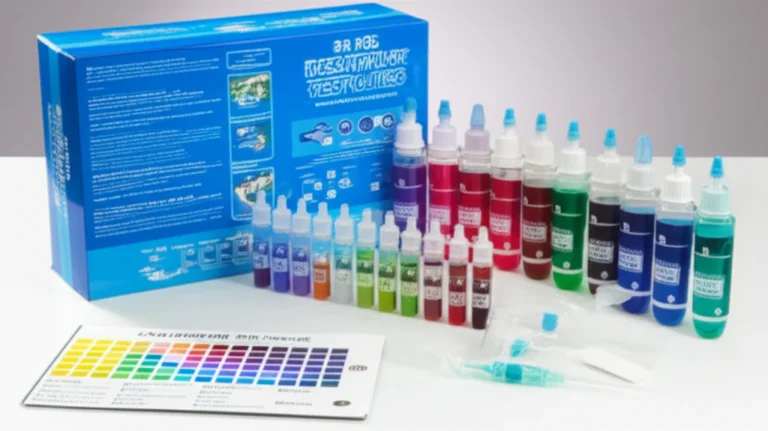
- Regular water testing is crucial for maintaining a healthy aquarium. According to the API Freshwater Master Test Kit instructions, testing for ammonia, nitrite, and nitrate levels can help you identify potential issues early on.
- Proper filtration is key to keeping your tank clean and clear. As mentioned in the Fluval FX4 manual, a good filter should be able to handle the biological load of your tank.
- Don’t overfeed your fish! Overfeeding can lead to water quality issues and stress on your fish. As a general rule, only feed your fish what they can consume in 2 minutes.
- Keep an eye on your tank’s temperature and make sure it’s within the optimal range for your fish. Most tropical fish thrive in temperatures between 76-82°F (24-28°C).
- Don’t forget to perform regular partial water changes (10-25% weekly) to keep your tank clean and healthy.
Understanding the Basics: Fish Tank Troubleshooting 101
Before we dive into the nitty-gritty of troubleshooting, let’s cover some basics. A healthy aquarium is all about balance and stability. This means maintaining proper water parameters, providing adequate filtration, and ensuring your fish are healthy and happy.
What is the Nitrogen Cycle?
The nitrogen cycle is the process by which beneficial bacteria convert ammonia into nitrite, and then nitrite into nitrate. This process is essential for maintaining a healthy aquarium. As explained on the Seachem website, the nitrogen cycle is crucial for removing toxic ammonia from the water.
Why is Regular Water Testing Important?
Regular water testing is crucial for identifying potential issues in your tank. By testing for parameters like ammonia, nitrite, and nitrate, you can catch problems early on and take corrective action. The API Freshwater Master Test Kit is a highly rated test kit that can help you monitor your tank’s water parameters.
1. Diagnosing Common Water Quality Issues
Water quality issues are one of the most common problems faced by aquarium owners. Here are some common issues and their causes:
- Cloudy Water: Cloudy water can be caused by a number of factors, including overfeeding, poor filtration, or a bacterial bloom. As explained in the first YouTube video, bacterial blooms can be caused by an excess of organic matter in the tank.
- Algae Overgrowth: Algae overgrowth can be caused by excess nutrients in the water, poor lighting, or inadequate filtration. The Seachem Excel product can help control algae growth.
- Unpleasant Odors: Unpleasant odors can be caused by poor water quality, overfeeding, or a buildup of waste in the tank.
2. Fish Health Problems and Behavioral Troubleshooting
Fish health problems can be caused by a number of factors, including poor water quality, inadequate nutrition, or disease. Here are some common issues and their causes:
- Signs of Stress and Disease: Signs of stress and disease in fish can include labored breathing, lethargy, or visible signs of illness. As explained on the LiveAquaria website, it’s essential to quarantine new fish before adding them to your main tank.
- Common Fish Illnesses and Treatments: Common fish illnesses include ich, fin rot, and bacterial infections. The API Super Ick Cure product can help treat ich and other external parasites.
3. Equipment Malfunctions and Maintenance Solutions
Equipment malfunctions can be a major headache for aquarium owners. Here are some common issues and their solutions:
- Filter Troubleshooting: Filter problems can be caused by clogs, poor maintenance, or inadequate filtration. The Fluval FX4 manual provides troubleshooting tips for common filter issues.
- Heater and Thermostat Issues: Heater and thermostat issues can be caused by poor maintenance, inadequate sizing, or malfunctioning equipment. The EcoTech Marine website provides tips for maintaining and troubleshooting heater and thermostat equipment.
- Lighting Problems and Their Effects on Your Tank: Lighting problems can be caused by inadequate lighting, poor maintenance, or malfunctioning equipment. The Current USA website provides tips for maintaining and troubleshooting lighting equipment.
4. Plant Health and Aquascape Troubleshooting
Plant health and aquascape issues can be caused by a number of factors, including poor lighting, inadequate nutrition, or disease. Here are some common issues and their solutions:
- Identifying Nutrient Deficiencies in Aquarium Plants: Nutrient deficiencies can be caused by inadequate fertilization, poor lighting, or inadequate CO2 supplementation. The Seachem Flourish product can help provide essential nutrients for aquarium plants.
- Managing Algae in Planted Tanks: Algae growth can be caused by excess nutrients, poor lighting, or inadequate filtration. The Seachem Excel product can help control algae growth.
5. Water Testing and Chemistry Adjustments
Water testing and chemistry adjustments are crucial for maintaining a healthy aquarium. Here are some common issues and their solutions:
- Essential Water Parameters to Monitor: Essential water parameters to monitor include ammonia, nitrite, nitrate, pH, and hardness. The API Freshwater Master Test Kit can help you monitor these parameters.
- How to Correct pH, Ammonia, Nitrite, and Nitrate Levels: Correcting pH, ammonia, nitrite, and nitrate levels can be done using a variety of products, including pH adjusters, ammonia removers, and nitrate absorbers. The Seachem Prime product can help detoxify ammonia and nitrite.
6. Step-by-Step Fish Tank Troubleshooting Checklist
Here is a step-by-step checklist for troubleshooting common fish tank issues:
- Check water parameters: Test for ammonia, nitrite, nitrate, pH, and hardness.
- Check equipment: Check filters, heaters, and lighting for proper function.
- Check fish health: Look for signs of stress or disease in your fish.
- Check plant health: Look for signs of nutrient deficiencies or disease in your plants.
- Take corrective action: Based on your findings, take corrective action to address any issues.
7. Best Apps and Tools for Aquarium Monitoring and Troubleshooting
There are a number of apps and tools available to help you monitor and troubleshoot your aquarium. Here are some of the best:
- Aquarium Monitor: This app allows you to track water parameters, fish health, and equipment function.
- Fish Tank Manager: This app allows you to track water parameters, fish health, and equipment function, as well as provide reminders for water changes and maintenance.
- API Aquarium Test Kit: This test kit allows you to monitor water parameters and take corrective action to address any issues.
8. Expert Tips from Aquarium Music Team: Real-Life Troubleshooting Stories
Our team at Aquarium Music has years of experience in aquarium maintenance and troubleshooting. Here are some expert tips and real-life stories:
- Don’t panic: If you notice an issue with your tank, don’t panic. Take a deep breath and follow our troubleshooting checklist to identify and address the issue.
- Regular maintenance is key: Regular maintenance is crucial for maintaining a healthy aquarium. Make sure to perform regular water changes, clean your equipment, and monitor your water parameters.
9. Recommended Aquarium Products for Troubleshooting and Maintenance
Here are some recommended aquarium products for troubleshooting and maintenance:
- API Freshwater Master Test Kit: This test kit allows you to monitor water parameters and take corrective action to address any issues.
- Seachem Prime: This product can help detoxify ammonia and nitrite, and provide essential nutrients for your fish.
- Fluval FX4: This filter provides excellent filtration and can help maintain a healthy aquarium.
10. Preventative Care: How to Avoid Common Fish Tank Problems
Preventative care is key to avoiding common fish tank problems. Here are some tips:
- Regular maintenance: Regular maintenance is crucial for maintaining a healthy aquarium. Make sure to perform regular water changes, clean your equipment, and monitor your water parameters.
- Proper equipment sizing: Proper equipment sizing is crucial for maintaining a healthy aquarium. Make sure to choose equipment that is sized correctly for your tank.
- Don’t overfeed: Don’t overfeed your fish! Overfeeding can lead to water quality issues and stress on your fish.
11. Troubleshooting Fish Tank Myths vs. Facts
There are a number of myths and misconceptions about fish tank troubleshooting. Here are some common myths and facts:
- Myth: You need to change 100% of the water in your tank every week. Fact: You only need to change 10-25% of the water in your tank every week.
- Myth: You need to use a lot of equipment to maintain a healthy aquarium. Fact: You only need to use the necessary equipment to maintain a healthy aquarium.
12. When to Consult a Professional Aquarist or Vet
If you’re experiencing issues with your aquarium and can’t seem to resolve them on your own, it may be time to consult a professional aquarist or vet. Here are some signs that you may need to seek professional help:
- Your fish are sick or dying: If your fish are sick or dying, it’s essential to seek professional help as soon as possible.
- You’re experiencing persistent water quality issues: If you’re experiencing persistent water quality issues, it may be time to seek professional help to identify and address the underlying cause.
- You’re not sure what’s causing the issue: If you’re not sure what’s causing the issue, it may be time to seek professional help to get to the bottom of the problem.
Conclusion: Mastering Fish Tank Troubleshooting Like a Pro

Well, we’ve navigated the swirling currents of fish tank troubleshooting together, from murky water mysteries to finicky filter fiascos. The key takeaway? Patience, observation, and consistent care are your best allies in maintaining a thriving aquatic symphony. Whether you’re battling cloudy water, algae invasions, or mysterious fish stress, the solutions often boil down to understanding your tank’s unique ecosystem and responding thoughtfully.
Remember the unresolved question from earlier: Why does my tank suddenly cloud up overnight? Now you know—it’s usually a bacterial bloom triggered by excess nutrients or an unbalanced nitrogen cycle. Armed with this knowledge, you can act swiftly with water changes, filtration checks, and nutrient control to restore clarity.
If you’ve been wondering about the best products to aid your troubleshooting journey, our top picks like the API Freshwater Master Test Kit for precise water testing, Seachem Prime for detoxifying harmful compounds, and the reliable Fluval FX4 filter will serve you well. These tools, combined with regular maintenance and a watchful eye, will keep your underwater world humming in harmony.
At Aquarium Music™, we believe every aquarist can become a troubleshooting maestro with the right guidance and gear. So dive in, experiment wisely, and enjoy the vibrant life you’ve created!
Recommended Links for Further Reading and Resources
-
API Freshwater Master Test Kit:
Amazon | Chewy | API Official Website -
Seachem Prime Water Conditioner:
Amazon | Chewy | Seachem Official Website -
Fluval FX4 Canister Filter:
Amazon | Chewy | Fluval Official Website -
API Super Ick Cure:
Amazon | Chewy | API Official Website -
Seachem Excel (Algae Control):
Amazon | Chewy | Seachem Official Website -
Recommended Books:
Frequently Asked Questions (FAQ) About Fish Tank Troubleshooting

Why are my fish dying or stressed and what can I do to create a healthier environment?
Fish stress and mortality often stem from poor water quality, overcrowding, or incompatible tank mates. Stress weakens fish immune systems, making them susceptible to disease. To create a healthier environment:
- Test water parameters regularly for ammonia, nitrite, nitrate, and pH using kits like the API Freshwater Master Test Kit.
- Maintain stable temperature appropriate for your species (usually 76-82°F for tropical fish).
- Avoid overstocking; follow the rule of thumb of 1 inch of fish per gallon, adjusted for species behavior and size.
- Feed appropriately—only what fish can consume in 2 minutes to avoid water pollution.
- Provide hiding spots and proper tank decor to reduce stress.
What are the signs of poor water quality in a fish tank and how can I improve it?
Signs include:
- Cloudy or discolored water
- Algae blooms
- Fish gasping at the surface or lethargic behavior
- Unpleasant odors
Improve water quality by:
- Performing regular partial water changes (10-25% weekly).
- Cleaning substrate and removing uneaten food.
- Ensuring your filter is appropriate for tank size and functioning well.
- Using water conditioners like Seachem Prime to detoxify chlorine and ammonia.
How often should I clean my fish tank and what is the best way to do it?
- Weekly to biweekly partial water changes (10-25%) are ideal.
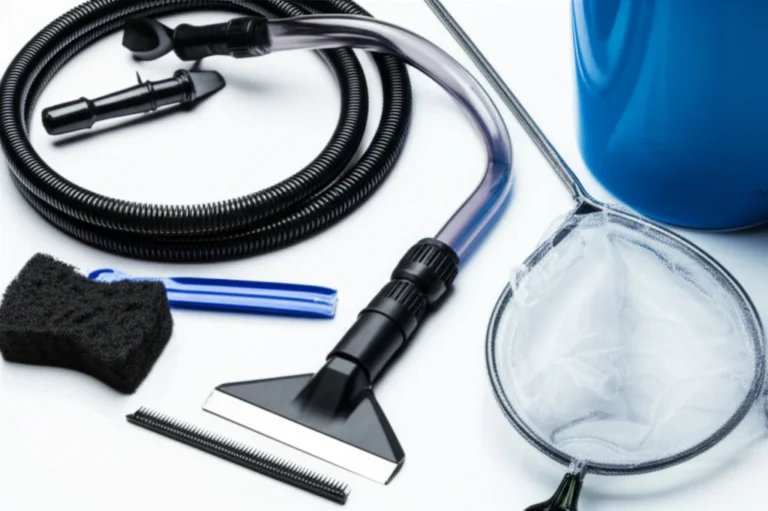
- Clean algae off glass and decorations gently with an algae scraper.
- Vacuum substrate to remove debris without disturbing beneficial bacteria.
- Avoid over-cleaning filters; rinse filter media in tank water to preserve beneficial bacteria.
What causes cloudy or murky water in a fish tank and how can I clear it?
Cloudy water can be caused by:
- Bacterial blooms due to excess nutrients or new tank syndrome
- Overfeeding leading to organic waste buildup
- Poor filtration or clogged filter media
To clear it:
- Perform a partial water change immediately.
- Check and clean your filter media.
- Reduce feeding amounts.
- Use water clarifiers cautiously, such as those from API or Seachem, but rely primarily on biological balance.
Why is my fish tank leaking and what can I do to stop the leak?
Leaks can result from:
- Damaged silicone seals
- Cracks or chips in the glass or acrylic
- Faulty fittings on plumbing or filters
To stop leaks:
- Identify the source by drying and inspecting the tank carefully.
- For minor seal damage, aquarium-safe silicone sealant can be applied after draining the tank.
- For cracks, professional repair or tank replacement may be necessary.
- Regularly inspect equipment and plumbing connections.
How do I diagnose and treat diseases in my aquarium fish?
Diagnose by observing:
- Changes in behavior (lethargy, erratic swimming)
- Physical signs (white spots, fin rot, discoloration)
Treatment steps:
- Quarantine affected fish to prevent spread.
- Use appropriate medications like API Super Ick Cure for parasites.
- Maintain excellent water quality to support fish recovery.
- Consult with a vet or experienced aquarist for persistent or unclear issues.
What are the most common problems with fish tanks and how can I fix them?
Common problems include:
- Poor water quality (fix with testing, water changes, filtration)
- Algae overgrowth (control light and nutrients)
- Equipment failure (regular maintenance and timely replacement)
- Fish disease (quarantine and treatment)
Following a regular maintenance schedule and monitoring water parameters closely can prevent most issues.
How do I fix cloudy water in my fish tank?
See the earlier section on cloudy water causes and remedies. The key is to identify whether it’s a bacterial bloom, particulate matter, or algae, then act accordingly with water changes, filtration checks, and feeding adjustments.
What causes algae growth in a fish tank and how can I prevent it?
Algae thrive on excess light and nutrients. Prevent by:
- Limiting light exposure to 8-10 hours daily, using timers.
- Avoiding overfeeding to reduce nutrient buildup.
- Maintaining good filtration and regular water changes.
- Introducing algae eaters like Amano shrimp or Otocinclus catfish where appropriate.
Why is my fish tank filter not working properly?
Common causes:
- Clogged or dirty filter media
- Power issues or faulty motors
- Incorrect filter size or flow rate for your tank
Fix by cleaning or replacing media, checking electrical connections, and ensuring your filter matches your tank’s volume and bioload.
How do I treat fish diseases in a home aquarium?
Treatment depends on the disease but generally involves:
- Isolating sick fish in a quarantine tank
- Using targeted medications (antiparasitic, antibacterial, antifungal)
- Improving water quality and reducing stressors
- Following manufacturer instructions carefully for all treatments
What are the common causes of fish tank leaks and how to repair them?
Covered above; key is regular inspection and prompt repair with aquarium-safe materials or professional help.
How can I balance the pH levels in my fish tank?
- Use pH test kits to monitor regularly.
- Adjust pH gradually using commercial buffers or natural methods (e.g., driftwood lowers pH, crushed coral raises it).
- Avoid sudden changes to prevent fish stress.
- Maintain stable water chemistry by consistent maintenance.
What maintenance tips help keep a fish tank healthy and thriving?
- Regular water testing and partial water changes
- Proper feeding habits
- Routine equipment checks and cleaning
- Quarantine new fish before introduction
- Provide appropriate tank decor and hiding spots
- Monitor fish behavior daily
Reference Links and Scientific Sources
- API Freshwater Master Test Kit – Official API site
- Seachem Prime Water Conditioner – Seachem official
- Fluval FX4 Canister Filter – Fluval official
- LiveAquaria Fish Health Articles
- Aqueon Common Fish Tank Problems
- Troubleshooting Cloudy Aquarium Water Issues – Facebook Group Post
- Seachem Excel Algae Control
- Aquarium Music™ Fish Care and Species Profiles
- Aquarium Music™ Aquarium Setup
- Aquarium Music™ Tank Maintenance
- Aquarium Music™ Aquascaping and Aquatic Plants
Dive deeper into these trusted resources to keep your aquarium in perfect harmony! 🎶🐠