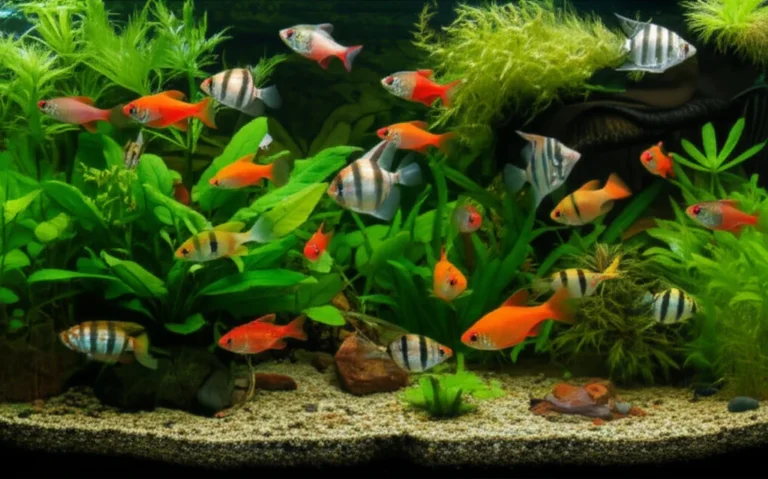
15 Secrets to Perfect Aquatic Ecosystem Balance in 2025 🌿🐠

Imagine walking into a room where every note of a symphony plays in perfect harmony—each instrument tuned, every musician in sync. That’s exactly what a balanced aquatic ecosystem feels like: a vibrant, self-sustaining underwater world where plants, fish, bacteria, and water chemistry perform a flawless dance. But achieving this harmony? It’s both an art and a science, and many aquarists struggle with the subtle cues that signal imbalance.

Did you know that over 70% of Earth’s surface is covered by aquatic ecosystems, yet many of these delicate environments are teetering on the edge due to human impact and neglect? Whether you’re a hobbyist aiming to create a thriving home aquarium or a conservationist restoring natural habitats, mastering the balance of aquatic ecosystems is essential. In this comprehensive guide, we’ll reveal 15 vital secrets—from understanding water chemistry and natural nutrient cycles to selecting the perfect plants and fish species—that will help you orchestrate your own underwater masterpiece.

Ready to dive in? Let’s unlock the mysteries of aquatic ecosystem balance and turn your tank or natural water body into a flourishing aquatic symphony.


Key Takeaways

  • Aquatic ecosystem balance depends on the dynamic interaction of biotic and abiotic components, including plants, fish, microorganisms, and water chemistry.
  • Maintaining proper water parameters (pH, ammonia, nitrates, oxygen) is crucial to prevent toxic buildups and support life.
  • Biodiversity and natural nutrient cycles (nitrogen, carbon, phosphorus) are the backbone of ecosystem resilience and productivity.
  • Human activities pose significant threats, but responsible fishkeeping and conservation efforts can restore balance.
  • Aquascaping with native plants and algae-eating fish species promotes natural stability and reduces maintenance.
  • Innovative tools like digital water testers and smart controllers simplify monitoring and maintaining ecosystem health.

👉 Shop Recommended Aquarium Equipment and Supplies:

Dive deeper into our expert tips and transform your aquatic ecosystem into a thriving, balanced paradise!


Table of Contents


⚡️ Quick Tips and Facts About Aquatic Ecosystem Balance

Welcome to the symphony of aquatic life! At Aquarium Music™, we’ve learned that balancing an aquatic ecosystem is like conducting an orchestra—every player matters, from the tiniest algae to the largest fish. Here are some quick nuggets to get you swimming in the right direction:

  • Balanced ecosystems maintain stable biodiversity and water quality.
  • Plants oxygenate water and absorb excess nutrients, preventing algae blooms.
  • Fish contribute to nutrient cycling but can cause imbalance if overstocked.
  • Water chemistry parameters (pH, ammonia, nitrates) are crucial for ecosystem health.
  • Natural cycles like nitrogen and carbon cycles keep the ecosystem humming.
  • Human activities like pollution and overfishing threaten aquatic balance.
  • Aquascaping with native plants and compatible fish species promotes stability.

For a deep dive into these essentials, keep reading! If you’re curious about how to maintain your own fish tank’s ecosystem, check out our detailed fish tank guide.


🌊 Understanding Aquatic Ecosystems: What They Are and Why They Matter

Aquatic ecosystems are complex communities of living organisms interacting with their watery environment—rivers, lakes, oceans, and even your home aquarium. But why should you care? Because these ecosystems regulate water quality, support biodiversity, and sustain life on Earth.

What Makes Aquatic Ecosystems So Special?

  • They cover over 70% of the Earth’s surface.
  • They regulate climate by storing carbon and heat.
  • They provide food, recreation, and livelihood for billions.

Aquatic ecosystems are nature’s life-support systems. When balanced, they are resilient and productive. When disrupted, they can collapse, causing ripple effects far beyond the water’s edge.

For a broader understanding of ecosystems, see Enel Green Power’s ecosystem overview.


🔍 The Building Blocks: Key Components of Aquatic Ecosystems

Let’s break down the players in this watery world:

  • Biotic components: Fish, aquatic plants, algae, microorganisms (bacteria, fungi), invertebrates.
  • Abiotic components: Water chemistry (pH, dissolved oxygen), temperature, light, minerals, substrate (sand, gravel).

Each component interacts dynamically. For example, fish produce waste that bacteria convert into nutrients plants absorb. This cycle keeps the ecosystem balanced.

Our aquascapers swear by live plants like Java fern and Anubias for their nutrient uptake and oxygen production. Curious about plants? Dive into our aquascaping and aquatic plants category.


🌿 Aquatic Biodiversity: The Heartbeat of a Balanced Ecosystem

Biodiversity isn’t just a buzzword—it’s the variety of life forms and their genetic differences that make an ecosystem robust. In aquatic systems, biodiversity includes everything from microscopic plankton to majestic sturgeon.

Why is it vital? Because diverse ecosystems are more resilient to disturbances like disease or climate shifts. They also provide more ecosystem services, such as water purification and habitat complexity.

Our team’s experience shows that introducing a variety of compatible fish species and plants promotes natural checks and balances. For example, algae-eating fish like Otocinclus help control algae without chemicals.

Explore our Fish Care and Species Profiles for species that boost biodiversity.


⚖️ The Art and Science of Maintaining Aquatic Ecosystem Balance

Balancing an aquatic ecosystem is both a science and an art. It involves:

  • Monitoring water parameters regularly.
  • Managing fish stocking levels.
  • Selecting appropriate plants and substrate.
  • Ensuring proper filtration and aeration.
  • Controlling nutrient input to prevent algae overgrowth.

Our aquarists recommend a step-by-step approach:

  1. Test water weekly for ammonia, nitrites, nitrates, pH, and oxygen.
  2. Adjust stocking density—avoid overcrowding!
  3. Add fast-growing plants to absorb excess nutrients.
  4. Use quality filters like the Fluval FX6 for mechanical and biological filtration.
  5. Perform regular water changes (20-30% weekly).

For gear recommendations, visit our Aquarium Equipment section.


🧪 Water Chemistry Essentials: pH, Nutrients, and Oxygen Levels Explained

Water chemistry is the invisible backbone of aquatic ecosystem balance. Here’s what you need to know:

Parameter Ideal Range (Freshwater) Role in Ecosystem Signs of Imbalance
pH 6.5 – 7.5 Affects fish health and plant growth Stress, disease, poor plant growth
Ammonia (NH3) 0 ppm Toxic waste from fish metabolism Fish gasping, lethargy, death
Nitrites (NO2-) 0 ppm Intermediate toxic compound in nitrogen cycle Fish stress, gill damage
Nitrates (NO3-) < 20 ppm Nutrient for plants, but excess causes algae Algae blooms, poor water clarity
Dissolved Oxygen > 6 mg/L Essential for fish and aerobic bacteria Fish gasping, dead zones

Our personal story: We once battled a mysterious fish die-off only to discover a pH crash caused by decaying plant matter. Adjusting pH with Seachem’s Alkaline Buffer saved the day!


🐠 10 Vital Roles of Flora and Fauna in Aquatic Ecosystem Stability

Here’s a countdown of the top players and their superpowers:

  1. Aquatic plants: Oxygenate water, absorb nutrients, provide shelter.
  2. Algae: Base of the food chain but must be controlled.
  3. Bacteria: Break down waste via nitrification.
  4. Detritivores (snails, shrimp): Clean up organic debris.
  5. Herbivorous fish: Control algae growth.
  6. Predatory fish: Maintain population balance.
  7. Plankton: Primary producers and food source.
  8. Microorganisms: Decompose dead matter, recycle nutrients.
  9. Filter feeders (clams, mussels): Improve water clarity.
  10. Substrate organisms: Aerate sediment, promote nutrient cycling.

Each role is a note in the aquatic symphony. Missing one can cause discord!


♻️ Natural Cycles: How Nitrogen, Carbon, and Phosphorus Keep Things Flowing

Natural cycles are the ecosystem’s metabolic pathways. Here’s a quick overview:

  • Nitrogen cycle: Fish waste → ammonia → nitrites → nitrates → absorbed by plants or removed by water changes.
  • Carbon cycle: Photosynthesis by plants absorbs CO2; respiration by fish and bacteria releases CO2.
  • Phosphorus cycle: Comes from fish food and waste; excess leads to algae blooms.

Understanding these cycles helps you prevent toxic buildups and maintain clarity. For detailed guides, visit our Tank Maintenance articles.


🌍 Human Impact on Aquatic Ecosystems: Threats and Preservation Strategies

Humans are both the villains and heroes in aquatic ecosystems. Here’s the lowdown:

  • ❌ Pollution (chemical runoff, plastics) poisons habitats.
  • ❌ Overfishing disrupts food webs.
  • ❌ Habitat destruction (dams, dredging) fragments ecosystems.
  • ✅ Conservation efforts include protected areas, pollution controls, and restoration projects.

For example, the Ticino River basin project in Italy protects endemic species by restoring habitats.

Our aquarists advocate for responsible fishkeeping: avoid releasing aquarium species into the wild and support sustainable brands.


🛠️ DIY Aquascaping Tips: Creating Your Own Balanced Miniature Aquatic Ecosystem

Ready to compose your own aquatic masterpiece? Here’s how:

  • Choose the right tank size: Bigger tanks are more stable but require more space.
  • Select compatible fish and plants: Avoid aggressive fish with delicate plants.
  • Layer substrate: Nutrient-rich soil base topped with gravel or sand.
  • Install quality filtration: Canister filters like Eheim Classic 2217 are reliable.
  • Add CO2 injection if needed: For lush plant growth (e.g., Fluval CO2 system).
  • Balance lighting: 8-10 hours/day with LED lights like Finnex Planted+ 24/7.
  • Cycle your tank: Establish beneficial bacteria before adding fish.

Our favorite aquascaping brands? ADA (Aqua Design Amano) for premium substrates and tools.


🚨 Recognizing and Restoring Endangered Aquatic Ecosystems

Many aquatic ecosystems are endangered due to climate change, pollution, and human interference. Signs include:

  • Loss of native species.
  • Algae overgrowth and dead zones.
  • Reduced water clarity and oxygen levels.

Restoration involves:

  • Reintroducing native species.
  • Removing invasive species.
  • Improving water quality through filtration and pollution control.
  • Community engagement and education.

The Colombian tropical dry forest restoration project is a shining example of large-scale ecosystem recovery.


💡 Innovative Technologies and Tools for Monitoring Aquatic Ecosystem Health

Technology is our ally in maintaining balance:

Tool/Technology Purpose Benefits Brands/Examples
Digital water testers Measure pH, ammonia, nitrates Accurate, real-time data API Freshwater Master Test Kit
Automated dosing pumps Add fertilizers, CO2 Precise nutrient control Jebao Doser, GHL Profilux
Smart aquarium controllers Monitor temp, lighting, pH Remote monitoring & alerts Neptune Systems Apex
Underwater cameras Observe fish behavior Non-intrusive monitoring GoPro with waterproof housing

Our team swears by the Neptune Apex for peace of mind and ecosystem stability.


🌱 Aquatic Plants That Promote Ecosystem Balance: Our Top Picks

Plants are the lungs and kidneys of your aquatic world. Here’s our top 5:

Plant Name Benefits Care Level Ideal Tank Conditions
Java Fern (Microsorum pteropus) Low maintenance, oxygenates water Easy Low to medium light, 22-28°C
Anubias Nana Hardy, algae-resistant Easy Low light, slow grower
Amazon Sword (Echinodorus amazonicus) Nutrient absorber, large leaves Moderate Medium light, nutrient-rich substrate
Hornwort (Ceratophyllum demersum) Fast-growing, nutrient uptake Easy Floating or planted, any light
Cryptocoryne wendtii Adds habitat complexity Moderate Low to medium light, stable water

Want more plant inspiration? Check out our Aquascaping and Aquatic Plants section.


🐟 Fish Species That Help Maintain a Healthy Aquatic Environment

Not all fish just look pretty—they’re ecosystem engineers! Here are some favorites:

Species Role in Ecosystem Compatibility Care Level
Otocinclus Catfish Algae eater Peaceful Easy
Corydoras Catfish Bottom cleaner, detritivore Peaceful Easy
Siamese Algae Eater Controls tough algae Semi-aggressive Moderate
Amano Shrimp Algae and detritus cleaner Peaceful Moderate
Guppies Small insectivore, colorful Peaceful Easy

Our personal favorite? The Otocinclus—small but mighty algae warriors!

Explore detailed profiles in our Fish Care and Species Profiles.


📊 Case Studies: Success Stories in Aquatic Ecosystem Restoration

We love a good comeback story! Here are two inspiring examples:

  • Rio Magdalena, Colombia: Native fish repopulation and habitat restoration reversed decades of decline.
  • Ticino River Basin, Italy: Protection of endemic species and habitat restoration improved biodiversity and water quality.

These projects highlight how community involvement, science, and persistence can restore aquatic harmony.


🧩 Troubleshooting Common Imbalances in Aquatic Ecosystems

Even the best aquarists hit bumps. Here’s how to tackle common issues:

Problem Cause Solution
Algae Overgrowth Excess nutrients, too much light Reduce feeding, adjust lighting, add algae eaters
Fish Stress/Disease Poor water quality, overcrowding Test water, do partial water changes, reduce stocking
Cloudy Water Bacterial bloom, poor filtration Improve filtration, water changes, avoid overfeeding
Plant Die-Off Nutrient deficiency, poor light Add fertilizers (Seachem Flourish), improve lighting

Our tip: Keep a logbook of water tests and maintenance to spot trends early!


🎯 Conclusion: Mastering the Balance for Thriving Aquatic Ecosystems

Phew! We’ve navigated the intricate waters of aquatic ecosystem balance together, from the microscopic bacteria breaking down waste to the majestic fish patrolling their watery realms. At Aquarium Music™, we’ve seen firsthand how understanding and respecting the delicate interplay of biotic and abiotic factors transforms a simple fish tank into a thriving underwater symphony.

Remember those quick tips we dropped at the start? Now you know why monitoring water chemistry, choosing compatible flora and fauna, and maintaining natural cycles are non-negotiable for a healthy ecosystem. Whether you’re restoring a natural habitat or crafting your own aquascape masterpiece, these principles hold true.

If you’re ready to take the plunge, start with quality equipment like the Fluval FX6 filter and hardy plants such as Java fern. Combine that with algae-eating champions like Otocinclus catfish, and you’re well on your way to aquatic harmony.

No ecosystem is perfect overnight—patience, observation, and gentle adjustments are key. But with the right knowledge and tools, you can create, maintain, and restore balanced aquatic ecosystems that flourish for years to come.

Dive in, and let your aquatic symphony play on! 🎶🐠


👉 Shop Aquarium Equipment and Supplies:

Recommended Books:

  • The Simple Guide to Freshwater Aquariums by David E. Boruchowitz
    Amazon

  • Aquascaping: A Step-by-Step Guide to Planting, Styling, and Maintaining Beautiful Aquariums by George Farmer
    Amazon

  • Ecology of Freshwater and Estuarine Wetlands by William J. Mitsch and James G. Gosselink
    Amazon


❓ Frequently Asked Questions About Aquatic Ecosystem Balance

What are the key components that maintain aquatic ecosystem balance?

The balance hinges on biotic components (plants, fish, microorganisms, invertebrates) and abiotic components (water chemistry, temperature, light, substrate). These interact through nutrient cycles, oxygen exchange, and food webs. Healthy bacteria populations convert toxic waste into nutrients plants can use, while plants oxygenate the water and provide shelter. Maintaining these components in harmony ensures a stable ecosystem.

How do human activities impact the delicate balance of aquatic ecosystems?

Human activities such as pollution, overfishing, habitat destruction, and climate change disrupt aquatic ecosystems by introducing toxins, removing key species, and altering water conditions. For example, fertilizer runoff causes nutrient overload, leading to harmful algae blooms and oxygen depletion (eutrophication). Conservation and sustainable practices help mitigate these impacts.

What role do predators and prey play in maintaining aquatic ecosystem balance?

Predators regulate prey populations, preventing any one species from dominating and causing imbalance. Prey species provide food for predators, sustaining the food web. This dynamic maintains biodiversity and ecosystem resilience. Removing predators often leads to overpopulation of prey, resulting in resource depletion and ecosystem stress.

How do changes in water temperature and chemistry affect aquatic ecosystem balance?

Temperature influences metabolic rates of aquatic organisms and solubility of oxygen. Sudden changes can stress or kill sensitive species. Water chemistry parameters like pH, ammonia, and nitrates affect organism health and nutrient availability. Imbalances can cause disease outbreaks, poor plant growth, and fish mortality.

What are some examples of successful conservation efforts to restore aquatic ecosystem balance?

Projects like the Rio Magdalena native fish repopulation and the Ticino River basin habitat restoration demonstrate how targeted efforts—such as reintroducing native species and improving water quality—can revive ecosystems. Establishing marine protected areas and promoting sustainable fishing also yield positive results.

How do invasive species disrupt the balance of aquatic ecosystems and what can be done to prevent this?

Invasive species outcompete native flora and fauna for resources, alter habitats, and introduce diseases. They often lack natural predators, allowing unchecked growth. Prevention includes strict regulation of aquarium releases, ballast water management, and public education. Early detection and removal are crucial.

What are the consequences of disrupting aquatic ecosystem balance for human health and the environment?

Disrupted ecosystems can lead to loss of biodiversity, water pollution, and reduced fish stocks, threatening food security and livelihoods. Harmful algal blooms produce toxins affecting drinking water and recreation. Ecosystem degradation also diminishes natural water filtration, increasing treatment costs and health risks.


Ready to orchestrate your own aquatic masterpiece? Dive into our Fish Care and Species Profiles and Aquascaping and Aquatic Plants for expert tips and inspiration. Happy aquascaping! 🎶🐟


Leave a Reply

Your email address will not be published. Required fields are marked *