12 Essential Fish Tank Equipment & Accessories You Can’t Miss in 2025 🐠

Setting up your dream aquarium can feel like conducting a complex symphony—each piece of equipment plays a crucial role in creating a thriving underwater world. But what exactly do you need to get started, and how do you avoid the common pitfalls that leave many beginners overwhelmed?

Did you know that nearly 70% of new aquarium setups fail within the first year due to improper equipment choices and maintenance? 😱 That’s why we at Aquarium Music™ have composed the ultimate guide to the 12 essential fish tank equipment and accessories that will keep your aquatic life healthy, vibrant, and stress-free. From the perfect filtration system to the ideal lighting and maintenance tools, we break down everything you need to orchestrate your own underwater masterpiece.

Ready to dive in? Let’s explore the must-haves that will transform your fish tank from a simple glass box into a flourishing aquatic symphony.


Key Takeaways

  • Start with a quality tank and stand sized appropriately for your space and fish species.
  • Filtration is non-negotiable—choose a system that provides mechanical, biological, and chemical filtration.
  • Maintain stable temperatures with reliable heaters like the Eheim Jager or Fluval M series.
  • Lighting impacts both fish health and plant growth; LED options like NICREW ClassicLED offer energy efficiency and full spectrum.
  • Regular maintenance tools such as gravel vacuums and algae scrapers simplify upkeep and improve water quality.
  • Water testing kits are essential to monitor ammonia, nitrite, nitrate, and pH levels for a healthy tank environment.
  • Aquascaping accessories and eco-friendly equipment elevate your tank’s aesthetics while reducing environmental impact.

👉 Shop top-rated aquarium gear:

Dive deeper with our full guide and orchestrate your perfect aquatic symphony today!


Table of Contents


⚡️ Quick Tips and Facts About Fish Tank Essentials

Welcome to the symphony of aquatic life! Before we dive fin-first into the nitty-gritty of fish tank equipment, here are some quick tips and facts from our expert aquarists at Aquarium Music™ to get you swimming in the right direction:

  • Start with the right tank size: Bigger tanks are more stable and forgiving for beginners. A 20-gallon tank is a sweet spot for most hobbyists.
  • Filtration is king: A good filter keeps your water clean and your fish happy. Aim for a filter rated for at least your tank’s volume.
  • Heating matters: Tropical fish need consistent warmth, usually between 72°F and 82°F (22°C to 28°C).
  • Test your water regularly: Ammonia, nitrite, and pH tests are non-negotiable for a healthy tank.
  • Maintenance tools save headaches: Invest in a siphon, algae scraper, and dedicated buckets for hassle-free upkeep.
  • Lighting isn’t just for show: It supports plant growth and fish health, so choose wisely!

Curious about the history behind these essentials? Let’s explore how aquarium equipment evolved to what we use today.

For a deep dive into fish tank basics, check out our Fish Tank Guide.


🐠 The Aquatic Journey: A Brief History and Evolution of Fish Tank Equipment

Aquariums have come a long way since the ancient Romans kept fish in stone basins. The modern fish tank setup is a marvel of technology and design, blending art and science.

Early Beginnings

  • Glass tanks emerged in the 19th century, replacing primitive wooden or stone containers.
  • Basic aeration was introduced with hand pumps and air stones in the early 1900s.
  • Heating elements followed, enabling tropical fish to thrive in colder climates.

Modern Innovations

  • Advanced filtration systems like canister and bio-wheel filters revolutionized water quality management.
  • LED lighting replaced fluorescent bulbs, offering energy efficiency and customizable spectrums.
  • Digital monitoring tools now allow real-time tracking of water parameters from your smartphone.

This evolution reflects our growing understanding of aquatic ecosystems and the desire to create harmonious underwater worlds.


1️⃣ Essential Equipment for Setting Up Your Fish Tank Like a Pro

Setting up your fish tank is like composing a symphony—each piece of equipment plays a vital role. Here’s the must-have gear to get your aquatic orchestra performing beautifully.

Equipment Design (1-10) Functionality (1-10) Ease of Use (1-10) Durability (1-10) Overall (1-10)
Aquarium Tank 9 10 9 8 9
Aquarium Stand 8 9 8 9 8.5
Filtration System 8 10 7 9 8.5
Heater 7 9 8 8 8
Thermometer 6 9 10 7 8

Aquarium Tank

Design & Material: Glass tanks are classic and scratch-resistant; acrylic tanks are lighter and more impact-resistant but scratch easier. We recommend brands like Aqueon and Fluval for quality and durability.
Size Matters: For beginners, a 20-55 gallon tank offers stability and room for diverse fish.

Aquarium Stand

Your tank’s best friend! It must support the tank’s weight (roughly 10 pounds per gallon). Heavy-duty metal or wood stands from Innovative Marine or Aqueon are reliable choices.

Filtration System

Choose a filter rated for your tank size. For tanks under 40 gallons, AquaClear Power Filters with bio-wheel technology excel. Larger tanks benefit from canister filters like the Fluval 407.
Tip: Filters remove debris, ammonia, and nitrites, crucial for fish health.

Heater

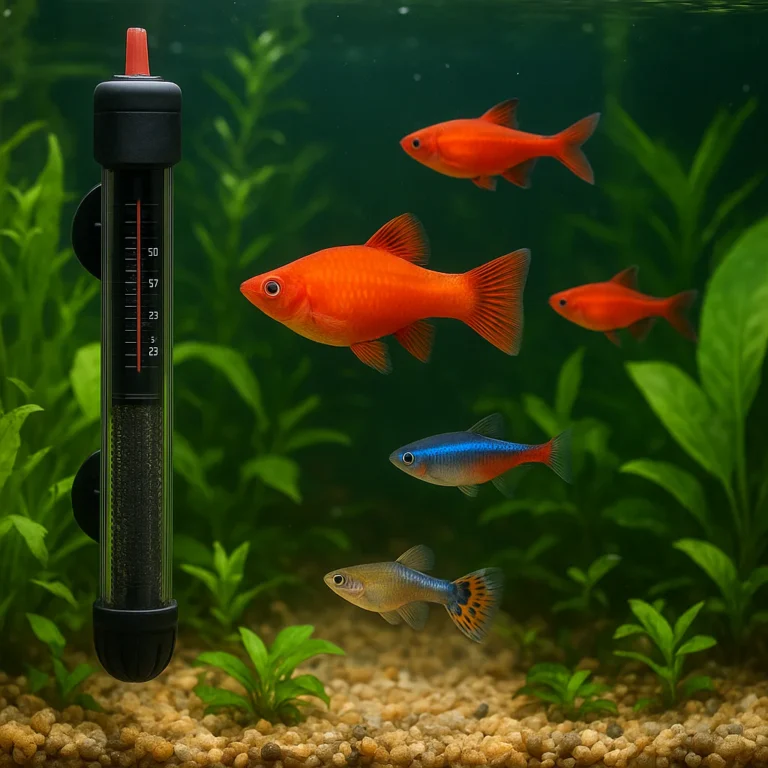
Maintain tropical temperatures with submersible heaters like the Eheim Jager or Fluval M series. Wattage depends on tank size (5 watts per gallon for small tanks, 3 watts for larger).

Thermometer

Liquid crystal stick-ons or digital in-tank thermometers like the Hygger Aquarium Thermometer provide accurate readings.


2️⃣ Must-Have Accessories to Enhance Your Aquarium Experience

Accessories are the instruments that add flair and functionality to your aquatic symphony.

Accessory Usefulness (1-10) Aesthetic Impact (1-10) Ease of Use (1-10) Overall (1-10)
Fish Nets 9 2 9 7
Water Conditioner 10 N/A 10 10
Gravel Cleaner 9 N/A 8 8.5
Algae Scraper 8 N/A 9 8
Water Bucket 7 N/A 10 7.5

Fish Nets

A medium-sized net with a telescopic handle is essential for safely moving fish. We love the Aqueon Aquarium Fish Net for its durability and soft mesh.

Water Conditioner

Tap water often contains chlorine and heavy metals. Seachem Prime is a top-rated conditioner that detoxifies water instantly and supports beneficial bacteria.

Gravel Cleaner

Siphons like the Python No Spill Gravel Vacuum make water changes a breeze by cleaning substrate without removing fish.

Algae Scraper

Magnetic algae scrapers (e.g., API Algae Scraper) let you clean tank glass without wet hands or stress to fish.

Water Bucket

Use a dedicated, soap-free bucket labeled “For Aquarium Use Only” to avoid contamination.


3️⃣ Water Quality and Filtration Systems: Keeping Your Tank Crystal Clear

Water quality is the heartbeat of your aquarium. Without it, your fish’s health and happiness plummet.

Types of Filtration

  • Mechanical Filtration: Removes physical debris (e.g., sponge filters, floss).
  • Biological Filtration: Houses beneficial bacteria that convert toxic ammonia to harmless nitrates.
  • Chemical Filtration: Uses activated carbon or resins to remove impurities and odors.

Our Top Picks for Filtration

Filter Model Tank Size Range Filter Type Noise Level Maintenance Ease User Rating (Amazon)
AquaClear 50 Up to 50 gallons Power Filter Low Easy 4.7/5
Fluval 407 Canister 40-70 gallons Canister Filter Very Low Moderate 4.6/5
Marineland Penguin 350 Up to 70 gallons Power Filter Moderate Easy 4.5/5

Filtration Tips from Aquarium Music™

  • Cycle your tank before adding fish to establish beneficial bacteria.
  • Clean filter media with tank water, not tap water, to preserve bacteria.
  • Replace carbon monthly for optimal chemical filtration.

4️⃣ Lighting Solutions: Bright Ideas for Healthy Fish and Plants

Lighting sets the mood and supports life in your aquarium. The right light can turn your tank into a dazzling underwater concert.

Types of Aquarium Lighting

  • LED Lights: Energy-efficient, customizable spectrums, long-lasting.
  • Fluorescent Lights: Traditional, affordable, but less efficient.
  • Metal Halide: Intense light for reef tanks, but high heat output.
Product Light Type Spectrum Options Energy Use User Friendliness Overall Rating
NICREW ClassicLED LED Full Spectrum Low Plug & Play 9/10
Finnex Planted+ 24/7 LED Programmable Low Advanced 9.5/10
Coralife T5 HO Fluorescent Limited Moderate Easy 7.5/10

Lighting Tips

  • Match lighting to your tank inhabitants: plants need full spectrum, fish prefer softer light.
  • Use timers to simulate natural day/night cycles.
  • Avoid over-lighting to prevent algae blooms.

5️⃣ Heating and Temperature Control: Creating the Perfect Habitat

Fish are cold-blooded maestros—temperature changes affect their metabolism and mood.

Heater Types

  • Submersible Heaters: Fully waterproof, placed inside the tank.
  • Inline Heaters: Installed in the filter system, ideal for larger tanks.

Our Heater Favorites

Model Wattage Options Accuracy Safety Features User Rating
Eheim Jager 50-300W ±1°F Shatterproof 4.8/5
Fluval M Series 50-300W ±1°F Auto shutoff 4.7/5
Cobalt Aquatics Neo 50-300W ±0.5°F Titanium shell 4.9/5

Temperature Tips

  • Use a reliable thermometer to monitor temps daily.
  • For tanks over 40 gallons, consider two smaller heaters for even heat distribution.
  • Avoid placing heaters near filters or water flow to prevent hotspots.

6️⃣ Substrate and Decoration Essentials: Building Your Underwater Wonderland

Substrate and decorations are the stage and scenery for your aquatic performance.

Substrate Options

  • Gravel: Easy to clean, good for fish that like to dig.
  • Sand: Natural look, preferred by bottom dwellers like Corydoras.
  • Plant Substrate: Nutrient-rich for live plants (e.g., Fluval Plant and Shrimp Stratum).

Decoration Choices

  • Live Plants: Oxygenate water, provide hiding spots, and reduce nitrates.
  • Rocks & Driftwood: Create caves and territories; ensure they are aquarium-safe.
  • Artificial Decor: Plastic or resin items for low-maintenance aesthetics.

Tips from Aquarium Music™

  • Rinse substrate thoroughly before adding to tank.
  • Avoid sharp decorations that can injure fish.
  • Mix live plants with decorations for a natural look and healthier environment.

7️⃣ Maintenance Tools and Supplies: Keeping Your Aquarium Sparkling

Maintenance is the conductor’s baton—without it, chaos ensues.

Tool Purpose Ease of Use Durability Recommended Brands
Gravel Vacuum Removes debris from substrate Easy High Python, Aqueon
Algae Magnet Cleans glass without water contact Very Easy Moderate API, Magnavore
Water Test Kits Measures ammonia, nitrite, pH Moderate N/A API Freshwater Master
Bucket (Dedicated) Water changes and mixing Easy High Any soap-free plastic
Aquarium Brushes Clean decorations and hard-to-reach spots Moderate High Marineland, Aqueon

Maintenance Routine

  • Weekly partial water changes (10-20%) keep toxins low.
  • Test water parameters weekly or biweekly.
  • Clean filters monthly but never all media at once to preserve bacteria.

8️⃣ Feeding Equipment and Nutritional Accessories: Happy Fish, Happy Tank

Feeding is the encore your fish eagerly await. Proper tools and nutrition keep your aquatic stars in top form.

Feeding Tools

  • Automatic Feeders: Great for vacations; brands like Eheim and Fish Mate are reliable.
  • Feeding Rings: Prevent food from scattering and dirtying the substrate.
  • Specialized Food: Flakes, pellets, frozen or live food tailored to species.

Nutritional Tips

  • Feed small amounts 1-2 times daily; avoid overfeeding to prevent water quality issues.
  • Rotate food types to ensure balanced nutrition.
  • Use supplements like Seachem Flourish for plant tanks.

9️⃣ Monitoring and Testing Kits: Stay Ahead of Aquarium Health Issues

Knowledge is power! Monitoring water parameters is your best defense against tank troubles.

Test Kit Parameters Tested Accuracy Ease of Use Recommended For
API Freshwater Master pH, Ammonia, Nitrite, Nitrate High Moderate All freshwater tanks
Salifert Test Kits GH, KH, pH, Ammonia Very High Moderate Advanced hobbyists
JBL ProScan Multi-parameter digital High Easy Tech-savvy keepers

Testing Tips

  • Test new tanks daily during cycling.
  • Keep a log of results to spot trends.
  • Replace test kits annually for accuracy.

🔧 Troubleshooting Common Equipment Issues: Tips from the Pros

Even the best gear can hit a sour note. Here’s how to keep your equipment performing:

  • Filter clogging: Clean media regularly; avoid overfeeding fish which increases waste.
  • Heater failure: Use a backup heater or controller; test regularly with a thermometer.
  • Lighting flicker: Check connections and replace bulbs or LEDs as needed.
  • Algae blooms: Reduce lighting duration and improve water changes.

Our aquarists swear by keeping spare parts handy and joining forums like Reef2Reef for community support.


🎨 Aquascaping Tools and Accessories: Crafting Your Underwater Masterpiece

Aquascaping is where creativity meets science. The right tools help you sculpt your aquatic canvas.

Essential Tools

  • Aquarium Tweezers: For planting delicate stems and rearranging substrate.
  • Scissors: Specialized curved scissors for trimming plants (e.g., ADA Aqua Scissors).
  • Planting Forks: Help anchor plants in substrate.
  • CO2 Systems: Boost plant growth; brands like Fluval and ISTA offer reliable kits.

Tips for Beginners

  • Start simple with hardy plants like Anubias and Java Fern.
  • Use a substrate designed for plants to provide nutrients.
  • Regular trimming keeps your aquascape tidy and healthy.

Explore more in our Aquascaping and Aquatic Plants section.


💡 Energy Efficiency and Eco-Friendly Equipment Choices

Going green underwater? Here’s how to keep your aquarium eco-friendly without sacrificing performance.

Energy-Saving Tips

  • Choose LED lighting over fluorescent or metal halide.
  • Use programmable timers to limit light and heater run times.
  • Opt for energy-efficient filters like the Fluval FX4.

Eco-Friendly Brands

  • AquaIllumination offers solar-powered lighting options.
  • Eheim is known for energy-efficient pumps and filters.

Reducing your tank’s carbon footprint helps both your fish and the planet!


🛒 Where to Buy Trusted Fish Tank Equipment: Brands and Retailers We Love

Ready to shop? Here’s where we recommend snagging your gear:

  • Amazon: Huge selection, user reviews, fast shipping.
  • Bulk Reef Supply: Specialist in reef and freshwater equipment.
  • Petco & PetSmart: Great for in-store advice and immediate pickup.
  • Marine Depot: Excellent for saltwater and reef supplies.
  • Brand Official Websites: For warranties and latest product info.

Happy shopping and happy fishkeeping! For more gear reviews, visit our Aquarium Equipment section.


Next up: The grand finale — your ultimate fish tank setup checklist awaits in the Conclusion!

Conclusion: Your Ultimate Fish Tank Setup Checklist

Congratulations, aquatic maestro! You’ve just navigated the full orchestra of essential fish tank equipment and accessories, from the foundational tank and filtration systems to the finer notes of aquascaping tools and eco-friendly gear. Remember, a successful aquarium is a harmonious blend of the right equipment, regular maintenance, and a splash of creativity.

Positives of Essential Fish Tank Equipment

  • Reliable filtration systems like AquaClear and Fluval keep your water crystal clear and fish healthy.
  • Quality heaters such as Eheim Jager ensure stable temperatures, critical for tropical species.
  • LED lighting options provide energy-efficient, customizable illumination that supports plant growth and showcases your aquatic stars.
  • Maintenance tools simplify cleaning and upkeep, reducing stress for both you and your fish.
  • Water testing kits empower you to monitor and maintain optimal water chemistry.

Considerations and Drawbacks

  • Some equipment, especially high-end filters and lighting, may require a learning curve to optimize.
  • Initial setup costs can be significant, but investing in quality gear pays off in fish health and longevity.
  • Regular maintenance is non-negotiable—equipment alone won’t save a neglected tank.

Our Confident Recommendation

Start with a well-sized tank (20-55 gallons), pair it with a trusted filtration system like the AquaClear 50 or Fluval 407, and add a reliable heater such as the Eheim Jager. Complement these with Seachem Prime water conditioner and API Freshwater Master Test Kit for water quality management. Don’t skimp on lighting—NICREW ClassicLED is a fantastic entry-level choice. Finally, arm yourself with maintenance essentials like a Python Gravel Vacuum and API Algae Scraper.

By following this setup, you’ll create a thriving, beautiful aquatic environment that’s music to your eyes and a healthy home for your fish.


Ready to build your dream tank? Here’s where to find the gear we trust and recommend:

  • The Simple Guide to Freshwater Aquariums by David E. Boruchowitz — A beginner-friendly manual packed with practical advice.
  • Aquascaping: A Step-by-Step Guide to Planting, Styling, and Maintaining Beautiful Aquariums by George Farmer — Perfect for those wanting to master underwater landscaping.
  • The Complete Aquarium Guide by Peter W. Scott — Comprehensive coverage of fish care, equipment, and tank setup.

FAQ: Your Burning Questions About Fish Tank Equipment Answered

What are the basic components of a fish tank setup?

The basic components include the aquarium tank itself, a sturdy stand, a filtration system, a heater (for tropical fish), a thermometer, substrate, lighting, and essential maintenance tools like nets and siphons. These work together to create a stable, healthy environment for your fish.

Read more about “22 Must-Have Marine Aquarium Equipment Essentials for 2025 🌊”

How do I choose the right size and type of fish tank for my space?

Consider your available space, the species and number of fish you want, and your maintenance commitment. Larger tanks (20+ gallons) are more stable and easier to maintain but require more room and equipment. Glass tanks are durable and scratch-resistant, while acrylic tanks are lighter and impact-resistant but scratch more easily.

What are the necessary water testing kits and equipment for a healthy aquarium?

At minimum, you need kits to test ammonia, nitrite, nitrate, and pH levels. The API Freshwater Master Test Kit is a popular all-in-one option. Regular testing helps detect water quality issues early, preventing fish stress and disease.

Read more about “20 Essential Aquatic Pet Care Tips to Transform Your Tank in 2025 🐠”

What kind of filtration system do I need for a thriving fish tank ecosystem?

Choose a filter rated for your tank size that offers mechanical, biological, and chemical filtration. For tanks under 40 gallons, power filters like the AquaClear 50 are excellent. Larger tanks benefit from canister filters such as the Fluval 407. Proper filtration maintains water clarity and removes toxins.

Read more about “🌿 7 Surprising Differences Between Planted & Traditional Fish Tanks (2025)”

What are the best lighting options for a fish tank to promote plant growth and visibility?

LED lighting is the top choice due to energy efficiency, customizable spectrums, and longevity. Products like the NICREW ClassicLED provide full-spectrum light ideal for plants and fish. Use timers to mimic natural day/night cycles and avoid algae overgrowth.

How can I decorate my fish tank to create a natural and engaging environment for my fish?

Use a mix of live plants, rocks, driftwood, and safe artificial decorations. Live plants oxygenate water and provide hiding spots, while rocks and wood create territories. Always rinse decorations and avoid sharp edges to protect your fish.

What are the must-have accessories for maintaining a clean and well-maintained fish tank?

Essential accessories include a gravel vacuum (like the Python No Spill), an algae scraper (magnetic types are user-friendly), dedicated water buckets, and fish nets. These tools make water changes, cleaning, and fish handling easier and safer.


Additional FAQs

How often should I perform water changes and maintenance?

Weekly partial water changes of 10-20% are ideal to keep toxins low. Filter media should be rinsed monthly with tank water to preserve beneficial bacteria.

Can I use tap water directly in my aquarium?

No! Tap water contains chlorine and heavy metals harmful to fish. Always treat it with a water conditioner like Seachem Prime before adding it to your tank.

What should I do if my aquarium equipment fails?

Have backup equipment on hand, especially heaters and filters. Regularly check and maintain your gear. Join forums like Reef2Reef for community advice and troubleshooting tips.


Read more about “Transform Your Space with 10 Stunning Fish Tank Ideas! 🐟 …”

For more expert advice and gear reviews, visit our Aquarium Equipment and Tank Maintenance sections at Aquarium Music™. Dive into your aquatic symphony with confidence! 🎶🐠

Leave a Reply

Your email address will not be published. Required fields are marked *