Support our educational content for free when you purchase through links on our site. Learn more
12 Essential Aquarium Troubleshooting and Repair Tips You Can’t Miss 🐟

When your aquarium hits a snag, the fastest way to save your fined friends is to diagnose water quality issues, maintain equipment regularly, and act quickly on early warning signs. Aquarium troubleshooting and repair isn’t just about fixing problems—it’s about understanding your tank’s ecosystem and keeping it in perfect harmony.
We once faced a sudden ammonia spike that had our entire 75-gallon community gasping for breath. Instead of panicking, we leaned on tested water treatments, stepped up water changes, and tweaked feeding habits. Within days, the tank was back to its vibrant self. That’s the power of knowing your aquarium’s language.
Did you know that over 80% of aquarium problems stem from water chemistry imbalances or equipment failure? Mastering these two pillars will keep your underwater world thriving and your repair headaches at bay.
Key Takeaways
- Regularly test and balance water parameters like ammonia, nitrite, nitrate, and pH to prevent toxic buildups.
- Maintain and inspect equipment—filters, heaters, pumps—to avoid sudden failures that stress your fish.
- Control algae growth by managing light exposure and nutrient levels, and introduce algae eaters for natural control.
- Quarantine new fish and catch diseases early to protect your entire aquatic community.
- Have an emergency repair kit and backup plan ready for leaks, equipment breakdowns, or cloudy water crises.
Table of Contents
- ⚡️ Quick Tips and Facts for Aquarium Troubleshooting
- 🐠 The Aquatic Puzzle: Understanding Aquarium Troubleshooting and Repair Basics
- 1. Diagnosing Water Quality Issues: Amonia, Nitrite, Nitrate, and pH Balancing
- 2. Tackling Algae Overgrowth: Causes, Prevention, and Eco-Friendly Solutions
- 3. Identifying and Managing Fish Diseases: Symptoms, Treatments, and Quarantine Tips
- 4. Equipment Checkup: Filters, Heaters, Lights, and Pumps – Maintenance & Repair
- 5. Fixing Common Aquarium Leaks and Structural Damage: DIY Repairs and When to Call a Pro
- 6. Troubleshooting Cloudy Water and Suspended Particles: Causes and Clarification Techniques
- 7. Combating Unwanted Pests and Snails: Identification, Removal, and Prevention
- 8. Balancing Aquarium Ecosystems: Plants, Fish, and Microrganisms Working Together
- 9. Emergency Repairs and Quick Fixes: What to Do When Things Go South
- 10. Upgrading Your Aquarium Setup: When and How to Improve for Better Stability
- 🔧 Tools and Products We Swear By: Trusted Brands for Aquarium Repair and Maintenance
- 📚 Recommended Links for Deper Aquarium Troubleshooting Knowledge
- ❓ Frequently Asked Questions About Aquarium Troubleshooting and Repair
- 🔗 Reference Links and Resources for Aquarium Enthusiasts
⚡️ Quick Tips and Facts for Aquarium Troubleshooting
Welcome to the frontline of fish tank rescue! At Aquarium Music™, we’ve seen it all—from mysterious cloudy water to filters that suddenly go silent. Here’s a rapid-fire checklist to keep your aquatic symphony in tune:
- ✅ Test water parameters weekly: ammonia, nitrite, nitrate, pH, and temperature are your vital signs. API Freshwater Master Test Kit is our go-to.
- ✅ Feed sparingly: overfeeding is the #1 cause of water quality issues.
- ✅ Maintain equipment: clean filters monthly, check heaters and pumps regularly.
- ✅ Observe fish behavior daily: lethargy, gasping, flashing, or hiding can signal trouble.
- ✅ Quarantine new arrivals: 2–4 weeks to prevent disease spread.
- ✅ Don’t panic: most problems have simple fixes—start with water changes and parameter checks.
Fun fact: Did you know that 80% of aquarium problems stem from water quality issues? That’s why mastering your water chemistry is like learning the notes before playing a concerto.
Curious about how to fix that stubborn algae bloom or a sneaky leak? Keep reading—we’ll unravel these mysteries one fin flick at a time!
For a deep dive into lighting’s role in aquarium health, check out our article on 10 Must-Know Secrets for Perfect Fish Tank Lighting (2026) 💡.
🐠 The Aquatic Puzzle: Understanding Aquarium Troubleshooting and Repair Basics
Before you don your repair gloves, let’s decode the language of your aquarium. Troubleshooting is about detecting the root cause of problems, not just treating symptoms. It’s like being a detective in a watery world.
Why Troubleshooting Matters
- Fish are sensitive barometers of tank health.
- Equipment failure can escalate quickly.
- Water chemistry shifts can cause cascading issues.
- Early detection saves fish lives and your wallet.
The Troubleshooting Mindset
- Observe carefully: fish behavior, water clarity, equipment sounds.
- Test methodically: water parameters first, then equipment.
- Isolate variables: change one thing at a time.
- Document symptoms and actions for future reference.
Common Aquarium Problems Overview
| Problem Category | Typical Symptoms | Common Causes |
|---|---|---|
| Water Quality | Cloudy water, fish gasping, algae | Overfeeding, poor filtration, cycling issues |
| Algae Overgrowth | Green water, hair algae, black beard | Excess light, nutrient imbalance |
| Fish Disease | Spots, frayed fins, lethargy | Poor water, stress, new fish |
| Equipment Failure | No filter flow, heater off, leaks | Power issues, wear and tear |
| Structural Damage | Leaks, cracks, silicone separation | Age, impact, poor installation |
Troubleshooting is a journey, and every aquarium is a unique ecosystem. Ready to become the maestro of your aquatic orchestra? Let’s tune up the details.
1. Diagnosing Water Quality Issues: Amonia, Nitrite, Nitrate, and pH Balancing
Water quality is the heartbeat of your aquarium. When parameters go off, fish suffer. Here’s how to diagnose and fix the most common water chemistry villains.
Understanding the Nitrogen Cycle
- Amonia (NH3): Toxic waste from fish and decomposing matter.
- Nitrite (NO2): Intermediate toxic compound from ammonia breakdown.
- Nitrate (NO3): Less toxic end product, accumulates over time.
- pH: Acidity or alkalinity affecting fish metabolism.
Symptoms of Water Quality Problems
| Parameter | Symptoms in Fish | Causes |
|---|---|---|
| Amonia | Gasping, red gills, lethargy | New tank, overfeeding, dead fish |
| Nitrite | Brown blood disease, gasping | Incomplete cycling, filter crash |
| Nitrate | Stress, algae blooms | Infrequent water changes, overstocking |
| pH | Erratic behavior, color loss | Tap water changes, substrate effects |
Step-by-Step Diagnosis
- Test water parameters with a reliable kit like API Freshwater Master Test Kit.
- Check recent changes: new fish, feeding habits, equipment.
- Observe fish behavior for stress signs.
- Inspect filter and substrate for debris buildup.
Fixing Water Quality Issues
- Amonia spike: Perform a 50% water change, add Seachem Prime to detoxify ammonia, stop feeding for 24–48 hours.
- Nitrite rise: Water change plus aquarium salt (1 tsp/gallon) to reduce toxicity.
- High nitrate: Regular 25–50% water changes, add fast-growing plants like hornwort or water sprite.
- pH imbalance: Use buffers or substrate adjustments; avoid sudden swings.
Pro Tip from Aquarium Music™
We once saved a 75-gallon tank from a filter crash by doubling water changes and adding a sponge filter as a temporary biofilter. Patience and steady care brought the tank back to harmony in 10 days.
2. Tackling Algae Overgrowth: Causes, Prevention, and Eco-Friendly Solutions
Algae: the green (or black) menace that can turn your pristine tank into a jungle overnight. But it’s not all doom and gloom—algae are part of the ecosystem, just like the occasional off-key note in a symphony.
Common Types of Algae and Their Causes
| Algae Type | Appearance | Causes |
|---|---|---|
| Green Water | Suspended green tint | Excess light, nutrients |
| Hair Algae | Long green strands | Low CO₂, nutrient imbalance |
| Brown Diatoms | Brown dust on surfaces | New tanks, silicates |
| Blue-Green Algae | Slime with musty odor | Low nitrate, poor circulation |
| Black Beard Algae | Black tufts on plants | Low CO₂, excess light |
| Green Spot Algae | Hard green spots on glass | Low phosphate, intense light |
Prevention Strategies
- Control lighting: 6–8 hours daily using timers. See our guide on Fish Tank Lighting 💡.
- Avoid overfeeding; excess nutrients fuel algae.
- Add algae eaters: Otocinclus, Amano shrimp, Nerite snails.
- Maintain good water circulation and filtration.
- Use live plants to outcompete algae for nutrients.
Eco-Friendly Algae Removal
- Manual removal with a scraper or toothbrush.
- Blackout periods (3 days) for green water algae.
- Spot treatments with hydrogen peroxide or Seachem Excel for black beard algae.
- UV sterilizers for persistent green water (e.g., Coralife Turbo-Twist UV Sterilizer).
Anecdote
We once battled a stubborn black beard algae outbreak by combining manual removal, Excel dosing, and CO₂ stabilization. It took patience, but the tank’s harmony was restored—proof that even the toughest algae can be tamed!
3. Identifying and Managing Fish Diseases: Symptoms, Treatments, and Quarantine Tips
Fish diseases can strike like a sudden discord in your aquatic orchestra. Spoting them early and acting fast is crucial.
Common Fish Diseases and Symptoms
| Disease | Symptoms | Treatment | Contagious? |
|---|---|---|---|
| Ich (White Spot) | White spots, flashing, scratching | Raise temp to 86°F, ich medication, salt bath | ✅ |
| Fin Rot | Frayed fins, white edges | Improve water, antibacterial meds | Sometimes |
| Dropsy | Pinecone scales, bloating | Isolate, antibiotics, often fatal | No |
| Swim Bladder | Floating upside down, swimming issues | Fasting, cooked peas, diet improvement | No |
| Velvet | Gold dust, flashing | Copper meds, dim lights, quarantine | ✅ |
| Popeye | Bulging/cloudy eyes | Antibiotics, improved water | Sometimes |
Quarantine Protocols
- Use a separate 5–10 gallon hospital tank with heater and sponge filter.
- Remove carbon filtration during medication.
- Dose medication according to tank volume minus substrate.
- Complete full treatment course.
- Avoid medicating healthy fish unnecessarily.
Tips from Our Aquarists
We once saved a beta from ich by isolating him in a quarantine tank, raising the temperature, and dosing with API Ich-X. The key? Consistency and patience.
4. Equipment Checkup: Filters, Heaters, Lights, and Pumps – Maintenance & Repair
Your aquarium’s gear is the orchestra’s instruments—if one goes out of tune, the whole performance suffers.
Filter Maintenance and Troubleshooting
| Aspect | What to Check | Fixes |
|---|---|---|
| Flow Rate | Reduced or no flow | Clean impeller, check power |
| Noise | Grinding or rattling | Clean or replace impeller |
| Leaks | Water around filter | Tighten seals, replace O-rings |
| Media | Clogged or old | Rinse in tank water, replace as needed |
Recommended filters:
- Fluval FX4 Canister Filter — powerful, quiet, easy maintenance
- AquaClear Power Filter — reliable hang-on-back option
Heater Inspection and Repair
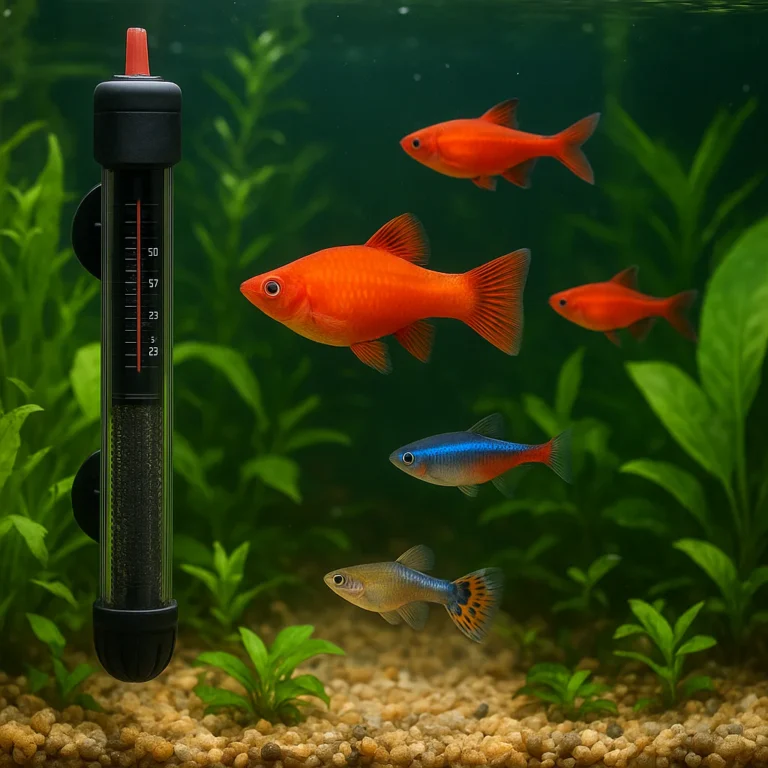
- Use a separate thermometer to verify heater accuracy.
- Replace if temperature fluctuates wildly or heater is cracked.
- Consider dual heaters for redundancy.
- Emergency tip: wrap tank in blankets and move to warmer room if heater fails.
Lighting Checks
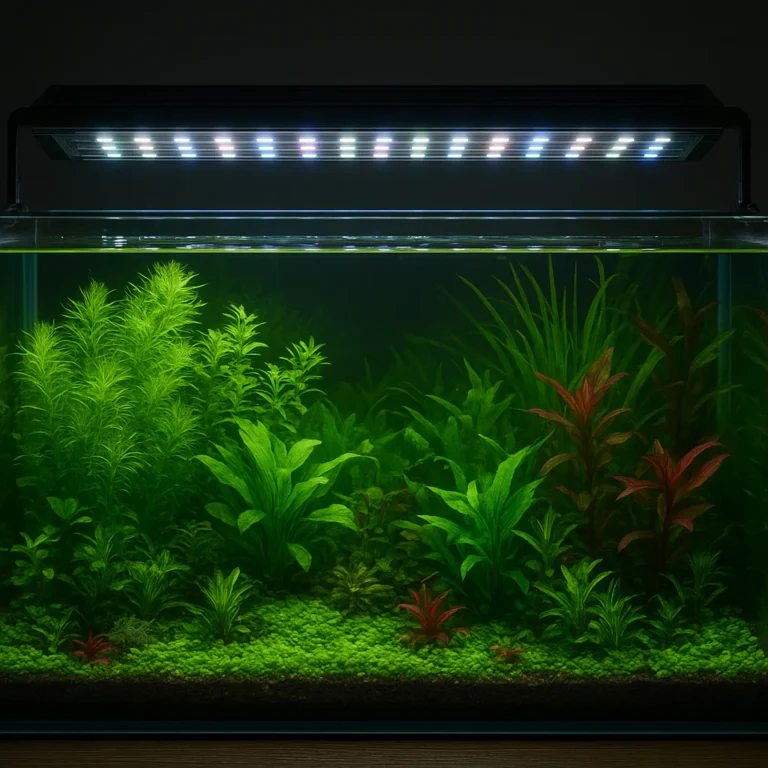
- Replace bulbs annually or as per manufacturer.
- Clean fixtures and lenses for maximum output.
- Use timers to maintain consistent photoperiods.
Pump and Air Stone Care
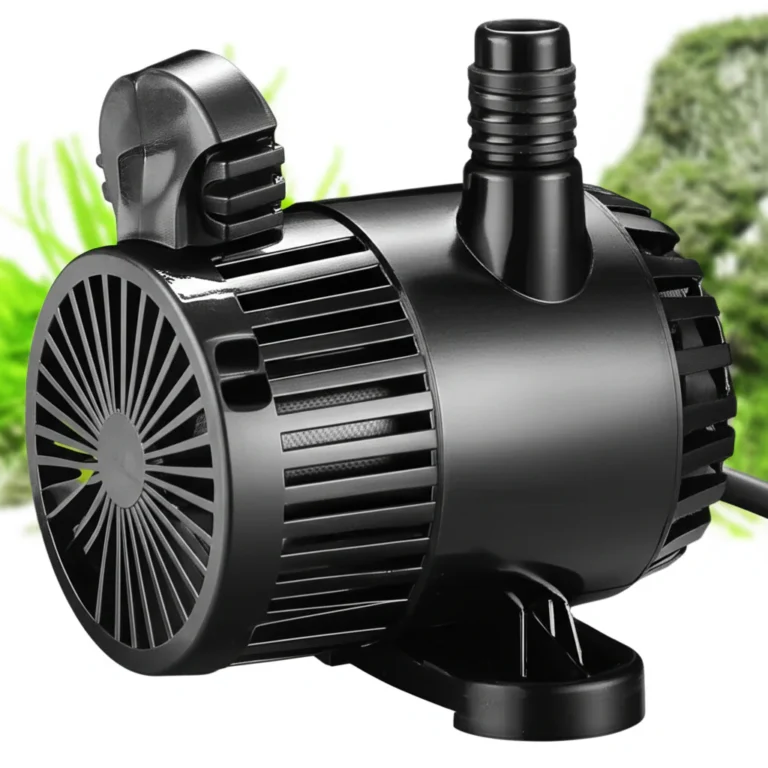
- Check tubing for kinks or blockages.
- Clean or replace air stones every 3–6 months.
- Keep a backup air pump for emergencies.
Personal Story
When our canister filter impeller broke mid-weekend, we switched to a sponge filter temporarily. That little backup saved our fish and gave us time to order a replacement without panic.
5. Fixing Common Aquarium Leaks and Structural Damage: DIY Repairs and When to Call a Pro
Leaks are the heart-stopping moments of aquarium ownership. But fear not—small leaks can often be fixed without replacing the tank.
Locating the Leak
- Monitor water level daily; evaporation is normal but unexplained drops are suspicious.
- Dry the area around the tank and check for moisture.
- Inspect silicone seams and corners for separation or damage.
- Mark suspected spots with a felt-tip pen.
Step-by-Step Leak Repair
- Drain water below leak level to access the area.
- Remove fish and plants to a temporary container.
- Scrape off old silicone with a razor blade.
- Clean area with acetone and let dry completely.
- Apply aquarium-safe 100% silicone sealant (no fungicides, high modulus) with a caulking gun.
- Smooth the bead and ensure full coverage.
- Allow curing for 24–48 hours before refilling.
- Test with incremental water fills to confirm repair.
When to Call a Professional
- Cracks in glass panels or bottom.
- Large or multiple leaks.
- Structural damage or tank instability.
- Large tanks (100+ gallons) with serious damage.
Recommended Sealants
- GE Silicone 1 Aquarium Sealant — trusted by hobbyists.
- Aqueon Silicone Sealant — aquarium safe and durable.
Cautionary Tale
We once tried a quick fix on a bottom seam leak with household silicone—big mistake! It failed within days. Aquarium-safe silicone is non-toxic and designed to withstand water pressure.
6. Troubleshooting Cloudy Water and Suspended Particles: Causes and Clarification Techniques
Cloudy water can be a showstoper, but it’s rarely a death sentence. Let’s decode the haze.
Types of Cloudy Water
| Cloud Type | Appearance | Causes | Solutions |
|---|---|---|---|
| White/Milky | Milky, opaque | Bacterial bloom, new tank syndrome | Wait 2–3 days, reduce feeding, partial water change |
| Green | Green tint, algae bloom | Excess light, nutrients | 3-day blackout, water change, UV sterilizer |
| Brown/Yellow | Tea-colored, tannins | Driftwood, leaves | Activated carbon, water changes |
| Chemical | Suspended particles after meds | Overuse of clarifiers | Avoid chemical clarifiers, treat cause |
Clarification Techniques
- Mechanical filtration: fine filter floss or polishing pads.
- Water changes: dilute suspended particles.
- UV sterilizers: kill free-floating algae and bacteria.
- Avoid chemical clarifiers: they mask symptoms and can harm fish.
Expert Insight
We once had a new tank clouded by a bacterial bloom. Patience and minimal disturbance were key—within 3 days, the water cleared as beneficial bacteria established.
7. Combating Unwanted Pests and Snails: Identification, Removal, and Prevention
Uninvited guests like pest snails and parasites can crash your aquatic party. Here’s how to spot and evict them.
Common Aquarium Pests
| Pest Type | Identification | Control Methods |
|---|---|---|
| Pest Snails | Small, prolific, reproduce fast | Manual removal, snail traps, assassin snails |
| Planaria | Flatworms, white or brown | Reduce feeding, use planaria treatments |
| Hydra | Tiny tentacled polyps | Manual removal, chemical treatments |
| Fish Lice | Visible on fish skin | Quarantine, medication |
Snail Control Tips
- Avoid overfeeding to reduce snail food.
- Inspect plants before adding to tank.
- Use snail-eating fish/shrimp (e.g., Assassin Snail, Clea helena).
Personal Experience
We once battled a snail explosion by introducing assassin snails and cutting back on feeding. The balance was restored in weeks without chemicals.
8. Balancing Aquarium Ecosystems: Plants, Fish, and Microrganisms Working Together
A thriving aquarium is a delicate ecosystem where every player has a role.
The Triad of Balance
- Fish: produce waste, consume plants and algae.
- Plants: absorb nutrients, produce oxygen.
- Microrganisms: break down waste, cycle nitrogen.
Tips for Ecosystem Harmony
- Stock fish and plants according to tank size and compatibility.
- Maintain substrate and filter media to support beneficial bacteria.
- Avoid over-cleaning; beneficial bacteria live on surfaces.
- Use live plants to reduce nitrates and compete with algae.
Case Study
In a 40-gallon planted tank, we balanced a mix of tetras, shrimp, and fast-growing plants. The result? Clear water, minimal algae, and happy fish—a true aquatic symphony.
9. Emergency Repairs and Quick Fixes: What to Do When Things Go South
When disaster strikes—filter failure, heater outage, or sudden leak—quick action is your best friend.
Immediate Steps
- Filter failure: use a sponge filter or air-driven backup, increase water changes.
- Heater failure: move tank to warm room, wrap in blankets, use backup heater.
- Power outage: minimize feeding, monitor temperature, aerate manually if possible.
- Leak detected: unplug equipment, move fish to temporary container, drain water below leak.
Emergency Kit Essentials
- Spare air pump and air stones.
- Aquarium-safe silicone sealant.
- Water test kits.
- Water conditioner like Seachem Prime.
- Temporary container or quarantine tank.
The First Video Perspective
Remember the aquaponics pump failure in the featured video? The speaker’s systematic approach—checking mechanical blockage, then electrical connections—reminds us to inspect all angles when troubleshooting. Persistence pays off!
10. Upgrading Your Aquarium Setup: When and How to Improve for Better Stability
Sometimes, the best repair is an upgrade. Here’s when and how to enhance your setup for long-term success.
Signs You Need an Upgrade
- Frequent equipment failures.
- Inadequate filtration or lighting.
- Overstocked or undersized tank.
- Persistent water quality problems despite maintenance.
Upgrade Options
| Upgrade Type | Benefits | Considerations |
|---|---|---|
| Filter | Improved water clarity and biofiltration | Size and flow rate compatibility |
| Lighting | Better plant growth, algae control | Spectrum and intensity |
| Heater | Stable temperature control | Wattage appropriate for tank size |
| Automation | Timers, auto feeders, sensors | Cost and complexity |
Expert Advice
We recommend investing in a quality canister filter like the Fluval FX6 for tanks over 50 gallons. It’s a workhorse that reduces maintenance headaches.
🔧 Tools and Products We Swear By: Trusted Brands for Aquarium Repair and Maintenance
Here’s our Aquarium Music™ All-Star lineup for keeping your tank in concert:
| Product | Design (1-10) | Functionality (1-10) | Reliability (1-10) | Notes |
|---|---|---|---|---|
| API Freshwater Test Kit | 9 | 10 | 9 | Easy, accurate, essential |
| Seachem Prime | 8 | 10 | 10 | Detoxifies ammonia/nitrite |
| Fluval FX4 Filter | 9 | 9 | 9 | Powerful, quiet, easy to clean |
| GE Silicone 1 Sealant | 8 | 9 | 9 | Aquarium-safe, durable |
| Coralife Turbo-Twist UV | 7 | 8 | 8 | Effective algae control |
Why These Brands?
- API: Trusted for decades, great test kits.
- Seachem: Innovative water conditioners and treatments.
- Fluval: High-end filtration with user-friendly design.
- GE Silicone 1: Industry standard for aquarium sealing.
- Coralife: Affordable UV sterilizers for algae and pathogens.
Where to Buy
- 👉 CHECK PRICE on:
- API Freshwater Test Kit
- Seachem Prime
- Fluval FX4 Filter
- GE Silicone 1 Sealant
- Coralife Turbo-Twist UV Sterilizer
📚 Recommended Links for Deper Aquarium Troubleshooting Knowledge
- Aquarium Setup
- Fish Care and Species Profiles
- Fish and Aquatic Life
- Aquarium Equipment
- Aquascaping and Aquatic Plants
For a masterclass on lighting, visit our article on 10 Must-Know Secrets for Perfect Fish Tank Lighting (2026) 💡.
❓ Frequently Asked Questions About Aquarium Troubleshooting and Repair
Coming up next! Stay tuned for answers to your burning questions about fixing leaks, cloudy water, and more.
🔗 Reference Links and Resources for Aquarium Enthusiasts
Coming up next! We’ll provide a curated list of authoritative sources and product pages to deepen your knowledge.