Support our educational content for free when you purchase through links on our site. Learn more
How to Prevent Algae & Keep Crystal-Clear Fish Tank Water (2026) 🌊


Ever stared into your fish tank only to find it looking more like a green swamp than a sparkling aquatic paradise? You’re not alone! Algae growth is the bane of many aquarists, turning pristine waters murky and robbing your underwater friends of their natural beauty. But what if we told you that with the right balance of lighting, nutrients, and a few clever tricks, you could keep your tank so clear it’s like looking through liquid glass?
In this comprehensive guide, the aquarists and aquascapers at Aquarium Music™ share 12 proven methods to prevent algae growth and maintain crystal-clear water. From optimizing your lighting schedule and selecting the perfect filtration system to assembling a clean-up crew of algae-eating heroes, we cover every angle. Plus, we’ll bust common myths, troubleshoot stubborn algae problems, and recommend the best products to keep your tank sparkling all year long.
Curious about how a simple “siesta” lighting schedule can disrupt algae’s growth cycle? Or why your beloved Pleco might actually be fueling the algae problem? Stick around — the answers await!
Key Takeaways
- Control lighting duration and intensity to starve algae of its energy source.
- Maintain stable water chemistry by monitoring nitrates, phosphates, and CO2 levels.
- Perform regular water changes (20-25% weekly) to prevent nutrient buildup.
- Use effective filtration and chemical media like Seachem Purigen and PhosGuard.
- Introduce algae-eating species such as Amano shrimp and Nerite snails for natural control.
- Employ live plants and smart aquascaping to outcompete algae for nutrients.
- Avoid overfeeding to reduce organic waste that feeds algae.
- Consider UV sterilizers for tackling green water and bacterial blooms.
Ready to transform your tank into a crystal-clear aquatic masterpiece? Let’s dive in!
Table of Contents
- ⚡️ Quick Tips and Facts for Crystal-Clear Aquarium Water
- 🌿 Understanding Algae: What Causes It and Why It Thrives
- 💡 The Science Behind Algae Growth in Fish Tanks
- 🛠️ 12 Proven Methods to Prevent Algae Growth in Your Aquarium
- 1. Optimize Aquarium Lighting: Duration and Intensity
- 2. Maintain Proper Water Chemistry and Parameters
- 3. Regular Water Changes: Frequency and Techniques
- 4. Use Effective Filtration Systems and Media
- 5. Introduce Algae-Eating Fish and Invertebrates
- 6. Control Nutrient Levels: Nitrates and Phosphates
- 7. Employ Live Plants to Outcompete Algae
- 8. Manual Removal: Scrubbing and Vacuuming
- 9. Use Algaecides Wisely: When and How
- 10. UV Sterilizers: Do They Really Work?
- 11. Avoid Overfeeding Your Fish
- 12. Monitor and Adjust Aquarium Temperature
- 🔧 Choosing the Best Aquarium Equipment to Combat Algae
- 🌱 Aquascaping Tips: Designing Your Tank to Minimize Algae
- 📅 Creating a Maintenance Schedule for Long-Term Water Clarity
- 🧪 Testing and Monitoring: Tools and Techniques for Water Quality
- 🐠 Fish Tank Algae Myths Debunked: What Really Works?
- 🌊 Troubleshooting Persistent Algae Problems: Expert Solutions
- 📚 Recommended Products and Brands for Algae Control
- 🎉 Conclusion: Enjoying a Sparkling, Healthy Aquarium
- 🔗 Recommended Links for Further Reading
- ❓ Frequently Asked Questions (FAQ) About Aquarium Algae and Water Clarity
- 📑 Reference Links and Scientific Sources
⚡️ Quick Tips and Facts for Crystal-Clear Aquarium Water
Before we dive into the deep end, let’s look at the “cheat sheet” for keeping your glass so clear your fish might think they’re flying. Understanding What’s the Real Cost of Setting Up & Maintaining a Fish Tank? (2026) 🐟 is the first step in realizing that prevention is much cheaper than the cure!
| Feature | The “Clear Water” Standard | Why It Matters |
|---|---|---|
| Lighting Duration | 6–8 hours per day | Prevents photosynthesis overkill for algae. |
| Water Changes | 20% weekly | Exports nitrates and phosphates (algae fuel). |
| Feeding | Once daily (what they eat in 2 mins) | Reduces organic waste and “mulm” buildup. |
| Planting Density | High (70% of substrate covered) | Plants outcompete algae for nutrients. |
| Filtration | 4x to 10x tank volume per hour | Keeps water polished and oxygenated. |
Quick Facts:
- ✅ Algae isn’t always “bad”; it’s a sign of a functioning ecosystem, just one that’s out of balance.
- ❌ Direct sunlight is the #1 cause of “Green Water” (phytoplankton blooms).
- ✅ Nerite Snails are the “special forces” of algae removal—they won’t breed in freshwater!
🌿 Understanding Algae: What Causes It and Why It Thrives
In the world of Aquarium Setup, algae is the uninvited house guest that drinks all your soda and never leaves the couch. But to kick it out, we have to understand why it showed up. Historically, early aquarists in the Victorian era struggled with “the green veil,” often keeping tanks in dark parlors to avoid the sun’s wrath.
Algae thrives on a “Holy Trinity” of factors: Light, Nutrients (Nitrates/Phosphates), and Carbon Dioxide. When one of these is out of sync with your plants’ needs, algae seizes the opportunity. It’s an opportunist, evolving over billions of years to survive in conditions where higher plants might fail.
💡 The Science Behind Algae Growth in Fish Tanks
Why does your tank look like pea soup while your neighbor’s is sparkling? It comes down to the Redfield Ratio—the molecular ratio of carbon, nitrogen, and phosphorus. In a closed system like a fish tank, nitrogen (from fish waste) and phosphorus (from fish food) accumulate rapidly.
According to research on aquatic ecology, when nitrates exceed 20ppm or phosphates exceed 0.5ppm, you’re essentially laying out a buffet for Black Beard Algae (BBA) and Hair Algae. We’ll talk later about how to “starve” these pests without starving your fish, but first, let’s look at the tools of the trade.
🛠️ 12 Proven Methods to Prevent Algae Growth in Your Aquarium
1. Optimize Aquarium Lighting: Duration and Intensity
Most beginners leave their lights on from breakfast until bedtime. Big mistake. As noted in the featured video, “Start off with six hours a day… then turn them off around bedtime.”
- Use a Timer: We highly recommend the Kasa Smart Plug to automate your “photoperiod.”
- Siesta Method: Try 4 hours on, 2 hours off, 4 hours on. Plants handle the break fine; algae hates it.
2. Maintain Proper Water Chemistry and Parameters
Stability is king. Fluctuating CO2 levels are a primary trigger for BBA. Use an API Master Test Kit to monitor your levels weekly.
3. Regular Water Changes: Frequency and Techniques
While some sources suggest 10-15%, we at Aquarium Music™ recommend a 20-25% weekly change. Why? Because it provides a larger “buffer” against nutrient spikes. Use a Python No Spill Clean and Fill to make this chore effortless.
4. Use Effective Filtration Systems and Media
Your filter shouldn’t just move water; it should scrub it.
- Mechanical: Use fine poly-fil to catch floating spores.
- Chemical: Seachem Purigen is a “godsend” for crystal-clear water, as it removes organic waste before it turns into nitrate.
5. Introduce Algae-Eating Fish and Invertebrates
The “Clean-Up Crew” (CUC) is essential for Fish Care and Species Profiles.
- Amano Shrimp: The heavy lifters of the shrimp world.
- Otocinclus Catfish: Perfect for diatom (brown algae) control.
- Siamese Algae Eaters (SAE): The only fish that reliably eats Black Beard Algae.
6. Control Nutrient Levels: Nitrates and Phosphates
Excess phosphates often come from low-quality flake food. Switch to high-quality pellets like NorthFin Fish Food or New Life Spectrum.
7. Employ Live Plants to Outcompete Algae
This is the “Silent War.” Plants and algae eat the same food. If you have enough Aquascaping and Aquatic Plants, the algae simply starves. Floating plants like Frogbit or Salvinia are nutrient sponges because they have access to atmospheric CO2.
8. Manual Removal: Scrubbing and Vacuuming
Don’t let it take hold! Use a Mag-Float Glass Cleaner every few days. If you see a tuft of hair algae, pull it out immediately.
9. Use Algaecides Wisely: When and How
Products like API Algaefix can be effective, but use caution. There is a conflict in hobbyist circles: some claim it’s dangerous for invertebrates, while others swear by it. Our take: Only use algaecides as a last resort and ensure you have heavy aeration, as dying algae consumes massive amounts of oxygen.
10. UV Sterilizers: Do They Really Work?
Yes. For “Green Water” (suspended algae), a UV sterilizer like the Coralife Turbo-Twist is a miracle worker. It kills the spores as they pass through the light chamber.
11. Avoid Overfeeding Your Fish
If food hits the substrate, you’ve fed too much. Overfeeding is the #1 cause of phosphate spikes. As the first YouTube video suggests, “Feed your fish only what they can consume in a minute or two.”
12. Monitor and Adjust Aquarium Temperature
Higher temperatures (above 82°F) can accelerate algae growth and decay. Keep your tank in the 76-78°F range for most tropical communities using a reliable heater like the Fluval E-Series.
🔧 Choosing the Best Aquarium Equipment to Combat Algae
When it comes to Tank Maintenance, your gear is your frontline defense. We’ve rated the top brands based on our years of “wet thumb” experience.
| Brand/Product | Design | Functionality | Ease of Use | Overall Rating |
|---|---|---|---|---|
| Fluval FX6 Canister | 9/10 | 10/10 | 8/10 | 9.0 |
| API Master Test Kit | 7/10 | 9/10 | 8/10 | 8.0 |
| Seachem Excel | 8/10 | 8/10 | 9/10 | 8.3 |
| Twinstar Algae Inhibitor | 10/10 | 7/10 | 10/10 | 9.0 |
Detailed Analysis:
- Fluval FX6: The “beast” of filtration. Its massive surface area for beneficial bacteria ensures that ammonia and nitrite (algae triggers) are processed instantly.
- Seachem Excel: Often called “liquid carbon,” it’s actually a glutaraldehyde-based algaecide that plants love and algae hates. It’s particularly effective against BBA when spot-treated with a syringe.
👉 Shop Equipment on:
- Fluval: Amazon | Petco | Fluval Official
- Seachem: Amazon | Bulk Reef Supply | Seachem Official
🌱 Aquascaping Tips: Designing Your Tank to Minimize Algae
The way you arrange your Fish and Aquatic Life matters!
- Hardscape Placement: Don’t place large rocks directly under the light source where flow is restricted. These “dead spots” are breeding grounds for Cyanobacteria (Blue-Green Algae).
- Planting Heavily from Day 1: Don’t wait for plants to grow in. Start with a high biomass of fast-growing stems like Hygrophila or Ludwigia.
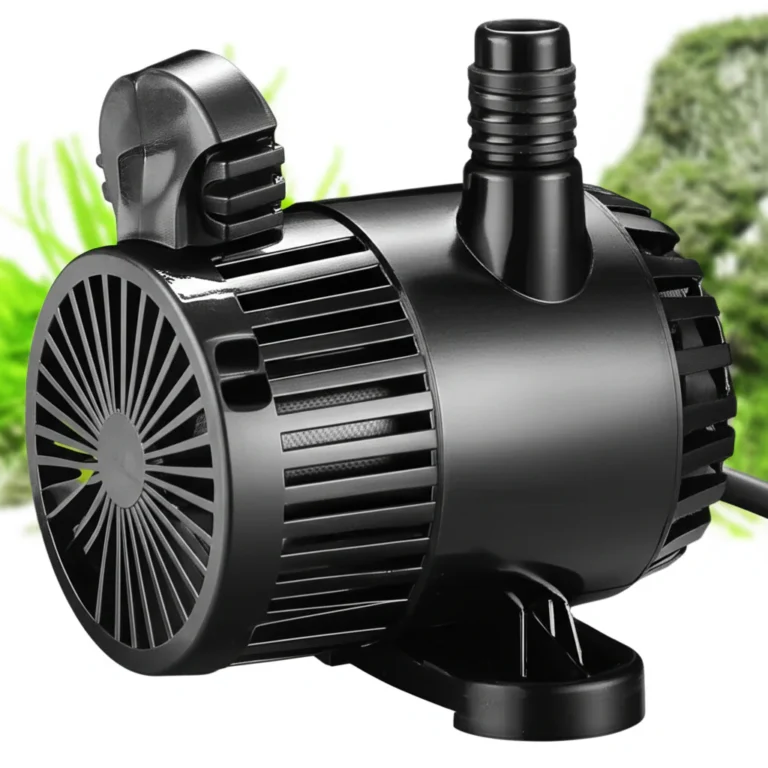
- Flow is Key: Use a small powerhead like the Sicce Voyager to ensure nutrients reach every plant leaf and waste is pushed toward the filter intake.
📅 Creating a Maintenance Schedule for Long-Term Water Clarity
Consistency beats intensity every time. Here is the Aquarium Music™ “Crystal Clear” Schedule:
- Daily: Check temperature, feed sparingly, and observe fish behavior.
- Weekly: 20% water change, scrape glass, trim dead plant leaves (decaying leaves = algae food!).
- Monthly: Clean filter sponges in removed tank water (never tap water!), test all parameters.
- Every 6 Months: Replace UV bulbs and check impeller assemblies.
🧪 Testing and Monitoring: Tools and Techniques for Water Quality
Don’t guess—test! We’ve seen hobbyists dump chemicals into tanks only to find out their “algae problem” was actually a lighting issue.
- TDS Meter: A Total Dissolved Solids meter tells you when your water is “tired” and needs a change.
- Phosphate Kits: Standard kits often miss phosphates. Use the Hanna Checkers for laboratory-grade accuracy.
🐠 Fish Tank Algae Myths Debunked: What Really Works?
- Myth: “Plecos will keep my tank clean.”
- Reality: Common Plecos grow to 2 feet long and produce more waste than they consume. They are “poop machines” that actually fuel more algae. Stick to Bristlenose Plecos or Nerite Snails.
- Myth: “Algae means my tank is dirty.”
- Reality: Even the cleanest tanks get algae. It’s about balance, not sterility.
- Myth: “Turning off the lights for a week will kill all algae.”
- Reality: This is called a “Blackout.” It kills the symptoms but not the cause. If your nutrients are still high, the algae will return the moment the lights flick back on.
🌊 Troubleshooting Persistent Algae Problems: Expert Solutions
Are you dealing with the dreaded Staghorn Algae or the slimy Cyanobacteria?
- For Cyanobacteria: This isn’t actually algae; it’s bacteria. Use Ultralife Blue Green Slime Stain Remover. It works like magic without harming your bio-filter.
- For Green Water: If your tank looks like lime Gatorade, check for ammonia spikes. A single dead fish can trigger a bloom. Use a UV sterilizer or a 3-day total blackout.
But what if you’ve tried everything and the water is still cloudy? Could it be a bacterial bloom instead of algae? We’ll solve that mystery in the next section.
📚 Recommended Products and Brands for Algae Control
Based on our team’s personal experience, these are the “Must-Haves” for your cabinet:
- Water Conditioners: Seachem Prime (The industry standard).
- Algae Scrapers: Flipper Cleaner (Flips from scrubber to blade).
- Nutrient Control: PhosGuard for rapid phosphate removal.
- Biological Boosters: FritzZyme 7 to ensure your nitrogen cycle is robust.
👉 CHECK PRICE on:
- API Algaefix: Amazon | Chewy | API Official
- Amano Shrimp: eBay Live Fish | Flip Aquatics
- UV Sterilizers: Amazon | Bulk Reef Supply
🎉 Conclusion: Enjoying a Sparkling, Healthy Aquarium

Well, we’ve navigated the murky waters of algae control and crystal-clear aquarium maintenance together, and if you’ve stuck with us this far, you’re now armed with the ultimate toolkit to keep your tank sparkling. From optimizing lighting schedules and mastering nutrient control to choosing the right filtration systems and assembling a clean-up crew of algae-eating heroes, you have the expert roadmap to success.
Remember our unresolved question about persistent cloudiness? Often, it’s not algae but a bacterial bloom triggered by excess organic waste or sudden water chemistry shifts. The solution? Patience, proper filtration, and sometimes a UV sterilizer to “zap” those free-floating microbes.
Regarding algaecides like API Algaefix, they can be a useful emergency weapon but are no substitute for good husbandry. Use them sparingly and always monitor your tank’s inhabitants closely.
In short: prevention beats cure every time. Consistent maintenance, balanced lighting, and nutrient management create an environment where algae simply can’t dominate. Your fish will thank you with vibrant colors and lively antics, and your tank will be a stunning aquatic symphony.
🔗 Recommended Links for Further Reading and Shopping
👉 CHECK PRICE on:
-
API Algaefix:
Amazon | Chewy | API Official -
Seachem Prime Water Conditioner:
Amazon | Bulk Reef Supply | Seachem Official -
Fluval FX6 Canister Filter:
Amazon | Petco | Fluval Official -
Coralife Turbo-Twist UV Sterilizer:
Amazon | Bulk Reef Supply -
Amano Shrimp (Clean-Up Crew):
eBay Live Fish | Flip Aquatics -
Seachem PhosGuard (Phosphate Remover):
Amazon | Bulk Reef Supply
Recommended Books for Deep Dives 📚
-
The Simple Guide to Freshwater Aquariums by David E. Boruchowitz
Amazon Link -
Aquarium Algae: How to Identify and Control It by Bob Fenner
Amazon Link -
The Complete Aquarium Guide by Peter W. Scott
Amazon Link
❓ Frequently Asked Questions (FAQ) About Aquarium Algae and Water Clarity

What role do water filters and filtration systems play in maintaining clear water and preventing algae growth in a fish tank?
Water filters are your aquarium’s lungs and kidneys combined. They remove physical debris, biological waste, and chemical toxins. Mechanical filtration traps particles that can cloud water or decompose into algae nutrients. Biological filtration hosts beneficial bacteria that convert toxic ammonia and nitrites into less harmful nitrates, which, if unchecked, fuel algae blooms. Chemical filtration media like activated carbon or Purigen remove dissolved organics that can discolor water and promote algae growth.
Bottom line: A high-quality, properly maintained filter is essential for nutrient control and water clarity. Brands like Fluval and Eheim are industry favorites for their reliability and efficiency.
What are some common mistakes that can lead to algae overgrowth in a fish tank, and how can I avoid them?
Common pitfalls include:
- Overfeeding: Excess food decomposes, increasing nitrates and phosphates.
- Excessive lighting: Leaving aquarium lights on more than 8-10 hours daily.
- Infrequent water changes: Allowing nutrient buildup.
- Poor filtration: Insufficient or dirty filters fail to remove waste.
- Ignoring dead plant matter: Decaying leaves release nutrients algae love.
Avoidance: Feed sparingly, use timers for lighting, perform regular water changes (20% weekly), maintain your filter, and remove dead plant debris promptly.
How does proper tank lighting affect algae growth, and what types of lighting are best for preventing algae?
Algae rely on light for photosynthesis. Too much light or the wrong spectrum encourages algae to bloom. LED lights with adjustable intensity and timers are ideal. Aim for 6-8 hours of light daily, and avoid direct sunlight on the tank.
Using a “siesta” lighting schedule (split photoperiod) can disrupt algae growth cycles. Plants thrive under full-spectrum lighting (6500K), which supports healthy growth and outcompetes algae.
Can I use algae-eating fish or invertebrates to help control algae growth in my tank?
Absolutely! Species like:
- Nerite Snails: Excellent at cleaning glass and hard-to-reach spots.
- Amano Shrimp: Voracious eaters of soft algae and detritus.
- Siamese Algae Eaters: Unique fish that consume tough algae types like Black Beard Algae.
- Otocinclus Catfish: Gentle algae grazers for smaller tanks.
They complement maintenance but don’t replace proper husbandry.
What are the ideal water parameters for a healthy and algae-free fish tank ecosystem?
Ideal parameters vary by species but generally:
| Parameter | Freshwater Tropical Tanks |
|---|---|
| Temperature | 76–78°F (24–26°C) |
| pH | 6.8–7.5 |
| Ammonia | 0 ppm |
| Nitrite | 0 ppm |
| Nitrate | < 20 ppm |
| Phosphate | < 0.5 ppm |
Maintaining these reduces stress on fish and plants and limits algae-friendly conditions.
How often should I change the water in my fish tank to prevent algae growth and maintain water clarity?
A 20-25% water change weekly is optimal. This removes excess nutrients and organic waste before algae can exploit them. Smaller, more frequent changes are better than infrequent large changes, which can shock your aquatic life.
What are the best methods for removing algae from a fish tank without harming the fish?
- Manual removal: Use magnetic scrapers or algae pads to clean glass.
- Vacuum substrate: Removes detritus and uneaten food.
- Spot treatment: Use diluted Seachem Excel or similar liquid carbon products carefully.
- Introduce algae eaters: As discussed above.
Avoid harsh chemicals or algaecides unless absolutely necessary.
What are the best natural methods to control algae in a fish tank?
- Live plants: Outcompete algae for nutrients.
- Proper lighting: Controlled photoperiods.
- Balanced feeding: Prevent nutrient spikes.
- Good filtration: Keeps water clean.
- Clean-up crew: Snails, shrimp, and algae-eating fish.
Natural methods promote a balanced ecosystem rather than just killing algae.
How often should I clean my fish tank to prevent algae buildup?
- Glass cleaning: Every 3–5 days.
- Filter maintenance: Monthly, rinsing media in tank water.
- Water changes: Weekly.
- Plant trimming: Weekly to remove dead leaves.
Regular maintenance keeps algae in check and your tank healthy.
Can live plants help reduce algae growth in aquariums?
Yes! Live plants consume nitrates and phosphates, which algae need to thrive. Fast-growing plants like Hornwort, Water Wisteria, and Duckweed are particularly effective. They also shade algae-prone areas and improve oxygenation.
What role does lighting play in algae control for fish tanks?
Lighting controls photosynthesis. Too much light or the wrong spectrum encourages algae growth. Using timers and choosing full-spectrum LED lighting with adjustable intensity helps maintain balance. Avoid direct sunlight to prevent uncontrolled blooms.
How does water quality affect algae growth in aquariums?
Poor water quality means excess nutrients like nitrates and phosphates accumulate, feeding algae. Ammonia and nitrite spikes stress fish and plants, weakening their ability to compete with algae. Regular testing and water changes maintain optimal water chemistry.
Which fish species are effective algae eaters for maintaining clear water?
- Siamese Algae Eater (Crossocheilus oblongus)
- Otocinclus Catfish
- Bristlenose Pleco (Ancistrus sp.)
- Chinese Algae Eater (Epalzeorhynchos kalopterus)
- Twig Catfish (Farlowella spp.)
Choose species compatible with your tank size and community.
What are the common mistakes that lead to excessive algae in fish tanks?
- Overfeeding
- Excessive lighting
- Infrequent water changes
- Poor filtration
- Overstocking fish
- Ignoring dead plant matter
- Using tap water without conditioning
Avoid these to maintain a balanced, algae-resistant aquarium.
📑 Reference Links and Scientific Sources
- API Algaefix Product Page
- Seachem Official Website
- Fluval Official Website
- Coralife Official Website
- Aquarium Algae Control – ScienceDirect
- Aquarium Lighting and Algae Management – The Spruce Pets
- Aquarium Music™ Fish Care and Species Profiles
- Aquarium Music™ Aquarium Setup
- Aquarium Music™ Tank Maintenance
- Aquarium Music™ Aquascaping and Aquatic Plants
- Facebook Group Post on Algae Control and Clear Water: How to keep pond water clear and prevent algae growth?
Your aquarium is a living symphony, and with these tips and tools, you’re the maestro conducting a masterpiece of crystal-clear water and vibrant aquatic life. Happy aquascaping! 🎶🐠🌿