Support our educational content for free when you purchase through links on our site. Learn more
21 Low-Maintenance Fish Species for Busy Aquarium Owners (2026) 🐠

If you’ve ever dreamed of a vibrant, thriving aquarium but felt held back by a hectic schedule, you’re not alone. At Aquarium Music™, we’ve helped countless busy fish lovers create stunning tanks that practically run themselves. Did you know some fish species are so hardy and adaptable that they can forgive missed feedings, fluctuating water conditions, and irregular maintenance? Intrigued? Keep reading to discover 21 of the most resilient, colorful, and easy-care fish perfect for your busy lifestyle.
In this article, we’ll dive deep into the best low-maintenance fish species—from the indestructible Zebra Danios to the algae-eating Amano Shrimp—and share expert tips on setting up a tank that stays healthy with minimal effort. Plus, we’ll reveal the secret “lazy” weekly routine that keeps your aquatic friends happy without eating up your time. Ready to meet your new finned companions?
Key Takeaways
- Choose hardy, adaptable fish like Zebra Danios, Cherry Barbs, and Corydoras for easy care.
- Automate feeding and lighting to reduce daily maintenance stress.
- Set up low-tech tanks with reliable filtration and low-light plants to maintain water quality naturally.
- Stick to a simple 15-minute weekly routine including partial water changes and quick inspections.
- Avoid delicate or aggressive species that require constant attention or specialized care.
Dive into our full guide to transform your aquarium into a low-maintenance aquatic paradise!
Table of Contents
- ⚡️ Quick Tips and Facts
- 🌊 The Evolution of the “Set It and Forget It” Aquarium
- 🤔 Why Busy Humans Need Resilient Fin-Friends
- 🏆 21 Hardiest Fish Species for the Time-Strapped Aquarist
- 1. Zebra Danios: The Indestructible Speedsters
- 2. White Cloud Mountain Minnows: The “Poor Man’s Neon”
- 3. Cherry Barbs: Low-Maintenance Color Pops
- 4. Betta Fish: The King of the Solo Nano Tank
- 5. Bronze Corydoras: The Bottom-Dwelling Cleanup Crew
- 6. Bristlenose Plecos: The Algae-Eating Workhorses
- 7. Kuhli Loaches: The Nocturnal Noodle Squad
- 8. Platies: The Colorful Livebearer Champions
- 9. Mollies: Salt-Tolerant and Super Tough
- 10. Swordtails: Elegant and Easygoing
- 11. Neon Tetras: The Classic Low-Tech Choice
- 12. Ember Tetras: Tiny Gems for Small Spaces
- 13. Harlequin Rasboras: Schooling Without the Stress
- 14. Celestial Pearl Danios: Nature’s Living Art
- 15. Endler’s Livebearers: Small Size, Big Personality
- 16. Honey Gourami: The Peaceful Centerpiece
- 17. Paradise Fish: The Original Cold-Water Warrior
- 18. Rosy Barbs: Robust and Radiant
- 19. Golden Dwarf Barbs: The Underrated Nano Star
- 20. Mystery Snails: The Ultimate Low-Maintenance Invertebrate
- 21. Amano Shrimp: The Algae-Destroying Powerhouse
- 🛠 Setting Up for Success: The Low-Tech Secret Sauce
- 🤖 Gadgets That Do the Dirty Work: Automation for Aquarists
- 🌿 Low-Light Plants: The Ultimate Bio-Filters
- 📅 The “Lazy” 15-Minute Weekly Routine
- 🧪 Water Parameters 101: Keeping It Stable Without the Stress
- 🔚 Conclusion
- 🔗 Recommended Links
- ❓ FAQ
- 📚 Reference Links
⚡️ Quick Tips and Facts
Welcome to the ultimate cheat sheet for busy aquarium owners who want thriving tanks without the daily grind! At Aquarium Music™, we’ve seen it all—from the frantic newbie who forgot to feed their fish for a week, to the seasoned aquarist who juggles a full-time job and still keeps a lush, vibrant aquarium.
Here’s your starter pack of must-know facts and tips for low-maintenance fish:
- ✅ Choose hardy species that tolerate a wide range of water parameters. These fish forgive the occasional slip-up.
- ✅ Keep it simple: Avoid overstocking to reduce water quality issues and stress.
- ✅ Automate feeding with reliable automatic feeders like the Eheim Everyday Fish Feeder or the Fish Mate F14.
- ✅ Regular water changes are vital but can be simplified to 10-15% weekly. Check out our detailed guide on Why Regular Water Changes Are Vital for Your Fish Tank 🐠.
- ✅ Use low-tech setups with hardy plants and good filtration to reduce algae and maintain balance.
- ❌ Avoid delicate or high-maintenance species like Discus or certain Cichlids—they demand constant attention.
- ❌ Don’t mix aggressive species with peaceful ones; it leads to stress and injuries.
Fun fact: Zebra Danios are so resilient they’ve been sent to space on NASA experiments! Talk about tough fish. 🐟🚀
Ready to meet your new aquatic best friends? Let’s dive deeper!
🌊 The Evolution of the “Set It and Forget It” Aquarium
Aquariums have come a long way from the Victorian-era glass bowls where fish were often doomed to a short, stressful life. Today, thanks to advances in filtration, lighting, and fish breeding, low-maintenance aquariums are not just a dream—they’re a reality.
- Historical context: Early fishkeeping was mostly trial and error. Fish like goldfish and koi were popular but required large spaces and frequent care.
- Modern breakthroughs: The rise of hardy tropical species like Zebra Danios and Corydoras catfish, combined with affordable filtration systems (e.g., Fluval C4 Power Filter), has made low-maintenance tanks accessible.
- Automation and technology: Automatic feeders, smart timers, and self-cleaning substrates have revolutionized the hobby for busy people.
Our team at Aquarium Music™ has personally tested setups that run smoothly for weeks with minimal intervention—perfect for those with hectic schedules.
🤔 Why Busy Humans Need Resilient Fin-Friends
Let’s face it: life gets busy. Between work, family, and Netflix binges, who has time to babysit fish? That’s why choosing resilient, adaptable fish is key.
What makes a fish low-maintenance?
- Hardiness: Can survive fluctuations in temperature, pH, and water hardness.
- Diet flexibility: Eats readily available foods like flakes, pellets, or frozen.
- Temperament: Peaceful, so no constant fighting or stress.
- Tank size tolerance: Can thrive in smaller or community tanks without fuss.
The downside of “high-maintenance” fish
- Require precise water parameters.
- Need specialized diets.
- Aggressive or territorial behavior.
- Sensitive to poor water quality.
Busy aquarists should avoid these to prevent frustration and fish loss.
🏆 21 Hardiest Fish Species for the Time-Strapped Aquarist
Ready for the greatest hits of low-maintenance fish? We’ve curated a list of 21 species that combine beauty, personality, and resilience—perfect for busy tanks.
| # | Fish Species | Size (in) | Temp Range (°F) | pH Range | Tank Size (gal) | Temperament | Notes |
|---|---|---|---|---|---|---|---|
| 1 | Zebra Danios | 2 | 64–75 | 6.5–7.5 | 10+ | Peaceful | Active swimmers, schooling |
| 2 | White Cloud Mountain Minnow | 1.5 | 60–72 | 6.0–8.0 | 10+ | Peaceful | Cold-water tolerant |
| 3 | Cherry Barbs | 2 | 74–79 | 6.0–8.0 | 15+ | Peaceful | Colorful, good for beginners |
| 4 | Betta Fish | 3 | 75–82 | 6.0–8.0 | 5+ | Aggressive | Solo tanks recommended |
| 5 | Bronze Corydoras | 2.5 | 72–79 | 6.0–7.8 | 10+ | Peaceful | Bottom dweller, scavenger |
| 6 | Bristlenose Plecos | 4–5 | 73–81 | 6.5–7.5 | 20+ | Peaceful | Algae eaters, hardy |
| 7 | Kuhli Loaches | 3–4 | 75–86 | 5.5–7.0 | 20+ | Peaceful | Nocturnal, shy |
| 8 | Platies | 2.5 | 70–77 | 7.0–8.2 | 10+ | Peaceful | Livebearers, colorful |
| 9 | Mollies | 3–4 | 72–78 | 7.5–8.5 | 20+ | Peaceful | Salt-tolerant, prolific |
| 10 | Swordtails | 4 | 70–77 | 7.0–8.4 | 20+ | Peaceful | Hardy, livebearers |
| 11 | Neon Tetras | 1.5 | 70–81 | 6.0–7.0 | 10+ | Peaceful | Classic schooling fish |
| 12 | Ember Tetras | 1 | 73–84 | 5.5–7.0 | 10+ | Peaceful | Tiny, bright orange |
| 13 | Harlequin Rasboras | 2 | 72–81 | 6.0–7.5 | 15+ | Peaceful | Schooling, elegant |
| 14 | Celestial Pearl Danios | 1 | 73–79 | 6.5–7.5 | 10+ | Peaceful | Stunning colors, shy |
| 15 | Endler’s Livebearers | 1.5 | 72–82 | 7.0–8.0 | 10+ | Peaceful | Small, prolific breeders |
| 16 | Honey Gourami | 2 | 72–82 | 6.0–7.5 | 10+ | Peaceful | Air breathers, calm |
| 17 | Paradise Fish | 3 | 65–75 | 6.0–8.0 | 10+ | Semi-aggressive | Cold-water tolerant |
| 18 | Rosy Barbs | 2.5 | 64–75 | 6.0–7.5 | 20+ | Peaceful | Hardy, colorful |
| 19 | Golden Dwarf Barbs | 1.5 | 72–79 | 6.0–7.5 | 10+ | Peaceful | Nano tank friendly |
| 20 | Mystery Snails | 2–3 | 68–82 | 7.0–8.0 | 5+ | Peaceful | Algae eaters, invertebrates |
| 21 | Amano Shrimp | 2 | 70–80 | 6.5–7.5 | 10+ | Peaceful | Algae control powerhouse |
1. Zebra Danios: The Indestructible Speedsters
Why we love them:
Zebra Danios are the poster child for hardy fish. They tolerate a broad temperature range (64–75°F), can live without a heater in many homes, and are super active swimmers that bring life to any tank.
Care tips:
- Keep in groups of 6 or more for schooling behavior.
- Omnivorous diet: flakes, pellets, frozen foods accepted.
- Moderate filtration and weekly water changes keep them happy.
Drawbacks:
- Very active, so not ideal for very small tanks under 10 gallons.
- Can be jumpers—secure lid required.
2. White Cloud Mountain Minnows: The “Poor Man’s Neon”
Why they rock:
Cold-water tolerant, peaceful, and colorful. They thrive in temperatures as low as 60°F, perfect if you want to skip the heater.
Care tips:
- Schooling fish: keep at least 6 together.
- Eat flakes and small frozen foods.
- Low light and simple plants suit them well.
Drawbacks:
- Not tropical, so avoid warm tanks.
- Sensitive to poor water quality—regular water changes essential.
3. Cherry Barbs: Low-Maintenance Color Pops
Why we recommend:
Cherry Barbs add a splash of red to your tank and are peaceful community fish.
Care tips:
- Keep in groups of 5+.
- Omnivorous diet, easy to feed.
- Moderate water flow preferred.
Drawbacks:
- Males can be territorial during breeding.
- Require stable water parameters.
4. Betta Fish: The King of the Solo Nano Tank
Our take:
Betta splendens are iconic for a reason: stunning colors, personality, and minimal care needs.
Care tips:
- Minimum 5-gallon tank with heater at 75–82°F.
- Feed pellets or frozen bloodworms.
- Avoid tank mates that nip fins.
Drawbacks:
- Males are aggressive toward each other.
- Require clean water; ammonia spikes can be fatal.
5. Bronze Corydoras: The Bottom-Dwelling Cleanup Crew
Why they’re awesome:
Corydoras scavenge leftover food and keep substrate clean, reducing maintenance.
Care tips:
- Keep in groups of 5 or more.
- Soft substrate to protect barbels.
- Omnivorous diet including sinking pellets.
Drawbacks:
- Sensitive to poor water quality.
- Need oxygen-rich water.
6. Bristlenose Plecos: The Algae-Eating Workhorses
Why choose them:
Bristlenose Plecos are algae-eating machines that rarely grow too large for home tanks.
Care tips:
- Provide driftwood for grazing.
- Feed algae wafers and vegetables.
- Tank size minimum 20 gallons.
Drawbacks:
- Produce a lot of waste—good filtration needed.
- Can be territorial with other bottom dwellers.
7. Kuhli Loaches: The Nocturnal Noodle Squad
Why they’re cool:
These eel-like fish are shy, peaceful, and excellent at cleaning leftover food at night.
Care tips:
- Keep in groups of 5+.
- Soft substrate to avoid injury.
- Feed sinking pellets and frozen foods.
Drawbacks:
- Sensitive to water quality.
- Require hiding spots.
8. Platies: The Colorful Livebearer Champions
Why we love them:
Platies are colorful, hardy, and prolific breeders—great for beginners who want lively tanks.
Care tips:
- Keep mixed sexes or all males to control breeding.
- Omnivorous diet.
- Tolerate a wide range of water conditions.
Drawbacks:
- Can overpopulate if unchecked.
- Sensitive to poor water quality.
9. Mollies: Salt-Tolerant and Super Tough
Why pick mollies:
Mollies tolerate brackish water, which helps prevent some diseases and algae.
Care tips:
- Add a pinch of aquarium salt for best health.
- Feed algae, flakes, and veggies.
- Keep in groups of 3+.
Drawbacks:
- Require stable water parameters.
- Can be aggressive during breeding.
10. Swordtails: Elegant and Easygoing
Why they’re great:
Swordtails are hardy, colorful, and peaceful community fish.
Care tips:
- Keep in groups with more females than males.
- Omnivorous diet.
- Provide plants and hiding spots.
Drawbacks:
- Can be nippy if overcrowded.
- Breed prolifically.
11. Neon Tetras: The Classic Low-Tech Choice
Why they’re timeless:
Neon Tetras are small, peaceful, and add a shimmering blue-red flash to your tank.
Care tips:
- Keep in schools of 6+.
- Stable water parameters important.
- Feed flakes and micro pellets.
Drawbacks:
- Sensitive to sudden water changes.
- Short lifespan (~5 years).
12. Ember Tetras: Tiny Gems for Small Spaces
Why they’re special:
Their fiery orange color and small size make them perfect for nano tanks.
Care tips:
- Schooling fish: groups of 8+.
- Low light and planted tanks preferred.
- Omnivorous diet.
Drawbacks:
- Sensitive to water quality.
- Need stable temperatures.
13. Harlequin Rasboras: Schooling Without the Stress
Why pick them:
Harlequin Rasboras are peaceful, hardy, and great for community tanks.
Care tips:
- Keep in groups of 6+.
- Moderate water flow.
- Omnivorous diet.
Drawbacks:
- Sensitive to ammonia spikes.
- Avoid aggressive tank mates.
14. Celestial Pearl Danios: Nature’s Living Art
Why they’re stunning:
Tiny, jewel-like fish with intricate patterns, perfect for planted tanks.
Care tips:
- Keep in groups of 6+.
- Soft water preferred.
- Feed micro foods and flakes.
Drawbacks:
- Sensitive to water changes.
- Require stable parameters.
15. Endler’s Livebearers: Small Size, Big Personality
Why we adore them:
Similar to guppies but smaller and equally hardy.
Care tips:
- Keep in groups with more females to control breeding.
- Omnivorous diet.
- Tolerate a range of water conditions.
Drawbacks:
- Can breed rapidly.
- Sensitive to poor water quality.
16. Honey Gourami: The Peaceful Centerpiece
Why they’re peaceful:
Honey Gouramis are calm, air-breathing fish with a sweet disposition.
Care tips:
- Provide access to surface for breathing.
- Keep singly or in pairs.
- Omnivorous diet.
Drawbacks:
- Sensitive to aggressive tank mates.
- Require stable water conditions.
17. Paradise Fish: The Original Cold-Water Warrior
Why they’re unique:
Paradise Fish tolerate cooler water and are hardy survivors.
Care tips:
- Minimum 10 gallons.
- Omnivorous diet.
- Can be semi-aggressive; watch tank mates.
Drawbacks:
- Males can be territorial.
- Not ideal for peaceful community tanks.
18. Rosy Barbs: Robust and Radiant
Why choose rosy barbs:
Colorful, hardy, and active swimmers.
Care tips:
- Keep in groups of 6+.
- Omnivorous diet.
- Moderate water flow.
Drawbacks:
- Can nip fins if not in large groups.
- Require stable water parameters.
19. Golden Dwarf Barbs: The Underrated Nano Star
Why they’re underrated:
Small, peaceful, and perfect for nano tanks.
Care tips:
- Keep in groups of 6+.
- Soft, slightly acidic water preferred.
- Omnivorous diet.
Drawbacks:
- Sensitive to water quality changes.
- Need planted tanks for hiding.
20. Mystery Snails: The Ultimate Low-Maintenance Invertebrate
Why we love them:
Mystery snails are peaceful algae eaters and add movement to the tank.
Care tips:
- Feed algae wafers and blanched veggies.
- Keep water parameters stable.
- Provide calcium for shell health.
Drawbacks:
- Produce waste; good filtration needed.
- Sensitive to copper-based medications.
21. Amano Shrimp: The Algae-Destroying Powerhouse
Why they’re a must-have:
Amano shrimp are legendary for algae control and are very hardy.
Care tips:
- Keep in groups for social behavior.
- Feed algae, biofilm, and sinking pellets.
- Avoid fish that eat shrimp.
Drawbacks:
- Sensitive to poor water quality.
- Require hiding places.
🛠 Setting Up for Success: The Low-Tech Secret Sauce
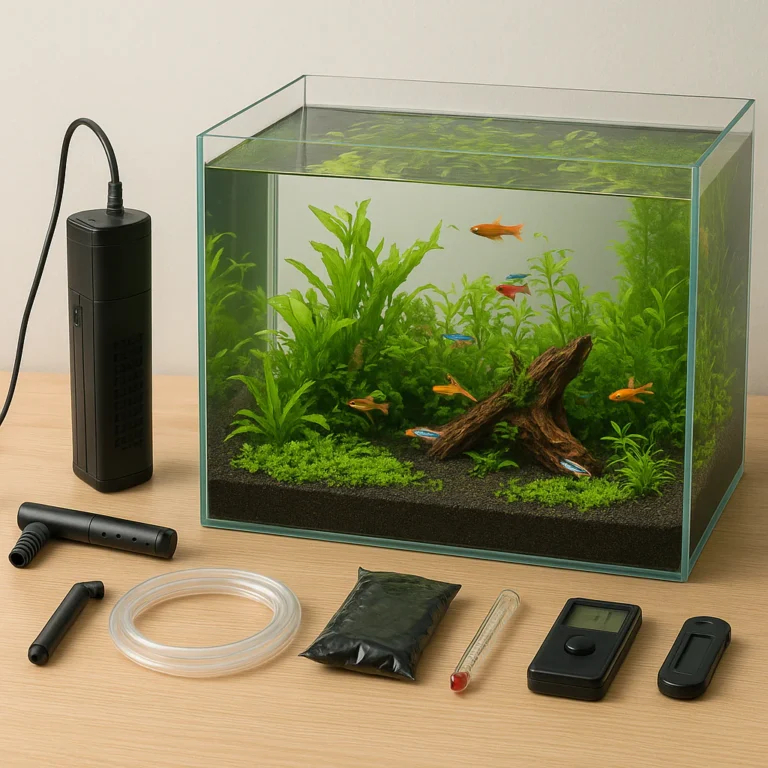
You’ve picked your hardy fish—now how do you set up a tank that practically runs itself?
Step 1: Choose the Right Tank Size
- Minimum 10 gallons for most species on our list; 5 gallons for Betta or Mystery Snails.
- Larger tanks offer more stable water parameters, which means less stress on fish.
Step 2: Invest in Reliable Filtration
- Canister filters like the Fluval 07 Series or hang-on-back filters like AquaClear 50 are excellent.
- Filters with biological, mechanical, and chemical media keep water pristine.
- Regularly clean filter media but never all at once to preserve beneficial bacteria.
Step 3: Select Low-Light Plants
- Java Fern, Anubias, and Cryptocoryne species thrive in low light and reduce algae.
- Plants absorb nitrates, improving water quality naturally.
Step 4: Use a Substrate That Supports Beneficial Bacteria
- Fine gravel or sand is ideal for bottom dwellers like Corydoras and Kuhli Loaches.
- Avoid sharp substrates that can injure sensitive barbels.
Step 5: Maintain Stable Water Parameters
- Use a reliable test kit like API Freshwater Master Test Kit.
- Monitor ammonia, nitrite, nitrate, pH, and temperature weekly.
Step 6: Automate Where Possible
- Use automatic feeders (e.g., Eheim Everyday Fish Feeder) to maintain consistent feeding schedules.
- Consider smart plugs and timers for lights and heaters.
🤖 Gadgets That Do the Dirty Work: Automation for Aquarists
Busy schedules demand smart solutions. Here are our top picks for automation gadgets that keep your tank humming:
| Gadget | Functionality | Ease of Use | Reliability | Aquarium Music™ Rating (1-10) |
|---|---|---|---|---|
| Eheim Everyday Fish Feeder | Automatic fish feeding | 9 | 8 | 8.5 |
| Fluval Smart App Controller | Remote control of lights/heater | 8 | 7 | 8 |
| Python No Spill Clean & Fill | Water changes without mess | 9 | 9 | 9 |
| Hydor Smart Heater | Precise temperature control | 8 | 8 | 8 |
Why automation helps
- Prevents overfeeding or missed meals.
- Maintains consistent lighting and temperature cycles.
- Simplifies water changes and maintenance.
Our personal story
One of our aquarists once traveled for two weeks with an automatic feeder and smart heater controller. Upon return, fish were vibrant, plants thriving, and water parameters stable—a true “set it and forget it” success!
🌿 Low-Light Plants: The Ultimate Bio-Filters
Plants aren’t just pretty—they’re your tank’s natural filtration system. For busy owners, low-light plants are a godsend.
Top low-light plants for low-maintenance tanks
- Java Fern (Microsorum pteropus): Hardy, attaches to driftwood or rocks.
- Anubias Nana: Slow-growing, tough leaves, tolerates low light.
- Cryptocoryne Wendtii: Adaptable and colorful.
- Amazon Sword: Larger plant, excellent nitrate absorber.
Benefits
- Absorb nitrates and phosphates, reducing algae growth.
- Provide shelter and reduce fish stress.
- Require minimal fertilization and CO2 injection.
Care tips
- Avoid over-trimming; let plants grow naturally.
- Use root tabs if substrate is poor.
- Moderate lighting (1-2 watts per gallon) is sufficient.
📅 The “Lazy” 15-Minute Weekly Routine
Even the busiest aquarist can spare 15 minutes a week to keep their tank sparkling. Here’s our streamlined routine:
- Check water parameters: Use test strips or liquid kits.
- Partial water change: 10-15% with a siphon or Python No Spill Clean & Fill.
- Clean glass: Use a magnetic algae scraper.
- Inspect fish and plants: Look for signs of stress or disease.
- Top off evaporation: Add dechlorinated water as needed.
- Feed fish: Use automatic feeder or manual feeding.
Stick to this routine, and your fish will thank you with vibrant colors and happy swimming!
🧪 Water Parameters 101: Keeping It Stable Without the Stress
Understanding water chemistry is key to low-maintenance success. Here’s the quick rundown:
| Parameter | Ideal Range for Most Low-Maintenance Fish | Why It Matters |
|---|---|---|
| Temperature | 72–78°F (22–26°C) | Affects metabolism and health |
| pH | 6.5–7.5 | Influences fish comfort and biofilter efficiency |
| Ammonia | 0 ppm | Toxic, indicates waste buildup |
| Nitrite | 0 ppm | Toxic intermediate compound |
| Nitrate | < 20 ppm | Less toxic but needs control |
| GH (Hardness) | 4–12 dGH | Affects osmoregulation |
| KH (Carbonate Hardness) | 3–8 dKH | Buffers pH stability |
Tips to maintain stability
- Avoid sudden changes—introduce new water slowly.
- Use dechlorinators like Seachem Prime.
- Regularly clean filters but preserve beneficial bacteria.
- Quarantine new fish to prevent disease.
Before we reveal the ultimate low-maintenance fish picks from the first YouTube video and share some insider secrets, stay tuned for the next sections! Meanwhile, explore our detailed Fish Care and Species Profiles for deep dives on each species.
Next up: The featured video’s perspective and more expert insights!
🔚 Conclusion

So, what’s the secret sauce for a thriving, low-maintenance aquarium that fits your busy lifestyle? It’s a combination of choosing hardy, adaptable fish, setting up a low-tech, stable environment, and embracing automation and smart routines. From the indestructible Zebra Danios to the algae-eating Amano Shrimp, these species are proven winners for aquarists who want beauty and life without the daily stress.
We’ve seen firsthand at Aquarium Music™ how a well-planned tank with these resilient species can flourish even when life gets hectic. The key is to respect their natural needs, avoid overstocking, and keep water parameters stable with minimal but consistent care.
Remember: No fish is truly “set it and forget it,” but with the right choices and tools, you can get pretty close. Your fish will reward you with vibrant colors, lively behavior, and a peaceful aquatic symphony that brightens your day.
Ready to dive in? Your new finned friends await!
🔗 Recommended Links
Ready to gear up? Here’s where you can find the top products and resources we’ve mentioned:
-
Eheim Everyday Fish Feeder:
Amazon | Chewy | Eheim Official Website -
Fluval 07 Series Canister Filter:
Amazon | Petco | Fluval Official Website -
API Freshwater Master Test Kit:
Amazon | PetSmart | API Official Website -
Python No Spill Clean & Fill:
Amazon | Walmart | Python Official Website -
Books for Further Reading:
❓ FAQ

Are there any low-maintenance fish species that are suitable for small aquariums or desktop tanks?
Absolutely! Species like Betta Fish, Ember Tetras, Golden Dwarf Barbs, and Mystery Snails thrive in tanks as small as 5 gallons. They require minimal filtration and stable water parameters. However, even small tanks need regular maintenance and monitoring to avoid rapid water quality changes. For detailed care, check out our Fish Care and Species Profiles.
What are the benefits of having a low-maintenance aquarium for beginners?
Low-maintenance aquariums reduce the learning curve and stress associated with fishkeeping. They allow beginners to:
- Build confidence with hardy species that tolerate minor mistakes.
- Enjoy the beauty and calming effects of aquariums without overwhelming upkeep.
- Learn essential care routines gradually without risking fish health.
This approach fosters long-term success and enjoyment.
How much space and equipment do I need for a low-maintenance aquarium?
A 10-gallon tank is the sweet spot for most low-maintenance fish, balancing stability and space. Essential equipment includes:
- Reliable filtration (e.g., Fluval 07 Canister Filter).
- Heater (if tropical species are chosen).
- Lighting suitable for low-light plants.
- Automatic feeder for consistent feeding.
Larger tanks are more forgiving with water parameters, so if space allows, bigger is better.
Can I keep low-maintenance fish with other community fish in the same tank?
✅ Yes, many low-maintenance species like Zebra Danios, Cherry Barbs, and Corydoras Catfish are peaceful and thrive in community tanks. However, avoid mixing aggressive or territorial species. Always research compatibility and maintain proper stocking levels to reduce stress and aggression.
What are some hardy saltwater fish species for a busy aquarium owner?
While this article focuses on freshwater species, some hardy saltwater fish suitable for busy owners include:
- Clownfish (Amphiprioninae): Hardy and adaptable.
- Damselfish (Pomacentridae): Tough but can be territorial.
- Firefish Goby (Nemateleotris magnifica): Peaceful and easy to feed.
Saltwater tanks generally require more equipment and maintenance, so beginners should proceed with caution.
How often should I feed low-maintenance fish in my aquarium?
Feed small amounts once or twice daily. Overfeeding is a common mistake that leads to water quality issues. Automatic feeders help maintain consistent feeding schedules, especially when you’re busy or away.
What are the easiest freshwater fish to care for in a home aquarium?
Top easy-care fish include:
- Zebra Danios
- White Cloud Mountain Minnows
- Guppies
- Platies
- Corydoras Catfish
- Betta Fish
These species tolerate a range of conditions and accept various foods.
Which fish species require minimal care for beginner aquarium owners?
Species like Zebra Danios, Cherry Barbs, Bronze Corydoras, and Bristlenose Plecos are excellent for beginners due to their hardiness and peaceful nature.
What are the best low-maintenance fish for small home aquariums?
For small tanks (5 gallons or less), consider:
- Betta Fish (solo)
- Ember Tetras (small schools)
- Mystery Snails (invertebrates)
- Endler’s Livebearers
Ensure proper filtration and stable water parameters.
How often do low-maintenance fish need feeding and tank cleaning?
Feed daily or every other day in small amounts. Perform 10-15% water changes weekly to maintain water quality. Clean algae from glass and check filter media monthly.
Can low-maintenance fish thrive in a community aquarium setup?
Yes! Many low-maintenance species are peaceful and do well in community tanks. Proper stocking, compatible species selection, and stable water parameters are key.
What water conditions are ideal for low-maintenance aquarium fish?
Most hardy species prefer:
- Temperature: 72–78°F (22–26°C)
- pH: 6.5–7.5
- Ammonia and nitrite: 0 ppm
- Nitrate: < 20 ppm
- Moderate hardness (GH 4–12 dGH)
Regular testing and stable conditions prevent stress and disease.
Are there colorful low-maintenance fish suitable for busy lifestyles?
Absolutely! Species like Cherry Barbs, Platies, Neon Tetras, and Honey Gouramis offer vibrant colors with minimal care requirements.
How to create a low-maintenance aquarium environment for fish health?
- Use hardy fish species.
- Incorporate low-light plants like Java Fern and Anubias.
- Maintain stable water parameters with reliable filtration.
- Automate feeding and lighting.
- Perform regular but minimal maintenance routines.
📚 Reference Links
- Fish ideas for 4.5-5 gallon tank – Aquarium Co-Op Forum
- Eheim Official Website
- Fluval Official Website
- API Fish Care
- Python Siphon Official Website
- Aquarium Music™ Fish Care and Species Profiles
- Aquarium Music™ Aquarium Setup
- Aquarium Music™ Tank Maintenance
- Aquarium Music™ Aquascaping and Aquatic Plants