Support our educational content for free when you purchase through links on our site. Learn more
🐠 The Ultimate Aquatic Pet Care Guide (2026): 15 Secrets to a Thriving Tank

Ever walked into a pet store, mesmerized by a school of neon tetras darting through crystal-clear water, only to come home with a fish that didn’t make it past the weekend? You aren’t alone. We’ve all been there, staring at a cloudy tank wondering, “What did I do wrong?” The truth is, keeping aquatic life isn’t just about filling a bowl with water and tossing in a flake; it’s about mastering a delicate, living symphony where chemistry, biology, and artistry collide. While many resources offer dry, one-size-fits-all care sheets, the reality is that a Beta’s needs are worlds apart from a Goldfish’s, and a saltwater reef requires a completely different mindset than a freshwater planted tank.
In this comprehensive aquatic pet care guide, we’re stripping away the myths and diving deep into the science that keeps your underwater world alive. From the critical, often misunderstood Nitrogen Cycle to the art of aquascaping that turns a tank into a masterpiece, we cover everything you need to know to move from a novice to a confident aquarist. We’ll even reveal why that “1-inch-per-gallon” rule is a dangerous lie and share the specific brand gear we trust to keep our own tanks running like a well-oiled machine. Whether you’re dreaming of a vibrant coral reef or a peaceful community of tetras, this guide is your roadmap to avoiding the heartbreak of fish loss and embracing the joy of a thriving ecosystem.
Key Takeaways
- Stability is King: The most critical factor in aquatic pet care is maintaining stable water parameters; sudden changes in temperature, pH, or hardness are far more dangerous than “imperfect” numbers.
- The Cycle is Non-Negotiable: Never add fish to a new tank without completing the Nitrogen Cycle, a 4-8 week process that establishes the beneficial bacteria necessary to process toxic waste.
- Size Matters: Larger tanks are easier to maintain than smaller ones because they dilute toxins and buffer against rapid environmental shifts.
- Research Before You Buy: Every species has unique requirements for adult size, temperament, and water chemistry; impulse buying is the leading cause of aquarium failure.
- Prevention Over Cure: Establishing a quarantine tank for new arrivals and performing weekly 25% water changes are the most effective ways to prevent disease and maintain water quality.
Table of Contents
- ⚡️ Quick Tips and Facts
- 📜 A Brief History of the Human-Aquatic Bond: From Ancient Ponds to Modern Tanks
- 🐟 The Ultimate Freshwater Aquarium Setup Guide: Step-by-Step Success
- 1. Choosing the Right Tank Size and Shape for Your Space
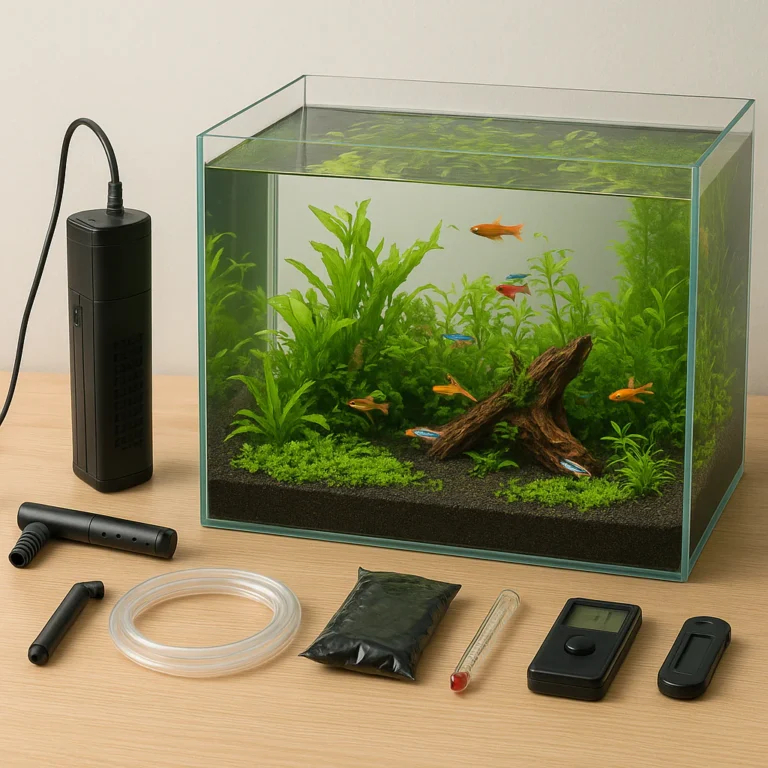
- 2. Essential Equipment: Filters, Heaters, and Lighting Explained
- 3. The Nitrogen Cycle: Why Patience is Your Best Friend
- 4. Substrate Selection: Gravel, Sand, or Soil?
- 5. Water Parameters: Mastering pH, Hardness, and Temperature
- 🌊 Mastering the Saltwater Reef: A Comprehensive Marine Aquarium Guide
- 1. Decoding Salinity and Specific Gravity
- 2. Live Rock, Live Sand, and the Foundation of a Reef
- 3. Choosing Your First Marine Fish: Hardy vs. Delicate Species
- 4. Coral Care 101: Lighting, Flow, and Feding
- 5. Managing Algae and Maintaining Crystal Clear Water
- 🐠 Species-Specific Care Sheets: From Goldfish to Discus
- 1. Caring for Your Beta: The Labyrinth Fish Guide
- 2. Goldfish Care: Why They Need More Than a Bowl
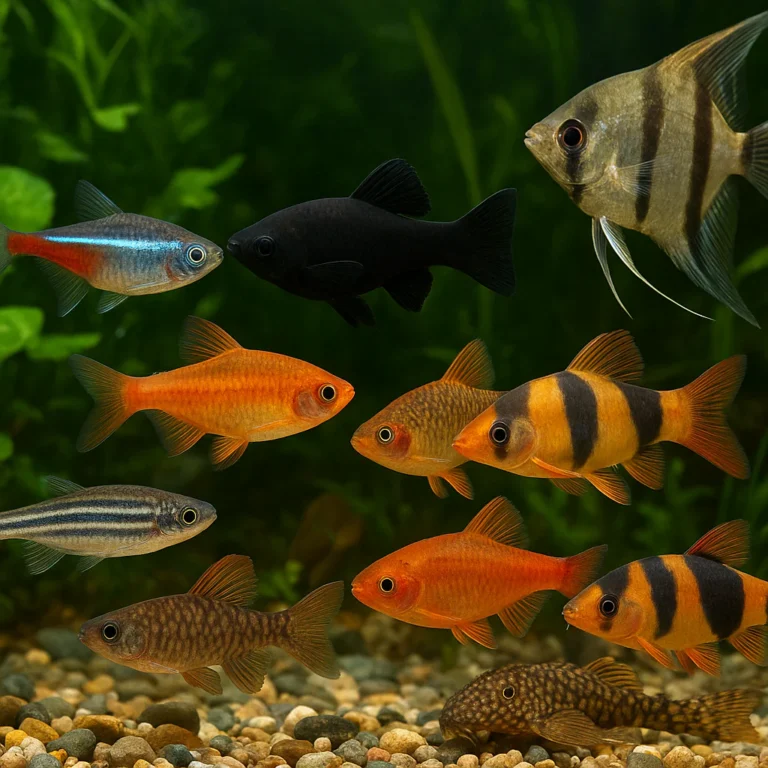
- 3. Community Tank Harmony: Compatible Fish Pairings
- 4. Caring for Your Aquatic Turtle: Basking, Diet, and Tank Size
- 5. Amphibian Care: Frogs, Newts, and Salamanders
- 🥗 Nutrition and Feding Strategies for Healthy Aquatic Pets
- 🏥 Disease Prevention, Diagnosis, and Treatment Protocols
- 🌿 Aquascaping and Habitat Design: Creating a Natural Underwater Ecosystem
- 🧪 Water Quality Testing and Maintenance Routines
- 🛡️ Zoonotic Disease Prevention and Safe Handling Practices
- 🚫 Invasive Species Awareness and Responsible Pet Ownership
- 🛒 Top Brand Recommendations and Gear Reviews
- ❓ Frequently Asked Questions About Aquatic Pet Care
- 🏁 Conclusion
- 🔗 Recommended Links
- 📚 Reference Links
⚡️ Quick Tips and Facts
Welcome, future aquatic maestro! Before we plunge into the deep end
, here are some bite-sized morsels of wisdom to get your gills wet. Think of this as the espresso shot before the
marathon of fishkeeping.
- The 1-Inch-Per-Gallon Rule is a Myth!
🐠 This old saying is dangerously oversimplified. A 10-inch Oscar needs way more than a 10
-gallon tank. Focus on adult fish size, activity level, and waste production instead. - Cycling is Non
-Negotiable. ✅ You wouldn’t move into a house without plumbing, right? Cycling your tank establishes a beneficial bacteria
colony to process toxic fish waste. It’s the single most important step for a healthy aquarium. - More
Water = More Stable. It sounds counterintuitive, but larger aquariums are often easier for beginners. The larger
water volume makes them more resistant to sudden, dangerous swings in water parameters. - Weekly Water Changes are Key
. 💧 A 25% weekly water change is a golden rule for most freshwater tanks. It removes nitrates and replen
ishes essential minerals, keeping your aquatic pets vibrant and healthy. - Research, Research, Research! Before you buy
any fish, shrimp, or snail, understand its needs: adult size, temperament, diet, and water parameters. Impulse
buys are the #1 cause of fishkeeping heartbreak. - Quarantine New Arrivals. quarantining new fish in
a separate tank for 4-6 weeks can prevent the introduction of devastating diseases into your main display tank.
Fact: The oldest known goldfish, Tish, lived to be 43 years old! This highlights the long-term commitment required for even common aquatic pets.
📜 A Brief History of

the Human-Aquatic Bond: From Ancient Ponds to Modern Tanks
Our fascination with keeping aquatic life isn’t a
new trend; it’s a legacy that stretches back millennia! The ancient Sumerians were known to keep fish in ponds for food
, but it was the Romans who first began keeping fish in small marble tanks for ornamental purposes. However
, the real turning point was the development of the glass aquarium in the mid-19th century by British naturalist Philip Henry
Gosse, who coined the term “aquarium.”
This innovation allowed people to bring
a slice of the underwater world directly into their homes, sparking the Victorian aquarium craze. From simple fishbowls (which we now know are terrible for fish!) to the high-tech, automated ecosystems we build today, our desire to connect
with aquatic life has driven incredible innovation. We’ve moved from being simple keepers to becoming true creators of underwater symphonies.
🐟 The Ultimate Freshwater Aquarium Setup Guide: Step-by-Step Success
Ready to build your first underwater world
? Let’s get our hands wet! Setting up a freshwater aquarium is a magical process, and getting it right from the
start is the secret to a thriving ecosystem. This is where you’ll find the core advice from our comprehensive guide on 🌊 15 Secrets to Mastering Your Tropical Fish Tank (2026).
1. Choosing the Right Tank Size and Shape for Your
Space
The first, and arguably most important, decision is the aquarium itself.
- Bigger is Better:
As we mentioned, larger tanks are more stable. For a beginner, we strongly recommend starting with at least a **
20-gallon (75-liter)** tank. A 10-gallon is manageable, but leaves very
little room for error. - Shape Matters: A standard rectangular tank offers the best surface area for gas exchange (oxygen in, CO2 out) and gives fish more horizontal swimming space. Tall, narrow “column” tanks look cool,
but they’re less practical for most fish. - Material:
- Glass: More
scratch-resistant and generally clearer. It’s heavy but the classic choice. - Acrylic: L
ighter and stronger than glass, but scratches very easily. Scratches can sometimes be buffed out, unlike with glass.
**
Our Pick:** For a beginner, a standard 20-gallon “long” or a 29-gallon glass aquarium
from a reputable brand like Aqueon
or Fluval is
a fantastic starting point. You can find many of these in our Aquarium Setup category.
2. Essential Equipment: Filters, Heaters, and Lighting
Explained
Your tank is the stage, but the equipment is the life support crew working tirelessly behind the scenes.
Filtration: The Heart of the Aquarium
A filter does three jobs:
-
Mechanical: Removes physical debris (poop, uneaten food).
-
Chemical: Removes dissolved impurities (e.g., using activated carbon).
-
Biological: Provides a home for the beneficial bacteria that process ammonia and nitrite. This is the most critical function
!
| Filter Type | Pros | Cons | Best For |
|---|---|---|---|
| :— | :— | :— | :— |
| Hang-on-Back (HOB) | Easy to install/maintain, affordable. | Can | |
| be noisy, less powerful for large tanks. | Beginner tanks (10-55 gallons). | ||
| **Can | |||
| ister** | Powerful, quiet, highly customizable media. | More complex setup, higher initial cost. | Tanks over 4 |
| 0 gallons, planted tanks. | |||
| Sponge | Excellent biological filtration, gentle flow. | Takes up space in | |
| the tank, limited mechanical filtration. | Fry tanks, shrimp tanks, quarantine tanks. |
Top Brands: We
‘ve had great success with the Fluval AquaClear series for HOB filters and the Eheim Classic or Fluval 07 Series for canisters. Check out more
options in our Aquarium Equipment
section.
Heaters: Keeping it Cozy
Most popular aquarium fish are tropical and require a stable temperature, typically between 7
5-80°F (24-27°C).
- Submersible is Standard: Almost
all modern heaters are fully submersible. - Get the Right Wattage: A good rule of thumb is 3
-5 watts per gallon of water. It’s better to be slightly overpowered than underpowered. - Always
Use a Thermometer! 🌡️ Never trust the dial on the heater itself. A separate digital or glass thermometer is essential
to verify the actual water temperature.
Reliable Brands: Eheim Jager and Aqueon Pro are industry workhorses.
Lighting
: Let There Be Light!
Lighting isn’t just for viewing your fish; it’s crucial for plant growth and
regulating your fish’s day/night cycle.
- LED is the Way to Go: LEDs are energy-efficient
, run cool, and offer customizable spectrums. - For Fish-Only Tanks: A basic, inexpensive
LED light is perfectly fine. - For Planted Tanks: You’ll need a light designed for plant
growth with a broader spectrum. Brands like Fluval Plant 3.0 or Twinstar are fantastic for serious Aquascaping and Aquatic Plants.
3. The Nitrogen Cycle: Why
Patience is Your Best Friend
Okay, lean in close. This is the most important lesson in all of fishkeeping. You
cannot add fish to a new aquarium on day one. Doing so is a recipe for disaster. You must first “cycle” the tank
.
Here’s the process, simplified:
- Ammonia (NH₃) Appears: Fish waste
and uneaten food break down into highly toxic ammonia. - Bacteria #1 Arrives: A type
of beneficial bacteria (Nitrosomonas) consumes the ammonia and converts it into Nitrite (NO₂), which is also highly
toxic. - Bacteria #2 Sets Up Shop: A second type of bacteria (Nitrobacter) consumes
the nitrite and converts it into Nitrate (NO₃), which is far less toxic to fish.
Cycle Complete! Nitrates are removed by live plants and regular water changes.
This entire process can take 4 to
8 weeks. You must “feed” the cycle with a source of ammonia, like a pinch of fish food or pure
ammonia, and test the water regularly with a liquid test kit like the [API Freshwater Master Test Kit](https://www.amazon
.com/API-FRESHWATER-800-Test-Freshwater-Aquarium/dp/B00
0255NCI/). You’ll know the cycle is complete when you can add a dose of ammonia and it
, along with any resulting nitrite, completely disappears within 24 hours, leaving only a reading for nitrate.
- Substrate Selection: Gravel, Sand, or Soil?
The stuff at the bottom of your tank isn’t
just decoration! It’s a home for beneficial bacteria and a playground for your fish.
| Substrate | Best
| For | Pros | Cons |
|---|---|---|
| **G | ||
| ravel** | Most community tanks, beginners. | Easy to clean, good water flow, wide variety of colors. |
| debris, not ideal for bottom-dwellers with sensitive barbels. | ||
| Sand | Bottom-dwell | |
| ers (corydoras, loaches), natural look. | Soft for fish, looks great, prevents debris from sinking in | |
| . | Can get compacted, may be kicked up into filter intakes. | |
| Aquasoil | Heav | |
| ily planted tanks (aquascapes). | Packed with nutrients for plants, lowers pH slightly. | Can be messy, |
| leaches ammonia initially (requiring a longer cycle). |
Pro Tip: No matter what you choose, rinse it thoroughly
before adding it to the tank to remove dust and debris! For planted tanks, we’re huge fans of CaribSea Eco-Complete and ADA Aqua Soil Amazonia.
5. Water Parameters: Mastering pH
, Hardness, and Temperature
Every body of water has a unique chemical makeup, and you need to understand yours.
*
pH: A measure of acidity or alkalinity. Most freshwater fish thrive between 6.8 and 7.
8. A stable pH is more important than a “perfect” pH.
- GH (General Hardness): Measures
dissolved minerals like calcium and magnesium. Important for fish and invertebrate health. - KH (Carbonate Hardness):
Measures carbonates and bicarbonates. This acts as a buffer that keeps your pH stable. A low KH can lead to dangerous
pH swings. - Temperature: As discussed, keep it stable with a reliable heater.
Don’t chase
numbers! It’s far better to choose fish that are compatible with your tap water’s natural parameters than to constantly
fight it with chemicals. Use your [API Master Test Kit](https://www.amazon.com/API-FRESHWATER
-800-Test-Freshwater-Aquarium/dp/B000255NCI
/) to learn your baseline and choose your Fish and Aquatic Life accordingly.
🌊 Mastering the Saltwater Reef: A Comprehensive Marine Aquarium Guide
So
, you’ve been mesmerized by the vibrant dance of clownfish in an anemone or the otherworldly beauty of a coral
reef. Welcome to the next level! Saltwater is often seen as the “expert mode” of fishkeeping, but with
careful planning and the right gear, it’s more accessible than ever.
1. Decoding Salinity and Specific
Gravity
The most fundamental difference between freshwater and saltwater is… well, the salt!
- Salinity
is the measure of all dissolved salts in the water. In the ocean, this is about 35 parts per thousand (ppt). - Specific Gravity is a measurement of the density of your saltwater compared to pure freshwater. The target for
a reef tank is typically 1.024-1.026.
You’ll need a tool
to measure this.
- Hydrometer: A simple, inexpensive plastic device. Prone to inaccuracies from air
bubbles. - Refractometer: A more accurate optical device that is the preferred choice for serious hobbyists.
You’ll mix special aquarium salt, like Instant Ocean or Red Sea Coral Pro, with
purified water (RO/DI water is a must!) in a separate container before adding it to the tank.
2. Live Rock, Live Sand, and the Foundation of a Reef
In a saltwater tank, your
rockwork isn’t just decoration—it’s your primary biological filter.
- Live Rock: This
is rock harvested from the ocean (or aquacultured) that is teeming with beneficial bacteria, algae, and tiny
invertebrates. It’s the living heart of your reef’s filtration system. - Live Sand: Similar
to live rock, this sand is pre-populated with beneficial bacteria that help process waste.
Building a stable rock structure
, or “aquascape,” is your first creative step. Ensure it’s stable and won’t topple over, creating
caves and platforms for fish and corals.
3. Choosing Your First Marine Fish: Hardy vs. Delicate Species
Not all saltwater fish are created equal. Starting with hardy species will dramatically increase your chances of success.
✅ Great
Beginner Choices:
- Ocellaris Clownfish (Amphiprion ocellaris) – The “Nemo” fish
, very hardy and can be captive-bred. - Royal Gramma (Gramma loreto) – Peaceful
, colorful, and stays small. - Firefish Goby (Nemateleotris magnifica) – A
beautiful and interesting fish with a great personality.
❌ Avoid for Now:
- Moorish Idol (Zanclus cornutus) – Notoriously difficult to feed and keep long-term.
- Copperband
Butterflyfish (Chelmon rostratus) – A picky eater that often perishes in inexperienced hands. - Pow
der Blue Tang (Acanthurus leucosternon) – Prone to disease (especially Marine Ich) and needs
a very large tank.
4. Coral Care 101: Lighting, Flow, and Feeding
Cor
als are animals, not plants! They have specific needs for lighting and water flow.
- Soft Corals:
(e.g., Zoanthids, Mushrooms, Leather Corals) – Generally the most forgiving. They tolerate lower light and less
-than-perfect water quality. A great place to start! - LPS (Large Polyp Stony)
Corals: (e.g., Hammer Corals, Torch Corals, Frogspawn) – A step up in difficulty
. They need more stable water parameters and moderate light/flow. - SPS (Small Polyp Stony) Corals
: (e.g., Acropora, Montipora) – The most demanding. They require intense lighting, strong
flow, and pristine, stable water conditions.
5. Managing Algae and Maintaining Crystal Clear Water
Al
gae is a natural part of any aquatic ecosystem, but outbreaks can be a nightmare.
- Control Your Nut
rients: Algae feeds on nitrates and phosphates. Control these with regular water changes, using high-quality RO/DI water, and
not overfeeding. - The Clean-Up Crew: A team of invertebrates is essential! Snails (like Astrea and Cerith), hermit crabs, and certain shrimp (like the Peppermint Shrimp) will constantly graze on algae and
detritus. - Protein Skimmers: This is a piece of equipment unique to saltwater. It injects air
into the water to create a foam that removes organic waste compounds before they break down into nitrates. A quality protein skimmer from
a brand like Reef Octopus is a game-changer.
🐠 Species-Specific Care Sheets: From Goldfish to Discus
Every fish has a story and a unique set
of needs. Providing generic advice just doesn’t cut it. That’s why the industry is moving towards better education
at the point of sale. As the Pet Advocacy Network notes, “These resources were developed through collaboration between our committees and animal and human health experts in
order to provide high quality, trusted information and education to all members of the pet care community and pet owners alike.”
Similarly, organizations like Ornamental Fish International are making it easier for retailers to provide QR codes on tanks for
instant access to care sheets. Here are some of our most requested guides.
1
. Caring for Your Betta: The Labyrinth Fish Guide
The Betta fish (Betta splendens) is one of the
most popular—and misunderstood—fish in the hobby. Let’s bust some myths.
- ❌ Myth
: Bettas can live in tiny vases or bowls. - ✅ Truth: Bettas need a heated,
filtered aquarium of at least 5 gallons. They are tropical fish requiring a stable temperature of 78-80°
F. - They are Labyrinth Fish: This means they have a special organ that allows them to breathe
atmospheric air from the surface. This is a survival mechanism for low-oxygen waters, not an excuse to keep them in unfiltered
containers! - Fin Nipping: Their long, flowing fins make them poor tank mates for fin-ni
pping fish like tiger barbs. They are best kept alone or with peaceful, slow-moving tank mates like snails or
corydoras catfish in a larger tank. - Diet: They are carnivores. A high-quality betta
pellet, supplemented with frozen foods like brine shrimp and bloodworms, is ideal.
2. Goldfish Care: Why
They Need More Than a Bowl
The classic carnival prize goldfish has a terrible reputation, but that’s our fault,
not theirs. These fish are long-lived, intelligent pets that get BIG.
- Tank Size: A
single fancy goldfish needs a minimum of 20-30 gallons, with an additional 10-15 gallons
for each additional goldfish. Common, single-tailed goldfish get even larger and are better suited for ponds.
Heavy Waste Producers: Goldfish are messy! You need powerful filtration—often, a filter rated for a tank twice
the size of yours is appropriate.
- Coldwater Fish: Unlike most fish we’ve discussed, goldfish
are coldwater species and do not require a heater at room temperature. - Diet: They are omnivores.
A varied diet of high-quality goldfish pellets, flakes, and blanched vegetables (like peas and spinach) is
essential to prevent swim bladder issues.
3. Community Tank Harmony: Compatible Fish Pairings
Creating a peaceful
community tank is like being a diplomat. You need to understand everyone’s personality.
- Schooling vs
. Shoaling: Schooling fish (like Neon Tetras) swim in tight, coordinated groups. Shoaling fish (like Corydoras Catfish) hang out in loose social groups. Both need to be kept in groups of 6 or
more to feel secure. A lone tetra is a stressed tetra. - Levels of the Tank: A
good community tank has fish that occupy all levels. - Top: Hatchetfish, Guppies
Mid: Tetras, Rasboras, Rainbowfish
- Bottom: Corydoras Catfish
, Kuhli Loaches, Bristlenose Plecos - Temperament is Key: Don’t mix
aggressive fish (like many cichlids) with peaceful community fish. Research every single species before adding it to your tank. A
great resource for this is our Fish Care and Species Profiles section.
4. Caring for Your Aquatic Turtle: Basking, Diet, and Tank
Size
Turtles are charismatic and popular, but they are a significant long-term commitment.
Tank Size:** The rule of thumb is 10 gallons of water per inch of shell length. A baby Red-
Eared Slider might start in a 20-gallon tank, but it will quickly need a 75-gallon or
even a 125-gallon aquarium as an adult.
- Basking is Essential: Aquatic turtles need a dry
basking area where they can get completely out of the water. You must provide two types of light over this area:
1
. A heat lamp to create a basking spot of around 90-95°F.
A UVB lamp (like the Zoo Med ReptiSun) which is crucial for them to metabolize calcium and prevent metabolic
bone disease.
- Filtration: Like goldfish, turtles are incredibly messy. You need a powerful canister filter, often
rated for a tank 2-3 times the size of yours. - Diet: Most common aquatic turtles are omn
ivores. A diet of quality turtle pellets, supplemented with leafy greens (like red leaf lettuce and dandelion greens) and occasional protein
(like earthworms or feeder fish) is ideal.
5. Amphibian Care: Frogs, Newts
, and Salamanders
Amphibians like African Dwarf Frogs and Axolotls are becoming increasingly popular. They
have very specific needs.
-
Skin is Sensitive: Amphibians have highly permeable skin. Never handle them with dry
hands, and be extremely careful about soaps, lotions, or any chemicals getting into their water. -
Ax
olotls: The Peter Pan of Salamanders: These fascinating creatures remain in their larval state for their entire lives. -
Cold Water is a Must: They require cold water, ideally between 60-68°F
(16-20°C). In many homes, this requires an aquarium chiller. Warm water is stressful and can lead to
disease. -
Diet: They are carnivores and should be fed a diet of earthworms, black
worms, and high-quality sinking pellets. -
Substrate: Fine sand or a bare-bottom tank is best
. Gravel can be ingested and cause fatal impactions.
The challenges of amphibian care are highlighted in the journey of Kirby
, the rescued axolotl featured in the video above. As his rescuer noted, finding specialized care can be difficult. Kirby
suffered from severe health issues, including what his vet suspected was metabolic bone disease, stating, “We are having some metabolic bone
where we’re not having enough calcium specifically.” His sunken gills were another clear sign of distress
; “The frills along the side of the face are always a little bit sunken; you can see where touched it.” Kirby’s story, which you can see at #featured-video,
is a powerful reminder of the importance of proper husbandry and the resilience of these amazing animals when given a second chance. His
recovery, marked by a “3% body mass increase” and visible improvement, is a testament to dedicated care.
🥗 Nutrition and Feeding Strategies for Healthy Aquatic Pets
You are what you eat, and the
same goes for your fish! A varied, high-quality diet is the cornerstone of a healthy immune system, vibrant colors
, and active behavior.
- Flakes vs. Pellets: Pellets are often a better choice as
they are more nutrient-dense and tend to pollute the water less than flakes. High-quality brands like New Life Spectrum, Hikari,
and Fluval Bug Bites are excellent staples. - The Joy of Frozen & Live Foods: Supplementing their diet 2-3 times
a week with frozen or live foods provides enrichment and essential nutrients. - Excellent Frozen Options: Brine shrimp
, Mysis shrimp, bloodworms, daphnia. - Live Foods: Can be a great treat
but carry a risk of introducing parasites. Only purchase from reputable sources. - Herbivore Needs: Fish like
Plecos, Mbuna cichlids, and Mollies need significant vegetable matter in their diet. Offer them algae
wafers, blanched zucchini, and spirulina-based foods to keep them healthy. - How Much
to Feed: Feed only what your fish can completely consume in 1-2 minutes, once or twice a day. Overfeeding
is one of the most common mistakes in the hobby, leading to poor water quality and fish health problems.
🏥 Disease Prevention, Diagnosis, and Treatment Protocols
The best medicine is prevention. A clean, stable, stress-free environment is
the best defense against disease.
- Common Freshwater Diseases:
- Ich (White Spot Disease): Caused by a parasite, looks like grains of salt on the fish’s body and fins. Treatable by
raising the temperature and using medications like Seachem ParaGuard or Ich-X. - Fin Rot: Bacterial infection that causes fins to look ragged and torn. Usually
caused by poor water quality. Treat with clean water and medications like API Fin & Body Cure. - Fungal Infections: Appear
as white, cottony growths. Often a secondary infection on an existing injury. - The Power of a Quarantine Tank
(QT): We can’t stress this enough. A simple 10-gallon tank with a heater and
a sponge filter is your best tool for disease prevention. All new fish should spend 4-6 weeks in QT to ensure
they are healthy before being introduced to your main tank. This allows you to treat any diseases without nuking your main display
‘s biological filter. - Diagnosis is Key: Don’t just dump in random medications. Observe your
fish’s symptoms carefully. Is it lethargic? Are its fins clamped? Is it scratching against objects (“flashing”)? A correct diagnosis leads to the correct treatment.
🌿 Aquascaping and Habitat Design: Creating a
Natural Underwater Ecosystem
Aquascaping is the art of arranging aquatic plants, rocks, driftwood, and substrates to create a beautiful
underwater landscape. It’s where the science of fishkeeping meets the art of design.
- Layout Principles
: - Rule of Thirds: Place focal points (like a large piece of driftwood or a prominent red plant) off-center, at the 1/3 or 2/3 marks of the tank, to create a
more dynamic and natural look. - Create Depth: Use larger hardscape elements in the front and smaller ones
in the back. A sloped substrate, higher in the back, also enhances the sense of depth. - Hard
scape: This is the “bones” of your aquascape. - Driftwood: Adds a
natural, jungle-like feel. Be sure to use aquarium-safe wood like Spiderwood or Manzanita. Boil it before
use to help it sink and release some tannins. - Rocks: Seiryu stone, Dragon stone
, and Lava rock are popular choices. Be aware that some rocks can raise your water’s pH and hardness.
Planting Techniques:
-
Foreground: Low-growing, “carpeting” plants like Monte Carlo or Dwarf
Hairgrass. -
Midground: Medium-sized plants like Cryptocorynes or Anubias.
-
Background: Tall, fast-growing stem plants like Rotala or Ludwigia to hide equipment
.
Explore our Aquascaping and Aquatic Plants section for more inspiration!
🧪 Water Quality Testing and Maintenance Routines
A consistent maintenance routine is the secret to long-term success. It doesn’t have to be a chore!
The Weekly Routine (30-45 minutes):**
- Test Your Water: Before you
do anything else, test for ammonia, nitrite, nitrate, and pH using a liquid test kit. This tells you the
health of your system. - Gravel Vacuum: Use a siphon/gravel vacuum to clean about
25-30% of the substrate and remove an equivalent amount of water. - Sc
rub Algae: Use a mag-float or an algae scraper to clean the glass. - **
Filter Maintenance:** Once a month, rinse your filter media (sponges, ceramic rings) in the old tank water you
just removed. Never rinse it in tap water, as the chlorine will kill your beneficial bacteria.
Refill: Add fresh, dechlorinated water that is the same temperature as the tank water. Always use a quality dechlor
inator like Seachem Prime.
- Daily
Checks (2 minutes): - Check on all your fish. Are they behaving normally?
- Check
the water temperature. - Remove any uneaten food.
🛡️ Zoonotic Disease Prevention and
Safe Handling Practices
While rare, it’s possible to contract diseases from aquarium water or fish. These are called zoonotic diseases.
The most common are Mycobacterium marinum (“fishkeeper’s granuloma”) and Salmonella.
Wash Your Hands: Always wash your hands and arms thoroughly with soap and water after putting them in the aquarium.
*
Wear Gloves: If you have any open cuts or sores on your hands or arms, wear waterproof gloves as a precaution.
- Don’t Use Your Mouth: Never use your mouth to start a siphon. Use a gravel vacuum with
a self-primer. - Responsible Sourcing: Reputable retailers and wholesalers follow best management practices to ensure the
health of their animals, reducing risks for everyone. The Pet Advocacy Network provides extensive resources on this, including a “Zoonotic Disease Prevention Series For Retailers.”
🚫 Invasive Species Awareness and Responsible Pet Ownership
As pet owners, we have a crucial
responsibility to protect our native ecosystems. Never, ever release aquarium pets or plants into local waterways.
-
The
Problem: Released pets can become invasive species, outcompeting native wildlife for resources, introducing diseases, and destroying habitats. The
common Pleco, for example, has become a destructive invasive species in many southern US waterways. -
What
to Do with Unwanted Pets: -
Return them to a local fish store. Many stores will take in
healthy fish. -
Sell or give them away to another hobbyist online or through a local aquarium club.
-
In a worst-case scenario, humane euthanasia is a far better option than release.
State Regulations: Be aware of your local laws. For example, New York provides specific labels for known invasive species to prevent
their sale and spread.
🛒 Top Brand Recommendations and Gear Reviews
Navigating the sea
of aquarium products can be overwhelming. Here at Aquarium Music™, we’ve used just about everything. Here are some of our
trusted favorites that consistently deliver performance and reliability.
All-In-One Aquarium Kits for Beginners
| Rating | Aspect
| Analysis |
| :— | :— | :— |
| 8/10 | **Design
** | Kits from brands like Fluval and Waterbox offer clean lines and modern aesthetics. |
| 7/10
| Functionality | They include the tank, light, and filter. Heaters are often sold separately. The
included filters and lights are usually adequate for beginners but may need upgrading for more advanced setups (like high-tech planted tanks). |
| 9/10 | Value | Buying a kit is almost always more cost-effective than purchasing
components separately. |
| 10/10 | Ease of Use | Perfect for beginners,
removing the guesswork of matching components. |
Overall Recommendation: A kit like the Fluval Starter Kit or
the Aqueon LED Aquarium Kit is an excellent, budget-friendly entry point into the hobby.
Can
ister Filters: A Deeper Dive
For tanks over 40 gallons, we highly recommend a canister filter.
Fluval 07 Series: (Amazon Link)
- Features: Powerful, quiet, and incredibly easy to prime
and maintain with its redesigned motor and lift-lock clamps. - Benefits: The customizable media baskets allow you
to tailor your filtration perfectly. - Drawbacks: The ribbed hosing can be a bit stiff and difficult
to clean. - Eheim Classic Series: (Official Site Link)
- Features: The definition
of a workhorse. Simple, legendary reliability. Some models have been in continuous production for decades.
Benefits: Extremely durable and energy-efficient. They just run forever.
- Drawbacks: Can
be more difficult to prime than modern filters and the media is often sold separately.
Water Conditioners: The Un
sung Hero
You cannot use tap water without a dechlorinator. It’s an instant-death sentence for your fish and beneficial bacteria
.
- Seachem Prime: (Amazon Link)
Why We Love It: It’s the industry standard for a reason. Not only does it remove chlorine and
chloramine, but it also temporarily detoxifies ammonia and nitrite, providing a crucial safety net during a mini-cycle or emergency
. It is highly concentrated, making it very economical. ✅ Our top pick.
- API Stress Coat+
: (Amazon Link) - Why
It’s Good: It also removes chlorine/chloramine and contains Aloe Vera, which is intended to help replace a
fish’s natural slime coat during times of stress. A solid, widely available choice.
❓ Frequently Asked Questions About
Aquatic Pet Care
We get a lot of questions, and we love answering them! Here are some of the most common queries
that cross our desks.