Support our educational content for free when you purchase through links on our site. Learn more
🌊 25 Secrets to Mastering Saltwater Aquarium Fish in 2026


The single most important rule for keeping saltwater aquarium fish is that stability beats perfection every time; a slightly imperfect but consistent environment will keep your fish alive, while a “perfect” tank that fluctuates will kill them. Unlike freshwater setups that forgive minor mistakes, marine life demands a disciplined approach to water chemistry, quarantine protocols, and species compatibility from day one.
We once watched a new hobbyist rush a vibrant Blue Tang into a tank that hadn’t fully cycled, only to lose the fish within 48 hours to a preventable ammonia spike. It was a heartbreaking lesson that proved patience isn’t just a virtue in this hobby; it’s a survival requirement. Did you know that a single Clownfish can outlive its owner, living for over 20 years in captivity if cared for correctly?
This guide cuts through the noise to give you the 25 essential insights you need to build a thriving underwater world. We’ll cover everything from selecting the hardiest species for beginners to the advanced water chemistry tricks that keep your reef alive.
Key Takeaways
- Stability is non-negotiable: Maintain consistent salinity (1.024–1.026 SG), temperature (76–78°F), and pH (8.1–8.4) to prevent stress and disease.
- Quarantine is mandatory: Never introduce new saltwater aquarium fish directly to your display tank; a 2–4 week quarantine period prevents devastating outbreaks like Marine Ich.
- Size matters more than you think: Active swimmers like Tangs require massive volumes (75+ gallons), while smaller species like Gobies thrive in 20-gallon setups.
- Diet drives health: Feed a varied diet of frozen foods, pellets, and algae sheets; avoid mammalian meats which cause digestive issues.
- Start with hardy species: Begin your journey with Clownfish, Gobies, and Blennies before attempting delicate specialists like Butterflyfish.
Table of Contents
- ⚡️ Quick Tips and Facts
- 🌊 From Reef to Tank: A Brief History of Saltwater Aquarium Fish
- 🧠 The Ultimate Guide to Choosing Your First Saltwater Aquarium Fish
- 1. Clownfish: The Undisputed Kings of the Reef
- 2. Damselfish: The Tough-but-Troublesome Beginners
- 3. Gobies: The Bottom-Dwelling Entertainers
- 4. Blennies: The Algae-Eating Characters with Personality
- 5. Tangs and Surgeonfish: The Grazers That Need Space
- 6. Wrasses: The Active Hunters and Sand Sifters
- 7. Angelfish: The Majestic (But Demanding) Centerpieces
- 8. Butterflyfish: The Delicate Specialists to Avoid for Newbies
- 9. Dottybacks: The Vibrant but Agressive Mini-Predators
- 10. Cardinalfish: The Nocturnal Schooling Beauties
- 🏗️ Setting the Stage: Essential Saltwater Aquarium Setup for Fish Health
- 💧 Water Chemistry Mastery: Salinity, pH, and Stability for Marine Life
- 🍽️ Feding Frenzy: Nutrition, Diet Plans, and Feding Schedules for Saltwater Fish
- 🤝 Tank Mates and Compatibility: Who Gets Along and Who Starts a Fight
- 🚑 Disease Prevention and Treatment: Common Ailments in Saltwater Fish
- 🛒 Top Brands and Gear: Filters, Lights, and Food We Actually Trust
- 💡 25 Essential Things to Know Before Setting Up Your First Saltwater Aquarium
- 🎓 Education Center: Advanced Topics in Marine Fish Keeping
- 🏆 Conclusion: Your Journey to a Thriving Saltwater Reef Begins Now
- 🔗 Recommended Links
- ❓ FAQ: Your Burning Questions About Saltwater Aquarium Fish Answered
- 📚 Reference Links
⚡️ Quick Tips and Facts
Before you splash your first dollar into a tank, let’s hit the pause button. We’ve seen too many “goldfish bowl” dreams turn into salty nightmares because people skipped the basics. Here is the non-negotiable truth about saltwater aquarium fish:
- Patience is your currency: Unlike freshwater, saltwater doesn’t forgive impatience. A new tank needs 4 to 8 weeks to cycle before a single fish enters. Rushing this is the #1 cause of “New Tank Syndrome.”
- Quarantine is mandatory: Yes, even if the fish looks healthy. Ich (Cryptocaryon irritans) is the silent killer that wipes out entire collections. If you don’t quarantine, you will get Ich. Learn more about disease prevention here.
- Size matters (a lot): That cute 2-inch Tang you saw? It needs a 75-gallon minimum to swim. Stunting fish in small tanks is cruel and leads to aggression.
- Saltwater isn’t just tap water + salt: You need RO/DI (Reverse Osmosis/Deionization) water. Tap water contains phosphates and nitrates that fuel algae blooms and kill corals.
- The “HelloRef” Reality: Many “all-in-one” kits are missing critical components like heaters or high-quality lights. Always check the specs.
Did you know? A single Clownfish can live for 20+ years in captivity. When you buy one, you aren’t buying a pet; you’re adopting a family member for the next two decades.
If you’re wondering, “Can I just use a fish tank as a cool piece of furniture and ignore the biology?” The short answer is no. A living ecosystem requires active management. For a deeper dive into the aesthetic vs. biological balance, check out our guide on 🌊 Can I Use a Fish Tank as Decor? The 2026 Guide to Living Art.
🌊 From Reef to Tank: A Brief History of Saltwater Aquarium Fish

The journey of bringing the ocean into our living rooms is a story of hubris, innovation, and eventual harmony.
The Early Days: The “Goldfish Bowl” Era
In the mid-20th century, saltwater keeping was a gamble. Early aquarists used simple glass bowls, relying on the “natural” balance of the ocean. They would catch fish from local reefs, shove them in a jar, and hope for the best. Spoiler alert: they didn’t last long. Without understanding nitrogen cycles or salinity stability, mortality rates were staggering.
The Breakthrough: Protein Skimmers and Artificial Salt
The hobby took a massive leap forward in the 1970s and 80s with the invention of the protein skimmer (or foam fractionator). This device removed organic waste before it could break down into toxic ammonia. Simultaneously, companies like Instant Ocean perfected artificial sea salt mixes, allowing hobbyists to replicate ocean chemistry anywhere on Earth, not just near the coast.
The Modern Era: Reef Keeping and LED Revolution
Today, we aren’t just keeping fish; we are cultivating reef ecosystems. The introduction of LED lighting allowed us to grow photosynthetic corals, and advanced refugiums (separate tanks for beneficial algae) stabilized water chemistry. We’ve moved from “surviving” to “thriving,” with fish like the Mandarin Dragonet and Clownfish becoming staples of the modern home aquarium.
🧠 The Ultimate Guide to Choosing Your First Saltwater Aquarium Fish
Choosing your first saltwater fish is like picking a band for a wedding: you want something that fits the vibe, won’t start a fight, and can handle the spotlight. But unlike a DJ, if you pick the wrong fish, they might die or eat your other guests.
The “Hardy vs. Delicate” Spectrum
Not all fish are created equal. We categorize them into three tiers based on their resilience to water fluctuations and dietary needs.
| Tier | Description | Best For | Examples |
|---|---|---|---|
| Tier 1: The Survivors | Extremely hardy, adaptable, and forgiving of minor water parameter shifts. | Beginers | Clownfish, Damselfish, Gobies |
| Tier 2: The Middle Ground | Require stable water and specific diets but are manageable with research. | Intermediate | Royal Grama, Blennies, Dottybacks |
| Tier 3: The Divas | Sensitive to water quality, picky eaters, or require massive space. | Experts Only | Butterflyfish, Large Tangs, Angelfish |
Why “Hardy” Doesn’t Mean “Easy”
Even the hardiest fish need stable water parameters. A sudden drop in salinity or a spike in ammonia can kill a “tough” fish just as fast as a delicate one. The difference is that hardy fish can survive a slight mistake; delicate fish cannot.
1. Clownfish: The Undisputed Kings of the Reef
You can’t talk about saltwater fish without mentioning the Clownfish. Thanks to Finding Nemo, everyone wants one. But here’s the twist: they are actually hardy, social, and relatively easy to keep.
- Pros: They breed easily in captivity, come in stunning color morphs (Ocellaris, Picasso, Snowflake), and are generally peaceful.
- Cons: They can be territorial with other clownfish if the tank is too small.
- Tank Size: Minimum 20 gallons for a pair.
- Diet: Omnivores; they eat flakes, pellets, and frozen foods.
Pro Tip: Don’t buy a Clownfish and an Anemone immediately. Anemones are high-maintenance and require intense lighting. Start with the fish, master the tank, then consider the anemone.
2. Damselfish: The Tough-but-Troublesome Beginners
If you want a fish that will survive a nuclear winter, get a Damselfish (specifically the Blue or Yellow variety). They are incredibly hardy.
- The Catch: They are agressive. A small damselfish will bully larger, slower fish.
- Verdict: Great for “Fish Only” tanks (FOWLR) where you want to test your water chemistry, but avoid in reef tanks with small invertebrates.
3. Gobies: The Bottom-Dwelling Entertainers
Gobies are the comedians of the reef. They spend their days sifting sand, staring at you, and occasionally doing a little dance.
- Top Pick: Mudskiper (for brackish) or Watchman Goby (saltwater).
- Behavior: They often form symbiotic relationships with Shrimp (like the Pistol Shrimp).
- Tank Requirement: They need a sand bed to sift through. No sand? No happy goby.
4. Blennies: The Algae-Eating Characters with Personality
Blennies are small, colorful, and have a distinct “face” that seems to judge your life choices.
- Midas Blenny: A sandy-bottom dweller that is surprisingly friendly.
- Bicolor Blenny: Great for rockwork, but can be nippy.
- Diet: They are primarily herbivores, grazing on algae. A good algae scraper!
5. Tangs and Surgeonfish: The Grazers That Need Space
Ah, the Blue Tang (Dory). Beautiful, yes. Easy to keep? Absolutely not.
- The Space Issue: Tangs are active swimmers. A 10-gallon tank is a prison for them. They need 75+ gallons to turn around without stress.
- Agression: They can be territorial, especially with other tangs.
- Diet: They are strict herbivores. If you don’t feed them marine algae sheets (like Nori), they will starve or develop Hole-in-the-Head disease.
6. Wrasses: The Active Hunters and Sand Sifters
Wrasses are the athletes of the reef. They are fast, colorful, and often bury themselves in the sand at night.
- Six-Line Wrase: Beautiful but agressive and eats small shrimp.
- Coral Beauty Wrase: A great alternative to Angelfish for smaller tanks, but can nip at LPS corals.
- Jumping Warning: Wrasses are notorious jumpers. You must have a tight-fitting lid.
7. Angelfish: The Majestic (But Demanding) Centerpieces
Angelfish are the “rock stars” of the aquarium. They are stunning, but they come with a price tag: high maintenance.
- Dietary Needs: They graze on sponges in the wild. In captivity, they need specialized foods with spirulina and sponge matter.
- Corals: Most large Angelfish will eat soft corals and LPS corals. Not reef-safe!
- Size: Dwarf Angelfish (like the Coral Beauty) are better for beginners, but still require stable water.
8. Butterflyfish: The Delicate Specialists to Avoid for Newbies
We love Butterflyfish, but we strongly advise against them for beginners.
- Why? They are specialized feeders. Many only eat specific types of coral polyps or sponges. If you can’t provide their exact diet, they will starve.
- Sensitivity: They are the first to show signs of stress (loss of color, hiding).
9. Dottybacks: The Vibrant but Agressive Mini-Predators
Dottybacks are small, colorful, and pack a punch.
- Pros: They are hardy and look amazing.
- Cons: They are predators. They will eat small shrimp, crabs, and even small fish.
- Best Use: Fish-only tanks or large reef tanks with robust inhabitants.
10. Cardinalfish: The Nocturnal Schooling Beauties
Cardinalfish are the night owls of the reef. They are peaceful, schooling fish that hide during the day and come out at night.
- Tank Size: They need space to school. A group of 6+ is ideal.
- Behavior: They are shy and will hide if the tank is too bright or too active.
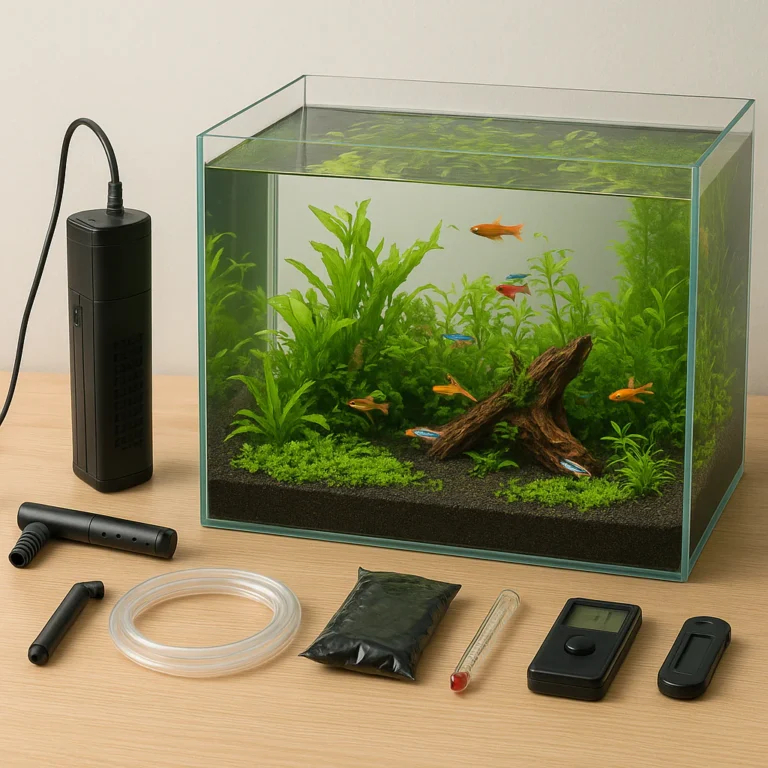
🏗️ Setting the Stage: Essential Saltwater Aquarium Setup for Fish Health
You can’t just dump salt and fish into a tank and hope for the best. The setup is the foundation of your symphony of aquatic life.
The Tank and Hood
- Glass vs. Acrylic: Glass is scratch-resistant but heavy. Acrylic is lighter and easier to cut but scratches easily.
- Size: 30 gallons is the sweet spot for beginners. It offers enough water volume to stabilize chemistry without being unmanageable.
- Lid: Mandatory. Saltwater fish are escape artists.
Filtration: The Heart of the System
- Canister Filters: Good for freshwater, but not ideal for saltwater due to salt creep and maintenance issues.
- Sump Systems: The gold standard. A sump is a separate tank below your display that houses equipment (heater, skimmer, refugium). It increases water volume and stability.
- Protein Skimmer: Removes organic waste before it breaks down. Non-negotiable for a healthy tank.
Lighting
- LEDs: The modern standard. Energy-efficient and customizable.
- Spectrum: You need a mix of blue and white light to simulate the ocean.
Substrate and Rock
- Live Rock: The biological filter. It houses beneficial bacteria.
- Sand Bed: A thin layer (1-2 inches) is best. Deep sand beds can create anaerobic pockets if not maintained.
💧 Water Chemistry Mastery: Salinity, pH, and Stability for Marine Life
This is where most beginners fail. Saltwater chemistry is less forgiving than freshwater.
Key Parameters
| Parameter | Ideal Range | Why It Matters |
|---|---|---|
| Salinity | 1.024 – 1.026 SG | Too low = stress; too high = dehydration. |
| pH | 8.1 – 8.4 | Fish need alkaline water to process waste. |
| Alkalinity | 8 – 12 dKH | Buffers pH; crucial for corals. |
| Calcium | 40 – 450 ppm | Needed for coral skeletons. |
| Magnesium | 1250 – 1350 ppm | Stabilizes calcium and alkalinity. |
| Amonia/Nitrite | 0 ppm | Toxic. Must be zero. |
| Nitrate | < 20 ppm | High levels cause algae and stress. |
| Phosphate | < 0.03 ppm | Fuels algae; can kill corals. |
The Importance of Stability
Consistency is king. A parameter that fluctuates wildly is worse than a parameter that is slightly off but stable.
- Temperature: Keep it between 76°F and 78°F. Use a reliable heater and a chiller if you live in a hot climate.
- Water Changes: Perform 10-20% water changes weekly to replenish minerals and remove nitrates.
🍽️ Feding Frenzy: Nutrition, Diet Plans, and Feding Schedules for Saltwater Fish
In the wild, fish graze all day. In a tank, they get fed once or twice. This mismatch causes malnutrition.
Feding Strategies
- Variety is Vital: Don’t just feed flakes. Use frozen foods (brine shrimp, mysis), pelets, and algae sheets.
- Frequency: Feed small amounts 2-3 times a day. Overfeeding is the #1 cause of poor water quality.
- Target Feding: Use a turkey baster or pipette to feed specific fish (like corals or shy gobies) directly.
Dietary Needs by Species
- Herbivores (Tangs, Blennies): Need constant access to algae. Feed Nori daily.
- Omnivores (Clownfish, Gobies): Balanced diet of meat and plant matter.
- Carnivores (Wrasses, Dottybacks): High protein. Frozen mysis and brine shrimp.
Warning: Never feed mammalian meat (bef, chicken). It is too fatty and causes digestive issues in fish.
🤝 Tank Mates and Compatibility: Who Gets Along and Who Starts a Fight
Choosing tank mates is like arranging a seating chart for a wedding where some guests hate each other.
The “No-Go” Zones
- Tangs + Small Fish: A large Tang will bully small fish.
- Angelfish + Soft Corals: They will eat them.
- Dottybacks + Shrimp: The shrimp will be dinner.
The “Safe” Combinations
- Clownfish + Gobies: Generally peaceful.
- Royal Grama + Blennies: Good for smaller tanks.
- Schooling Fish (Cardinalfish): Keep in groups of 6+ to reduce stress.
Stocking Density
A common rule of thumb is 1 inch of fish per 5 gallons, but this is a myth for saltwater. Swimming space is more important. A 2-inch Tang needs a 75-gallon tank, not a 10-gallon one.
🚑 Disease Prevention and Treatment: Common Ailments in Saltwater Fish
Disease in saltwater is often a symptom of por water quality or stress.
Common Diseases
- Ich (Cryptocaryon irritans): White spots on the body. Treatment: Copper medication or a quarantine tank with UV sterilization.
- Marine Velvet: Similar to Ich but with a dusty appearance. Treatment: Copper or formalin.
- Hole-in-the-Head: Caused by poor nutrition or water quality. Treatment: Improve diet (vitamins) and water changes.
- Fin Rot: Caused by poor water quality. Treatment: Improve water parameters and add antibiotics if severe.
The Quarantine Protocol
Never skip quarantine.
- Set up a separate tank (10-20 gallons).
- Observe the new fish for 2-4 weeks.
- Treat if necessary.
- Only introduce to the main tank if healthy.
🛒 Top Brands and Gear: Filters, Lights, and Food We Actually Trust
At Aquarium Music™, we’ve tested hundreds of products. Here are the ones that actually work.
Filters and Skimmers
- AquaC: Known for reliable protein skimmers.
- Red Sea: Excellent all-in-one systems and skimmers.
- EcoTech Marine: High-end skimmers and powerheads.
Lighting
- AI Hydra: Customizable LED spectrum.
- Kessil: Compact, high-intensity lights.
- Orphek: Great value for reef tanks.
Food
- Seachem: High-quality frozen foods and supplements.
- Ref Cravings: Specialized diets for specific species.
- Ocean Nutrition: Reliable flakes and pellets.
Recommended Products
- HelloRef Kit: A true all-in-one system for beginners.
- AquaReady RO/DI Filter: Essential for pure water.
- Neptune Apex Controller: For automation and monitoring.
👉 CHECK PRICE on:
- AquaC Skimmer: Amazon | Bulk Reef Supply | AquaC Official
- AI Hydra LED: Amazon | Chewy | AI Official
- Seachem Marine Food: Amazon | Petco | Seachem Official
💡 25 Essential Things to Know Before Setting Up Your First Saltwater Aquarium
Inspired by the “2 Essential Things” from My First Fish Tank, we’ve expanded the list to cover every angle.
- Patience is key: Wait 4-8 weeks for the cycle.
- Quarantine everything: No exceptions.
- Use RO/DI water: Tap water is a no-go.
- Salinity matters: Keep it between 1.024-1.026.
- Size your tank right: 30 gallons is the minimum for most fish.
- Don’t overfeed: Small amounts, multiple times.
- Test water weekly: Amonia, Nitrite, Nitrate, pH, Salinity.
- Live rock is your friend: It’s the biological filter.
- Sand bed depth: Keep it thin (1-2 inches).
- Lids are mandatory: Fish jump.
- Lighting spectrum: Blue and white for corals.
- Protein skimmer: Essential for waste removal.
- Water changes: 10-20% weekly.
- Avoid “instant” tanks: They don’t exist.
- Research fish compatibility: Don’t mix predators with prey.
- Feed variety: Flakes, frozen, pellets, algae.
- Monitor temperature: 76-78°F.
- Algae control: Use algae eaters (snails, hermits).
- Avoid over-cleaning: Don’t strip the tank of beneficial bacteria.
- Consistency over perfection: Stable parameters are better than perfect ones.
- Budget for upgrades: You will want more fish and corals.
- Join a community: Local clubs and online forums are invaluable.
- Have a backup plan: Power outages happen.
- Don’t buy on impulse: Research first.
- Enjoy the process: It’s a journey, not a destination.
🎓 Education Center: Advanced Topics in Marine Fish Keeping
Ready to level up? Here are some advanced concepts.
Refugiums
A refugium is a separate tank connected to your main system. It houses macroalgae (like Chaetomorpha) and live rock. It helps remove nitrates and phosphates naturally.
Sump Design
A well-designed sump includes:
- Skimmer chamber
- Return chamber
- Refugium chamber
- Bubble trap (to prevent noise)
Automation
- Auto Top-Off (ATO): Maintains water level.
- Dosing Pumps: Add calcium, alkalinity, and magnesium automatically.
- Controllers: Monitor and control temperature, pH, and lighting.
Breding
Breding saltwater fish is challenging but rewarding.
- Clownfish: Relatively easy to breed.
- Gobies: Some species breed easily.
- Tangs: Extremely difficult in home tanks.
🏆 Conclusion: Your Journey to a Thriving Saltwater Reef Begins Now

So, you’ve made it to the end. You know that saltwater aquarium fish are not just pets; they are a commitment to a living, breathing ecosystem. You’ve learned that patience is your most valuable tool, that quarantine is non-negotiable, and that stability is the key to success.
Remember the story of the 20-year-old Clownfish? That’s the kind of legacy you can build. But it starts with the right setup, the right fish, and the right mindset. Don’t rush. Don’t overcomplicate. Start small, learn the basics, and let your tank evolve naturally.
Final Recommendation: If you’re a beginner, start with a 30-gallon tank, a Clownfish, a Goby, and a Blenny. Stick to Tier 1 fish. Master the water chemistry. Then, and only then, consider adding corals or more exotic fish.
The ocean is waiting for you. Will you answer the call?
🔗 Recommended Links
Essential Gear
- HelloRef Kit: Amazon | HelloRef Official
- AquaReady RO/DI Filter: Amazon | Bulk Reef Supply
- Neptune Apex Controller: Amazon | Neptune Systems
Books
- “The Conscientious Marine Aquarist” by Robert Fener: Amazon
- “Saltwater Aquariums for Beginners” by D. L. B.: Amazon
Online Resources
- Ref2Ref Forum: Ref2Ref
- Advanced Aquarist: Advanced Aquarist
❓ FAQ: Your Burning Questions About Saltwater Aquarium Fish Answered

What are the best saltwater aquarium fish for beginners?
The best beginner fish are Clownfish, Gobies, Blennies, and Royal Gramas. These species are hardy, adaptable, and have diverse dietary needs. Avoid Buterflyfish and large Tangs until you have experience.
Read more about “🧠 7 Best Aquarium Controllers & Monitors for 2026: Save Your Reef!”
How much does it cost to set up a saltwater aquarium?
A basic 30-gallon setup can cost between $50 and $1,0 initially. This includes the tank, stand, lighting, filtration, and livestock. Ongoing costs for food, water changes, and electricity can range from $50 to $150 per month.
Read more about “🌊 Can I Use a Fish Tank as Decor? The 2026 Guide to Living Art”
What is the best diet for saltwater aquarium fish?
A varied diet is best. Combine high-quality flakes, frozen foods (mysis, brine shrimp), and algae sheets for herbivores. Avoid mammalian meats.
Read more about “🐟 How Often to Feed Fish & Best Food Types (2026)”
How often should I feed my saltwater aquarium fish?
Feed small amounts 2-3 times a day. Overfeeding is a common mistake that leads to poor water quality.
Read more about “🌊 Mastering the Marine Aquarium: Your 2026 Guide to a Thriving Reef”
Which saltwater aquarium fish are compatible with each other?
Clownfish and Gobies are generally compatible. Tangs need large tanks and can be aggressive. Dottybacks are aggressive toward small fish and invertebrates. Always research compatibility before adding new fish.
Read more about “🌊 Brackish Water Aquariums: The Ultimate 2026 Guide to Estuarine Life”
How do I maintain water quality in a saltwater aquarium?
- Perform weekly water changes (10-20%).
- Use a protein skimmer.
- Test water parameters regularly.
- Avoid overfeeding.
- Use RO/DI water.
Read more about “🚨 Tank Crisis? How to Fix Leaks & Equipment Failures Fast (2026)”
What are the most colorful saltwater aquarium fish to keep?
- Clownfish (various morphs)
- Royal Grama
- Midas Blenny
- Six-Line Wrase
- Coral Beauty Angelfish
Read more about “🌊 How to Set Up a Saltwater Fish Tank for Beginners (2026)”
📚 Reference Links
- LiveAquaria: Marine Fish Collection
- World Wide Corals: Saltwater Fish Collection
- My First Fish Tank: 2 Essential Things to Know
- Top Shelf Aquatics: Beginer Fish Guide
- Neptune Systems: Apex Controller
- Seachem: Marine Products
- AquaC: Protein Skimmers
- AI (Aquatic Life): Hydra LED
- Bulk Reef Supply: Saltwater Supplies
- Marine Depot: Aquarium Equipment