Support our educational content for free when you purchase through links on our site. Learn more
🐠 Ultimate Aquarium Maintenance Guide: 12 Steps to a Thriving Tank (2026)


The secret to a crystal-clear, thriving aquarium isn’t a magic potion or expensive gadget; it’s consistent, small-scale water changes combined with a deep understanding of your tank’s unique biological balance. Mastering aquarium maintenance means shifting your mindset from “cleaning a box” to “stewarding a living ecosystem,” where stability trumps sterility every single time.
We once watched a seasoned hobbyist spend three hours “deep cleaning” a tank, only to return the next day to find it clouded and his fish gasping at the surface. He had scrubed away the very beneficial bacteria his fish needed to survive, proving that sometimes, less is definitely more. Did you know that a single teaspoon of fish food can produce enough ammonia to kill a small fish in just a few hours? That’s the delicate power you’re managing every time you reach for that siphon.
Key Takeaways
- Consistency is King: Perform 10-25% water changes weekly rather than infrequent, massive overhauls to maintain stable water chemistry.
- Protect Your Bacteria: Never rinse filter media with tap water; always use tank water to preserve the beneficial colonies that process toxic waste.
- Test Before You Treat: Regularly monitor amonia, nitrite, nitrate, and pH to catch issues before they become emergencies.
- Observe Daily: Spend just 5 minutes a day watching your fish for behavioral changes, as early detection prevents most disease outbreaks.
- Salt Crep Alert: For marine tanks, wipe down electrical equipment immediately to prevent dangerous corrosion and short circuits.
Table of Contents
- ⚡️ Quick Tips and Facts
- 📜 The Evolution of the Glass Box: A Brief History of Aquarium Maintenance
- 🧪 The Science of Stability: Understanding Water Chemistry and the Nitrogen Cycle
- 🛠️ Essential Gear for the Modern Aquarist: Tools You Actually Need
- 📅 The Daily Grind: Routine Checks to Keep Your Tank Thriving
- 🗓️ Weekly Rituals: Water Changes, Vacuuming, and Filter Care
- 📆 Biweekly to Monthly Deep Dives: Algae Control and Equipment Inspections
- 🔄 Seasonal Shifts: Bimonthly and Long-Term Maintenance Strategies
- 🐠 Species-Specific Care: Freshwater vs. Saltwater Maintenance Nuances
- 🌿 Aquascaping and Plant Health: Pruning, Fertilizing, and CO2 Management
- 🚨 Troubleshooting 101: Diagnosing Common Water Quality Issues and Fish Behavior
- 🧹 Algae Wars: Identification, Prevention, and Eradication Tactics
- 🧬 The Biological Filter: How to Protect and Boost Your Beneficial Bacteria
- 💧 Water Parameters Decoded: pH, Hardness, Temperature, and Salinity Explained
- 🧪 Testing Kits and Monitoring: When to Test and What the Numbers Mean
- 🛒 Recommended Links
- ❓ FAQ: Your Burning Questions About Aquarium Maintenance Answered
- 📚 Reference Links
⚡️ Quick Tips and Facts
Welcome, fellow aquarists, to the ultimate
guide to keeping your aquatic paradise sparkling and your finned friends flourishing! Here at Aquarium Music™, we believe that a well-maintained aquarium isn’t just a chore; it’s a symphony of life, a living piece of art that brings
tranquility and wonder to any space. In fact, thinking of your aquarium as a decorative piece, a living art installation, can truly transform your approach to its care. So, whether you’re tending to a bustling
reef or a serene planted freshwater tank, consistent, thoughtful maintenance is the secret sauce.
We’ve seen it all, from crystal-clear havens to murky mysteries, and one thing is always true: consistency is king. You
don’t need to spend hours every day, but a little bit of effort regularly goes a long way. Think of it like tending a garden – small, frequent actions prevent big problems later.
Here are some rapid-fire insights from
our team to get your aquatic journey off to a harmonious start:
- Water Changes are Non-Negotiable: Seriously, this is the single most impactful thing you can do for your tank’s health. “Frequent, smaller water
changes (approximately 10 percent of your aquarium’s water) are preferable to infrequent, larger water changes.”. Aim for 10-25% weekly or bi-weekly, depending on your tank
‘s bioload. - Test, Test, Test! You can’t fix what you don’t measure. Regularly checking your water parameters like ammonia, nitrite, nitrate, and pH is crucial. For saltwater tanks, don
‘t forget salinity, calcium, and alkalinity. - Bacteria are Your Best Friends: The beneficial bacteria in your filter are the unsung heroes of your aquarium, converting toxic waste into less harmful substances.
As the “first YouTube video” emphasizes, “Bacteria are crucial for aquariums”. Never deep-clean your filter media with tap water, as chlorine will annihilate these vital microbes!
Water Conditioners are Essential:** Always treat new tap water with a quality water conditioner before adding it to your tank. This neutralizes chlorine and chloramines, protecting your fish and beneficial bacteria. Again, the “first YouTube video” wisely states
, “Water conditioners are essential”.
- Observe Your Inhabitants Daily: Spend a few minutes each day watching your fish and invertebrates. Are they swimming normally? Are their colors vibrant? Are there any signs of
disease or stress? Early detection is key to preventing widespread issues. - Salt Creep is a Sneaky Foe (for marine tanks): That crusty salt buildup on your equipment and power cords isn’t just unsightly
; it’s a potential electrical hazard. “Salt creep on power cords can travel into outlets, causing electrical shorts.”. Wipe it down immediately!
| Quick Tip Category | Actionable Advice
Aquarium Maintenance: A Comprehensive Guide to a Thriving Tank 🐠
⚡️ Quick Tips and Facts
Welcome, fellow aquarists, to the ultimate guide to keeping your aquatic paradise sparkling and your finned friends flourishing! Here at Aquarium Music™, we believe that a well-maintained aquarium isn’t
just a chore; it’s a symphony of life, a living piece of art that brings tranquility and wonder to any space. In fact, thinking of your aquarium as a decorative piece, a living art installation, can truly transform your approach
to its care. So, whether you’re tending to a bustling reef or a serene planted freshwater tank, consistent, thoughtful maintenance is the secret sauce.
We’ve seen it all, from crystal-
clear havens to murky mysteries, and one thing is always true: consistency is king. You don’t need to spend hours every day, but a little bit of effort regularly goes a long way. Think of it like tending a
garden – small, frequent actions prevent big problems later.
Here are some rapid-fire insights from our team to get your aquatic journey off to a harmonious start:
- Water Changes are Non-Negotiable: Seriously, this
is the single most impactful thing you can do for your tank’s health. “Frequent, smaller water changes (approximately 10 percent of your aquarium’s water) are preferable to infrequent, larger water changes.”. Aim for 10-25% weekly or bi-weekly, depending on your tank’s bioload. - Test, Test, Test! You can’t fix what you don’t measure.
Regularly checking your water parameters like ammonia, nitrite, nitrate, and pH is crucial. For saltwater tanks, don’t forget salinity, calcium, and alkalinity. - Bacteria are Your Best Friends: The
beneficial bacteria in your filter are the unsung heroes of your aquarium, converting toxic waste into less harmful substances. As the “first YouTube video” emphasizes, “Bacteria are crucial for aquariums”. Never
deep-clean your filter media with tap water, as chlorine will annihilate these vital microbes! - Water Conditioners are Essential: Always treat new tap water with a quality water conditioner before adding it to your tank. This neutral
izes chlorine and chloramines, protecting your fish and beneficial bacteria. Again, the “first YouTube video” wisely states, “Water conditioners are essential”. - Observe Your Inhabitants Daily: Spend a
few minutes each day watching your fish and invertebrates. Are they swimming normally? Are their colors vibrant? Are there any signs of disease or stress? Early detection is key to preventing widespread issues. - Salt Creep is a Sne
aky Foe (for marine tanks): That crusty salt buildup on your equipment and power cords isn’t just unsightly; it’s a potential electrical hazard. “Salt creep on power cords can travel into outlets, causing electrical shorts.”. Wipe it down immediately!
| Quick Tip Category | Actionable Advice
👉 CHECK PRICE on: Amazon | Chewy | Petco | API Official Website
📜 The Evolution of the Glass Box:
A Brief History of Aquarium Maintenance
You might think that keeping fish in glass boxes is a relatively modern phenomenon, but humans have been fascinated by aquatic life for millennia! Ancient Egyptians kept fish in ponds for food and pleasure, and the Romans pioneered
glass tanks for viewing marine creatures. But let’s be real, their “maintenance” mostly involved hoping for the best and probably a lot of fish funerals. 😅
The real revolution began in the mid-19th century with the
invention of the balanced aquarium concept. Think of it: early aquarists like Robert Warington and Philip Henry Gosse realized that plants could oxygenate the water and consume fish waste, creating a miniature ecosystem. This was a monumental shift from simply replacing
water to actively managing the biological processes within the tank. Suddenly, aquariums weren’t just temporary displays; they were sustainable, living environments.
Fast forward to the 20th century, and the hobby exploded. From simple goldfish
bowls (which, let’s be honest, are rarely ideal for goldfish!) to elaborate multi-tank setups, the demand for better ways to keep fish healthy grew. This led to the development of crucial equipment we now take for granted:
- Air pumps and air stones for increased oxygenation.
- Heaters to maintain stable temperatures for tropical species.
- Mechanical filters to remove particulate matter.
- Biological filters to house
those amazing beneficial bacteria. - Chemical filtration like activated carbon to remove odors and discoloration.
Today, we stand on the shoulders of these pioneers, armed with advanced technology and a deeper understanding of aquatic biology. Modern aquarium maintenance isn’t
just about cleaning; it’s about creating and sustaining a stable, healthy ecosystem where your aquatic inhabitants can thrive, not just survive. It’s about understanding the delicate balance of water chemistry, the power of beneficial bacteria, and the specific
needs of each creature you choose to house. And trust us, when you get it right, the rewards are truly spectacular!
🧪 The Science of Stability: Understanding Water Chemistry and the Nitrogen Cycle
Alright, let’s get a little nerdy for a moment, but trust us, this is the bedrock of all successful
aquarium keeping. Without a grasp of water chemistry and the nitrogen cycle, you’re essentially flying blind, hoping your fish don’t stage a mass exodus. And nobody wants that!
The Nitrogen Cycle: Your Tank’s Invisible
Guardian 🛡️
Imagine your fish are little waste-producing machines (they are!). Their poop, uneaten food, and decaying plant matter all break down into ammonia (NH₃). Ammonia is highly toxic to fish,
even in small concentrations. This is where the magic of the nitrogen cycle, powered by beneficial bacteria, comes in!
Here’s the simplified, yet crucial, breakdown:
- Ammonia (NH₃): The Silent
Killer
- Produced by fish waste, uneaten food, decaying organic matter.
- Highly toxic to fish, causing gill damage, stress, and eventually death.
- Levels should always be 0
ppm in an established tank.
- Nitrite (NO₂⁻): The Not-So-Silent Threat
- A specific type of bacteria, Nitrosomonas, converts ammonia into nitrite.
Less toxic than ammonia, but still very harmful, inhibiting oxygen uptake in fish blood.
- Levels should also always be 0 ppm in an established tank.
- Nitrate (NO₃⁻): The Less
-Evil Cousin
- Another type of bacteria, Nitrobacter, converts nitrite into nitrate.
- Much less toxic than ammonia or nitrite, but high levels can still stress fish, inhibit growth, and fuel
algae blooms. - Managed primarily through regular water changes and live plants (which absorb nitrates). Aim for below 20 ppm for most freshwater tanks, and even lower for sensitive marine systems.
This entire
process, from ammonia to nitrate, is called the nitrogen cycle. It typically takes 4-8 weeks to establish in a new tank, a period known as “cycling.” During this time, you’re building up the colonies of beneficial bacteria in
your filter media and substrate. Without a properly cycled tank, you’re setting yourself up for disaster. Learn more about proper Aquarium Setup and cycling your tank for success.
Key Water Parameters: The Vital Signs of Your Aquarium 📊
Beyond the nitrogen cycle, several other water parameters act as the “vital signs” of your aquarium. Keeping these stable is paramount for the long-term health of your aquatic inhabitants.
-
pH (Potential of Hydrogen): This
measures how acidic or alkaline your water is. -
Freshwater: Varies widely depending on species. Tetras prefer acidic (6.0-7.0), livebearers prefer alkaline (7.0-8.0).
-
Saltwater: Typically stable around 8.0-8.4.
-
Stability is key! Rapid pH swings are highly stressful.
-
Hardness (GH/KH):
-
General Hardness (GH): Measures dissolved mineral ions like calcium and magnesium. Important for osmotic regulation in fish.
-
Carbonate Hardness (KH) or Alkalinity: Measures bicarbonates and
carbonates, which act as a buffer against pH swings. Crucial for stability! -
Saltwater: High KH (8-12 dKH) is vital for coral growth and pH stability.
-
Temperature:
Different species have different thermal requirements. -
Freshwater: Most tropical fish thrive between 74-80°F (23-27°C).
-
Saltwater: Typically maintained
between 75-82°F (24-28°C) for reef tanks. -
Consistency is crucial! Sudden drops or spikes are detrimental.
-
Salinity (for Saltwater Aquariums): This is the concentration of salt in your water.
-
Measured with a hydrometer or refractometer.
-
Target specific gravity (SG) is usually 1.023-1.0
26. -
Evaporation removes only fresh water, so top-off with RODI (Reverse Osmosis De-Ionized) freshwater to maintain salinity.
Understanding and regularly monitoring these parameters is your superpower as
an aquarist. It allows you to anticipate problems, make small corrections, and ultimately provide a stable, healthy home for your aquatic life.
🛠️ Essential Gear for the Modern Aquarist: Tools You Actually Need
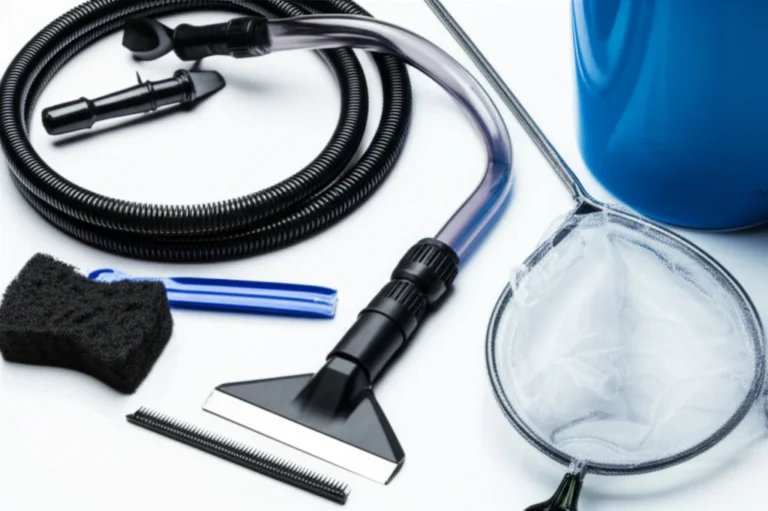
Alright, let’s talk tools! Just like a chef needs the right knives or a musician needs their instrument, a
successful aquarist needs a reliable arsenal of equipment. Forget the flimsy stuff; investing in quality tools will save you headaches (and potentially fish lives!) down the line. We’ve personally tested countless gadgets, and here are our top picks and
why you need them. For more insights on what to look for, check out our Aquarium Equipment category.
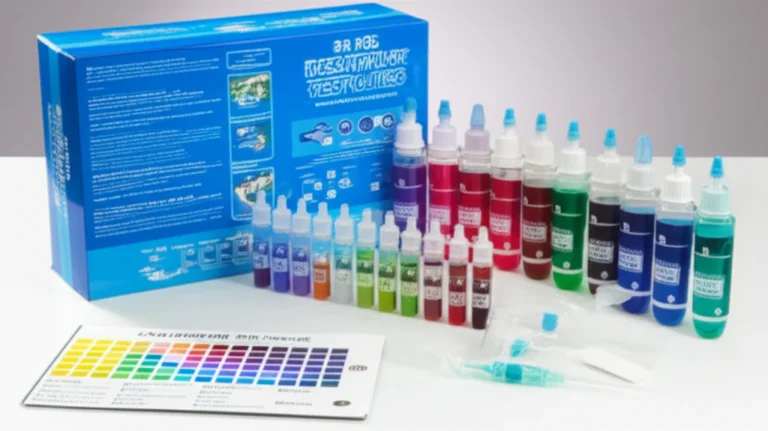
1. Water Testing Kits: Your Diagnostic Powerhouse 🧪
This isn’t optional, folks. Knowing your water parameters is
like knowing your own blood pressure – it tells you if something’s off before it becomes a crisis.
API Freshwater Master Test Kit
| Aspect | Rating (1-10) | Notes
|
|—|—|—|
| **
Design** | 8/10 | The kit is well-organized with clear instructions and color-coded charts. Bottles are easy to open and dispense. The test tubes are a bit small, which can make precise measurements tricky
for those with larger hands.
|
| Functionality | 9/1
0 | This kit tests for Ammonia, Nitrite, Nitrate, and pH – all the essentials for freshwater. Results are generally accurate and consistent, especially when following instructions carefully. The dropper bottles can sometimes be a little inconsistent with drop size, but
it’s a minor quibble.
|
| Durability | 9/10 | The bottles are sturdy, and the test tubes hold up well to repeated use. Reagents generally have a long shelf life if stored correctly. The color chart is laminated
, which is a nice touch for spill resistance.
|
| Ease of Use | 8/10 | The instructions are clear, and the color chart is easy to read. Performing the tests is straightforward, though some require
a bit of vigorous shaking. The kit includes everything you need to get started.