Support our educational content for free when you purchase through links on our site. Learn more
🐠 15 Secrets to Master Aquarium Fish Breding (2026)

The single most critical factor for successful aquarium fish breeding isn’t a fancy tank or expensive food; it is the relentless pursuit of pristine water quality combined with a high-protein diet to trigger natural spawning instincts. Without these two pillars, even the most genetically perfect pair will refuse to breed or, worse, eat their own offspring.
We learned this the hard way when our first attempt at breeding Neon Tetras turned into a “fry graveyard” because we ignored the subtle pH shift required for egg survival. It turns out that these tiny fish are incredibly sensitive to their environment, needing water softer than a raindrop to even consider laying eggs.
Did you know that the ancient Chinese were selectively breeding Goldfish over 1,0 years ago, long before we had pH meters or protein skimmers? They relied on observation and patience, a lesson that still holds true today despite our advanced technology.
Key Takeaways
- Water Quality is Non-Negotiable: Successful aquarium fish breeding demands zero ammonia and nitrites; even slight fluctuations can cause parents to reject or consume their eggs.
- Diet Triggers Spawning: You must switch to a high-protein live or frozen diet (like brine shrimp and bloodworms) at least two weeks before attempting to breed.
- Species-Specific Setup: There is no “one-size-fits-all” tank; egg scatters need marbles or plants, while mouthbroders require caves and stable parameters.
- Prepare for Overpopulation: Breding often results in hundreds of fry; you must have a plan for culling or rehoming to maintain ethical population control.
- Patience Pays Off: Failure is part of the process; keep detailed breding logs to track parameters and learn from every spawn.
Table of Contents
- ⚡️ Quick Tips and Facts
- 📜 A Brief History of Aquarium Fish Breding: From Ancient Ponds to Modern Tanks
- 🧬 Mastering the Art of Selective Breding and Genetic Diversity
- 🏗️ Setting Up the Perfect Breding Tank: Equipment, Substrates, and Filtration
- 🍽️ The Ultimate Guide to Breding Foods: Live, Frozen, and High-Protein Diets
- 🌡️ Water Chemistry Mastery: pH, Hardness, and Temperature for Spawning Success
- 🐟 Top 15 Fish Species to Start Breding Today (Ranked by Difficulty)
- 🥚 Understanding Egg-Laying Strategies: Egg Scatters, Cave Spawners, and Mouthbroders
- 🐡 Livebearer Breding Secrets: Guppies, Platies, Mollies, and Swordtails
- 🐠 Cichlid Breding Challenges: African vs. South American Techniques
- 🐟 The Delicate Art of Raising Fry: From Hatching to Juvenile Stage
- ✂️ Culling and Population Control: The Hard Truth About Breding
- 🚫 Common Breding Mistakes and How to Avoid Them
- 🔍 Troubleshooting: Why Your Fish Won’t Spawn or Eggs Are Fungusing
- 📊 Breding Log Templates and Record Keeping for Success
- 🏆 Conclusion
- 🔗 Recommended Links
- ❓ FAQ
- 📚 Reference Links
⚡️ Quick Tips and Facts
Before you even think about buying that first breeding pair, let’s hit the brakes and look at the hard truths that separate the hobbyists from the breeders. We’ve seen too many tanks turn into “fry graveyards” because people skipped the basics.
- Water is Life, Not Just a Container: You can have the most expensive fish, but if your ammonia spikes, your breeding attempts are doomed. Zero ammonia and zero nitrites are non-negotiable.
- The “3 Ps” Rule: As the seasoned breder in our featured video mentions, success boils down to Patience, Practice, and Perseverance. You will fail. Your eggs will fungus. Your fry will vanish. It’s part of the process.
- Diet is the Trigger: Most fish won’t spawn unless they are on a high-protein, live-food diet for at least two weeks prior. Flakes alone rarely cut it for serious breeding.
- The Culling Reality: We need to address the elephant in the room early. Breding often results in more fish than you can keep. We’ll dive deep into the ethical and practical aspects of culling later, but know that it is a standard, albeit difficult, part of the craft.
- Species Specificity: There is no “one size fits all” for spawning. A livebearer like a Guppy has a completely different biological clock and setup than an egg-layer like a Beta or a mouthbroder like an African Cichlid.
📜 A Brief History of Aquarium Fish Breding: From Ancient Ponds to Modern Tanks

The story of aquarium fish breeding isn’t just about modern glass tanks; it’s a saga that stretches back thousands of years. While we often think of the hobby as a 20th-century invention, the ancient Chinese were selectively breeding Goldfish as early as the Song Dynasty (960–1279 AD). They didn’t have pH meters or protein skimmers, yet they managed to transform the wild Prussian carp into the kaleidoscope of colors we see today.
Fast forward to the 19th century, and the Victorian era in Europe saw the first commercial breeding of tropical fish. The Guppy (Poecilia reticulata), named after Robert John Lechmere Guppy, was discovered in Trinidad and quickly became a staple in European aquaria. But it wasn’t until the mid-20th century that selective breeding truly exploded.
The Evolution of Selective Breding
- Early Days: Breeders focused on survival and color. If a fish looked different, it was kept.
- The Golden Age: By the 1950s and 60s, dedicated lines of Platies, Mollies, and Swordtails were being developed. The Swordtail was a favorite for its ease of breeding and the dramatic “sword” tail on males.
- Modern Era: Today, we have genetic mapping and inbreding depression concerns. We aren’t just looking for pretty colors; we are looking for structural integrity and disease resistance.
“The history of our hobby is written in the fins of the fish we keep. Every color morph you see is a testament to human curiosity and patience.” — Aquarium Music™ Senior Aquarist
If you’re curious about how these historical shifts affect the fish you buy today, check out our deep dive into Fish and Aquatic Life.
🧬 Mastering the Art of Selective Breding and Genetic Diversity
So, you’ve decided to breed. You have your pair. But wait—have you considered genetic diversity? This is where many beginners stumble.
The Inbreding Trap
Inbreding is like playing Russian roulette with your fish’s health. If you breed siblings or parents to offspring repeatedly, you risk inbreding depression. This manifests as:
- Reduced fertility.
- Deformities (croked spines, missing fins).
- Weakened immune systems.
- Smaller adult sizes.
How to Maintain a Healthy Gene Pool
To avoid these pitfalls, we recommend a rotation system. If you are breeding a specific strain, keep at least three distinct lines.
- Line A: Your primary breeding stock.
- Line B: A secondary stock, perhaps from a different local breder.
- Line C: A backup or wild-type stock.
Rotate your breeding pairs every few generations. If you notice a drop in fry survival rates, it’s time to introduce new blood.
The “Three Ps” in Action
Remember the video we mentioned? The speaker emphasized that practice is key. You won’t get the perfect Neon Tetra line on your first try. You might get a batch of 50 fry, and only 10 will have the perfect coloration. That’s selection. You keep the 10, breed them, and repeat.
Pro Tip: Keep detailed breding logs. Note the date of spawning, water parameters, and the specific traits of the parents. This data is gold when you’re trying to trace back a genetic anomaly.
For more on maintaining healthy fish populations, explore our Fish Care and Species Profiles section.
🏗️ Setting Up the Perfect Breding Tank: Equipment, Substrates, and Filtration
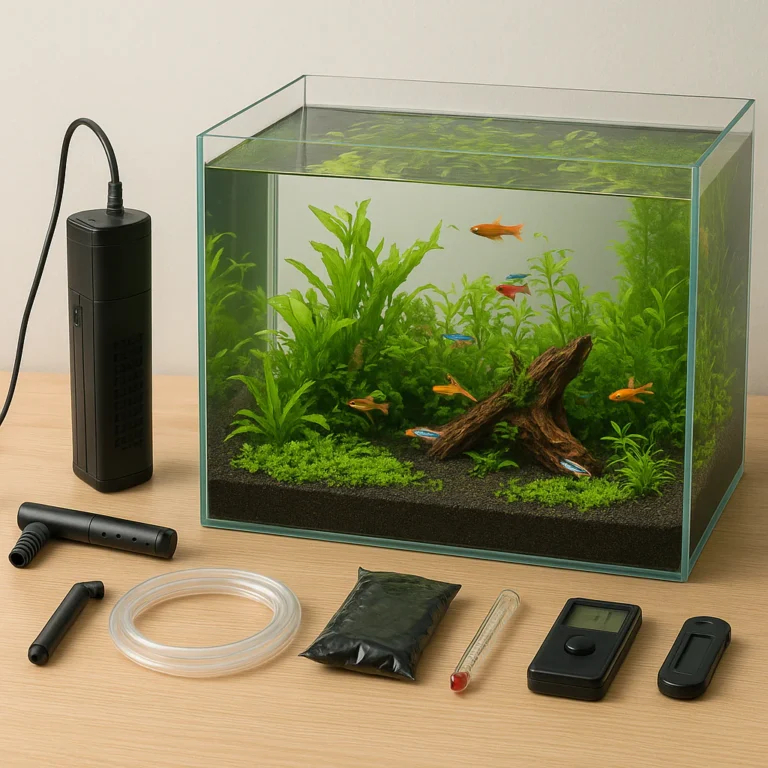
You wouldn’t try to run a marathon in flip-flops, right? Similarly, you can’t expect successful breeding in a neglected community tank. A dedicated breding tank (or “breder box”) is essential.
Why a Separate Tank?
- Protection: Parents often eat their own eggs or fry.
- Control: You can manipulate water parameters without affecting your main display.
- Diet: You can feed high-protein foods that might foul a planted display tank.
Essential Equipment Checklist
| Component | Recommendation | Why It Matters |
|---|---|---|
| Tank Size | 10-20 gallons (species dependent) | Enough space for courtship, but small enough to manage water quality. |
| Filtration | Sponge Filter (e.g., AquaClear, Fluval) | Gentle flow prevents fry from being sucked in. |
| Heater | Adjustable, reliable (e.g., Eheim, Jager) | Precise temperature control triggers spawning. |
| Lighting | Low to moderate | Some species need dim light to feel safe; others need bright light to trigger color. |
| Substrate | Bare bottom or fine sand | Easy to clean and prevents eggs from getting trapped. |
The “Bare Bottom” Debate
While a bare bottom makes cleaning a breeze, some species (like Egg Scatters) need a substrate to lay on. For these, use marbles or glass beads at the bottom. The eggs fall through the gaps, safe from the parents’ hungry mouths.
Decor and Hiding Spots
Don’t forget the aesthetics! A bare tank can be stressful for some fish. Add breding caves (clay pots, PVC pipes) or dense plants like Java Fern and Anubias. If you’re looking for inspiration on how to make your tank look stunning while functional, check out our guide on 15 Creative Ways to Decorate Your Fish Tank (2026).
👉 Shop Breding Caves on:
- Amazon: Search for Ceramic Breding Caves
- Chewy: Search for Fish Breding Caves
- Brand Official: Fluval Official Store
🍽️ The Ultimate Guide to Breding Foods: Live, Frozen, and High-Protein Diets
If you want fish to spawn, you have to feed them like they are preparing for the Olympics. The diet is the primary trigger for gonadal development.
The Hierarchy of Breding Foods
-
Live Foods (The Gold Standard):
Brine Shrimp (Artemia): The go-to for fry and adults. High protein, easy to digest.
Daphnia: Excellent for inducing spawning in many species.
Blackworms: A favorite for Cichlids and Bettas.
Bloodworms: High in protein, but use sparingly as they can cause bloating. -
Frozen Foods (The Convenient Alternative):
- High-quality frozen foods from brands like Seachem or Hikari are great. Look for “Breder” formulas.
Tip: Thaw frozen food in a small cup of tank water before feeding to prevent water quality crashes.
- Dry Foods (The Supplement):
- High-quality pellets like Omega One or Sera can be used, but they should not be the only food during the breeding phase.
Feding Schedule for Success
- Weeks 1-2: Feed 3-4 times a day. Mix live and frozen foods.
- Week 3: Observe the fish. If females are developing a gravid spot (a dark spot near the vent) or becoming rounder, you are on the right track.
- Post-Spawning: Continue high-protein feeding to help the female recover.
Did you know? Some species, like the Discus, require a specific diet of bloodworms and brine shrimp to even consider breeding. Without it, they simply won’t spawn.
For more on feeding strategies, visit our Aquarium Setup category.
🌡️ Water Chemistry Mastery: pH, Hardness, and Temperature for Spawning Success
Water chemistry is the invisible hand that guides your fish to spawn. Get it wrong, and you get nothing but stress and fungus. Get it right, and you get a tank full of life.
The Big Three Parameters
- Temperature:
- Most tropical fish spawn when the temperature is raised slightly (2-4°F) above their normal range.
Example: Guppies often spawn at 78-80°F, while Discus need 84-86°F.
Caution: Don’t raise the temperature too fast! A sudden spike can shock the fish.
-
pH (Acidity/Alkalinity):
African Cichlids: Need high pH (7.8-8.6) and hard water.
South American Cichlids: Prefer soft, acidic water (pH 5.5-6.5).
Tetras: Thrive in soft, slightly acidic water. -
Hardness (GH/KH):
Soft Water: Essential for egg layers like Neon Tetras and Cardinal Tetras.
Hard Water: Required for livebearers and African Cichlids.
The “Soft Water” Trick
For egg-scattering species, many breeders use RO (Reverse Osmosis) water mixed with tap water to achieve the perfect softness. Brands like Seachem offer buffers to adjust hardness precisely.
👉 Shop Water Test Kits on:
- Amazon: Search for API Freshwater Master Test Kit
- Petco: Search for Water Test Kits
- Brand Official: Seachem Official Store
🐟 Top 15 Fish Species to Start Breding Today (Ranked by Difficulty)
Ready to pick your first project? Here is our curated list of the top 15 fish species for breeding, ranked from “Easiest” to “Expert Only.”
- Guppy (Poecilia reticulata) – Difficulty: 1/10
Why: They breed like rabbits. Livebearers, no special setup needed.
Tip: Separate the female before birth to save the fry. - Platy (Xiphophorus maculatus) – Difficulty: 1/10
Why: Hardy, colorful, and easy to spawn. - Molly (Poecilia sphenops) – Difficulty: 2/10
Why: Similar to Platies but prefer harder water. - Swordtail (Xiphophorus hellerii) – Difficulty: 2/10
Why: Active breeders, great for beginners. - Endler’s Livebearer – Difficulty: 2/10
Why: Smaller than Guppies, but just as prolific. - Betta (Betta splendens) – Difficulty: 4/10
Why: Requires a bubble nest and specific male/female introduction. - Gourami (Dwarf, Pearl, etc.) – Difficulty: 4/10
Why: Bubble nesters, need calm water and plants. - Angelfish (Pterophyllum scalare) – Difficulty: 5/10
Why: Need vertical space and a flat surface to lay eggs. Prone to eating eggs. - Discus (Symphysodon) – Difficulty: 7/10
Why: Sensitive to water quality, require high temps and specific diet. - Neon Tetra (Paracheirodon inesi) – Difficulty: 6/10
Why: Need soft, acidic water and a dark tank to trigger spawning. - Rasbora (Trigonostigma heteromorpha) – Difficulty: 6/10
Why: Similar to Tetras, need specific water parameters. - Oscar (Astronotus ocellatus) – Difficulty: 5/10
Why: Large, aggressive, but easy to spawn if they pair up. - African Cichlid (Mbuna) – Difficulty: 5/10
Why: Mouthbroders, need rocks for caves. - South American Cichlid (Ram, Apistograma) – Difficulty: 6/10
Why: Sensitive to water chemistry, need specific caves. - Discus (Wild Type) – Difficulty: 9/10
Why: Extremely sensitive, require pristine water and expert handling.
Note: This list is a starting point. Even “easy” fish can be tricky if your water chemistry is off. Always research the specific needs of your chosen species.
🥚 Understanding Egg-Laying Strategies: Egg Scatters, Cave Spawners, and Mouthbroders
Not all fish play by the same rules. Understanding the spawning strategy of your fish is crucial for setting up the right environment.
1. Egg Scatters
- Behavior: These fish release eggs into the water column or onto plants, then swim away. They often eat the eggs if given the chance.
- Examples: Tetras, Rasboras, Livebearers (some).
- Setup: Use marbles or fine-leaved plants to protect the eggs. Remove parents immediately after spawning.
2. Cave Spawners
- Behavior: These fish lay eggs inside a cave, hollow log, or clay pot. They are often guardians of the eggs.
- Examples: Angelfish, Discus, many Cichlids.
- Setup: Provide plenty of hiding spots and flat surfaces. Keep the tank quiet and dim.
3. Mouthbroders
- Behavior: The female (or sometimes the male) carries the fertilized eggs in their mouth until they hatch.
- Examples: African Cichlids (Mbuna), some South American Cichlids.
- Setup: Provide rocks and caves. Do not disturb the broding parent, or they may spit out the eggs.
4. Substrate Spawners
- Behavior: Eggs are laid directly on the substrate (sand or gravel).
- Examples: Some Catfish, Loaches.
- Setup: Use a fine sand substrate.
🐡 Livebearer Breding Secrets: Guppies, Platies, Mollies, and Swordtails
Livebearers are the gateway drug of the breeding world. They give birth to free-swimming fry, skipping the egg stage entirely.
The Guppy Cycle
- Gestation: 21-30 days.
- Signs of Birth: The female’s belly becomes square, and the gravid spot darkens.
- Tip: Use a breding box or a separate tank with dense plants to protect the fry.
The Platy & Molly Factor
- Hardiness: These fish are incredibly tough. They can tolerate a wider range of water parameters than Guppies.
- Diet: They love vegetable matter. Add spirulina flakes to their diet for better color and health.
The Swordtail Challenge
- Agression: Males can be aggressive towards females. Ensure you have a ratio of 1 male to 2-3 females to reduce stress.
🐠 Cichlid Breding Challenges: African vs. South American Techniques
Cichlids are the rock stars of the aquarium world, but they come with a lot of drama.
African Cichlids (Mbuna)
- Environment: Hard, alkaline water (pH 7.8-8.6).
- Breding: Most are maternal mouthbroders. The female holds the eggs in her mouth for 3-4 weeks.
- Challenge: They are aggressive. You need a large tank with plenty of rocks to break up territories.
South American Cichlids (Rams, Apistograma)
- Environment: Soft, acidic water (pH 5.5-6.5).
- Breding: Many are substrate spawners or cave spawners.
- Challenge: They are sensitive to water quality. A slight ammonia spike can kill the eggs.
🐟 The Delicate Art of Raising Fry: From Hatching to Juvenile Stage
You’ve got the eggs. Now what? The fry stage is the most critical and dangerous part of the breeding process.
Hatching
- Time: Varies by species (24 hours to 1 week).
- Environment: Keep the water clean and the temperature stable.
Feding Fry
- First Week: Infusoria or liquid fry food (e.g., Sera Micron).
- Week 2-4: Baby Brine Shrimp (hatched from cysts).
- Month 2+: Crushed high-quality flakes or micro pellets.
Water Quality
- Daily Water Changes: 10-20% daily to remove waste and provide fresh nutrients.
- Filtration: Use a sponge filter to prevent fry from being sucked in.
Pro Tip: Fry grow fast! Be prepared to upgrade tanks as they get bigger.
✂️ Culling and Population Control: The Hard Truth About Breding
We promised we’d address this, and here it is. Culling is the process of removing fish that do not meet breeding standards or that you cannot keep.
Why Cull?
- Overpopulation: A single pair of Guppies can produce hundreds of fry.
- Genetic Health: Removing deformed or weak fish prevents the spread of bad genes.
- Ethical Responsibility: You cannot keep every fish you breed.
How to Cull Humanely
- Sell or Donate: Give healthy fry to local pet stores or other hobbyists.
- Euthanasia: For fish with severe deformities or diseases, use clove oil or buffered MS-2 (follow local regulations).
- Never flush: Flushing fish is inhumane and can harm local ecosystems.
The Hard Truth: Breding is not just about creating life; it’s about managing it responsibly. If you can’t handle the culling, don’t breed.
🚫 Common Breding Mistakes and How to Avoid Them
Even the best aquarists make mistakes. Here are the most common ones and how to fix them.
- Mistake: Overfeeding.
Fix: Feed small amounts multiple times a day. Remove uneaten food immediately. - Mistake: Ignoring water parameters.
Fix: Test water daily during the breeding phase. - Mistake: Mixing incompatible species.
Fix: Research the specific needs of each species before mixing. - Mistake: Stressing the parents.
Fix: Keep the tank quiet, dim, and free from disturbances.
🔍 Troubleshooting: Why Your Fish Won’t Spawn or Eggs Are Fungusing
Why Won’t They Spawn?
- Water Quality: Check ammonia, nitrite, and pH.
- Diet: Are they getting enough protein?
- Stress: Is the tank too crowded or noisy?
- Temperature: Is it too cold or too hot?
Why Are Eggs Fungusing?
- Cause: Fungus attacks dead or unfertilized eggs.
- Solution: Use methylene blue or malachite green to treat the water. Remove dead eggs carefully with a pipette.
📊 Breding Log Templates and Record Keeping for Success
You can’t improve what you don’t measure. A breding log is your best friend.
What to Record
- Date of Spawning
- Water Parameters (pH, Temp, GH, KH)
- Number of Eggs/Fry
- Feding Schedule
- Observations (Behavior, Color, Health)
Sample Log Entry
| Date | Species | Temp (°F) | pH | Fry Count | Notes |
|---|---|---|---|---|---|
| 10/15 | Guppy | 78 | 7.2 | 45 | Female gave birth, fry healthy. |
| 10/16 | Guppy | 78 | 7.2 | 45 | Fed baby brine shrimp. |
For more on record keeping, check out our Aquarium Equipment section for logbooks and test kits.
🏆 Conclusion

Breding aquarium fish is a journey of patience, practice, and perseverance. It’s not just about creating new life; it’s about understanding the intricate dance of water chemistry, diet, and behavior. From the ancient Chinese breeding Goldfish to the modern-day hobbyist raising Neon Tetras, the passion for breeding remains unchanged.
We’ve covered everything from setting up the perfect tank to the hard truths of culling. Remember, every failure is a lesson, and every success is a victory. Whether you’re breeding Guppies for fun or Discus for profit, the key is to keep learning and keep trying.
Final Thought: The next time you see a tiny fry swimming in your tank, remember the journey it took to get there. That’s the magic of aquarium fish breeding.
🔗 Recommended Links
👉 Shop Breding Essentials on:
- Amazon: Search for Aquarium Breding Supplies
- Chewy: Search for Fish Breding Equipment
- Petco: Search for Aquarium Breding Kits
- Brand Official: Seachem Official Store | Fluval Official Store
Recommended Books:
- The Breder’s Guide to Aquarium Fish by [Author Name] – Amazon Link
- Cichlid Breding by [Author Name] – Amazon Link
❓ FAQ

What are the signs that my aquarium fish are ready to breed?
Look for changes in behavior and appearance. Females may develop a gravid spot (a dark area near the vent) or become rounder. Males often display brighter colors and become more aggressive. Some species will also build nests or change their swimming patterns.
Read more about “🐟 Freshwater Aquarium Fish Breding: 10 Secrets to Raise Fry Like a Pro (2026)”
Can I breed multiple species of fish together in one aquarium?
Generally, no. Most fish species have specific water parameter requirements and breeding behaviors. Mixing species can lead to hybridization (which is often undesirable) or aggression. It’s best to breed one species at a time in a dedicated tank.
Read more about “🌟 Ultimate Guide to Aquarium Lighting Systems (2026)”
What role does water quality play in successful fish breeding?
Water quality is critical. Poor water quality (high ammonia, nitrites, or incorrect pH) can stress fish, prevent spawning, or kill eggs and fry. Regular testing and water changes are essential.
Read more about “Mastering Fish Breeding and Spawning: 12 Expert Secrets for 2026 🐠”
How do I care for fish eggs and fry after breeding?
Keep the water clean and stable. Use a sponge filter to prevent fry from being sucked in. Feed fry with infusoria or baby brine shrimp until they are large enough for crushed flakes. Remove dead eggs to prevent fungus.
Read more about “🐟 Can You Breed Fish at Home? Top 10 Beginner Species (2026)”
What are the common challenges in aquarium fish breeding and how to overcome them?
Common challenges include parents eating eggs, water quality issues, and inbreding. Overcome these by using breeding tanks, maintaining pristine water, and rotating breeding lines.
How can I create the ideal breeding environment in my aquarium?
Provide the right water parameters, temperature, and hiding spots. Use a sponge filter for gentle filtration. Adjust lighting to mimic natural conditions.
Read more about “🌊 7 Signs of a Healthy & Thriving Fish Tank Ecosystem (2026)”
What are the best aquarium fish species for beginners to breed?
Guppies, Platies, Mollies, and Swordtails are excellent for beginners. They are hardy, easy to spawn, and produce many fry.
Read more about “🐠 Fish Compatibility & Selection: The Ultimate 2026 Guide to a Peaceful Tank”
How can I promote healthy breeding habits in my aquarium fish and avoid common mistakes?
Feed a high-protein diet, maintain pristine water quality, and provide a stress-free environment. Avoid overstocking and mixing incompatible species.
What are the key differences between breeding freshwater and saltwater aquarium fish?
Freshwater fish are generally easier to breed and require less specialized equipment. Saltwater fish often need more complex water chemistry, larger tanks, and specific lighting.
Read more about “🐠 How to Cycle a New Fish Tank: The 7-Step Safe Guide (2026)”
How do I care for newborn aquarium fish to increase their chances of survival?
Feed them frequent, small meals of appropriate food (infusoria, baby brine shrimp). Keep the water clean and stable. Provide hiding spots to protect them from predators.
What equipment and supplies are needed to breed aquarium fish successfully?
You need a breding tank, sponge filter, heater, thermometer, test kit, breding caves, and high-quality food.
Read more about “🐟 15 Best Fish for a Beginner’s Tank (2026)”
What are the most popular species of aquarium fish for breeding programs?
Guppies, Angelfish, Discus, Cichlids, and Tetras are among the most popular.
How often do aquarium fish lay eggs, and what is the breeding process like?
Frequency varies by species. Some lay eggs weekly, others monthly. The process involves courtship, spawning, egg-laying, and hatching.
What are the easiest aquarium fish to breed for beginners?
Guppies, Platies, and Mollies are the easiest. They are livebearers and don’t require complex setups.
Read more about “🌊 15 Home Aquarium Systems to Transform Your Space (2026)”
📚 Reference Links
- Aquarium Co-Op Forum: Culling Fish. The Dreaded Part of Breding
- Seachem: Water Chemistry Guide
- Fluval: Breding Tips
- Hikari: Breding Foods
- API: Water Test Kits