Support our educational content for free when you purchase through links on our site. Learn more
🐟 How Often to Feed Your Fish & Best Foods (2026)

Most adult fish thrive on just one meal a day, provided you stop feeding the moment they stop eating. If you are wondering, “How often should I feed my fish, and what are the best types of food to use?,” the answer lies in mimicking their wild, sporadic foraging habits rather than stuffing them at the dinner bell.
We once watched a tank of Oscar fish turn into a chaotic food fight because we assumed “more is better,” only to end up with a cloudy, ammonia-spiked disaster that took weeks to fix. In the wild, fish spend most of their day hunting and grazing, not gorging themselves on an all-you-can-eat buffet.
Did you know a fish’s stomach is roughly the size of its eyeball? Feding them more than that is a direct invitation to digestive issues and poor water quality. By switching to high-quality, species-specific foods and adhering to a strict fasting schedule, you can transform your tank from a stagnant soup into a vibrant, healthy ecosystem.
Key Takeaways
- The Golden Rule: Feed adult fish once a day or even every other day, ensuring all food is consumed within 2–3 minutes.
- Portion Control: A safe portion is roughly the size of the fish’s eyeball; overfeeding is the leading cause of water quality crashes.
- Diet Diversity: Rotate between high-protein pellets, frozen foods, and vegetable matter to match your fish’s natural carnivore, herbivore, or omnivore needs.
- Fasting is Vital: Implement a weekly fasting day to allow your fish’s digestive systems to clear out and prevent obesity.
- Quality Over Quantity: Invest in premium brands like Hikari or New Life Spectrum that use real ingredients instead of fillers.
Table of Contents
- ⚡️ Quick Tips and Facts
- 📜 A Brief History of Fish Feding: From Wild Streams to Home Tanks
- 🕒 The Golden Rule: How Often Should You Feed Your Fish?
- 🍽️ Decoding Dietary Needs: Carnivores, Herbivores, and Omnivores
- 🥣 The Great Food Debate: Flakes, Pelets, Frozen, and Live Options
- 📊 Feding Frequency by Species: A Comprehensive Chart
- 🚫 Overfeeding 101: Signs You’re Spoiling Your Fined Friends
- 🌿 Special Diets: Feding Beta Fish, Goldfish, and Community Tanks
- 🧪 Water Quality and Feding: The Invisible Connection
- 🛠️ Tools of the Trade: Best Feeders and Storage Solutions
- 🤔 Troubleshooting: What If My Fish Won’t Eat?
- 🎉 Conclusion
- 🔗 Recommended Links
- ❓ FAQ
- 📚 Reference Links
⚡️ Quick Tips and Facts
Before we dive into the deep end of feeding schedules and nutritional science, let’s hit the fast-forward button on the most critical takeaways. If you remember nothing else from this article, remember these golden rules:
- The 2-Minute Rule: Feed only what your fish can consume in 2 to 3 minutes. If food is still floating or sinking after 5 minutes, you’ve overfed. 🚫
- The Fasting Day: Adult fish benefit immensely from one fasting day per week. It mimics nature and gives their digestive systems a much-needed break. ✅
- The Eyeball Test: A fish’s stomach is roughly the size of its eyeball. If you are feeding more than that, you are likely causing internal issues. 🐟
- Water Quality First: Uneaten food is the #1 cause of amonia spikes and cloudy water. When in doubt, underfeed.
- Variety is Key: Just like us, fish get bored. Rotating between flakes, pellets, frozen, and live foods ensures a complete nutritional profile.
Wait, but what about those fancy automatic feeders? Are they a trap or a lifesaver? We’ll get to that later, but first, let’s look at where our feeding habits actually came from.
📜 A Brief History of Fish Feding: From Wild Streams to Home Tanks

You might think feeding fish is a modern invention, but the concept of “foraging” is as old as the ocean itself. In the wild, fish don’t have scheduled meal times. They spend 60-80% of their day hunting, scavenging, and grazing. A wild Beta, for instance, eats small insects and larvae sporadically throughout the day, never gorging itself until it bursts.
Fast forward to the 1950s, when the first commercial fish flakes were invented. Suddenly, we could feed our fish a consistent, nutrient-dense meal in seconds. While this was a miracle for hobbyists, it created a massive disconnect: we started feeding like humans, not like fish.
We began offering “all-you-can-eat” buffets twice a day, leading to the obesity and water quality issues we see today. As noted by experts at Aqueon, “Aquarium fish can be fed at any time of day, morning and evening feedings are best,” but the amount is where we often fail.
“Even hobbyists who only feed once a day or every other day can be guilty of overfeeding if the food is not completely consumed in less than 2 or 3 minutes.” — Aqueon
This historical shift from “grazing” to “gorging” is why understanding your fish’s natural history is crucial before you drop a single flake into the tank.
🕒 The Golden Rule: How Often Should You Feed Your Fish?
The answer isn’t a single number; it’s a spectrum based on life stage, species, and metabolism. Let’s break down the frequency that keeps your aquarium in harmony.
Life Stage Matters Most
The age of your fish dictates their hunger levels more than anything else.
- Fry (Babies): These tiny creatures have tiny stomachs and massive metabolisms. They need to eat 3 to 5 times a day. If you only feed them once, they will literally starve between meals.
- Juveniles: Growing fast, they need twice daily feedings to support their development.
- Adults: Most adult fish are perfectly happy with once a day. Some can even go every other day without issue, provided they are healthy and active.
The “Eyeball” Portion Control
How do you know how much is too much? Stop guessing and look at the fish.
- The Rule: Feed an amount of food roughly equal to the size of the fish’s eyeball.
- The Visual: After eating, the fish should have a slightly rounded abdomen. If they look bloated like a balloon, you’ve gone too far. If they look skeletal, increase the portion.
Timing is Everything
When you feed is just as important as how much.
- Diurnal Fish (Daytime): Wait 10-15 minutes after your aquarium lights turn on. Fish are often grogy right after waking up.
- Nocturnal Fish (Nightime): For species like Kuhli Loaches or certain Plecos, feed after the lights go out. This ensures they get the food without being bullied by active daytime fish.
But what if you have a mixed tank with day and night fish? How do you manage that without starving one group? We’ll solve that puzzle in the “Special Diets” section.
🍽️ Decoding Dietary Needs: Carnivores, Herbivores, and Omnivores
Not all fish are created equal, and feeding a carnivore a vegetarian diet is a recipe for disaster. Understanding the three main dietary categories is the first step to a healthy tank.
🥩 Carnivores (The Meat Eaters)
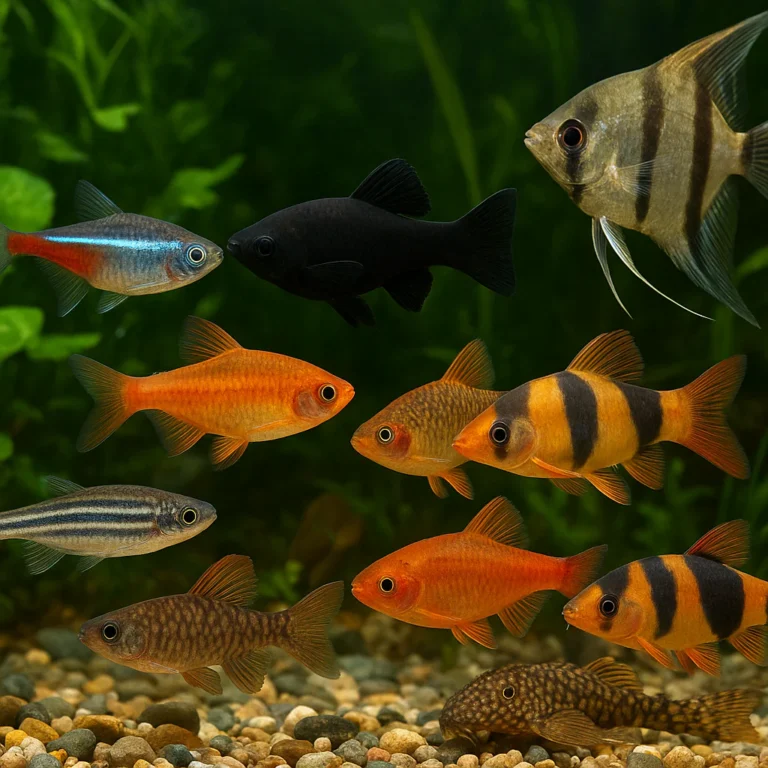
- Examples: Oscars, Cichlids, Bettas, Tiger Barbs.
- Diet: High protein, meat-based. In the wild, they hunt insects, worms, and smaller fish.
- Feding Strategy: They don’t need to eat every day. Their digestive systems are designed for large, infrequent meals. Overfeeding them leads to fatty liver disease and rapid water fouling.
- Pro Tip: Even carnivores benefit from occasional plant matter to aid digestion, but protein should be the star.
🌿 Herbivores (The Grazers)
- Examples: Plecos, Silver Dollars, Rabbitfish, many Algae Eaters.
- Diet: Plant material, algae, vegetables.
- Feding Strategy: These fish have long digestive tracts designed to process low-nutrient food. They need to graze constantly. If you feed them a large meal once a day, they will starve because they can’t process it all at once.
- Pro Tip: Use sinking algae wafers and blanch vegetables like zucchini or spinach daily.
🥗 Omnivores (The Opportunists)
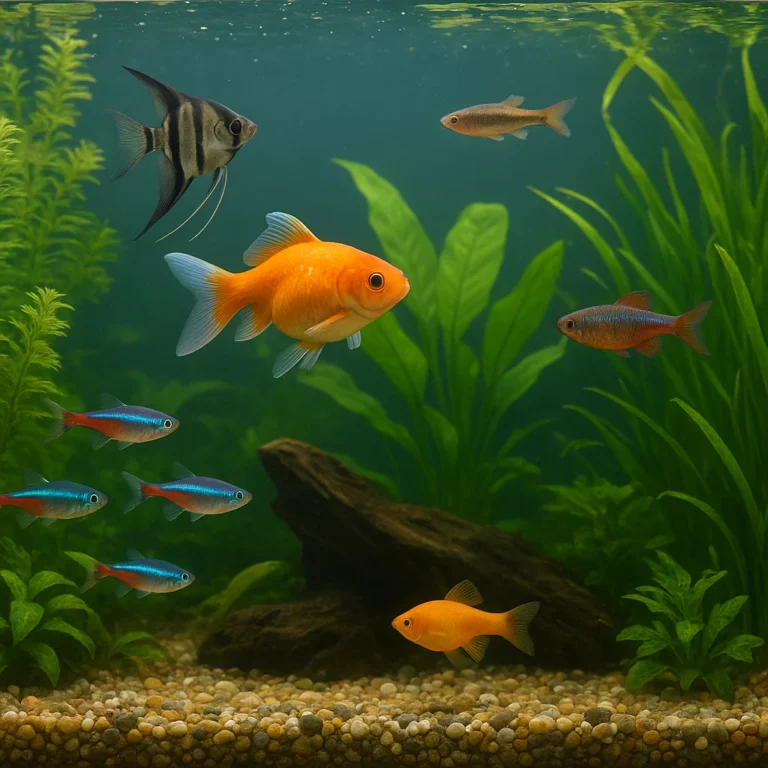
- Examples: Tetras, Guppies, Goldfish, Angelfish.
- Diet: A mix of meat and plants.
- Feding Strategy: These are the easiest to feed but also the most prone to overeating. They will eat anything you drop in.
- Pro Tip: Rotate between high-protein foods and vegetable-based foods to ensure a balanced diet.
“It’s extremely rewarding and surprisingly affordable to offer a diet that is at least close to that of a wild oscar.” — TFH Magazine
🥣 The Great Food Debate: Flakes, Pelets, Frozen, and Live Options
Now, let’s talk about the food itself. The market is flooded with options, but which one is actually best for your fined friends?
1. Flakes
- Best For: Surface and mid-water feeders (Tetras, Guppies).
- Pros: Easy to use, widely available, good variety.
- Cons: Can float too long, causing water surface film; often low in actual nutrition compared to other forms; can be difficult for bottom feeders to reach.
- Verdict: Great for community tanks, but don’t rely on them as the only food source.
2. Pelets
- Best For: Almost everyone, especially larger fish and bottom feeders.
- Pros: Sinks at a controlled rate, less mess, easier to measure portions.
- Cons: Can be too hard for some small fish; some brands use fillers.
- Verdict: The gold standard for portion control. Look for “floating” pellets for Bettas and “sinking” pellets for Corydoras.
3. Frozen Foods
- Best For: All species as a supplement or main meal.
- Pros: High nutritional value, mimics natural prey, no preservatives.
- Cons: Requires freezer space; can cloud water if not thawed properly.
- Verdict: Essential for a healthy diet. Use a turkey baster to target feed specific areas.
4. Live Foods
- Best For: Training picky eaters, breeding, and carnivores.
- Pros: Highest stimulation, natural behavior.
- Cons: Risk of introducing parasites; ethical concerns; requires maintenance.
- Verdict: Use as a treat, not a staple. Always source from reputable breeders to avoid disease.
5. Freeze-Dried Foods
- Best For: Convenience and variety.
- Pros: Long shelf life, easy to store.
- Cons: Can cause swim bladder issues if fed dry (always soak first!); lower nutritional value than frozen.
- Verdict: Good for travel or emergency backup, but soak them before feeding.
Product Comparison: Top Brands We Trust
| Brand | Product Type | Best For | Pros | Cons |
|---|---|---|---|---|
| Hikari | Bio-Gold Pelets | Bettas, Goldfish | High protein, low waste, great color enhancement | Can be pricey for large tanks |
| New Life Spectrum | Small Pelets | Small Tetras, Fry | High-quality ingredients, no fillers | Harder to find in local stores |
| Aqueon | Flakes | Community Tanks | Affordable, widely available, balanced | Lower protein content than premium brands |
| Seachem | NutriDip | All Fish | Immune support, easy to use | Not a full meal, strictly a supplement |
| Fluval | Bug Bites | Bottom Feeders | High insect protein, sinking formula | Some fish may be picky about the texture |
👉 CHECK PRICE on:
- Hikari Bio-Gold: Amazon | Chewy | Fluval Official
- New Life Spectrum: Amazon | Petco | Brand Official
- Aqueon Flakes: Amazon | PetSmart | Aqueon Official
📊 Feding Frequency by Species: A Comprehensive Chart
To make this actionable, here is a quick reference guide based on common aquarium species. Remember, these are guidelines, not laws. Always observe your specific fish.
| Species | Type | Frequency | Portion Size | Special Notes |
|---|---|---|---|---|
| Betta Fish | Carnivore | 1-2x/day | 2-4 pellets | Fast 1 day/week. Avoid flakes. |
| Goldfish | Omnivore | 2-3x/day | Small pinch | High waste; fast 1 day/week. |
| Neon Tetra | Omnivore | 1-2x/day | Tiny pinch | Feed sinking pellets for balance. |
| Oscar | Carnivore | Every other day | Until slightly distended | Massive eaters; watch for obesity. |
| Corydoras | Omnivore | 1x/day (Night) | 1-2 wafers | Feed after lights out. |
| Guppy | Omnivore | 1-2x/day | Small pinch | Prone to overeating. |
| Angelfish | Omnivore | 1-2x/day | Moderate | Vary between flakes and frozen. |
| Pleco | Herbivore | 1x/day (Night) | 1 wafer + veg | Needs algae wafers and veggies. |
Why do Oscars need to be fed every other day while Goldfish need it twice a day? It all comes down to their metabolic rate and natural history. We’ll dive deeper into the “Why” in the next section.
🚫 Overfeeding 101: Signs You’re Spoiling Your Fined Friends
We’ve all been there. You see your fish begging, they look so cute, so you drop in a few more flakes. “Just one more bite,” you think. But that “one more bite” is the beginning of the end for your water quality.
The Warning Signs
How do you know you’ve crossed the line?
- Uneaten Food: If food is sitting on the bottom after 5 minutes, you are overfeeding.
- Cloudy Water: A bacterial bloom caused by excess organic matter.
- Algae Explosion: Nitrates and phosphates from roting food feed algae.
- Fuzzy Growth: White, cottony fungus on decorations or plants.
- Fish Behavior: Fish looking bloated, lethargic, or refusing food (they are full or sick).
The “Snail Boom”
One of the most common signs of overfeeding is a sudden population explosion of snails. They are nature’s cleanup crew, and if they are multiplying rapidly, it means there is too much food in the tank.
How to Fix It
If you suspect overfeeding:
- Stop feeding immediately for 24-48 hours.
- Siphon the substrate to remove uneaten food.
- Perform a large water change (50%) to dilute toxins.
- Reduce future portions by 50% until the tank stabilizes.
“Uneaten food will quickly pollute your aquarium.” — Aqueon
🌿 Special Diets: Feding Beta Fish, Goldfish, and Community Tanks
Let’s address the specific needs of some of our most popular tank residents.
The Beta Fish: The Insectivore
Bettas are often misunderstood. They are not “easy” fish; they are picky eaters with specific needs.
- Diet: High protein is non-negotiable. Look for foods where fish meal or krill meal is the first ingredient.
- Form: Floating pellets are best. Flakes often get stuck in their gills or are too small.
- Frequency: Feed 2-3 pellets, 1-2 times a day. Fast one day a week.
- Treats: Frozen bloodworms or brine shrimp are excellent treats, but don’t make them the staple.
The Goldfish: The Gluttons
Goldfish have no stomach; they have a straight digestive tract. This means they process food quickly and produce a lot of waste.
- Diet: High fiber, low protein. Too much protein leads to swim bladder disease.
- Form: Sinking pellets or wafers. Soak them first to prevent air swallowing.
- Frequency: 2-3 times a day, but keep portions small.
- Vegetables: They love blanched peas, zucchini, and spinach.
Community Tanks: The Balancing Act
Feding a tank with Tetras, Corydoras, and Angelfish is a logistical challenge.
- Strategy: Use target feeding.
- Drop flakes for the top feeders (Tetras).
- Immediately drop sinking pellets for the mid-water feeders (Angelfish).
- Drop wafers for the bottom feeders (Corydoras).
- Timing: Feed the bottom feeders last, or use a feeding ring to keep food in one area.
But what if your fish just won’t eat? Is it a sign of illness or just pickiness? Let’s troubleshoot that next.
🧪 Water Quality and Feding: The Invisible Connection
You cannot separate feeding from water quality. Every gram of food you add to the tank eventually becomes waste.
- Amonia: Uneaten food and fish poop break down into ammonia, which is toxic.
- Nitrites: Beneficial bacteria convert ammonia to nitrite, which is also toxic.
- Nitrates: The final step, which is less toxic but causes algae growth if it gets too high.
The Rule of Thumb: The more you feed, the more you must filter and change water. If you are struggling with high nitrates, reduce your feeding first before buying a bigger filter.
For more on maintaining water quality, check out our guide on Aquarium Setup and Aquarium Equipment.
🛠️ Tools of the Trade: Best Feeders and Storage Solutions
Sometimes, the problem isn’t what you feed, but how you feed it.
Automatic Feeders
Are they worth it?
- Pros: Great for vacations, consistent timing, portion control.
- Cons: Can jam, power outages, may not work with all food types.
- Recommendation: Use them for short trips (up to 1 week). For longer trips, a pet sitter is better.
Feding Rings
A simple plastic ring that floats on the surface.
- Benefit: Keeps flakes from spreading everywhere, making it easier for fish to find food and for you to see what’s uneaten.
- Best For: Community tanks with shy fish.
Storage
- Airtight Containers: Moisture is the enemy. Store food in a cool, dry place.
- Freezer: Keep frozen foods in a dedicated freezer (not the one with your ice cream) to avoid cross-contamination.
👉 CHECK PRICE on:
🤔 Troubleshooting: What If My Fish Won’t Eat?
Your fish are ignoring the food. Panic sets in. Is it illness? Stress? Or just a bad batch of food?
Common Causes
- Stress: New tank, new tankmates, or aggressive behavior can make fish hide.
- Water Quality: High ammonia or nitrite levels will make fish lose their appetite.
- Temperature: If the water is too cold, metabolism slows, and they stop eating.
- Illness: Internal parasites or bacterial infections.
- Boredom: They are tired of the same food.
The Solution
- Test the Water: Always check parameters first.
- Fast Them: Sometimes, a 24-hour fast can reset their appetite.
- Try Live Food: A live brine shrimp or bloodworm can stimulate the hunting instinct.
- Check Temperature: Ensure it matches the species’ requirements.
If they still won’t eat after 3 days, and water parameters are perfect, it might be time to consult a vet or try a different food brand.
And just when you think you’ve mastered the art of feeding, you realize there’s one more variable: the shrimp and snails. Can they survive on the leftovers? Let’s clear that up.
If you’re wondering about the little cleanup crew in your tank, you might want to read our detailed guide on 🦐 Can I Keep Shrimp & Snails in My Fish Tank? to see how they fit into the feeding ecosystem.
🎉 Conclusion

Feding your fish is an art form that balances science, observation, and a little bit of intuition. There is no single “magic number” for how often to feed, but by following the 2-to-3 minute rule, respecting the eyeball portion size, and understanding the dietary needs of your specific species, you can keep your aquarium thriving.
Remember, underfeeding is always safer than overfeeding. A hungry fish is a healthy fish; a bloated fish is a sick fish. Whether you are raising a tank of tiny Neon Tetras or a massive Oscar, the key is variety, consistency, and observation.
So, the next time you stand in front of your tank, looking at those eager faces, ask yourself: “Am I feeding them, or am I feeding my own guilt?” The answer will determine the health of your aquatic symphony.
Recommended Links
- Hikari Bio-Gold Pelets: Amazon | Chewy
- New Life Spectrum: Amazon | Petco
- Aqueon Flakes: Amazon | PetSmart
- Book: The Ultimate Guide to Aquarium Fish by Amazon
❓ FAQ

How many times a day should I feed my freshwater fish?
Most adult freshwater fish thrive on once a day feeding. Juveniles and fry may need 2-3 times a day. Always fast your fish one day a week to aid digestion.
What is the best fish food for beta fish?
Bettas are insectivores and require high-protein floating pellets. Brands like Hikari Bio-Gold and New Life Spectrum are excellent choices. Avoid flakes as they can be difficult for Bettas to eat and often contain fillers.
Read more about “🦐 Can I Keep Shrimp & Snails in My Fish Tank? (2026)”
Can I overfeed my aquarium fish?
Yes, absolutely. Overfeeding is the most common mistake new hobbyists make. It leads to water pollution, ammonia spikes, and fish obesity. If food remains after 2-3 minutes, you have overfed.
Read more about “🐠 15 Secrets to Master Aquarium Fish Breding (2026)”
What are the healthiest fish food brands available?
Top brands known for high-quality ingredients include Hikari, New Life Spectrum, Fluval, and Seachem. Look for foods where the first ingredient is a named protein source (e.g., “fish meal” not “meat by-product”).
How long can fish go without food?
Healthy adult fish can easily go one week or more without food. This is why fasting one day a week is beneficial. However, fry and very small fish need more frequent feeding and should not be left without food for more than a day.
Read more about “🐟 How Often to Feed Fish & Best Foods (2026 Guide)”
Should I feed my fish flakes or pellets?
It depends on the fish. Flakes are great for surface feeders like Tetras. Pelets are better for bottom feeders and larger fish as they sink and are easier to measure. A mix of both is often ideal for community tanks.
What are the signs of overfeeding in aquarium fish?
Signs include uneaten food on the substrate, cloudy water, excessive algae growth, bloated fish, and a sudden increase in snail populations.
Read more about “🐠 How to Cycle a New Fish Tank: The 7-Step Safe Guide (2026)”
📚 Reference Links