Support our educational content for free when you purchase through links on our site. Learn more
Why Regular Water Changes Are Vital for Your Fish Tank 🐠 (2026)

Ever wondered if those weekly water changes you keep hearing about are truly necessary—or just an old fishkeeping myth? Spoiler alert: they’re absolutely crucial! At Aquarium Music™, we’ve seen firsthand how regular water changes transform a struggling tank into a vibrant underwater paradise. From flushing out toxic nitrates to replenishing essential minerals, water changes are the unsung heroes of aquarium health.
Stick around, because later we’ll reveal 7 key benefits of consistent water changes that will make you rethink your maintenance routine. Plus, we’ll share expert pro tips and common mistakes to avoid, ensuring your aquatic symphony stays in perfect harmony.
Key Takeaways
- Regular water changes dilute harmful toxins like ammonia, nitrite, and nitrate, keeping your fish safe and stress-free.
- They replenish vital minerals and trace elements that fish and plants need to thrive.
- Consistent water changes stabilize pH and buffering capacity, preventing dangerous swings.
- Proper technique and frequency tailored to your tank’s bioload and species are essential for success.
- Avoid common pitfalls like skipping water conditioners or drastic water changes to protect your aquatic friends.
Ready to dive deeper? Let’s make your fish tank sing with health and vitality!
Table of Contents
- ⚡️ Quick Tips and Facts About Regular Water Changes
- 🌊 The Science and History Behind Water Changes in Fish Tanks
- 💧 Why Are Regular Water Changes Crucial for Aquarium Health?
- 🔍 7 Key Benefits of Consistent Water Changes for Your Fish Tank
- 🧪 How Water Changes Improve Water Chemistry and Reduce Toxins
- 🐠 Impact of Water Changes on Fish Behavior and Well-being
- ⚙️ Step-by-Step Guide: How to Perform Effective Water Changes
- 🛠️ Tools and Equipment for Hassle-Free Water Changes
- 📅 How Often Should You Change Water? Frequency Tips for Different Tank Setups
- 🌿 Water Changes and Aquascaping: Keeping Plants Happy and Healthy
- ❌ Common Mistakes to Avoid During Water Changes
- 💡 Pro Tips From Aquarium Music™ Experts for Optimal Water Maintenance
- 🔄 Alternatives and Supplements to Traditional Water Changes
- 📊 Monitoring Water Parameters: What to Test Before and After Water Changes
- 🐟 Special Considerations: Water Changes for Different Fish Species
- 🌐 Environmental Impact: Sustainable Practices in Aquarium Water Changes
- 🎉 Conclusion: Why Regular Water Changes Are Your Aquarium’s Best Friend
- 🔗 Recommended Links for Further Reading and Supplies
- ❓ Frequently Asked Questions About Water Changes
- 📚 Reference Links and Scientific Sources
⚡️ Quick Tips and Facts About Regular Water Changes
Alright, fellow aquarists, let’s dive straight into the heart of aquarium husbandry! If you’re just starting your aquatic journey, or even if you’re a seasoned pro, you’ve probably heard the mantra: “Water changes are essential!” But why? And what’s the real deal? Here at Aquarium Music™, we’re all about making your tank sing, and that starts with pristine water. Before we plunge into the deep end, here are some rapid-fire facts to get your fins wet:
- The Golden Rule: Aim for a 10-25% partial water change weekly for most freshwater tanks. This is a consensus among experts, including LiveAquaria and Aquarium Co-Op forums, and a great starting point for maintaining optimal water quality LiveAquaria.
- Toxin Tamers: Water changes are your primary weapon against the silent killers: ammonia, nitrite, and nitrate. These nasty compounds build up from fish waste and uneaten food, making your tank a toxic soup if left unchecked Aquarium Co-Op Forum.
- Mineral Magic: They don’t just remove bad stuff; they replenish vital trace elements and minerals that fish and plants consume over time. Think of it as giving your aquatic buddies a fresh, nutrient-rich meal!
- pH Power: Regular water changes help stabilize pH levels and prevent dangerous pH crashes caused by accumulating acids.
- Algae Annihilation: By reducing excess nutrients like nitrates and phosphates, you’re starving out those pesky algae blooms. Say goodbye to green gunk!
- Stress Buster: Clean, stable water significantly reduces stress on your fish, making them happier, healthier, and less susceptible to disease.
- Dechlorinate, Always! Never, ever add untreated tap water directly to your tank. Chlorine and chloramine are lethal to fish and beneficial bacteria. A good water conditioner is non-negotiable.
Ready to uncover the symphony behind these simple actions? Let’s keep swimming!
🌊 The Science and History Behind Water Changes in Fish Tanks

Ever wondered why we even have to change water? It’s not just some arbitrary chore; it’s rooted in fundamental aquatic science and centuries of observation. When you’re setting up a fish tank, one of the 15 Common Mistakes to Avoid When Setting Up a Fish Tank 🐠 (2026) is neglecting to understand the nitrogen cycle, which is the very reason water changes are so crucial. You can learn more about avoiding common mistakes in our dedicated article here: 15 Common Mistakes to Avoid When Setting Up a Fish Tank 🐠 (2026).
The Nitrogen Cycle: Your Tank’s Invisible Engine
At the heart of every aquarium is the nitrogen cycle, a biological process that converts toxic fish waste into less harmful substances. Here’s the simplified breakdown:
- Ammonia (NH₃/NH₄⁺): Fish excrete ammonia, and uneaten food decomposes into it. Ammonia is highly toxic to fish, even in small amounts.
- Nitrite (NO₂⁻): Beneficial bacteria (primarily Nitrosomonas species) in your filter and substrate convert ammonia into nitrite. Nitrite is also very toxic, interfering with oxygen uptake in fish blood.
- Nitrate (NO₃⁻): Another group of beneficial bacteria (primarily Nitrobacter species) converts nitrite into nitrate. Nitrate is far less toxic than ammonia or nitrite, but it still accumulates and becomes harmful at high concentrations.
This is where water changes come in! While your filter’s beneficial bacteria are rockstars at converting ammonia and nitrite, they don’t remove nitrate from the water (unless you have specific denitrifying filters, which are less common in standard home setups). So, nitrates build up, and that’s where you, the aquarist, step in.
A Glimpse into Aquarium History: From Bowls to Biomes
For centuries, people kept fish in simple bowls, often replacing all the water daily. Early aquarists, like those in Victorian England, experimented with “balanced aquariums” using plants to absorb waste, but they still struggled with stability. It wasn’t until the understanding of the nitrogen cycle became widespread in the mid-20th century that the concept of partial water changes became the cornerstone of modern fishkeeping.
Our own team member, Alex, often recounts his grandfather’s first tank: “He had a goldfish in a small bowl, and he’d just dump all the water out every few days. The poor fish was constantly stressed! When I showed him how a proper filter and regular partial water changes worked, his next goldfish lived for years. It was a real ‘aha!’ moment for him, seeing the science in action.”
Today, we understand that water changes aren’t just about aesthetics; they’re about maintaining a stable, healthy biome for our aquatic friends. They’re a direct intervention to manage the end product of the nitrogen cycle and replenish essential elements.
💧 Why Are Regular Water Changes Crucial for Aquarium Health?
Imagine living in a small room where you eat, sleep, and… well, everything else. Now imagine that room never gets cleaned. Gross, right? That’s essentially what your fish experience if you neglect water changes. The water in your aquarium isn’t just a backdrop; it’s their entire world, their atmosphere, their life support system.
Here at Aquarium Music™, we often say, “Your fish don’t live in water; they live in the water parameters.” And those parameters are constantly shifting without your intervention.
The Silent Threat: Accumulation of Harmful Substances
As we discussed, the nitrogen cycle produces nitrates. While less toxic than ammonia or nitrite, high nitrate levels (often above 40 ppm, as the first YouTube video suggests) can still cause significant problems:
- Chronic Stress: Fish living in high nitrate water are under constant physiological stress, weakening their immune systems.
- Disease Susceptibility: A stressed fish is a sick fish waiting to happen. High nitrates make them vulnerable to common diseases like Ich (white spot disease) or fin rot.
- Stunted Growth: Young fish may fail to grow to their full potential.
- Reduced Lifespan: Long-term exposure to suboptimal water quality simply shortens their lives.
- Algae Blooms: Nitrates and phosphates are plant food. If you have too much, you’re essentially fertilizing unwanted algae, turning your beautiful aquascape into a green mess.
Beyond nitrates, other dissolved organic compounds (DOCs) build up. These can tint your water yellow, reduce light penetration for plants, and even contribute to bacterial growth. Water changes are the most direct and effective way to export these pollutants from your system. As LiveAquaria aptly puts it, “Water changes are the most effective way to keep water quality high and fish healthy.”
Replenishing the Essentials
It’s not just about removing the bad; it’s also about bringing in the good! Over time, essential minerals and trace elements that fish and plants need for healthy growth and metabolic functions get depleted. Calcium, magnesium, potassium – these are all vital. The first YouTube video highlights this, stating, “nutrients like magnesium and calcium can also deplete in the tank over time, and water changes help replenish these essential minerals.”
Think of it like this: your fish are constantly using up resources. Water changes are how you restock their pantry! Without them, your fish might suffer from deficiencies, leading to poor coloration, lethargy, and even skeletal deformities.
So, while filtration does an amazing job of mechanical and biological purification, it can’t do it all. Water changes are the irreplaceable cornerstone of aquarium maintenance, ensuring a vibrant, thriving aquatic ecosystem.
🔍 7 Key Benefits of Consistent Water Changes for Your Fish Tank
We’ve touched on the ‘why,’ but let’s really hammer home the incredible advantages of making water changes a regular part of your aquarium routine. It’s not just about survival; it’s about helping your aquatic world thrive! Here are seven undeniable benefits, backed by our years of experience and the collective wisdom of the aquarist community:
1. Drastically Reduces Harmful Toxins (Ammonia, Nitrite, Nitrate)
This is the big one, the primary reason we perform water changes. As fish waste, uneaten food, and decaying plant matter break down, they release ammonia. The nitrogen cycle converts this to nitrite, then nitrate. While biological filtration handles the first two, nitrates accumulate. Regular water changes dilute these nitrates, keeping them at safe levels (ideally below 20 ppm for most tanks, though up to 40 ppm might be acceptable for some hardy species, as the YouTube video suggests).
2. Replenishes Essential Minerals and Trace Elements
Fish and aquatic plants actively absorb and utilize various minerals and trace elements from the water for their metabolic processes, bone development, coloration, and overall health. Over time, these vital components become depleted. Fresh, dechlorinated tap water (or properly remineralized RO/DI water) reintroduces these crucial elements, ensuring your tank inhabitants have everything they need to flourish. This is a point emphasized by the Aquarium Co-Op forum summary, noting water changes “aid in replenishing essential minerals and trace elements.”
3. Stabilizes pH and Buffering Capacity
Fish waste and the nitrification process itself produce acids, which can gradually lower your tank’s pH. This is known as pH crash, and it can be deadly. The “buffer” in your water (often carbonates) helps resist these pH changes, but it gets used up over time. Water changes replenish this buffering capacity, helping to maintain a stable pH, which is critical for fish health. The first YouTube video explains this well: “Nitrates are acidic and as they rise in your tank, that acid is fighting against your buffer, which is what depletes those minerals.”
4. Improves Water Clarity and Reduces Discoloration
Have you ever noticed your tank water looking a bit yellowish or murky, even if it’s not green with algae? That’s often due to the buildup of dissolved organic compounds (DOCs) and tannins. While carbon filtration can help, water changes are the most effective way to physically remove these compounds, leaving your water crystal clear and sparkling. This enhances the beauty of your aquascape and allows better light penetration for your plants.
5. Boosts Oxygen Levels
While surface agitation and air stones are primary sources of oxygen, fresh water introduced during a water change is typically saturated with oxygen. This influx can give your fish a much-needed boost, especially in heavily stocked tanks or those with high biological activity. Better oxygenation means healthier fish respiration and overall vitality.
6. Prevents Algae Outbreaks
Algae thrive on excess nutrients, particularly nitrates and phosphates. By consistently removing these nutrients through water changes, you’re essentially starving out the algae. This doesn’t mean you’ll never see algae, but it significantly reduces the likelihood of unsightly and stubborn blooms, making your aquascape much easier to maintain. The Facebook group summary also highlights this, noting that “consistent water changes help prevent algae overgrowth.”
7. Enhances Fish Health, Coloration, and Behavior
Perhaps the most rewarding benefit! Fish in clean, stable water are simply happier. They exhibit brighter, more vibrant colors, show natural behaviors (like schooling, breeding, or foraging), and are far less prone to stress and disease. Our team member, Sarah, once had a school of Neon Tetras that were looking dull and lethargic. After increasing her weekly water change percentage from 10% to 20%, “their colors popped, and they started schooling actively again within days! It was like they’d been given a new lease on life.” This directly supports the sentiment from LiveAquaria: “Keeping water quality high is crucial for the health and happiness of your fish.”
🧪 How Water Changes Improve Water Chemistry and Reduce Toxins
Let’s get a little more granular with the chemistry, shall we? It’s not just about “clean water”; it’s about maintaining a delicate chemical balance that allows life to flourish. Think of your aquarium as a miniature ocean or river, constantly striving for equilibrium.
Dilution is the Solution to Pollution!
The fundamental principle behind water changes is dilution. When you remove a portion of the old tank water and replace it with fresh, treated water, you are literally diluting the concentration of every dissolved substance in the tank.
- Nitrates (NO₃⁻): As mentioned, nitrates are the primary target. If your tank has 40 ppm nitrates and you do a 25% water change, you’ve just reduced the nitrate concentration by 25% (assuming your tap water has 0 ppm nitrates). It’s simple math, but incredibly effective. This is why the first YouTube video suggests a water change when nitrates hit 40 ppm.
- Phosphates (PO₄³⁻): Often overlooked, phosphates can also accumulate from food and decaying matter. They are a major fuel for algae. Water changes help keep these in check.
- Dissolved Organic Compounds (DOCs): These are the complex organic molecules that build up over time, leading to yellow water, reduced light penetration, and a general “stale” smell. They can also harbor unwanted bacteria. Water changes are the most direct way to export them.
- Heavy Metals & Other Contaminants: While less common in well-maintained tanks, certain trace heavy metals or other environmental contaminants can slowly build up. Water changes help prevent their concentration from reaching harmful levels.
Buffering Capacity and pH Stability
This is a critical, often misunderstood aspect. Your water’s buffering capacity (measured by alkalinity, often expressed as KH or carbonate hardness) is its ability to resist changes in pH. The nitrogen cycle, fish respiration, and decaying organic matter all produce acids. These acids consume the buffers in your water.
Imagine your buffer as a sponge that soaks up acid. Eventually, the sponge gets saturated. When the buffer is depleted, even a small amount of acid can cause a rapid and drastic drop in pH – a pH crash. This is incredibly stressful, often fatal, for fish.
By performing regular water changes, you’re not just diluting acids; you’re also replenishing the buffer with fresh water. This ensures your tank’s pH remains stable within the ideal range for your specific fish species. As the YouTube video emphasizes, “Nitrates are acidic and as they rise in your tank, that acid is fighting against your buffer, which is what depletes those minerals.”
The Role of Water Conditioners
Before you add any tap water, you must treat it with a high-quality water conditioner. Tap water contains chlorine and often chloramine, which are disinfectants added by municipal water treatment plants. These chemicals are lethal to fish and destroy the beneficial bacteria in your filter.
Our go-to recommendations are:
| Product Name | Functionality | Ease of Use | Safety for Fish | Overall Rating (1-10) |
|---|---|---|---|---|
| Seachem Prime | Dechlorinates, detoxifies ammonia/nitrite, binds heavy metals | 9 | 10 | 9.5 |
| API Stress Coat | Dechlorinates, adds aloe vera for slime coat protection | 8 | 9 | 8.5 |
| FritzGuard | Dechlorinates, detoxifies ammonia/nitrite, reduces stress | 9 | 9 | 9.0 |
Seachem Prime is a powerhouse. A tiny amount treats a huge volume of water, and it temporarily detoxifies ammonia and nitrite, which can be a lifesaver in emergencies. It’s highly concentrated, making it very economical.
👉 CHECK PRICE on:
- Seachem Prime: Amazon | Chewy | Petco | Seachem Official
API Stress Coat is another excellent choice, especially for new fish or after handling, as the aloe vera helps protect and heal the fish’s natural slime coat.
👉 CHECK PRICE on:
- API Stress Coat: Amazon | Chewy | PetSmart | API Official
Using a quality conditioner is non-negotiable. It’s the first step to ensuring the new water you’re adding is beneficial, not harmful.
🐠 Impact of Water Changes on Fish Behavior and Well-being
We often talk about water parameters in numbers – ppm, pH, dKH. But what do these numbers mean for your fish? They mean everything! A fish’s behavior is a direct reflection of its environment, and a clean, stable tank is the secret to happy, active, and vibrant aquatic residents.
Reducing Stress: The Silent Killer
Imagine you’re constantly breathing stale, polluted air. You’d feel sluggish, irritable, and eventually, sick. Fish experience something similar in poor water conditions. High levels of nitrates, low oxygen, and fluctuating pH are all major stressors.
- Lethargy and Hiding: Stressed fish often become lethargic, spending more time hiding or at the bottom of the tank. They lose their natural curiosity and activity.
- Loss of Appetite: A stressed fish may refuse to eat, leading to malnutrition and further weakening.
- Dull Coloration: Fish often “pale out” or lose their vibrant colors when stressed, a clear sign something is amiss.
- Abnormal Swimming: Erratic swimming, gasping at the surface, or rubbing against decor can all indicate discomfort or irritation from poor water quality.
- Increased Aggression/Timidity: Some fish might become unusually aggressive due to stress, while others become overly timid and withdrawn.
Our aquascaper, Leo, once had a beautiful school of Rummy Nose Tetras known for their bright red noses. “They’re like a living water quality indicator,” he says. “If their noses start to fade, I know my nitrates are creeping up. A good water change, and within hours, they’re schooling tightly, noses blazing red again. It’s incredible to see the immediate positive response.”
Boosting Immunity and Disease Resistance
Chronic stress from poor water quality directly suppresses a fish’s immune system. This makes them highly susceptible to opportunistic pathogens that are always present in an aquarium. Common diseases like Ich (white spot), fin rot, bacterial infections, and fungal infections often take hold when fish are already weakened by environmental stressors.
Regular water changes are your best defense against disease. By keeping water parameters stable and toxins low, you ensure your fish’s immune system is strong and ready to fight off any potential threats. It’s preventative medicine in its purest form!
Promoting Natural Behaviors and Breeding
When fish are comfortable and healthy, they exhibit their full range of natural behaviors. This includes:
- Active Schooling: Many schooling fish, like tetras and rasboras, will form tight, dynamic schools.
- Vibrant Coloration: Their natural colors will be at their peak, making your tank a visual spectacle.
- Foraging and Exploration: Healthy fish will actively explore their environment, searching for food and interacting with their surroundings.
- Breeding Behavior: For many species, stable, clean water is a crucial trigger for spawning. If you’re hoping to breed your fish, consistent water changes are paramount.
In essence, water changes don’t just keep your fish alive; they help them thrive. They transform a survival tank into a vibrant, dynamic ecosystem where your fish can truly express themselves.
⚙️ Step-by-Step Guide: How to Perform Effective Water Changes
Performing a water change might seem daunting at first, but trust us, it’s one of the most straightforward and impactful tasks you can do for your aquarium. Our team at Aquarium Music™ has performed thousands of water changes, from nano tanks to massive display aquariums. Here’s our tried-and-true method for a smooth, effective, and stress-free water change.
What You’ll Need: Your Water Change Arsenal 🛠️
Before you begin, gather your tools. Having everything ready makes the process much quicker and less messy.
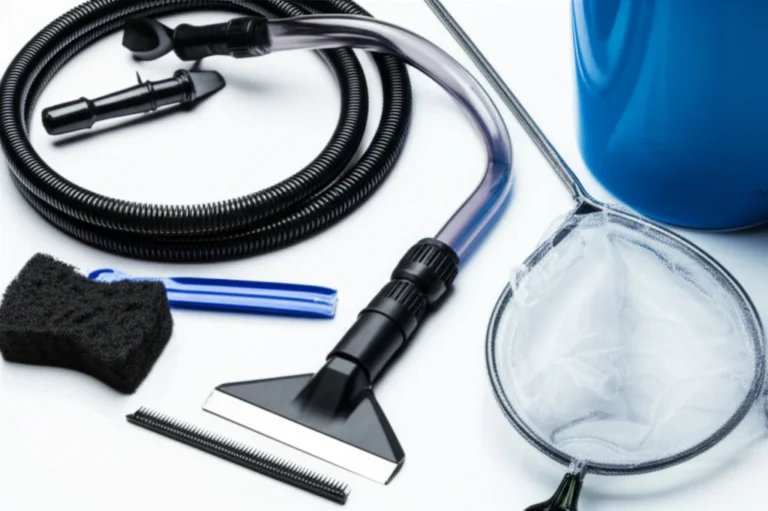
- Gravel Vacuum/Siphon: Essential for removing water and detritus from the substrate.
- Buckets (2-3): Dedicated for aquarium use only! Never use buckets that have touched household cleaners. One for old water, one for new water, and maybe a spare.
- Water Conditioner: Your chosen brand (e.g., Seachem Prime, API Stress Coat).
- Thermometer: To match the temperature of the new water.
- Algae Scraper/Magnet: To clean the tank glass.
- Towels: For inevitable spills.
- Optional: Water Testing Kit: To check parameters before and after.
- Optional: Python No-Spill Clean and Fill System: A game-changer for larger tanks, connecting directly to your faucet.
The Aquarium Music™ 7-Step Water Change Symphony 🎶
Step 1: Preparation is Key 🔑
- Turn off Heaters and Filters: This is crucial! Heaters can overheat if exposed to air, and running a filter dry can damage the impeller or burn out the motor. For sponge filters, you can leave them running.
- Clean the Glass: Use your algae scraper or magnetic cleaner to remove any algae from the tank glass. This is easier to do when the water level is high, and the loosened algae will be siphoned out with the old water.
- Gather Your Tools: Ensure everything listed above is within arm’s reach.
Step 2: Siphon Out the Old Water 🗑️
- Start the Siphon: Place the wide end of your gravel vacuum into the tank and the hose end into your designated “dirty water” bucket. You can start the siphon by submerging the entire gravel vac, letting it fill with water, then quickly pulling the hose end out and down into the bucket. Alternatively, some gravel vacs have a hand pump.
- Vacuum the Substrate: Gently push the gravel vacuum into the substrate (gravel or sand) to suck up detritus, uneaten food, and fish waste. Be thorough but gentle, especially around plants or delicate decorations. For sand, hover just above the sand to avoid sucking up too much.
- Remove Desired Volume: Aim to remove 10-25% of your tank’s total volume. For example, for a 20-gallon tank, remove 2-5 gallons. You can mark your bucket to know how much you’re removing.
- Pro Tip: If you have live plants, try to vacuum around their bases without disturbing their roots too much. This helps deliver nutrients to the roots while removing waste.
Step 3: Prepare the New Water 💧
- Fill Your Bucket(s): Fill your clean bucket(s) with tap water.
- Match Temperature: Use your thermometer to ensure the new water’s temperature is as close as possible to your tank’s current temperature. A sudden temperature swing can shock your fish. Aim for within 1-2 degrees Fahrenheit.
- Add Water Conditioner: This is non-negotiable! Add the appropriate amount of water conditioner (e.g., Seachem Prime, API Stress Coat) to the new water before adding it to the tank. Follow the product’s instructions for dosage. This neutralizes chlorine and chloramine.
- Optional: Add Salt/Minerals: If you keep brackish fish or need to remineralize RO/DI water, add your salts/minerals now and ensure they are fully dissolved.
Step 4: Gently Add New Water to the Tank 🔄
- Slow and Steady Wins the Race: Pour the treated new water back into your tank slowly. Pouring it onto a decoration, a piece of driftwood, or even your hand can help disperse the water and prevent disturbing the substrate or stressing your fish with a sudden rush.
- Avoid Direct Stream on Fish: Try not to aim the new water directly at your fish.
- Python System Advantage: If using a Python system, simply switch the valve to “fill” and let it do the work, ensuring your water conditioner is added to the tank as it fills, or pre-treat the entire tank volume before refilling.
Step 5: Reconnect Equipment and Clean Up 🔌
- Restart Heater and Filter: Once the water level is back to normal, plug your heater and filter back in. Double-check that your filter is primed (if applicable) and running smoothly.
- Wipe Down: Clean up any spills immediately.
- Rinse Equipment: Rinse your gravel vacuum and buckets thoroughly with plain water and let them air dry. Store them in a clean, dedicated spot.
Step 6: Observe Your Fish 👀
- Post-Change Check: Take a few minutes to observe your fish. They should quickly return to their normal behavior. If they seem stressed (gasping, hiding, erratic swimming), double-check your water parameters and ensure the new water was properly conditioned and temperature-matched.
Step 7: Record Your Maintenance (Optional, but Recommended!) 📝
- Keep a Log: We highly recommend keeping a simple log of your water changes, including the date, percentage changed, and any observations. This helps you track your routine and troubleshoot any issues.
And there you have it! A perfectly executed water change. It might seem like a lot of steps, but once you get into the rhythm, it becomes second nature – a true symphony of maintenance for your aquatic masterpiece.
🛠️ Tools and Equipment for Hassle-Free Water Changes
Let’s be honest, nobody loves doing chores, but having the right tools can turn a dreaded task into a manageable, even enjoyable, part of your routine. At Aquarium Music™, we’ve experimented with countless gadgets and gizmos, and we’ve narrowed down the essentials that make water changes a breeze. Investing in quality equipment not only saves you time and effort but also ensures the safety and well-being of your fish.
The Essential Toolkit: Must-Haves for Every Aquarist
1. Gravel Vacuum / Siphon
This is your primary weapon against detritus. It allows you to remove water while simultaneously cleaning your substrate.
| Product Name | Design | Functionality | Ease of Use | Durability | Overall Rating (1-10) |
|---|---|---|---|---|---|
| Aqueon Aquarium Gravel Vacuum | Simple | Effective | 8 | 8 | 8.5 |
| Python No-Spill Clean and Fill | Advanced | Highly efficient | 10 | 9 | 9.8 |
| Marina Easy Clean Gravel Cleaner | Ergonomic | Good suction | 8 | 7 | 8.0 |
-
Aqueon Aquarium Gravel Vacuum: A classic for a reason. Simple, effective, and affordable. It comes in various sizes for different tank depths. The larger tube allows for quicker water removal and better detritus suction.
- Features: Easy-start siphon, comfortable grip, clear tube for visibility.
- Benefits: Removes waste from substrate, drains water simultaneously, cost-effective.
- Drawbacks: Manual siphoning can be a bit messy if not careful.
- 👉 CHECK PRICE on: Amazon | Chewy | Petco | Aqueon Official
-
Python No-Spill Clean and Fill System: For tanks 20 gallons and up, this is a game-changer. It connects directly to your faucet, using water pressure to create a siphon that drains water, and then reverses to refill the tank. No more buckets! Our lead aquascaper, Maya, swears by it: “Before Python, my back ached after every water change on our 125-gallon display tank. Now, it’s almost effortless. It’s an absolute must-have for larger setups.”
- Features: Faucet adapter, long hose, gravel tube, flow control switch.
- Benefits: Eliminates buckets, drains and fills quickly, minimizes spills, temperature matching is easier.
- Drawbacks: Initial cost, requires a compatible faucet, can be cumbersome in very small spaces.
- 👉 CHECK PRICE on: Amazon | Chewy | Petco | Python Official
2. Dedicated Aquarium Buckets
Seriously, get buckets only for your aquarium. Even trace amounts of household cleaners can be deadly to fish. We recommend at least two: one for dirty water, one for clean water. A 5-gallon bucket is a good standard size.
- Features: Durable plastic, often with measurement markings.
- Benefits: Prevents cross-contamination, easy to transport water.
- Drawbacks: Can be heavy when full.
3. Water Conditioner
As discussed, this is non-negotiable. Seachem Prime and API Stress Coat are top contenders. Always have a fresh bottle on hand.
4. Aquarium Thermometer
Matching water temperature is crucial to prevent shock. A simple floating or stick-on thermometer works perfectly.
- Features: Easy-to-read scale, suction cup or floating design.
- Benefits: Prevents temperature shock, ensures fish comfort.
- Drawbacks: Can be fragile (glass).
5. Algae Scraper / Magnetic Cleaner
Keep your viewing panes pristine!
-
Magnetic Cleaners (e.g., Mag-Float): Great for daily maintenance without getting your hands wet.
-
Blade Scrapers (e.g., API Algae Scraper): For tougher algae, especially on glass tanks.
6. Water Testing Kit
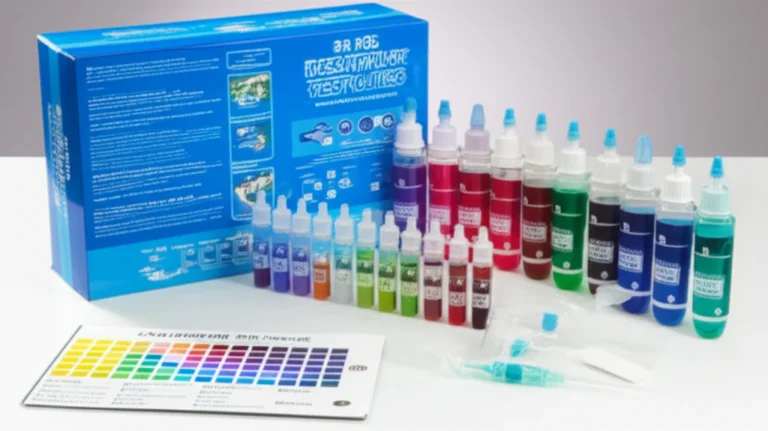
While not strictly for the act of changing water, testing before and after is vital for understanding your tank’s needs. We’ll delve deeper into this later, but the API Freshwater Master Test Kit is the industry standard.
- 👉 CHECK PRICE on: Amazon | Chewy | Petco | API Official
Having these tools ready will transform your water change experience from a dreaded chore into a smooth, efficient process, leaving you more time to simply enjoy your beautiful aquatic symphony.
📅 How Often Should You Change Water? Frequency Tips for Different Tank Setups
Ah, the million-dollar question! “How often should I change my fish tank water?” It’s the one we get asked most frequently here at Aquarium Music™. And like many things in the aquarium hobby, the answer isn’t a simple “every Tuesday at 3 PM.” It depends!
The general consensus, as highlighted by LiveAquaria, the Facebook group, and Aquarium Co-Op, is to perform 10-25% partial water changes weekly. This is an excellent starting point for most setups. However, several factors influence the ideal frequency and volume. Let’s break it down.
Factors Influencing Water Change Frequency
-
Bioload (Fish Stocking Level):
- Heavily Stocked Tanks: More fish mean more waste, leading to faster nitrate buildup. You might need to do 25-30% weekly or even 10-15% twice a week.
- Lightly Stocked Tanks: Fewer fish mean less waste. You might get away with 10-15% weekly, or even 20% bi-weekly if your parameters remain stable.
- Aquarium Music™ Anecdote: Our resident Betta whisperer, Chloe, keeps a single Betta in a beautifully planted 10-gallon tank. “I only do 10% weekly,” she says, “because my plants absorb so much, and he’s the only one in there. My nitrates never go above 10 ppm.”
-
Tank Size:
- Smaller Tanks (under 10 gallons): These are less stable and can accumulate toxins faster. You might need 25-30% weekly, or even more frequent smaller changes.
- Larger Tanks (50+ gallons): Generally more stable, but still require consistent maintenance. The sheer volume of water makes larger changes less impactful percentage-wise, but still necessary. A Python system really shines here!
-
Filtration Efficiency:
- Robust Filtration: A well-sized filter with good mechanical, biological, and chemical media can help keep parameters stable for longer. However, it doesn’t eliminate the need for water changes.
- Under-filtered Tanks: If your filtration is inadequate for your bioload, you’ll need more frequent and/or larger water changes.
-
Presence of Live Plants:
- Heavily Planted Tanks: Live plants are fantastic nitrate consumers! In a truly “walstad” or heavily planted tank, nitrates might stay very low, allowing for less frequent water changes (e.g., 10-20% every 2-4 weeks), as the first YouTube video also notes. However, remember that plants also consume essential minerals, so water changes still help replenish these.
- Bare or Sparsely Planted Tanks: Without plants to absorb nitrates, you’ll need to rely more heavily on water changes. Stick to the 10-25% weekly guideline.
-
Fish Species and Sensitivity:
- Sensitive Species (e.g., Discus, Wild Bettas): These fish require pristine water and stable parameters. More frequent, smaller water changes (e.g., 10-20% every 3-4 days) might be necessary.
- Hardy Species (e.g., Guppies, Platies): While still benefiting from clean water, they can tolerate slightly less frequent changes.
- African Cichlids: The YouTube video specifically mentions African Cichlids thriving in stable conditions and recommends keeping nitrates between 0-40 ppm. This implies that while 40 ppm is a trigger, consistent changes to keep it lower are beneficial.
-
Feeding Habits:
- Overfeeding: Excess food quickly breaks down into ammonia. If you tend to overfeed, you’ll need more frequent water changes.
- Moderate Feeding: Feeding small amounts multiple times a day, only what your fish can consume in a few minutes, minimizes waste.
When to Change Water: The Nitrate Trigger
The first YouTube video provides a very practical trigger: “You should water change your aquarium any time that you reach 40 ppm of nitrates, give or take.” This is an excellent guideline, especially if you’re unsure. Regularly testing your nitrates (and other parameters) will give you the most accurate picture of your tank’s needs.
Our Recommendation: Start with the 10-25% weekly guideline. Then, test your water parameters (especially nitrates) regularly. If your nitrates are consistently rising above 20 ppm before your next scheduled change, consider increasing the percentage of water you change or increasing the frequency. If they remain very low (e.g., under 10 ppm) in a heavily planted tank, you might be able to slightly reduce frequency, but always monitor closely.
Consistency is truly key. As the Facebook group summary states, “Consistency is key—make water changes part of your routine for a thriving tank.” Establishing a routine helps prevent problems before they start.
🌿 Water Changes and Aquascaping: Keeping Plants Happy and Healthy
For us aquascapers at Aquarium Music™, a thriving planted tank is a living work of art. And just like any masterpiece, it requires meticulous care. While plants are fantastic at consuming nitrates, water changes play a unique and crucial role in the health and vibrancy of your aquatic flora. It’s not just about removing waste; it’s about providing a balanced nutrient environment.
The Plant Paradox: Nutrients vs. Toxins
Here’s the interesting dynamic:
- Plants need nutrients: They thrive on nitrates, phosphates, potassium, iron, and various trace elements.
- Fish produce waste: This waste breaks down into nitrates and phosphates.
- Too much waste is bad: High levels of nitrates and other dissolved organics can still be detrimental, even in a planted tank.
So, how do we balance this?
1. Preventing Nutrient Imbalances
While plants consume nitrates, they don’t consume all waste products equally. Other compounds can build up, leading to imbalances. Water changes help reset the “nutrient clock” by diluting accumulated substances and introducing fresh water with a balanced profile of minerals.
- Replenishing Micronutrients: Plants, especially demanding species, rapidly deplete micronutrients like iron, manganese, and boron. While you might dose these, water changes provide a natural replenishment. Our aquascaper, Leo, often notes, “I can tell when my plants are due for a water change – the reds in my Rotala Rotundifolia start to dull, even with regular iron dosing. Fresh water always brings them back to life.”
- Avoiding Algae: Yes, plants compete with algae for nutrients. But if you have an excess of certain nutrients (like phosphates) or an imbalance, algae can still take over. Water changes help keep these levels in check, giving your desired plants the competitive edge.
2. Maintaining CO2 Stability (for High-Tech Tanks)
In high-tech planted tanks with CO2 injection, water changes can impact CO2 levels. When you remove water, you’re removing some dissolved CO2. When you add fresh water, it will have less CO2. It’s important to monitor your CO2 levels (e.g., with a drop checker) and adjust your CO2 injection after a water change to ensure stability.
3. Removing Dissolved Organic Compounds (DOCs)
Even in heavily planted tanks, DOCs can accumulate, leading to yellow-tinted water. This reduces light penetration, which is vital for plant photosynthesis. Water changes physically remove these compounds, ensuring your plants get maximum light and your aquascape looks pristine.
4. Promoting Plant Growth and Health
Just like fish, plants benefit from stable, clean water. They are less stressed, grow more vigorously, and exhibit better coloration when their environment is consistently optimal. Some plants, particularly those sensitive to specific water parameters, will show signs of distress (melting, stunted growth) if water quality declines.
Water Change Strategies for Planted Tanks
- Frequency: While some ultra-heavily planted, low-tech tanks might get away with less frequent changes, most planted tanks still benefit from 10-25% weekly or bi-weekly changes. If you’re dosing fertilizers, regular water changes prevent nutrient overdose.
- Gentle Vacuuming: When vacuuming the substrate in a planted tank, be very gentle. Hover the gravel vac just above the substrate to pick up detritus without disturbing plant roots too much. You want to remove waste, not uproot your carefully placed Glossostigma!
- Temperature Matching: Always match the temperature of the new water. Plants, like fish, can be sensitive to sudden temperature fluctuations.
- Water Conditioner: Essential for plants too! Chlorine and chloramine are harmful to plant cells and beneficial bacteria.
In summary, don’t let the myth that “planted tanks don’t need water changes” mislead you. While plants are incredible natural filters, water changes remain a critical component of a successful aquascape, ensuring both your flora and fauna thrive in harmony. For more insights into creating a lush aquatic landscape, explore our Aquascaping and Aquatic Plants section.
❌ Common Mistakes to Avoid During Water Changes
Even the most experienced aquarists can slip up, especially when rushing or getting complacent. At Aquarium Music™, we’ve seen (and sometimes made!) every mistake in the book. Learning from these missteps is crucial for keeping your aquatic environment harmonious. Here are some common pitfalls to avoid during your water change routine:
1. ❌ Not Using a Water Conditioner (or Not Enough!)
This is arguably the biggest and most dangerous mistake. Tap water contains chlorine and/or chloramine, which are deadly to fish and beneficial bacteria.
- Why it’s bad: Chlorine burns fish gills and skin; chloramine is even more persistent and toxic. Both destroy the bacterial colony that keeps your tank cycled.
- The Fix: ALWAYS use a high-quality water conditioner like Seachem Prime or API Stress Coat with every new water addition. Follow the dosage instructions precisely. If you’re unsure, it’s safer to slightly overdose a conditioner like Prime than to underdose.
2. ❌ Drastic Temperature Swings
Adding water that’s significantly colder or hotter than your tank water can shock your fish, weakening their immune system and potentially leading to disease or death.
- Why it’s bad: Fish are cold-blooded and highly sensitive to sudden temperature changes.
- The Fix: Use an aquarium thermometer to match the new water temperature as closely as possible to your tank’s current temperature (within 1-2 degrees Fahrenheit).
3. ❌ Changing Too Much Water at Once
While large water changes might seem like a quick fix for bad parameters, they can be incredibly stressful for fish, especially in established tanks.
- Why it’s bad: A massive water change drastically alters the water chemistry (pH, hardness, mineral content), which can shock fish. It can also remove too much beneficial bacteria, though most live in the filter and substrate, not free-floating.
- The Fix: Stick to 10-25% partial water changes weekly. If your parameters are truly terrible, do several smaller changes over a few days rather than one huge one.
4. ❌ Not Cleaning the Substrate (Gravel/Sand)
Just removing water isn’t enough. Much of the waste and detritus settles into the substrate.
- Why it’s bad: Accumulated detritus breaks down, releasing ammonia and nitrates, fueling algae, and harboring anaerobic pockets that can release toxic hydrogen sulfide gas.
- The Fix: Use a gravel vacuum to thoroughly clean a portion of your substrate during each water change. You don’t need to clean all of it every time, but rotate sections.
5. ❌ Forgetting to Turn Off Heaters and Filters
This is a common oversight that can lead to equipment damage.
- Why it’s bad: Heaters exposed to air can overheat and crack or burn out. Filters running dry can damage impellers or motors.
- The Fix: Make it a habit to unplug your heater and filter before you start draining water. Plug them back in after the tank is refilled.
6. ❌ Using Contaminated Buckets or Tools
Household cleaners, soaps, and even residual chemicals from other uses are highly toxic to fish.
- Why it’s bad: Even tiny amounts of detergents or disinfectants can wipe out your tank.
- The Fix: Designate specific buckets and tools solely for aquarium use. Label them clearly and never use them for anything else. Rinse them thoroughly with plain water after each use.
7. ❌ Neglecting Water Testing
Guessing your water parameters is like driving blindfolded.
- Why it’s bad: You won’t know if your water changes are effective, if your tank is cycling properly, or if there’s an underlying issue.
- The Fix: Invest in a reliable water testing kit (like the API Freshwater Master Test Kit) and test regularly, especially before and after water changes, and if you notice any fish distress.
8. ❌ Rushing the Process
Hasty water changes can lead to spills, forgotten steps, and stressed fish.
- Why it’s bad: Mistakes are more likely when you’re rushing, and a hurried refill can blast fish or disturb your aquascape.
- The Fix: Allocate enough time for your water change. Put on some Aquarium Music™ (of course!) and take your time. Slow and steady ensures a thorough and safe process.
By being mindful of these common mistakes, you can ensure your water changes are always a beneficial and stress-free experience for both you and your aquatic inhabitants.
💡 Pro Tips From Aquarium Music™ Experts for Optimal Water Maintenance
You’ve mastered the basics, avoided the pitfalls, and now you’re ready to elevate your water maintenance game! Here at Aquarium Music™, we believe in going beyond the ordinary to create truly spectacular aquatic environments. These pro tips, born from years of hands-on experience and a passion for fishkeeping, will help you fine-tune your routine and achieve unparalleled water quality.
1. The “Little and Often” Philosophy for Sensitive Tanks
While 10-25% weekly is a great general rule, for highly sensitive species like Discus or certain wild Bettas, or in heavily stocked tanks, consider smaller, more frequent water changes.
- Our Take: Instead of one 25% change weekly, try 10-15% every 3-4 days. This keeps parameters incredibly stable, minimizes fluctuations, and provides a constant influx of fresh minerals without shocking the system. It’s more work, but the results in fish health and vibrancy are undeniable.
2. Pre-Aging Water for Ultimate Stability
For the ultimate in stability, especially if your tap water parameters fluctuate or contain gases, consider pre-aging your water.
- How-To: Fill a dedicated container (like a large brute trash can or a food-grade barrel) with tap water a day or two before your water change. Add your water conditioner, an air stone, and a small heater to match the tank temperature. This allows chlorine/chloramine to dissipate fully, gases to off-gas, and the water to reach a stable temperature and pH.
- Benefits: Eliminates temperature shock, ensures full chemical neutralization, and provides perfectly stable water for sensitive inhabitants.
3. The Power of a Dedicated Water Change Station
If you have multiple tanks or a large setup, creating a dedicated water change station can be a game-changer.
- Setup: This could be a utility sink with a Python system, a large barrel with a pump, or simply a designated area where all your water change tools are stored.
- Benefits: Streamlines the process, reduces mess, and ensures you always have the right equipment ready. Our operations manager, Sam, built a custom water change cart for our facility: “It has everything on wheels – buckets, siphon, conditioner, even a small heater. It cut our water change time by 30%!”
4. Don’t Forget the Filter Maintenance!
While water changes remove dissolved toxins, your filter is working overtime on mechanical and biological filtration.
- The Link: During a water change, gently rinse your filter media (sponges, filter floss) in the old tank water you just siphoned out. Never rinse in tap water, as chlorine will kill beneficial bacteria. This removes trapped detritus without harming your biological filter.
- Why it’s important: A clogged filter can become a nitrate factory itself and reduce flow, impacting oxygenation.
5. The “Smell Test” (and What it Tells You)
A healthy aquarium should have a fresh, earthy smell – like a clean forest floor. If your tank smells foul, fishy, or like rotten eggs, it’s a red flag.
- What it means: A bad smell often indicates excessive organic decay, anaerobic pockets in the substrate, or a bacterial imbalance.
- The Action: Immediately perform a water change, thoroughly vacuum the substrate, and check your filter.
6. Consider RO/DI Water for Specific Needs
For highly specialized setups, particularly saltwater reefs, shrimp tanks, or tanks with very soft water fish (like Discus or many South American species), Reverse Osmosis/Deionized (RO/DI) water is often preferred.
- Why: RO/DI water is virtually pure, free of nitrates, phosphates, heavy metals, and other contaminants found in tap water.
- The Catch: It’s too pure for most fish. You’ll need to remineralize it with products like Seachem Equilibrium (for freshwater) or reef salts (for saltwater) to achieve the desired parameters.
- 👉 CHECK PRICE on:
- Seachem Equilibrium: Amazon | Chewy | Seachem Official
- RO/DI System (e.g., Aquatic Life Twist-In 100 GPD RO/DI): Amazon | Bulk Reef Supply
7. Embrace the “Water Change Day” Ritual
Make your water change a positive experience! Put on your favorite music (perhaps some Aquarium Music™?), grab a beverage, and enjoy the process. Viewing it as a meditative ritual rather than a chore can significantly improve your consistency and enjoyment of the hobby.
By incorporating these pro tips, you’ll not only maintain a healthier aquarium but also deepen your connection with your aquatic world, truly diving into a symphony of aquatic life. For more detailed advice on maintaining your tank, visit our Tank Maintenance section.
🔄 Alternatives and Supplements to Traditional Water Changes
While regular water changes are the undisputed champion of aquarium maintenance, it’s worth exploring other methods and products that can supplement (but rarely fully replace) this crucial task. Think of these as supporting musicians in your aquatic symphony, enhancing the overall performance but not taking the lead role.
1. Live Plants: Nature’s Nitrate Filters 🌿
We’ve touched on this, but it bears repeating: heavily planted tanks are incredibly efficient at consuming nitrates and phosphates.
- How they work: Plants absorb these nutrients directly from the water column for growth, effectively “exporting” them when you prune and remove plant mass.
- Limitations: They don’t remove all dissolved organic compounds, nor do they replenish all trace elements at the same rate. They also can’t handle massive bioloads alone.
- Aquarium Music™ Perspective: “A lush aquascape can significantly extend the time between water changes for nitrate control,” says Leo. “But you still need to change water to keep the water crystal clear and replenish minerals.” For more on aquascaping, check out our Aquascaping and Aquatic Plants category.
2. Denitrifying Filters & Media
These specialized filters or media aim to complete the nitrogen cycle by converting nitrates into harmless nitrogen gas.
- Types:
- Anaerobic Reactors: These create oxygen-deprived zones where specific bacteria can perform denitrification. Often used in saltwater setups.
- Specialized Media: Products like Seachem Denitrate or Fluval BioMax provide porous surfaces that can foster anaerobic bacteria in deeper layers.
- Deep Sand Beds: In some setups, a very deep sand bed can develop anaerobic zones.
- Limitations: Can be slow, tricky to establish, and may not handle very high nitrate loads. They are a supplement, not a replacement.
- 👉 CHECK PRICE on:
- Seachem Denitrate: Amazon | Bulk Reef Supply | Seachem Official
3. Chemical Filtration Media
These media absorb specific pollutants from the water.
- Activated Carbon: Excellent for removing dissolved organic compounds (DOCs), odors, and discoloration. It makes your water sparkle!
- Limitations: Becomes saturated over time and needs regular replacement (typically monthly). Doesn’t remove nitrates.
- 👉 CHECK PRICE on: Amazon (Fluval Activated Carbon) | Chewy
- Purigen (by Seachem): A synthetic adsorbent that removes organic waste, ammonia, nitrites, and nitrates at a molecular level. It’s highly effective and can be regenerated.
- Limitations: Doesn’t replenish minerals. Can be pricey upfront but is reusable.
- 👉 CHECK PRICE on: Amazon | Bulk Reef Supply | Seachem Official
- Phosphate Removers (e.g., Seachem PhosGuard, GFO): Specifically target phosphates, which are a major fuel for algae.
- Limitations: Only targets one specific pollutant.
- 👉 CHECK PRICE on: Amazon (Seachem PhosGuard) | Bulk Reef Supply
4. Refugiums (for Saltwater)
A refugium is a separate compartment or tank plumbed into the main display, often used to grow macroalgae (like Chaetomorpha) or house beneficial microfauna.
- How they work: Macroalgae consume nitrates and phosphates, effectively exporting them when harvested.
- Limitations: Primarily for saltwater, requires additional plumbing and equipment.
5. Automatic Water Change Systems
For the ultimate convenience, especially with large or multiple tanks, an automatic water change system can be installed.
- How they work: These systems use pumps and timers to slowly and continuously drain a small amount of old water and replace it with fresh, treated water.
- Limitations: High upfront cost, requires careful setup and monitoring, still needs manual cleaning of substrate.
- Aquarium Music™ Take: “An auto water change system is fantastic for maintaining ultra-stable parameters, but it doesn’t replace the need for a gravel vacuum and visual inspection,” says Sam. “You still need to get in there and clean!”
The Verdict: Supplements, Not Substitutes
While these alternatives and supplements can significantly improve water quality and potentially reduce the frequency or volume of water changes, they are rarely a complete replacement. Traditional partial water changes remain the most comprehensive and effective method for:
- Diluting all accumulated toxins and dissolved organics.
- Replenishing a full spectrum of essential minerals and trace elements.
- Maintaining stable pH and buffering capacity.
- Providing an opportunity for visual inspection and substrate cleaning.
Think of it like a balanced diet: supplements can be helpful, but they don’t replace wholesome food. Similarly, these tools enhance your water quality, but the core “meal” for your aquarium remains the regular, well-executed water change.
📊 Monitoring Water Parameters: What to Test Before and After Water Changes
You wouldn’t drive a car without a dashboard, right? Similarly, managing an aquarium without monitoring its water parameters is flying blind. Water testing is your dashboard, providing crucial insights into your tank’s health and the effectiveness of your maintenance routine. At Aquarium Music™, we consider it an indispensable part of responsible fishkeeping.
Why Test? The Data-Driven Aquarist 📈
- Identify Problems Early: Catch ammonia or nitrite spikes before they harm your fish.
- Gauge Water Change Effectiveness: See if your water changes are adequately reducing nitrates.
- Understand Your Tank’s Needs: Determine if you need more frequent changes, different filtration, or specific supplements.
- Ensure Stability: Confirm that your parameters remain stable, which is key for fish health.
- Troubleshoot Issues: If fish are sick or dying, water parameters are the first place to look, as the first YouTube video emphasizes: “If you have fish dying on you occasionally, and you can’t pinpoint it, it’s likely your water parameters, which coincides with your maintenance.”
The Essential Parameters to Monitor
1. Ammonia (NH₃/NH₄⁺)
- What it is: Highly toxic waste product.
- Ideal Range: 0 ppm. Any detectable ammonia is a sign of trouble (e.g., new tank syndrome, filter crash, overfeeding).
- When to Test: Regularly in new tanks, if fish show signs of stress, or after adding new fish.
2. Nitrite (NO₂⁻)
- What it is: Toxic intermediate product of the nitrogen cycle.
- Ideal Range: 0 ppm. Like ammonia, any detectable nitrite is a red flag.
- When to Test: Regularly in new tanks, if fish show signs of stress.
3. Nitrate (NO₃⁻)
- What it is: Less toxic end product of the nitrogen cycle, but harmful at high levels.
- Ideal Range: Below 20 ppm for most freshwater tanks. Some hardy fish can tolerate up to 40 ppm, as the YouTube video suggests, but lower is always better.
- When to Test: Crucially, before and after a water change. This tells you how quickly nitrates accumulate and how effective your changes are. This is your primary indicator for water change frequency.
4. pH (Potential of Hydrogen)
- What it is: Measures acidity or alkalinity.
- Ideal Range: Varies greatly by fish species (e.g., 6.0-7.0 for South American, 7.5-8.5 for African Cichlids). Stability is more important than a specific number.
- When to Test: Regularly to monitor stability. A drop in pH can indicate depleted buffering capacity.
5. KH (Carbonate Hardness / Alkalinity)
- What it is: Measures the water’s buffering capacity – its ability to resist pH changes.
- Ideal Range: Varies, but generally 4-8 dKH for most freshwater tanks.
- When to Test: Regularly, especially if you notice pH fluctuations. Low KH means your tank is vulnerable to pH crashes. The YouTube video highlights how nitrates fight against your buffer, depleting minerals.
6. GH (General Hardness)
- What it is: Measures the total concentration of dissolved mineral ions, primarily calcium and magnesium.
- Ideal Range: Varies by fish species.
- When to Test: Periodically to ensure essential minerals are present and stable.
Our Recommended Testing Kit: The Gold Standard 🧪
For freshwater aquariums, the API Freshwater Master Test Kit is the industry benchmark.
| Product Name | Accuracy | Ease of Use | Value for Money | Completeness | Overall Rating (1-10) |
|---|---|---|---|---|---|
| API Freshwater Master Test Kit | 9 | 8 | 9 | 10 | 9.0 |
- Features: Liquid reagents for Ammonia, Nitrite, Nitrate, and pH. Includes test tubes, color charts, and instructions.
- Benefits: Highly accurate, covers all critical parameters, lasts for many tests, widely available.
- Drawbacks: Liquid tests take a few minutes, requires careful counting of drops.
- 👉 CHECK PRICE on: Amazon | Chewy | Petco | API Official
For KH and GH, API also offers separate liquid test kits, or you can use test strips for a quicker (though less accurate) reading.
The “Before and After” Ritual 📊
- Before Water Change: Test your nitrates (and possibly pH/KH if you suspect issues). This gives you a baseline and confirms the need for the change. If nitrates are consistently high, you know you need to increase your water change volume or frequency.
- After Water Change: Test nitrates again (and pH/KH if relevant). This confirms that your water change was effective in diluting the toxins and replenishing buffers.
By consistently monitoring your water parameters, you’re not just performing maintenance; you’re actively managing your aquarium’s health, making informed decisions, and ensuring your aquatic life truly thrives. For more on fish health and care, visit our Fish Care and Species Profiles section.
🐟 Special Considerations: Water Changes for Different Fish Species
Just as a symphony requires different instruments to play their unique parts, different fish species have distinct environmental needs. While the core principle of regular water changes remains universal, the frequency, volume, and even the method can vary significantly depending on the specific fish you keep. At Aquarium Music™, we always emphasize tailoring your approach to your tank’s inhabitants.
1. Sensitive Species (e.g., Discus, Wild Bettas, Dwarf Cichlids)
These fish are the divas of the aquarium world – beautiful, but demanding! They originate from pristine, stable environments and are highly intolerant of fluctuating water parameters or even low levels of nitrates.
- Water Change Strategy:
- Frequency: Often require more frequent, smaller water changes. Think 10-15% every 2-3 days, or at least 25-30% twice a week.
- Temperature Match: Absolutely critical. Even a 1-degree shift can stress them.
- Water Source: Many keepers of these species opt for RO/DI water remineralized to their specific needs, as it offers the highest level of purity and control.
- Anecdote: Our Discus expert, Dr. Anya, once said, “For Discus, water changes aren’t just maintenance; they’re therapy. They thrive on fresh, clean water, and you can see the difference in their color and activity almost immediately after a change.”
2. African Cichlids (e.g., Mbuna, Peacocks)
These vibrant, often aggressive fish hail from the Great Rift Valley lakes, characterized by hard, alkaline water. They produce a lot of waste and appreciate stable, clean conditions.
- Water Change Strategy:
- Frequency: Typically benefit from 25-30% weekly water changes. Their high bioload means nitrates can accumulate quickly.
- Water Parameters: Focus on maintaining high pH (7.8-8.5) and high GH/KH. Water changes help replenish these buffers.
- Substrate Vacuuming: Essential due to their messy eating habits and high waste production.
- YouTube Video Insight: The first YouTube video specifically mentions African Cichlids thriving in stable conditions and recommends keeping nitrates between 0-40 ppm. Consistent water changes are key to achieving this.
3. Goldfish & Other High-Bioload Species (e.g., Plecos, Large Cichlids)
Goldfish are notorious for being “poop machines,” and large fish simply produce more waste. This means faster accumulation of toxins.
- Water Change Strategy:
- Frequency: Often require 30-50% weekly water changes, especially if kept in tanks smaller than ideal.
- Filtration: Robust filtration is crucial, but water changes are still paramount.
- Substrate Vacuuming: Aggressive vacuuming is often needed to remove accumulated waste.
- Aquarium Music™ Tip: “Don’t underestimate a goldfish’s bioload,” warns our fish care specialist, Ben. “A single fancy goldfish in a 20-gallon tank needs more frequent and larger water changes than a school of tetras.”
4. Heavily Planted Tanks (with Fish)
As discussed, plants consume nitrates, which can reduce the need for nitrate removal via water changes. However, other factors still apply.
- Water Change Strategy:
- Frequency: Can sometimes get away with 10-20% bi-weekly or even less frequent, if nitrates remain consistently low (below 10-20 ppm).
- Mineral Replenishment: Still crucial for plant and fish health.
- DOC Removal: Water changes keep the water clear and prevent yellowing.
- Gentle Vacuuming: Avoid disturbing plant roots.
5. Nano Tanks (under 10 gallons)
Small tanks are beautiful but inherently less stable due to their limited water volume. A small amount of waste can quickly lead to toxic levels.
- Water Change Strategy:
- Frequency: Often require 25-50% weekly water changes, or even 10-15% every 2-3 days for very small tanks or those with a higher bioload (e.g., a Betta in a 5-gallon).
- Temperature Match: Very important due to the small volume.
- Careful Refilling: Pour new water in slowly to avoid stressing fish or disturbing the substrate.
6. Saltwater Reef Tanks
Reef tanks have their own unique set of challenges, balancing nutrient export with the need to maintain specific parameters for corals and invertebrates.
- Water Change Strategy:
- Frequency: Typically 10-20% bi-weekly or monthly, but some advanced keepers do smaller, more frequent changes.
- RO/DI Water: Almost universally required, remineralized with high-quality reef salt mixes (e.g., Red Sea Coral Pro Salt).
- Parameter Matching: Beyond temperature, salinity, alkalinity, calcium, and magnesium must be precisely matched.
- 👉 CHECK PRICE on: Amazon (Red Sea Coral Pro Salt) | Bulk Reef Supply | Marine Depot
Understanding the specific needs of your fish is paramount. Always research your chosen species and adjust your water change routine accordingly. When in doubt, more frequent, smaller water changes are generally safer than infrequent, large ones. For comprehensive profiles on various aquatic life, explore our Fish and Aquatic Life section.
🌐 Environmental Impact: Sustainable Practices in Aquarium Water Changes
As aquarists, we’re deeply connected to aquatic ecosystems, even if ours are miniature versions. It’s only natural that we consider the broader environmental impact of our hobby, especially when it comes to water usage. At Aquarium Music™, we’re committed to promoting sustainable practices that benefit both your tank and the planet.
The Water Footprint of Your Aquarium 💧
Think about it: if you’re doing a 25% weekly water change on a 50-gallon tank, that’s 12.5 gallons of water every week, or roughly 650 gallons a year! Multiply that by millions of aquarists worldwide, and the numbers add up. While it’s a small fraction of overall household water use, every drop counts.
Sustainable Water Change Practices: Doing Your Part 🌍
1. Optimize Frequency and Volume (Without Compromising Fish Health)
- The Goal: Find the sweet spot where your fish are healthy, and your water usage is minimized.
- How-To: Use your water testing kit diligently. If your nitrates are consistently low (e.g., below 10 ppm) in a well-planted, lightly stocked tank, you might be able to slightly reduce the frequency or volume of your water changes. For example, instead of 25% weekly, perhaps 15% weekly or 25% bi-weekly.
- Caution: Never compromise fish health for water saving. If parameters start to climb, increase changes immediately.
2. Repurpose Old Aquarium Water 🌱
Don’t just dump that nutrient-rich old tank water down the drain! It’s a fantastic, chemical-free fertilizer for your houseplants and garden.
- Benefits:
- Nutrient Boost: The nitrates, phosphates, and other trace elements in old tank water are exactly what plants crave.
- Chemical-Free: Unlike tap water, it’s free of chlorine and chloramine, which can harm beneficial soil microbes.
- Water Conservation: You’re giving the water a second life!
- Aquarium Music™ Anecdote: Our office plants are ridiculously lush. “It’s all thanks to the ‘fish tea’,” laughs Chloe, referring to the repurposed aquarium water. “My Monstera has never been happier!”
3. Consider Rainwater Harvesting (with Caution!) 🌧️
For some aquarists, especially those needing soft water, rainwater can be an option.
- Benefits: Naturally soft and free of chlorine/chloramine.
- Cautions:
- Contamination: Rainwater can pick up pollutants (pesticides, heavy metals) from roofs and air.
- Inconsistency: Parameters can vary.
- Treatment: Always filter rainwater (e.g., through carbon) and test its parameters thoroughly before use. It’s generally safer to use for outdoor plants than directly in your aquarium without extensive purification.
4. Efficient Equipment Choices ⚙️
- Python No-Spill Clean and Fill: While it uses tap water pressure to siphon, it can be more efficient than multiple bucket trips, reducing spills and wasted water.
- RO/DI Systems with Auto Shut-Off: If you use an RO/DI system, ensure it has an auto shut-off valve to prevent continuous water waste once your container is full. Look for systems with higher GPD (gallons per day) ratings and efficient waste-to-pure water ratios.
5. Reduce Waste Production in the Tank 🐠
The less waste your tank produces, the less you’ll need to remove.
- Smart Feeding: Avoid overfeeding! Feed small amounts multiple times a day, only what your fish can consume in a few minutes.
- Appropriate Stocking: Don’t overstock your tank. A higher bioload means more waste and more frequent, larger water changes.
- Healthy Plants: Encourage lush plant growth to naturally absorb nitrates.
By adopting these sustainable practices, you’re not just being a responsible aquarist; you’re becoming an environmental steward, ensuring your passion for aquatic life harmonizes with the health of our planet. It’s another beautiful note in the symphony of aquarium keeping.
Conclusion: Why Regular Water Changes Are Your Aquarium’s Best Friend

So, after swimming through the currents of science, history, and practical know-how, what’s the bottom line? Regular water changes are absolutely essential for maintaining a healthy, vibrant, and stress-free aquatic environment. They are the unsung heroes of aquarium care, quietly working behind the scenes to remove toxins, replenish vital minerals, stabilize pH, and keep your fish and plants thriving.
We’ve seen how water changes are not just about aesthetics or “cleaning” but about maintaining the biological and chemical harmony that your fish depend on. Whether you keep delicate Discus, rambunctious African Cichlids, or a peaceful planted tank, water changes are your most effective tool for controlling nitrates, preventing algae blooms, and promoting overall ecosystem health.
And remember, it’s not just about how much water you change, but how often and how you do it. Consistency, temperature matching, proper conditioning, and gentle substrate vacuuming make all the difference. With the right tools—like the Python No-Spill Clean and Fill system, quality water conditioners such as Seachem Prime, and reliable test kits—you can turn this vital chore into a smooth, even enjoyable ritual.
If you’ve ever wondered whether water changes are truly necessary, the answer from every expert and experienced aquarist is a resounding YES! Neglecting them invites stress, disease, and premature loss of your aquatic friends. But with regular, well-executed water changes, you’re composing a beautiful symphony of aquatic life that sings with health and vitality.
Ready to dive in? Your fish will thank you with vibrant colors, lively behavior, and long, happy lives.
Recommended Links for Further Reading and Supplies
👉 Shop Aquarium Essentials:
-
Seachem Prime Water Conditioner:
Amazon | Chewy | Petco | Seachem Official -
API Stress Coat Conditioner:
Amazon | Chewy | PetSmart | API Official -
Python No-Spill Clean and Fill System:
Amazon | Chewy | Petco | Python Official -
API Freshwater Master Test Kit:
Amazon | Chewy | Petco | API Official -
Seachem Equilibrium (Mineral Supplement):
Amazon | Chewy | Seachem Official
Recommended Books for Aquarists:
-
The Simple Guide to Freshwater Aquariums by David E. Boruchowitz
Amazon -
Aquarium Care of Cichlids by Dr. Konrad F. Schmidt
Amazon -
The 101 Best Aquarium Plants by Mary E. Sweeney
Amazon
FAQ: Your Burning Questions About Water Changes Answered

What role do water changes play in preventing the buildup of toxins and algae in my fish tank?
Water changes dilute and remove harmful substances such as ammonia, nitrites, nitrates, and phosphates that accumulate from fish waste, uneaten food, and decaying plants. These toxins stress fish and fuel algae growth. By regularly replacing a portion of the tank water with fresh, conditioned water, you reduce these compounds, preventing toxic buildup and starving algae of nutrients, which keeps your tank clear and healthy.
What are the signs that my fish tank needs a water change, and how can I identify them?
Signs include:
- Elevated nitrate levels (above 20-40 ppm) detected via testing kits.
- Cloudy or yellowish water indicating dissolved organic compounds buildup.
- Algae blooms on glass, plants, or decorations.
- Fish behavior changes such as lethargy, gasping at the surface, loss of appetite, or faded coloration.
- Unpleasant odors resembling rotten eggs or fishy smells.
Regular testing combined with observation helps you identify when a water change is due.
How much water should I change in my fish tank at one time to maintain optimal water quality?
The general recommendation is a 10-25% partial water change weekly. This balances removing toxins and replenishing minerals without shocking fish or destabilizing water chemistry. For heavily stocked or sensitive tanks, more frequent or larger changes may be needed, but avoid changing more than 50% at once to prevent stress.
Can I use tap water for water changes in my fish tank, or is it better to use a water conditioner?
Tap water must be treated with a water conditioner before adding it to your aquarium. Municipal water contains chlorine and chloramine, which are toxic to fish and beneficial bacteria. Water conditioners like Seachem Prime or API Stress Coat neutralize these chemicals and detoxify ammonia and nitrites, making tap water safe for your aquatic pets.
What are the benefits of regular water changes for my fish tank’s ecosystem?
Regular water changes:
- Remove harmful toxins and waste.
- Replenish essential minerals and trace elements.
- Stabilize pH and buffering capacity.
- Improve oxygen levels.
- Prevent algae outbreaks.
- Promote fish health, coloration, and natural behavior.
- Maintain water clarity and overall tank aesthetics.
What happens if I don’t change the water in my fish tank regularly?
Neglecting water changes leads to:
- Accumulation of toxic ammonia, nitrites, and nitrates.
- Increased stress and disease susceptibility in fish.
- Algae overgrowth and murky water.
- pH instability and potential pH crashes.
- Stunted fish growth and premature death.
- Loss of beneficial bacteria balance.
Ultimately, your fish and plants suffer, and the tank becomes difficult to maintain.
How often should I change the water in my fish tank to keep my fish healthy?
For most freshwater tanks, weekly partial water changes of 10-25% are ideal. Adjust frequency and volume based on bioload, tank size, filtration, and species sensitivity. Testing nitrates regularly helps fine-tune your schedule.
How do regular water changes affect the balance of beneficial bacteria in my fish tank’s ecosystem?
Beneficial bacteria primarily reside in your filter media and substrate, not in the free water. Partial water changes do not significantly disrupt these colonies. In fact, by removing toxins and maintaining stable water chemistry, water changes support a healthy bacterial ecosystem. Avoid large, infrequent water changes that could shock bacteria populations.
Can I use a water changer or do I need to do it manually to maintain a healthy aquarium?
Both methods work. Manual siphoning with a gravel vacuum is effective and affordable. Automated systems like the Python No-Spill Clean and Fill make water changes faster and less labor-intensive, especially for larger tanks. The key is consistency and proper technique, regardless of method.
What is the best method for changing the water in my fish tank to minimize stress on my fish?
- Turn off heaters and filters before draining water.
- Remove 10-25% of water using a gravel vacuum to clean substrate.
- Match the temperature of new water closely to tank water.
- Treat new water with a quality conditioner.
- Add new water slowly, avoiding direct streams on fish.
- Restart equipment after refill.
- Observe fish for signs of stress.
This method ensures minimal disturbance and maximum benefit.
How do regular water changes impact the health and well-being of my fish?
Regular water changes reduce toxins, stabilize water chemistry, and improve oxygenation, which lowers stress and disease risk. Healthy water conditions promote vibrant coloration, active behavior, better appetite, and longer lifespans. Fish respond quickly to improved water quality, often showing noticeable improvements within hours.
What are the consequences of not performing regular water changes in a fish tank?
Without regular water changes, toxins accumulate, water parameters become unstable, and fish become stressed and prone to illness. Algae blooms can take over, and the tank environment deteriorates. Ultimately, fish may die prematurely, and the tank becomes a maintenance nightmare.
Reference Links and Scientific Sources
- LiveAquaria: The Importance of Regular Water Changes
- Aquarium Co-Op Forum: Water Changes – Are They Really Necessary?
- Seachem Official Website: Seachem Prime | Seachem Equilibrium
- API Fish Care: API Stress Coat | API Freshwater Master Test Kit
- Python Official Website: No-Spill Clean and Fill System
- Bulk Reef Supply: Seachem Denitrate | RO/DI Systems
- Amazon Books: The Simple Guide to Freshwater Aquariums by David E. Boruchowitz, Aquarium Care of Cichlids by Dr. Konrad F. Schmidt, The 101 Best Aquarium Plants by Mary E. Sweeney
Ready to turn your aquarium into a thriving aquatic symphony? Remember, regular water changes are your maestro’s baton—keep it steady, and your fish will dance to a healthy, happy tune! 🎶🐠