Support our educational content for free when you purchase through links on our site. Learn more
🧹 How Often Should I Clean Your Fish Tank? The 2026 Schedule

The honest answer to how often should I clean your fish tank is: weekly water changes of 20-25% are the golden rule, but the exact frequency depends entirely on your bioload and water test results. While many beginners guess based on how dirty the glass looks, the real secret lies in managing invisible toxins like nitrates before they harm your fish.
We once watched a client’s pristine 40-gallon tank turn into a murky green soup in just three days because they skipped their weekly change to “save time.” The fish were fine for a week, then suddenly gasping at the surface as ammonia spiked. It was a painful lesson that clean water is a chemical balance, not just a visual one.
Did you know that a single goldfish can produce as much waste as ten tetras? This is why a “one-size-fits-all” schedule fails so often. Whether you have a delicate Beta or a messy Goldfish, understanding the nitrogen cycle is the only way to keep your aquatic symphony in tune.
Key Takeaways
- Test, Don’t Guess: The only way to know if your tank is clean is to test for nitrates; if they exceed 40 ppm, it’s time for a water change.
- Weekly is Standard: Most community tanks require a 20-25% water change every 7 days to maintain healthy parameters.
- Protect Your Bacteria: Never rinse filter media in tap water; always use old tank water to preserve the beneficial bacteria colony.
- Adjust for Stocking: Heavily stocked tanks or those with Goldfish may need 2-3 changes per week, while lightly stocked planted tanks might stretch to 10 days.
- Avoid Over-Cleaning: Scrubing the entire substrate or replacing all filter media at once can crash your tank’s ecosystem.
Table of Contents
- ⚡️ Quick Tips and Facts
- 📜 The Evolution of Tank Hygiene: From Ancient Ponds to Modern Aquariums
- 🧐 Why Your Tank Needs a Spa Day: Understanding the Nitrogen Cycle and Waste Buildup
- 🗓️ The Ultimate Cleaning Schedule: How Often Should You Actually Clean Your Fish Tank?
-
- Weekly Water Changes: The Non-Negotiable 10-25% Rule
-
- Bi-Weekly Gravel Vacuuming: Sucking Up the Gunk Without Disturbing the Roots
-
- Monthly Filter Maintenance: Rinsing Media Without Killing Beneficial Bacteria
-
- Quarterly Deep Dives: When to Scrub Glass, Trim Plants, and Rearange Decor
-
- Annual Overhauls: The Rare Event That Resets Your Entire Ecosystem
- 🛠️ Tools of the Trade: Essential Gear for Efficient Tank Cleaning
- 🚫 The “Don’t Do It” List: Common Mistakes That Crash Your Water Parameters
- 🐠 Species-Specific Needs: Cleaning Frequencies for Goldfish, Bettas, and Community Tanks
- 🌿 Planted Tank Nuances: Balancing Nutrient Export with Plant Growth
- 🧪 Water Testing: The Only Way to Know If Your Cleaning Schedule is Working
- 🤔 Troubleshooting: Algae Bloms, Cloudy Water, and Smelly Tanks
- 💡 Pro Secrets: How We Keep Our Tanks Crystal Clear with Minimal Effort
- 🏁 Conclusion
- 🔗 Recommended Links
- ❓ FAQ: Your Burning Questions About Tank Cleaning Answered
- 📚 Reference Links
⚡️ Quick Tips and Facts
Before we dive into the nitty-gritty of scrubing glass and vacuuming gravel, let’s hit the pause button and get the absolute essentials straight. If you remember nothing else from this article, remember these golden rules:
- The 30% Rule: Never change more than 30-50% of the water in a single sitting unless you have a specific emergency. A sudden 10% water change is like moving your fish to a new country overnight; the shock can be fatal.
- Nitrate is the Enemy: The primary goal of cleaning isn’t just to make the water look pretty; it’s to keep nitrate levels below 40 ppm. If they creep higher, your fish are swimming in a toxic soup.
- Beneficial Bacteria are Precious: Your filter media is a hotel for good bacteria. Never rinse this media in tap water. The chlorine will kill your entire biological filtration system, leading to a “new tank syndrome” crash.
- Frequency is Fluid: There is no single “correct” answer. A tank with 10 guppies needs a different schedule than a tank with one Goldfish. Test, don’t guess.
Did you know? The concept of keeping fish in glass containers dates back to the Romans, but the modern understanding of the Nitrogen Cycle wasn’t fully realized until the 1930s. Before that, people just kept changing the water until the fish died, thinking the water was “old” rather than understanding it was chemically imbalanced.
📜 The Evolution of Tank Hygiene: From Ancient Ponds to Modern Aquariums
You might think the struggle to keep water clear is a modern problem, but humans have been battling algae and cloudy water for millennia.
The Roman and Chinese Roots
The Romans were among the first to keep fish in small glass containers, primarily for status. However, they lacked the concept of biological filtration. They relied on frequent, often drastic water changes. If the water turned green, they dumped it all out. This “scorched earth” approach meant fish rarely lived long.
Fast forward to 19th-century China, where the goldfish became a symbol of luck. Aquarists began using ceramic bowls with wide mouths to encourage oxygen exchange, a primitive form of surface agitation. Yet, without understanding the amonia cycle, these fish often succumbed to invisible toxins.
The Birth of the Nitrogen Cycle
The real revolution happened in the 20th century. Scientists discovered that fish waste (amonia) is converted by bacteria into nitrite, and then into nitrate. This discovery shifted the paradigm from “cleaning the tank” to “managing the ecosystem.”
Today, at Aquarium Music™, we view the tank not as a dirty box to be scrubed, but as a living symphony. Our job isn’t to silence the music with a bleach bath; it’s to tune the instruments so the melody (the water parameters) remains harmonious.
🧐 Why Your Tank Needs a Spa Day: Understanding the Nitrogen Cycle and Waste Buildup
Imagine your fish tank as a tiny apartment complex. The fish are the tenants, and they produce waste. In a normal house, you’d just take the trash out. But in an aquarium, the “trash” dissolves into the water.
The Invisible Toxicity
- Amonia (NH3): Produced by fish waste and decaying food. It is highly toxic and burns fish gills.
- Nitrite (NO2): Beneficial bacteria (Nitrosomonas) convert ammonia into nitrite. Still toxic, causing “brown blood disease” in fish.
- Nitrate (NO3): A second group of bacteria (Nitrobacter) converts nitrite into nitrate. This is less toxic, but it accumulates over time.
Here is the catch: Nitrate doesn’t just disappear. It builds up until you physically remove it via a water change or absorb it with live plants.
If you don’t clean your tank, nitrate levels skyrocket. Your fish might not die immediately, but they will suffer from:
- Stunted growth
- Weakened immune systems (leading to Ich or fin rot)
- Chronic stress (hiding, loss of color)
Pro Insight: We once had a client with a stunning 75-gallon planted tank. The water looked crystal clear, but the fish were lethargic. We tested the water, and nitrates were at 120 ppm! The tank was “clean” visually but chemically toxic. A simple 50% water change and a reduction in feeding fixed it in 48 hours.
For more on the biology of your tank, check out our deep dive on Aquarium Setup and Fish Care and Species Profiles.
🗓️ The Ultimate Cleaning Schedule: How Often Should You Actually Clean Your Fish Tank?
Okay, the moment you’ve been waiting for. How often? The answer is: It depends. But we can give you a solid framework based on our years of experience.
Think of cleaning not as a chore, but as maintenance. You wouldn’t wait until your car engine explodes to change the oil, right?
The 5-Step Cleaning Rhythm
1. Weekly Water Changes: The Non-Negotiable 10-25% Rule
Frequency: Every 7 days.
Action: Siphon out 10-25% of the water and replace it with dechlorinated water.
Why: This is the primary method for removing nitrates.
- Low Stocking: 10% is often enough.
- High Stocking: You might need 25-30%.
- The Video Perspective: As mentioned in the featured video, if your nitrates are consistently above 40 ppm, you need to increase this to 50%.
2. Bi-Weekly Gravel Vacuuming: Sucking Up the Gunk Without Disturbing the Roots
Frequency: Every 2 weeks (or during your weekly change if heavily stocked).
Action: Use a gravel vacuum to lift debris from the substrate.
Why: Fish poop and uneaten food settle at the bottom. If left there, they decompose and release more ammonia.
- Planted Tanks: Be gentle! Don’t vacuum deep into the substrate where plant roots live. Just skim the surface.
3. Monthly Filter Maintenance: Rinsing Media Without Killing Beneficial Bacteria
Frequency: Once a month.
Action: Rinse filter media in old tank water (not tap water!).
Why: Over time, debris clogs the media, reducing water flow.
- Crucial Tip: Never replace all filter media at once. Replace only 1/3 of it every few months to preserve your bacterial colony.
4. Quarterly Deep Dives: When to Scrub Glass, Trim Plants, and Rearange Decor
Frequency: Every 3-4 months.
Action:
- Scrub algae off the glass with an algae pad or magnet.
- Trim dead leaves from plants.
- Rearange hardscape if needed (but be careful not to disturb the substrate too much).
5. Annual Overhauls: The Rare Event That Resets Your Entire Ecosystem
Frequency: Once a year (or only if absolutely necessary).
Action: A complete tear-down.
Warning: We at Aquarium Music™ generally advise against annual overhauls unless the tank is diseased or you are starting over. It destroys the biological balance and stresses the fish. A well-maintained tank can run for years without a full teardown.
Comparison: Cleaning Frequency by Tank Type
| Tank Type | Water Change Frequency | Gravel Vacuuming | Filter Rinse | Special Notes |
|---|---|---|---|---|
| Nano Tank (<10 gal) | Every 3-4 days (20-30%) | Every 3-4 days | Every 2 weeks | Small volume = rapid parameter swings. |
| Community Tank (20-5 gal) | Weekly (20-25%) | Every 2 weeks | Monthly | Standard maintenance. |
| Heavily Stocked (75+ gal) | 2-3 times/week (30-50%) | Weekly | Every 2 weeks | High bioload requires aggressive removal. |
| Planted Tank (Low Tech) | Weekly (15-20%) | Monthly (Surface only) | Monthly | Plants absorb nitrates; less vacuuming needed. |
| Goldfish Tank | 2-3 times/week (50%) | Weekly | Every 2 weeks | Goldfish are messy; they produce massive waste. |
🛠️ Tools of the Trade: Essential Gear for Efficient Tank Cleaning
You can’t clean a tank with a spoon and a prayer. You need the right gear. Here is our curated list of tools that make the job easier and safer for your fish.
The Gravel Vacuum
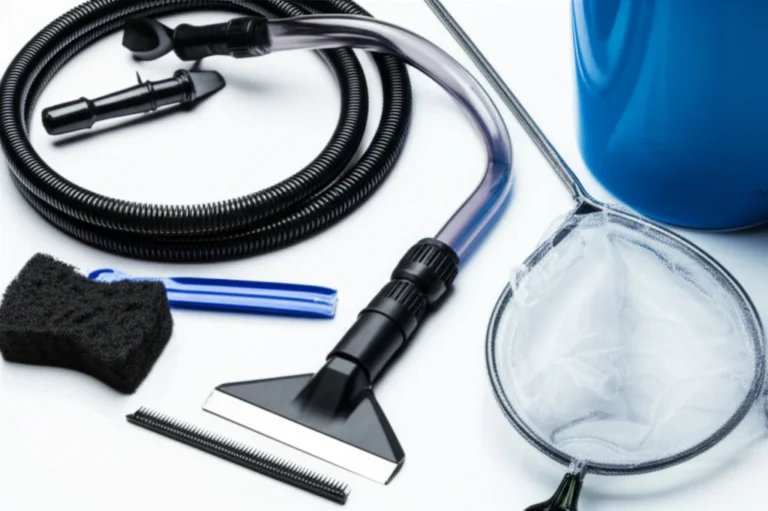
This is your most important tool. It siphons water while lifting debris from the substrate.
- Recommendation: The Python No Spill Clean and Fill is a game-changer for larger tanks. It connects directly to your sink, eliminating the need for buckets.
- Budget Pick: The Fluval Muddy Water Gravel Vacuum is excellent for smaller tanks.
👉 Shop Gravel Vacums on:
- Python: Amazon | Petco | Python Official
- Fluval: Amazon | Chewy | Fluval Official
The Algae Scrubber
Glass gets dirty. You need a way to clean it without scratching it.
- Magnetic Cleaners: Great for glass tanks. The AquaStir or Fluval Precision are reliable.
- Algae Pads: For acrylic tanks, never use a magnetic scruber or steel wool. Use a dedicated algae pad (like the Seachem Algae Pad).
👉 Shop Algae Cleaners on:
- Magnetic Scrubers: Amazon | PetSmart
- Algae Pads: Amazon | Bulk Reef Supply
Water Testing Kits
You cannot manage what you do not measure.
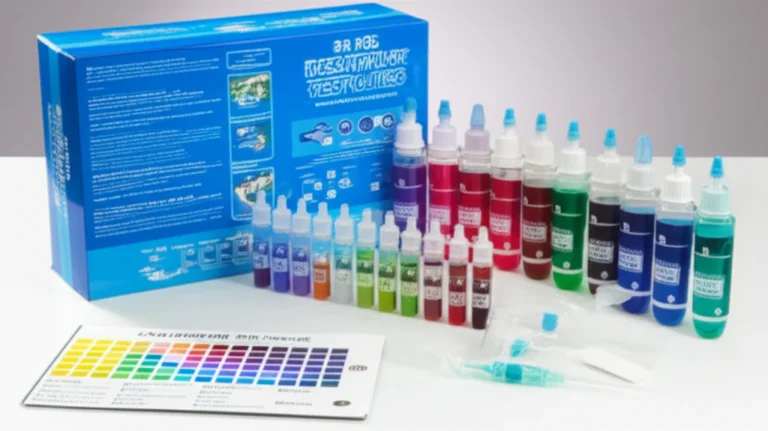
- Liquid Test Kits: The API Freshwater Master Test Kit is the gold standard. It’s accurate and reliable.
- Strips: Good for quick checks, but less accurate.
👉 Shop Test Kits on:
- API: Amazon | Chewy | API Official
Dechlorinator
Tap water contains chlorine and chloramine, which kill fish and bacteria.
- Top Pick: Seachem Prime. It’s powerful, removes heavy metals, and even detoxifies ammonia temporarily.
👉 Shop Dechlorinators on:
- Seachem: Amazon | Petco | Seachem Official
🚫 The “Don’t Do It” List: Common Mistakes That Crash Your Water Parameters
We’ve seen tanks crash because of these simple errors. Don’t be the person who wipes out their entire colony.
1. Rinsing Filter Media in Tap Water
The Mistake: Taking the filter sponge out and rinsing it under the kitchen faucet.
The Consequence: Chlorine kills the beneficial bacteria living in the sponge. Your biological filter collapses, ammonia spikes, and fish die.
The Fix: Siphon some old tank water into a bucket and rinse the media in that.
2. Over-Cleaning the Substrate
The Mistake: Vacuuming every inch of the gravel, digging deep.
The Consequence: In planted tanks, you disturb the root systems and release trapped nutrients that cause algae blooms. In bare-bottom tanks, you might disturb the anaerobic bacteria that help break down waste.
The Fix: Stick to the top 1/2 inch of the substrate.
3. Changing 10% of the Water
The Mistake: “The water looks dirty, I’ll just dump it all and start fresh!”
The Consequence: This removes all beneficial bacteria and resets the nitrogen cycle. It’s a shock to the system.
The Fix: Max 50% at a time. If you need to do more, split it over two days.
4. Using Soap or Household Cleaners
The Mistake: Using dish soap to scrub the tank or decorations.
The Consequence: Soap residues are deadly to fish. Even a tiny amount can kill them.
The Fix: Use hot water and a dedicated algae scruber. If you must use soap for a new decoration, rinse it thoroughly and soak it in dechlorinated water for 24 hours before adding it to the tank.
Fun Fact: Did you know that some people use aloe vera to treat minor fish injuries? It’s a natural antiseptic! But never use it in the tank as a cleaner.
For more on safe decorations, check out our guide on 15 Best Fish Tank Decorations for 2026: Safe, Stylish & Fish-Approved.
🐠 Species-Specific Needs: Cleaning Frequencies for Goldfish, Bettas, and Community Tanks
Not all fish are created equal. A Beta fish has different needs than a school of Tetras or a giant Goldfish.
Goldfish: The Messy Giants
Goldfish are notorious for producing massive amounts of waste. They are cold-water fish that eat a lot and poop a lot.
- Cleaning Frequency: 2-3 times a week.
- Water Change: 50% each time.
- Why: Their bioload is huge. A standard weekly change is often not enough.
- Tip: Use a canister filter with high flow and clean the pre-filter sponge every week.
Bettas: The Solitary Lurkers
Bettas are hardy but sensitive to poor water quality. They prefer calm, clean water.
- Cleaning Frequency: Weekly.
- Water Change: 25-30%.
- Why: They are prone to fin rot if the water is dirty.
- Tip: Avoid strong currents. Use a sponge filter or a gentle hang-on-back filter.
Community Tanks: The Balancing Act
A mix of Tetras, Guppies, and Corydoras.
- Cleaning Frequency: Weekly.
- Water Change: 20-25%.
- Why: The bioload is moderate. Consistency is key.
- Tip: Monitor the most sensitive species. If the Tetras look stressed, increase the water change frequency.
For detailed care guides, visit our Fish Care and Species Profiles section.
🌿 Planted Tank Nuances: Balancing Nutrient Export with Plant Growth
Planted tanks are a different beast. The plants act as a natural filter, absorbing nitrates and phosphates. This means you might not need to vacuum as often, but you need to be careful not to starve your plants.
The “Less is More” Approach
- Substrate: Avoid deep vacuuming. Plants need the nutrients trapped in the substrate.
- Water Changes: 20-30% weekly is usually sufficient, even with a heavy bioload, because the plants are eating the nitrates.
- Algae Control: If you have too many nutrients (from overfeeding), you get algae. If you have too few, plants turn yellow. It’s a delicate balance.
The Role of CO2 and Fertilizers
If you inject CO2 and dose fertilizers, your plants grow faster and absorb more waste. This allows for longer intervals between cleanings, but you must monitor nitrate levels closely.
Pro Tip: In a heavily planted tank, we often skip the gravel vacuum for a month or two, just skimming the surface. The plants handle the rest.
Explore more on Aquascaping and Aquatic Plants for advanced techniques.
🧪 Water Testing: The Only Way to Know If Your Cleaning Schedule is Working
You can guess, but you can’t know without a test kit. This is the single most important tool in your arsenal.
What to Test
- Amonia: Should be 0 ppm.
- Nitrite: Should be 0 ppm.
- Nitrate: Should below 40 ppm (ideally below 20 ppm for sensitive fish).
- pH: Should be stable.
How to Test
- Frequency: Test weekly for the first month, then monthly once stable.
- Method: Use the API Freshwater Master Test Kit. It’s liquid-based and much more accurate than strips.
- Action: If nitrates are high, increase the water change volume or frequency.
👉 Shop Test Kits on:
🤔 Troubleshooting: Algae Bloms, Cloudy Water, and Smelly Tanks
Even with the best schedule, things can go wrong. Here’s how to fix the common issues.
Algae Bloms
- Green Water: Caused by excess light and nutrients. Fix: Reduce light duration to 6-8 hours, perform a 50% water change, and add a UV sterilizer.
- Brown Algae: Common in new tanks. Fix: It usually goes away on its own as the tank matures. Wipe it off and ensure you have enough light.
- Black Beard Algae: Caused by fluctuating CO2 or nutrients. Fix: Dose liquid carbon (like Seachem Excel) and reduce light.
Cloudy Water
- White Cloud: Bacterial bloom. Fix: Do nothing! It’s the bacteria establishing themselves. It will clear in a few days.
- Green Cloud: Algae bloom. Fix: See above.
Smelly Tanks
- The Cause: Usually decaying organic matter (dead plant, dead fish, roting food).
- The Fix: Find the source, remove it, and perform a large water change.
💡 Pro Secrets: How We Keep Our Tanks Crystal Clear with Minimal Effort
After years of keeping tanks, we’ve learned a few tricks to make life easier.
1. The “Feed Less” Rule
Overfeeding is the #1 cause of dirty water. Fish can go days without food. If you feed them once a day, they might only need half the amount you think.
- Tip: Try fasting your fish one day a week.
2. The “Live Plant” Advantage
Plants are the best natural filters. A tank with 50% plant coverage will stay cleaner longer than a bare tank.
- Tip: Add fast-growing plants like Hornwort or Anacharis to absorb nitrates quickly.
3. The “Siphon Smart” Technique
When vacuuming, don’t just push the tube down. Lift it up and down to create a current that lifts the debris without digging into the substrate.
4. The “Buffer” Zone
Keep a bucket of dechlorinated water ready at room temperature. This saves time and ensures you don’t accidentally add cold water that shocks the fish.
🏁 Conclusion

So, how often should you clean your fish tank? The answer is: as often as your water tells you to.
There is no magic number. A tank with a few small tetras might need a 10% water change once a month. A tank with three Goldfish might need a 50% change three times a week. The key is to test your water, understand the nitrogen cycle, and adjust your routine accordingly.
Remember, cleaning isn’t just about aesthetics; it’s about the health and longevity of your aquatic friends. By following a consistent schedule, using the right tools, and avoiding common mistakes, you can keep your tank crystal clear and your fish thriving.
Final Thought: Don’t be afraid to experiment. Every tank is unique. Start with the guidelines we’ve provided, test your water, and let the results guide your next move. Your fish will thank you with vibrant colors and active behavior.
🔗 Recommended Links
Essential Products for Tank Maintenance
- Python No Spill Clean and Fill: Amazon | Petco | Python Official
- API Freshwater Master Test Kit: Amazon | Chewy | API Official
- Seachem Prime (Dechlorinator): Amazon | PetSmart | Seachem Official
- Fluval Precision Algae Scrubber: Amazon | Chewy | Fluval Official
Recommended Books
- “The Simple Guide to Freshwater Aquariums” by Charles Rambo: Amazon
- “Aquarium Co-Op’s Guide to Freshwater Aquariums” by Aquarium Co-Op: Amazon
❓ FAQ: Your Burning Questions About Tank Cleaning Answered

Can over-cleaning harm the aquatic ecosystem in my tank?
Yes, absolutely. Over-cleaning, especially if you rinse all filter media in tap water or vacuum the entire substrate, can wipe out the beneficial bacteria colonies. This leads to a crash in the nitrogen cycle, causing ammonia and nitrite spikes that can kill your fish. Balance is key.
Read more about “🧼 15-Step Fish Tank Cleaning & Maintenance Guide (2026)”
How do water changes impact the cleanliness of a fish tank?
Water changes are the primary method for removing nitrates and other dissolved organic compounds that accumulate over time. They also replenish essential minerals and trace elements that fish need. Without regular water changes, the water becomes toxic, even if it looks clear.
Read more about “How to Make Your Fish Tank a Relaxing Visual Masterpiece (2026) 🎨”
What are the signs that my fish tank needs cleaning?
- High Nitrate Levels: Above 40 ppm.
- Algae Growth: Excessive algae on glass, plants, or decor.
- Cloudy Water: Indicates a bacterial bloom or suspended particles.
- Fish Behavior: Lethargy, gasping at the surface, or loss of color.
- Smell: A foul odor coming from the tank.
Read more about “21 Low-Maintenance Fish Species for Busy Aquarium Owners (2026) 🐠”
How can regular cleaning improve fish health and tank aesthetics?
Regular cleaning removes toxins, prevents disease, and keeps the water parameters stable. This leads to healthier, more colorful fish and a clearer, more beautiful tank. It also reduces the risk of algae blooms and other common issues.
Read more about “15 Creative & Unique Fish Tank Decoration Ideas to Wow in 2026 🎨”
What tools do I need for effective fish tank cleaning?
You need a gravel vacuum, an algae scruber (magnetic or pad), a water test kit, a dechlorinator, and buckets dedicated to the tank. Optional but helpful: a Python system for easy water changes.
Read more about “How Often Should I Clean My Fish Tank to Keep It Healthy? 🐠 (2026)”
How does tank size affect cleaning frequency?
Smaller tanks have less water volume, so toxins accumulate faster. A 5-gallon tank might need a 30% water change every 2-3 days, while a 10-gallon tank might only need a 20% change once a week. Volume matters.
What is the best routine for maintaining a healthy fish tank?
- Weekly: 20-30% water change, test water.
- Bi-Weekly: Gravel vacuum (if needed), rinse filter media in tank water.
- Monthly: Deep clean glass, trim plants, check equipment.
- As Needed: Adjust based on water test results.
Read more about “🌊 15 Home Aquarium Systems to Transform Your Space (2026)”
How can I maintain good water quality in my fish tank between cleanings?
- Don’t overfeed.
- Keep the filter running 24/7.
- Add live plants to absorb nitrates.
- Avoid overcrowding the tank.
- Test water regularly.
What is the difference between partial and complete water changes in a fish tank?
A partial water change (10-50%) removes toxins while preserving the beneficial bacteria and stable water parameters. A complete water change (10%) removes everything, including the bacteria, and can shock the fish. Partial is almost always better.
Read more about “🐟 Feed Your Fish Right: The Ultimate 2026 Guide to Health & Growth”
How do I know if my fish tank is clean enough for my fish to thrive?
If your amonia and nitrite are 0 ppm and nitrates are below 40 ppm, and your fish are active and colorful, your tank is clean enough. Visual clarity is a bonus, but chemical balance is the real measure.
Can I use household cleaners to clean my fish tank, or are they harmful?
Never use household cleaners. Soap, bleach, and other chemicals are toxic to fish. Even a tiny residue can be fatal. Use hot water and dedicated aquarium tools only.
What are the consequences of not cleaning my fish tank regularly?
- Amonia/Nitrite Poisoning: Leading to fish death.
- Disease: Weakened immune systems make fish susceptible to infections.
- Algae Bloms: Unsightly and hard to control.
- Stunted Growth: Fish may stop growing or become deformed.
Read more about “Why Regular Water Changes Are Vital for Your Fish Tank 🐠 (2026)”
How often should I change the water in my fish tank to keep it healthy?
It depends on the tank, but generally weekly is a good starting point. Adjust based on your nitrate levels. If nitrates are high, increase frequency. If low, you can stretch it out.
Read more about “🚫 10 Deadly Fish Tank Mistakes to Avoid (2026)”
What is the best way to clean a fish tank without harming the fish?
- Use dechlorinated water at the same temperature as the tank.
- Rinse filter media in tank water, not tap water.
- Avoid disturbing the substrate too much.
- Don’t overfeed before cleaning.
- Test water before and after to ensure stability.
Read more about “🌊 Mastering the Marine Aquarium: Your 2026 Guide to a Thriving Reef”
📚 Reference Links
- Aquarium Co-Op Forum: How often should I clean my filter media?
- API Fish Care: The Nitrogen Cycle
- Seachem: Understanding Water Parameters
- Petco: Aquarium Maintenance Guide
- Chewy: Fish Tank Cleaning Tips
- Fluval: Filter Maintenance Guide
- Aquarium Music™: Aquarium Setup
- Aquarium Music™: Fish Care and Species Profiles
- Aquarium Music™: Aquascaping and Aquatic Plants