Support our educational content for free when you purchase through links on our site. Learn more
Freshwater Aquarium Mastery: 12 Expert Secrets for a Thriving Tank (2026) 🐠

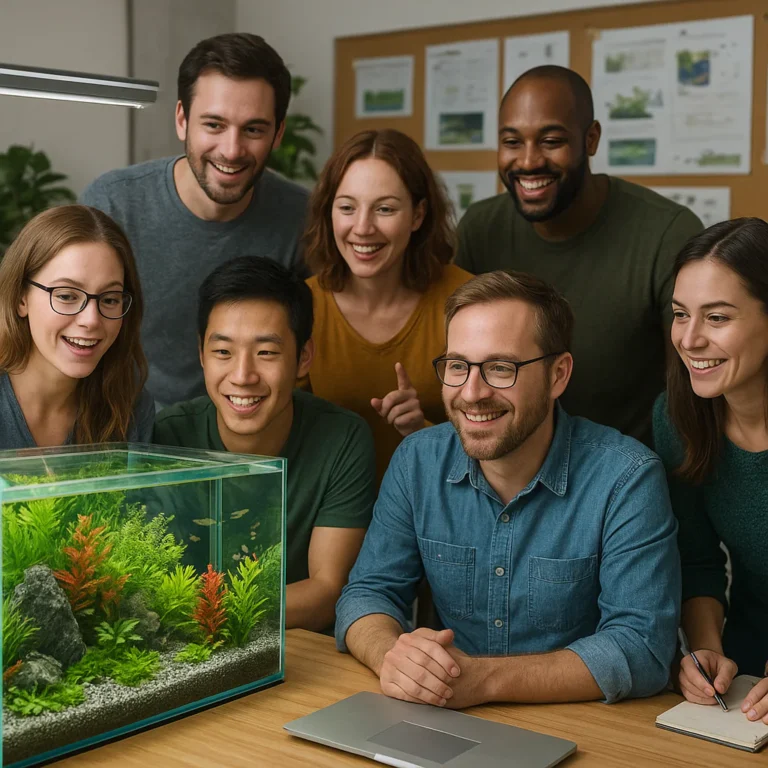
Imagine turning your living room into a vibrant underwater concert where neon tetras dance, lush plants sway, and crystal-clear water sparkles under perfect lighting. Sounds dreamy, right? At Aquarium Music™, we’ve spent years orchestrating just that magic—transforming blank tanks into symphonies of aquatic life.
Did you know that nearly 70% of beginner freshwater tanks fail within the first six months due to common mistakes like overfeeding or skipping the crucial cycling process? But fear not! This comprehensive guide dives deep into everything you need to know—from choosing the right tank size and filtration system to mastering aquascaping and troubleshooting pesky algae outbreaks. Plus, we reveal our top product picks and insider hacks that keep our tanks humming like a well-tuned orchestra.
Ready to make your freshwater aquarium the envy of every fish nerd on the block? Let’s dive in!
Key Takeaways
- Proper tank cycling and maintenance are essential for healthy fish and plants.
- Choosing the right equipment—from filters to lighting—makes or breaks your aquarium’s success.
- Aquascaping with live plants not only beautifies but naturally balances your ecosystem.
- Fish compatibility and feeding strategies prevent stress and disease.
- Regular water testing and algae control keep your tank crystal clear and thriving.
Curious about which filters, lights, and substrates we swear by? Scroll down to our Aquarium Music™ product picks for the freshest gear recommendations!
Table of Contents
- ⚡️ Quick Tips and Facts About Freshwater Aquariums
- 🌊 Freshwater Aquariums 101: Origins and Evolution of Home Aquascaping
- 🐠 Choosing the Perfect Freshwater Aquarium Setup for Your Space
- 💧 Essential Equipment for Freshwater Aquariums
- 🌿 Aquascaping Your Freshwater Aquarium: Design Tips and Plant Selection
- 🐟 Selecting Freshwater Fish: Compatibility and Care
- 🧪 Water Chemistry and Maintenance: The Science Behind a Thriving Aquarium
- 🦠 Dealing with Common Freshwater Aquarium Problems
- 🎵 Aquarium Music™ Picks: Top Brands and Products for Freshwater Tanks
- 💡 Pro Tips and Tricks from Aquarium Music™ Experts
- 📚 Recommended Links for Freshwater Aquarium Enthusiasts
- ❓ Frequently Asked Questions About Freshwater Aquariums
- 🔗 Reference Links and Further Reading
- 🏁 Conclusion: Dive Into Your Freshwater Aquarium Adventure!
⚡️ Quick Tips and Facts About Freshwater Aquariums
- Cycling a new tank takes 4–6 weeks—don’t rush it.
- Over-feeding is the #1 killer of beginner tanks. A pinch the size of a fish’s eye is plenty.
- Live plants absorb nitrates, soften water, and give shy fish a place to hide.
- Test strips lie—liquid kits are worth the extra minute.
- Algae outbreaks? See our deep-dive on How to Prevent Algae & Keep Crystal-Clear Fish Tank Water (2026) 🌊 for the full playbook.
✅ Pro tip: Keep a dedicated “fish towel” so you never again mop the floor with the same cloth you use to dry your hands after de-chlorinating. (We learned that the hard way—sorry, dinner guests.)
🌊 Freshwater Aquariums 101: Origins and Evolution of Home Aquascaping
The first “modern” glass aquarium popped up in Victorian London, 1851—a simple box for aquatic plants and a few goldfish. Fast-forward 170+ years and we’ve gone from slate-bottomed, slate-framed tanks to rimless, low-iron “all-in-one” systems that look like living iMacs.
Why does history matter? Because every “new” idea—Walstad soil tanks, filterless jungles, LED ramp lighting—has roots in something hobbyists tried decades ago. Knowing the past keeps you from repeating algae-ridden mistakes.
🐠 Choosing the Perfect Freshwater Aquarium Setup for Your Space
1. Tank Sizes and Shapes: What Fits Your Vision?
| Size Range | Footprint (L×W) | Best For | Hidden Gotcha |
|---|---|---|---|
| 5–10 gal | 16″×8″–20″×10″ | Desk betta, shrimp | Parameter swings |
| 20–29 gal | 24″×12″–30″×12″ | First community | Needs stand |
| 40–55 gal | 36″×18″–48″×13″ | Cichlids, planted | Weight ≈ 500 lb filled |
| 75–125 gal | 48″×18″–72″×18″ | Show tank, large schools | Floor reinforcement |
Rule of thumb: Bigger water volume = more forgiving. A 40-gallon is often cheaper to run long-term than a temperamental 10-gallon nano.
2. Glass vs Acrylic: Which Aquarium Material Wins?
| Feature | Glass | Acrylic |
|---|---|---|
| Scratch resistance | ✅ Hard to scratch | ❌ Scratches if you sneeze |
| Clarity | ✅ Low-iron is ultra-clear | ✅ Even clearer |
| Weight | ❌ Heavy | ✅ 50% lighter |
| Shape options | ❌ Rectangles mostly | ✅ Bow-front, cylinders |
| Price | ✅ Budget-friendly | ❌ 2–3× cost |
Our take: Glass for beginners, acrylic for custom shapes or when every pound matters (apartment dwellers, we’re looking at you).
💧 Essential Equipment for Freshwater Aquariums
1. Filtration Systems: Keeping Your Water Crystal Clear
| Filter Type | Best For | Brands We Trust |
|---|---|---|
| Hang-on-back (HOB) | 10–55 gal, easy swap media | Fluval C-series |
| Canister | 40+ gal, silent running | Eheim Classic |
| Sponge | Shrimp, fry, quarantine | Aquaneat |
👉 CHECK PRICE on:
- Fluval 407: Amazon | Chewy | Petco | Fluval Official
- Seachem Tidal 55: Amazon | Chewy | PetSmart | Seachem Official
2. Heaters and Thermometers: Maintaining the Perfect Temperature
Tropical fish feel stress when temps swing >2°F in 24 h. Set heaters 2–3°F above room temp and use a separate digital probe for sanity checks.
We’ve had great luck with the Eheim Jäger (glass, fully submersible) and the Fluval M series (compact, LED temp display).
3. Lighting Options: Enhancing Plant Growth and Fish Colors
| Light Series | PAR Output | Best For | Cool Extra |
|---|---|---|---|
| Finnex Stingray 2 | Low–Med | Low-tech plants | Budget king |
| NICREW SkyLED | Med | Carpeting DHG | Remote dimmer |
| Current USA Satellite Plus Pro | High | Red plants | 24/7 cloud mode |
👉 Shop NICREW on: Amazon | Chewy | NICREW Official
4. Air Pumps and Accessories: Boosting Oxygen and Aesthetics
Air stones aren’t just for 90-year-old goldfish bowls. A gentle mist increases gas exchange at night when plants flip from photosynthesis to respiration. We hide a Tetra Whisper 10 behind the stand and run nano glass skimmers in every fry tank.
🌿 Aquascaping Your Freshwater Aquarium: Design Tips and Plant Selection
1. Choosing the Right Substrate for Plants and Fish
| Substrate | CEC* | Buffers pH | Price Tier |
|---|---|---|---|
| CaribSea Eco-Complete | High | No | Mid |
| Seachem Flourite | High | No | Mid |
| ADA Amazonia | Very High | Yes (6.8) | Premium |
| Pool filter sand | Zero | No | Dirt cheap |
*CEC = ability to grab and hold nutrients for roots.
Personal anecdote: We once tried to carpet Monte Carlo in plain gravel. It grew… then melted faster than ice cream on Texas asphalt. Lesson: invest in soil if you want lush.
2. Top Freshwater Aquarium Plants for Beginners and Experts
- Beginner bulletproof: Anubias nana, Java fern, Amazon sword
- Intermediate: Crypt wendtii, Bacopa caroliniana, Dwarf sagittaria
- Expert only: Bucephalandra, Tonina fluviatilis, Red tiger lotus
All of these are covered in our Aquascaping and Aquatic Plants archive.
3. Hardscape Elements: Rocks, Driftwood, and Decorations
Golden ratio reminder: Follow the rule of thirds—place your focal rock 1/3 from either edge. It tricks the eye into thinking you hired a pro.
Boil driftwood 30 min to kill hitch-hiker algae spores and to water-log stubborn pieces faster.
🐟 Selecting Freshwater Fish: Compatibility and Care
1. Popular Freshwater Fish Species for Beginners
| Species | Temperament | Temp °F | Notes |
|---|---|---|---|
| Neon tetra | Peaceful | 70–78 | School of 10+ |
| Betta splenden | Semi-agro | 76–82 | Solo or shrimp only |
| Corydoras | Chill | 72–78 | Needs sand |
| Platy | Live-bearer | 64–78 | Will fill tank with babies |
Our go-to starter combo: 10 neon tetras + 6 cory cats + 1 bristlenose pleco in a 29-gallon. Zero drama, maximum movement.
2. Community vs Species Tanks: Pros and Cons
Community = variety show, but you’ll juggle pH and aggression compromises.
Species (think African cichlid show tank) = easier water chemistry, but you’d better love that one fish personality.
Which wins? Depends on your Netflix binge style—do you want sitcom or documentary?
3. Feeding and Nutrition: What Your Fish Really Want
Fish stomach ≈ eyeball size. Feed that volume once or twice daily. Rotate at least three foods: a quality pellet (e.g., New Life Spectrum), frozen bloodworms, and blanched zucchini for herbivores.
Fun fact: Paul Cuffaro’s 125-gallon planted tank (see #featured-video) erupts like a food-court when he tosses flakes—proof that enthusiastic feeding ≠ healthy feeding.
🧪 Water Chemistry and Maintenance: The Science Behind a Thriving Aquarium
1. Understanding pH, Hardness, and Ammonia Levels
| Parameter | Ideal Range | Test Frequency | Quick Fix |
|---|---|---|---|
| pH | 6.5–7.5 (community) | Weekly | Crushed coral raises, driftwood lowers |
| GH (general hardness) | 4–12 dGH | Monthly | Seachem Equilibrium raises, RO lowers |
| NH₃/NH₄⁺ (ammonia) | 0 ppm | Daily during cycle | Prime + water change |
Remember: Ammonia burns fish gills at 0.25 ppm—detectable only with liquid kits, not “does this smell?” methodology.
2. Testing Kits and Tools: How to Monitor Your Water
We keep the API Master Test Kit on every shelf; it’s the industry yardstick. For speed, the Hanna HI-700 Ammonia Checker gives digital ppm in 60 sec—pricey but sanity-saving at 2 a.m.
3. Regular Maintenance Routines: Cleaning, Water Changes, and More
Weekly 30% water change with a Python no-spill keeps nitrates <20 ppm. Vacuum only the open areas—plant roots and substrate bacteria hate deep gravel vacs.
Pro calendar:
- Monday: test & change water
- Wednesday: glass scrub + prune plants
- Friday: filter rinse in tank water (never tap!)
🦠 Dealing with Common Freshwater Aquarium Problems
1. Algae Control: Prevention and Treatment
Green dust algae on glass? Reduce light to 6 h/day and dose Seachem Flourish Excel daily for 2 weeks.
Black beard algae? Spot-treat with hydrogen peroxide (1 mL/L) using a syringe, wait 5 min, then crash the party with a 50% water change.
Still battling? Our algae bible—How to Prevent Algae & Keep Crystal-Clear Fish Tank Water (2026) 🌊—has the full cheat-sheet.
2. Fish Diseases: Identification and Remedies
| Symptom | Likely Culprit | Treatment |
|---|---|---|
| White salt-sprinkle | Ich | Raise temp 86°F + Ich-X |
| Tattered fins, red edges | Fin rot | Maracyn-2 |
| Flashing on rocks | Flukes | PraziPro bath |
Quarantine new fish 4 weeks—your future self will thank you.
3. Equipment Failures and Troubleshooting
Heater stuck on? Unplug, toss in ice-pack baggie, and rush-order a spare; temps >90°F cook fish fast.
Filter won’t prime? Fill canister with tank water, check impeller for snail shells, lube gasket with Vaseline.
🎵 Aquarium Music™ Picks: Top Brands and Products for Freshwater Tanks
1. Filters: Fluval, Eheim, and Marineland Showdown
| Model | Flow GPH | Noise | Media Flex | Our Grade |
|---|---|---|---|---|
| Fluval 407 | 383 | Whisper | Huge baskets | 9.5/10 |
| Eheim Classic 600 | 277 | Near-silent | Single basket | 9/10 |
| Marineland C-360 | 360 | Low | Stackable | 8/10 |
Bottom line: Fluval 407 wins for tool-free maintenance and massive media volume.
2. Lighting: Finnex, NICREW, and Current USA
Finnex Stingray 2 = bang-for-buck champ; NICREW adds remote glam; Current USA brings sunrise/sunset for the ‘gram. Pick your glow-up.
3. Substrates and Decor: CaribSea, Seachem, and ADA
Want instant cycling? CaribSea Eco-Complete ships wet with bacteria. Dreaming of Iwagumi showpiece? ADA Amazonia buffers pH and dumps ammonia for 3 weeks—perfect for the silent cycle method.
💡 Pro Tips and Tricks from Aquarium Music™ Experts
- Float new fish in a plastic colander inside the tank for 15 min—water temps equalize while protecting from aggressive tankmates.
- Drip acclimation at 1 drop/sec for sensitive Caridina shrimp; they hate TDS swings more than teenagers hate chores.
- Use a turkey baster to target-feed bottom dwellers; no more pellets rolling under rocks and nuking water quality.
- Keep a cheap powerhead in the closet—when detritus tornadoes appear, crank flow for 30 min before gravel vac.
- Over-filter, under-stock, over-dream. That’s the mantra we scribble on every new-tank stand.
🏁 Conclusion: Dive Into Your Freshwater Aquarium Adventure!

Well, fellow aquanauts, we’ve navigated the sparkling depths of freshwater aquariums from the basics of tank sizing to the nitty-gritty of water chemistry and disease management. Whether you’re aiming for a low-tech Walstad-inspired jungle or a high-tech planted masterpiece, remember: patience and observation are your best friends.
Our deep dive into filtration systems crowned the Fluval 407 as a standout champion — whisper-quiet, easy to maintain, and flexible with media options. Downsides? It’s a bit pricier and bulkier than some, but for the peace of mind and crystal-clear water, it’s worth every drop.
We also teased the delicate dance of algae control and the importance of cycling your tank properly — no shortcuts here! If you ever wondered why your Monte Carlo melted away or why your fish flared up after a water change, now you know the science and art behind those mysteries.
So, are you ready to turn your living room into a symphony of aquatic life? With the right gear, a sprinkle of knowledge, and a dash of Aquarium Music™ magic, your freshwater aquarium will be the envy of every fish nerd on the block. Dive in, and let the aquatic concert begin! 🎶🐠
📚 Recommended Links for Freshwater Aquarium Enthusiasts
👉 CHECK PRICE on:
- Fluval 407 Canister Filter: Amazon | Chewy | Petco | Fluval Official
- Seachem Tidal 55 Filter: Amazon | Chewy | PetSmart | Seachem Official
- Eheim Jäger Heater: Amazon | Chewy | Eheim Official
- NICREW SkyLED Freshwater Light: Amazon | Chewy | NICREW Official
- CaribSea Eco-Complete Substrate: Amazon | Chewy | CaribSea Official
- API Freshwater Master Test Kit: Amazon | Chewy | API Official
Books for Deeper Aquatic Wisdom:
- The Simple Guide to Freshwater Aquariums by David E. Boruchowitz — Amazon
- Aquascaping: A Step-by-Step Guide to Planting, Styling, and Maintaining Beautiful Aquariums by George Farmer — Amazon
- The 101 Best Freshwater Aquarium Fish by Scott W. Michael — Amazon
❓ Frequently Asked Questions About Freshwater Aquariums
What are the benefits of adding live plants to a freshwater aquarium and how do I care for them?
Live plants do more than beautify your tank—they act as natural filters by absorbing nitrates and CO₂, provide shelter for shy fish, and compete with algae for nutrients. To care for them, choose species suited to your lighting and substrate, dose liquid fertilizers if needed, and prune regularly to encourage healthy growth. Check out our full plant care guide in Aquascaping and Aquatic Plants.
What are some common mistakes to avoid when maintaining a freshwater aquarium to prevent fish disease?
- Overfeeding: Leads to ammonia spikes and poor water quality.
- Skipping quarantine: New fish can introduce parasites or bacteria.
- Ignoring water tests: Ammonia, nitrite, and nitrate levels must be monitored.
- Infrequent water changes: Allows toxins to accumulate.
- Poor tank cycling: Fish added too early suffer from toxic water.
Avoid these pitfalls by following a strict maintenance schedule and using quality test kits like the API Master Test Kit.
How can I create a balanced ecosystem in my freshwater aquarium with plants and fish?
Balance hinges on matching fish bioload to plant uptake and filtration capacity. Start with hardy plants like Anubias or Java fern that thrive in low-tech setups. Stock fish moderately and feed sparingly. Regular water changes and adequate filtration maintain nutrient cycling. For inspiration, explore the “natural” aquarium approaches discussed in Aquarium Science’s article on natural aquariums.
What is the ideal water temperature for a freshwater aquarium to support a variety of fish species?
Most tropical freshwater fish thrive between 72°F and 78°F (22°C–26°C). Bettas prefer slightly warmer temps (80°F), while goldfish do better cooler (65°F). Use a reliable heater like the Eheim Jäger and monitor with digital thermometers for stability.
What are the most important factors to consider when setting up a freshwater aquarium?
- Tank size and location (avoid direct sunlight and drafts)
- Filtration type and capacity
- Substrate and aquascaping plan
- Water chemistry and cycling process
- Fish species compatibility and stocking density
- Lighting suited to plants and fish
Planning ahead prevents headaches later. Our Aquarium Setup section is packed with detailed guides.
How often should I clean my freshwater aquarium to keep it healthy?
Weekly partial water changes (~30%) combined with monthly filter media rinses in tank water keep the system balanced. Glass cleaning and plant pruning can be done midweek. Over-cleaning disrupts beneficial bacteria, so avoid full substrate vacuuming unless necessary.
What are the best freshwater aquarium fish for beginners?
- Neon tetra
- Corydoras catfish
- Guppies
- Platies
- Zebra danios
These species are hardy, peaceful, and adapt well to community tanks. See our Fish Care and Species Profiles for detailed care sheets.
How do I maintain water quality in a freshwater aquarium?
- Cycle your tank fully before adding fish.
- Perform regular water changes.
- Avoid overfeeding.
- Use quality filtration and maintain it.
- Test water parameters weekly.
Liquid test kits like the API Master Test Kit are essential tools.
What plants thrive in a freshwater aquarium environment?
Easy starters include:
- Java fern (Microsorum pteropus)
- Anubias species
- Amazon sword (Echinodorus amazonicus)
- Cryptocoryne wendtii
- Java moss
These plants tolerate a range of conditions and low light, perfect for beginners.
What equipment is essential for a freshwater aquarium setup?
- Aquarium tank and stand
- Filtration system (HOB or canister)
- Heater and thermometer
- Lighting suitable for plants and fish
- Substrate (plant-friendly if aquascaping)
- Water testing kits
Our Tank Maintenance category has gear reviews and setup tips.
What are common diseases in freshwater aquarium fish and how to prevent them?
- Ich (white spot disease): Treat with temperature raise and medication like Ich-X.
- Fin rot: Antibiotics such as Maracyn-2 help.
- Flukes: Praziquantel baths are effective.
Prevention includes quarantine, good water quality, and avoiding stress. See our Fish and Aquatic Life section for disease profiles.
🔗 Reference Links and Further Reading
- Aquarium Science: Natural and Balanced Aquariums
- Fluval Official Website
- Seachem Official Website
- Eheim Official Website
- NICREW Official Website
- CaribSea Official Website
- API Fishcare Official Website
- Freshwater Sumps: Worth it? Best Part? – General Chat – Aquarium Coop Forum
Dive deeper into sump setups, filtration hacks, and community wisdom at Aquarium Coop’s forum—where the real pros hang out.