Support our educational content for free when you purchase through links on our site. Learn more
Fish Compatibility and Community: 13 Expert Tips for Peaceful Tanks (2026) 🐟

When it comes to fish compatibility and community, the secret to a thriving aquarium is choosing species that harmonize in temperament, size, and environmental needs. Get these right, and you’ll enjoy a vibrant, peaceful aquatic world where your fish flourish together without stress or conflict.
Did you know that nearly 70% of aquarium hobbyists report aggression issues caused by incompatible tankmates? We’ve seen tanks transform from chaotic battlegrounds into serene underwater neighborhoods simply by mastering compatibility. Whether you’re mixing freshwater or saltwater species, understanding their social dynamics is your first step to success.
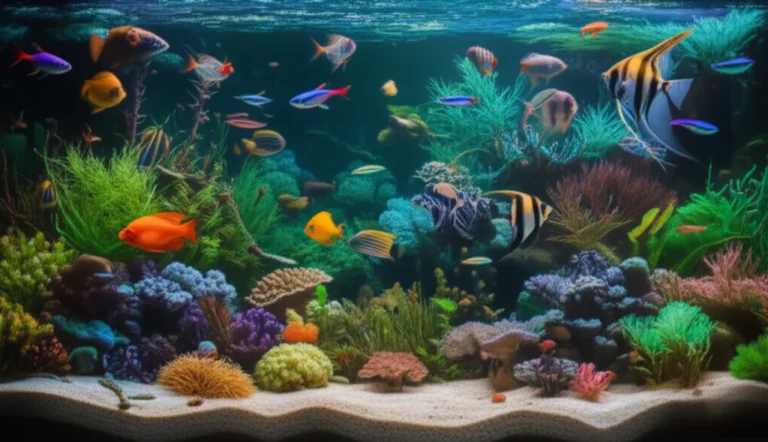
Picture this: a tank where Neon Tetras dart playfully above a bed of Corydoras catfish, while a shy Otocinclus quietly grazes algae in the corner. No chasing, no fin-nipping—just a symphony of aquatic life. That’s the magic of a well-planned fish community.
Key Takeaways
- Match fish by temperament, size, and water parameters to prevent aggression and stress.
- Schooling species and peaceful bottom dwellers make excellent community tank starters.
- Saltwater compatibility requires extra care due to territorial behaviors and specialized diets.
- Proper quarantine and gradual introduction are essential to maintain tank harmony.
- Aquascaping with plenty of hiding spots reduces aggression and mimics natural habitats.
- Understanding breeding behavior helps manage territorial disputes during spawning.
- Regular observation and adjustments keep your fish community thriving and balanced.
Table of Contents
- ⚡️ Quick Tips and Facts About Fish Compatibility
- 🐠 The Aquatic Social Scene: Understanding Fish Compatibility and Community Dynamics
- 1. Top 15 Compatible Freshwater Fish Species for Peaceful Communities
- 2. Saltwater Fish Compatibility: Building a Thriving Marine Community
- 3. Aggressive vs. Peaceful Fish: How to Balance Your Tank’s Personality
- 4. Size Matters: Matching Fish by Size and Temperament
- 5. Habitat and Environmental Needs: Creating a Harmonious Home
- 6. Feeding Compatibility: Avoiding Food Fights and Nutritional Conflicts
- 7. Breding Behavior and Territoriality: What to Expect in a Community Tank
- 8. Plant-Friendly Fish: Which Species Won’t Destroy Your Aquascape?
- 9. Quarantine and Introduction Protocols for New Tankmates
- 10. Troubleshooting Common Compatibility Issues and Aggression
- 11. Community Tank Setup: Equipment and Layout Tips for Peaceful Coexistence
- 12. Specialty Communities: Nano Tanks, Biotope Setups, and Mixed Species
- 13. Expert Picks: Best Fish Combinations for Beginners and Veterans
- Conclusion: Crafting Your Perfect Fish Community
- Recommended Links for Fish Compatibility and Community
- FAQ: Your Burning Questions on Fish Compatibility Answered
- Reference Links and Trusted Resources
⚡️ Quick Tips and Facts About Fish Compatibility
Welcome to the ultimate cheat sheet on fish compatibility! At Aquarium Music™, we’ve orchestrated countless aquatic symphonies, and here are our top quick tips to keep your community tank harmonious and your fish happy:
- ✅ Start with species temperament: Peaceful fish like Neon Tetras or Corydoras generally get along well, while aggressive species like Tiger Barbs or Oscars can cause chaos.
- ✅ Match water parameters: pH, temperature, and hardness must align for all species in your tank.
- ✅ Size balance matters: Avoid mixing tiny fish with big predators to prevent snack time surprises.
- ✅ Consider tank size: Crowding stresses fish and sparks aggression. More space = happier fish.
- ✅ Beware of territorial behavior: Some fish stake out real estate fiercely — give them plenty of hiding spots!
- ✅ Feed smart: Different species have different diets; ensure everyone gets their share without conflict.
- ✅ Quarantine new arrivals: Prevent disease outbreaks and observe behavior before mixing.
- ✅ Observe and adapt: Fish personalities vary; what works in theory might need tweaking in practice.
For a deep dive on lighting that keeps your aquatic community thriving, check out our 10 Must-Know Secrets for Perfect Fish Tank Lighting (2026) 💡.
🐠 The Aquatic Social Scene: Understanding Fish Compatibility and Community Dynamics
Fish compatibility isn’t just about avoiding fights — it’s about creating a living, breathing ecosystem where every fined friend plays a role in a balanced aquatic orchestra.
Why Compatibility Matters
Imagine inviting guests to a party who don’t speak the same language or have wildly different tastes in music. Fish communities are similar — incompatible species can stress, injure, or even kill each other. Compatibility ensures:
- Peaceful coexistence
- Reduced stress and disease
- Better growth and coloration
- More natural behaviors and breeding success
The Three Pillars of Compatibility
- Temperament: Peaceful, semi-agressive, or aggressive?
- Environmental Needs: Water chemistry, temperature, and habitat preferences
- Dietary Requirements: Herbivore, carnivore, omnivore, or specialized feeders
Our Aquarists’ Take
At Aquarium Music™, we’ve seen tanks flourish when these pillars align. For example, a community of peaceful Rasboras, Corydoras catfish, and dwarf Gouramis can create a vibrant, low-stress environment. But throw in a territorial Jack Dempsey, and the harmony shaters.
1. Top 15 Compatible Freshwater Fish Species for Peaceful Communities
Ready to build a peaceful freshwater community? Here are our top 15 picks that play well together, based on temperament, size, and water needs.
| Rank | Species | Temperament | Size (inches) | Ideal Tank Size | Notes |
|---|---|---|---|---|---|
| 1 | Neon Tetra | Peaceful | 1.5 | 10+ gallons | Schooling fish, vibrant colors |
| 2 | Corydoras Catfish | Peaceful | 2-3 | 20+ gallons | Bottom dweller, scavenger, social |
| 3 | Harlequin Rasbora | Peaceful | 2 | 15+ gallons | Active schooling fish |
| 4 | Guppy | Peaceful | 1.5-2 | 10+ gallons | Hardy, colorful, prolific breeders |
| 5 | Platies | Peaceful | 2-3 | 15+ gallons | Hardy, livebearers, colorful |
| 6 | Dwarf Gourami | Semi-agressive | 2.5-3 | 20+ gallons | Beautiful colors, peaceful if not overcrowded |
| 7 | Cherry Barb | Peaceful | 2 | 15+ gallons | Hardy, schooling, bright red males |
| 8 | Otocinclus Catfish | Peaceful | 1.5 | 10+ gallons | Excellent algae eater, gentle |
| 9 | Kuhli Loach | Peaceful | 4 | 20+ gallons | Nocturnal bottom dweller, shy |
| 10 | Swordtail | Semi-agressive | 4-5 | 20+ gallons | Active, colorful, may nip fins if crowded |
| 11 | Zebra Danio | Peaceful | 2 | 15+ gallons | Hardy, active swimmers |
| 12 | Molly | Peaceful | 3-4 | 20+ gallons | Hardy, adaptable, livebearer |
| 13 | White Cloud Mountain Minnow | Peaceful | 1.5-2 | 10+ gallons | Cold-tolerant, schooling fish |
| 14 | Bristlenose Pleco | Peaceful | 4-5 | 30+ gallons | Algae eater, good tank cleaner |
| 15 | Endler’s Livebearer | Peaceful | 1.5-2 | 10+ gallons | Colorful, small, active |
Why These Species?
- Schooling behavior reduces stress and aggression.
- Peaceful temperaments minimize fin-nipping and territorial disputes.
- Similar water parameters make tank maintenance easier.
Pro Tip from Aquarium Music™
We love pairing Neon Tetras with Corydoras and Otocinclus for a visually stunning, peaceful community that covers all tank levels — top, middle, and bottom.
2. Saltwater Fish Compatibility: Building a Thriving Marine Community
Saltwater tanks? They’re a whole different ballgame! Marine fish often have stronger territorial instincts and specific habitat needs. Here’s how to compose your oceanic ensemble.
Key Compatibility Factors in Saltwater
- Aggression levels: Many marine species are territorial, especially tangs and damsels.
- Dietary specialization: Some require live or frozen foods, others graze on algae.
- Tank size: Marine species often need larger tanks to establish territories.
- Symbiotic relationships: Clownfish and anemones, gobies and pistol shrimp — these combos add magic but require care.
Top Compatible Saltwater Species for Community Tanks
| Species | Temperament | Size (inches) | Tank Size | Notes |
|---|---|---|---|---|
| Ocellaris Clownfish | Semi-agressive | 3-4 | 20+ gal | Hardy, iconic anemone host |
| Royal Gramma | Peaceful | 3 | 30+ gal | Vibrant colors, reef safe |
| Firefish (Nemateleotris) | Peaceful | 3 | 30+ gal | Shy, peaceful, needs hiding spots |
| Green Chromis | Peaceful | 4 | 30+ gal | Schooling, active swimmers |
| Bangai Cardinalfish | Peaceful | 3 | 30+ gal | Beautiful, peaceful |
| Yellow Tang | Semi-agressive | 7-8 | 75+ gal | Needs space, can be territorial |
| Pajama Cardinalfish | Peaceful | 3 | 30+ gal | Colorful, peaceful |
Our Aquarists’ Saltwater Wisdom
We’ve found that Ocellaris Clownfish paired with Royal Gramas and Firefish create a peaceful reef microcosm. But beware: tangs like the Yellow Tang need big tanks and can turn feisty if cramped.
For more on marine species and reef-safe fish, visit our Fish Care and Species Profiles.
3. Aggressive vs. Peaceful Fish: How to Balance Your Tank’s Personality
Ever wonder why your peaceful community tank suddenly turns into a fish brawl? It’s often a clash of personalities.
Understanding Fish Temperaments
- Peaceful: Avoid conflict, school together, and share space (e.g., Neon Tetras, Corydoras).
- Semi-agressive: May defend territory or nip fins if stressed (e.g., Dwarf Gouramis, Swordtails).
- Aggressive: Defend territory fiercely, may attack smaller or similar species (e.g., Oscars, Jack Dempsey).
Balancing the Mix
- Avoid mixing aggressive species with peaceful ones.
- Limit the number of semi-agressive fish to reduce stress.
- Provide ample hiding spots and visual barriers to reduce line-of-sight aggression.
- Keep fish in appropriate group sizes — schooling fish need groups of 6+ to feel secure.
Anecdote from Aquarium Music™
We once had a tank with peaceful Tetras and a single Jack Dempsey. The Dempsey quickly turned into a tyrant, chasing everyone. Moving it to a species-only tank restored peace. Lesson? Know your fish’s personality before inviting them to the party.
4. Size Matters: Matching Fish by Size and Temperament
Size isn’t just about aesthetics — it’s survival. A tiny fish in a tank with a big predator is a recipe for disaster.
Size Guidelines for Community Tanks
| Small Fish Size | Compatible With | Avoid Mixing With |
|---|---|---|
| <2 inches | Other small peaceful fish | Large aggressive fish |
| 2-4 inches | Medium-sized peaceful/semi-agressive fish | Large aggressive fish |
| 4+ inches | Similar or larger fish with compatible temperament | Much smaller fish (prey risk) |
Why Size Matching Works
- Prevents predation: Big fish often see smaller ones as food.
- Reduces bullying: Size disparity can cause stress and injury.
- Balances territorial needs: Larger fish need more space and can intimidate smaller tankmates.
Aquarium Music™ Tip
When introducing a new fish, consider its adult size, not just juvenile size. A 2-inch fish today might grow to 6 inches tomorrow — plan accordingly!
5. Habitat and Environmental Needs: Creating a Harmonious Home
Fish compatibility isn’t just about who gets along — it’s about where they live and thrive.
Key Environmental Factors
- Water temperature: Tropical fish prefer 74-80°F; coldwater fish like White Cloud Minnows prefer cooler temps.
- pH and hardness: Some fish need soft acidic water (e.g., Discus), others thrive in hard alkaline water (e.g., African Cichlids).
- Tank décor: Plants, rocks, caves, and substrate affect territorial behavior and stress levels.
- Lighting: Some fish prefer dim environments; others need bright light.
Matching Habitat Preferences
| Fish Species | Preferred Temp (°F) | pH Range | Habitat Type |
|---|---|---|---|
| Neon Tetra | 72-78 | 6.0-7.0 | Planted, soft water |
| African Cichlids | 74-82 | 7.8-8.6 | Rocky, hard water |
| Corydoras Catfish | 72-79 | 6.5-7.5 | Sandy substrate, plants |
| Beta Splendens | 78-82 | 6.5-7.5 | Dense plants, hiding spots |
Our Aquascapers’ Insight
We often recommend planted tanks with varied décor to provide plenty of hiding spots and visual breaks. This reduces aggression and mimics natural habitats, making fish feel safe and confident.
Explore more on aquatic plants and aquascaping at Aquascaping and Aquatic Plants.
6. Feeding Compatibility: Avoiding Food Fights and Nutritional Conflicts
Feding time can be a battlefield if your fish have different diets or feeding behaviors.
Types of Fish Diets
- Herbivores: Eat algae, plants (e.g., Otocinclus, Plecos).
- Carnivores: Prefer live or frozen meaty foods (e.g., Bettas, Oscars).
- Omnivores: Eat both plant and animal matter (e.g., Tetras, Guppies).
- Specialized feeders: Require specific diets (e.g., Mandarins need copepods).
Tips to Manage Feeding Compatibility
- Feed multiple times and locations: Prevent dominant fish from monopolizing food.
- Use sinking and floating foods: Acommodate bottom and surface feeders.
- Supplement diets: Use algae wafers, frozen bloodworms, or spirulina flakes as needed.
- Observe eating habits: Remove uneaten food to prevent water quality issues.
Personal Story
We once had a community tank where aggressive Gouramis gobled all the flakes, leaving shy Otos starving. Switching to targeted feeding with a turkey baster and sinking wafers saved the day!
7. Breding Behavior and Territoriality: What to Expect in a Community Tank
Breding can stir up unexpected drama in your peaceful tank.
Territoriality During Breding
- Many fish become agressive and territorial when spawning, defending nests or fry.
- Males often chase away rivals and sometimes tankmates.
- Some species, like Angelfish, may uprot plants or rearrange décor.
Managing Breding Behavior
- Provide plenty of hiding spots for non-breding fish.
- Consider breeding tanks for aggressive breeders.
- Separate fry to prevent predation.
- Monitor aggression levels and intervene if necessary.
Breding Behavior Examples
| Species | Breding Behavior | Territoriality Level |
|---|---|---|
| Angelfish | Pair bond, defend nesting site | High |
| Guppies | Livebearers, less territorial | Low |
| Beta Splendens | Male builds bubble nest, highly territorial | Very High |
| Corydoras Catfish | Scatter eggs, no parental care | Low |
8. Plant-Friendly Fish: Which Species Won’t Destroy Your Aquascape?
If you’re dreaming of a lush planted tank, some fish are better tenants than others.
Fish That Are Plant-Friendly ✅
- Tetras (Neon, Cardinal, Rummy Nose)
- Corydoras Catfish
- Otocinclus Catfish
- Dwarf Gouramis
- Rasboras
- Cherry Barbs
Fish That Are Plant Destroyers ❌
- Goldfish: Dig up roots and eat plants.
- Silver Dollars: Known for munching on leaves.
- Cichlids (especially African): Often uprot plants.
- Plecos (some species): Can damage delicate plants while grazing.
Aquarium Music™ Tip
We love pairing Java Ferns and Anubias with plant-friendly fish. These hardy plants attach to rocks or driftwood, making them less vulnerable to niblers.
For more on aquascaping, check out Aquascaping and Aquatic Plants.
9. Quarantine and Introduction Protocols for New Tankmates

Bringing new fish home? Don’t just toss them in — a proper quarantine and introduction process is your best defense against disease and aggression.
Why Quarantine?
- Prevents introducing parasites, bacteria, or viruses to your main tank.
- Allows observation of new fish behavior and health.
- Reduces stress by acclimating fish slowly.
Step-by-Step Quarantine Process
- Set up a separate quarantine tank with similar water parameters.
- Observe new fish for 2-4 weeks for signs of illness (white spots, lethargy, abnormal swimming).
- Treat proactively if needed with mild medications or salt baths.
- Aclimate slowly to main tank water chemistry before transfer.
- Introduce fish during low-stress times (dim lights, minimal disturbance).
- Monitor interactions closely for aggression or bullying.
Introduction Tips
- Add new fish in groups if they are schooling species.
- Rearange décor before adding new fish to disrupt established territories.
- Use tank dividers initially if possible.
- Provide plenty of hiding spots.
10. Troubleshooting Common Compatibility Issues and Aggression
Even with the best planning, problems can arise. Here’s how to troubleshoot:
Common Issues
- Fin nipping: Usually caused by nippy species or overcrowding.
- Bulying: Dominant fish harassing others.
- Stress: Fish hiding, refusing food, or showing color loss.
- Disease outbreaks: Often stress-related or from new introductions.
Solutions
- Increase tank size or reduce stocking density.
- Add more hiding places and plants.
- Separate aggressive fish temporarily or permanently.
- Adjust feeding routines to reduce competition.
- Perform regular water changes and monitor parameters.
Our Experience
A community tank with Tiger Barbs and Guppies turned into a nightmare due to fin nipping. Moving Tiger Barbs to a species-only tank restored peace and saved the Guppies.
11. Community Tank Setup: Equipment and Layout Tips for Peaceful Coexistence
Your tank’s design can make or break community harmony.
Essential Equipment
| Equipment | Purpose | Recommended Brands/Models |
|---|---|---|
| Filter | Maintains water quality | Fluval FX6, Eheim Classic, AquaClear 70 |
| Heater | Keeps stable temperature | Eheim Jager, Cobalt Aquatics Neo-Therm |
| Lighting | Supports plants and fish health | Finnex Planted+, Fluval Plant 3.0 |
| Air Pump | Oxygenates water | Tetra Whisper, Hydor Air Pump |
| Water Test Kits | Monitors pH, ammonia, nitrites, nitrates | API Freshwater Master Test Kit |
Aquascaping Tips
- Create zones: Open swimming areas, dense plant thickets, and rocky caves.
- Use driftwood and rocks to break sight lines and reduce aggression.
- Plant tall species at the back and shorter ones in front for depth.
- Keep substrate suitable for bottom dwellers (sand for Corydoras, gravel for others).
Our Setup Secrets
We swear by layered aquascapes that mimic natural habitats. This not only beautifies the tank but also gives shy fish refuge and reduces stress-induced aggression.
12. Specialty Communities: Nano Tanks, Biotope Setups, and Mixed Species
Not all tanks are created equal. Specialty communities require extra finesse.
Nano Tanks
- Usually under 20 gallons.
- Stock with small, peaceful species like Endler’s Livebearers, Chili Rasboras, or Pygmy Corydoras.
- Maintain strict water quality and stable parameters.
Biotope Setups
- Mimic natural habitats (Amazon River, African Rift Lakes, Southeast Asian streams).
- Stock with species native to that environment for authenticity and compatibility.
- Requires research on water chemistry and décor.
Mixed Species Challenges
- Combine freshwater and brackish or saltwater species? ❌ Not recommended.
- Mixing aggressive and peaceful species? Proceed with caution.
- Use dividers or separate tanks for incompatible species.
Our Aquarists’ Advice
We love biotope tanks for their natural beauty and ecological balance. For example, an Amazon biotope with Cardinal Tetras, Corydoras, and Apistograma creates a stunning, peaceful community.
13. Expert Picks: Best Fish Combinations for Beginners and Veterans
Here’s our curated list of community combos that have delighted beginners and seasoned aquarists alike.
| Combo Name | Species Included | Tank Size | Why It Works |
|---|---|---|---|
| Beginner’s Peaceful | Neon Tetras, Corydoras, Otocinclus, Guppies | 20+ gal | Hardy, peaceful, easy care |
| Tropical Trio | Harlequin Rasboras, Dwarf Gouramis, Kuhli Loaches | 30+ gal | Colorful, peaceful, covers all tank levels |
| Marine Reef Starter | Ocellaris Clownfish, Royal Gramma, Firefish | 30+ gal | Reef safe, peaceful, visually stunning |
| Community with Personality | Swordtails, Cherry Barbs, Plecos | 40+ gal | Active, colorful, algae control |
| Biotope Amazon | Cardinal Tetras, Apistograma, Corydoras | 40+ gal | Authentic, peaceful, natural behavior |
Why These Combos?
- Balanced temperaments
- Complementary sizes and diets
- Compatible water parameters
- Visually appealing and behaviorally interesting
Remember the first YouTube video we mentioned? It highlights the importance of larger tanks (20+ gallons) for Beta community setups and suggests bottom dwellers like Kuhli Loaches and Corydoras as excellent tankmates, along with schooling fish like Neon Tetras and Rasboras. This aligns perfectly with our recommendations here!
For more expert insights, explore our Fish and Aquatic Life and Aquarium Setup categories.