Support our educational content for free when you purchase through links on our site. Learn more
🚨 Fix Cloudy Water & Sick Fish: The Ultimate 2026 Troubleshooting Guide

Imagine this: You spend hours setting up your dream aquarium, the water is crystal clear, and your neon tetras are dancing in the current. Then, overnight, it transforms into a bowl of pea soup, and your favorite fish is hiding in the corner, looking worse for wear. Panic sets in. Is it over? Do you need to start over? Absolutely not. At Aquarium Music™, we’ve seen tanks recover from near-total collapse with just a few strategic moves. The truth is, 90% of aquarium disasters are preventable if you know how to read the subtle signs your tank is screaming for help.
In this comprehensive guide, we’re diving deep into the science and art of troubleshooting. We’ll decode the difference between a harmless bacterial bloom and a deadly algae outbreak, diagnose the silent killers behind “sick fish” behavior, and walk you through a step-by-step recovery plan that has saved countless tanks. From the dreaded “New Tank Syndrome” to the nuances of water chemistry, we’ll equip you with the knowledge to turn your aquarium back into a thriving symphony of life. Spoiler alert: The solution often involves less cleaning and more patience than you think.
Key Takeaways
- Stop Feding Immediately: Overfeeding is the #1 cause of cloudy water and toxic amonia spikes; your fish can survive days without food, but not hours in toxic water.
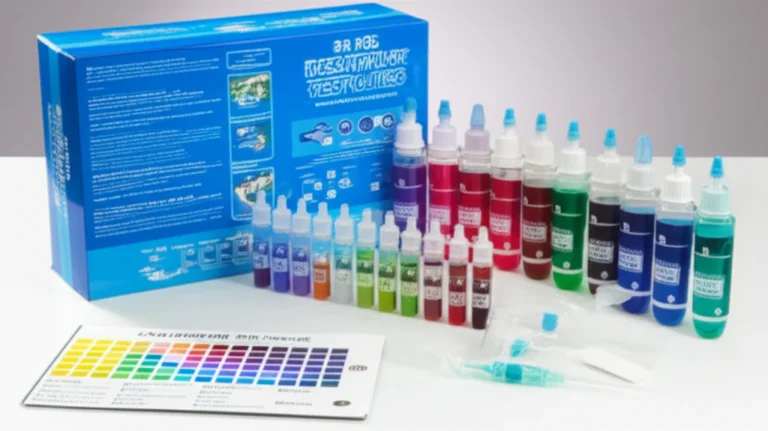
- Test Before You Treat: Clear water can still be deadly; always use a liquid test kit (like the API Freshwater Master Test Kit) to verify ammonia, nitrite, and nitrate levels before adding medication.
- Identify the Cloud: Distinguish between milky bacterial blooms (common in new tanks), green algae blooms (light/nutrient issues), and grey particulate matter (debris) to apply the correct fix.
- The Quarantine Rule: Never add new fish directly to your main tank; a 2-4 week isolation period in a hospital tank prevents the spread of diseases like Ich and Fin Rot.
- Stability Over Perfection: Maintaining stable water parameters is far more critical than hitting “perfect” numbers; sudden pH swings are often more deadly than the numbers themselves.
Table of Contents
- ⚡️ Quick Tips and Facts
- 📜 The Evolution of the Home Aquarium: From Ancient Ponds to Modern Tanks
- 🌫️ Decoding the Haze: A Deep Dive into Cloudy Water Troubleshooting
- 1. The Bacterial Bloom: Why Your Tank Looks Like Milk
- 2. Particulate Matter: Dust, Debris, and the Art of Mechanical Filtration
- 3. Algae Overgrowth: When Green Water Takes Over
- 4. The “New Tank Syndrome” Cycle: Patience is Your Best Filter
- 🤒 Fish Health 101: Spoting, Diagnosing, and Treating Sick Fish
- 1. Behavioral Red Flags: Lethargy, Clamped Fins, and Gasping
- 2. Visual Symptoms: White Spots, Fungus, and Fin Rot Explained
- 3. The Quarantine Protocol: Why Isolation Saves Lives
- 4. Medication Mastery: Choosing the Right Cure Without Killing Beneficial Bacteria
- 💧 Water Chemistry Mastery: The Invisible Heroes of a Crystal Clear Tank
- 1. The Nitrogen Cycle: Amonia, Nitrite, and Nitrate Explained
- 2. pH Swings and Hardness: Balancing the Equation
- 3. Testing Kits: Why Your Eyes Lie and Chemical Tests Don’t
- 🛠️ Equipment Check: Filters, Heaters, and Aeration Failures
- 1. Filter Flow Rate: Is Your Water Moving Enough?
- 2. Heater Malfunctions: Preventing Thermal Shock
- 3. Aeration Issues: When Your Fish Are Gasping for Air
- 🧪 The Maintenance Matrix: Cleaning Routines That Prevent Disasters
- 1. The Weekly Water Change: How Much is Too Much?
- 2. Substrate Vacuuming: Don’t Disturb the Bedrock
- 3. Filter Media Care: Rinse or Replace?
- 🚫 Common Myths and Dangerous Mistakes to Avoid
- 📊 Troubleshooting Cheat Sheet: Quick Reference Tables
- 🏆 Conclusion
- 🔗 Recommended Links
- ❓ FAQ
- 📚 Reference Links
⚡️ Quick Tips and Facts
Before we dive into the murky depths of troubleshooting, let’s hit the pause button and grab a life raft of imediate action items. If your tank is currently looking like a bowl of pea soup or your fish are acting like they’ve forgotten how to swim, here is your emergency triage:
- Stop Feding Immediately: Yes, even if they look hungry. Overfeeding is the #1 cause of cloudy water and amonia spikes. Your fish can go days without food; they cannot survive toxic water.
- Test, Don’t Guess: Your eyes are lying to you. Clear water can still be toxic. Use a liquid test kit (like API Freshwater Master Test Kit) to check Amonia, Nitrite, and Nitrate levels.
- The 25% Rule: Perform a 25% water change with dechlorinated water that matches the tank temperature. This dilutes toxins without shocking the fish.
- Check the Filter: Is it clogged? Is the flow weak? A starving filter is a dead fish waiting to happen.
- Don’t Panic: As the experts at Aquarium Music™ always say, “Panic kills more fish than the disease.” Take a deep breath, grab your test kit, and let’s solve this.
Did you know? A bacterial bloom can make water look milky white, but it’s often harmless to fish if the nitrogen cycle is intact. It’s just a sign your tank is “coking” its own bacteria! 🍳
For a deeper dive into the specific needs of your aquatic inhabitants, check out our guide on ❄️ vs 🌡️: Cold vs. Tropical Fish Tanks: Which is Right for You? to ensure you aren’t fighting a temperature war before you’ve even started.
📜 The Evolution of the Home Aquarium: From Ancient Ponds to Modern Tanks
Have you ever wondered why your fish tank acts like a living organism? It’s because, historically, it is. The journey from the Roman fish ponds to the nano tanks of today is a story of humanity’s obsession with capturing a piece of nature in a box.
Ancient civilizations kept fish for food and religious symbolism, but the concept of the “aquarium” as a closed ecosystem is relatively modern. In the 19th century, the invention of the glass tank and the discovery of the nitrogen cycle revolutionized the hobby. We went from keeping fish in bowls that died in days to maintaining thriving ecosystems for decades.
Why does this history matter to your cloudy water? Because ecosystems take time to mature. Just as the Romans didn’t expect a pond to be perfect on day one, you shouldn’t expect your new tank to be crystal clear immediately. The “New Tank Syndrome” is a natural part of this evolution.
Fun Fact: The first public aquarium opened in London in 1853! It was called the “Fish House” and featured glass tanks that allowed people to see fish without getting wet. 🐠
🌫️ Decoding the Haze: A Deep Dive into Cloudy Water Troubleshooting
Ah, the dreaded cloudiness. It’s the number one panic button for new aquarists. Is it algae? Is it bacteria? Is your fish dying? Let’s break down the four distinct types of cloudiness and how to fix them.
1. The Bacterial Bloom: Why Your Tank Looks Like Milk
This is the most common culprit in new tanks (less than 6 weeks old). The water turns milky white or fogy.
- The Cause: As mentioned in the “first video” perspective, this is caused by an explosion of heterotrophic bacteria. These bacteria feast on organic waste (uneaten food, dead plants, fish poop). In a new tank, the beneficial autotrophic bacteria (the good guys that eat ammonia) haven’t established a colony yet, so the heterotrophs take over.
- The Fix:
Do nothing! (Seriously). If ammonia and nitrite are zero, this will clear up on its own in 3-7 days.
Reduce feeding. Starve the bacteria.
Increase aeration. Add an air stone to boost oxygen levels, as these bacteria consume oxygen rapidly.
Avoid water changes unless ammonia spikes, as this removes the very bacteria you need to establish the cycle.
Pro Tip: If you see a dead fish, remove it immediately. Decomposing matter is the fuel for this fire.
2. Particulate Matter: Dust, Debris, and the Art of Mechanical Filtration
If your water looks greyish or you can see tiny particles floating, it’s likely physical debris.
- The Cause: Dust from new gravel, sand, or substrate that wasn’t rinsed properly. It can also be detritus (waste) that the filter isn’t catching.
- The Fix:
Rinse your substrate thoroughly before adding it to the tank.
Upgrade your mechanical filtration. Add filter floss or poly-fil to your filter. This acts like a fine mesh, trapping particles.
Perform a water change and vacuum the substrate to remove settled debris.
3. Algae Overgrowth: When Green Water Takes Over
Green water is different from green algae on glass. This is free-floating algae that turns the entire tank into pea soup.
- The Cause: Excessive light (too many hours or direct sunlight) combined with high nitrates and phosphates.
- The Fix:
Blackout Method: Cover the tank with a black trash bag for 3-4 days. No light = no algae.
UV Sterilizer: Install a UV sterilizer (like the AquaUV or Hydor models) to kill free-floating algae cells.
Reduce lighting: Limit tank lights to 6-8 hours a day.
Add live plants: They compete with algae for nutrients. Check out our guide on Aquascaping and Aquatic Plants for the best species.
4. The “New Tank Syndrome” Cycle: Patience is Your Best Filter
Sometimes, the cloudiness is just a symptom of the tank cycling.
- The Cause: The nitrogen cycle is establishing itself. Amonia rises, then nitrite, then nitrate.
- The Fix: Patience. Test daily. If ammonia and nitrite are present, perform small water changes (10-15%) to keep levels safe for fish, but don’t over-clean. You are building a colony, not scrubing a bathroom.
🤒 Fish Health 101: Spoting, Diagnosing, and Treating Sick Fish
When your fish start acting weird, it’s a race against time. But how do you know if it’s a disease or just bad water? 90% of “sick fish” are actually suffering from poor water quality.
1. Behavioral Red Flags: Lethargy, Clamped Fins, and Gasping
Before you see spots or rot, you’ll see behavior changes.
- Lethargy: Fish hiding at the bottom or floating listlessly.
- Clamped Fins: Fins held tight against the body instead of fanned out. This is a sign of stress or infection.
- Gasping: Fish at the surface gulping air. This usually means low oxygen or high ammonia/nitrite.
- Loss of Appetite: Refusing food for more than 24 hours.
Did you know? Fish have a lateral line system that detects vibrations. If they are rubbing against rocks (flashing), they might have external parasites or skin irritation.
2. Visual Symptoms: White Spots, Fungus, and Fin Rot Explained
Once you spot the behavior, look closer.
| Symptom | Likely Cause | Treatment |
|---|---|---|
| White Spots (Salt-like) | Ich (Ichthyophthirius) | Raise temp to 86°F, add Ich-X or Kordon Rid-Ich. |
| Cotton-like Fluff | Fungal Infection | Seachem Paraguard or API Fungus Cure. |
| Torn/Red Fins | Fin Rot | Improve water quality, use API Fin & Body Cure. |
| Red Streaks | Septicemia | Kanamycin or Nitrofurazone (Antibiotics). |
| Bulging Eyes | Pop-eye | Often bacterial; treat with Erythromycin. |
3. The Quarantine Protocol: Why Isolation Saves Lives
This is the golden rule of Aquarium Music™: Never put new fish directly into your main tank.
- Why? New fish can carry diseases that are dormant until they are stressed.
- How? Set up a separate hospital tank (10-20 gallons) with a simple filter and heater.
- Duration: Keep new fish isolated for 2-4 weeks. Observe them daily. If they get sick, you treat the small tank, not your entire ecosystem.
4. Medication Mastery: Choosing the Right Cure Without Killing Beneficial Bacteria
Medication is a double-edged sword. Many antibiotics kill the beneficial bacteria in your filter, causing a crash in the nitrogen cycle.
- Strategy: If possible, move fish to a hospital tank for treatment.
- If treating in the main tank: Remove chemical filtration (carbon, Purigen) before adding meds.
- Monitor closely: Watch ammonia and nitrite levels daily. You may need to dose bacterial supplements (like Seachem Stability) to replenish the colony.
💧 Water Chemistry Mastery: The Invisible Heroes of a Crystal Clear Tank
You can have the best filter in the world, but if your chemistry is off, your tank will fail. Let’s decode the invisible numbers.
1. The Nitrogen Cycle: Amonia, Nitrite, and Nitrate Explained
This is the heartbeat of your aquarium.
- Amonia (NH3/NH4+): Produced by fish waste and decaying food. Highly toxic. Target: 0 ppm.
- Nitrite (NO2-): Produced by bacteria eating ammonia. Toxic. Target: 0 ppm.
- Nitrate (NO3-): Produced by bacteria eating nitrite. Less toxic, but harmful in high amounts. Target: < 40 ppm (ideally < 20 ppm).
Quote from Aqueon: “Nitrites with an ‘I’ make your fish ill much faster than nitrates with an ‘A’.”
2. pH Swings and Hardness: Balancing the Equation
- pH: Most tropical fish thrive between 6.8 and 7.8. The key is stability, not perfection. A sudden swing from 7.0 to 6.0 is more dangerous than a stable 6.5.
- Hardness (GH/KH): GH measures minerals (calcium/magnesium); KH measures buffering capacity. Low KH leads to pH crashes.
- Adjustment: Use driftwood to lower pH naturally or crushed coral to raise it. Avoid chemical pH adjusters unless absolutely necessary.
3. Testing Kits: Why Your Eyes Lie and Chemical Tests Don’t
You cannot see ammonia. You cannot see nitrite. You can see nitrate if it’s very high, but by then, it’s too late.
- Recommended Tool: API Freshwater Master Test Kit (Liquid) is superior to strips for accuracy.
- Why Liquid? Strips can be affected by water color and lighting. Liquid kits use chemical reactions for precise readings.
- Frequency: Test weekly for new tanks, monthly for established ones.
🛠️ Equipment Check: Filters, Heaters, and Aeration Failures
Sometimes the problem isn’t the water; it’s the machine.
1. Filter Flow Rate: Is Your Water Moving Enough?
- The Rule: Your filter should turn over the entire tank volume 4-5 times per hour.
- The Problem: Clogged impellers, dirty media, or a filter that’s too small.
- The Fix: Clean the impeller, rinse media in old tank water (never tap water!), or upgrade to a larger unit like the Fluval FX6 or Eheim Classic.
2. Heater Malfunctions: Preventing Thermal Shock
- The Problem: A stuck heater can boil your fish (thermal shock) or leave them in cold water (stress).
- The Fix: Always use a thermometer independent of the heater. If the water is too hot/cold, unplug the heater immediately.
- Recommendation: Use a submersible heater with a digital display, like the Fluval E-Series.
3. Aeration Issues: When Your Fish Are Gasping for Air
- The Problem: Low surface agitation prevents oxygen exchange.
- The Fix: Adjust the filter output to create surface ripples. Add an air stone connected to an air pump (like the Hydor Aera).
🧪 The Maintenance Matrix: Cleaning Routines That Prevent Disasters
Prevention is better than cure. A consistent routine keeps your tank in the “Symphony” state.
1. The Weekly Water Change: How Much is Too Much?
- The Sweet Spot: 25% to 30% weekly.
- Why? This removes nitrates and replenishes minerals without shocking the fish.
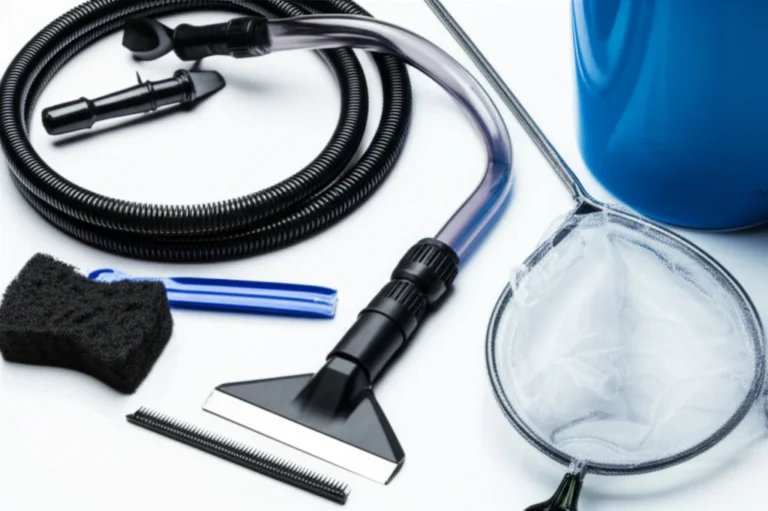
- Technique: Use a python water changer or a siphon. Always treat new water with a conditioner (like Seachem Prime) to neutralize chlorine and chloramine.
2. Substrate Vacuuming: Don’t Disturb the Bedrock
- The Goal: Remove detritus without sucking up beneficial bacteria.
- Technique: Gently hover the siphon over the gravel. Don’t dig deep into the substrate unless you have a deep sand bed setup.
3. Filter Media Care: Rinse or Replace?
- Golden Rule: NEVER rinse filter media in tap water. The chlorine will kill the beneficial bacteria.
- Method: Swish the media in a bucket of removed tank water.
- Replacement: Only replace media when it is falling apart. If you replace all media at once, you crash the cycle. Replace one-third of the media at a time.
🚫 Common Myths and Dangerous Mistakes to Avoid
Let’s bust some myths that are killing fish tanks everywhere.
- Myth 1: “I need to clean the filter every week.”
Truth: Cleaning too often kills the bacteria. Clean only when flow slows down. - Myth 2: “More fish means a bigger tank.”
Truth: Overstocking is the fastest way to crash a tank. Follow the 1 inch per gallon rule (with caution for large fish). - Myth 3: “I can use tap water straight from the hose.”
Truth: Tap water contains chlorine/chloramine which burns fish gills. Always condition it. - Myth 4: “Cloudy water means the tank is dirty.”
Truth: Cloudy water often means the bacterial balance is shifting, not that it’s dirty.
📊 Troubleshooting Cheat Sheet: Quick Reference Tables
When things go wrong, don’t panic. Use this table to diagnose the issue.
| Symptom | Probable Cause | Immediate Action | Long-Term Fix |
|---|---|---|---|
| Milky White Water | Bacterial Bloom | Stop feeding, add air stone | Wait 3-7 days, reduce waste |
| Green Water | Algae Bloom | Blackout tank (3-4 days) | Reduce light, add UV sterilizer |
| Grey/Cloudy Particles | Debris/Dust | Vacuum substrate, add filter floss | Rinse gravel before setup |
| Fish Gasping at Surface | Low Oxygen / High Amonia | Add air stone, 25% water change | Check filter flow, reduce bioload |
| Fish with White Spots | Ich | Raise temp to 86°F, add medication | Quarantine new fish |
| Torn/Red Fins | Fin Rot | Improve water quality | Treat with antibiotic, reduce stress |
| Fish Hiding/Lethargic | Stress / Poor Water | Test water parameters | Adjust pH, reduce lighting |
Conclusion

So, we’ve navigated the murky waters of cloudy water, diagnosed the silent killers of sick fish, and mastered the chemistry of the nitrogen cycle. Remember the question we started with: Is your tank a disaster or just a work in progress?
The answer lies in patience and observation. A cloudy tank in week two is normal; a cloudy tank in month two is a cry for help. A fish hiding is normal; a fish gasping is an emergency.
Our Top Recommendation:
- Invest in a Liquid Test Kit (API Master Kit).
- Establish a Quarantine Tank for all new arrivals.
- Stick to a 25% Weekly Water Change routine.
- Don’t Panic. Most issues resolve with water changes and time.
Your aquarium is a living symphony. Sometimes the music gets a little off-key, but with the right tools and knowledge, you can bring it back to harmony. Keep your water clean, your fish happy, and your curiosity alive.
🔗 Recommended Links
Essential Testing & Water Care:
- 👉 CHECK PRICE on: API Freshwater Master Test Kit | Chewy | Petco
- 👉 CHECK PRICE on: Seachem Prime Water Conditioner | Bulk Reef Supply | PetSmart
Filtration & Equipment:
- 👉 CHECK PRICE on: Fluval FX6 Canister Filter | Aqueon
- 👉 CHECK PRICE on: Hydor Aera Air Pump | Chewy
Medication & Health:
- 👉 CHECK PRICE on: Seachem Paraguard | Petco
- 👉 CHECK PRICE on: Kordon Rid-Ich Plus | Walmart
Books & Guides:
- 👉 Shop Books on: The Ultimate Guide to Freshwater Aquariums | Barrons Aquarium Fish
❓ FAQ

What are the most effective natural remedies for sick fish in a home aquarium?
While medication is often necessary for bacterial or parasitic infections, natural remedies can support recovery.
- Salt Baths: A mild aquarium salt bath (1 tablespoon per 5 gallons) can help with slime coat repair and external parasites.
- Water Changes: The most effective “natural” remedy is a 25-50% water change to dilute toxins.
- Live Plants: Adding fast-growing plants like Hornwort or Java Fern can help absorb excess nitrates and provide stress relief.
- Note: Avoid “home remedies” like vinegar or bleach unless you are treating the tank after removing all fish.
Read more about “Freshwater Fish Care: 12 Expert Secrets for a Thriving Aquarium (2026) 🐠”
How can I maintain proper filtration to keep my fish tank clear and healthy?
Proper filtration is a three-pronged approach:
- Mechanical: Traps debris (sponges, floss). Clean this in old tank water when flow slows.
- Biological: Houses beneficial bacteria (ceramic rings, bio-balls). Never clean this with tap water.
- Chemical: Removes dissolved impurities (carbon, Purigen). Replace monthly or when exhausted.
- Tip: Ensure your filter is rated for at least 1.5x your tank’s volume.
What are the signs of stress in aquarium fish and how can I reduce it?
Signs include clamped fins, hiding, loss of color, gasping, and loss of appetite.
- Reduce Stress:
- Maintain stable water parameters (no sudden pH swings).
- Provide hiding spots (rocks, plants, caves).
- Avoid overstocking.
- Keep lighting consistent (6-8 hours).
- Quarantine new fish.
Read more about “12 Essential Fish Tank Equipment & Supplies You Can’t Miss in 2026 🐠”
How often should I clean my fish tank to prevent water quality issues?
- Weekly: 25-30% water change and substrate vacuuming.
- Monthly: Clean filter media (in tank water) and check equipment.
- Quarterly: Deep clean the tank (remove all decor, scrub glass) only if necessary. Over-cleaning can disrupt the biological balance.
What are the best water testing methods for maintaining a healthy fish tank?
Liquid test kits are the gold standard.
- API Freshwater Master Test Kit: Covers Amonia, Nitrite, Nitrate, and pH.
- Salifert Test Kits: Highly accurate for saltwater, but also available for freshwater.
- Avoid: Test strips, as they are often inaccurate and hard to read.
Read more about “🐠 7 Proven Benefits of a Fish Tank: Stress Relief & Air Quality (2026)”
How do I identify and treat common fish diseases in my aquarium?
- Ich: White spots. Treat with heat and medication (Rid-Ich).
- Fin Rot: Tattered fins. Improve water quality, treat with antibiotics.
- Fungus: Cotton-like growth. Treat with antifungal meds (Paraguard).
- Dropsy: Bloating and pineconing scales. Often fatal; isolate and treat with antibiotics, but prognosis is poor.
Read more about “🐠 Fish Compatibility & Selection: The Ultimate 2026 Guide to a Peaceful Tank”
What causes cloudy water in a fish tank and how can I fix it?
- Bacterial Bloom: Milky white. Caused by new tank or excess waste. Fix: Wait, reduce feeding, add air.
- Algae Bloom: Green water. Caused by excess light/nutrients. Fix: Blackout, UV sterilizer.
- Particulate: Grey/dusty. Caused by debris. Fix: Vacuum, add filter floss.
Read more about “❄️ vs 🌡️: Cold vs. Tropical Fish Tanks: Which is Right for You? (2026)”
How can I balance the aquarium ecosystem to avoid algae and bacterial blooms?
Balance is about input vs. output.
- Input: Limit feeding (fish should eat in 2 mins), limit light (6-8 hours).
- Output: Regular water changes, proper filtration, and live plants to compete for nutrients.
- Stocking: Don’t overstock. More fish = more waste = more algae/bacteria.
What are the essential steps for setting up a new fish tank to prevent common problems?
- Cycle the Tank: Run the tank for 4-6 weeks with a source of ammonia (fishless cycling) before adding fish.
- Rinse Substrate: Wash gravel/sand until water runs clear.
- Condition Water: Always use a dechlorinator.
- Add Fish Slowly: Add 1-2 fish at a time, waiting a week between additions.
- Test Regularly: Monitor ammonia and nitrite daily during the cycle.
📚 Reference Links
- Aqueon: Diagnosing and Fixing Aquarium Water Issues
- Seachem: The Nitrogen Cycle Explained
- API: Fish Disease Identification Guide
- FishBase: Scientific Database of Fish Species
- PetMD: Aquarium Fish Health and Disease