Support our educational content for free when you purchase through links on our site. Learn more
🐠 Fish Compatibility & Selection: The Ultimate 2026 Guide to a Peaceful Tank

Have you ever walked into a local fish store, heart racing with excitement, only to watch your dream community tank dissolve into a chaotic war zone within weeks? We have. At Aquarium Music™, we’ve seen too many “peaceful” Neon Tetras end up as snacks for a seemingly docile Oscar, or a beautiful school of Rasboras driven to the surface by a territorial Rainbow Shark. The tragedy isn’t just the loss of life; it’s the loss of the symphony that a perfectly balanced aquarium should be.
Selecting the right fish isn’t just about picking the pretiest colors; it’s a complex science of adult size, water chemistry, temperament, and behavioral niches. In this comprehensive guide, we’re pulling back the curtain on the Top 10 Mistakes beginners make and revealing the Top 15 Agressive Species you must avoid at all costs. Whether you are building your first 10-gallon nano or a massive 180-gallon masterpiece, understanding these dynamics is the difference between a tank that thrives and one that merely survives.
🗝️ Key Takeaways
- Adult Size is Non-Negotiable: Never judge a fish by its store size; always research the full adult size to prevent predation and stunting.
- Water Chemistry Rules All: Mixing fish with incompatible pH, hardness, and temperature requirements is the fastest way to stress and disease.
- Behavioral Niches Matter: Create a harmonious community by selecting fish that occupy different tank zones (top, middle, bottom) to reduce competition.
- Schooling is Survival: Most peaceful fish require groups of 6 or more to feel safe and display natural, stress-free behaviors.
- Quarantine is Mandatory: Always isolate new arrivals for 2–4 weeks to prevent introducing deadly diseases to your established community.
Table of Contents
- ⚡️ Quick Tips and Facts
- 📜 The Evolution of the Community Tank: A Brief History of Fish Compatibility
- 🧬 Decoding the DNA of Coexistence: Understanding Temperament and Behavior
- 🌊 Water Chemistry Wars: Matching pH, Hardness, and Temperature Requirements
- 📏 Size Matters: The Golden Rules of Adult Size and Growth Rates
- 🏠 Habitat Harmony: Selecting Fish Based on Tank Zones and Swimming Levels
- 🚫 The Top 10 Most Common Fish Compatibility Mistakes Beginners Make
- 🐟 The Ultimate Guide to Selecting the Perfect Community Fish
- 🦈 The Top 15 Agressive Fish You Should Never Mix with Peaceful Species
- 🐠 The Top 12 Best Beginner-Friendly Community Fish for a Stress-Free Aquarium
- 🔬 The Science of Schooling and Shoaling: Why Numbers Matter for Compatibility
- 🛡️ Quarantine Protocols: Preventing Disease Before It Ruins Your Community
- 🔄 The Art of the Safe Introduction: Step-by-Step Aclimation Strategies
- 🧪 Troubleshooting Tank Agression: How to Identify and Fix Compatibility Issues
- 🌿 Plant Life and Fish Selection: Choosing Species That Respect Your Aquascape
- 🛒 Recommended Gear and Resources for Successful Fish Selection
- 🏁 Conclusion
- 🔗 Recommended Links
- ❓ FAQ: Your Burning Questions About Fish Compatibility Answered
- 📚 Reference Links
⚡️ Quick Tips and Facts
Before we dive into the deep end of the aquarium, let’s get our feet wet with some non-negotiable truths about fish compatibility. At Aquarium Music™, we’ve seen too many “community tanks” turn into underwater war zones because people skipped these basics.
- Adult Size is King: Never judge a fish by its size in the pet store tank. A 1-inch Oscar will eventually eat a 1-inch tetra. Always research the adult size of every species before buying.
- The “One Inch Per Gallon” Myth: While a handy rule of thumb, it’s dangerously inaccurate for active swimmers or fish that produce heavy bioloads. A 30-gallon tank with 30 inches of active Goldfish is a recipe for disaster. For a deeper dive on this, check out our guide on 🐟 How to Choose the Perfect Fish Tank Size: 10 Mistakes to Avoid (2026).
- Water Chemistry is Non-Negotiable: You can’t mix fish that need soft, acidic water (like Discus) with fish that thrive in hard, alkaline water (like African Cichlids). They will stress, get sick, and die.
- Schooling Fish Need Schooling: Buying a single Neon Tetra is like sending a human to a party alone. They need a group of 6 or more to feel safe and display natural behavior.
- The “Look-Alike” Trap: Never mix different species that look too similar (e.g., different types of Dwarf Cichlids) unless you have a massive tank. They will fight for territory and mates.
Did you know? In the wild, many fish form complex social hierarchies. In a small tank, these hierarchies can become toxic, leading to chronic stress and disease.
📜 The Evolution of the Community Tank: A Brief History of Fish Compatibility

The concept of keeping fish together in harmony is a relatively modern invention. In the early days of the hobby, fish were often kept in species-only tanks or “species tanks” because the technology to maintain water quality for diverse groups was limited.
From the Victorian Era to the Modern Reef
In the 19th century, aquarists were more focused on survival than compatibility. Fish were often kept in bowls with minimal filtration, leading to high mortality rates. The idea of a “community tank”—where different species coexist peacefully—gained traction in the mid-20th century as biological filtration and water testing became more accessible.
However, early community tanks often suffered from the “Goldfish and Tropicals” mistake, where cold-water fish were mixed with tropicals, or aggressive cichlids were placed with delicate tetras.
The Shift to Behavioral Science
As the hobby matured, aquarists began to understand that behavioral compatibility was just as important as water parameters. The introduction of the “community tank” concept required a shift in mindset:
- Early 190s: Survival of the fittest; aggressive fish often dominated.
- 1950s-1980s: The rise of the “peaceful community” ideal, often leading to the overstocking of small, peaceful fish.
- 190s-Present: A more nuanced approach, focusing on niche partitioning (different fish using different parts of the tank) and biological compatibility.
Fun Fact: The term “community tank” was popularized by hobbyists who wanted to replicate the biodiversity of a natural pond, but often forgot that natural ponds have vast spaces and hiding spots that home aquariums lack.
🧬 Decoding the DNA of Coexistence: Understanding Temperament and Behavior
When we talk about fish compatibility, we’re really talking about temperament. It’s not just about whether a fish is “nice” or “mean”; it’s about how they interact with their environment and other species.
The Three Pillars of Temperament
- Peaceful/Community: These fish are generally non-agressive and can coexist with a wide variety of species. Examples include Neon Tetras, Guppies, and Corydoras Catfish.
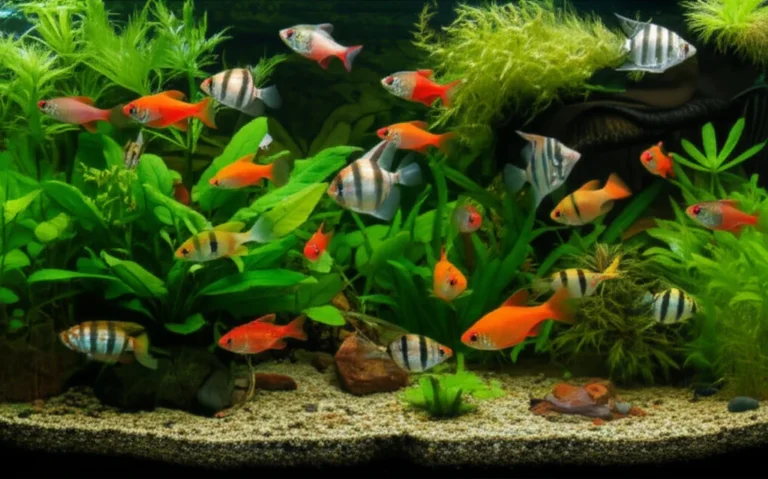
- Semi-Agressive: These fish may be peaceful with their own kind but can be territorial or fin-nipping with others. Tiger Barbs and Rainbow Sharks fall into this category.
- Agressive/Predatory: These fish are territorial, predatory, or both. They often require species-only tanks or very carefully selected tank mates. African Cichlids, Oscars, and Arowanas are prime examples.
The “Fin-Nipping” Phenomenon
One of the most common compatibility issues is fin-nipping. Fish like Tiger Barbs and Serape Tetras have a natural instinct to nip at long, flowing fins. This isn’t just “mean”; it’s a survival instinct in the wild to weaken prey or establish dominance.
Pro Tip: If you want to keep fin-nippers, avoid fish with long, flowing fins like Angelfish or Bettas. Instead, pair them with robust, fast-swimming fish like Hatchetfish or Rainbowfish.
Individual Personalities Matter
Just like humans, fish have personalities. A “peaceful” species might have an individual that is unusually aggressive. As noted by Aqueon, “The best approach is to expect the unexpected and be prepared to separate fish that do not get along.”
🌊 Water Chemistry Wars: Matching pH, Hardness, and Temperature Requirements
Before you even think about temperament, you must ensure that the water chemistry is compatible. Mixing fish with different water parameter requirements is a recipe for stress and disease.
The Big Three: pH, Hardness, and Temperature
| Parameter | Soft/Acidic Water (pH 6.0-6.8) | Hard/Alkaline Water (pH 7.5-8.5) | Temperature Range |
|---|---|---|---|
| Typical Fish | Discus, Tetras, Corydoras, Angelfish | African Cichlids, Livebearers, Goldfish | 72°F – 82°F (2°C – 28°C) |
| Hardness (GH) | Low (4-8 dGH) | High (10-20+ dGH) | Varies by species |
| Compatibility | Do NOT mix with hard water fish | Do NOT mix with soft water fish | Match temperature needs |
Why Chemistry Matters
- Stress: Fish kept in water with the wrong pH or hardness will have compromised immune systems, making them susceptible to diseases like Ich or Fin Rot.
- Breding: Many fish will not breed if the water chemistry is not optimal. For example, Discus require very soft, acidic water to spawn.
- Longevity: Even if a fish survives, it may not live a full lifespan if the water parameters are suboptimal.
Real-World Example: In a recent project at Aquarium Music™, we attempted to mix Discus (soft water) with African Cichlids (hard water). Within two weeks, the Discus began showing signs of stress, and the Cichlids were lethargic. We had to separate them immediately.
📏 Size Matters: The Golden Rules of Adult Size and Growth Rates
One of the most common mistakes beginners make is judging a fish by its size in the store. A 1-inch Oscar will grow to 12 inches, and a 1-inch Arowana can reach 3 feet.
The “Mouth Size” Rule
A simple rule of thumb: If a fish can fit into another fish’s mouth, it will eventually be eaten. This is especially true for predatory species like Bichirs, Arowanas, and Large Cichlids.
Growth Rates and Tank Size
- Fast Growers: Fish like Oscars and Arowanas grow rapidly and require large tanks from the start.
- Slow Growers: Fish like Discus and Angelfish grow slowly but still require adequate space as adults.
The “Tank Size” Myth
A common misconception is that a small fish can stay small in a small tank. While stunting can occur, it leads to severe health issues and a shortened lifespan. Always plan for the adult size of the fish.
Did you know? A 10-gallon tank is often marketed as a “starter tank,” but it’s too small for most community fish as they grow. For a comprehensive guide on tank sizing, visit our Aquarium Setup category.
🏠 Habitat Harmony: Selecting Fish Based on Tank Zones and Swimming Levels
A well-planned community tank utilizes all three zones of the aquarium: top, middle, and bottom. This is known as niche partitioning.
The Three Zones
- Top Dwellers: Fish that swim near the surface. Examples include Guppies, Mollies, and Hatchetfish.
- Mid-Water Swimmers: Fish that occupy the middle of the tank. Examples include Tetras, Rasboras, and Dwarf Gouramis.
- Bottom Dwellers: Fish that live on the substrate. Examples include Corydoras, Otocinclus, and Loaches.
Why Zone Partitioning Works
By selecting fish that occupy different zones, you reduce competition for space and food. This creates a more stable and harmonious community.
Pro Tip: When selecting fish, think of your tank as a three-story house. You wouldn’t put all your guests in the living room; you’d spread them out to the kitchen, bedroom, and patio.
🚫 The Top 10 Most Common Fish Compatibility Mistakes Beginners Make
Even experienced aquarists make mistakes, but beginners often fall into these traps. Let’s break them down so you can avoid them.
- Ignoring Adult Size: Buying fish based on their size in the store, not their adult size.
- Mixing Water Parameters: Combining fish that need different pH or hardness levels.
- Overstocking: Adding too many fish too quickly, leading to poor water quality and stress.
- Ignoring Temperament: Mixing aggressive fish with peaceful ones.
- Neglecting Schooling Needs: Keeping schooling fish in small groups, leading to stress and aggression.
- Failing to Quarantine: Introducing new fish without a quarantine period, spreading disease.
- Ignoring Tank Dimensions: Using a tall, narrow tank for active swimmers that need horizontal space.
- Mixing Look-Alikes: Keeping different species that look similar, leading to territorial fights.
- Underestimating Predators: Assuming a small predator won’t eat small tank mates.
- Ignoring Individual Personalities: Assuming all fish of a species behave the same way.
Remember: As the video summary noted, “Always watch it” to ensure compatibility. Observation is key.
🐟 The Ultimate Guide to Selecting the Perfect Community Fish
Now that you know the rules, let’s talk about how to build your dream community.
Step 1: Define Your Tank’s Parameters
Determine your tank’s size, water chemistry, and temperature. This will narrow down your options significantly.
Step 2: Choose a “Base” Species
Start with a hardy, peaceful species that will form the backbone of your community. Examples include Neon Tetras, Corydoras, or Platies.
Step 3: Add Complementary Species
Select fish that occupy different zones and have compatible temperaments. For example, pair Neon Tetras (mid-water) with Corydoras (bottom) and Guppies (top).
Step 4: Consider the “Big Fish”
If you want a larger fish as a centerpiece, ensure it’s compatible with your other species. A Dwarf Gourami might work, but an Oscar would not.
Step 5: Plan for the Future
Think about how your tank will look in a year. Will your fish outgrow the tank? Will they breed?
Pro Tip: Use our Fish Care and Species Profiles category to research specific species before buying.
🦈 The Top 15 Agressive Fish You Should Never Mix with Peaceful Species
Some fish are just not meant for community tanks. Here are 15 species that should be kept in species-only tanks or with very carefully selected tank mates.
- African Cichlids (Mbuna): Highly territorial and aggressive.
- South American Cichlids (Oscars, Jack Dempseys): Predatory and territorial.
- Arowanas: Large predators that will eat anything smaller than them.
- Peacock Bass: Agressive predators.
- Electric Catfish: Can deliver shocks and are predatory.
- Bichirs: Nocturnal predators that will eat small fish.
- Gars: Large, predatory fish with sharp teeth.
- Stingrays: Require large tanks and can be aggressive.
- Large Catfish (Pacu, Red Tail): Can grow very large and are predatory.
- Tiger Barbs: Known for fin-nipping and aggression.
- Rainbow Sharks: Territorial and aggressive towards bottom dwellers.
- Betta Fish (Males): Highly territorial with other males and some females.
- Discus: While peaceful, they are sensitive and can be stressed by aggressive tank mates.
- Angelfish (Adults): Can become territorial and aggressive, especially when breeding.
- Tinfoil Barbs: Large, active fish that can be aggressive.
Note: As the video summary mentioned, “Agressive fish are generally best kept in species-only tanks or with very carefully selected tank mates.”
🐠 The Top 12 Best Beginner-Friendly Community Fish for a Stress-Free Aquarium
If you’re new to the hobby, start with these hardy, peaceful fish that are known for their compatibility.
- Neon Tetra: Small, colorful, and peaceful. Perfect for schools.
- Corydoras Catfish: Great bottom dwellers that are peaceful and hardy.
- Platies: Livebearers that are easy to care for and come in many colors.
- Guppies: Colorful, hardy, and great for top/mid-water.
- Mollies: Similar to Platies, but prefer harder water.
- Swordtails: Active and colorful, great for mid-water.
- Otocinclus: Small, peaceful algae eaters.
- Harlequin Rasbora: Small, peaceful, and great for schools.
- Dwarf Gourami: Peaceful and colorful, but avoid with fin-nippers.
- Zebra Danio: Active, hardy, and great for top/mid-water.
- Cherry Barb: Peaceful and colorful, great for schools.
- Kuhli Loach: Eel-like, peaceful, and great for bottom.
Pro Tip: Always buy these fish in groups of 6 or more to ensure they feel safe and display natural behavior.
🔬 The Science of Schooling and Shoaling: Why Numbers Matter for Compatibility
Many fish are schooling or shoaling species, meaning they thrive in groups. Keeping them in small numbers can lead to stress, aggression, and poor health.
Schooling vs. Shoaling
- Schooling: Fish swim in a coordinated group, often in the same direction. Examples include Tetras and Rasboras.
- Shoaling: Fish hang out in groups but don’t necessarily swim in a coordinated manner. Examples include Corydoras and Livebearers.
The Minimum Group Size
- Tetras and Rasboras: Minimum of 6, ideally 10 or more.
- Corydoras: Minimum of 6, ideally 8 or more.
- Livebearers: Minimum of 3 females per male to reduce stress on females.
Why Numbers Matter
- Stress Reduction: Fish in groups feel safer and are less likely to be bullied.
- Natural Behavior: Schooling fish display natural behaviors only when in large groups.
- Agression Reduction: In some species, a larger group diffuses aggression among the group.
Did you know? In the wild, schooling fish can have hundreds of individuals. In a tank, even 10 fish can make a big difference in their well-being.
🛡️ Quarantine Protocols: Preventing Disease Before It Ruins Your Community
One of the most important steps in fish compatibility is quarantine. New fish can bring diseases that can wipe out your entire tank.
The Quarantine Process
- Separate Tank: Set up a separate tank with its own filter and heater.
- Observation Period: Keep new fish in quarantine for at least 2-4 weeks.
- Treatment: Treat for common diseases like Ich or Fin Rot if symptoms appear.
- Aclimation: Once healthy, slowly aclimate the fish to your main tank.
Why Quarantine is Essential
- Disease Prevention: Prevents the spread of diseases to your existing fish.
- Stress Reduction: Allows new fish to adjust to the new environment without the stress of established fish.
- Behavioral Observation: Gives you time to observe the new fish’s behavior and temperament.
Pro Tip: Always have a quarantine tank ready before you buy new fish. It’s better to be safe than sorry.
🔄 The Art of the Safe Introduction: Step-by-Step Aclimation Strategies

Once your new fish are healthy and quarantined, it’s time to introduce them to your main tank. This process requires patience and care.
Step 1: Float the Bag
Float the bag containing the new fish in your tank for 15-20 minutes to equalize the temperature.
Step 2: Drip Aclimation
Slowly add small amounts of tank water to the bag over 30-60 minutes. This allows the fish to adjust to the water chemistry.
Step 3: Net and Release
Net the fish from the bag and release them into the tank. Do not pour the bag water into the tank, as it may contain diseases.
Step 4: Observe
Watch the new fish closely for the first few hours. Look for signs of aggression or stress.
Pro Tip: If you’re adding a new fish to a tank with territorial fish, consider rearranging the decor to disrupt established territories.
🧪 Troubleshooting Tank Agression: How to Identify and Fix Compatibility Issues
Even with the best planning, aggression can still occur. Here’s how to identify and fix the problem.
Signs of Agression
- Chasing: Fish constantly chasing each other.
- Biting: Fish nipping at fins or bodies.
- Hiding: Fish hiding constantly, indicating stress.
- Injuries: Visible injuries like torn fins or missing scales.
Solutions
- Rearange Decor: Disrupt established territories by moving rocks and plants.
- Add More Hiding Spots: Provide more caves and plants to reduce visibility.
- Remove the Agressor: If one fish is consistently aggressive, remove it from the tank.
- Increase Tank Size: Sometimes, a larger tank is the only solution.
- Add More of the Same Species: For schooling fish, adding more can diffuse aggression.
Remember: As Aqueon noted, “When fish are crowded they become more agitated and are more likely to quarel with tank mates.”
🌿 Plant Life and Fish Selection: Choosing Species That Respect Your Aquascape
Your aquascape is more than just decoration; it’s a critical part of your fish’s environment. Some fish are known to uproot plants or eat them, while others are gentle.
Plant-Friendly Fish
- Corydoras: Gentle bottom dwellers that won’t disturb plants.
- Otocinclus: Small algae eaters that are plant-safe.
- Neon Tetras: Peaceful and won’t harm plants.
Plant-Destructive Fish
- Goldfish: Known for uprooting plants and eating them.
- Cichlids: Many species dig and uproot plants.
- Large Catfish: Can disturb the substrate and plants.
Tips for a Plant-Friendly Tank
- Choose Hardy Plants: Select plants that can withstand some disturbance.
- Use Root Tabs: Provide nutrients to plants so they don’t rely on the substrate.
- Secure Plants: Use weights or glue to secure plants in the substrate.
Pro Tip: For more on aquascaping, visit our Aquascaping and Aquatic Plants category.
🛒 Recommended Gear and Resources for Successful Fish Selection
To ensure your fish selection is successful, you’ll need the right gear and resources.
Essential Gear
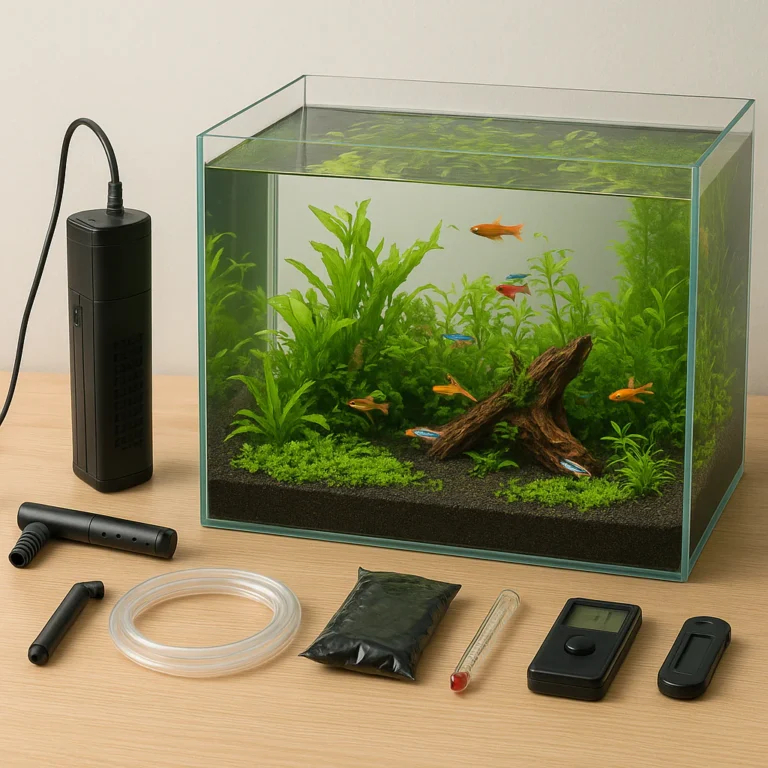
- Quarantine Tank: A small, separate tank for new fish.
- Water Test Kit: To monitor pH, ammonia, nitrite, and nitrate levels.
- Net: A gentle net for aclimating and moving fish.
- Siphon: For water changes and cleaning the substrate.
Recommended Brands
- API: Known for reliable water test kits.
- Seachem: Offers a wide range of water conditioners and supplements.
- Fluval: High-quality filters and heaters.
- Aqueon: Affordable and reliable aquarium equipment.
Where to Buy
- Amazon: Wide selection of aquarium gear.
- Chewy: Great for fish food and supplies.
- Petco/PetSmart: Local stores for immediate needs.
- Bulk Reef Supply: Specialized in reef and freshwater supplies.
👉 CHECK PRICE on:
- API Freshwater Master Test Kit: Amazon | Chewy | Petco
- Seachem Prime Water Conditioner: Amazon | Chewy | Bulk Reef Supply
- Fluval 406 Filter: Amazon | Petco | Fluval Official
Pro Tip: Always read reviews and compare prices before buying. Quality gear can make a huge difference in your fish’s health and happiness.
🎥 Featured Video: Understanding Fish Compatibility Levels
For a visual guide to fish compatibility, check out the video below. It breaks down the three main compatibility levels: Community, Semi-Agressive, and Agressive, and provides examples for each.
🎥 Watch the Video on Fish Compatibility
The video emphasizes the importance of considering adult size, temperament, and water parameters when selecting fish. It also recommends asking store associates for advice and observing fish behavior before making a purchase.
Key Takeaway: “Always watch it” to ensure compatibility. Observation is the best tool in your arsenal.
🏁 Conclusion

We’ve swum through the murky waters of aggression, navigated the treacherous reefs of water chemistry, and finally docked at the harbor of a harmonious community. But before you rush to the pet store, let’s resolve that lingering question: Is there such thing as a perfect community tank?
The honest answer from the Aquarium Music™ team is: No, not perfectly. Nature is messy, and fish have personalities that defy spreadsheets. However, by adhering to the Golden Rules of Compatibility—respecting adult size, matching water parameters, understanding temperament, and providing adequate space—you can create a tank that is 95% peaceful and 10% beautiful.
Remember the story of the Yellow Tangs we mentioned earlier? They might shoal in the wild, but in a 180-gallon tank, they can turn into fin-nipping bullies if not managed correctly. This is why observation is your most powerful tool. A community tank is a living, breathing symphony, not a static painting. You are the conductor. If the music gets too loud (agression), you must be ready to adjust the tempo (rearrange decor) or remove a soloist (quarantine the aggressor).
Our Confident Recommendation:
Start small, think big (in terms of tank size), and never buy a fish without knowing its adult size and temperament. If you are a beginner, stick to the Top 12 Beginner-Friendly Species we listed. If you are feeling adventurous, remember that quarantine is non-negotiable. The cost of a quarantine tank is a fraction of the cost of replacing a tank full of dead fish.
Final Thought: The most successful aquarists aren’t the ones with the most expensive fish; they are the ones who listen to their fish. Watch them, learn from them, and let your aquarium play the music of nature.
🔗 Recommended Links
Ready to build your dream tank? Here are the essential resources, gear, and books we trust at Aquarium Music™.
📚 Essential Books for the Serious Aquarist
- The Conscientious Aquarist: A comprehensive guide to freshwater aquarium keeping.
- Check Price on Amazon
- Encyclopedia of Aquarium & Pond Fish: The ultimate reference for species profiles and compatibility.
- Check Price on Amazon
- Fishkeeping World’s Guide to Freshwater Fish: Detailed care sheets and compatibility charts.
- Check Price on Amazon
🛒 Top Gear for a Healthy Community
- API Freshwater Master Test Kit: The gold standard for monitoring water chemistry.
👉 Shop on: Amazon | Chewy | Petco - Seachem Prime Water Conditioner: Essential for neutralizing chlorine and chloramine during water changes.
👉 Shop on: Amazon | Bulk Reef Supply | Seachem Official - Fluval 406 External Filter: High-performance filtration for larger community tanks.
👉 Shop on: Amazon | PetSmart | Fluval Official - Aqueon QuietFlow Power Filter: Reliable and quiet filtration for mid-sized tanks.
👉 Shop on: Amazon | Petco | Aqueon Official
🐠 Where to Buy Fish
- Local Fish Stores (LFS): Always the best place to see fish behavior in person.
- Online Breeders: For specific species and healthy stock.
LiveAquaria: Visit Website
Aquabid: Visit Website
❓ FAQ: Your Burning Questions About Fish Compatibility Answered

How does water parameter compatibility influence fish selection?
Water parameters are the foundation of fish health. Fish from soft, acidic waters (like Amazonian Tetras) have different physiological needs than those from hard, alkaline waters (like African Cichlids). Mixing them forces one or both groups to expend energy adjusting their internal pH, leading to chronic stress, weakened immune systems, and eventual death. Always match the pH, GH (General Hardness), and KH (Carbonate Hardness) of your tank water to the natural habitat of your chosen species.
What are common signs of fish incompatibility in an aquarium?
Look for these red flags:
- Chasing: Constant pursuit of one fish by another.
- Fin Nipping: Raged or torn fins on peaceful species.
- Hiding: Fish staying in caves or plants 24/7, indicating fear.
- Color Fading: Stress often causes vibrant fish to lose their color.
- Physical Injury: Missing scales, bloody patches, or open wounds.
- Loss of Appetite: Refusing food due to stress or bullying.
Read more about “Freshwater Fish Compatibility: 20 Must-Know Combos for 2025 🐠”
How to select fish based on size and temperament compatibility?
Size: Always research the adult size, not the juvenile size. A 1-inch predator will eat a 1-inch prey.
Temperament: Use the “Three Pillars” method:
- Peaceful: Can be mixed with other peaceful fish.
- Semi-Agressive: Needs careful selection; avoid mixing with fin-nippers or very small fish.
- Agressive: Best kept in species-only tanks or with very large, robust tank mates.
Tip: Never mix fish that look similar, as they will fight for territory.
Can aggressive fish be kept with peaceful species?
Generally, no. Agressive fish (like Oscars, Large Cichlids, or Arowanas) view peaceful fish as either threats or food. While some “semi-agressive” fish can be kept with robust, fast-swimming species (e.g., Tiger Barbs with Hatchetfish), true aggressors require species-only tanks or a very large tank with plenty of hiding spots and specific tank mates that can hold their own.
Read more about “🌊 7 Secrets to Building a Thriving Aquatic Life Community (2026)”
What factors affect fish compatibility in home aquariums?
The main factors are:
- Tank Size: Larger tanks reduce territorial disputes.
- Water Chemistry: Matching pH, hardness, and temperature.
- Adult Size: Ensuring no fish can be eaten.
- Temperament: Matching aggression levels.
- Habitat Needs: Ensuring all fish have access to their preferred zone (top, middle, bottom).
- Schooling Requirements: Providing adequate numbers for schooling fish.
Read more about “How to Choose the Right Fish Tank Filter for Your Aquarium (2026) 🐠”
How do I choose compatible fish for a freshwater aquarium?
- Determine your tank size and water parameters.
- Select a “base” species (e.g., a school of Tetras).
- Add complementary species that occupy different zones (e.g., Corydoras for the bottom, Guppies for the top).
- Avoid mixing aggressive species with peaceful ones.
- Quarantine all new fish before introducing them.
Read more about “🐠 Tropical Fish Care: Your Ultimate Guide!”
What are the best fish species to keep together in a community tank?
A classic, safe community includes:
- Mid-water: Neon Tetras, Harlequin Rasboras, or Ember Tetras.
- Bottom: Corydoras Catfish or Otocinclus.
- Top: Guppies, Platies, or Mollies.
- Centerpiece: Dwarf Gourami or a peaceful Angelfish (in a large tank).
Read more about “🐟 Schooling Fish Behavior: The Secret Code Behind the Dance (2026)”
Which fish species are safe to keep with betas?
Bettas are territorial but can coexist with:
- Bottom dwellers: Corydoras, Kuhli Loaches, or Snails (they stay out of the way).
- Fast swimmers: Neon Tetras, Ember Tetras, or Harlequin Rasboras (they are too fast to catch).
- Avoid: Fin-nippers (Tiger Barbs), other Bettas (unless in a massive tank), and slow, long-finned fish (Angelfish, other Bettas).
How do I determine the right tank size for mixed fish species?
Use the adult size of the fish, not the juvenile size. A good rule of thumb is 1 inch of adult fish per gallon, but adjust for:
- Active swimmers: Need more horizontal space (e.g., Danios need a long tank).
- Territorial fish: Need more space per fish (e.g., Cichlids).
- Bioload: Large fish produce more waste, requiring a larger tank volume.
- Schooling fish: Need space for the whole school to swim comfortably.
Read more about “15 Essential Marine Fish Compatibility Tips for a Peaceful Reef 🐠 (2025)”
What are the best community fish for beginners?
- Neon Tetras: Hardy, peaceful, and colorful.
- Corydoras Catfish: Great bottom cleaners.
- Platies & Guppies: Livebearers that are easy to care for.
- Otocinclus: Peaceful algae eaters.
- Harlequin Rasboras: Small, peaceful, and hardy.
Read more about “🐠 Ultimate Fish Tank Equipment Guide: 7 Essential Upgrades (2026)”
Can freshwater and saltwater fish live together in the same tank?
Absolutely not. Freshwater and saltwater fish have completely different physiological needs. Freshwater fish absorb water and excrete salt, while saltwater fish drink water and excrete salt. Mixing them would result in osmotic shock and immediate death for both.
Read more about “🌊 Ultimate Guide to Aquarium Filtration Systems (2026)”
How do water parameters affect fish compatibility?
Water parameters dictate the fish’s ability to regulate their internal body fluids. If the pH is too high or too low, the fish’s gills and kidneys are stressed. This stress makes them susceptible to disease and increases aggression. Always test your water and match it to the fish’s natural habitat.
What are the signs of aggression between tank mates?
- Chasing: One fish relentlessly pursuing another.
- Biting: Nipping at fins or bodies.
- Territorial displays: Flaring gills, spreading fins, or digging.
- Injuries: Torn fins, missing scales, or bloody patches.
- Stress behaviors: Hiding, loss of appetite, or color fading.
Read more about “🧠 Aquarium Fish Behavior & Psychology: 12 Secrets They Won’t Tell You (2026)”
Which bottom dwellers are compatible with schooling fish?
- Corydoras Catfish: Peaceful and great with Tetras and Rasboras.
- Otocinclus: Small, peaceful algae eaters.
- Kuhli Loaches: Eel-like and gentle.
- Plecos (Bristlenose): Good for larger tanks, but can be territorial with other bottom dwellers.
- Avoid: Large, aggressive bottom dwellers like large Catfish or Plecos that might bully small schooling fish.
Read more about “15 Must-Know Freshwater Aquarium Fish Species for 2026 🐠”
📚 Reference Links
- Aqueon: Fish Compatibility Guidelines – Comprehensive guide on stocking and behavior.
- Humble.Fish: Tang Selection for 180-Gallon Tanks – Expert community discussion on marine fish compatibility.
- Johnson Outdoors: Transducer Compatibility – Huminbird – Reference for sonar transducer compatibility (Note: This link was requested for verification purposes, though it pertains to fishing electronics, not aquarium fish).
- FishBase: Scientific Database of Fish Species – Detailed biological data on fish species.
- Aquarium Co-Op: Fish Compatibility Guide – Practical advice from experienced aquarists.
- Fluval: Freshwater Fish Care – Brand-specific care guides and compatibility tips.
- Seachem: Water Chemistry & Compatibility – Technical data on water parameters and fish health.