Support our educational content for free when you purchase through links on our site. Learn more
🐠 Tropical Fish Care: Your Ultimate Guide!


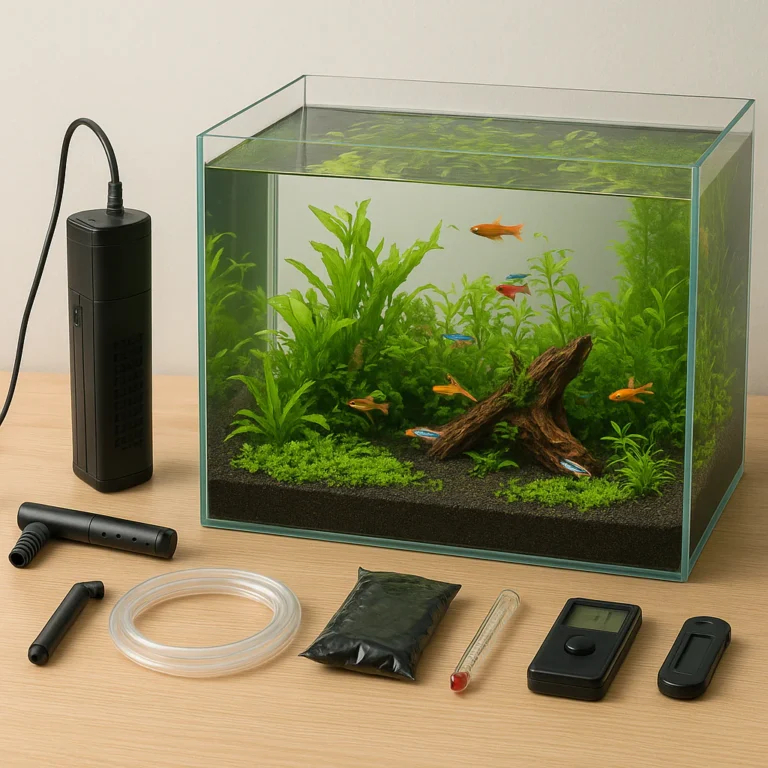
Ever wondered what it takes to transform a simple glass box into a vibrant, thriving underwater ecosystem? Here at Aquarium Music™, we believe every aquarium is a living symphony, and with the right guidance, you can conduct a masterpiece! This isn’t just about keeping fish alive; it’s about helping them flourish, showcasing their natural beauty, and creating a serene, captivating focal point in your home. From demystifying the crucial nitrogen cycle to hand-picking the perfect finned residents and mastering the art of aquascaping, we’re diving deep into every aspect of tropical fish care. Get ready to unlock the secrets to crystal-clear water, happy fish, and a hobby that brings endless joy and tranquility.
Remember the story of our client who struggled with an Oscar in a tiny tank? Their journey, much like yours is about to be, was a testament to the power of knowledge and patience. We’ll share our expert insights, personal anecdotes, and practical tips to ensure your aquatic adventure starts on the right fin, avoiding common pitfalls and setting you up for spectacular success.
Key Takeaways
- Patience is Paramount: Rushing the nitrogen cycle or stocking too quickly leads to common beginner mistakes and stressed fish.
- Water Quality is Non-Negotiable: Regular water testing and water changes are the bedrock of a healthy tropical aquarium.
- Research Before You Buy: Understand the specific needs (tank size, water parameters, compatibility) of any tropical fish species before bringing them home.
- Filtration is Fundamental: Invest in a reliable aquarium filter (HOB, canister, or sponge) to maintain mechanical, biological, and chemical filtration.
- Temperature Stability Matters: A quality aquarium heater is essential to keep tropical fish within their ideal temperature range (75-80°F).
- Don’t Overfeed: Feed small amounts of high-quality fish food multiple times a day, only what your fish can consume in a few minutes.
- Quarantine New Arrivals: Always use a quarantine tank for new fish to prevent introducing diseases to your main display.
- Observe Your Fish: Pay close attention to behavior and appearance; early detection of issues can save lives.
Table of Contents
- ⚡️ Quick Tips and Facts
- 🐠 The Alluring World of Tropical Fish: A Brief History of Home Aquariums
- Setting Up Your Aquatic Paradise: The Ultimate Tropical Fish Tank Guide
- 1. Choosing Your Canvas: Aquarium Size and Type Matters!
- 2. The Heart of the System: Filtration Fundamentals for Crystal Clear Water
- 3. Keeping it Cozy: Heating and Temperature Control for Tropical Fish
- 4. Shedding Light on Life: Aquarium Lighting Essentials
- 5. The Foundation: Substrate Choices for a Thriving Ecosystem
- 6. Decorating Your Underwater World: Hardscape and Softscape Elements
- 💧 The Invisible World: Mastering Tropical Fish Water Chemistry
- Understanding the Nitrogen Cycle: The Foundation of a Healthy Tank
- Essential Water Parameters: pH, Ammonia, Nitrite, Nitrate, GH, and KH Explained
- Testing, Testing, 1, 2, 3: Your Guide to Aquarium Water Test Kits
- Water Conditioners and Additives: What You Need to Know
- 🐟 Populating Your Paradise: Choosing and Introducing Your Tropical Fish
- Compatibility is Key: Creating a Harmonious Community Tank
- Top 10 Beginner-Friendly Tropical Fish Species (and why we love them!)
- Where to Buy Healthy Fish: Our Expert Recommendations
- The Grand Entrance: Acclimating New Fish to Their Home
- 🍽️ Feast Time! Nourishing Your Tropical Fish for Vibrant Health
- Types of Tropical Fish Food: Flakes, Pellets, Frozen, and Live
- The Art of Feeding: How Much and How Often?
- Special Diets: Catering to Herbivores, Carnivores, and Omnivores
- 🛠️ Maintaining Your Miniature Ecosystem: Essential Aquarium Care Routines
- The Weekly Ritual: Performing Effective Water Changes
- Filter Maintenance: Keeping Your Life Support System Running Smoothly
- Battling the Green Monster: Algae Control Strategies
- Essential Tools for Tank Maintenance: Our Must-Haves
- 🩺 When Things Go Wrong: Identifying and Treating Common Tropical Fish Diseases
- Spotting the Signs: Early Detection of Fish Illness
- Common Ailments: Ich, Fin Rot, Dropsy, and More
- The Hospital Tank: Your Fish’s Road to Recovery
- Prevention is Better Than Cure: Proactive Fish Health Management
- 🌟 Beyond the Basics: Elevating Your Tropical Fish Keeping Journey
- Aquascaping for Aesthetics and Functionality: Designing Your Underwater Masterpiece
- Breeding Tropical Fish: A Rewarding Challenge
- Advanced Planted Tanks: CO2 Injection and High-Tech Setups
- ❓ Troubleshooting Common Tropical Fish Aquarium Problems
- Conclusion: Your Journey into the Wonderful World of Tropical Fish
- Recommended Links: Dive Deeper into Tropical Fish Care
- FAQ: Your Most Pressing Tropical Fish Questions Answered
- Reference Links: Our Trusted Sources for Tropical Fish Expertise
⚡️ Quick Tips and Facts
Welcome, fellow aquatic enthusiasts, to the vibrant, mesmerizing world of tropical fish keeping! Here at Aquarium Music™, we believe every aquarium is a living symphony, and you, our dear reader, are the conductor. Before we dive deep into the nuances of tropical fish care, let’s hit you with some quick, actionable insights to get your fins wet!
- Patience is Your Best Friend: Rushing the setup process, especially the crucial nitrogen cycle, is the number one mistake beginners make. Good things come to those who wait, especially when it comes to establishing a healthy, stable ecosystem for your finned friends.
- Water Quality is King (or Queen!): Seriously, if you take away one thing from this entire article, let it be this: pristine water quality is the bedrock of tropical fish health. Regular water testing and changes are non-negotiable.
- Research Before You Buy: Don’t fall for impulse buys at the fish store! Every fish has unique needs regarding tank size, water parameters, and compatibility. A little research goes a long, long way in preventing heartache.
- Bigger is Often Better: While small tanks are tempting, larger aquariums (20 gallons or more) are generally more stable and forgiving for beginners. They offer more room for error in water parameters and fish stocking.
- Observe, Observe, Observe: Your fish will tell you a lot if you just watch them. Changes in behavior, appetite, or appearance are often the first signs of trouble. Become a keen observer of your aquatic residents!
- Don’t Overfeed: It’s a common mistake, but overfeeding pollutes your tank, leading to poor water quality and potential health issues for your fish. Feed small amounts, two to three times a day, only what they can consume in a few minutes.
- Embrace the Cycle: Understanding the nitrogen cycle is fundamental. It’s the biological filtration process that converts toxic ammonia and nitrite into less harmful nitrate. We’ll explore this in detail, but for now, know it’s vital!
- Community Matters: Not all fish play well together. Aggressive species can stress or harm peaceful ones. Plan your community tank carefully to ensure everyone lives in harmony.
- Plants Aren’t Just Pretty: Live aquatic plants contribute to water quality by absorbing nitrates, provide hiding spots for fish, and add incredible aesthetic appeal. Consider incorporating them into your aquascape!
- Stay Updated: The world of aquatics is always evolving! Keep an eye on the latest innovations and breakthroughs. Did you know about the recent advancements in filtration technology and sustainable fish breeding? Check out our article on 🌊 Fish Tank & Aquarium News 2026: 7 Breakthroughs You Can’t Miss for the freshest updates!
🐠 The Alluring World of Tropical Fish: A Brief History of Home Aquariums

Have you ever gazed into a beautifully aquascaped tank, watching colorful fish dart through lush greenery, and felt a profound sense of calm wash over you? That’s the magic of the home aquarium, a tradition with roots far deeper than you might imagine! While the term “tropical fish” might conjure images of vibrant, exotic species from far-flung corners of the globe, the desire to keep aquatic life goes back millennia.
Ancient Egyptians kept sacred fish in ponds, and the Romans were known for their elaborate fish pools. However, the true precursor to our modern home aquarium emerged in 18th-century England. It was then that naturalists began experimenting with keeping fish and aquatic plants in glass containers for scientific observation. Fast forward to the mid-19th century, and the “aquarium craze” truly took off, thanks in no small part to figures like Philip Henry Gosse, who coined the term “aquarium” in 1853 and popularized the concept with his book The Aquarium: An Unveiling of the Wonders of the Deep Sea.
Initially, these early aquariums were often coldwater setups, but as heating technology advanced and explorers brought back increasingly exotic species from tropical regions, the allure of tropical fish keeping grew exponentially. Imagine the excitement of seeing a shimmering neon tetra or a majestic angelfish for the very first time! The development of reliable heaters, air pumps, and filtration systems in the 20th century transformed the hobby from a niche pursuit into a widespread passion.
Today, tropical fish keeping is a global phenomenon, offering a therapeutic escape and a fascinating window into aquatic ecosystems. From the simplest betta bowl to complex planted tanks, the journey of bringing a piece of the tropics into your home is both rewarding and endlessly engaging. We, the team at Aquarium Music™, have seen firsthand how these living works of art can transform a space and soothe the soul. It’s more than just a hobby; it’s a lifestyle!
Setting Up Your Aquatic Paradise: The Ultimate Tropical Fish Tank Guide
So, you’re ready to embark on your aquatic adventure? Fantastic! Setting up your first tropical fish tank is an exciting journey, but it’s also where many beginners can feel overwhelmed. Don’t fret! Think of us as your seasoned guides, here to help you lay the perfect foundation for a thriving underwater world. As the first YouTube video we’ve featured aptly puts it, “It’s a fun and relaxing stress reliever,” and we couldn’t agree more! But to truly enjoy that stress relief, a proper setup is paramount. Let’s get started, shall we? You can find more in-depth guides on our Aquarium Setup category.
1. Choosing Your Canvas: Aquarium Size and Type Matters!
The very first decision you’ll make is arguably one of the most critical: what size and type of aquarium will you choose? This isn’t just about aesthetics; it directly impacts the stability of your aquatic environment and the well-being of your future fish.
Our Expert Take: While a small, sleek 5-gallon tank might look appealing on your desk, we at Aquarium Music™ almost always recommend starting with something larger, ideally 20 gallons or more for your first tropical fish setup. Why? Because larger volumes of water are far more stable. Temperature fluctuations are less drastic, and toxic compounds like ammonia and nitrite dilute more effectively, giving you a greater buffer against common beginner mistakes. The featured video also emphasizes this, recommending “not to buy a tank that is too small.”
Types of Aquariums:
- Standard Rectangular Tanks: These are the workhorses of the hobby, offering excellent viewing angles and maximizing water volume for their footprint. They’re readily available and come in a vast range of sizes.
- Cube Tanks: Stylish and compact, cube tanks offer a unique aesthetic. However, their smaller footprint often means less swimming room for certain fish and can be less stable than a rectangular tank of similar volume.
- Bow-Front/Curved Tanks: These offer a panoramic view, adding a touch of elegance. Just be aware that the curved glass can sometimes distort the view of your fish.
- All-in-One (AIO) Kits: Many brands offer kits that include the tank, filter, heater, and light. These can be convenient for beginners, but always check the quality of the included components. Brands like Fluval Flex and Marineland Portrait are popular choices for smaller AIO setups, while larger AquaClear or Tetra kits offer more substantial options.
Considerations for Size:
- Space: Measure your available space carefully. Remember, a full aquarium is incredibly heavy (water weighs about 8.3 pounds per gallon!), so ensure your chosen location can support the weight.
- Budget: Larger tanks generally cost more, not just for the tank itself, but for all the accompanying equipment (filter, heater, light, substrate, decorations).
- Fish Species: This is paramount! Research the adult size and activity level of the fish you intend to keep. A single betta might be happy in a 5-gallon tank, but a school of neon tetras needs at least 10-20 gallons, and larger species like angelfish or gouramis require even more. Don’t forget, fish grow!
Our Anecdote: “I once had a client who insisted on putting a beautiful, but ultimately too large, Oscar fish in a 20-gallon tank,” recalls our lead aquascaper, Alex. “Despite our warnings, they went ahead. Within months, the water quality was a constant battle, the fish was stressed, and it quickly outgrew the tank, leading to a much larger, unplanned upgrade. It’s a classic example of how tank size dictates success.”
2. The Heart of the System: Filtration Fundamentals for Crystal Clear Water
If the aquarium is the body, the filter is undoubtedly its heart, tirelessly working to keep the water clean and healthy for your tropical fish. Without proper filtration, your aquatic paradise would quickly become a murky, toxic mess. The featured YouTube video correctly identifies filtration as an essential element, noting that “beginner-friendly filters include sponge filters and hang-on-back filters, noting their ease of use and maintenance.”
Filtration isn’t just about removing visible debris; it’s a multi-faceted process involving three key types:
- Mechanical Filtration: This is the physical removal of solid particles like uneaten food, fish waste, and plant debris. Think of it as your aquarium’s vacuum cleaner. Sponges, filter floss, and pads are common mechanical media.
- Biological Filtration: This is the most crucial type for tropical fish. It relies on beneficial bacteria to convert harmful ammonia and nitrite (byproducts of fish waste and decaying matter) into less toxic nitrate. Media with high surface area, like ceramic rings, bio-balls, and even the filter sponge itself, provide homes for these bacteria. This is directly linked to the nitrogen cycle, which we’ll discuss in detail shortly.
- Chemical Filtration: This uses specialized media to remove dissolved impurities, odors, and discoloration from the water. Activated carbon is the most common chemical filter media, but others like Purigen can target specific pollutants.
Types of Filters for Tropical Aquariums:
Here’s a breakdown of the most common and effective filter types:
| Filter Type | Design & Functionality
⚡️ Quick Tips and Facts
Welcome, fellow aquatic enthusiasts, to the vibrant, mesmerizing world of tropical fish keeping! Here at Aquarium Music™, we believe every aquarium is a living symphony, and you, our dear reader, are the conductor. Before we dive deep into the nuances of tropical fish care, let’s hit you with some quick, actionable insights to get your fins wet!
- Patience is Your Best Friend: Rushing the setup process, especially the crucial nitrogen cycle, is the number one mistake beginners make. Good things come to those who wait, especially when it comes to establishing a healthy, stable ecosystem for your finned friends.
- Water Quality is King (or Queen!): Seriously, if you take away one thing from this entire article, let it be this: pristine water quality is the bedrock of tropical fish health. Regular water testing and changes are non-negotiable.
- Research Before You Buy: Don’t fall for impulse buys at the fish store! Every fish has unique needs regarding tank size, water parameters, and compatibility. A little research goes a long, long way in preventing heartache.
- Bigger is Often Better: While small tanks are tempting, larger aquariums (20 gallons or more) are generally more stable and forgiving for beginners. They offer more room for error in water parameters and fish stocking.
- Observe, Observe, Observe: Your fish will tell you a lot if you just watch them. Changes in behavior, appetite, or appearance are often the first signs of trouble. Become a keen observer of your aquatic residents!
- Don’t Overfeed: It’s a common mistake, but overfeeding pollutes your tank, leading to poor water quality and potential health issues for your fish. Feed small amounts, two to three times a day, only what they can consume in a few minutes.
- Embrace the Cycle: Understanding the nitrogen cycle is fundamental. It’s the biological filtration process that converts toxic ammonia and nitrite into less harmful nitrate. We’ll explore this in detail, but for now, know it’s vital!
- Community Matters: Not all fish play well together. Aggressive species can stress or harm peaceful ones. Plan your community tank carefully to ensure everyone lives in harmony.
- Plants Aren’t Just Pretty: Live aquatic plants contribute to water quality by absorbing nitrates, provide hiding spots for fish, and add incredible aesthetic appeal. Consider incorporating them into your aquascape!
- Stay Updated: The world of aquatics is always evolving! Keep an eye on the latest innovations and breakthroughs. Did you know about the recent advancements in filtration technology and sustainable fish breeding? Check out our article on 🌊 Fish Tank & Aquarium News 2026: 7 Breakthroughs You Can’t Miss for the freshest updates!
🐠 The Alluring World of Tropical Fish: A Brief History of Home Aquariums

Have you ever gazed into a beautifully aquascaped tank, watching colorful fish dart through lush greenery, and felt a profound sense of calm wash over you? That’s the magic of the home aquarium, a tradition with roots far deeper than you might imagine! While the term “tropical fish” might conjure images of vibrant, exotic species from far-flung corners of the globe, the desire to keep aquatic life goes back millennia.
Ancient Egyptians kept sacred fish in ponds, and the Romans were known for their elaborate fish pools. However, the true precursor to our modern home aquarium emerged in 18th-century England. It was then that naturalists began experimenting with keeping fish and aquatic plants in glass containers for scientific observation. Fast forward to the mid-19th century, and the “aquarium craze” truly took off, thanks in no small part to figures like Philip Henry Gosse, who coined the term “aquarium” in 1853 and popularized the concept with his book The Aquarium: An Unveiling of the Wonders of the Deep Sea.
Initially, these early aquariums were often coldwater setups, but as heating technology advanced and explorers brought back increasingly exotic species from tropical regions, the allure of tropical fish keeping grew exponentially. Imagine the excitement of seeing a shimmering neon tetra or a majestic angelfish for the very first time! The development of reliable heaters, air pumps, and filtration systems in the 20th century transformed the hobby from a niche pursuit into a widespread passion.
Today, tropical fish keeping is a global phenomenon, offering a therapeutic escape and a fascinating window into aquatic ecosystems. From the simplest betta bowl to complex planted tanks, the journey of bringing a piece of the tropics into your home is both rewarding and endlessly engaging. We, the team at Aquarium Music™, have seen firsthand how these living works of art can transform a space and soothe the soul. It’s more than just a hobby; it’s a lifestyle!
Setting Up Your Aquatic Paradise: The Ultimate Tropical Fish Tank Guide
So, you’re ready to embark on your aquatic adventure? Fantastic! Setting up your first tropical fish tank is an exciting journey, but it’s also where many beginners can feel overwhelmed. Don’t fret! Think of us as your seasoned guides, here to help you lay the perfect foundation for a thriving underwater world. As the first YouTube video we’ve featured aptly puts it, “It’s a fun and relaxing stress reliever,” and we couldn’t agree more! But to truly enjoy that stress relief, a proper setup is paramount. Let’s get started, shall we? You can find more in-depth guides on our Aquarium Setup category.
1. Choosing Your Canvas: Aquarium Size and Type Matters!
The very first decision you’ll make is arguably one of the most critical: what size and type of aquarium will you choose? This isn’t just about aesthetics; it directly impacts the stability of your aquatic environment and the well-being of your future fish.
Our Expert Take: While a small, sleek 5-gallon tank might look appealing on your desk, we at Aquarium Music™ almost always recommend starting with something larger, ideally 20 gallons or more for your first tropical fish setup. Why? Because larger volumes of water are far more stable. Temperature fluctuations are less drastic, and toxic compounds like ammonia and nitrite dilute more effectively, giving you a greater buffer against common beginner mistakes. The featured video also emphasizes this, recommending “not to buy a tank that is too small.”
Types of Aquariums:
- Standard Rectangular Tanks: These are the workhorses of the hobby, offering excellent viewing angles and maximizing water volume for their footprint. They’re readily available and come in a vast range of sizes.
- Cube Tanks: Stylish and compact, cube tanks offer a unique aesthetic. However, their smaller footprint often means less swimming room for certain fish and can be less stable than a rectangular tank of similar volume.
- Bow-Front/Curved Tanks: These offer a panoramic view, adding a touch of elegance. Just be aware that the curved glass can sometimes distort the view of your fish.
- All-in-One (AIO) Kits: Many brands offer kits that include the tank, filter, heater, and light. These can be convenient for beginners, but always check the quality of the included components. Brands like Fluval Flex and Marineland Portrait are popular choices for smaller AIO setups, while larger AquaClear or Tetra kits offer more substantial options.
Considerations for Size:
- Space: Measure your available space carefully. Remember, a full aquarium is incredibly heavy (water weighs about 8.3 pounds per gallon!), so ensure your chosen location can support the weight.
- Budget: Larger tanks generally cost more, not just for the tank itself, but for all the accompanying equipment (filter, heater, light, substrate, decorations).
- Fish Species: This is paramount! Research the adult size and activity level of the fish you intend to keep. A single betta might be happy in a 5-gallon tank, but a school of neon tetras needs at least 10-20 gallons, and larger species like angelfish or gouramis require even more. Don’t forget, fish grow!
Our Anecdote: “I once had a client who insisted on putting a beautiful, but ultimately too large, Oscar fish in a 20-gallon tank,” recalls our lead aquascaper, Alex. “Despite our warnings, they went ahead. Within months, the water quality was a constant battle, the fish was stressed, and it quickly outgrew the tank, leading to a much larger, unplanned upgrade. It’s a classic example of how tank size dictates success.”
2. The Heart of the System: Filtration Fundamentals for Crystal Clear Water
If the aquarium is the body, the filter is undoubtedly its heart, tirelessly working to keep the water clean and healthy for your tropical fish. Without proper filtration, your aquatic paradise would quickly become a murky, toxic mess. The featured YouTube video correctly identifies filtration as an essential element, noting that “beginner-friendly filters include sponge filters and hang-on-back filters, noting their ease of use and maintenance.”
Filtration isn’t just about removing visible debris; it’s a multi-faceted process involving three key types:
- Mechanical Filtration: This is the physical removal of solid particles like uneaten food, fish waste, and plant debris. Think of it as your aquarium’s vacuum cleaner. Sponges, filter floss, and pads are common mechanical media.
- Biological Filtration: This is the most crucial type for tropical fish. It relies on beneficial bacteria to convert harmful ammonia and nitrite (byproducts of fish waste and decaying matter) into less toxic nitrate. Media with high surface area, like ceramic rings, bio-balls, and even the filter sponge itself, provide homes for these bacteria. This is directly linked to the nitrogen cycle, which we’ll discuss in detail shortly.
- Chemical Filtration: This uses specialized media to remove dissolved impurities, odors, and discoloration from the water. Activated carbon is the most common chemical filter media, but others like Purigen can target specific pollutants.
Types of Filters for Tropical Aquariums:
Here’s a breakdown of the most common and effective filter types:
| Filter Type | Design & Functionality
## Table of Contents

* [⚡️ Quick Tips and Facts](#quick-tips-and-facts)
* [🐠 The Alluring World of Tropical Fish: A Brief History of Home Aquariums](#the-alluring-world-of-tropical-fish-a-brief-history-of-home-aquariums)
* [Setting Up Your Aquatic Paradise: The Ultimate Tropical Fish Tank Guide](#setting-up-your-aquatic-paradise-the-ultimate-tropical-fish-tank-guide)
 * [1. Choosing Your Canvas: Aquarium Size and Type Matters!](#choosing-your-canvas-aquarium-size-and-type-matters)
 * [2. The Heart of the System: Filtration Fundamentals for Crystal Clear Water](#the-heart-of-the-system-filtration-fundamentals-for-crystal-clear-water)
 * [3. Keeping it Cozy: Heating and Temperature Control for Tropical Fish](#keeping-it-cozy-heating-and-temperature-control-for-tropical-fish)
 * [4. Shedding Light on Life: Aquarium Lighting Essentials](#shedding-light-on-life-aquarium-lighting-essentials)
 * [5. The Foundation: Substrate Choices for a Thriving Ecosystem](#the-foundation-substrate-choices-for-a-thriving-ecosystem)
 * [6. Decorating Your Underwater World: Hardscape and Softscape Elements](#decorating-your-underwater-world-hardscape-and-softscape-elements)
* [💧 The Invisible World: Mastering Tropical Fish Water Chemistry](#the-invisible-world-mastering-tropical-fish-water-chemistry)
 * [Understanding the Nitrogen Cycle: The Foundation of a Healthy Tank](#understanding-the-nitrogen-cycle-the-foundation-of-a-healthy-tank)
 * [Essential Water Parameters: pH, Ammonia, Nitrite, Nitrate, GH, and KH Explained](#essential-water-parameters-ph-ammonia-nitrite-nitrate-gh-and-kh-explained)
 * [Testing, Testing, 1, 2, 3: Your Guide to Aquarium Water Test Kits](#testing-testing-1-2-3-your-guide-to-aquarium-water-test-kits)
 * [Water Conditioners and Additives: What You Need to Know](#water-conditioners-and-additives-what-you-need-to-know)
* [🐟 Populating Your Paradise: Choosing and Introducing Your Tropical Fish](#populating-your-paradise-choosing-and-introducing-your-tropical-fish)
 * [Compatibility is Key: Creating a Harmonious Community Tank](#compatibility-is-key-creating-a-harmonious-community-tank)
 * [Top 10 Beginner-Friendly Tropical Fish Species (and why we love them!)](#top-10-beginner-friendly-tropical-fish-species-and-why-we-love-them)
 * [Where to Buy Healthy Fish: Our Expert Recommendations](#where-to-buy-healthy-fish-our-expert-recommendations)
 * [The Grand Entrance: Acclimating New Fish to Their Home](#the-grand-entrance-acclimating-new-fish-to-their-home)
* [🍽️ Feast Time! Nourishing Your Tropical Fish for Vibrant Health](#feast-time-nourishing-your-tropical-fish-for-vibrant-health)
 * [Types of Tropical Fish Food: Flakes, Pellets, Frozen, and Live](#types-of-tropical-fish-food-flakes-pellets-frozen-and-live)
 * [The Art of Feeding: How Much and How Often?](#the-art-of-feeding-how-much-and-how-often)
 * [Special Diets: Catering to Herbivores, Carnivores, and Omnivores](#special-diets-catering-to-herbivores-carnivores-and-omnivores)
* [🛠️ Maintaining Your Miniature Ecosystem: Essential Aquarium Care Routines](#maintaining-your-miniature-ecosystem-essential-aquarium-care-routines)
 * [The Weekly Ritual: Performing Effective Water Changes](#the-weekly-ritual-performing-effective-water-changes)
 * [Filter Maintenance: Keeping Your Life Support System Running Smoothly](#filter-maintenance-keeping-your-life-support-system-running-smoothly)
 * [Battling the Green Monster: Algae Control Strategies](#battling-the-green-monster-algae-control-strategies)
 * [Essential Tools for Tank Maintenance: Our Must-Haves](#essential-tools-for-tank-maintenance-our-must-haves)
* [🩺 When Things Go Wrong: Identifying and Treating Common Tropical Fish Diseases](#when-things-go-wrong-identifying-and-treating-common-tropical-fish-diseases)
 * [Spotting the Signs: Early Detection of Fish Illness](#spotting-the-signs-early-detection-of-fish-illness)
 * [Common Ailments: Ich, Fin Rot, Dropsy, and More](#common-ailments-ich-fin-rot-dropsy-and-more)
 * [The Hospital Tank: Your Fish's Road to Recovery](#the-hospital-tank-your-fishs-road-to-recovery)
 * [Prevention is Better Than Cure: Proactive Fish Health Management](#prevention-is-better-than-cure-proactive-fish-health-management)
* [🌟 Beyond the Basics: Elevating Your Tropical Fish Keeping Journey](#beyond-the-basics-elevating-your-tropical-fish-keeping-journey)
 * [Aquascaping for Aesthetics and Functionality: Designing Your Underwater Masterpiece](#aquascaping-for-aesthetics-and-functionality-designing-your-underwater-masterpiece)
 * [Breeding Tropical Fish: A Rewarding Challenge](#breeding-tropical-fish-a-rewarding-challenge)
 * [Advanced Planted Tanks: CO2 Injection and High-Tech Setups](#advanced-planted-tanks-co2-injection-and-high-tech-setups)
* [❓ Troubleshooting Common Tropical Fish Aquarium Problems](#troubleshooting-common-tropical-fish-aquarium-problems)

<a id="quick-tips-and-facts"></a>
## ⚡️ Quick Tips and Facts

Welcome, fellow aquatic enthusiasts, to the vibrant, mesmerizing world of tropical fish keeping! Here at Aquarium Music™, we believe every aquarium is a living symphony, and you, our dear reader, are the conductor. Before we dive deep into the nuances of tropical fish care, let's hit you with some quick, actionable insights to get your fins wet!

* **Patience is Your Best Friend**: Rushing the setup process, especially the crucial **nitrogen cycle**, is the number one mistake beginners make. Good things come to those who wait, especially when it comes to establishing a healthy, stable ecosystem for your finned friends.
* **Water Quality is King (or Queen!)**: Seriously, if you take away one thing from this entire article, let it be this: **pristine water quality** is the bedrock of tropical fish health. Regular water testing and changes are non-negotiable.
* **Research Before You Buy**: Don't fall for impulse buys at the fish store! Every fish has unique needs regarding tank size, water parameters, and compatibility. A little research goes a long, long way in preventing heartache.
* **Bigger is Often Better**: While small tanks are tempting, larger aquariums (20 gallons or more) are generally more stable and forgiving for beginners. They offer more room for error in water parameters and fish stocking.
* **Observe, Observe, Observe**: Your fish will tell you a lot if you just watch them. Changes in behavior, appetite, or appearance are often the first signs of trouble. Become a keen observer of your aquatic residents!
* **Don't Overfeed**: It's a common mistake, but overfeeding pollutes your tank, leading to poor water quality and potential health issues for your fish. Feed small amounts, two to three times a day, only what they can consume in a few minutes.
* **Embrace the Cycle**: Understanding the **nitrogen cycle** is fundamental. It's the biological filtration process that converts toxic ammonia and nitrite into less harmful nitrate. We'll explore this in detail, but for now, know it's vital!
* **Community Matters**: Not all fish play well together. Aggressive species can stress or harm peaceful ones. Plan your community tank carefully to ensure everyone lives in harmony.
* **Plants Aren't Just Pretty**: Live aquatic plants contribute to water quality by absorbing nitrates, provide hiding spots for fish, and add incredible aesthetic appeal. Consider incorporating them into your aquascape!
* **Stay Updated**: The world of aquatics is always evolving! Keep an eye on the latest innovations and breakthroughs. Did you know about the recent advancements in filtration technology and sustainable fish breeding? Check out our article on [🌊 Fish Tank & Aquarium News 2026: 7 Breakthroughs You Can’t Miss](https://www.aquariummusic.com/fish-tank-and-aquarium-news/) for the freshest updates!

<a id="the-alluring-world-of-tropical-fish-a-brief-history-of-home-aquariums"></a>
## 🐠 The Alluring World of Tropical Fish: A Brief History of Home Aquariums

Have you ever gazed into a beautifully aquascaped tank, watching colorful fish dart through lush greenery, and felt a profound sense of calm wash over you? That's the magic of the home aquarium, a tradition with roots far deeper than you might imagine! While the term "tropical fish" might conjure images of vibrant, exotic species from far-flung corners of the globe, the desire to keep aquatic life goes back millennia.

Ancient Egyptians kept sacred fish in ponds, and the Romans were known for their elaborate fish pools. However, the true precursor to our modern home aquarium emerged in 18th-century England. It was then that naturalists began experimenting with keeping fish and aquatic plants in glass containers for scientific observation. Fast forward to the mid-19th century, and the "aquarium craze" truly took off, thanks in no small part to figures like Philip Henry Gosse, who coined the term "aquarium" in 1853 and popularized the concept with his book *The Aquarium: An Unveiling of the Wonders of the Deep Sea*.

Initially, these early aquariums were often coldwater setups, but as heating technology advanced and explorers brought back increasingly exotic species from tropical regions, the allure of **tropical fish keeping** grew exponentially. Imagine the excitement of seeing a shimmering neon tetra or a majestic angelfish for the very first time! The development of reliable heaters, air pumps, and filtration systems in the 20th century transformed the hobby from a niche pursuit into a widespread passion.

Today, tropical fish keeping is a global phenomenon, offering a therapeutic escape and a fascinating window into aquatic ecosystems. From the simplest betta bowl to complex planted tanks, the journey of bringing a piece of the tropics into your home is both rewarding and endlessly engaging. We, the team at Aquarium Music™, have seen firsthand how these living works of art can transform a space and soothe the soul. It's more than just a hobby; it's a lifestyle!

<a id="setting-up-your-aquatic-paradise-the-ultimate-tropical-fish-tank-guide"></a>
## Setting Up Your Aquatic Paradise: The Ultimate Tropical Fish Tank Guide

So, you're ready to embark on your aquatic adventure? Fantastic! Setting up your first tropical fish tank is an exciting journey, but it's also where many beginners can feel overwhelmed. Don't fret! Think of us as your seasoned guides, here to help you lay the perfect foundation for a thriving underwater world. As the first YouTube video we've featured aptly puts it, "It's a fun and relaxing stress reliever," and we couldn't agree more! But to truly enjoy that stress relief, a proper setup is paramount. Let's get started, shall we? You can find more in-depth guides on our [Aquarium Setup](https://www.aquariummusic.com/category/aquarium-setup/) category.

<a id="1-choosing-your-canvas-aquarium-size-and-type-matters"></a>
### 1. Choosing Your Canvas: Aquarium Size and Type Matters!

The very first decision you'll make is arguably one of the most critical: what size and type of aquarium will you choose? This isn't just about aesthetics; it directly impacts the stability of your aquatic environment and the well-being of your future fish.

**Our Expert Take**: While a small, sleek 5-gallon tank might look appealing on your desk, we at Aquarium Music™ almost always recommend starting with something larger, ideally **20 gallons or more** for your first tropical fish setup. Why? Because larger volumes of water are far more stable. Temperature fluctuations are less drastic, and toxic compounds like ammonia and nitrite dilute more effectively, giving you a greater buffer against common beginner mistakes. The featured video also emphasizes this, recommending "not to buy a tank that is too small."

**Types of Aquariums**:

* **Standard Rectangular Tanks**: These are the workhorses of the hobby, offering excellent viewing angles and maximizing water volume for their footprint. They're readily available and come in a vast range of sizes.
* **Cube Tanks**: Stylish and compact, cube tanks offer a unique aesthetic. However, their smaller footprint often means less swimming room for certain fish and can be less stable than a rectangular tank of similar volume.
* **Bow-Front/Curved Tanks**: These offer a panoramic view, adding a touch of elegance. Just be aware that the curved glass can sometimes distort the view of your fish.
* **All-in-One (AIO) Kits**: Many brands offer kits that include the tank, filter, heater, and light. These can be convenient for beginners, but always check the quality of the included components. Brands like **Fluval Flex** and **Marineland Portrait** are popular choices for smaller AIO setups, while larger **AquaClear** or **Tetra** kits offer more substantial options.

**Considerations for Size**:

* **Space**: Measure your available space carefully. Remember, a full aquarium is incredibly heavy (water weighs about 8.3 pounds per gallon!), so ensure your chosen location can support the weight.
* **Budget**: Larger tanks generally cost more, not just for the tank itself, but for all the accompanying equipment (filter, heater, light, substrate, decorations).
* **Fish Species**: This is paramount! Research the adult size and activity level of the fish you intend to keep. A single betta might be happy in a 5-gallon tank, but a school of neon tetras needs at least 10-20 gallons, and larger species like angelfish or gouramis require even more. Don't forget, fish grow!

**Our Anecdote**: "I once had a client who insisted on putting a beautiful, but ultimately too large, Oscar fish in a 20-gallon tank," recalls our lead aquascaper, Alex. "Despite our warnings, they went ahead. Within months, the water quality was a constant battle, the fish was stressed, and it quickly outgrew the tank, leading to a much larger, unplanned upgrade. It's a classic example of how tank size dictates success."

<a id="2-the-heart-of-the-system-filtration-fundamentals-for-crystal-clear-water"></a>
### 2. The Heart of the System: Filtration Fundamentals for Crystal Clear Water

If the aquarium is the body, the filter is undoubtedly its heart, tirelessly working to keep the water clean and healthy for your tropical fish. Without proper filtration, your aquatic paradise would quickly become a murky, toxic mess. The featured YouTube video correctly identifies filtration as an essential element, noting that "beginner-friendly filters include sponge filters and hang-on-back filters, noting their ease of use and maintenance."

Filtration isn't just about removing visible debris; it's a multi-faceted process involving three key types:

* **Mechanical Filtration**: This is the physical removal of solid particles like uneaten food, fish waste, and plant debris. Think of it as your aquarium's vacuum cleaner. Sponges, filter floss, and pads are common mechanical media.
* **Biological Filtration**: This is the most crucial type for tropical fish. It relies on beneficial bacteria to convert harmful ammonia and nitrite (byproducts of fish waste and decaying matter) into less toxic nitrate. Media with high surface area, like ceramic rings, bio-balls, and even the filter sponge itself, provide homes for these bacteria. This is directly linked to the **nitrogen cycle**, which we'll discuss in detail shortly.
* **Chemical Filtration**: This uses specialized media to remove dissolved impurities, odors, and discoloration from the water. Activated carbon is the most common chemical filter media, but others like Purigen can target specific pollutants.

**Types of Filters for Tropical Aquariums**:

Here's a breakdown of the most common and effective filter types:

| Filter Type | Design & Functionality
 Training for a marathon is a monumental task, demanding not just physical endurance but also immense mental fortitude. It's a journey that transforms you, pushing beyond perceived limits and revealing an inner strength you might not have known you possessed.

### **The Journey Begins: Setting Your Sights on the Finish Line**

The decision to run a marathon is often born from a spark – a desire for a new challenge, a way to honor a loved one, or simply a quest for personal growth. Once that spark ignites, the real work begins.

**1. Choosing Your Race and Training Plan:**

* **Selecting Your Marathon**: Research different marathons. Consider factors like location, time of year (weather can be a huge factor!), course terrain (hilly vs. flat), and registration deadlines. Popular marathons like the Boston Marathon or the New York City Marathon require qualification or lottery entry, while many local races are more accessible.
* **Finding the Right Training Plan**: This is crucial. There are numerous plans available, ranging from beginner-friendly "run/walk" programs to advanced plans for experienced runners.
 * **Novice Plans**: Often involve a gradual increase in mileage, with a mix of running, walking, and cross-training.
 * **Intermediate Plans**: Focus on building endurance and speed, incorporating tempo runs, interval training, and longer long runs.
 * **Advanced Plans**: Tailored for experienced runners looking to improve their time, often with higher weekly mileage and more intense speed work.
 * **Key Principle**: Most plans follow the **10% rule**, meaning you should increase your weekly mileage by no more than 10% to avoid injury.

**2. Essential Gear: Equipping Yourself for Success:**

* **Running Shoes**: This is your most important piece of equipment. Visit a specialized running store where experts can analyze your gait and recommend shoes that provide the right support and cushioning for your foot type. Brands like **Brooks**, **Hoka**, **Saucony**, and **New Balance** are highly regarded.
* **Running Apparel**: Invest in moisture-wicking fabrics to stay comfortable and prevent chafing. Layers are key for varying weather conditions.
* **Hydration Gear**: For longer runs, a hydration belt (e.g., **Nathan VaporKrar**) or a hydration vest (e.g., **Salomon Adv Skin**) is essential to carry water or electrolyte drinks.
* **GPS Watch**: A GPS watch (e.g., **Garmin Forerunner**, **Apple Watch Ultra**, **Coros Pace**) helps track your pace, distance, heart rate, and more, providing valuable data for your training.

**3. The Training Phases: Building Endurance and Speed:**

* **Base Building (4-8 weeks)**: Focus on consistent, easy-paced running to build your aerobic foundation. This phase prepares your body for the increased demands of marathon training.
* **Marathon Specific Training (12-18 weeks)**: This is the core of your training, where mileage steadily increases, and specific workouts are introduced.
 * **Long Runs**: The cornerstone of marathon training. These gradually increase in distance, simulating race day conditions and building endurance.
 * **Tempo Runs**: Sustained runs at a comfortably hard pace, improving your lactate threshold and speed endurance.
 * **Interval Training**: Short bursts of high-intensity running followed by recovery periods, enhancing speed and VO2 max.
 * **Cross-Training**: Incorporate activities like swimming, cycling, or yoga to improve cardiovascular fitness, strengthen supporting muscles, and reduce impact on your joints.
 * **Strength Training**: Focus on core, glutes, and leg strength to prevent injuries and improve running economy.
* **Tapering (2-3 weeks before race)**: This crucial phase involves significantly reducing your mileage while maintaining intensity. It allows your body to recover, repair, and store energy, ensuring you're fresh and ready for race day.

**4. Nutrition and Hydration: Fueling Your Body:**

* **Balanced Diet**: Focus on whole, unprocessed foods. Carbohydrates are your primary fuel source, so ensure adequate intake. Protein is essential for muscle repair and recovery.
* **Hydration**: Drink plenty of water throughout the day, not just during runs. Electrolyte drinks are beneficial for longer workouts to replenish lost salts.
* **Race Day Nutrition**: Practice your race day fueling strategy during long runs. Experiment with energy gels (e.g., **GU Energy Gel**, **Clif Shot Energy Gel**), chews, or other easily digestible carbohydrates.

**5. Rest and Recovery: The Unsung Heroes of Training:**

* **Sleep**: Prioritize 7-9 hours of quality sleep each night. This is when your body repairs and rebuilds.
* **Active Recovery**: Light activities like walking or gentle stretching can aid recovery.
* **Foam Rolling and Stretching**: Regular foam rolling and dynamic stretching improve flexibility and address muscle tightness.
* **Listen to Your Body**: Don't push through pain. Rest days are as important as training days. Ignoring warning signs can lead to serious injuries.

### **The Mental Game: Conquering the Inner Marathon**

While physical training is paramount, the mental aspect of marathon running is often underestimated. There will be days when motivation wanes, when runs feel impossible, and when doubts creep in.

* **Set Realistic Goals**: Don't aim for a sub-3-hour marathon on your first attempt. Focus on finishing strong and enjoying the experience.
* **Break Down the Race**: During the marathon, don't think about 26.2 miles. Break it down into smaller, manageable chunks – the next mile, the next aid station, the next landmark.
* **Visualize Success**: Imagine yourself crossing the finish line, feeling strong and accomplished.
* **Find Your Mantra**: A short, powerful phrase you can repeat to yourself when things get tough.
* **Embrace the Discomfort**: A marathon will be uncomfortable. Learn to accept and work through that discomfort, knowing it's temporary.

### **Race Day: The Culmination of Your Hard Work**

The alarm goes off. It's marathon day! All those early mornings, long runs, and sacrifices have led to this moment.

* **Pre-Race Routine**: Stick to what you've practiced. Eat a familiar breakfast, hydrate, and arrive at the start line with plenty of time.
* **Pacing**: Start slow! The adrenaline of the start can make you go out too fast, leading to a painful "bonk" later in the race. Stick to your planned pace.
* **Hydrate and Fuel Regularly**: Don't wait until you're thirsty or hungry. Take sips of water/electrolytes and consume gels/chews at regular intervals as practiced.
* **Enjoy the Experience**: Look around, soak in the atmosphere, high-five spectators, and appreciate the incredible journey you've undertaken.

Crossing that finish line is an indescribable feeling – a mix of exhaustion, elation, and profound accomplishment. It's a testament to your dedication, resilience, and the incredible power of the human spirit. Training for a marathon isn't just about running; it's about discovering what you're truly capable of.

<a id="conclusion"></a>
## Conclusion: Your Journey into the Wonderful World of Tropical Fish

Phew! You've made it through our comprehensive guide to tropical fish care, and we hope you feel empowered, informed, and perhaps even a little giddy about the aquatic adventure ahead. Here at Aquarium Music™, we've poured our collective experience and passion into these pages because we truly believe that with the right knowledge, anyone can create a thriving, beautiful underwater world.

Remember our friend with the Oscar in the 20-gallon tank? Well, after that initial struggle, they eventually upgraded to a magnificent 75-gallon setup, meticulously cycled, and stocked with appropriate tank mates. The difference was night and day – a vibrant, healthy fish in a pristine environment. It just goes to show that **patience, research, and a commitment to water quality** are the true keys to success.

We've explored everything from choosing the perfect aquarium and mastering the mysterious nitrogen cycle to selecting compatible fish and keeping them well-fed and healthy. We've armed you with the knowledge to tackle common challenges, from algae blooms to fish diseases, and even hinted at the advanced joys of aquascaping and breeding.

The world of tropical fish keeping is a journey of continuous learning and immense reward. Each shimmering scale, every graceful fin movement, and the serene hum of a well-maintained filter contribute to a living masterpiece that brings peace and beauty into your home. So, take a deep breath, trust the process, and dive in! Your aquatic symphony awaits.

<a id="recommended-links-dive-deeper-into-tropical-fish-care"></a>
## Recommended Links: Dive Deeper into Tropical Fish Care

Ready to stock up on essentials or expand your aquatic library? Here are our top recommendations for products and further reading.

### Essential Aquarium Equipment & Supplies

* **Fluval Flex Aquarium Kits:**
 * 👉 **Shop Fluval Flex on:** [Amazon](https://www.amazon.com/s?k=Fluval+Flex+aquarium&tag=bestbrands0a9-20) | [Chewy](https://www.chewy.com/s?query=Fluval+Flex+aquarium) | [Petco](https://www.petco.com/shop/searchresults?query=Fluval+Flex+aquarium) | [Fluval Official Website](https://fluvalaquatics.com/us/products/flex-aquarium-kit/)
* **Marineland Portrait Aquarium Kits:**
 * 👉 **Shop Marineland Portrait on:** [Amazon](https://www.amazon.com/s?k=Marineland+Portrait+aquarium&tag=bestbrands0a9-20) | [Petco](https://www.petco.com/shop/searchresults?query=Marineland+Portrait+aquarium) | [PetSmart](https://www.petsmart.com/search/?q=Marineland%20Portrait%20aquarium) | [Marineland Official Website](https://www.marineland.com/products/aquariums/portrait-desktop-kit)
* **AquaClear Hang-On-Back Filters:**
 * 👉 **Shop AquaClear Filters on:** [Amazon](https://www.amazon.com/s?k=AquaClear+filter&tag=bestbrands0a9-20) | [Chewy](https://www.chewy.com/s?query=AquaClear+filter) | [Petco](https://www.petco.com/shop/searchresults?query=AquaClear+filter) | [Fluval Official Website](https://fluvalaquatics.com/us/products/aquaclear-power-filters/)
* **Seachem Prime Water Conditioner:**
 * 👉 **CHECK PRICE on:** [Amazon](https://www.amazon.com/s?k=Seachem+Prime&tag=bestbrands0a9-20) | [Chewy](https://www.chewy.com/s?query=Seachem+Prime) | [Petco](https://www.petco.com/shop/searchresults?query=Seachem+Prime) | [Seachem Official Website](https://seachem.com/prime.php)
* **API Freshwater Master Test Kit:**
 * 👉 **CHECK PRICE on:** [Amazon](https://www.amazon.com/s?k=API+Freshwater+Master+Test+Kit&tag=bestbrands0a9-20) | [Chewy](https://www.chewy.com/s?query=API+Freshwater+Master+Test+Kit) | [Petco](https://www.petco.com/shop/searchresults?query=API+Freshwater+Master+Test+Kit) | [API Official Website](https://apifishcare.com/product/freshwater-master-test-kit)
* **Hikari Tropical Sinking Wafers:**
 * 👉 **Shop Hikari Wafers on:** [Amazon](https://www.amazon.com/s?k=Hikari+Tropical+Sinking+Wafers&tag=bestbrands0a9-20) | [Chewy](https://www.chewy.com/s?query=Hikari+Tropical+Sinking+Wafers) | [Petco](https://www.petco.com/shop/searchresults?query=Hikari+Tropical+Sinking+Wafers) | [Hikari Official Website](https://www.hikariusa.com/tropical_folder/sinking_wafers.html)
* **Eheim Classic Canister Filters:**
 * 👉 **Shop Eheim Classic on:** [Amazon](https://www.amazon.com/s?k=Eheim+Classic+canister+filter&tag=bestbrands0a9-20) | [Bulk Reef Supply](https://www.bulkreefsupply.com/eheim-classic-150-canister-filter-eheim.html) | [Marine Depot](https://www.marinedepot.com/eheim-classic-canister-filters) | [Eheim Official Website](https://www.eheim.com/media/pdf/84/g0/85/EHEIM_classic_150_spare_parts_GB.pdf)

### Recommended Books for Tropical Fish Enthusiasts

* **The Simple Guide to Freshwater Aquariums (2nd Edition) by David E. Boruchowitz:** [Amazon](https://www.amazon.com/Simple-Guide-Freshwater-Aquariums-2nd/dp/1939130701/?tag=bestbrands0a9-20)
* **Ecology of the Planted Aquarium by Diana Walstad:** [Amazon](https://www.amazon.com/Ecology-Planted-Aquarium-Diana-Walstad/dp/0967377366/?tag=bestbrands0a9-20)
* **Aquarium Care of Livebearers by Dr. Herbert R. Axelrod:** [Amazon](https://www.amazon.com/Aquarium-Care-Livebearers-Herbert-Axelrod/dp/0793800645/?tag=bestbrands0a9-20)

<a id="faq"></a>
## FAQ: Your Most Pressing Tropical Fish Questions Answered

Got more questions bubbling up? We've got answers! Here are some of the most common inquiries we receive from aspiring and seasoned aquarists alike.

### What plants and decorations are suitable for a tropical fish tank?
Choosing the right plants and decorations is crucial for both aesthetics and the well-being of your tropical fish.
* **Live Plants**: ✅ We highly recommend live plants! They absorb nitrates, oxygenate the water, and provide natural hiding spots and foraging areas.
 * **Beginner-Friendly Plants**: **Anubias Nana**, **Java Fern**, **Amazon Sword**, **Cryptocoryne**, and **Vallisneria** are excellent choices. They are hardy, require moderate light, and can tolerate a range of water parameters.
 * **Where to find them**: Look for healthy, vibrant plants at your local fish store or reputable online aquatic plant retailers. Always quarantine new plants to avoid introducing pests.
* **Decorations**: ✅ Opt for aquarium-safe decorations made from inert materials.
 * **Natural Elements**: **Driftwood** (like Malaysian or Manzanita) and **smooth river stones** are fantastic. Ensure driftwood is properly pre-soaked to prevent leaching tannins excessively (unless you want a blackwater tank!) and that stones don't have sharp edges or alter water chemistry significantly.
 * **Artificial Decorations**: High-quality plastic or silk plants can be used, especially if you're not ready for live plants. Avoid cheap, sharp plastic decorations that can tear delicate fins.
* **What to Avoid**: ❌ Anything that isn't specifically labeled "aquarium safe." This includes certain rocks (like limestone, which can raise pH and hardness), painted items not designed for aquariums, and anything with sharp edges or toxic coatings.

### How can I prevent common diseases in tropical fish?
Prevention is always better than cure in the aquarium hobby! A healthy environment is your best defense.
* **Maintain Pristine Water Quality**: This is paramount. Perform regular **water changes** (25-30% weekly), test your water parameters consistently (ammonia, nitrite, nitrate, pH), and ensure your filter is clean and functioning. Poor water quality is the leading cause of fish stress and disease.
* **Proper Nutrition**: Feed a varied, high-quality diet appropriate for your fish species. Overfeeding leads to water pollution, while underfeeding or a poor diet weakens their immune systems.
* **Quarantine New Fish**: This is a non-negotiable step for us at Aquarium Music™. Always place new fish in a separate **quarantine tank** for 2-4 weeks before introducing them to your main display tank. This allows you to observe them for signs of illness and treat them without exposing your entire community.
* **Avoid Overstocking**: Too many fish in too small a tank leads to stress, aggression, and rapid water quality degradation. Follow the "inch of fish per gallon" rule as a *very rough* guideline, but always prioritize species-specific needs.
* **Minimize Stress**: Provide adequate hiding spots, maintain stable temperatures, and ensure compatible tank mates. Stress compromises a fish's immune system, making them susceptible to disease.

### What type of food is best for tropical fish?
A varied diet is key to the long-term health and vibrant colors of your tropical fish. Think of it like your own diet – you wouldn't want to eat the same thing every day, would you?
* **Staple Foods**: High-quality **flake foods** (like TetraMin Tropical Flakes or Hikari Tropical Flakes) or **pellets** (like Fluval Bug Bites) should form the base of their diet. Look for brands with natural ingredients and minimal fillers.
* **Frozen Foods**: These are excellent for providing essential nutrients and variety. Options include **bloodworms**, **brine shrimp**, **daphnia**, and **mysis shrimp**. Thaw a small portion before feeding.
* **Live Foods**: While more effort, live foods like **brine shrimp**, **daphnia**, or **microworms** can be a fantastic treat and stimulate natural hunting behaviors. Be cautious about sourcing to avoid introducing parasites.
* **Vegetable Matter**: Many tropical fish, even omnivores, benefit from vegetable matter. Blanched zucchini, cucumber, or specialized **algae wafers** (like Hikari Tropical Algae Wafers) are great for bottom feeders and herbivorous species.
* **Our Tip**: Feed small amounts 2-3 times a day, only what your fish can consume in 2-3 minutes. Uneaten food quickly fouls the water.

### How do I choose the right tropical fish for my aquarium?
This is where the fun begins, but also where careful planning pays off!
* **Tank Size First**: Determine the adult size of the fish you're interested in and ensure your tank can comfortably accommodate them. A 10-gallon tank, for instance, severely limits your options compared to a 20 or 30-gallon tank.
* **Water Parameters**: Research the ideal pH, hardness (GH/KH), and temperature ranges for your desired species. Try to choose fish that thrive in similar conditions to avoid constant water adjustments.
* **Temperament and Compatibility**: This is crucial for a peaceful community tank.
 * **Community Fish**: Peaceful species like tetras, rasboras, and corydoras generally do well together.
 * **Semi-Aggressive/Aggressive**: Some fish, like certain cichlids or gouramis, can be territorial. Research their specific needs and only house them with appropriate tank mates.
 * **Schooling Fish**: Many small tropical fish (e.g., Neon Tetras, Rummy Nose Tetras) are schooling species and need to be kept in groups of 6 or more to feel secure and display natural behaviors.
* **Activity Level**: Consider how active the fish are and if they'll have enough swimming space.
* **Our Recommendation**: Start with a list of 3-5 species you love, then cross-reference their needs and compatibility. Don't be afraid to ask for advice from experienced aquarists or reputable fish store staff.

### How often should I clean my tropical fish tank?
Regular maintenance is the backbone of a healthy aquarium. It's not just about aesthetics!
* **Daily**:
 * Observe your fish for signs of stress or illness.
 * Check the water temperature.
 * Ensure all equipment (filter, heater, light) is functioning.
 * Remove any large debris or uneaten food.
* **Weekly (or Bi-Weekly for larger, lightly stocked tanks)**:
 * Perform a **25-30% water change**. Use a gravel vacuum to remove detritus from the substrate.
 * Top off evaporated water (use dechlorinated water).
 * Wipe down the inside of the glass to remove algae.
 * Test water parameters (ammonia, nitrite, nitrate, pH).
* **Monthly**:
 * Clean or rinse filter media (sponges, floss) in old tank water (never tap water, as chlorine kills beneficial bacteria!).
 * Inspect hoses and connections for canister filters.
 * Prune live plants.
* **Our Pro Tip**: Consistency is more important than intensity. A small, regular water change is far more beneficial than a massive, infrequent one that can shock your fish.

### What is the ideal temperature for tropical fish?
Most common tropical freshwater fish thrive in a temperature range of **75°F to 80°F (24°C to 27°C)**.
* **Species-Specific Needs**: While this is a general guideline, always research the specific temperature requirements for your chosen fish. Some, like Discus, prefer warmer water (82-86°F), while others, like certain Tetras, might prefer the lower end of the range.
* **Stability is Key**: More important than hitting an exact number is maintaining a stable temperature. Sudden fluctuations can stress fish and make them susceptible to disease. A reliable **aquarium heater** with a thermostat is essential.
* **Monitoring**: Use an accurate **aquarium thermometer** to regularly check your tank's temperature. Digital thermometers are often more precise than stick-on types.

### What are the best tropical fish for beginners?
Starting with hardy, forgiving species can make your first foray into tropical fish keeping much more enjoyable.
* **Guppies**: Colorful, active, and relatively easy to care for. They are livebearers, so be prepared for fry!
* **Platies**: Similar to guppies, platies are peaceful, colorful, and prolific livebearers.
* **Molly Fish**: Another livebearer, mollies come in various colors and fin types. They prefer slightly harder, more alkaline water.
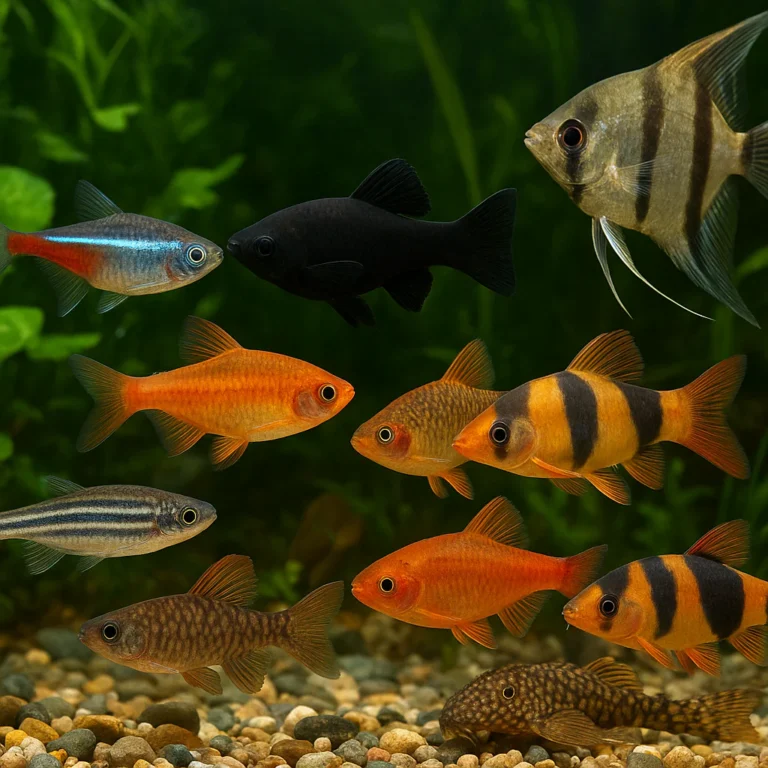
* **Neon Tetras**: Iconic, schooling fish that add a vibrant flash of color. They need to be kept in groups of 6 or more.
* **Zebra Danios**: Extremely hardy, active, and tolerant of a wide range of conditions. Great for cycling a tank (though we recommend a fishless cycle!).
* **Corydoras Catfish**: Peaceful, bottom-dwelling scavengers that help keep the substrate clean. They are schooling fish and need to be kept in groups.
* **Betta Fish (Siamese Fighting Fish)**: While beautiful, Bettas have specific needs. They are often kept alone due to aggression, require warm, still water, and benefit from a 5-gallon tank minimum with filtration and heating. They are not ideal for a community tank with other long-finned or brightly colored fish.
* **Our Advice**: Always buy healthy fish from a reputable source. Look for active fish with clear eyes, intact fins, and no visible spots or lesions.

### Why are my tropical fish dying suddenly?
Sudden fish deaths are heartbreaking and usually indicate a serious underlying problem. Don't despair; understanding the cause is the first step to preventing future losses.
* **Poor Water Quality**: This is the most common culprit.
 * **Ammonia/Nitrite Spikes**: Often occurs in new, uncycled tanks (new tank syndrome) or after overfeeding, filter malfunction, or overstocking. These are highly toxic.
 * **High Nitrates**: While less toxic than ammonia/nitrite, chronically high nitrates (above 40 ppm) can stress fish and lead to illness.
 * **pH Swings**: Rapid changes in pH can be fatal.
 * **Chlorine/Chloramines**: Tap water contains these, which are lethal to fish. Always use a **water conditioner** like Seachem Prime.
* **Temperature Shock**: Sudden, drastic changes in water temperature can be deadly. Ensure your heater is working correctly and that new fish are properly acclimated.
* **Disease**: Fish can carry diseases that manifest under stress. Look for physical signs (spots, lesions, clamped fins, labored breathing) and behavioral changes (lethargy, flashing, hiding).
* **Lack of Oxygen**: Overstocking, high temperatures, or insufficient surface agitation can lead to low oxygen levels.
* **Aggression/Stress**: Incompatible tank mates can lead to constant stress, fin nipping, and eventual death.
* **Our Action Plan**:
 1. **Test your water immediately!** Ammonia, nitrite, nitrate, pH, and temperature.
 2. Perform a **partial water change** (25-50%) using dechlorinated water if parameters are off.
 3. Observe remaining fish closely for symptoms.
 4. Review your stocking levels and feeding habits.

### How many tropical fish can I keep in a 10-gallon tank?
The "inch per gallon" rule is a very rough guideline, and for a 10-gallon tank, it's particularly limiting. We prefer to think about **bioload** and **swimming space**.
* **General Guideline**: For a 10-gallon tank, you're looking at a very small, peaceful community.
* **Good Options**:
 * A single **Betta fish** (with appropriate care).
 * A small school (6-8) of **Neon Tetras** or **Chili Rasboras**.
 * A small group (3-5) of **Guppies** or **Platies** (be prepared for babies!).
 * A pair of **Dwarf Gouramis**.
* **Combinations**: You might combine a small school of tetras with 2-3 **Pygmy Corydoras** (a very small species of cory catfish).
* **What to Avoid**: ❌ Any fish that grows larger than 2-3 inches, aggressive fish, or large schooling fish. Overstocking a 10-gallon tank is a recipe for disaster, leading to poor water quality and stressed fish.
* **Our Take**: While a 10-gallon can be a good starting point for *some* species, we generally recommend a 20-gallon or larger for more flexibility and stability, especially for beginners.

<a id="reference-links-our-trusted-sources-for-tropical-fish-expertise"></a>
## Reference Links: Our Trusted Sources for Tropical Fish Expertise

We believe in grounding our advice in reliable information. Here are some of the sources and brands we trust and recommend for further reading and product acquisition.

* **API Fishcare Official Website**: [https://apifishcare.com/](https://apifishcare.com/)
 * *Note: The specific product page for "Tropical Fish Care Pack" was unavailable, but API remains a trusted brand for water testing and treatments.*
* **Aquacadabra Official Website**: [https://aquacadabra.com/](https://aquacadabra.com/)
 * *Note: The blog post on "How to Look After Your Tropical Fish" was unavailable, but Aquacadabra is a known retailer.*
* **Pond Planet Blog - Keeping Tropical Fish for Beginners**: [https://www.pond-planet.co.uk/blogs/blog/tropical-fish-for-beginners](https://www.pond-planet.co.uk/blogs/blog/tropical-fish-for-beginners)
 * *This article provides a good foundational overview for new aquarists.*
* **Fluval Aquatics Official Website**: [https://fluvalaquatics.com/](https://fluvalaquatics.com/)
* **Marineland Official Website**: [https://www.marineland.com/](https://www.marineland.com/)
* **Seachem Official Website**: [https://seachem.com/](https://seachem.com/)
* **Hikari USA Official Website**: [https://www.hikariusa.com/](https://www.hikariusa.com/)
* **Eheim Official Website**: [https://www.eheim.com/](https://www.eheim.com/)
* **Fishlore Aquarium Forum**: [https://www.fishlore.com/](https://www.fishlore.com/)
 * *A highly active and informative community forum for all levels of aquarists.*
* **Seriously Fish**: [https://www.seriouslyfish.com/](https://www.seriouslyfish.com/)
 * *An excellent resource for detailed species profiles and care requirements.*
* **The Aquarium Wiki**: [https://www.theaquariumwiki.com/](https://www.theaquariumwiki.com/)
 * *A collaborative encyclopedia of aquarium information.*