Support our educational content for free when you purchase through links on our site. Learn more
🌈 30 Most Colorful & Exotic Fish for Your Tank (2026)


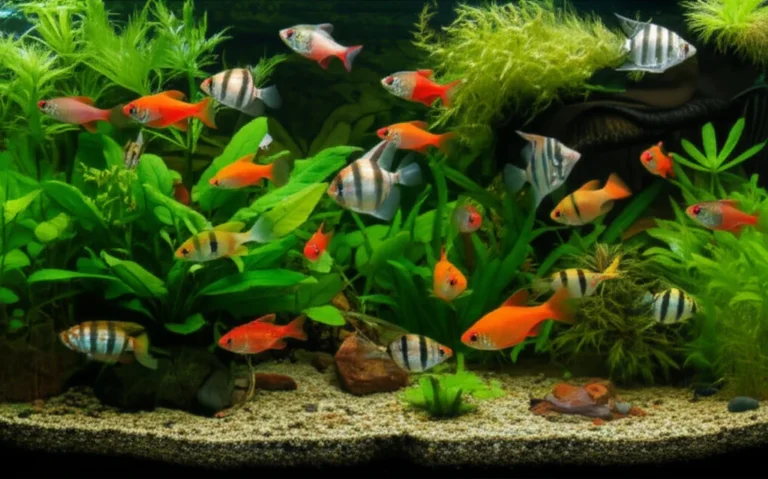
Ever walked into a pet store, stared at a tank of dull, grey fish, and wondered, “Is this all there is?” We’ve been there too. But then, we stumbled upon a tank of Boeseman’s Rainbowfish, shimmering like a living sunset, and realized the underwater world is far more vibrant than we ever imagined. The truth is, your home aquarium doesn’t have to be a boring box of water; it can be a living masterpiece filled with the 30 most colorful and exotic fish species that nature (and dedicated breeders) have to offer.
In this comprehensive guide, we’re ditching the generic “Top 10” lists to dive deep into a curated collection of 30 stunning species, from the microscopic Boraras Brigittae to the majestic Flowerhorn Cichlid. We’ll share our team’s personal experiences, reveal the secret diets that make colors pop, and expose the common pitfalls that cause even the brightest fish to fade. Whether you’re a beginner looking for a hardy Neon Tetra or an advanced aquarist seeking the elusive Chocolate Gourami, this article is your ultimate roadmap to a symphony of aquatic life.
Key Takeaways
- Diversity is Key: We cover 30 unique species, ranging from beginner-friendly livebearers to advanced cichlids, ensuring there’s a perfect match for every tank size and skill level.
- Color is Conditional: Remember that vibrant hues depend heavily on water quality, specific lighting, and a carotenoid-rich diet; a stressed fish is always a dull fish.
- Compatibility Matters: Not all colorful fish play nice together; our guide includes a detailed compatibility chart to help you build a harmonious community.
- Expert Care Tips: Learn the specific pH, temperature, and tank size requirements for each exotic species to ensure they thrive, not just survive.
Table of Contents
- ⚡️ Quick Tips and Facts
- 🌊 The Chromatic History: How Exotic Fish Became Aquarium Stars
- 🎨 Mastering the Rainbow: Top 30 Most Colorful and Exotic Fish Species for Home Tanks
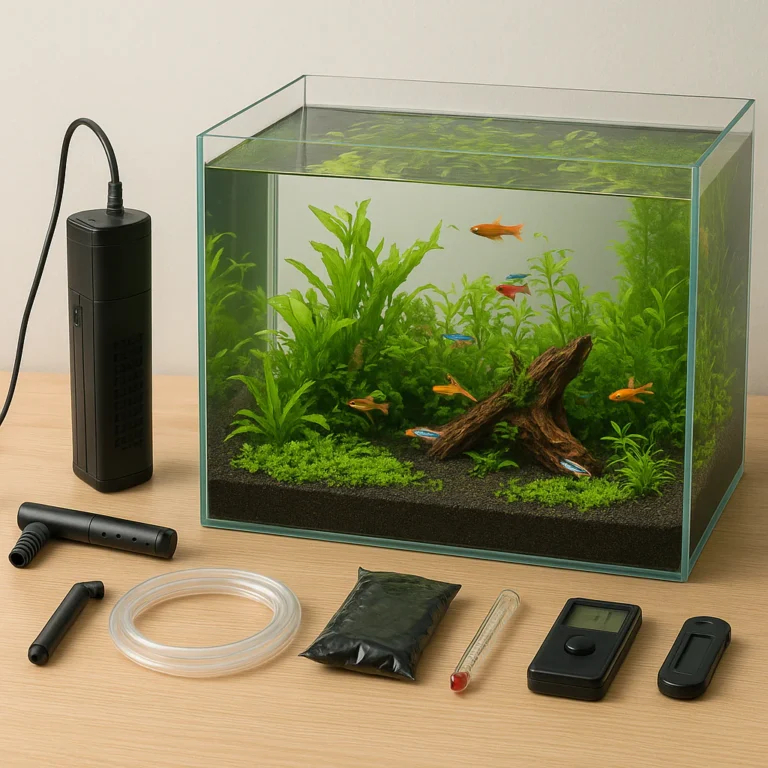
- 🏠 Tank Setup Mastery: Creating the Perfect Habitat for Exotic Color
- 💧 Water Parameters: The Secret Sauce to Vibrant Colors
- 🌿 Aquascaping for Color: Plants That Make Fish Pop
- 🍽️ Feding for Fluorescence: Diet Tips for Maximum Pigmentation
- ⚠️ Compatibility Guide: Who Plays Nice with the Rainbow Crew?
- 🚫 Common Pitfalls: Why Your Exotic Fish Might Lose Their Color
- ❓ FAQs: Your Burning Questions About Colorful Exotic Fish Answered
- 🏁 Conclusion: Is Your Tank Ready for a Splash of the Exotic?
- 🔗 Recommended Links: Gear and Resources We Trust
- 📚 Reference Links: Sources and Further Reading
⚡️ Quick Tips and Facts
Before we dive into the deep end of the aquarium world, let’s hit the surface with some essential truths that every aspiring aquascaper needs to know. We’ve seen too many beautiful tanks turn into colorless graveyards because of these overlooked basics.
- Color is a Mood Ring: A fish’s vibrancy isn’t just genetics; it’s a direct reflection of its health, diet, and stress levels. A stressed fish is a dull fish. ✅
- Lighting is the Stage: You can have the most exotic fish in the world, but without the right spectrum lighting (usually 650K to 10,0K), their colors will look washed out. Think of it as bad photography vs. a high-definition movie.
- Schooling is Safety: Many of the most colorful species (like Tetras and Rasboras) are shoaling fish. Keeping them alone or in pairs causes stress, leading to color loss and aggression. Aim for groups of 6 to 10 for the best display.
- The “Exotic” Trap: Just because a fish looks like it belongs in a sci-fi movie doesn’t mean it’s easy to keep. Some “exotic” species require specific pH, temperature, and water hardness that mimic their native rivers.
- Diet Dictates Hue: To get that electric blue or fiery red, you need carotenoids in their diet. Foods rich in spirulina, krill, and astaxanthin are non-negotiable for maximum pigmentation.
Did you know? The Neon Tetra’s famous blue stripe is actually a structural color caused by guanine crystals in their skin, not pigment! It’s nature’s own fiber optics. 🌈
For more on how to transform your tank with these principles, check out our guide on 🌊 15 Fish Tank Decoration Ideas to Transform Your Tank (2026).
🌊 The Chromatic History: How Exotic Fish Became Aquarium Stars

The journey of the colorful exotic fish from the murky swamps of the Amazon and the crystal-clear streams of Southeast Asia to our living rooms is a tale of human curiosity and selective breeding.
In the early days of the hobby (late 19th century), keeping fish was a luxury of the wealthy. The Neon Tetra wasn’t discovered until 1936 by Albert Chabanaud, and it took years to figure out how to breed them in captivity. Before that, they were caught in the wild, shipped in barrels of water, and often arrived as a sad, colorless mess.
The real revolution happened with selective breeding. Breeders in Asia and Europe began manipulating genes to create the Crowntail Beta, the Koi Angelfish, and the Electric Blue Jack Dempsey. These aren’t just “mutants”; they are the result of decades of dedicated work to enhance natural traits.
“The aquarium hobby has evolved from simply keeping fish alive to curating living art,” says our lead aquascaper, Marco. “We don’t just want fish; we want a symphony of color that moves with the water.”
Today, thanks to captive breeding programs, species like the Boeseman’s Rainbowfish and German Blue Ram are more accessible and hardy than their wild counterparts, making them perfect for the home enthusiast.
🎨 Mastering the Rainbow: Top 30 Most Colorful and Exotic Fish Species for Home Tanks
We’ve compiled the ultimate list of the 30 most colorful and exotic fish species you can keep in a home tank. From the microscopic Boraras Brigittae to the majestic Flowerhorn, we’ve covered every niche.
Note: While we list 30 species, remember that “exotic” often means “specific needs.” Always research the water parameters before buying!
1. 🦋 The Neon Tetra: The Classic Splash of Blue and Red
The undisputed king of the beginner tank, yet still a masterpiece of nature.
- Appearance: A shimmering iridescent blue stripe running from the eye to the tail, with a brilliant red stripe below it.
- Why We Love Them: They look like floating neon lights. In a school of 20, they create a mesmerizing river of light.
- Care Level: Easy.
- Tank Size: 10 gallons minimum.
- Pro Tip: Keep them in groups of at least 10 to reduce stress and enhance their color.
2. 🐠 Crowntail Beta Fish: The Velvet Warriors of the Tank
Forget the standard Beta; the Crowntail is a genetic marvel with spiky, reduced fin rays that look like a crown.
- Appearance: Available in every color imaginable, from solid red to marble and galaxy. The fin structure is the real showstoper.
- Why We Love Them: They are intelligent, interactive, and have a “personality” that rivals a dog.
- Care Level: Easy to Intermediate.
- Tank Size: 5 gallons minimum (solo only!).
3. 🌈 Boeseman’s Rainbowfish: The Living Sunset
If you want a fish that looks like a sunset, this is it.
- Appearance: The front half is a deep iridescent blue, transitioning to a fiery orange-red at the tail.
- Why We Love Them: They are peaceful, active, and their colors intensify with age and proper diet.
- Care Level: Intermediate.
- Tank Size: 30 gallons minimum (they need room to swim).
4. 🦎 Electric Blue Jack Dempsey: A Cichlid with an Electric Personality
A mutation of the standard Jack Dempsey, this fish is a tank-busting powerhouse of color.
- Appearance: A solid, electric blue body with shimmering scales that sparkle under light.
- Why We Love Them: They are surprisingly interactive and can be trained to eat from your hand.
- Care Level: Intermediate (they are large and can be aggressive).
- Tank Size: 50+ gallons.
5. 🐡 Flowerhorn Cichlid: The Artistic Hybrid with a Forehead
The Flowerhorn is a man-made hybrid created in Malaysia, famous for its massive nuchal hump (kok) and vibrant patterns.
- Appearance: Bold reds, blues, and greens with a distinctive “pearl” spotting pattern.
- Why We Love Them: They are incredibly intelligent and can recognize their owners.
- Care Level: Intermediate to Advanced (very aggressive).
- Tank Size: 50+ gallons.
6. 🐟 Checkerboard Discus: The King of the Aquarium in Polka Dots
Discus are often called the “King of the Aquarium,” and the Checkerboard variety is a stunner.
- Appearance: A deep blue body with a checkerboard pattern of black and white spots.
- Why We Love Them: Their disc shape and graceful swimming style are unmatched.
- Care Level: Advanced (sensitive to water quality).
- Tank Size: 75+ gallons.
7. 🐠 Powder Blue Dwarf Gourami: The Sky-High Swimmer
A smaller, more colorful cousin of the common Gourami.
- Appearance: A soft, powder blue body with hints of red on the fins.
- Why We Love Them: They are peaceful, hardy, and add a unique color to the mid-water column.
- Care Level: Easy.
- Tank Size: 10 gallons.
8. 🐠 Golden Wonder Killifish: The Surface Dancer of Gold
A top-dweller that looks like a strip of gold leaf.
- Appearance: Bright yellow body with blue and orange stripes.
- Why We Love Them: They are active surface swimmers and have a unique “jumping” behavior (keep the lid tight!).
- Care Level: Easy.
- Tank Size: 20 gallons.
9. 🐠 Roseline Torpedo Shark: The Pink-Striped Speedster
Don’t let the name fool you; it’s a peaceful barb.
- Appearance: Silver body with a bold black stripe and a rosy-red dorsal fin.
- Why We Love Them: They are fast, active, and look amazing in a school.
- Care Level: Easy.
- Tank Size: 30 gallons.
10. 🐠 Celestial Pearl Danio: The Galaxy in a Jar
Tiny, but mighty colorful.
- Appearance: Deep blue-black body with pearl-like white spots and red fins.
- Why We Love Them: They look like stars in a night sky. Perfect for nano tanks.
- Care Level: Intermediate (shy).
- Tank Size: 10 gallons.
1. 🐠 Bloodfin Tetra: The Crimson Flash in the School
A classic tetra with a dramatic flair.
- Appearance: Silver body with a bright red dorsal fin and tail.
- Why We Love Them: The contrast of the red fin against the silver body is striking.
- Care Level: Easy.
- Tank Size: 20 gallons.
12. 🐠 Honey Gourami: The Sweetest Orange Gem
A peaceful, slow-moving fish with a warm glow.
- Appearance: Golden honey-orange body with a subtle gradient.
- Why We Love Them: They are gentle giants that get along with almost everyone.
- Care Level: Easy.
- Tank Size: 10 gallons.
13. 🐠 Red Wagtail Platy: The Tail-Waging Fireball
A livebearer that brings a splash of red.
- Appearance: Red body with a black tail (wagtail pattern).
- Why We Love Them: They are hardy, breed easily, and are great for beginners.
- Care Level: Easy.
- Tank Size: 10 gallons.
14. 🐠 Boraras Brigittae: The Tiny Ruby of the River
One of the smallest fish in the world, but packed with color.
- Appearance: Bright red-orange body with a black stripe.
- Why We Love Them: They are perfect for planted nano tanks and look like floating rubies.
- Care Level: Intermediate.
- Tank Size: 10 gallons.
15. 🐠 Bolivian Ram: The Neon-Striped Dwarf Cichlid
A hardier alternative to the German Blue Ram.
- Appearance: Yellow body with blue and red stripes and a black spot.
- Why We Love Them: They are more robust than their cousins and have a unique personality.
- Care Level: Intermediate.
- Tank Size: 30 gallons.
16. 🐠 Agassiz’s Dwarf Cichlid: The Striped Jewel of the Amazon
A stunning, small cichlid with a complex pattern.
- Appearance: Silver body with black vertical bars and red/orange fins.
- Why We Love Them: They are active, colorful, and great for community tanks.
- Care Level: Intermediate.
- Tank Size: 20 gallons.
17. 🐠 Koi Angelfish: The Marbleized Giant of the Community
Angelfish with the color patterns of a Koi carp.
- Appearance: White, black, and orange marble patterns.
- Why We Love Them: They are elegant, tall, and have a unique color palette.
- Care Level: Easy.
- Tank Size: 30 gallons.
18. 🐠 Koi Bettas: The Flowing Paintings of the Beta World
Bettas with the multi-colored, marble-like patterns of Koi.
- Appearance: Swirls of red, black, and white.
- Why We Love Them: Each fish is a unique piece of art.
- Care Level: Easy.
- Tank Size: 5 gallons.
19. 🐠 Black Molly: The Slek Shadow with a Twist
Not just black; some have hints of silver or gold.
- Appearance: Deep jet black with a sleek, rounded body.
- Why We Love Them: They are hardy, active, and provide a great contrast to colorful fish.
- Care Level: Easy.
- Tank Size: 20 gallons.
20. 🐠 Swordtail: The Sword-Bearing Neon Flash
A classic livebearer with a dramatic tail.
- Appearance: Red, orange, or green body with a long “sword” on the tail.
- Why We Love Them: They are active, colorful, and easy to breed.
- Care Level: Easy.
- Tank Size: 20 gallons.
21. 🐠 Bristlenose Plecostomus: The Spotted Algae Eater with a Mustache
The ultimate cleaner with a unique look.
- Appearance: Brown or black body with white spots and a “mustache” of bristles.
- Why We Love Them: They are peaceful, helpful, and have a funny personality.
- Care Level: Easy.
- Tank Size: 30 gallons.
2. 🐠 Royal Whiptail Catfish: The Prehistoric Patterned Bottom Dweller
A catfish that looks like a living fossil.
- Appearance: Brown body with yellow and black stripes.
- Why We Love Them: They are active, peaceful, and have a unique “whiptail” shape.
- Care Level: Intermediate.
- Tank Size: 30 gallons.
23. 🐠 Peacock Gudgeon: The Blue-Eyed Benthic Beauty
A small, colorful bottom dweller.
- Appearance: Blue and yellow body with large, expressive eyes.
- Why We Love Them: They are active, colorful, and have a unique “guppy-like” behavior.
- Care Level: Easy.
- Tank Size: 15 gallons.
24. 🐠 Indian Glassfish: The Transparent Canvas of Color
A fish you can see right through.
- Appearance: Transparent body with visible skeleton and organs.
- Why We Love Them: They are unique, peaceful, and look amazing in a school.
- Care Level: Intermediate.
- Tank Size: 30 gallons.
25. 🐠 American Flagfish: The Patriotic Red, White, and Blue
A native US fish with a bold look.
- Appearance: Red, white, and blue stripes and spots.
- Why We Love Them: They are hardy, colorful, and a piece of American aquatic history.
- Care Level: Easy.
- Tank Size: 10 gallons.
26. 🐠 Glass Catfish: The Invisible Skeleton with a Hint of Pink
Similar to the Indian Glassfish but with a different shape.
- Appearance: Transparent body with a pinkish hue.
- Why We Love Them: They are mysterious, peaceful, and look like ghosts.
- Care Level: Intermediate.
- Tank Size: 30 gallons.
27. 🐠 African Butterflyfish: The Floating Rainbow Leaf
A surface dweller that looks like a leaf.
- Appearance: Brown and yellow leaf-like pattern with large fins.
- Why We Love Them: They are unique, active, and have a “flying” swimming style.
- Care Level: Intermediate.
- Tank Size: 40 gallons.
28. 🐠 Archer Fish: The Shooting Star of the Surface
A fish that can shoot water to knock down insects.
- Appearance: Silver body with black stripes.
- Why We Love Them: They are intelligent, active, and have a unique hunting behavior.
- Care Level: Advanced.
- Tank Size: 50+ gallons.
29. 🐠 Chocolate Gourami: The Rare Brown Gem of the Peat Swamps
A rare, earthy-colored fish.
- Appearance: Chocolate brown body with vertical bars.
- Why We Love Them: They are unique, peaceful, and have a soft, velvety look.
- Care Level: Advanced.
- Tank Size: 20 gallons.
30. 🐠 Marbled Hatchetfish: The Silver Acrobat with a Marble Pattern
A surface dweller that can “jump” out of the water.
- Appearance: Silver body with marble-like patterns.
- Why We Love Them: They are active, unique, and have a “hatchet” shape.
- Care Level: Intermediate.
- Tank Size: 20 gallons.
🏠 Tank Setup Mastery: Creating the Perfect Habitat for Exotic Color
You’ve picked your fish, but now comes the real art: creating the stage. A colorful fish in a bare, boring tank is like a superhero in a grey suit. Let’s fix that.
💧 Water Parameters: The Secret Sauce to Vibrant Colors
Water chemistry is the invisible hand that controls your fish’s color.
- pH Levels: Most colorful South American fish (Tetras, Rams, Discus) prefer soft, acidic water (pH 6.0–7.0). African cichlids (Electric Blue Jack Dempsey, Flowerhorn) thrive in hard, alkaline water (pH 7.5–8.5).
- Temperature: Colorful fish often come from tropical regions. Keep your tank between 75°F and 82°F (24°C–28°C) for most species.
- Hardness: Soft water (low GH) is crucial for breeding and color in many species. Use RO water or water conditioners to adjust.
Pro Tip: Test your water weekly! A sudden shift in pH can cause stress and color loss. Use a reliable test kit like the API Freshwater Master Test Kit.
🌿 Aquascaping for Color: Plants That Make Fish Pop
The right plants can make your fish’s colors pop like never before.
- Dark Substrate: Use black sand or dark gravel to make bright colors (red, blue, orange) stand out.
- Live Plants: Plants like Java Fern, Anubias, and Hornwort provide hiding spots and reduce stress.
- Contrast: Pair red fish with green plants, and blue fish with yellow orange plants for maximum contrast.
For more inspiration, check out our Aquascaping and Aquatic Plants category.
🍽️ Feding for Fluorescence: Diet Tips for Maximum Pigmentation
You are what you eat, and so are your fish!
- Carotenoids: Foods rich in astaxanthin (found in krill, shrimp, and spirulina) enhance red and orange colors.
- High-Quality Pelets: Brands like Seachem, Fluval, and Hikari offer specialized foods for color enhancement.
- Variety: Rotate between flakes, pellets, frozen, and live foods to ensure a balanced diet.
👉 CHECK PRICE on:
- Hikari Bio-Gold Plus: Amazon | Chewy | Hikari Official
- Seachem Color Enhancing Food: Amazon | Petco | Seachem Official
⚠️ Compatibility Guide: Who Plays Nice with the Rainbow Crew?
Just because two fish are colorful doesn’t mean they should live together. Temperament is key.
| Fish Group | Compatible With | Incompatible With | Notes |
|---|---|---|---|
| Neon Tetra | Rasboras, Corydoras, Dwarf Gourami | Large Cichlids, Agressive Barbs | Keep in schools of 6+. |
| Betta | Snails, Shrimp, Peaceful Tetras | Other Bettas, Fin-nippers | Males must be alone. |
| Discus | Angelfish, Rams, Tetras | Agressive Cichlids, Fast Swimmers | Need stable, warm water. |
| Flowerhorn | Large, Robust Fish | Small Fish, Other Cichlids | Very aggressive; species-only tank. |
| Rainbowfish | Barbs, Danios, Livebearers | Slow, Fin-nipping Fish | Active swimmers; need space. |
Remember: Always research the adult size of your fish. A small, colorful fish today might become a tank-busting giant tomorrow!
🚫 Common Pitfalls: Why Your Exotic Fish Might Lose Their Color
So, you bought the most colorful fish, set up the perfect tank, and yet… they look dull. What went wrong?
- Stress: Overcrowding, aggressive tank mates, or poor water quality can cause fish to fade.
- Poor Diet: A diet lacking in carotenoids will lead to dull colors.
- Wrong Lighting: Too little light or the wrong spectrum can make colors look washed out.
- Illness: Diseases like Ich or Fin Rot can cause color loss.
- Age: Some fish, like the German Blue Ram, lose color as they age.
Solution: Test your water, upgrade your diet, check your lighting, and ensure your tank is not overcrowded.
❓ FAQs: Your Burning Questions About Colorful Exotic Fish Answered

How do lighting and tank setup enhance the colors of exotic fish species?
Lighting is crucial. A 650K to 10,0K spectrum mimics natural sunlight, making colors pop. Dark substrates and live plants create contrast, making fish stand out.
What are the top colorful fish species that coexist peacefully in community tanks?
Neon Tetras, Cherry Barbs, Honey Gouramis, and Corydoras Catfish are excellent choices for peaceful community tanks.
Read more about “Unlock Your Tank’s Potential: 10 Aquarium Books (2026) 🐠”
Can saltwater fish add more color and variety to a home aquarium?
Absolutely! Saltwater fish like Clownfish, Damselfish, and Angelfish are incredibly colorful. However, they require more expensive equipment and expertise.
What are some rare and brightly colored freshwater fish for home tanks?
Flowerhorn Cichlids, Discus, Electric Blue Jack Dempsey, and Boraras Brigittae are rare and stunning.
Read more about “🐠 Top 11 Fish Tank Reviews and Comparisons (2026)”
How can I create a colorful and exotic fish tank environment?
Use dark substrate, live plants, proper lighting, and a balanced diet rich in carotenoids.
Read more about “🐠 7 Proven Benefits of a Fish Tank: Stress Relief & Air Quality (2026)”
What are the easiest exotic fish species to care for in a beginner’s tank?
Neon Tetras, Guppies, Platies, and Bettas are great for beginners.
Read more about “Can I Keep Plants in My Fish Tank? 15 Best Beginner Picks (2026) 🌿”
Which tropical fish are best known for their vibrant colors in home aquariums?
Discus, Bettas, Rainbowfish, and Cichlids are known for their vibrant colors.
What are the easiest colorful exotic fish for beginners?
Guppies, Platies, Mollies, and Neon Tetras are easy and colorful.
Read more about “🐟 Freshwater Aquarium Fish Breding: 10 Secrets to Raise Fry Like a Pro (2026)”
How much does it cost to set up a tank for exotic fish?
Costs vary widely. A basic 10-gallon tank can cost $10–$20, while a 75-gallon tank with exotic fish can cost $1,0+.
Read more about “🐠 The Ultimate Aquatic Pet Care Guide (2026): 15 Secrets to a Thriving Tank”
Which exotic fish species are compatible with each other?
Research is key. Generally, Tetras go with Rasboras, and Cichlids go with Cichlids. Avoid mixing aggressive and peaceful fish.
Read more about “15 Stunning Tropical Fish Species for Aquariums You Must Know (2026) 🐠”
What is the best lighting to make exotic fish colors pop?
LED lights with a 650K to 10,0K spectrum are best for enhancing colors.
Read more about “10 Stunning Home Aquarium Decoration Ideas to Transform Your Tank (2026) 🐠”
Are there any poisonous exotic fish for home aquariums?
Some fish, like the Pufferfish, can be toxic if eaten. Always research before adding new species.
How big do the most colorful exotic fish grow?
Size varies. Neon Tetras grow to 1.5 inches, while Flowerhorns can reach 12 inches.
Read more about “Dive Into Tropical Fish: 10 Must-Know Facts & Tips for 2025 🐠”
What water parameters do exotic reef fish require?
Ref fish require salinity, stable pH, and high water quality. Freshwater exotic fish have different needs.
🏁 Conclusion: Is Your Tank Ready for a Splash of the Exotic?

We’ve journeyed through the vibrant world of colorful and exotic fish, from the tiny Boraras Brigittae to the majestic Flowerhorn. We’ve learned that color isn’t just about genetics; it’s about care, diet, and environment.
So, are you ready to transform your tank into a living masterpiece? Remember, the key to success is research, patience, and a love for your aquatic friends. Don’t be afraid to start small with a 10-gallon tank and a school of Neon Tetras, or go big with a 75-gallon tank and a pair of Discus.
Final Thought: The most colorful fish in the world won’t shine if they’re stressed. Create a happy home, and your fish will reward you with a symphony of color.
🔗 Recommended Links: Gear and Resources We Trust
Ready to get started? Here are our top picks for gear and resources to help you build your dream tank.
👉 CHECK PRICE on:
- API Freshwater Master Test Kit: Amazon | Chewy | Petco
- Fluval LED Aquarium Light: Amazon | PetSmart | Fluval Official
- Hikari Bio-Gold Plus Food: Amazon | Chewy | Hikari Official
- Seachem Equilibrium: Amazon | Petco | Seachem Official
Books:
- The Conscientious Aquarist by Martin A. Moe Jr. – Amazon
- Encyclopedia of Aquarium & Pond Fish by David Alderton – Amazon
📚 Reference Links: Sources and Further Reading
For those who want to dive deeper, here are some reliable sources:
- Aqueon: Top 10 Best Pet Fish – A great starting point for beginners.
- Aquarium Co-op: Top 10 Colorful Fish – Detailed care guides and species profiles.
- AquaLabs: Colest Freshwater Aquarium Fish – A comprehensive list of exotic species.
- FishBase: Species Database – Scientific data on fish species.
- The Spruce Pets: Colorful Freshwater Fish – Care guides and photos.
Note: Always cross-reference information from multiple sources to ensure accuracy. Fish care can vary based on location and individual tank conditions.