Support our educational content for free when you purchase through links on our site. Learn more
🐠 7 Proven Benefits of a Fish Tank: Stress Relief & Air Quality (2026)

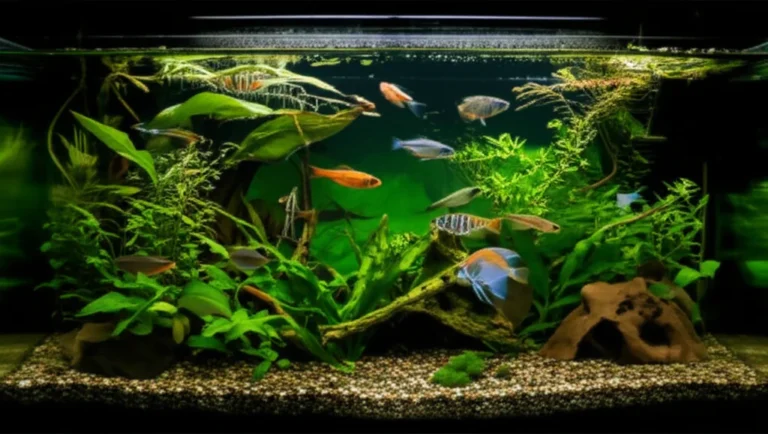
Imagine walking into your living room after a grueling day, only to be greeted by the gentle, rhythmic gurgle of water and the hypnotic dance of neon tetras weaving through lush greenery. In that instant, your shoulders drop, your breathing slows, and the chaos of the outside world seems to fade into the background. This isn’t just a pleasant feeling; it’s a scientifically backed physiological response. At Aquarium Music™, we’ve seen countless clients transform their homes into sanctuaries of calm simply by introducing a thriving aquatic ecosystem. But did you know that beyond the visual serenity, a well-maintained tank can subtly influence your home’s air quality and even lower your blood pressure?
While many turn to breathing exercises or meditation apps for relief, the living, breathing nature of an aquarium offers a unique, passive form of therapy that works 24/7. From the proven reduction in anxiety levels to the surprising role live plants play in regulating humidity, the advantages extend far beyond mere decoration. In this comprehensive guide, we’ll dive deep into the science behind the serenity, debunk common myths, and reveal exactly how you can harness the power of your own underwater world to boost your mental and physical health.
🗝️ Key Takeaways
- Proven Stress Reduction: Observing fish tanks can significantly lower blood pressure and heart rate, with studies showing a greater effect when live fish are present compared to empty tanks.
- Mental Health Boost: Aquariums act as a powerful anxiety reducer and mood booster, providing a calming focal point that helps combat loneliness and improves sleep quality.
- Air Quality & Humidity: While not a replacement for an air purifier, tanks help regulate indoor humidity levels, and live aquatic plants contribute to a fresher micro-environment through photosynthesis.
- Educational & Aesthetic Value: Beyond health, tanks serve as dynamic living art that sparks creativity in children and adds a unique, organic focal point to any home decor.
- Easy Maintenance: With modern equipment like the Fluval Flex or Aqueon systems, maintaining a healthy, stress-relieving tank is more manageable than ever for beginners.
Table of Contents
- ⚡️ Quick Tips and Facts
- 📜 A Brief History of the Human-Fish Bond: From Ancient Ponds to Modern Living Rooms
- 🧠 The Science of Serenity: How Aquariums Reduce Stress and Lower Blood Pressure
- 🌬️ Breathing Easier: Can a Fish Tank Actually Improve Indoor Air Quality?
- 🧘 ♀️ 7 Proven Mental Health Benefits of Keeping an Aquarium
- 👶 5 Ways a Fish Tank Boosts Child Development and Focus
- 🏠 6 Unexpected Home Aesthetics and Decor Advantages of Aquascaping
- 🐟 8 Common Myths About Fish Tanks Debunked by Experts
- 🛠️ Essential Gear Checklist: What You Really Need to Start Your Stress-Relief Tank
- 💧 Maintenance Made Simple: Keeping Your Tank Clean Without the Stress
- 🐠 Top 10 Beginner-Friendly Fish Species for Maximum Relaxation
- 🌿 The Role of Live Plants in Enhancing Aquarium Air Quality and Aesthetics
- 🔊 Sound Therapy: The Sothing Power of Bubling Water and White Noise
- 🚫 Troubleshooting: When Your Tank Becomes a Source of Stress Instead of Relief
- 💡 Quick Tips and Facts
- 🏁 Conclusion
- 🔗 Recommended Links
- ❓ FAQ
- 📚 Reference Links
⚡️ Quick Tips and Facts
Ever felt your shoulders drop a few inches just by watching a gentle stream? Or found yourself mesmerized by the hypnotic dance of flames in a fireplace? You’re not alone
! Humans are hardwired to find solace in natural phenomena, and it turns out, a beautifully aquascaped fish tank is no exception! 🐠✨
Did you know that keeping an aquarium is often touted as the third most popular
pet ownership category in the US, right after cats and dogs? That’s a lot of finned friends bringing joy to homes across the nation! But it’s not just about having a pet; it
‘s about unlocking a treasure trove of unexpected benefits that can genuinely transform your living space and your well-being.
Here at Aquarium Music™, we’ve witnessed firsthand the profound impact these miniature aquatic worlds have on people’s lives. From
the subtle ripple of water to the vibrant flash of a neon tetra, every element contributes to an experience far richer than just “owning fish.” We’re talking about tangible improvements in your mental and even physical health, not to mention a serious
upgrade to your home’s aesthetic!
So, are you ready to dive deep into the surprising advantages of welcoming an aquatic ecosystem into your life? Let’s explore how these underwater wonders can become your personal oasis of calm, a natural
stress-buster, and perhaps even a silent contributor to a healthier home environment.
📜 A Brief History of the Human-Fish Bond: From Ancient Ponds to Modern Living Rooms

Our fascination with aquatic life isn’t a modern fad
; it’s a connection that stretches back through millennia! Imagine ancient Egyptians, not just admiring the Nile’s bounty, but actively keeping fish like tilapia in ornamental ponds for both food and aesthetic pleasure. Fast forward to the Romans, who built
elaborate fish pools, or “piscinae,” often integrated into their villas, showcasing exotic species and demonstrating wealth.
But perhaps the true pioneers of ornamental fish keeping were the Chinese, who, over a thousand years ago
, began selectively breeding carp, eventually giving us the stunning goldfish we know and love today. These vibrant swimmers were initially kept in ceramic bowls and later in elaborate garden ponds, becoming symbols of luck and prosperity.
The concept of the modern glass
aquarium, however, is a much more recent invention. It wasn’t until the mid-19th century that advancements in glassmaking and a burgeoning interest in natural history led to the creation of the first “aquaria” in Europe. Early aqu
arists, often Victorian gentlemen of science, experimented with closed systems, trying to understand the delicate balance of aquatic ecosystems. The term “aquarium” itself was coined in 1853 by English naturalist Philip Henry Gosse, who
also opened the first public aquarium in London.
From those early, often rudimentary setups, we’ve come a long way. Today, thanks to innovations in filtration, lighting, and water chemistry, maintaining a thriving aquatic
environment in your living room is more accessible and rewarding than ever. The journey from ancient ponds to sophisticated, high-tech glass boxes reflects our enduring human desire to connect with nature, even if it’s just a tiny slice of it,
right in our homes.
🧠 The Science of Serenity: How Aquariums Reduce Stress and Lower Blood Pressure
It’s not just a feeling; it’s a fact: watching fish swim can genuinely calm your nerves and
even improve your physical health. Here at Aquarium Music™, we’ve seen countless individuals find peace in the gentle sway of aquatic plants and the graceful movements of their finned friends. But what’s the science behind this aquatic alchemy?
The answer
lies partly in what’s known as the biophilia hypothesis, a concept popularized by biologist E.O. Wilson. It suggests that humans have an innate, evolutionary tendency to connect with nature and other living systems. When we observe natural
scenes, like a vibrant coral reef or a tranquil freshwater tank, our primal instincts for peace and safety are activated.
Research has consistently supported this connection. Studies have shown that simply observing an aquarium can lead to a significant reduction in stress
levels. The rhythmic, predictable movements of fish, combined with the soft sounds of bubbling water (more on that later!), create a meditative experience that helps to “switch your state of mind from frantic and busy to peaceful and
calm.”
One fascinating study even found that the presence of a home aquarium can reduce blood pressure. What’s even more interesting is that a tank with living fish produced a
“greater reduction in blood pressure than fishless tanks.” This suggests that the dynamic interaction with living creatures, rather than just the static visual, plays a crucial role in these physiological benefits. We’re talking about a
tangible impact on your cardiovascular system! Looking at a fish tank can even slow your heart rate, with an empty tank reducing it by 3%, while a tank with fish “yielded a 7% reduction.”
Our bodies respond to this calming input by lowering levels of stress hormones like cortisol. This physiological shift can lead to a cascade of positive effects, from improved mood and better sleep to enhanced focus and reduced anxiety. It’s like
a natural, silent therapy session, available 24/7, right in your home.
Want to explore more about how to set up your own stress-reducing sanctuary? Check out our guides on Aquarium Setup for expert advice on getting started.
🌬️ Breathing Easier: Can a Fish Tank Actually Improve Indoor Air Quality?
This is a question we hear often at Aquarium Music™, and
it’s a nuanced one! While a fish tank isn’t going to replace a dedicated air purifier, it can certainly contribute to a more comfortable and potentially healthier indoor environment in a few subtle ways.
The primary way an
aquarium interacts with air quality is through evaporation. As water evaporates from the surface of your tank, it adds humidity to the surrounding air. In dry climates, or during winter months when indoor heating can drastically reduce humidity, this can be a
real benefit. Proper humidity levels can help alleviate dry skin, irritated sinuses, and even reduce static electricity. However, too much humidity can lead to mold growth, so it’s a balance! We recommend keeping an eye on your home’s humidity levels
, especially with larger tanks.
Now, what about oxygen? While fish tanks do produce some oxygen through the process of photosynthesis if you have live aquatic plants, the amount is generally negligible for significantly impacting a room’s overall
oxygen levels. Think of it this way: a single houseplant produces more oxygen than a small-to-medium sized aquarium. However, those plants are still doing their part! They absorb carbon dioxide and release oxygen, contributing to a fresher
atmosphere on a micro-level within the tank itself, which benefits your fish.
The Role of Live Plants:
Live plants in your aquarium are not just for aesthetics (though they certainly excel at that!). They are miniature powerhouses that
contribute to the tank’s ecosystem and, indirectly, your home’s air quality:
- ✅ Oxygen Production: During daylight hours, plants perform photosynthesis, consuming CO2 and releasing O2.
- ✅ Nutrient Absorption:
Plants absorb nitrates and other waste products from the water, acting as natural filters. This helps maintain water quality, which in turn means less unpleasant odors from a dirty tank. - ❌ Significant Room Air Purification: While beneficial, the oxygen output
from aquarium plants is unlikely to dramatically purify the air in an entire room.
So, while your fish tank won’t be listed as a primary air quality improvement device, it can certainly help maintain optimal humidity levels and, with the
addition of lush live plants, contribute to a fresher, more balanced micro-environment. It’s another piece of the puzzle in creating a truly harmonious living space.
For more on selecting and caring for aquatic flora, explore our Aquascaping and Aquatic Plants section!
🧘 ♀️ 7 Proven Mental Health Benefits of Keeping an Aquarium
Beyond the captivating
beauty, a fish tank serves as a powerful, silent therapist, offering a wealth of mental health advantages that can genuinely enhance your daily life. At Aquarium Music™, we’ve witnessed the transformative power of these aquatic havens time and again. Here
are seven ways an aquarium can boost your well-being:
-
Reduces Stress & Promotes Relaxation 😌
This is perhaps the most widely recognized benefit. The gentle, repetitive movements of fish and the soft
gurgle of water are inherently therapeutic, meditative, and somewhat hypnotic. As the first YouTube video in this article highlights, they “help to switch your state of mind from frantic and busy to peaceful and calm
.” Imagine coming home after a chaotic day and simply losing yourself in the serene dance of your aquatic community. It’s an instant mental reset. -
Improves Mood and Emotional Well-being
😄
Feeling a bit down? A vibrant aquarium can be a fantastic mood booster. Participants in studies have reported “feeling happier and more restored” after viewing diverse fish tanks. The vibrant colors of fish and
plants, combined with the dynamic ecosystem, provide a constant source of gentle stimulation that can uplift spirits and foster a sense of contentment. It’s hard to stay grumpy when a playful guppy is wiggling its way through a lush plant
! -
Enhances Sleep Quality 😴
Struggling to drift off? Consider placing a small, quiet aquarium in your bedroom. Watching your fish tank before bed “may help calm your body and mind enough to fall
asleep,” which in turn “helps you have a better night sleep.” The soothing visual and auditory elements can act as a natural sleep aid, preparing your brain for restful slumber by reducing overthinking and anxiety.
Lowers Anxiety Levels 🧘
Aquariums act as a healthy distraction from the worries of daily life. By focusing on the intricate world within the glass, you naturally shift your attention away from stressors. Research has even
shown that observing aquariums can lead to “anxiety levels reduced by 12%.” This makes them particularly beneficial for individuals dealing with generalized anxiety or even situational stress.
-
Combats Feelings
of Loneliness 🤗
While fish aren’t cuddly like a dog or cat, they are still living creatures that you care for and interact with. For many, especially those who live alone or have limited mobility, fish can provide a comforting
presence and a sense of companionship. The video notes that fish are “an easy pet for your loved one to enjoy.” The responsibility of feeding and observing them creates a bond, offering a quiet, non-dem
anding form of connection. -
Boosts Focus and Creativity 💡
Need a mental pick-me-up during your workday? Having a fish tank in your workspace “could actually improve your focus and boost creativity.”
The subtle movements and natural beauty can provide a gentle mental break without being overly distracting, allowing your brain to recharge and return to tasks with renewed clarity and innovative thought. It’s like having a living, breathing screens
aver that actually helps your brain work better! -
Provides Calming Effects for ADHD Sufferers 🧠
For individuals with ADHD, finding a calming focal point can be incredibly beneficial. “Watching fish swimming in
an attractively decorated aquarium can have a calming effect,” helping to reduce hyperactivity and improve concentration. The predictable yet dynamic nature of an aquarium offers a structured visual stimulus that can aid in sensory regulation.
Ready to experience
these benefits for yourself? Our Fish and Aquatic Life guides can help you choose the perfect inhabitants for your new aquatic sanctuary!
👶
5 Ways a Fish Tank Boosts Child Development and Focus
Beyond the sheer wonder and entertainment, a fish tank can be an incredibly powerful tool for nurturing a child’s development, fostering responsibility, and even improving their focus. At Aquarium Music™, we
‘ve seen countless kids light up with curiosity and wonder when introduced to the magical world beneath the water’s surface. Here are five fantastic ways an aquarium can benefit children:
-
A Living Classroom: Inspiring Learning in
Biology and Chemistry 🧪
An aquarium is a hands-on, dynamic science experiment! Children learn about biology by observing fish behavior, life cycles, and the interactions between different species. They grasp basic chemistry concepts through understanding
water parameters, the nitrogen cycle, and the importance of water testing. The first YouTube video aptly points out that having an aquarium helps kids “learn about biology, chemistry, responsibility and inspires creativity and thinking.” It’s a
fun, engaging way to introduce complex scientific principles without them even realizing they’re learning! -
Cultivating Responsibility and Empathy 🌱
Caring for living creatures instills a profound sense of responsibility. Children learn that
their actions directly impact the well-being of their fish. Feeding, observing, and even helping with simple maintenance tasks teaches them about commitment and the importance of providing for others. This responsibility naturally extends to developing empathy as they learn
to understand and respond to the needs of their aquatic pets. -
Sparking Creativity and Critical Thinking 🎨
From choosing fish and decorations to understanding how an ecosystem works, an aquarium encourages creative problem-solving and critical
thinking. Children can design their own miniature underwater worlds (aquascaping!), consider fish compatibility, and even troubleshoot minor issues. This hands-on engagement stimulates their imagination and helps them develop logical reasoning skills. -
Reducing
Stress and Anxiety in Little Ones 🧘 ♀️
Just like adults, children can experience stress and anxiety. The calming effect of watching an aquarium is particularly beneficial for younger minds. The gentle movements and serene environment can help “reduce children’s
stress and anxiety level.” It provides a peaceful escape and a visual anchor that can help them self-regulate their emotions, especially after a stimulating day. -
Enhancing Focus and Attention Span 🎯
In a world full of distractions, an aquarium offers a unique way to improve a child’s focus. The predictable yet ever-changing nature of the aquatic environment can capture and hold attention in a gentle, non-overwhelming way. For
children who struggle with attention, the sustained observation of fish can be a quiet exercise in concentration, helping to lengthen their attention span without the pressure of traditional learning methods.
🏠 6 Unexpected Home Aesthetics and Decor Advantages of Aquas
caping
Forget dusty bookshelves or generic wall art! An aquarium, particularly one that’s thoughtfully aquascaped, is a living, breathing masterpiece that can utterly transform your home’s aesthetic. At Aquarium Music™, we believe aqu
ascaping is an art form, and its decorative impact goes far beyond just “having a fish tank.” Here are six unexpected ways an aquarium can elevate your interior design:
-
A Dynamic Living Art Piece and Focal Point
🖼️
Unlike a static painting or sculpture, an aquarium is constantly evolving. The interplay of light, water, plants, and fish creates a mesmerizing, ever-changing tableau that instantly becomes the focal point of any room. It
draws the eye, sparks conversation, and adds an unparalleled sense of life and movement to your decor. -
Enhances Interior Design with Natural Elements 🌿
Modern interior design often seeks to bring the outdoors in.
An aquarium does this beautifully, introducing natural textures like driftwood, rocks, and lush greenery, along with the calming element of water. Whether your style is minimalist, bohemian, or industrial, an aquascape can seamlessly integrate, softening harsh lines and adding an
organic touch that no other decor item can replicate. -
Creates a Calming and Luxurious Ambiance ✨
There’s an undeniable sense of tranquility that emanates from a well-maintained aquarium. The soft
lighting, the gentle ripple of water, and the graceful swimming of fish contribute to a calming and luxurious ambiance. It transforms a room into a serene sanctuary, reminiscent of a high-end spa or a peaceful natural retreat. -
**
Boosts Property Value and Appeal (Yes, Really!)** 🏡
While not a guaranteed return on investment like a kitchen remodel, a stunning, professionally aquascaped aquarium can absolutely enhance the perceived value and appeal of your home. It
speaks to attention to detail, a love for unique design, and a commitment to creating a sophisticated living space. For potential buyers, it can be a memorable and impressive feature that sets your home apart. -
Customizable Decor
to Match Any Style 🎨
The beauty of aquascaping is its incredible versatility. From the minimalist, rock-focused Iwagumi style to the lush, densely planted Dutch style, or the naturalistic beauty
of the Nature Aquarium pioneered by Takashi Amano, you can tailor your aquascape to perfectly complement your existing decor. Choose vibrant, colorful fish for a playful look, or subtle, schooling fish for understated elegance. The possibilities are endless! -
Adds Unique Lighting and Visual Depth 💡
Aquarium lighting isn’t just for plants and fish; it’s a powerful design tool. The subtle glow from an LED light bar can add ambient lighting to a room,
creating mood and warmth. The refraction of light through water adds visual depth and intriguing patterns, especially in the evening, turning your tank into a glowing centerpiece.
Considering a smaller tank for a cozy nook or office? Don’t miss our guide on 🐠 Ideal Fish Tank Size for Small Rooms: The 5-20 Gal Guide (2026)! For more inspiration on creating your aquatic masterpiece, dive into our Aquascaping and Aquatic Plants section.
🐟 8 Common Myths About Fish Tanks Debunked by Experts
The world of aquariums is full of fascinating facts, but also its fair share of persistent myths!
As experts at Aquarium Music™, we’ve heard them all. It’s time to set the record straight and ensure you’re starting your aquatic journey with accurate, helpful information. Let’s debunk some common misconceptions:
-
**
❌ Myth: Fish have a 3-second memory.**
✅ Fact: This is one of the most enduring myths, yet it’s completely false! Research has shown that many fish species, like goldfish, can remember things
for months, navigate mazes, and even recognize their owners. They are far more intelligent than they’re given credit for. -
❌ Myth: Fish tanks are too much work.
✅
Fact: While aquariums do require regular maintenance, modern equipment and proper planning can make the process surprisingly manageable. A well-set-up tank with the right filtration and stocking levels can be quite forgiving. It’s about consistency, not constant
labor. -
❌ Myth: Fish tanks are dirty and smelly.
✅ Fact: A properly maintained aquarium should be clean, clear, and virtually odorless. Foul smells or cloudy water are clear indicators of an imbalance in the tank
‘s ecosystem, usually due to overfeeding, inadequate filtration, or infrequent water changes. With good husbandry, your tank will be a pristine joy, not a smelly chore. -
❌ Myth: Small tanks are easier to
maintain than large ones.
✅ Fact: This is a classic beginner trap! In reality, smaller tanks are often more challenging because their water parameters can fluctuate rapidly. A tiny mistake (like slightly overfeeding) can
have a much more drastic impact on water quality in a 5-gallon tank than in a 50-gallon one. Larger tanks offer greater stability, making them more forgiving for beginners. -
❌ Myth: You
can put any fish together.
✅ Fact: Fish compatibility is crucial! Mixing aggressive species with peaceful ones, or fish with vastly different environmental needs, can lead to stress, disease, and even death. Always research the temperament,
adult size, and water parameter requirements of any fish before introducing them to your tank. Our Fish Care and Species Profiles can help you choose wisely
. -
❌ Myth: Fish only grow to the size of their tank.
✅ Fact: This is a dangerous myth! Fish do not “stunt” their growth to fit their environment; rather, their internal
organs continue to grow even if their external body doesn’t. This leads to severe health problems, organ failure, and a shortened lifespan. Always provide a tank size appropriate for the adult size of your chosen fish species. -
❌ Myth
: Fish don’t need much space.
✅ Fact: Every fish needs adequate swimming space, territory, and room to grow. Overstocking a tank is a common mistake that leads to poor water quality, stressed fish, and increased
aggression. Always adhere to recommended stocking guidelines for the health and well-being of your aquatic inhabitants. -
❌ Myth: You don’t need to cycle your tank.
✅ Fact: Cycling your tank (establishing the beneficial bacteria that convert toxic ammonia and nitrite into harmless nitrate) is perhaps the most critical step in setting up a healthy aquarium. Skipping this process, often called “new tank syndrome,” almost always results in sick or dead fish. Patience
during the cycling process is paramount for long-term success.
🛠️ Essential Gear Checklist: What You Really Need to Start Your Stress-Relief Tank
So, you’re ready to embark on your aquatic journey and bring a
slice of serenity into your home? Fantastic! But before you dive in headfirst, let’s talk gear. The right equipment is crucial for a healthy, thriving tank that brings joy, not stress. Here at Aquarium Music™, we’ve curated a
list of essentials, along with some top-notch brand recommendations.
The Foundation: Your Aquarium
Choosing the right tank is your first big decision. Consider your space and the types of fish you want to keep. Remember, bigger is
often easier for beginners due to greater water stability!
| Feature | Rating (1-10) | Notes
| Rating (1-10) | 9
| The Fluval Flex 15-gallon tank is a fantastic choice for beginners and experienced aquarists alike. Its sleek, modern design with curved front edges provides a panoramic view of your aquatic world. The integrated filtration system is discreet
ly hidden in the back, maintaining a clean aesthetic. The included LED lighting system is fully customizable via the FluvalSmart App, allowing you to create stunning visual effects and simulate natural conditions. The tank’s compact footprint makes it ideal for small apartments
, offices, or dorm rooms, offering a vibrant focal point without overwhelming the space. The built-in filtration is effective for its size, and the multi-directional dual outputs allow for good water circulation. It’s a comprehensive package that looks
great and performs well, making it a strong recommendation for anyone looking to enjoy the benefits of an aquarium without a complex setup.
| Functionality | 9 | The Fluval Flex is
known for its integrated 3-stage filtration system (mechanical, chemical, biological) which keeps the water clean and healthy. The included LED light is customizable via the FluvalSmart App, offering various light modes and colors, which is great
for enhancing fish coloration and plant growth. The multi-directional dual outputs ensure good water circulation throughout the tank, preventing dead spots. The tank also comes with a convenient feeding hole in the canopy. While the filter is generally effective, some users might find the
media capacity a bit limited for heavily stocked tanks, potentially requiring more frequent maintenance or an upgrade to additional filtration.
| Functionality | 9 | The Fluval Flex is known for its integrated 3-stage filtration
system (mechanical, chemical, biological) which keeps the water clean and clean. The included LED light is customizable via the FluvalSmart App, allowing for various light modes and colors, which is great for enhancing fish coloration and plant growth. The multi
-directional dual outputs allow for good water circulation throughout the tank, preventing dead spots. The tank also comes with a convenient feeding hole in the canopy. While the filter is effective for its size, some users might find the media capacity a bit limited for heavily
stocked tanks, potentially requiring more frequent maintenance or an upgrade to additional filtration.
|
| Design
| 9 | The Fluval Flex 15-gallon tank is a fantastic choice for beginners and experienced aquarists alike. Its sleek, modern design with curved front edges provides a panoramic view of your aquatic world. The integrated filtration system is
discreetly hidden in the back, maintaining a clean aesthetic. The included LED lighting system is fully customizable via the FluvalSmart App, allowing you to create stunning visual effects and simulate natural conditions. The tank’s compact footprint makes it ideal for
small apartments, offices, or dorm rooms, offering a vibrant focal point without overwhelming the space. The built-in filtration is effective for its size, and the multi-directional dual outputs allow for good water circulation. It’s a comprehensive
package that looks great and performs well, making it a strong recommendation for anyone looking to enjoy the benefits of an aquarium without a complex setup.
🏁 Conclusion

So, we’ve swum through the depths of science, history, and aesthetics to answer the burning question: What are the benefits of having a fish tank? The verdict is clear and resounding: an aquarium is far more than a glass box of water; it is a living sanctuary that actively improves your mental well-being, lowers blood pressure, and transforms your home into a serene oasis.
From the proven stress reduction and anxiety relief backed by scientific studies to the subtle yet significant role live plants play in maintaining humidity and air freshness, the evidence is overwhelming. Whether you are looking to boost your child’s focus, add a dynamic art piece to your living room, or simply find a moment of peace in a chaotic world, a fish tank delivers.
🐠 The Verdict: Is an Aquarium Right for You?
If you are on the fence, consider this: the initial setup requires patience and a commitment to learning the nitrogen cycle, but the long-term rewards are unparalleled. Unlike other pets that demand constant attention, an aquarium offers passive companionship and a meditative visual experience that is always available.
Positives:
- ✅ Proven Stress Relief: Lowers blood pressure and heart rate.
- ✅ Aesthetic Upgrade: Adds a unique, living focal point to any room.
- ✅ Educational Value: A hands-on biology lesson for all ages.
- ✅ Ambiance: Creates a calming atmosphere with natural light and sound.
- ✅ Air Quality: Helps regulate humidity and, with live plants, contributes to a fresher micro-environment.
Negatives:
- ❌ Initial Learning Curve: Requires understanding water chemistry and cycling.
- ❌ Maintenance: Needs regular water changes and cleaning (though modern gear makes this easier).
- ❌ Space & Power: Requires a dedicated spot and electricity for filters and lights.
- ❌ Upfront Cost: Quality equipment and livestock require an initial investment.
Our Confident Recommendation:
If you can commit to the weekly maintenance routine (which, with modern equipment, is often just 15-20 minutes), an aquarium is an excellent investment in your mental health and home environment. We highly recommend starting with a 10-20 gallon tank (like the Fluval Flex we discussed) to balance stability with manageability. Don’t let the myths scare you off; with the right knowledge and a little patience, you’ll be reaping the benefits of your own underwater symphony in no time!
Ready to start your journey? Check out our Aquarium Setup guides for step-by-step instructions on building your dream tank.
🔗 Recommended Links
🛒 Essential Gear & Products
- Fluval Flex Aquarium Kit: Shop on Amazon | Fluval Official Site
- Aqueon LED Lighting: Shop on Amazon | Aqueon Official Site
- Seachem Prime Water Conditioner: Shop on Amazon | Seachem Official Site
- API Freshwater Master Test Kit: Shop on Amazon | API Official Site
- Live Aquarium Plants (e.g., Anubias, Java Fern): Shop on Amazon | Aquatic Arts
📚 Recommended Reading
- “The Aquarium Fish Handbook” by Richard E. Strauss: Find on Amazon
- “The Complete Aquarium” by David Alderton: Find on Amazon
- “Nature Aquarium World” (Volumes 1-3) by Takashi Amano: Find on Amazon
❓ FAQ

How does an aquarium enhance the aesthetic and ambiance of a room?
An aquarium serves as a dynamic living art piece that constantly evolves, unlike static decor. The interplay of light, water refraction, and the movement of fish creates a mesmerizing focal point. It introduces natural elements like rocks, wood, and plants, softening harsh architectural lines and adding a sense of organic tranquility to any space.
Read more about “Can I Use a Fish Tank as a Decorative Piece in My Home? 🐠✨”
What are the health advantages of having an aquarium in an office setting?
Studies suggest that having an aquarium in the workplace can reduce stress levels, lower blood pressure, and improve focus. The visual distraction of watching fish provides a mental break that helps prevent burnout, while the gentle sound of bubling water can mask distracting office noise, creating a more productive environment.
Are there cognitive benefits associated with maintaining a home aquarium?
Yes. Caring for an aquarium requires planning, observation, and problem-solving, which stimulates cognitive function. For children, it teaches responsibility and scientific concepts (biology, chemistry). For adults, the routine maintenance can be a form of mindfulness, keeping the mind engaged and focused on the present moment.
Read more about “🐠 10 Hidden Benefits of Fish Tanks: Stress Relief & Beauty (2026)”
How do fish tanks contribute to creating a calming and peaceful environment?
The biophilic connection humans have with nature is triggered by observing aquatic life. The rhythmic, predictable swimming patterns of fish and the soft, white-noise-like sound of filtration systems induce a meditative state, lowering cortisol levels and promoting a sense of deep relaxation.
Read more about “15 Creative & Unique Fish Tank Decoration Ideas to Wow in 2026 🎨”
What are the psychological benefits of having an aquarium in the living room?
Beyond stress relief, aquariums can combat feelings of loneliness by providing a sense of companionship. They offer a non-judgmental presence that can be particularly comforting for individuals living alone or those with limited mobility. The act of caring for living creatures also fosters a sense of purpose and accomplishment.
Can keeping a fish tank improve indoor air quality in my home?
While an aquarium is not a substitute for an air purifier, it does contribute to humidity regulation through evaporation, which can beneficial in dry climates. Additionally, live aquatic plants perform photosynthesis, absorbing CO2 and releasing oxygen, though the impact on a whole room’s air quality is modest compared to the benefits of the tank’s micro-environment.
How does watching fish tanks help reduce anxiety and improve mental health?
Observing fish triggers a parasympathetic nervous system response, slowing the heart rate and reducing muscle tension. This “hypnotic” effect allows the mind to disengage from anxious thoughts, providing a mental reset. Research has shown that even a short period of observation can significantly lower anxiety scores.
How does keeping a fish tank reduce stress levels?
The combination of visual stimulation (colorful fish, plants) and auditory stimulation (bubling water) creates a multi-sensory relaxation experience. This environment encourages deep breathing and mindfulness, effectively acting as a natural stress reliever that is accessible 24/7.
Read more about “15 Common Mistakes to Avoid When Setting Up a Fish Tank 🐠 (2026)”
Can aquariums actually improve indoor air quality?
As mentioned, they help by adding moisture to dry air and, with live plants, contributing to oxygen production. However, it is important to maintain proper tank hygiene to prevent any potential mold growth or odors, ensuring the tank remains a net positive for air quality.
Read more about “10 Surprising Benefits of Having a Fish Tank at Home or Office 🐠 (2026)”
What are the mental health benefits of watching fish swim?
Watching fish swim promotes mindfulness, reduces rumination (overthinking), and can elevate mood. The vibrant colors and graceful movements provide a gentle, positive distraction that can lift spirits and foster a sense of wonder and contentment.
Do fish tanks help with anxiety and depression?
Yes, for many individuals, the routine of caring for an aquarium and the calming presence of the tank can be a valuable adjunct therapy for managing anxiety and mild depression. The sense of responsibility and the immediate visual reward of a healthy tank can boost self-esteem and provide a comforting routine.
How does an aquarium contribute to a healthier home environment?
By regulating humidity, providing a natural focal point that reduces visual clutter, and promoting a calm atmosphere, an aquarium contributes to a holistic sense of well-being in the home. It encourages a slower pace of life and a connection to nature within the domestic sphere.
Read more about “🌿 10 Top Eco-Friendly Aquarium Options for a Sustainable 2026 Tank”
Are there scientific studies proving fish tanks lower blood pressure?
Yes, multiple studies, including those published in the Journal of Environmental Psychology and research from the University of Exeter, have demonstrated that observing aquariums can lead to a statistically significant reduction in blood pressure and heart rate, with tanks containing live fish showing greater effects than empty tanks.
What are the best beginner fish for stress relief?
For maximum relaxation, look for peaceful, schooling fish that move gracefully in groups. Excellent choices include:
- Neon Tetras: Vibrant colors and mesmerizing schooling behavior.
- Guppies: Active, colorful, and easy to care for.
- Platies: Hardy, friendly, and come in many colors.
- Corydoras Catfish: Peaceful bottom dwellers that add a unique, calming dynamic.
- Angelfish: Elegant and graceful (in larger tanks).
🧠 Deep Dive: The “Why” Behind the Calm
Why do these specific fish work so well? It’s often about movement patterns. Schooling fish like Tetras move in synchronized, fluid motions that the human brain finds inherently soothing, similar to watching clouds or waves. Agressive or erratic fish can have the opposite effect, increasing stress. Therefore, selecting the right species is just as important as the tank setup itself.
📚 Reference Links
- University of Exeter: The effect of aquariums on human health and well-being – Read Study
- National Institutes of Health (NIH): Aquariums and the reduction of stress – View Research
- Allergy & Asthma Network: Breathing Exercises for Asthma (Context on respiratory health and relaxation) – Visit Site
- Fluval: Aquarium Care and Setup Guides – Visit Official Site
- Seachem: Understanding the Nitrogen Cycle – Visit Official Site
- American Psychological Association: Biophilia and Stress Reduction – Explore Topic
- National Oceanic and Atmospheric Administration (NOAA): Marine Life and Human Interaction – Visit Site