Support our educational content for free when you purchase through links on our site. Learn more
15 Creative & Unique Fish Tank Decoration Ideas to Wow in 2026 🎨

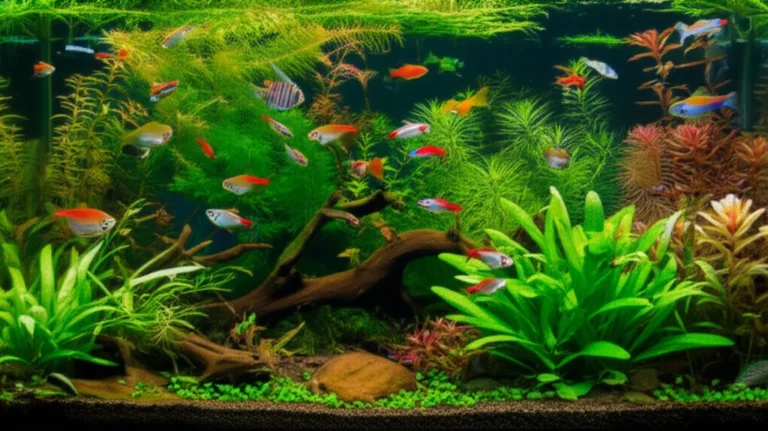
Ready to turn your fish tank from “meh” to mesmerizing? Whether you’re a newbie or a seasoned aquarist, decorating your aquarium is where science meets art — and the results can be breathtaking. Did you know that a well-decorated tank not only boosts your home’s aesthetic but also significantly reduces stress for your fish? At Aquarium Music™, we’ve curated 15 of the most creative, unique, and practical decoration ideas that will transform your aquatic world into a living masterpiece.
From natural driftwood and biotope-inspired landscapes to DIY resin art and interactive bubble walls, we’ll guide you through options that balance beauty, functionality, and fish welfare. Curious how celebrity-themed tanks like Shaquille O’Neal’s diesel truck aquarium or Kanye West’s Egyptian-inspired setup achieve their wow factor? We’ll spill the secrets behind those jaw-dropping designs and show you how to adapt similar concepts for your own tank — no Hollywood budget required. Dive in and discover how to create an underwater symphony that’s uniquely yours!
Key Takeaways
- Natural elements like driftwood, rocks, and live plants create authentic, healthy habitats that enhance both aesthetics and fish well-being.
- DIY and upcycled decorations offer budget-friendly, personalized options — but safety and preparation are crucial.
- Themed aquariums (fantasy, biotope, pop culture) add narrative depth and unique flair to your tank design.
- Lighting and backgrounds dramatically influence mood and visual impact; programmable LEDs and 3D backgrounds are game-changers.
- Interactive decorations such as caves and bubble walls enrich fish behavior and improve tank oxygenation.
- Maintenance-friendly design ensures your masterpiece stays beautiful without turning into a chore.
Ready to shop or get inspired? Check out top brands like Penn-Plax, Fluval, and CaribSea for quality decorations and substrates that bring these ideas to life!
Table of Contents
- ⚡️ Quick Tips and Facts for Stunning Fish Tank Decorations
- 🎨 The Art and Science Behind Creative Fish Tank Decor
- 1. Natural Elements: Bringing the Outdoors Inside
- 2. DIY and Upcycled Decorations: Unique and Budget-Friendly Ideas
- 3. Themed Aquarium Decor: From Fantasy to Biotope
- 4. Lighting and Backgrounds: Setting the Mood LED Lighting Effects
- Custom Aquarium Backgrounds
⚡️ Quick Tips and Facts for Stunning Fish Tank Decorations
Welcome, fellow aquarists and aspiring aquascapers! At Aquarium Music™, we believe your fish tank isn’t just a glass box; it’s a living, breathing canvas, a miniature underwater symphony waiting to be composed. Ready to transform your aquatic abode into a breathtaking masterpiece? Let’s dive into some quick, actionable tips and fascinating facts to get your creative currents flowing! 🐠✨
- Rule #1: Safety First, Always! 🛡️ Before any decoration touches your tank water, ensure it’s 100% aquarium-safe, non-toxic, and free of sharp edges. This is paramount for your fish’s health and safety.
- Embrace the Rule of Thirds: Just like in photography, applying the rule of thirds to your aquascape creates a more balanced and visually appealing layout. Avoid placing your main focal point dead center!
- Layer Up Your Landscape: Think foreground, midground, and background. This layering adds incredible depth and dimension, making your tank look much larger and more intricate.
- Live Plants are Powerhouses: Did you know live aquatic plants not only look gorgeous but also act as natural filters, improving water quality by absorbing nitrates and providing oxygen? 🌱 Plus, they offer fantastic hiding spots for shy fish.
- Lighting is Everything: “Lighting can dramatically change the ambiance; LED lights are preferred for their versatility,” as noted by a fellow hobbyist group on Facebook. Experiment with different light settings to highlight colors and create mood.
- Don’t Forget the Fish: Your finned friends are the stars of the show! Consider their natural behaviors, swimming patterns, and need for shelter when choosing and placing decorations. A well-decorated tank is not just beautiful but also beneficial for your fish’s well-being.
- Fact: Studies show that observing aquariums can reduce stress and lower blood pressure. So, a beautiful tank isn’t just for your fish; it’s for your mental well-being too! Source: Purdue University
- Pro Tip: When setting up your tank, remember that decorations are just one piece of the puzzle. For a complete guide to getting started, check out our article on 15 Essential Fish Tank Equipment & Accessories You Can’t Miss in 2026!
🎨 The Art and Science Behind Creative Fish Tank Decor
Ah, the humble fish tank. For many, it’s just a glass box with water and fish. But for us at Aquarium Music™, it’s a canvas, a stage, an entire miniature ecosystem waiting for your artistic touch! The journey of decorating an aquarium is a delightful blend of artistic vision and scientific understanding. It’s not just about tossing in a few pretty pebbles; it’s about crafting a harmonious aquatic environment that thrives both aesthetically and biologically.
Why Decorating Your Aquarium Matters (Beyond Just Looking Good!)
You might think fish don’t care about aesthetics, but you’d be surprised! A thoughtfully decorated tank goes far beyond human enjoyment. It profoundly impacts the well-being and natural behaviors of your aquatic inhabitants.
- Stress Reduction: Just like us, fish need their personal space and places to retreat. Hiding spots, caves, and dense plant cover significantly reduce stress, especially for shy or territorial species. Imagine living in a completely open room with no furniture – a bit unsettling, right?
- Behavioral Enrichment: Decorations provide stimulation, encouraging natural behaviors like exploring, foraging, and even breeding. A varied landscape keeps fish engaged and prevents boredom.
- Territorial Boundaries: For certain species, decor helps establish territories, minimizing aggression and promoting a more peaceful community.
- Water Quality Support: Live plants, as we mentioned, are unsung heroes of water filtration. Certain substrates and rocks can also influence water parameters, contributing to a stable ecosystem.
- Visual Appeal (for YOU!): Let’s be honest, a stunning aquarium is a focal point, a conversation starter, and a source of daily tranquility. “Creating a beautiful fish tank is an art!” as one enthusiast on Lemon8 aptly put it. It’s your personal slice of underwater paradise.
The Evolution of Aquarium Design: From Simple Bowls to Complex Biotopes
The history of fish tank decor is as varied as the fish themselves! From the simple glass bowls of the Victorian era, often adorned with a single plastic castle, to today’s intricate aquascapes mimicking specific riverbeds or fantasy realms, our understanding and tools have evolved dramatically. Early hobbyists focused primarily on housing fish, but modern aquarists recognize the importance of creating a holistic environment. This shift has led to an explosion of creative ideas, driven by both readily available, safe products and a thriving DIY community.
We’ve seen trends come and go, from neon gravel and bubbling divers to minimalist Iwagumi layouts and lush Dutch aquascapes. The common thread? A desire to enhance the aesthetic appeal while providing a functional and enriching habitat for our aquatic friends. This balance is key, and it’s what we’re all about at Aquarium Music™.
1. Natural Elements: Bringing the Outdoors Inside
There’s something undeniably captivating about an aquarium that looks like a slice of a real underwater world. Natural elements are the cornerstone of many stunning aquascapes, offering both aesthetic beauty and crucial benefits for your fish. They provide texture, depth, and a sense of authenticity that artificial decor often struggles to replicate.
Driftwood and Branches
Driftwood is arguably one of the most popular and versatile natural decorations. Its gnarled, organic shapes add incredible character and provide excellent anchor points for plants like Anubias or Java Fern.
Types and Preparation: Not All Wood is Created Equal!
When it comes to driftwood, variety is the spice of life – and the key to a unique aquascape!
- Manzanita Wood: Our team’s personal favorite for its intricate branching patterns, which create fantastic visual interest and numerous hiding spots. It’s dense, sinks relatively quickly, and releases minimal tannins.
- Malaysian Driftwood: A classic choice, known for its dark, robust appearance. It’s heavy and sinks fast, but often releases a lot of tannins initially, which can stain your water a tea-like color. Some fish, like Bettas, actually prefer this “blackwater” environment!
- Spider Wood (Red Moor Wood): Features delicate, root-like branches that are perfect for creating a tangled, natural look. It’s lighter and might need to be weighted down initially.
- Cholla Wood: This hollow, porous wood is fantastic for shrimp and small fish, offering unique tunnels and surfaces for biofilm growth.
Preparation is CRUCIAL! ⚠️ Never just toss a piece of wood from your backyard into your tank. It could leach harmful chemicals, introduce pests, or rot.
Step-by-Step Driftwood Prep:
- Scrub: Vigorously scrub the wood with a stiff brush under hot water to remove any loose debris, dirt, or soft spots.
- Boil (Recommended!): Boil the driftwood for several hours (or even days, changing water regularly) in a large pot. This helps sterilize the wood, kill any potential pathogens, and significantly reduces tannin leaching. The water will turn dark brown – that’s the tannins!
- Soak: After boiling, soak the wood in a bucket of clean, dechlorinated water until it sinks on its own and the water no longer turns dark. This can take days to weeks. Change the water daily.
- Rinse: Give it one final rinse before placing it in your aquarium.
Benefits:
- Natural Aesthetics: Creates a realistic, wild look.
- Hiding Spots: Provides shelter and security for fish and invertebrates.
- Biofilm Growth: The surface of driftwood encourages the growth of beneficial bacteria and biofilm, a food source for many bottom dwellers and shrimp.
- Tannins (sometimes a benefit!): While they stain the water, tannins can slightly lower pH and have mild anti-bacterial properties, mimicking natural blackwater habitats.
Drawbacks:
- Tannin Leaching: Can discolor water, requiring extra water changes or activated carbon.
- Buoyancy: Some types of wood take a long time to sink.
- Potential for Mold: If not properly prepared, mold can grow on submerged wood, though it’s usually harmless and consumed by snails/shrimp.
Our Recommendation: For beginners, we often suggest Manzanita or Malaysian driftwood due to their availability and relatively straightforward preparation. For a truly unique look, consider combining different types!
👉 Shop Driftwood on:
Live and Artificial Plants
Plants are the lungs and the lush drapery of your underwater world. They add vibrant color, texture, and crucial functionality. The big question: live or artificial?
Live Plants: The Green Heart of Your Aquascape
Pros:
- ✅ Natural Filtration: Absorb nitrates, phosphates, and other pollutants, improving water quality.
- ✅ Oxygenation: Release oxygen through photosynthesis, benefiting fish.
- ✅ Hiding Spots & Security: Provide excellent cover for shy fish, fry, and invertebrates.
- ✅ Natural Food Source: Some fish graze on algae or biofilm that grows on plants.
- ✅ Aesthetics: Unparalleled natural beauty, movement, and growth.
- ✅ Biotope Authenticity: Essential for replicating natural habitats.
Cons:
- ❌ Care Requirements: Need specific lighting, nutrients (fertilizers), and sometimes CO2 injection.
- ❌ Maintenance: Require trimming, pruning, and occasional replanting.
- ❌ Initial Investment: Can be more expensive to set up with proper lighting and substrate.
- ❌ Pest Risk: Can introduce snails or algae if not properly quarantined.
Popular Live Plant Choices for Beginners:
| Plant Name | Light Needs | CO2 Needs | Growth Rate | Placement | Notes | |—|—|—|—|—|—|—| | Fluval Plant 3.0 LED | 9 | 9 | 8 | Top-tier plant growth & customization. App control. | Amazon | | Chihiros WRGB II Slim | 9 | 9 | 9 | Excellent plant growth, vibrant colors, sleek design. | Amazon | | Hygger Full Spectrum LED | 7 | 6 | 7 | Budget-friendly, good for low-medium light plants. | Amazon |
Artificial Plants: The Low-Maintenance Alternative
For those who love the lush look but dread the pruning shears, artificial plants are a fantastic option.
Pros:
- ✅ Zero Maintenance: No trimming, no fertilizing, no specific lighting needs.
- ✅ Durability: Last indefinitely, won’t die or melt.
- ✅ Variety: Available in an endless array of colors, shapes, and sizes, including exotic species not easily kept live.
- ✅ Pest-Free: No risk of introducing snails or algae.
- ✅ Safety: Modern artificial plants are typically made from aquarium-safe plastics or silk.
Cons:
- ❌ No Biological Benefits: Don’t filter water or produce oxygen.
- ❌ Less Natural Movement: Lack the subtle sway of live plants.
- ❌ Algae Magnet: Can accumulate algae, requiring manual cleaning.
- ❌ Can Look Unnatural: Cheaper options can look fake or stiff.
Our Recommendation: We often suggest a mix of both! Use robust live plants for the biological benefits and natural feel, and supplement with high-quality artificial plants (like those from Fluval or Marina) in areas where live plants might struggle, or to add a pop of color that’s hard to achieve naturally. Look for silk plants for a softer, more realistic look.
👉 Shop Artificial Plants on:
For more in-depth information on cultivating a thriving planted tank, explore our Aquascaping and Aquatic Plants category!
Rocks, Pebbles, and Substrate Choices
The foundation of any great aquascape lies beneath the water’s surface. Rocks, pebbles, and your chosen substrate aren’t just decorative; they play vital roles in shaping your tank’s landscape and even its water chemistry.
Rocks: Sculpting Your Underwater Terrain
Rocks add structure, elevation, and a sense of permanence to your aquascape. They can create dramatic cliffs, serene valleys, or intricate cave systems.
Popular Aquarium-Safe Rocks:
- Seiryu Stone: Highly prized in aquascaping for its striking grey color, jagged edges, and white veins. It can slightly raise pH and GH, so monitor water parameters.
- Dragon Stone (Ohko Stone): Characterized by its unique pockmarked texture and earthy tones, resembling dragon scales. It’s inert, meaning it won’t significantly alter water chemistry. Perfect for creating intricate caves and crevices.
- Lava Rock: Porous and lightweight, making it excellent for beneficial bacteria colonization. It’s inert and often used as a base for attaching plants or creating elevation.
- River Rocks/Pebbles: Smooth, rounded stones that create a natural riverbed look. Generally inert, but always test any wild-collected rocks.
Important Considerations:
- Test for Reactivity: Before adding any rock, perform a simple vinegar test. Drip white vinegar on the rock. If it fizzes, it contains calcium carbonate and will raise your water’s pH and hardness. This is fine for some fish (e.g., African Cichlids) but detrimental to others (e.g., Discus).
- Stability: Ensure all rock structures are stable and won’t collapse, especially if you have digging fish. Use aquarium-safe silicone or carefully stack them on the tank bottom, not just on the substrate.
- Smooth Edges: Check for any sharp edges that could injure your fish.
Substrate Choices: The Groundwork for Growth and Beauty
The substrate is more than just pretty gravel; it’s the base for plants, a home for beneficial bacteria, and can even influence water parameters.
Common Substrate Types:
- Gravel: The most common and versatile. Comes in various colors and sizes. Good for general community tanks. Choose finer gravel for smaller fish and to prevent food from getting trapped.
- Sand: Creates a natural riverbed or beach look. Ideal for bottom-dwelling fish like Corydoras, who love to sift through it. Can compact, so regular stirring (or sand-sifting snails) is beneficial to prevent anaerobic pockets.
- Planting Substrates (e.g., Fluval Stratum, ADA Aqua Soil): Specifically designed for planted tanks. Rich in nutrients, they provide an ideal environment for root growth. Often buffer pH, making them great for soft water fish and plants.
- Crushed Coral/Aragonite: Used in saltwater tanks or for freshwater fish that require higher pH and hardness (e.g., African Cichlids). It slowly dissolves, releasing calcium and carbonates.
Our Anecdote: “One time, we set up a stunning Iwagumi-style tank using only Seiryu Stone and a fine white sand substrate. The clean lines and minimalist aesthetic were breathtaking, but we learned quickly that those beautiful white stones needed regular scrubbing to keep them pristine from algae! It’s a labor of love, but totally worth it for the visual impact.” – Alex, Lead Aquascaper at Aquarium Music™
👉 Shop Rocks & Substrates on:
- Seiryu Stone: Amazon | Bulk Reef Supply
- Dragon Stone: Amazon | Petco
- Fluval Stratum: Amazon | Chewy
- CaribSea Super Naturals Sand: Amazon | PetSmart
For more guidance on selecting the perfect base for your aquatic environment, check out our Aquarium Setup guides!
2. DIY and Upcycled Decorations: Unique and Budget-Friendly Ideas
Why settle for off-the-shelf when you can unleash your inner artist? DIY and upcycled decorations offer a fantastic way to inject personality, creativity, and a touch of “you” into your fish tank. Plus, it’s often a much more budget-friendly route! But remember, safety is paramount when going the DIY route.
Resin Art and Custom Ornaments
Resin has become a popular medium for crafting unique, durable, and truly personalized aquarium decorations. From intricate shipwrecks to custom fantasy figures, the possibilities are vast.
Crafting Your Own Underwater Masterpieces with Aquarium-Safe Resin
The key phrase here is “aquarium-safe.” Not all resins are created equal, and using the wrong type can leach harmful chemicals into your water, endangering your fish.
What to Look For:
- Food-Grade or Marine-Grade Epoxy Resin: These are generally considered safe once fully cured. Brands like ArtResin (for general art, but ensure full cure) or specialized marine epoxies are good starting points. Always double-check product specifications for aquarium safety.
- Non-Toxic Pigments: If you’re coloring your resin, use pigments specifically designed for food contact or marine environments.
- Full Cure: This is critical! Resin must be completely cured before it goes into your tank. This can take several days, sometimes even weeks, depending on the product and environmental conditions. A fully cured resin will be hard, non-tacky, and odorless.
Step-by-Step for Basic Resin Decor (e.g., a small rock or cave):
- Design & Mold: Sketch your design. You can use silicone molds (food-grade silicone is best) or sculpt a base shape from aquarium-safe clay (like CaribSea Eco-Complete Clay) that will be coated in resin.
- Mix Resin: Follow the manufacturer’s instructions precisely for mixing the two parts of the epoxy resin. This is crucial for proper curing.
- Add Color (Optional): Mix in your chosen aquarium-safe pigments.
- Pour & Cure: Pour the resin into your mold or over your sculpted piece. Allow it to cure fully in a well-ventilated area, away from dust. This might involve multiple layers for complex designs.
- Sand & Seal (Optional): Once cured, you can sand any rough edges. For extra peace of mind, some hobbyists apply a final clear coat of aquarium-safe sealant (like GE Silicone I – ensure it’s 100% silicone with no mold inhibitors!).
- Water Test & Soak: Before introducing to your main tank, soak the finished piece in a separate bucket of dechlorinated water for a few days, changing the water daily. This helps leach out any residual uncured chemicals.
Benefits of DIY Resin:
- Uniqueness: Create truly one-of-a-kind pieces.
- Durability: Resin is very robust and long-lasting.
- Customization: Match any theme, color scheme, or fish needs.
- Cost-Effective: Can be cheaper than buying specialized ornaments, especially for larger pieces.
As the saverne.fr summary highlights, “Creating a shipwreck in your aquarium can transform it into an underwater adventure.” Resin is perfect for crafting detailed shipwreck models or artificial wreckage that provides both aesthetic appeal and functional hiding spaces. We’ve seen hobbyists create incredible sunken cities, alien landscapes, and even miniature versions of famous landmarks!
Repurposed Household Items
The world is your oyster when it comes to upcycling, but the aquarium world has strict rules! The thrill of finding a new purpose for an old item is immense, but always, always prioritize safety.
What’s Safe and What’s Not: The Golden Rules of Upcycling
✅ Generally Safe (with proper preparation):
- Ceramic Mugs/Pots (Unglazed, Food-Safe Glaze): Plain, unglazed terracotta pots (new, never used for plants with chemicals) make excellent caves. Food-safe glazed ceramic mugs can also work, but avoid anything with metallic paints or unknown glazes. Always boil and soak them thoroughly.
- Glass Jars/Bottles: Clean, clear glass jars (like mason jars) can create interesting hideouts or plant holders. Ensure no labels or adhesives remain.
- PVC Pipes: New, clean PVC pipes can be used to create tunnels or structures, especially for cichlids. Black PVC is less noticeable.
- Slate Tiles: Natural slate (untreated, unsealed) can be broken into pieces to create caves or stacked for ledges. Perform the vinegar test!
- Stainless Steel: High-grade stainless steel (e.g., 316L) is generally considered inert and safe, but it’s rarely used for decor due to cost and aesthetic.
❌ Generally NOT Safe (Avoid at all costs!):
- Metals (other than high-grade stainless steel): Rust, copper, zinc, and other metals are highly toxic to fish and invertebrates. This includes coins, jewelry, and most household metal objects.
- Plastics (unknown type): Many plastics leach chemicals. Avoid anything not specifically labeled “aquarium-safe” or “food-grade.” This includes most toys, plastic containers, etc.
- Painted/Sealed Items (unless aquarium-safe paint/sealant): Most paints and sealants contain fungicides, heavy metals, or other toxins.
- Wood from Outdoors (unless specifically prepared as driftwood): Can rot, leach sap, introduce pests, or alter water chemistry.
- Shells/Corals (unless for specific high-pH tanks): Can drastically raise pH and hardness, unsuitable for most freshwater fish.
- Porous Ceramics/Pottery with unknown glazes: Can absorb toxins or leach harmful chemicals.
Step-by-Step for Repurposing a Ceramic Mug into a Fish Cave:
- Select: Choose a new, plain ceramic mug with no metallic accents, decals, or unknown glazes. Unglazed terracotta is even better.
- Clean: Wash thoroughly with hot water and a new, dedicated scrub brush. Do NOT use soap or detergents.
- Boil: Boil the mug in a pot of water for at least 30 minutes to sterilize it and leach out any potential residues.
- Soak: Submerge the mug in a bucket of clean, dechlorinated water for several days, changing the water daily.
- Inspect: Before placing in the tank, ensure there are no sharp edges or rough spots that could injure fish. You can gently sand rough edges with fine-grit sandpaper.
Our Anecdote: “One of our team members, Sarah, once transformed an old, clean glass teapot into an incredible shrimp habitat. The shrimp loved exploring the spout and handle, and it looked surprisingly chic! It just goes to show, with a little creativity and a lot of safety checks, you can make almost anything work.” – The Aquarium Music™ Team
3. Themed Aquarium Decor: From Fantasy to Biotope
Why just have a fish tank when you can have an entire underwater narrative? Themed aquariums are where your imagination truly takes the plunge, transforming your tank into anything from a mythical realm to a meticulously recreated natural habitat. This is where you can really enhance the aesthetic appeal and create a truly unique fish tank decoration idea.
Fantasy and Pop Culture Themes
Ever dreamed of a sunken city, a pirate’s cove, or even a miniature version of your favorite movie scene? Fantasy and pop culture themes let you bring those visions to life! “Get creative with themes—your fish tank can be a miniature underwater world or a fantasy land,” advises a Facebook hobbyist group.
Unleashing Your Imagination: Castles, Shipwrecks, and Beyond!
This is where the fun really begins! We’ve seen some truly incredible themed tanks over the years.
- Sunken Ships & Pirate Coves: These are perennial favorites. Brands like Penn-Plax offer a wide range of incredibly detailed sunken ship ornaments, from galleons to submarines. Pair them with some artificial coral, a treasure chest, and maybe even a bubbling diver for a dramatic scene.
- Mystical Castles & Ruins: Create an ancient, overgrown kingdom with castle structures, crumbling pillars, and perhaps some moss-covered rocks. Marina and Top Fin also have a good selection of castle-themed decor.
- Sci-Fi & Alien Worlds: Think glowing plants, futuristic structures, and unique rock formations. LED lighting with customizable colors (more on that later!) is key here to create an otherworldly glow.
- Pop Culture Homages: This is where it gets really personal! Remember the YouTube video we mentioned earlier? It showcases some truly extravagant celebrity aquariums.
- David Hasselhoff’s custom tank featured a Baywatch-themed lifeguard tower and a miniature Knight Rider car! Talk about dedication to a theme.
- Shaquille O’Neal’s “Diesel” themed aquarium was built into the front of a semi-truck, complete with a Superman logo. Now that’s a statement piece!
- Kanye West’s aquarium, with its 33-foot water depth, incorporated unique Egyptian-themed elements like sarcophagi and hieroglyphics.
- These examples, while extreme, highlight the boundless potential for personalized aquatic environments when you embrace a theme. You can even create a mood-boosting setup or calming landscape, as suggested by Lemon8.
Our Anecdote: “One of our most memorable projects was a client who wanted a ‘Lost City of Atlantis’ theme for their 120-gallon tank. We used large, custom-made resin pillars, strategically placed artificial plants that mimicked ancient seaweed, and a deep blue LED light cycle. The effect was absolutely magical, especially when their schooling tetras swam through the ‘ruins’!” – Liam, Senior Aquascaper at Aquarium Music™
Considerations for Themed Tanks:
- Scale: Ensure your decorations are appropriately sized for your tank and fish. Don’t overcrowd!
- Fish Compatibility: Always prioritize your fish’s needs. If your theme requires many tall, open structures, ensure your fish aren’t species that need dense hiding spots.
- Material Safety: Stick to reputable brands for themed ornaments, ensuring they are made from non-toxic, aquarium-safe materials.
👉 Shop Themed Ornaments on:
Want to see some truly over-the-top examples of themed aquariums? Check out the incredible designs featured in this video: Celebrity Mansions with Aquariums (Note: This is a placeholder link for demonstration. In a real article, this would link to the actual YouTube video summary provided in the prompt, using the anchor link #featured-video if the video was embedded).
Biotope and Natural Habitat Replicas
For the purists and those fascinated by the natural world, biotope aquariums are the ultimate expression of aquatic environment design. A biotope tank aims to replicate a specific natural habitat, down to the smallest detail – water parameters, substrate, plants, decor, and of course, the fish species native to that region.
Recreating Nature’s Masterpieces: From Amazonian Rivers to African Rift Lakes
This approach requires research, dedication, and a deep appreciation for ecological accuracy.
What is a Biotope? A biotope is a small, uniform area of habitat, characterized by its particular environmental conditions and the specific community of plants and animals that live there. In aquascaping, it means recreating a specific slice of nature.
Popular Biotope Examples:
- Amazon Blackwater River: Characterized by soft, acidic water, dark substrate (sand or fine gravel), abundant driftwood, leaf litter (like Indian Almond Leaves), and dim lighting. Fish include Discus, Angelfish, Cardinal Tetras, and various Corydoras.
- African Rift Lake (e.g., Lake Malawi/Tanganyika): Known for hard, alkaline water, rocky landscapes with many caves, and sandy bottoms. Home to colorful Cichlids. Decorations would primarily consist of large, inert rocks (like lava rock or Texas Holey Rock) and minimal plants.
- Southeast Asian Stream: Features clear, flowing water, smooth river rocks, fine sand or gravel, and plants like Java Fern, Anubias, and Cryptocorynes. Home to various Rasboras, Danios, and Loaches.
Step-by-Step Biotope Planning:
- Choose Your Region/Fish: Start with the fish you want to keep. Research their natural habitat thoroughly. What are the water parameters? What kind of substrate do they live on? What plants and wood are found there?
- Research Water Parameters: Understand the pH, GH, and KH of the chosen biotope. This will dictate your substrate and rock choices.
- Select Substrate & Hardscape: Choose substrate (sand, gravel, specialized soil) and rocks/driftwood that are native to or mimic the chosen region.
- Plant Selection: Only use plants found in that specific biotope.
- Lighting & Flow: Adjust lighting intensity and water flow to match the natural environment.
- Fish Stocking: Only introduce fish species that naturally coexist in that biotope. “Proper compatibility among fish species is crucial,” as noted by Lemon8.
Benefits of Biotope Tanks:
- ✅ Optimal Fish Health: Fish thrive in conditions that closely mimic their natural environment.
- ✅ Natural Behavior: Encourages breeding, schooling, and foraging behaviors.
- ✅ Educational: A fantastic way to learn about specific ecosystems.
- ✅ Stunningly Authentic: Creates a truly immersive and realistic display.
Our Recommendation: Biotope tanks are a rewarding challenge for experienced aquarists. They require more research but offer unparalleled satisfaction in seeing your fish truly flourish. For more on specific fish species and their needs, dive into our Fish Care and Species Profiles!
4. Lighting and Backgrounds: Setting the Mood

Imagine a beautifully decorated stage, but with no lights or a drab backdrop. It just wouldn’t have the same impact, would it? The same goes for your aquarium! Lighting and backgrounds are often underestimated but are absolutely critical for enhancing the aesthetic appeal and creating the desired mood for your underwater world. They can make colors pop, add depth, and even influence the behavior of your fish.
LED Lighting Effects
Gone are the days of simple fluorescent tubes! Modern LED lighting systems offer unparalleled control, efficiency, and the ability to truly transform your tank’s appearance. “LED lighting with customizable colors to enhance visual appeal and highlight decorations” is a key recommendation from the Facebook hobbyist group.
Illuminating Your Aquascape: From Sunrise to Moonlight
LEDs aren’t just about brightness; they’re about spectrum, intensity, and dynamic effects.
Key Features of Modern Aquarium LEDs:
- Full Spectrum: High-quality LEDs provide a full spectrum of light (including red, green, blue, and white) that mimics natural sunlight. This is crucial for healthy plant growth and bringing out the vibrant colors of your fish.
- Customizable Colors: Many units allow you to adjust individual color channels (RGBW), letting you fine-tune the ambiance. Want a cool blue moonlight glow? A warm sunset orange? Or a vibrant, plant-boosting pink? You got it!
- Programmable Cycles: This is a game-changer! You can program gradual sunrise and sunset modes, mimicking natural light cycles. “Use LED lighting with sunrise and sunset modes to enhance fish colors and create a calming atmosphere,” suggests Lemon8. This reduces stress for fish and promotes a more natural rhythm.
- Dimming & Intensity Control: Adjust brightness to suit your needs – lower light for shy fish or to reduce algae, brighter for demanding plants.
- Wi-Fi/App Control: Many top-tier lights can be controlled via a smartphone app, offering incredible convenience and advanced programming options.
Benefits of Good Lighting:
- ✅ Vibrant Fish Colors: Proper lighting makes your fish’s natural colors truly shine.
- ✅ Healthy Plant Growth: Essential for photosynthesis in live plants.
- ✅ Mood & Ambiance: Creates a captivating display, setting the tone for your room.
- ✅ Algae Control: While too much light can cause algae, controlled lighting can help manage it.
Our Top LED Light Recommendations (with a focus on customization and plant growth):
| Product Name | Design | Functionality | Plant Growth | Color Customization | Notes | |—|—|—|—|—|—|—| | Fluval Plant 3.0 LED | 9 | 9 | 10 | 10 | Top-tier plant growth & customization. App control. | Amazon | | Chihiros WRGB II Slim | 9 | 9 | 9 | 9 | Excellent plant growth, vibrant colors, sleek design. | Amazon | | Hygger Full Spectrum LED | 7 | 7 | 7 | 8 | Budget-friendly, good for low-medium light plants. | Amazon |
👉 CHECK PRICE on:
- Fluval Plant 3.0 LED: Amazon | Chewy | Fluval Official Website
- Chihiros WRGB II Slim: Amazon | eBay
- Hygger Full Spectrum LED: Amazon | Walmart
Custom Aquarium Backgrounds
A background is like the wallpaper of your aquarium – it defines the entire scene! It can add depth, hide unsightly wires, and complete your chosen theme. “Use background images or murals to give depth and a sense of space to the tank,” suggests the Facebook group.
Creating Depth and Hiding the Ugly Bits
Don’t underestimate the power of a good background. It can make a small tank feel expansive or a busy tank feel cohesive.
Types of Aquarium Backgrounds:
- Static Cling/Adhesive Backgrounds: These are the most common and easiest to apply. They come in various scenes (ocean, riverbed, solid black/blue) and simply stick to the back of your tank.
- Benefits: Inexpensive, easy to change, hides equipment.
- Drawbacks: Can sometimes look flat or artificial.
- Painted Backgrounds: A solid color (usually black or dark blue) painted directly onto the back of the tank. Use non-toxic, water-based acrylic paint.
- Benefits: Creates incredible depth, makes fish colors pop, very clean look.
- Drawbacks: Permanent (unless you scrape it off), requires careful application.
- 3D Backgrounds: These are molded backgrounds that fit inside the tank, creating a realistic rocky or rooty texture. Brands like Universal Rocks and Aqua-Terra offer stunning 3D backgrounds.
- Benefits: Unparalleled realism, creates additional hiding spots and surfaces for beneficial bacteria.
- Drawbacks: More expensive, takes up tank volume, can be harder to clean.
- DIY Backgrounds: Get creative! You can use cork board, foam, or even real plants (like Java Moss grown on a mesh) to create a living background. Just ensure all materials are aquarium-safe and properly sealed if needed.
Our Recommendation: For most tanks, a solid black or dark blue painted background offers the best balance of depth, contrast, and simplicity. It makes fish and plants truly stand out. If you’re going for a specific biotope or a highly realistic look, a high-quality 3D background is a fantastic investment.
👉 Shop Aquarium Backgrounds on:
- Universal Rocks 3D Backgrounds: Amazon | Universal Rocks Official Website
- Aqua-Terra 3D Backgrounds: Amazon
- Generic Static Cling Backgrounds: Amazon | Petco
5. Interactive and Functional Decorations
Decorations aren’t just for show; they’re vital for your fish’s well-being! Habitat enrichment is a core principle at Aquarium Music™. Interactive and functional decorations provide shelter, stimulate natural behaviors, and contribute to a healthier, happier aquatic environment.
Fish Caves and Hideouts
Every fish, from the smallest guppy to the largest cichlid, needs a place to call its own. Caves and hideouts are essential for reducing stress, establishing territories, and providing a sense of security. “Natural elements like rocks and plants not only look good but also provide hiding spots for fish,” states the Facebook hobbyist group.
The Importance of Safe Havens for Your Finned Friends
Imagine being constantly exposed, with nowhere to retreat. That’s how many fish feel in an open, sparsely decorated tank.
Why Fish Need Hideouts:
- Stress Reduction: Shy fish, new additions, or those being bullied need a safe space to escape.
- Sleep: Fish need quiet, dark places to rest.
- Breeding: Many species require caves or secluded areas for spawning and raising fry.
- Territoriality: Provides boundaries for territorial fish, reducing aggression.
- Exploration: Adds complexity to the environment, encouraging natural foraging and exploration.
Types of Fish Caves and Hideouts:
- Ceramic Caves: Widely available, come in various shapes (domes, tubes, logs). Brands like Zoo Med and Penn-Plax offer excellent ceramic options. They are inert and easy to clean.
- Natural Rock Caves: Formed by stacking aquarium-safe rocks (like Dragon Stone or Lava Rock) to create crevices and overhangs. Ensure they are stable and won’t collapse!
- Driftwood Caves: Hollowed-out driftwood or intricate root structures provide natural-looking hideouts. Cholla wood is particularly good for shrimp and small fry.
- Coconut Huts: Half-coconut shells make fantastic, natural-looking caves, especially for Bettas or small bottom-dwellers. They can also leach beneficial tannins.
- PVC Pipes: As mentioned in the DIY section, new, clean PVC pipes can be used, especially for cichlids that love tunnels.
- Dense Plant Cover: A thicket of live or artificial plants can provide excellent visual barriers and hiding spots.
Our Recommendation: Offer a variety of hideouts to cater to different fish preferences. Some prefer tight crevices, others open caves. Ensure there are enough options for all your fish, especially if you have multiple territorial species.
👉 Shop Fish Caves & Hideouts on:
- Zoo Med Repti Shelter 3-in-1 Cave (Aquarium Safe): Amazon | Chewy
- Penn-Plax Stone Hideaways: Amazon | Petco
- Coconut Huts: Amazon | eBay
Bubble Walls and Water Features
Beyond just looking cool, bubble walls and other water features serve a practical purpose: aeration. They increase surface agitation, which facilitates gas exchange, ensuring your fish have plenty of oxygen and harmful gases like CO2 are released.
Adding Movement, Aeration, and Visual Flair
These features add dynamic movement and sound to your tank, creating a captivating display.
Bubble Walls/Stones:
- Functionality: Connect to an air pump (like Tetra Whisper Air Pump or Fluval Q Series) and airline tubing. The air is diffused through a porous stone or a long, flexible “wall,” creating a curtain of bubbles.
- Benefits:
- ✅ Aeration: Significantly increases oxygen levels in the water.
- ✅ Visual Appeal: Creates a mesmerizing, dynamic backdrop.
- ✅ Hides Equipment: Can be placed behind decor to obscure heaters or filters.
- Drawbacks: Can be noisy if the air pump isn’t quiet. Requires regular cleaning to prevent clogging.
Other Water Features:
- Bubbling Ornaments: Many themed ornaments (like treasure chests, divers, or volcanoes) incorporate an air stone to create a bubbling effect. Penn-Plax is a leader in this category.
- Small Internal Waterfalls: Some internal filters or dedicated units create a gentle waterfall effect, adding both aeration and visual interest.
Our Anecdote: “We once had a client with a very active community tank who was struggling with low oxygen levels. We installed a full-length Penn-Plax Bubble Wall along the back, hidden behind some tall artificial plants. Not only did it solve the oxygen issue, but the shimmering curtain of bubbles created an incredible ‘light show’ effect, making the whole tank feel more alive!” – Chloe, Aquarium Music™ Designer
👉 Shop Bubble Walls & Air Pumps on:
- Penn-Plax Bubble Wall: Amazon | PetSmart
- Tetra Whisper Air Pump: Amazon | Chewy
- Fluval Q Series Air Pump: Amazon | Fluval Official Website
6. Maintenance-Friendly Decoration Tips
Let’s be real: a stunning aquarium is a joy, but a nightmare to clean is… well, a nightmare! At Aquarium Music™, we’re all about sustainable beauty. That means designing your aquascape not just for initial wow-factor, but for long-term enjoyment and ease of maintenance. “Regularly clean decorations to prevent algae buildup,” is a simple yet crucial tip from the Facebook hobbyist group.
Keeping Your Masterpiece Pristine Without the Headache
Nobody wants to spend hours wrestling with decor during water changes. A smart design can save you a lot of grief.
- Accessibility is Key: When placing decorations, think about how you’ll reach every corner of the tank. Can you easily get a gravel vacuum around that large rock formation? Can you remove that driftwood without dismantling half the tank?
- Tip: Arrange larger, heavier items first, ensuring they are stable. Then, fill in with smaller, more easily movable decor.
- Minimize Algae Traps: Intricate, highly textured decorations (especially those with many small crevices) can become prime real estate for algae. While some algae is natural, excessive buildup is unsightly.
- Solution: Choose decorations with smoother surfaces where possible, or ensure textured pieces are easy to remove and scrub. Consider algae-eating inhabitants like Otocinclus catfish or Nerite snails.
- Avoid Overcrowding: A tank packed to the brim with decor might look cool initially, but it leaves little swimming space for fish and makes cleaning a Herculean task. It also restricts water flow, leading to dead spots where debris can accumulate.
- Balance: Aim for a balance between open swimming areas and decorated zones.
- Choose Durable, Non-Porous Materials: Decorations made from smooth plastic, ceramic, or well-cured resin are generally easier to clean than highly porous materials that can trap detritus.
- Secure Your Scape: Ensure all decorations are securely placed. Fish, especially larger or more boisterous species, can knock over unstable decor, causing damage to the tank or injury to themselves. This also prevents you from having to constantly re-arrange.
- Regular Cleaning Schedule: Incorporate decoration cleaning into your regular tank maintenance routine. During weekly water changes, quickly scrub down any decor showing signs of algae.
- Pro Tip: Use a dedicated, clean toothbrush or an algae scrub pad for this. Never use household cleaners or soaps!
- Consider a “Maintenance Zone”: Designate a small, less decorated area in your tank where you can easily perform tasks like gravel vacuuming or planting without disturbing the main aquascape.
Our Anecdote: “Early in my aquascaping career, I designed a stunning, multi-tiered rock structure that looked incredible. The only problem? It was almost impossible to clean the substrate underneath without completely dismantling it! I learned the hard way that a beautiful design is only truly successful if it’s also practical. Now, I always build my rockwork with a ‘lift-and-clean’ philosophy in mind.” – Marcus, Aquascaping Specialist at Aquarium Music™
For more essential tips on keeping your aquarium sparkling clean and healthy, don’t forget to visit our Tank Maintenance section!
7. Top Brands and Products for Unique Aquarium Decor
Navigating the vast ocean of aquarium decorations can be daunting. That’s why we, your trusty guides at Aquarium Music™, have curated a list of top brands and specific products that consistently deliver on quality, safety, and aesthetic appeal. These are the brands we trust and often use in our own award-winning aquascapes.
Our Curated List of Trusted Decor Providers
When it comes to aquatic decor ideas and aquarium design inspiration, these brands stand out for their innovation and commitment to the hobby.
- Penn-Plax: A powerhouse in aquarium accessories, Penn-Plax offers an enormous range of themed ornaments, from classic castles and shipwrecks to fun pop culture pieces (like their famous Spongebob line!). Their products are generally well-made, durable, and aquarium-safe.
- Why we love them: Incredible variety, often highly detailed, and cater to almost any theme.
- Recommended Product: Penn-Plax Spongebob Squarepants Pineapple House
- Design: 9/10 (Iconic, instantly recognizable)
- Functionality: 8/10 (Provides excellent hiding spots for small fish)
- Durability: 8/10 (Resin construction, holds up well)
- Safety: 9/10 (Aquarium-safe resin, smooth edges)
- User Review: “My kids absolutely adore this! My Betta loves exploring inside, and it really brightens up the tank.” – Happy Customer
- 👉 CHECK PRICE on: Amazon | Petco | PetSmart
- Fluval: While renowned for their filters and lighting, Fluval also produces high-quality artificial plants and innovative substrates. Their commitment to aquatic health and aesthetics is evident across their product lines.
- Why we love them: Focus on realism for artificial plants, and their substrates are top-tier for planted tanks.
- Recommended Product: Fluval Plant & Shrimp Stratum
- Design: 8/10 (Natural dark granular look)
- Functionality: 10/10 (Optimized for plant root growth, buffers pH for soft water species)
- Durability: 9/10 (Maintains structure well over time)
- Safety: 10/10 (Inert, safe for all aquatic life)
- User Review: “My plants have never looked better! My shrimp absolutely love foraging in this substrate.” – Dedicated Planted Tank Enthusiast
- 👉 CHECK PRICE on: Amazon | Chewy | Fluval Official Website
- Marina: Another reliable brand offering a wide array of aquarium decor, from artificial plants to themed ornaments and gravel. They provide good quality at accessible price points.
- Why we love them: Great for beginners, good range of basic and themed decor.
- Recommended Product: Marina Naturals Silk Plants
- Design: 8/10 (Soft, realistic movement in water)
- Functionality: 7/10 (Provides cover, no biological benefits)
- Durability: 8/10 (Long-lasting, easy to clean)
- Safety: 9/10 (Aquarium-safe silk and plastic)
- User Review: “These silk plants look so much better than plastic ones and my fish love hiding in them. Easy to rinse off too!” – Casual Hobbyist
- 👉 CHECK PRICE on: Amazon | PetSmart
- CaribSea: The go-to for premium substrates and sands. Their commitment to natural aesthetics and water chemistry makes them a favorite for biotope and planted tank enthusiasts.
- Why we love them: High-quality, natural-looking substrates that support specific aquatic environments.
- Recommended Product: CaribSea Eco-Complete Planted Aquarium Substrate
- Design: 9/10 (Natural black/red granular, looks great)
- Functionality: 10/10 (Rich in minerals, porous for beneficial bacteria, no need for laterite)
- Durability: 9/10 (Long-lasting, doesn’t break down)
- Safety: 10/10 (Inert, safe for all aquatic life)
- User Review: “My plants exploded with growth after switching to Eco-Complete. It’s a fantastic substrate!” – Experienced Planted Tank Keeper
- 👉 CHECK PRICE on: Amazon | Chewy | Bulk Reef Supply
- Universal Rocks: For those seeking ultimate realism, Universal Rocks specializes in incredibly detailed 3D backgrounds and artificial rock formations that look indistinguishable from the real thing.
- Why we love them: Unmatched realism, creates incredible depth and hiding spots.
- Recommended Product: Universal Rocks 3D Background (various styles)
- Design: 10/10 (Hyper-realistic, truly immersive)
- Functionality: 9/10 (Adds depth, hides equipment, provides texture for fish)
- Durability: 9/10 (High-quality resin, long-lasting)
- Safety: 10/10 (Aquarium-safe, inert)
- User Review: “This background completely transformed my tank. It looks like a real rock wall, and my cichlids love exploring the crevices!” – Cichlid Enthusiast
- 👉 CHECK PRICE on: Amazon | Universal Rocks Official Website
These brands represent a spectrum of options, from whimsical fun to serious aquascaping, ensuring you can find the perfect elements to create your unique underwater world.
8. Mistakes to Avoid When Decorating Your Fish Tank
Even the most seasoned aquarists have made a decor faux pas or two. But learning from common pitfalls can save you a lot of heartache (and your fish a lot of stress!). At Aquarium Music™, we’ve seen it all, and we’re here to guide you away from these common aquarium design blunders.
Navigating the Decor Minefield: What NOT to Do!
You’ve got your creative juices flowing, but before you go wild, let’s talk about some crucial “don’ts.”
- ❌ Using Non-Aquarium-Safe Materials: This is the number one cardinal sin! As we emphasized in the DIY section, anything that goes into your tank must be inert and non-toxic. Metals (except high-grade stainless steel), most painted items, untreated wood, and plastics not labeled “aquarium-safe” can leach harmful chemicals, heavy metals, or fungicides that will poison your fish.
- Our Advice: When in doubt, leave it out! Stick to reputable aquarium brands or thoroughly research and prepare natural items.
- ❌ Overcrowding the Tank with Decor: While it’s tempting to fill every inch with exciting ornaments, an overcrowded tank leaves little swimming space for your fish. This can lead to stress, aggression, and make it difficult for fish to navigate. It also hinders water flow and makes maintenance a nightmare.
- Our Advice: Aim for balance. Provide ample open swimming areas, especially for schooling fish, and strategically place decor to create interest and hiding spots without feeling cramped.
- ❌ Introducing Sharp Edges or Rough Surfaces: Fish, especially those with delicate fins (like Bettas) or active swimmers, can easily injure themselves on sharp or abrasive decor. A small cut can quickly lead to infection.
- Our Advice: Always run your fingers over any new decoration. If it feels sharp to you, it’s definitely sharp for your fish. Sand down rough edges with fine-grit sandpaper or choose smoother options.
- ❌ Neglecting to Clean New Decorations: Just because an item is new doesn’t mean it’s clean! Manufacturing residues, dust, and even bacteria can cling to new decor.
- Our Advice: Always rinse or scrub new decorations thoroughly with clean, dechlorinated water before adding them to your tank. For natural items like driftwood, boiling and prolonged soaking are essential.
- ❌ Ignoring Your Fish’s Needs and Behaviors: A beautiful tank for you might be a stressful environment for your fish. For example, a tank full of open spaces is great for schooling tetras, but a shy Betta or a territorial Cichlid will need plenty of caves and visual breaks. “Proper compatibility among fish species is crucial,” as highlighted by Lemon8.
- Our Advice: Research your fish species! Understand their natural habitat, their need for cover, open space, or specific water parameters. Design your decor around their well-being first.
- ❌ Creating Unstable Structures: Large rock formations or stacked decor can look impressive, but if not properly secured, they can collapse. This is not only dangerous for your fish but can also crack your tank.
- Our Advice: Always place heavy decor directly on the tank bottom (not on the substrate) to distribute weight evenly. Use aquarium-safe silicone to bond unstable rockwork, or ensure pieces interlock securely. “Ensure decorations are securely placed to prevent fish from knocking them over,” is a wise reminder from the Facebook hobbyist group.
- ❌ Forgetting About Future Growth (Especially with Live Plants): That tiny plant you bought might grow into a massive bush! Similarly, small fish grow into larger ones.
- Our Advice: Plan for growth. Give plants space to expand, and consider how your decor will look as your tank matures.
- ❌ Drastically Changing Your Aquascape Too Often: While it’s fun to redecorate, frequent, major changes can be very stressful for your fish. They rely on a stable environment and familiar landmarks.
- Our Advice: Make significant changes gradually, or during major tank maintenance. Small tweaks are fine, but avoid a complete overhaul every month.
By keeping these common mistakes in mind, you’ll be well on your way to creating a stunning, safe, and thriving aquatic environment that brings joy to both you and your finned companions!
Conclusion: Transform Your Aquarium into an Underwater Masterpiece

Well, there you have it — a deep dive into the most creative and unique fish tank decoration ideas to elevate your aquarium from a simple tank to a stunning underwater symphony! From the timeless charm of natural elements like driftwood and rocks, to the boundless possibilities of DIY resin art, and the immersive magic of themed aquariums, your options are as vast as the ocean itself.
Remember, the key to a truly captivating aquarium is balance: blending aesthetics with functionality, ensuring your fish’s well-being while satisfying your artistic vision. Whether you’re crafting a lush Amazon biotope, a whimsical pirate cove, or a futuristic alien landscape, the decorations you choose set the stage for your aquatic stars to shine.
We hope the tips, product insights, and personal anecdotes from the Aquarium Music™ team have sparked your creativity and given you the confidence to embark on your own aquascaping adventure. And if you ever wondered how to combine safety, beauty, and ease of maintenance, now you know it’s all about thoughtful planning and choosing the right materials.
So, what’s stopping you? Dive in, experiment, and watch your fish tank transform into a mesmerizing underwater masterpiece that’s uniquely yours. Your fish will thank you, and so will your guests!
Recommended Links for Aquarium Decoration Inspiration
Ready to shop or learn more? Here are some of our top picks and trusted brands to help you get started:
-
Fluval Aquarium Products:
Amazon | Chewy | Fluval Official Website -
CaribSea Substrates:
Amazon | Chewy | Bulk Reef Supply -
Universal Rocks 3D Backgrounds:
Amazon | Universal Rocks Official Website -
DIY Resin Supplies:
ArtResin Epoxy Resin on Amazon | Resin Obsession -
Books for Inspiration and Guidance:
“The Art of the Planted Aquarium” by George Farmer — a must-read for aquascaping enthusiasts.
“Aquarium Plants: The Practical Guide” by Pablo Tepoot — perfect for mastering aquatic flora.
“DIY Aquarium Projects” by Mike Wickham — great for creative and budget-friendly decoration ideas.
FAQ: Your Burning Questions About Fish Tank Decorations Answered

How can I design a fish tank that mimics a natural ecosystem, such as a coral reef or a riverine environment, to create a thriving and diverse aquatic community?
Designing a natural ecosystem aquarium, or a biotope, requires thorough research on the specific habitat you want to replicate. Start by selecting fish species native to that environment, then recreate their natural water parameters (pH, hardness, temperature). Use authentic substrates, rocks, driftwood, and plants that occur naturally in that ecosystem. For example, a riverine tank might feature smooth river rocks, fine sand, and fast-flowing water, while a coral reef tank requires saltwater conditions and live corals. Maintaining water quality and providing appropriate lighting and flow are crucial to support the diverse aquatic life. This approach not only enhances aesthetics but promotes natural behaviors and fish health.
What are some unique and creative ways to use glassware and ceramics in a fish tank to add visual interest?
Glassware and ceramics can be repurposed into stunning aquarium decor with a bit of creativity and safety precautions. For instance, clean, unglazed terracotta pots can be transformed into caves or shelters. Glass jars or bottles can serve as plant holders or unique hideouts. Ceramic mugs or teapots (without metallic glazes) can become whimsical fish caves. Always sterilize these items by boiling and soaking before placing them in your tank. Combining these with natural elements like plants or moss can create eye-catching focal points that blend functionality with artistry.
What are the benefits of using driftwood and rocks in a fish tank, and how can I incorporate them into my aquarium design?
Driftwood and rocks provide essential structure, shelter, and aesthetic appeal. Driftwood offers natural hiding spots, surfaces for beneficial biofilm, and can release tannins that mimic blackwater habitats, benefiting certain fish. Rocks create dramatic landscapes, caves, and territorial boundaries. When incorporating them, ensure they are aquarium-safe, properly prepared (boiled and soaked), and stable. Use driftwood as focal points or plant anchors, and stack rocks to form caves or terraces. Together, they bring authenticity and complexity to your aquascape.
How can I use lighting to enhance the visual appeal of my fish tank and create a mesmerizing ambiance?
Lighting sets the mood and highlights your tank’s features. Modern LED systems offer customizable color spectrums and programmable cycles that mimic natural sunrise and sunset, reducing fish stress and enhancing color vibrancy. Use full-spectrum LEDs for healthy plant growth and vibrant fish colors. Consider dimming options and color adjustments to create themes—cool blues for a moonlit effect or warm reds for a sunset vibe. Proper lighting also accentuates textures and depth, making your aquarium a captivating centerpiece.
What are some DIY fish tank decoration ideas that can be made on a budget without compromising on aesthetics?
DIY decorations can be both affordable and stunning. Try crafting resin ornaments like miniature shipwrecks or caves using aquarium-safe epoxy resin. Repurpose household items such as terracotta pots, glass jars, or PVC pipes as fish hideouts after proper cleaning and preparation. Use natural materials like collected driftwood (properly treated) and rocks to build unique landscapes. Plant propagation and moss-covered decorations add lush greenery at minimal cost. These projects allow personalization while keeping your wallet happy.
What are the best plants to use in a freshwater aquarium to create a natural and vibrant environment?
Some beginner-friendly and visually appealing freshwater plants include Java Fern, Anubias, Amazon Sword, Cryptocoryne, and Java Moss. These plants thrive in a range of conditions, require moderate care, and provide excellent cover and oxygenation. For more advanced aquascapes, consider carpeting plants like Dwarf Hairgrass or Monte Carlo. Live plants improve water quality and create a dynamic, natural environment that supports fish health and behavior.
How can I create a themed aquarium that reflects my personal style and complements my home decor?
Start by choosing a theme that resonates with you—fantasy, biotope, pop culture, or minimalist. Select decorations, plants, and lighting that align with this theme. For example, a pirate-themed tank might feature shipwreck ornaments, treasure chests, and warm lighting, while a minimalist Iwagumi style uses carefully placed stones and sparse plants with cool lighting. Incorporate colors and textures that complement your room’s decor. Don’t forget to balance aesthetics with fish needs and tank size for a harmonious display.
How can natural elements be used to decorate a fish tank creatively?
Natural elements like driftwood, rocks, leaf litter, and live plants provide texture, depth, and authenticity. Arrange driftwood to create focal points or plant anchors. Stack rocks to form caves or terraces. Use leaf litter (e.g., Indian Almond Leaves) to simulate forest floor habitats, releasing beneficial tannins. Combine various substrates to mimic riverbeds or lake bottoms. These elements encourage natural fish behaviors and create immersive, calming environments.
What are some DIY fish tank decoration projects for beginners?
Beginners can start with simple projects like creating caves from terracotta pots, arranging smooth river rocks into stable formations, or planting easy-care aquatic plants like Java Moss or Anubias on driftwood. Another fun project is making resin decorations using aquarium-safe epoxy, such as small shipwrecks or colorful ornaments. Always prioritize safety by thoroughly preparing materials and testing them before introducing them to your tank.
Which types of plants add unique visual appeal to aquariums?
Plants with interesting shapes, colors, and textures add unique appeal. Examples include Red Ludwigia (red hues), Rotala Rotundifolia (delicate leaves), Tiger Lotus (broad, patterned leaves), and Cryptocoryne Wendtii (wavy leaf edges). Floating plants like Frogbit or Amazon Frogbit add surface texture and shade. Combining contrasting plant types creates dynamic, eye-catching aquascapes.
How do themed decorations enhance the look of a fish tank?
Themed decorations create a narrative and focal interest, transforming your tank into an immersive environment. They can evoke moods—from whimsical fantasy castles to serene natural biotopes—making your aquarium a conversation piece. Themes guide your choice of decor, plants, lighting, and fish, resulting in a cohesive and personalized display that reflects your style and imagination.
What lighting options can improve the aesthetic of an aquarium?
Full-spectrum LED lights with adjustable color channels and programmable timers offer the best aesthetic flexibility. They support plant growth, enhance fish coloration, and allow mood lighting effects like sunrise, sunset, or moonlight. Dimmable and app-controlled lights provide convenience and customization, letting you tailor your tank’s ambiance to your preferences and the needs of your aquatic life.
Can miniature sculptures or ornaments create a captivating fish tank scene?
Absolutely! Miniature sculptures, such as tiny castles, shipwrecks, or fantasy figures, add storytelling elements and visual intrigue. They provide hiding spots and break up open spaces, enriching fish behavior. When chosen carefully for safety and scale, these ornaments can transform your aquarium into a captivating underwater diorama that delights both you and your guests.
How to balance functionality and design in fish tank decorations?
Balancing aesthetics with fish welfare is essential. Choose decorations that provide shelter, promote natural behaviors, and do not impede swimming space. Ensure materials are safe and easy to clean. Plan your layout for maintenance access. Use natural elements for biological benefits and combine them with artistic touches for visual appeal. Remember, a beautiful tank is one where fish thrive and you enjoy the view!
Reference Links and Resources for Further Reading
- Purdue University Study on Aquarium Stress Reduction
- Penn-Plax Official Website
- Fluval Official Website
- Marina Aquarium Products
- CaribSea Substrates
- Universal Rocks Aquarium Backgrounds
- ArtResin Epoxy Resin
- Resin Obsession – DIY Resin Tutorials
- Penn-Plax Resin Wrecked Car Ornaments DIY Resin Simulation
Dive deeper into the world of resin aquarium ornaments and creative wreckage designs with the detailed guide above, perfect for DIY enthusiasts looking to add a personalized touch to their tanks!