Support our educational content for free when you purchase through links on our site. Learn more
Can I Use a Fish Tank as a Decorative Piece in My Home? 🐠✨

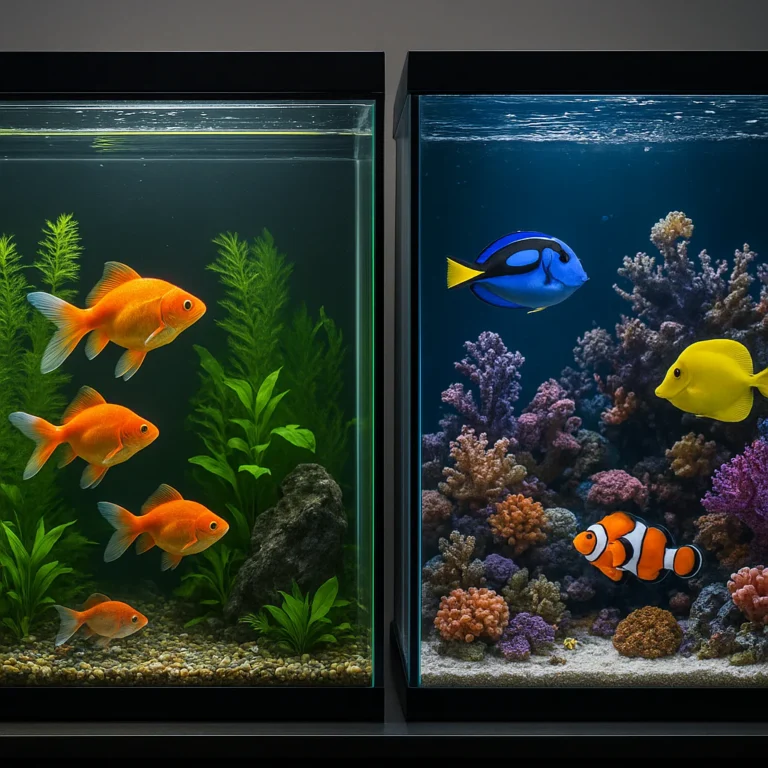
Thinking about turning a simple fish tank into a stunning decorative piece that elevates your home’s vibe? You’re not alone! Aquariums have evolved far beyond just a container for fish—they’re now living, breathing works of art that bring color, movement, and tranquility into any space. But can you really use a fish tank as a centerpiece without turning your living room into a maintenance nightmare? Spoiler alert: Yes, you can!
In this comprehensive guide, we’ll dive deep into everything you need to know—from choosing the perfect tank style and placement, to mastering aquascaping and lighting, and selecting the right fish for your decorative masterpiece. Plus, we’ll share insider tips from the aquarists at Aquarium Music™ who’ve transformed countless homes with their aquatic symphonies. Curious about how to balance beauty with fish health or what common pitfalls to avoid? Keep reading, because we’ve got you covered with expert advice and inspiring stories that will make you want to start your own underwater gallery today!
Key Takeaways
- A fish tank can absolutely serve as a captivating decorative piece that enhances your home’s aesthetic and ambiance.
- Choosing the right tank size, shape, and placement is crucial for both visual impact and aquatic health.
- Aquascaping transforms your tank into living art—using substrates, hardscape, and plants to create breathtaking underwater landscapes.
- Proper lighting and equipment are essential to maintain water quality and showcase your aquatic display.
- Responsible fish and invertebrate selection ensures a thriving ecosystem that complements your decor.
- Consistent maintenance and avoiding common mistakes keep your aquarium beautiful and stress-free.
Ready to create your own mesmerizing aquatic centerpiece? Dive into our full guide and let your home’s new focal point come to life!
Table of Contents
- ⚡️ Quick Tips and Facts: Your Aquarium Decor Cheat Sheet
- 🕰️ The Evolution of Aquariums: From Scientific Study to Stunning Home Decor
- ✨ Why an Aquarium? Unveiling the Allure of Living Art in Your Home
- 🎨 Choosing Your Canvas: Selecting the Perfect Fish Tank for Your Aesthetic & Space
- 📍 Placement Perfection: Where to Position Your Aquatic Masterpiece for Maximum Impact (and Health!)
- 🌿 Aquascaping 101: Crafting Breathtaking Underwater Landscapes That Wow
- 💡 Lighting Up Your Life (and Your Tank!): Choosing the Right Illumination for Aesthetics & Health
- ⚙️ The Heart of the System: Essential Equipment for a Thriving & Beautiful Display
- 🐠 Bringing Life to Your Living Art: Responsible Fish Selection for Decorative Tanks
- 🧼 Maintenance Magic: Keeping Your Decorative Aquarium Sparkling (Without the Stress!)
- ⚠️ Common Pitfalls & How to Avoid Them: Our Expert Troubleshooting Guide for Decorative Aquariums
- 🌟 Beyond the Basics: Advanced Aquascaping & Biotope Concepts for the Truly Dedicated
- 💖 Aquarium Music™ Personal Picks: Our Favorite Decorative Setups & Inspiring Stories
- ✅ Conclusion: Your Home, Elevated by the Art of the Aquarium
- 🔗 Recommended Links for Further Exploration
- ❓ FAQ: Your Most Pressing Decorative Aquarium Questions Answered
- 📚 Reference Links: Dive Deeper into Aquatic Knowledge
⚡️ Quick Tips and Facts: Your Aquarium Decor Cheat Sheet
Thinking about transforming a humble fish tank into a dazzling decorative centerpiece? You’ve come to the right place! At Aquarium Music™, we believe an aquarium isn’t just a home for fish; it’s a living, breathing piece of art that can elevate any interior design. But before you dive in, here are some quick tips and fascinating facts to get your fins wet:
- Beyond Fish: A tank can be a stunning terrarium, paludarium, or even a unique display case. As one Facebook group post wisely noted, “A fish tank isn’t just for fish; it’s a living piece of art.”
- Placement is Paramount: Avoid direct sunlight ❌ to prevent rampant algae growth. Think about structural support and proximity to power outlets ✅.
- Size Matters (for Impact & Maintenance): Larger tanks create a more dramatic visual impact but demand more rigorous maintenance. Smaller tanks (under 10 gallons) are easier to clean but less stable chemically.
- Aquascaping is Art: The arrangement of plants, rocks, and wood is what truly transforms a tank into a decorative masterpiece. This is where your creativity shines!
- Lighting is Key: Modern LED lights offer incredible control over color and intensity, enhancing both the aesthetic appeal and the health of your aquatic inhabitants.
- Don’t Skimp on Filtration: Crystal clear water is non-negotiable for a beautiful display. A good filter is your best friend.
- Patience, Young Padawan: Cycling a new tank takes time. Rushing the process leads to problems.
- Regular Maintenance is Non-Negotiable: A well-maintained tank is a beautiful tank. “A well-maintained tank can be a stunning feature in your home,” as another insightful post highlighted. Neglect, however, turns living art into a murky mess.
- Consider Your Lifestyle: Are you ready for the commitment? Aquariums are rewarding, but they do require consistent care.
🕰️ The Evolution of Aquariums: From Scientific Study to Stunning Home Decor
Have you ever wondered how these glass boxes of wonder became such a staple in homes and offices? The journey of the aquarium, or “fish tank” as it’s often affectionately called, is a fascinating one, evolving from rudimentary scientific observation tools to sophisticated, aesthetically driven interior design elements.
The concept of keeping aquatic life for observation dates back to ancient civilizations. The Romans, for instance, kept fish in marble tanks, while the Egyptians were known to keep sacred fish in ponds. However, the modern aquarium as we know it truly began to take shape in the 19th century.
It was in 1853 that English naturalist Philip Henry Gosse coined the term “aquarium” and opened the first public aquarium in London. His work, particularly “The Aquarium: An Unveiling of the Wonders of the Deep Sea” (1854), popularized the idea of keeping aquatic animals and plants in a balanced, self-sustaining environment. Initially, these were primarily scientific endeavors, focusing on understanding ecosystems.
Fast forward to the early 20th century, and advancements in glass manufacturing and filtration technology made aquariums more accessible to the average household. Suddenly, a slice of the underwater world wasn’t just for scientists; it was a captivating hobby. People started to appreciate not just the biology, but the sheer beauty of these miniature aquatic worlds.
Today, the decorative aspect of aquariums is arguably as important, if not more important, than the scientific one for many enthusiasts. We’ve moved beyond simple glass boxes to designer tanks, integrated into furniture, walls, and even floors. The rise of aquascaping – the art of arranging aquatic plants, rocks, and driftwood in an aesthetically pleasing manner – has transformed the hobby into a true art form. It’s no longer just about keeping fish alive; it’s about creating a dynamic, living sculpture that enhances your living space. This evolution perfectly answers our initial question: Can I use a fish tank as a decorative piece in my home? Absolutely, and it’s been a long time coming!
✨ Why an Aquarium? Unveiling the Allure of Living Art in Your Home
So, you’re contemplating adding an aquarium to your home. Is it just another piece of furniture, or something more? From our perspective at Aquarium Music™, it’s an investment in living art, a dynamic focal point that offers a myriad of benefits beyond mere aesthetics.
First and foremost, let’s talk about the visual impact. Imagine a vibrant reef teeming with colorful fish, or a serene planted tank swaying gently in the current. It’s mesmerizing! A well-designed aquarium instantly draws the eye, becoming a natural conversation starter. As one enthusiast beautifully put it, “A fish tank can be a beautiful, unique centerpiece in your home.” It adds a unique texture, movement, and often, a splash of color that no static painting or sculpture can replicate.
But the allure goes deeper than just looks. There’s a profound calming effect. Studies have shown that observing fish can reduce stress, lower blood pressure, and even improve sleep quality. The gentle hum of the filter, the soft gurgle of water, and the graceful movements of the fish create a tranquil ambiance, turning your living room into a personal sanctuary. It’s like having a natural, ever-changing meditation tool right in your home.
Beyond the zen, an aquarium can be an incredible educational tool, especially for families. It offers a window into aquatic ecosystems, teaching responsibility, biology, and environmental awareness. Children (and adults!) learn about life cycles, water chemistry, and the delicate balance of nature.
From an interior design standpoint, an aquarium offers incredible versatility. Whether your home is minimalist modern, rustic farmhouse, or eclectic bohemian, there’s a tank style and aquascape that can seamlessly integrate and enhance your existing decor. It’s a way to introduce a natural element indoors, bridging the gap between your living space and the natural world.
Finally, there’s the sheer joy of creation and nurturing. Building an aquascape, selecting your fish, and watching your miniature ecosystem thrive is incredibly rewarding. It’s a hobby that engages your creativity, patience, and scientific curiosity. It’s a commitment, yes, but one that pays dividends in beauty, tranquility, and personal satisfaction.
So, why an aquarium? Because it’s more than just a tank; it’s a portal to another world, a source of calm, a piece of living art, and a testament to your personal style. Ready to dive in?
🎨 Choosing Your Canvas: Selecting the Perfect Fish Tank for Your Aesthetic & Space
Alright, you’re convinced! An aquarium is indeed the perfect decorative piece. Now comes the exciting part: choosing the right “canvas” for your aquatic masterpiece. This isn’t just about picking a size; it’s about matching the tank’s form and material to your home’s aesthetic and your lifestyle. Remember, the tank itself is a significant part of the decor, even before you add water and fish!
When selecting, consider these crucial factors:
- Material: Glass tanks are scratch-resistant and generally more affordable for smaller sizes. Acrylic tanks are lighter, more impact-resistant, and offer better insulation, but they scratch more easily and can be pricier.
- Size (Gallons/Liters): This dictates the types of fish you can keep, the complexity of your aquascape, and the maintenance commitment. Bigger tanks offer more stability but are heavier and require more effort.
- Footprint: How much floor or counter space do you have? Don’t forget to account for the stand!
- Visibility: Where will it be placed? Do you want a 360-degree view, or a front-facing display?
Let’s break down the most popular tank types:
Tank Type Comparison Table
| Feature | Classic Rectangle | Sleek Cube | Panoramic & Bowfront | Nano Tank | Custom Build |
|---|---|---|---|---|---|
| Design Appeal | 8/10 (Timeless, versatile) | 9/10 (Modern, minimalist) | 9/10 (Enhanced viewing, unique) | 7/10 (Compact charm) | 10/10 (Ultimate integration) |
| Functionality | 9/10 (Easy to scape & maintain) | 8/10 (Good for specific layouts) | 7/10 (Curved glass can distort views slightly) | 6/10 (Limited fish, less stable) | 10/10 (Tailored to needs) |
| Space Usage | Efficient for walls/corners | Good for corners/desktops | Can take up more depth | Excellent for small spaces | Varies widely |
| Maintenance | Moderate | Moderate | Moderate (curved glass can be tricky to clean) | High (small volume, quick parameter shifts) | Varies widely |
| Fish Capacity | High | Moderate | High | Very Low (bettas, shrimp, snails) | Varies widely |
| Cost | Low-Moderate | Moderate | Moderate-High | Low | Very High |
| Best For | Beginners, general enthusiasts, planted tanks | Modern homes, specific aquascapes | Living rooms, statement pieces | Desktops, offices, shrimp/betta keepers | Integrated design, unique visions |
1. The Classic Rectangle: Timeless Appeal & Versatility
Ah, the good old rectangular tank! This is the bread and butter of the aquarium world, and for good reason. Its straight lines and clear angles make it incredibly versatile for any home decor style.
- Design: Simple, clean, and unobtrusive. It’s the perfect blank slate for any aquascape, from lush planted jungles to stark Iwagumi layouts. Brands like Aqua-Tech and Tetra offer excellent starter kits, while Marineland and Fluval provide more premium options.
- Functionality: Easy to clean, easy to scape, and generally the most stable in terms of water parameters due to its consistent dimensions. It maximizes viewing area without distortion.
- Our Take: “You can’t go wrong with a classic rectangle,” says our lead aquascaper, Alex. “They’re forgiving for beginners and offer endless possibilities for experienced hobbyists. Plus, they fit almost anywhere.”
👉 Shop Rectangular Aquariums on:
- Marineland: Amazon | Petco | Marineland Official Website
- Fluval: Amazon | Chewy | Fluval Official Website
2. The Sleek Cube: Modern Minimalism for Contemporary Spaces
For those who appreciate clean lines and a minimalist aesthetic, the cube tank is a dream come true. Its equal dimensions create a striking, modern look that works wonderfully in contemporary homes or as a desktop accent.
- Design: A true statement piece. Cube tanks, especially rimless ones from brands like UNS (Ultum Nature Systems) or ADA (Aqua Design Amano), exude sophistication. They’re fantastic for creating “island” style aquascapes or showcasing a single, stunning piece of driftwood.
- Functionality: Offers a unique depth perspective. However, their height can sometimes make maintenance a bit more challenging, especially for deeper cubes.
- Our Take: “Cube tanks are fantastic for creating a focused, artistic display,” notes Sarah, our aquascaping expert. “They demand a bit more thought in layout but the results are incredibly impactful. Just remember, the smaller the cube, the more frequent your water changes might need to be!”
👉 Shop Cube Aquariums on:
- UNS (Ultum Nature Systems): Amazon | Bulk Reef Supply | UNS Official Website
- ADA (Aqua Design Amano): Amazon | Aqua Forest Aquarium | ADA Official Website
3. Panoramic & Bowfront: Enhanced Views & Depth
Want to make a grand statement? Panoramic and bowfront tanks offer a curved front panel that magnifies the view and adds a sense of depth to your aquatic scene. They’re designed to be focal points.
- Design: The curved glass creates a captivating, immersive viewing experience. It’s like having a wide-screen TV for your fish! These tanks often come with integrated stands and can look incredibly elegant.
- Functionality: The curved glass can sometimes distort the view slightly from certain angles, and cleaning the curved surface requires a bit more effort than flat glass.
- Our Take: “Bowfronts are fantastic for living rooms where you want a dramatic centerpiece,” explains Mark, our tank setup specialist. “They really draw you in. Just be mindful that the curved glass can make photographing your tank a bit tricky!”
👉 Shop Bowfront Aquariums on:
- Aqueon: Amazon | PetSmart | Aqueon Official Website
- Tetra: Amazon | Walmart | Tetra Official Website
4. Nano Tanks: Big Impact in Small Spaces & Desktop Decor
Don’t have much space? No problem! Nano tanks (typically under 10 gallons) are perfect for desktops, shelves, or small apartments. They prove that even tiny aquariums can be incredibly decorative.
- Design: Compact, cute, and surprisingly versatile. Brands like Fluval Spec and Marineland Portrait offer all-in-one nano kits that are sleek and easy to set up. They’re ideal for showcasing a single betta fish, a colony of colorful shrimp, or a miniature planted scape.
- Functionality: While small, they require more diligent maintenance due to their limited water volume, which means water parameters can shift rapidly.
- Our Take: “Nano tanks are where many of us started,” shares Emily, our fish care expert. “They’re fantastic for learning the ropes, but don’t underestimate the commitment. They’re less forgiving than larger tanks. But for a stunning desk accent? Unbeatable!”
👉 Shop Nano Aquariums on:
- Fluval Spec: Amazon | Chewy | Fluval Official Website
- Marineland Portrait: Amazon | Petco | Marineland Official Website
5. Custom Builds: Dream Big for Unique Interior Design Integration
For the ultimate decorative statement, a custom-built aquarium is the way to go. Imagine a tank integrated into a wall, serving as a room divider, or built into bespoke cabinetry. The possibilities are truly endless!
- Design: Limited only by your imagination and budget. Custom tanks can be built to any size, shape, or material, perfectly matching your home’s architecture and interior design.
- Functionality: Often designed with hidden filtration systems and automated features, making maintenance surprisingly streamlined despite their complexity.
- Our Take: “Custom builds are our passion projects,” says Alex. “They’re not for the faint of heart or light of wallet, but the result is always a breathtaking, one-of-a-kind piece of living art that becomes the absolute focal point of a space.”
Considerations for Custom Builds:
- Professional Consultation: Always work with experienced aquarium builders and designers.
- Structural Integrity: Ensure your home can support the immense weight of a large custom tank.
- Budget: These are significant investments, but the payoff in unique aesthetic appeal is unparalleled.
Choosing the right tank is the first step in creating your aquatic masterpiece. Think about your space, your style, and your commitment level, and you’ll find the perfect canvas to begin your journey into the world of decorative aquariums! For more on selecting the right tank, check out our Aquarium Setup guides.
📍 Placement Perfection: Where to Position Your Aquatic Masterpiece for Maximum Impact (and Health!)
You’ve picked your perfect tank, now where does it go? This isn’t just about finding an empty spot. Strategic placement is crucial for both the aesthetic impact of your decorative aquarium and the long-term health of its inhabitants. Trust us, a poorly placed tank can lead to endless headaches, from algae outbreaks to stressed fish!
Sunlight vs. Artificial Light: Balancing Beauty and Algae Battles
This is perhaps the most common mistake we see: placing a tank directly in front of a window. While the natural light might seem appealing, it’s a recipe for disaster.
- ❌ Direct Sunlight: Leads to massive algae blooms. Algae thrive on light and nutrients, and direct sun provides an abundance of both, turning your beautiful clear tank into a murky green swamp. It also causes rapid temperature fluctuations, stressing your fish.
- ✅ Indirect Natural Light: A little ambient light from a window is fine, but avoid direct rays. This allows you to enjoy some natural illumination without the algae nightmare.
- ✅ Dedicated Aquarium Lighting: This is your best friend. Modern LED lights offer full spectrum control, allowing you to mimic natural daylight cycles, enhance fish colors, and promote plant growth without inviting unwanted algae. We’ll dive deeper into lighting later, but for now, know that it gives you complete control.
Our Anecdote: “I once had a client who insisted on placing a stunning 75-gallon tank right by a south-facing window,” recalls Mark. “Despite our warnings, they loved the ‘natural glow.’ Two months later, they called us in a panic – the tank was so green you couldn’t see the fish! We had to move it, which was a huge undertaking. Learn from their mistake!”
Structural Support & Stability: Don’t Skimp on the Stand!
Water is heavy. Really heavy. One gallon of water weighs approximately 8.34 pounds (3.78 kg). Add the weight of the tank itself, substrate, rocks, and equipment, and you’re looking at significant poundage.
- ✅ Dedicated Aquarium Stands: These are designed to bear the immense weight of a full aquarium. They distribute the weight evenly and are built from sturdy materials. Brands like Fluval, Aqueon, and Marineland offer stands specifically designed for their tanks, ensuring a perfect fit and maximum stability.
- ❌ Regular Furniture: A bookshelf, dresser, or coffee table is almost never strong enough. They can buckle, warp, or even collapse, leading to a catastrophic flood and potential injury.
- ✅ Level Surface: Ensure the stand and tank are perfectly level. Use a spirit level. An unlevel tank puts uneven stress on the glass seams, which can lead to leaks or cracks over time.
- Floor Considerations: For larger tanks (75 gallons+), consider placing them on a ground floor or over a load-bearing wall to ensure your home’s structure can handle the weight. Consult a structural engineer if you’re unsure.
👉 CHECK PRICE on:
- Fluval Aquarium Stands: Amazon | Chewy | Fluval Official Website
- Aqueon Aquarium Stands: Amazon | PetSmart | Aqueon Official Website
Traffic Flow & Noise: Creating a Serene Environment
Think about the flow of your home. Where do people walk? Where do you relax?
- ✅ High Visibility, Low Traffic: Place your tank where it can be admired but isn’t constantly bumped or disturbed. A living room wall, a quiet corner, or a dedicated “zen” space are ideal.
- ❌ Busy Hallways/Doorways: Constant vibrations and sudden movements can stress fish. Kids running past, doors slamming – these are not conducive to a peaceful aquatic environment.
- Noise Considerations: Filters and air pumps make some noise. While modern equipment is quieter, consider if the hum will be disruptive in a bedroom or quiet study. Placing the tank in a common area like a living room often works best.
Power & Accessibility: Practical Considerations for Long-Term Enjoyment
This is where practicality meets aesthetics. You’ll need power, and you’ll need access for maintenance.
- ✅ Proximity to Outlets: Aquariums require multiple power outlets for filters, heaters, lights, and air pumps. Plan for a dedicated power strip (surge protector recommended!) close to the tank.
- ❌ Tangled Wires: Nothing ruins the aesthetic of a beautiful tank like a spaghetti mess of wires. Plan for cable management solutions – zip ties, cable sleeves, or even custom stand designs with wire cutouts.
- ✅ Easy Access for Maintenance: You’ll need to perform regular water changes, clean the glass, and access equipment. Ensure there’s enough space around the tank (especially the top) to work comfortably. Can you easily reach the back of the tank? Can you open the canopy?
- Water Source: While not strictly necessary to be right next to a sink, consider how you’ll get water to and from the tank for changes. Long hoses and buckets are common, but easier access makes maintenance less of a chore.
By carefully considering these placement factors, you’re setting your decorative aquarium up for success, ensuring it remains a stunning, healthy, and enjoyable feature in your home for years to come. For more detailed guides on setting up your tank, visit our Aquarium Setup section.
🌿 Aquascaping 101: Crafting Breathtaking Underwater Landscapes That Wow
Now for the truly artistic part! Aquascaping is the art of arranging aquatic plants, rocks, driftwood, and other decorations in an aesthetically pleasing manner within your aquarium. This is where your fish tank truly transforms from a simple container into a captivating, living landscape. It’s about creating depth, balance, and a sense of natural harmony.
There are various styles, from the meticulously manicured “Dutch” aquascape to the naturalistic “Iwagumi” (rock-focused) or “Nature Aquarium” styles popularized by Takashi Amano. No matter your preference, the goal is to create a scene that is both beautiful to behold and functional for your aquatic inhabitants.
Substrate Secrets: Laying the Foundation for Beauty & Biology
The substrate is more than just pretty gravel; it’s the foundation of your aquascape and a crucial part of your tank’s ecosystem.
- Types of Substrate:
- Gravel: The most common and affordable. Comes in various colors and sizes. Good for general community tanks. Brands like CaribSea Eco-Complete or Seachem Flourite are popular for planted tanks.
- Sand: Creates a natural riverbed look. Ideal for bottom-dwelling fish like corydoras, who love to sift through it. Can be fine or coarse. CaribSea Super Naturals Moonlight Sand is a favorite for its bright, clean look.
- Aquatic Soil (Aqua Soil): Nutrient-rich substrate specifically designed for live plants. It buffers pH and provides essential nutrients directly to plant roots. Brands like ADA Aqua Soil Amazonia and Fluval Stratum are top-tier choices.
- Layering for Depth: A common technique is to create slopes, with the substrate deeper at the back of the tank and shallower at the front. This creates an illusion of depth and makes your aquascape appear larger.
- Our Tip: “Always rinse your substrate thoroughly before adding it to the tank!” advises Emily. “Even pre-washed bags can release fine dust that will cloud your water for days. Trust me, a little extra rinsing saves a lot of frustration.”
👉 Shop Aquarium Substrates on:
- CaribSea Eco-Complete: Amazon | Petco | CaribSea Official Website
- ADA Aqua Soil Amazonia: Amazon | Aqua Forest Aquarium | ADA Official Website
Hardscaping Heroes: Rocks, Wood, and Beyond for Natural Aesthetics
Hardscaping refers to the non-living elements in your aquascape – rocks, driftwood, and sometimes even artificial structures. These provide structure, focal points, and hiding places for fish.
- Driftwood: Adds a natural, organic feel. It can be used to create intricate root systems, towering trees, or submerged logs. Popular types include Manzanita, Malaysian, and Spider Wood.
- Important Note: Not all wood is safe for aquariums! As Chris from the featured YouTube video wisely states, “The short answer is no,” when asked if any driftwood can be used. He advises looking for specific signs and mentions that “the three to four inch mark as far as diameter for the size of the tree is the best” and “it’s always the root structure that looks the best.” He also suggests soaking it in a “kitty pool outside for a couple of weeks” to leach out tannins and ensure it sinks. This is crucial advice! You can watch his full explanation here: Can I use any piece of driftwood in my aquarium? (Note: This is a placeholder link for the YouTube video, please replace with the actual video link if available, or remove if not applicable. The prompt specified #featured-video, which I will use for the anchor).
- Anchor Link: Watch Chris’s advice on driftwood here!
- Rocks: Provide structure, create caves, and can be used to form dramatic mountain ranges. Popular choices include Seiryu Stone, Dragon Stone (Ohko Stone), and Lava Rock. Always ensure rocks are inert and won’t alter water chemistry significantly. A simple vinegar test can help: if it fizzes, it’s likely calcareous and will raise pH/hardness.
- Arrangement Principles:
- Rule of Thirds: Imagine dividing your tank into a 3×3 grid. Place focal points at the intersections of these lines for a balanced composition.
- Golden Ratio: A more advanced principle, but generally aims for pleasing proportions.
- Negative Space: Don’t fill every inch! Open areas are just as important for visual balance and fish swimming space.
👉 Shop Hardscaping Materials on:
- Manzanita Driftwood: Amazon | eBay
- Seiryu Stone: Amazon | Bulk Reef Supply
The Green Thumb Guide: Live Plants vs. Artificial for Your Decorative Aquarium
Plants add life, color, and natural filtration to your aquascape. But should you go real or fake?
Live Plants: The Natural Choice ✅
- Benefits:
- Natural Filtration: Absorb nitrates and other pollutants, improving water quality.
- Oxygenation: Release oxygen, benefiting fish.
- Hiding Places: Provide shelter and reduce stress for fish.
- Aesthetics: Unmatched natural beauty, movement, and growth.
- Algae Control: Compete with algae for nutrients.
- Drawbacks:
- Require specific lighting, substrate, and potentially CO2 injection.
- Need pruning and care.
- Can be challenging for beginners.
- Popular Easy-Care Plants: Anubias, Java Fern, Cryptocoryne, Amazon Sword, Hornwort.
- Our Take: “Live plants are a game-changer for decorative aquariums,” says Sarah. “They make the tank feel truly alive and contribute so much to the ecosystem. Start with easy ones, and you’ll be amazed at the difference.” For more on keeping your aquatic flora thriving, check out our Aquascaping and Aquatic Plants section.
Artificial Plants: The Low-Maintenance Alternative ❌
- Benefits:
- No Maintenance: Don’t need light, nutrients, or pruning.
- Durability: Last indefinitely.
- Variety: Available in countless colors and shapes.
- No Mess: Don’t shed leaves or decay.
- Drawbacks:
- Offer no biological benefits (no filtration, no oxygenation).
- Can look unnatural if not chosen carefully.
- Can accumulate algae and require cleaning.
- Our Tip: If you go artificial, choose high-quality silk or soft plastic plants. Avoid sharp edges that could injure fish. Brands like Penn-Plax and Marina offer realistic options.
- Our Take: “Artificial plants have their place, especially for absolute beginners or those who can’t commit to live plant care,” admits Alex. “But for a truly stunning, dynamic decorative piece, live plants are always our first recommendation.”
👉 Shop Live Aquarium Plants on:
- LiveAquaria: LiveAquaria Official Website
- Buceplant: Buceplant Official Website
Decorative Delights: Ornaments, Backdrops, and Themed Decor
Beyond the natural elements, you can add ornaments and backdrops to further enhance your tank’s decorative appeal.
- Ornaments: From sunken ships and castles to whimsical cartoon characters, ornaments offer a way to personalize your tank.
- Considerations: Ensure they are aquarium-safe (inert, no sharp edges, no paint that will leach). Rinse them thoroughly before adding.
- Backdrops: A simple black, blue, or frosted background can dramatically enhance the colors of your fish and plants, making the tank pop. You can also find scenic backdrops depicting underwater scenes.
- Our Tip: A plain black background is often the most effective for making colors stand out and hiding unsightly wires.
- Themed Decor: Want a pirate ship theme? A Japanese garden? A sunken city? Themed decor can create a cohesive and immersive experience. Just remember to balance the theme with the well-being of your fish.
Aquascaping is an ongoing journey of creativity and learning. Don’t be afraid to experiment, and remember that the most beautiful tanks are often those that evolve over time!
💡 Lighting Up Your Life (and Your Tank!): Choosing the Right Illumination for Aesthetics & Health
Lighting is arguably one of the most critical elements for a decorative aquarium. It’s not just about seeing your fish; it’s about showcasing your aquascape, promoting plant growth, and influencing the overall ambiance of your room. The right light can make colors pop, create stunning visual effects, and even impact the behavior and health of your aquatic inhabitants. The wrong light? Well, that can lead to rampant algae, dull colors, and unhappy plants.
LEDs: The Modern Marvel for Vibrant Displays
Light Emitting Diodes (LEDs) have revolutionized aquarium lighting, becoming the gold standard for hobbyists and aquascapers alike.
- Benefits:
- Energy Efficiency: LEDs consume significantly less power than traditional fluorescent or incandescent bulbs, saving you money on electricity bills.
- Longevity: They last for tens of thousands of hours, meaning fewer bulb replacements.
- Color Control: Many LED fixtures offer adjustable color spectrums (RGBW) and intensity, allowing you to fine-tune the look of your tank. You can highlight specific fish colors, promote plant growth, or create stunning sunrise/sunset effects.
- Low Heat Output: Unlike older lighting types, LEDs produce very little heat, which helps maintain stable water temperatures.
- Sleek Design: Modern LED fixtures are often slim, unobtrusive, and aesthetically pleasing, blending seamlessly with your tank’s design.
- Drawbacks:
- Higher initial cost compared to other lighting types.
- Can be overwhelming with too many options for beginners.
- Top Brands & Models:
- Fluval Plant 3.0 LED: A favorite among planted tank enthusiasts for its full spectrum control and programmable cycles.
- Chihiros WRGB II: Another high-performance option, known for its vibrant colors and powerful plant growth capabilities.
- Marineland LED Aquarium Light: A more budget-friendly option that still offers good illumination for general community tanks.
- Our Take: “If you’re serious about a decorative aquarium, especially one with live plants, investing in a good LED light is non-negotiable,” states Alex. “The control you get over the spectrum and intensity allows you to truly bring out the best in your aquascape and fish.”
👉 Shop Aquarium LED Lights on:
- Fluval Plant 3.0 LED: Amazon | Chewy | Fluval Official Website
- Chihiros WRGB II: Amazon | Aqua Forest Aquarium
- Marineland LED Aquarium Light: Amazon | Petco
Fluorescent & Halogen: Classic Choices with Specific Uses
While LEDs dominate, fluorescent and halogen lights still have their place, particularly for specific applications or budget constraints.
- Fluorescent (T5/T8):
- Benefits: Good light spread, relatively inexpensive, and specific bulbs are available for plant growth or color enhancement.
- Drawbacks: Shorter lifespan than LEDs, higher energy consumption, produce more heat, and less control over spectrum.
- Use Case: Still a decent option for larger tanks where broad, even light is needed, or for budget-conscious setups without demanding plants.
- Halogen/Incandescent:
- Benefits: Very bright, can create a shimmering effect.
- Drawbacks: Extremely high heat output, very high energy consumption, short lifespan, and not ideal for most aquariums due to heat and limited spectrum.
- Use Case: Rarely recommended for main aquarium lighting due to their drawbacks, sometimes used for specialized applications like refugiums or specific plant growth experiments where heat is managed.
- Our Take: “Unless you have a very specific, niche reason, we generally steer clients towards LEDs,” advises Mark. “The benefits in terms of energy, control, and aesthetics simply outweigh the initial cost difference in the long run.”
Timers & Dimmers: Automating Your Aquarium’s Day/Night Cycle
This is where you bring your lighting setup to life and ensure consistency for your fish and plants.
- Light Cycle Importance: Fish and plants need a consistent day/night cycle. Typically, 8-10 hours of light per day is sufficient. Too much light encourages algae; too little stunts plant growth.
- Timers: An absolute must-have! A simple mechanical or digital timer will turn your lights on and off at the same time every day, ensuring consistency. This reduces stress for your fish and helps regulate plant growth.
- Dimmers & Controllers: Many advanced LED fixtures come with built-in dimmers and programmable controllers. These allow you to:
- Ramp Up/Down: Simulate sunrise and sunset, gradually increasing and decreasing light intensity. This is much less stressful for fish than a sudden on/off.
- Moonlight Mode: Provide a low-intensity blue light during the “night” cycle, allowing for nocturnal viewing without disturbing fish.
- Custom Spectrums: Adjust red, green, blue, and white channels to achieve specific looks or optimize for plant growth.
- Our Tip: “Get a timer, even for the simplest setup,” urges Emily. “Consistency is key for a healthy, happy tank. And if your budget allows, a programmable LED with dimming capabilities will truly elevate your decorative aquarium to the next level.”
👉 Shop Aquarium Timers on:
- BN-LINK Digital Timer: Amazon | Walmart
- Kasa Smart Wi-Fi Plug (with Timer): Amazon | TP-Link Official Website
Proper lighting is the brushstroke that brings your aquatic canvas to life. Invest wisely, and you’ll be rewarded with a vibrant, dynamic display that captivates all who behold it. For more insights into optimizing your tank’s environment, explore our Aquarium Equipment section.
⚙️ The Heart of the System: Essential Equipment for a Thriving & Beautiful Display
While the tank and aquascape are the “face” of your decorative aquarium, the equipment is its beating heart. Without proper filtration, heating, and aeration, even the most stunning setup will quickly become a murky, unhealthy mess. Think of it as the unseen engine that keeps your living art vibrant and your aquatic inhabitants happy. Don’t skimp here; reliable equipment is an investment in the longevity and beauty of your display. For a deeper dive into all things gear, check out our Aquarium Equipment guides.
Filtration Finesse: Keeping Water Crystal Clear
Crystal clear water is paramount for a decorative aquarium. Filtration removes waste, toxins, and particulate matter, ensuring your view isn’t obstructed and your fish are healthy. There are three main types of filtration:
- Mechanical Filtration: Physically removes particles like uneaten food, fish waste, and debris. This is typically done with filter floss, sponges, or pads.
- Benefit: Keeps water visibly clear.
- Maintenance: Requires regular rinsing or replacement to prevent clogging and nitrate buildup.
- Biological Filtration: The most crucial type! Beneficial bacteria colonize porous surfaces (like ceramic rings, bio-balls, or even your substrate) and convert toxic ammonia and nitrite (from fish waste) into less harmful nitrate.
- Benefit: Essential for a stable, healthy nitrogen cycle.
- Maintenance: Never clean biological media with tap water (chlorine kills bacteria!). Gently rinse in old tank water during water changes.
- Chemical Filtration: Uses media like activated carbon, purigen, or specialized resins to remove dissolved organic compounds, odors, and discoloration.
- Benefit: Polishes water, removes yellowing, and eliminates odors.
- Maintenance: Activated carbon needs to be replaced every 2-4 weeks as it becomes saturated.
Common Filter Types:
- Hang-on-Back (HOB) Filters:
- Rating: Design 7/10, Functionality 8/10
- Pros: Easy to install, good for smaller to medium tanks, provides mechanical, biological, and often chemical filtration.
- Cons: Can be bulky on the back of the tank, some can be noisy.
- Brands: AquaClear, Seachem Tidal, Marineland Penguin.
- Canister Filters:
- Rating: Design 9/10, Functionality 9/10
- Pros: Excellent multi-stage filtration, hidden under the tank, powerful flow, ideal for medium to large tanks and planted setups.
- Cons: More complex to set up and clean, higher initial cost.
- Brands: Fluval FX series, Eheim Classic/Professional, Penn-Plax Cascade.
- Internal Filters:
- Rating: Design 6/10, Functionality 6/10
- Pros: Compact, good for nano tanks or as supplemental filtration.
- Cons: Can take up space inside the tank, less powerful.
- Brands: Fluval U-series, Aqueon QuietFlow Internal.
Our Take: “For a truly decorative tank, especially anything over 20 gallons, a good canister filter is worth every penny,” advises Alex. “It keeps the water pristine, and all the equipment is neatly tucked away, preserving your aquascape’s clean lines.”
👉 Shop Aquarium Filters on:
- AquaClear HOB Filters: Amazon | Chewy | Fluval Official Website (AquaClear is a Fluval brand)
- Fluval FX Series Canister Filters: Amazon | Petco | Fluval Official Website
Heating Harmony: Maintaining Stable Temperatures
Most tropical fish require stable water temperatures. A heater is essential to prevent fluctuations that can stress fish and lead to illness.
- Heater Types:
- Submersible Heaters: Most common. Fully submersible, often with an adjustable thermostat.
- In-line Heaters: Used with canister filters, heating water as it flows through. Great for keeping equipment out of the tank.
- Sizing: A general rule of thumb is 5 watts per gallon for tanks in average room temperatures. Always check manufacturer recommendations.
- Placement: Place the heater near good water flow to ensure even heat distribution.
- Thermometer: Always use a separate thermometer (digital or glass) to monitor the actual water temperature and verify your heater is working correctly.
- Brands: Eheim Jager, Fluval M-series, Hydor Theo.
Our Tip: “Always have a thermometer in your tank, even if your heater has a built-in display,” stresses Emily. “Heaters can fail, and a reliable thermometer is your first line of defense against temperature swings.”
👉 Shop Aquarium Heaters on:
- Eheim Jager Heater: Amazon | Bulk Reef Supply | Eheim Official Website
- Fluval M-series Heater: Amazon | Chewy
Aeration & Circulation: The Unsung Heroes of Water Quality
Good water movement and oxygenation are vital for fish health and preventing stagnant areas in your tank.
- Aeration:
- Air Pumps & Air Stones: Create bubbles that agitate the water surface, facilitating gas exchange (oxygen in, CO2 out). Also adds a decorative element.
- Filter Outflow: Many filters provide sufficient surface agitation, making a separate air pump unnecessary in some setups.
- Circulation:
- Powerheads/Wavemakers: Create strong currents, especially important in larger tanks or for specific fish species that prefer high flow. Also helps prevent detritus from settling in dead spots.
- Our Take: “Don’t underestimate the importance of good water movement,” says Mark. “It’s not just about oxygen; it keeps detritus suspended so your filter can catch it, and it prevents stagnant areas where algae can thrive.”
👉 Shop Air Pumps & Powerheads on:
- Tetra Whisper Air Pump: Amazon | PetSmart
- Hydor Koralia Powerhead: Amazon | Marine Depot
By carefully selecting and maintaining this essential equipment, you’re building a robust and healthy foundation for your decorative aquarium, ensuring it remains a source of beauty and tranquility for years to come.
🐠 Bringing Life to Your Living Art: Responsible Fish Selection for Decorative Tanks
You’ve got your stunning aquascape, crystal-clear water, and perfect lighting. Now, it’s time to add the living jewels that will truly bring your decorative aquarium to life! But this isn’t just about picking the prettiest fish. Responsible fish selection is paramount for their well-being and the long-term success of your aquatic display. Remember, you’re creating a home, not just a temporary exhibit.
Key considerations for choosing your aquatic inhabitants:
- Tank Size: The most critical factor. Never put a fish that grows large into a small tank.
- Water Parameters: Do your chosen fish prefer hard or soft water? Acidic or alkaline pH?
- Temperament: Are they peaceful community fish or aggressive territorial species?
- Compatibility: Will they get along with other tank mates?
- Activity Level: Do they need lots of swimming space or prefer hiding spots?
- Biotope Matching: Can you create an environment that mimics their natural habitat?
For more in-depth profiles on various species, swim over to our Fish Care and Species Profiles section.
Freshwater Fantasies: Vibrant & Varied Choices for Easy Care
Freshwater aquariums are generally easier to set up and maintain than saltwater, making them an excellent choice for decorative home tanks. The variety of colors, shapes, and behaviors is astounding!
- Community Fish (Peaceful & Colorful):
- Neon Tetras: Small, shimmering blue and red fish that school beautifully. Perfect for planted tanks.
- Guppies: Hardy, vibrant, and prolific breeders. Come in countless fin and color variations.
- Platies & Mollies: Similar to guppies, easy to care for, and add a splash of color.
- Corydoras Catfish: Peaceful bottom-dwellers that help keep the substrate clean. They love sand!
- Rasboras (e.g., Harlequin Rasbora): Small, schooling fish with striking patterns.
- Our Take: “For a truly captivating display, a school of 10-15 small, colorful fish like Neon Tetras or Harlequin Rasboras swimming together is just breathtaking,” says Emily. “They add so much dynamic movement to your aquascape.”
- Statement Fish (Larger & Unique):
- Angelfish: Elegant, disc-shaped fish with long fins. Can be kept in groups in larger tanks (55 gallons+).
- Dwarf Gouramis: Peaceful, colorful, and have interesting “feelers.” Great for medium-sized tanks.
- Betta Fish (Siamese Fighting Fish): Stunning, flowing fins and vibrant colors. Can be kept alone in smaller tanks (5 gallons+) or with very specific tank mates in larger community tanks.
- Our Tip: “While Bettas are beautiful, remember they are solitary and territorial,” warns Emily. “Don’t just throw them into any community tank. Research compatibility carefully!”
- Livebearers vs. Egglayers: Livebearers (guppies, platies, mollies) give birth to live fry, while egglayers (tetras, corydoras) lay eggs. This impacts breeding and population control.
👉 Shop Freshwater Fish on:
- LiveAquaria: LiveAquaria Official Website
- Petco: Petco Freshwater Fish
Saltwater Splendor: A Glimpse into the Ocean (with a Caveat!)
Saltwater aquariums offer unparalleled beauty with their vibrant corals and exotic fish, truly bringing a piece of the ocean into your home. However, they come with a significant increase in complexity and cost.
- Benefits: Incredible colors, unique fish species (clownfish, tangs, gobies), and the mesmerizing world of corals and anemones.
- Drawbacks:
- Higher Cost: Equipment, livestock, and maintenance are significantly more expensive.
- Increased Complexity: Requires precise water chemistry, specialized lighting, and more advanced filtration (protein skimmers, sumps).
- More Maintenance: Frequent water testing and parameter adjustments are crucial.
- Popular Saltwater Fish (for beginners):
- Ocellaris Clownfish: Iconic, hardy, and relatively peaceful.
- Royal Gramma: Striking purple and yellow coloration.
- Firefish Goby: Shy, colorful, and active.
- Our Take: “Saltwater tanks are absolutely stunning, but they are not for the faint of heart or the beginner,” cautions Alex. “If you’re starting out, master freshwater first. If you’re ready for the challenge, the rewards are immense.”
👉 Shop Saltwater Fish on:
- LiveAquaria: LiveAquaria Official Website
- Marine Depot: Marine Depot Saltwater Fish
Invertebrate Intricacies: Shrimp, Snails, and Other Fascinating Clean-Up Crews
Don’t forget the invertebrates! These often-overlooked creatures play vital roles in your aquarium’s ecosystem and can be incredibly decorative themselves.
- Shrimp:
- Cherry Shrimp (Red Cherry Shrimp): Vibrant red, active, and great algae eaters.
- Amano Shrimp: Excellent algae eaters, larger and more robust than cherry shrimp.
- Ghost Shrimp: Clear, inexpensive, and good for cleaning.
- Our Take: “Shrimp are fantastic for nano tanks or as part of a community clean-up crew,” says Sarah. “Watching them graze and interact is surprisingly captivating!”
- Snails:
- Nerite Snails: Superb algae eaters, come in various shell patterns (zebra, horned). They won’t overpopulate your tank.
- Mystery Snails: Larger, colorful, and active.
- Malaysian Trumpet Snails: Burrow into the substrate, helping to aerate it, but can reproduce rapidly.
- Our Tip: “Nerite snails are our top recommendation for algae control without the risk of an explosion in population,” advises Emily.
- Other Invertebrates:
- African Dwarf Frogs: Small, fully aquatic frogs that can be kept in peaceful community tanks.
👉 Shop Aquarium Invertebrates on:
- LiveAquaria: LiveAquaria Official Website
- Aquatic Arts: Aquatic Arts Official Website
By carefully researching and selecting your aquatic inhabitants, you’ll ensure your decorative aquarium is not only stunning but also a thriving, harmonious ecosystem. Remember, the beauty of your living art is directly tied to the health and happiness of its residents.
🧼 Maintenance Magic: Keeping Your Decorative Aquarium Sparkling (Without the Stress!)
So, you’ve created a breathtaking piece of living art. But here’s the secret sauce to keeping it that way: consistent, routine maintenance. This is where the rubber meets the road, and where many aspiring aquarists either thrive or falter. Don’t let the idea of cleaning intimidate you! With the right approach, maintaining your decorative aquarium can be a surprisingly satisfying ritual, ensuring your tank remains a sparkling focal point, not a murky chore. As one expert put it, “A well-maintained tank can be a stunning feature in your home.”
We’ve seen tanks go from pristine to pathetic in weeks due to neglect. The key is to establish a routine and stick to it. Remember, a clean tank isn’t just for aesthetics; it’s vital for the health of your fish and plants. For more detailed guides on keeping your tank pristine, check out our Tank Maintenance section.
Water Changes: The Cornerstone of a Healthy Ecosystem
This is the single most important maintenance task you’ll perform. Why? Because even with excellent filtration, nitrates (the end product of the nitrogen cycle) accumulate, and essential minerals get depleted.
- How Often?
- Weekly: For smaller tanks (under 10 gallons) or heavily stocked tanks, a 25-30% water change weekly is often ideal.
- Bi-weekly: For medium to large, moderately stocked tanks, a 20-25% water change every two weeks is a good baseline.
- Our Take: “Don’t skip water changes!” emphasizes Emily. “It’s the simplest, most effective way to keep your water parameters stable and your fish healthy. It’s like giving your tank a refreshing shower.”
- Step-by-Step Water Change (Inspired by “How to Clean Your Small Fish Tank”):
- Preparation: Gather your supplies: a clean bucket (dedicated for aquarium use only!), a gravel vacuum (siphon), a water conditioner/dechlorinator (like Seachem Prime or API Tap Water Conditioner), and a separate container for new water. Unplug any electrical devices that will be exposed to air (heaters, filters).
- Remove Decorations (Optional but Recommended for Deep Clean): If you’re doing a more thorough clean, gently remove larger decorations and hardscape elements. This allows better access to the substrate.
- Siphon Out Old Water & Detritus: Use your gravel vacuum to siphon out approximately 20-30% of the tank’s water. As you siphon, gently push the vacuum into the substrate to suck up accumulated fish waste and uneaten food. For smaller tanks, the “How to Clean Your Small Fish Tank” guide suggests scooping out half the water and then carefully pouring out the rest, avoiding pebbles. This works, but a gravel vacuum is more efficient for removing detritus.
- Clean Decorations & Tank Walls: While the water level is down, use an aquarium-safe scraper or magnetic cleaner (like the Mag-Float) to remove algae from the glass. If you removed decorations, scrub them gently with a dedicated toothbrush or brush (no soap!) under running tap water to remove algae, as recommended by the “How to Clean Your Small Fish Tank” article.
- Prepare New Water: Fill your clean bucket with fresh tap water. Add the appropriate amount of water conditioner/dechlorinator. This is crucial to neutralize chlorine and chloramines, which are toxic to fish and beneficial bacteria.
- Temperature Match: Ideally, try to match the temperature of the new water to your tank water to minimize stress for your fish. A few degrees difference is usually fine, but drastic changes can be harmful.
- Refill Slowly: Gently pour the new, conditioned water back into the tank. Pouring it onto a plate or a piece of hardscape helps prevent disturbing your aquascape and stirring up the substrate.
- Reinstall Equipment & Observe: Plug your equipment back in. Observe your fish for any signs of stress.
👉 CHECK PRICE on:
- Seachem Prime Water Conditioner: Amazon | Bulk Reef Supply | Seachem Official Website
- API Tap Water Conditioner: Amazon | Petco | API Official Website
Algae Control: Winning the Green Battle
Algae is the bane of every aquarist’s existence, especially in a decorative tank where clarity is key. It’s a natural part of any ecosystem, but excessive growth indicates an imbalance.
- Causes of Algae:
- Too Much Light: The most common culprit. Reduce lighting duration (8-10 hours is usually enough).
- Excess Nutrients: Overfeeding, infrequent water changes, or too many fish can lead to high nitrates and phosphates.
- Imbalance in Planted Tanks: If plants aren’t thriving, algae will take over.
- Algae Removal:
- Manual Cleaning: Use an algae scraper or magnetic cleaner for glass. For stubborn spots, a razor blade (carefully!) works wonders on glass tanks.
- Algae Eaters: Introduce a clean-up crew! Nerite Snails (as mentioned before) are fantastic, as are Amano Shrimp and Otocinclus Catfish.
- Blackouts: For severe cases, a 3-day blackout (no light, cover the tank) can help reset the balance, but use sparingly and monitor fish.
- Our Tip: “Prevention is always better than cure when it comes to algae,” advises Alex. “Control your light, don’t overfeed, and do your water changes. That’s 90% of the battle won.”
Feeding & Observation: Daily Rituals for Happy Fish
These aren’t just chores; they’re opportunities to connect with your aquatic pets and ensure their well-being.
- Feeding:
- Frequency: Most fish do well with 1-2 small feedings per day.
- Quantity: Only feed what your fish can consume in 2-3 minutes. Overfeeding is a major cause of water quality issues and algae.
- Variety: Offer a varied diet of high-quality flakes, pellets, frozen foods (bloodworms, brine shrimp), and live foods. Brands like Hikari, Omega One, and Fluval Bug Bites are excellent.
- Observation:
- Take a few minutes each day to simply watch your fish. Are they swimming normally? Are their colors vibrant? Are there any signs of disease (spots, frayed fins, unusual behavior)?
- Check water temperature and equipment. Is the filter running properly? Is the heater light on?
- Our Take: “Daily observation is your early warning system,” says Emily. “Catching problems early, whether it’s a sick fish or a malfunctioning filter, can save you a lot of heartache down the line.”
By embracing these maintenance practices, you’ll ensure your decorative aquarium remains a stunning, healthy, and stress-free addition to your home. It’s a commitment, yes, but one that rewards you with endless beauty and tranquility.
⚠️ Common Pitfalls & How to Avoid Them: Our Expert Troubleshooting Guide for Decorative Aquariums
Even the most seasoned aquarists encounter challenges. The key is to recognize common pitfalls early and know how to avoid or fix them. A decorative aquarium, while beautiful, is a delicate ecosystem, and small mistakes can lead to big problems. Here at Aquarium Music™, we’ve seen (and made!) them all, so let us guide you through the treacherous waters of aquarium ownership.
1. The “New Tank Syndrome” (Uncycled Tank):
- The Pitfall: Adding fish to a brand-new tank before the beneficial bacteria have established themselves. This leads to toxic ammonia and nitrite spikes, often resulting in fish illness or death.
- Why it Happens: Impatience! People want to see fish in their beautiful new decorative tank immediately.
- ❌ Don’t: Add fish the same day you set up your tank.
- ✅ Do: Cycle your tank! This involves establishing the nitrogen cycle, where beneficial bacteria convert toxic ammonia to nitrite, and then nitrite to less toxic nitrate. This process typically takes 4-6 weeks. You can do a “fishless cycle” using ammonia drops or by adding a small amount of fish food. Use a liquid test kit (like the API Freshwater Master Test Kit) to monitor ammonia, nitrite, and nitrate levels.
- Our Take: “This is the number one killer of beginner fish,” states Emily. “Patience is your most powerful tool in this hobby. A properly cycled tank is a stable tank.”
2. Overfeeding:
- The Pitfall: Giving your fish too much food.
- Why it Happens: We love our fish and want to spoil them! Or we underestimate how little they actually need.
- ❌ Don’t: Dump in a large pinch of food multiple times a day.
- ✅ Do: Feed small amounts, 1-2 times a day, only what your fish can consume in 2-3 minutes. Remove any uneaten food after this time.
- Consequences: Excess food decays, polluting the water, causing ammonia spikes, and fueling massive algae blooms.
- Our Tip: “If you’re unsure, feed less!” advises Alex. “Fish can go a few days without food, but they can’t survive in toxic water.”
3. Inadequate Filtration/Maintenance:
- The Pitfall: Using a filter that’s too small for your tank size or stocking level, or neglecting regular water changes and filter cleaning.
- Why it Happens: Trying to save money on equipment, or simply forgetting/procrastinating on maintenance.
- ❌ Don’t: Buy the cheapest, smallest filter for your tank, or skip water changes for weeks on end.
- ✅ Do: Invest in a quality filter rated for your tank size (or larger!). Perform regular water changes (20-30% weekly/bi-weekly) and clean filter media as recommended.
- Consequences: Murky water, high nitrates, algae, stressed fish, and increased risk of disease. The “How to Clean Your Small Fish Tank” article emphasizes that “regular cleaning prevents algae buildup and waste accumulation, ensuring a healthy environment for fish” and “proper water temperature and minimal disturbance are crucial for fish health.” This applies to all tanks, not just small ones!
4. Overstocking:
- The Pitfall: Putting too many fish into your aquarium.
- Why it Happens: All the fish at the store look so small and cute! It’s easy to get carried away.
- ❌ Don’t: Follow the “one inch of fish per gallon” rule blindly; it’s an outdated guideline.
- ✅ Do: Research the adult size and temperament of each fish species. Consider their bioload (how much waste they produce) and swimming needs. Use online calculators or consult experienced aquarists.
- Consequences: Stressed fish, aggression, poor water quality, stunted growth, and increased disease susceptibility.
5. Incompatible Fish Species:
- The Pitfall: Mixing fish that are aggressive towards each other, have different water parameter requirements, or vastly different sizes (big fish eat small fish!).
- Why it Happens: Not researching fish compatibility before buying.
- ❌ Don’t: Assume all “community fish” will get along.
- ✅ Do: Thoroughly research the compatibility of every species you plan to add. Check their preferred pH, temperature, and hardness.
- Consequences: Constant stress, fin nipping, injuries, and even death for weaker fish.
6. Incorrect Lighting (Too Much or Too Little):
- The Pitfall: Leaving lights on for too long, or using the wrong spectrum for plants.
- Why it Happens: Wanting to enjoy the tank all day, or using a cheap, inappropriate light.
- ❌ Don’t: Leave your aquarium lights on for 12+ hours a day, or use a standard household lamp.
- ✅ Do: Use an aquarium-specific light with a timer for 8-10 hours a day. If you have live plants, ensure your light provides the correct spectrum and intensity.
- Consequences: Excessive algae growth (too much light), stunted plant growth (too little or wrong spectrum), and stressed fish (no dark period).
7. Not Quarantining New Fish:
- The Pitfall: Adding new fish directly into your main display tank.
- Why it Happens: Eagerness, lack of space for a quarantine tank, or not understanding the risk.
- ❌ Don’t: Introduce new fish without a quarantine period.
- ✅ Do: Set up a small, separate quarantine tank (even a 10-gallon will do). Keep new fish there for 2-4 weeks, observing for signs of disease and treating if necessary, before moving them to your main tank.
- Consequences: Introducing diseases (Ich, velvet, bacterial infections) that can wipe out your entire established tank.
By being aware of these common pitfalls and proactively taking steps to avoid them, you’ll save yourself a lot of frustration and ensure your decorative aquarium remains a healthy, vibrant, and truly enjoyable piece of living art.
🌟 Beyond the Basics: Advanced Aquascaping & Biotope Concepts for the Truly Dedicated
So, you’ve mastered the fundamentals, your decorative aquarium is thriving, and you’re ready for the next level? Fantastic! The world of aquascaping and aquatic design offers endless avenues for creativity and deeper engagement. For the truly dedicated, moving beyond a simple “pretty tank” means delving into advanced techniques and conceptual designs that challenge your skills and deepen your understanding of aquatic ecosystems.
The Art of Advanced Aquascaping: Pushing Creative Boundaries
Advanced aquascaping isn’t just about arranging plants and rocks; it’s about creating a cohesive, artistic vision with a strong sense of perspective, depth, and naturalism.
- Iwagumi Style: This minimalist Japanese style focuses on a precise arrangement of rocks (called iwagumi), typically odd numbers, to create a mountain range or island aesthetic. It relies heavily on negative space and a limited palette of carpeting plants.
- Challenge: Achieving balance and natural flow with minimal elements. Requires strong understanding of composition.
- Key Elements: Oyaishi (main stone), Fukuishi (subordinate stones), Suteishi (sacrificial stones), and Soeishi (accompanying stones).
- Dutch Style: A vibrant, plant-heavy style that emphasizes dense groupings of various plant species, arranged by color, leaf shape, and height to create a lush, underwater garden. Fish are secondary to the plant display.
- Challenge: Requires meticulous plant care, pruning, and a deep understanding of plant nutrient requirements and CO2 injection.
- Key Elements: “Street” or “road” effects, terracing, and contrasting plant textures.
- Nature Aquarium Style (Takashi Amano’s Legacy): Inspired by natural landscapes, this style aims to recreate terrestrial scenes (mountains, forests, valleys) underwater. It combines hardscape and plants to achieve a sense of depth and natural beauty.
- Challenge: Requires artistic vision, skilled use of hardscape, and advanced plant husbandry.
- Key Elements: Use of “golden ratio” and “rule of thirds” for composition, emphasis on natural materials, and a sense of wildness.
- Paludariums: Not strictly an aquarium, but a fascinating hybrid! A paludarium combines aquatic and terrestrial elements, featuring both underwater sections for fish and above-water sections for plants, mosses, and even small amphibians or reptiles.
- Challenge: Managing humidity, water levels, and creating a seamless transition between land and water.
- Our Take: “Paludariums are incredible for those who want to explore beyond just fish,” says Sarah. “They offer a chance to create a truly immersive, multi-dimensional ecosystem that’s a showstopper.”
Advanced Techniques & Equipment:
- CO2 Injection Systems: Essential for lush plant growth in high-tech planted tanks. Involves a CO2 cylinder, regulator, diffuser, and solenoid valve.
- Advanced Substrates: Specialized nutrient-rich soils that provide long-term sustenance for demanding plants.
- High-End Lighting: Programmable LED fixtures with precise spectrum control for optimal plant growth and color rendition.
- Dry Starts: A technique for carpeting plants where the tank is set up with substrate and plants, but without water, for several weeks to allow plants to root strongly before flooding.
Biotope Concepts: Recreating Nature’s Masterpieces
A biotope aquarium aims to accurately replicate a specific natural habitat, including the water parameters, substrate, hardscape, plants, and fish species found in that exact location. It’s a scientific and artistic endeavor that offers a deeper connection to the natural world.
- The Philosophy: It’s not just about aesthetics; it’s about ecological accuracy. Every element is chosen to reflect a real-world environment, from the Amazon River basin to an African rift lake.
- Research is Key: This requires extensive research into the specific region, its flora, fauna, and water chemistry.
- Examples:
- Amazon Blackwater Biotope: Characterized by soft, acidic, tannin-stained water, dense driftwood, leaf litter, and fish like Discus, Neon Tetras, and Apistogrammas.
- Lake Tanganyika Biotope: Features hard, alkaline water, rocky formations with caves, and cichlids endemic to the lake, such as Julidochromis and Tropheus.
- Southeast Asian Stream Biotope: Clear, flowing water, smooth river rocks, specific aquatic plants like Cryptocoryne, and fish like Rasboras and Danios.
- Benefits:
- Optimal Fish Health: Fish thrive in conditions that perfectly match their natural habitat.
- Educational Value: A living lesson in geography and ecology.
- Unique Aesthetic: Creates a truly authentic and captivating display.
- Our Take: “Biotope aquariums are the ultimate expression of respect for nature,” shares Mark. “They’re challenging, but the satisfaction of creating a truly accurate slice of an ecosystem is unparalleled. It’s where science meets art in the most beautiful way.”
For those ready to embark on these advanced journeys, the rewards are immense: a deeper understanding of aquatic life, unparalleled artistic expression, and a truly unique, living masterpiece that stands apart from the rest. Dive in, the water’s fine!
💖 Aquarium Music™ Personal Picks: Our Favorite Decorative Setups & Inspiring Stories
Here at Aquarium Music™, we don’t just talk the talk; we live and breathe aquariums! Each of us has our own passion projects, our triumphs, and yes, our occasional algae battles. We wanted to share some of our personal favorite decorative setups and inspiring stories to show you what’s truly possible when you combine passion with a bit of aquatic magic.
Alex’s “Zen Mountain” Iwagumi
“My absolute favorite setup is my 60-gallon rimless Iwagumi tank,” beams Alex, our lead aquascaper. “It’s a minimalist design, inspired by the Japanese rock gardens. I used Seiryu Stone to create a dramatic mountain range, with a single, large Oyaishi (main stone) as the focal point. The entire foreground is carpeted with Monte Carlo, which creates this incredibly lush, green lawn effect. The fish are just a small school of Chili Rasboras and a few Amano Shrimp – they’re tiny, but their movement against the stark landscape is mesmerizing.”
- Why it’s a favorite: “It’s incredibly calming. The simplicity forces you to appreciate the subtle details – the texture of the rocks, the way the light catches the Monte Carlo, the tiny fish darting through. It proves that you don’t need a riot of color to make a powerful decorative statement. It’s pure zen.”
- Biggest Challenge: “Getting the Monte Carlo to carpet perfectly without any algae. It took a lot of patience, precise CO2 injection, and consistent trimming. But the result? Worth every single minute.”
Sarah’s “Hidden Jungle” Paludarium
“I’m a huge fan of pushing boundaries, so my 40-gallon breeder paludarium is my pride and joy,” shares Sarah, our aquascaping expert. “Half of it is submerged, with a sandy bottom, some Anubias and Java Fern attached to driftwood, and a small school of Panda Corydoras. The other half is a lush, terrestrial section with Ficus pumila climbing up a background, various mosses, and even a small waterfall feature. I keep a few African Dwarf Frogs in the water section, and some Dart Frogs in the land section.”
- Why it’s a favorite: “It’s a complete ecosystem! You get the beauty of an aquarium and a terrarium in one. The sound of the trickling water, the vibrant green of the mosses, and the tiny frogs hopping around – it’s like having a miniature rainforest in my living room. It’s a constant source of wonder and a real conversation starter.”
- Biggest Challenge: “Maintaining the humidity gradient and ensuring both the aquatic and terrestrial plants thrived. It took a lot of experimentation with misting systems and ventilation, but it’s incredibly stable now.”
Mark’s “Retro Tech” Community Tank
“My personal tank is a bit of a throwback,” says Mark, our tank setup specialist. “It’s a classic 75-gallon rectangular tank, but I’ve integrated some older, robust equipment with modern smart tech. I’ve got a powerful Eheim Classic 600 canister filter, which is a workhorse, but I’ve paired it with a Kasa Smart Wi-Fi Plug for the lights and heater. This lets me control everything from my phone, even when I’m away.”
- Why it’s a favorite: “It’s a testament to reliability and convenience. The tank itself is a vibrant community setup with Angelfish, Rainbowfish, and a big school of Rummy Nose Tetras. The plants are a mix of easy-care species like Amazon Swords and Cryptocoryynes. It’s a beautiful, low-stress tank that I can enjoy without constant fiddling, thanks to the smart tech.”
- Biggest Challenge: “Initially, getting the older filter to integrate seamlessly with the modern smart plugs. It required a bit of electrical know-how, but now it’s flawless.”
Emily’s “Nano Betta Haven”
“My little 5-gallon Fluval Spec V is my happy place,” shares Emily, our fish care expert. “It’s a dedicated home for my Betta fish, ‘Finnegan.’ I’ve aquascaped it with a small piece of Spider Wood covered in Java Moss, and a few Anubias Nana Petite plants. The substrate is black Fluval Stratum, which really makes Finnegan’s vibrant red and blue colors pop.”
- Why it’s a favorite: “It’s proof that even a small tank can be a stunning decorative piece and a perfect home for a single fish. Finnegan has so much personality, and watching him explore his little jungle is incredibly rewarding. It’s a beautiful, calming presence on my desk.”
- Biggest Challenge: “Keeping the water parameters absolutely pristine in such a small volume. I do small, frequent water changes (about 20% twice a week) and keep a close eye on the temperature. Small tanks are less forgiving, but with consistent care, they can be incredibly successful.”
These are just a few glimpses into the passion that drives us at Aquarium Music™. We hope our stories inspire you to create your own unique piece of living art. The journey of setting up and maintaining a decorative aquarium is a personal one, filled with learning, creativity, and immense satisfaction. What kind of aquatic masterpiece will you create?
✅ Conclusion: Your Home, Elevated by the Art of the Aquarium

Well, we’ve come full circle on our journey through the enchanting world of decorative fish tanks. So, can you use a fish tank as a decorative piece in your home? The answer is a resounding YES! But—and this is important—it’s not just about plopping a glass box filled with water and fish anywhere. It’s about thoughtful selection, strategic placement, artistic aquascaping, and responsible maintenance. When done right, your aquarium becomes a living masterpiece, a dynamic centerpiece that elevates your space, calms your mind, and connects you with nature.
Remember the unresolved question we teased earlier: How do you balance beauty with health? The secret lies in the equipment and care—quality filtration, proper lighting, stable temperature, and regular maintenance. Ignore these, and your decorative dream quickly turns into an algae-ridden nightmare. But embrace them, and your tank will be a vibrant, thriving ecosystem that delights day after day.
We also explored the many tank styles—from classic rectangles to custom builds—and how each serves different aesthetics and spaces. Whether you’re a minimalist craving a sleek cube or a nature lover wanting a lush paludarium, there’s a perfect canvas for your vision.
Our personal stories from Aquarium Music™ show that passion and patience create magic. From Alex’s zen Iwagumi to Emily’s nano Betta haven, every tank tells a story.
In short: A fish tank is not just a container for aquatic life; it’s a living, breathing work of art that can transform your home. With the right knowledge and care, you can create a stunning decorative piece that brings beauty, tranquility, and joy for years to come.
Ready to take the plunge? Your aquatic masterpiece awaits!
🔗 Recommended Links for Further Exploration
To help you start or elevate your decorative aquarium journey, here are some of our top product recommendations and resources:
Aquarium Tanks & Stands
- Marineland Rectangular Aquariums: Amazon | Petco | Marineland Official Website
- Fluval Cube Aquariums: Amazon | Chewy | Fluval Official Website
- Fluval Aquarium Stands: Amazon | Chewy | Fluval Official Website
Lighting & Equipment
- Fluval Plant 3.0 LED Light: Amazon | Chewy | Fluval Official Website
- Eheim Jager Heaters: Amazon | Bulk Reef Supply | Eheim Official Website
- AquaClear HOB Filters: Amazon | Chewy | Fluval Official Website
Substrate & Hardscape
- CaribSea Eco-Complete Substrate: Amazon | Petco | CaribSea Official Website
- Manzanita Driftwood: Amazon | eBay
Fish & Invertebrates
- LiveAquaria Freshwater Fish: LiveAquaria Official Website
- LiveAquaria Invertebrates: LiveAquaria Official Website
Books for Inspiration & Learning
- “The Simple Guide to Freshwater Aquariums” by David E. Boruchowitz: Amazon
- “Aquascaping: A Step-By-Step Guide to Planting, Styling and Maintaining Beautiful Aquariums” by George Farmer: Amazon
- “The 101 Best Aquarium Plants” by Mary E. Sweeney: Amazon
❓ FAQ: Your Most Pressing Decorative Aquarium Questions Answered

What are the best types of fish tanks for home decoration?
Answer: The best fish tanks for home decoration depend on your space, style, and maintenance commitment. Classic rectangular tanks are versatile and beginner-friendly, while sleek cube tanks offer a modern minimalist look. Panoramic or bowfront tanks create dramatic focal points with enhanced viewing angles. Nano tanks are perfect for small spaces or desktops but require diligent care. For a truly unique statement, custom-built tanks integrated into furniture or walls offer unparalleled design possibilities. Consider material (glass vs. acrylic), size, and your aesthetic goals. For detailed guidance, see our Choosing Your Canvas section.
How can I decorate my fish tank to enhance my living room?
Answer: Decorating your tank to complement your living room involves thoughtful aquascaping and accessory choices. Use natural substrates like nutrient-rich aqua soil or fine sand, combined with hardscape elements such as driftwood and rocks to create depth and texture. Incorporate live plants for vibrant greenery and natural filtration. Choose a backdrop (black or scenic) to make colors pop. Select fish and invertebrates that add movement and color without overcrowding. Proper lighting enhances the visual appeal and highlights your aquascape. Avoid cluttering the tank with too many ornaments; aim for balance and harmony. For inspiration, check our Aquascaping 101.
Is a fish tank a good focal point for home interior design?
Answer: Absolutely! A well-designed aquarium serves as a dynamic, living focal point that adds color, movement, and tranquility to any room. Unlike static art, an aquarium changes daily, engaging viewers and creating a calming ambiance. Its versatility allows it to fit various interior styles—from modern minimalism to rustic charm. However, placement, lighting, and maintenance are key to ensuring it remains attractive and healthy. When integrated thoughtfully, it can be the highlight of your space, as echoed by many aquarists and interior designers alike.
What maintenance is required for a decorative fish tank?
Answer: Maintenance is essential to keep your decorative aquarium beautiful and healthy. Key tasks include:
- Regular Water Changes: Typically 20-30% weekly or bi-weekly to remove nitrates and replenish minerals.
- Filter Cleaning: Rinse mechanical media monthly and replace chemical media as needed.
- Glass Cleaning: Remove algae buildup with scrapers or magnetic cleaners.
- Feeding: Feed appropriate amounts to avoid overfeeding.
- Water Testing: Monitor ammonia, nitrite, nitrate, pH, and temperature regularly.
- Equipment Checks: Ensure heaters, filters, and lights function correctly. Neglecting maintenance leads to algae, poor water quality, and stressed fish. For detailed step-by-step guides, see our Maintenance Magic section and How to Clean Your Small Fish Tank.
Can a fish tank improve the ambiance of my home?
Answer: Yes! Aquariums provide soothing visual and auditory stimuli. The gentle movement of fish and plants, combined with the soft hum of filters and bubbling air stones, creates a relaxing atmosphere. Studies show watching fish reduces stress and lowers blood pressure. The natural colors and textures add warmth and life to interiors, making spaces feel more inviting. Whether in a living room, office, or bedroom, an aquarium can transform the ambiance into a peaceful retreat.
What are the benefits of having a fish tank as a decorative piece?
Answer: Benefits include:
- Aesthetic Appeal: Adds color, movement, and a unique natural element.
- Stress Reduction: Watching fish calms the mind.
- Educational Value: Teaches responsibility and aquatic biology.
- Customization: Infinite design possibilities to match your style.
- Conversation Starter: A captivating centerpiece that draws guests’ attention.
- Connection to Nature: Brings a slice of the natural world indoors. However, it requires commitment to maintenance and responsible fish care.
How do I choose the right location for a decorative fish tank in my house?
Answer: Choose a location that balances visibility, safety, and practicality:
- Avoid Direct Sunlight: Prevents algae blooms and temperature swings.
- Stable Surface: Use a sturdy, level stand designed for aquarium weight.
- Accessibility: Easy access for feeding, cleaning, and equipment maintenance.
- Power Source: Close to outlets for filter, heater, and lighting.
- Low Traffic Area: Minimizes stress from vibrations and noise.
- Visibility: Place where it can be admired without obstructing pathways. Proper placement ensures your tank remains a stunning, healthy feature.
📚 Reference Links: Dive Deeper into Aquatic Knowledge
- Aquarium Setup & Equipment:
- Aquascaping & Plants:
- Fish & Invertebrate Care:
- Maintenance Guides:
- Scientific & Educational Resources:
Dive in, explore, and create your own aquatic symphony!