Support our educational content for free when you purchase through links on our site. Learn more
Can I Mix Saltwater and Freshwater Fish in the Same Tank? 🐠🌊

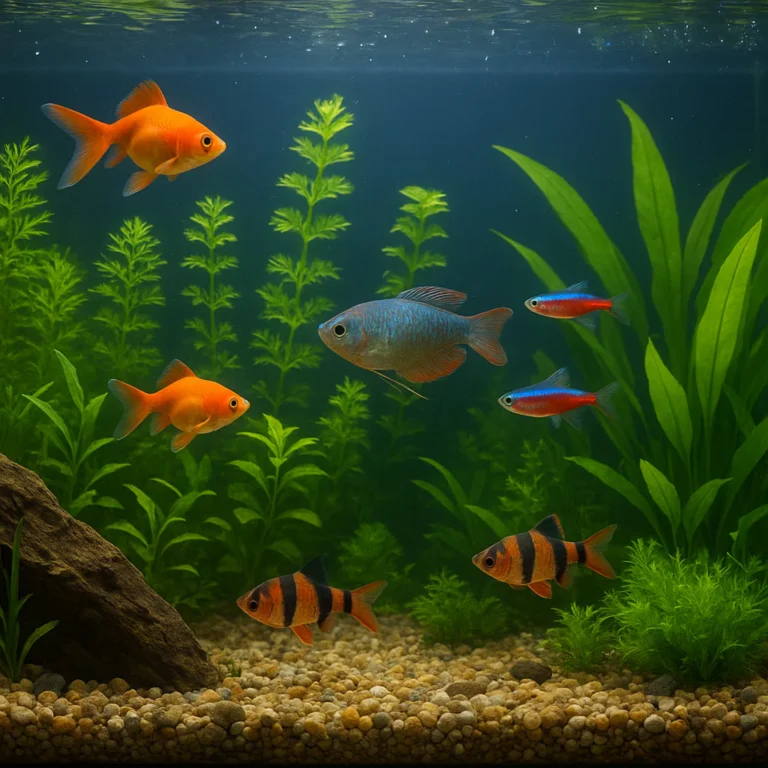
Ever caught yourself daydreaming about a dazzling aquarium where neon tetras swim alongside vibrant clownfish? We get it — the idea of blending the serene freshwater world with the colorful marine realm sounds like a fishkeeper’s fantasy come true. But before you start mixing those water types, here’s a splash of reality: saltwater and freshwater fish require fundamentally different environments that make sharing a tank nearly impossible without risking their health.
At Aquarium Music™, we’ve orchestrated countless aquatic setups, and one thing is clear — trying to mix saltwater and freshwater fish is like trying to play a violin and a drum in the same symphony. It just doesn’t harmonize. But don’t swim away just yet! We’ll dive deep into the science of osmoregulation, explore the fascinating exceptions like brackish water species, and even reveal expert tips on creating thriving tanks that respect each fish’s unique needs. Ready to find out why your dream mixed tank might be better as two separate masterpieces? Let’s dive in!
Key Takeaways
- Mixing saltwater and freshwater fish in the same tank is not recommended due to vastly different salinity and water chemistry needs.
- Osmoregulation differences mean fish cannot survive in the “wrong” water type without severe stress or death.
- Brackish water tanks offer a unique middle ground with species adapted to moderate salinity levels.
- Proper equipment and filtration differ greatly between freshwater and saltwater setups, making combined tanks impractical.
- For a healthy aquarium, specialize in one ecosystem and tailor your tank’s environment accordingly.
Curious about the best gear for your chosen tank? Check out our expert recommendations in Aquarium Equipment and start building your perfect aquatic symphony today!
Table of Contents
- ⚡️ Quick Tips and Facts: The Short Answer to Mixing Saltwater and Freshwater Fish
- 📜 A Brief History of Aquatic Hobbies: From Goldfish Bowls to Reef Tanks (and Why We Specialize!)
- 🤔 Can I Really Mix Saltwater and Freshwater Fish? The Million-Dollar Question Answered!
- 🔬 The Salinity Showdown: Why Osmoregulation Makes Mixing a No-Go Zone
- 🌊 Worlds Apart: The Drastically Different Water Parameters of Marine vs. Freshwater Aquariums
- ☠️ The Grim Reality: What Happens When You Attempt the Impossible Mix?
- 🛠️ Equipment Clash: Why Your Gear Won’t Cut It for Both Saltwater and Freshwater Setups
- 🧐 The “But What About…?” Moments: Addressing Common Misconceptions and Rare Exceptions
- 💡 Your Dream Tank, Our Expert Advice: Crafting a Thriving Aquatic Ecosystem
- 🎉 Conclusion: Embrace the Diversity, Respect the Science!
- 🔗 Recommended Links: Dive Deeper into Your Aquatic Journey
- ❓ FAQ: Your Most Pressing Questions About Mixing Fish Answered!
- 📚 Reference Links: Our Sources and Further Reading for Aquarium Enthusiasts
⚡️ Quick Tips and Facts: The Short Answer to Mixing Saltwater and Freshwater Fish
If you’re here wondering, “Can I mix saltwater and freshwater fish in the same tank?” — buckle up, because the short answer is a resounding ❌ no. At Aquarium Music™, where we dive into a symphony of aquatic life, we’ve seen firsthand how tempting it is to combine these two worlds. But the truth is, freshwater and saltwater fish have fundamentally different needs that make sharing a tank a recipe for disaster.
Quick Facts at a Glance
| Aspect | Freshwater Fish | Saltwater Fish |
|---|---|---|
| Salinity | Near 0 ppt (parts per thousand) | ~30-35 ppt (ocean-like) |
| Osmoregulation | Retain salts, excrete water | Excrete salts, retain water |
| pH Range | 6.5 – 8.0 | 8.0 – 8.4 |
| Temperature Range | 72°F – 78°F (varies by species) | 74°F – 82°F (varies by species) |
| Typical Tank Setup | Gravel substrate, freshwater plants | Live rock, coral sand substrate |
| Common Diseases | Ich, fin rot | Marine ich, velvet, bacterial infections |
Why You Shouldn’t Mix Them
- Salinity differences cause osmotic stress — fish cells either shrivel or burst.
- Different water chemistry (pH, hardness) requirements.
- Conflicting equipment needs (e.g., salt mix vs. freshwater conditioners).
- Increased risk of stress, illness, and death.
- Incompatible behavior and territoriality.
Want to know why your betta won’t survive with a clownfish? Or how some fish like salmon pull off the ultimate aquatic identity crisis? Stick around — we’ll unravel the science, share expert tips, and even explore the fascinating world of brackish water tanks where the lines blur a bit.
For a deeper dive into fish care basics, check out our Fish Care and Species Profiles.
📜 A Brief History of Aquatic Hobbies: From Goldfish Bowls to Reef Tanks (and Why We Specialize!)

Aquarium keeping has evolved from simple goldfish bowls to complex ecosystems that mimic coral reefs. Back in the day, hobbyists kept freshwater fish because they were easier to maintain. Saltwater tanks were considered the “holy grail” of the hobby — beautiful but notoriously difficult.
The Evolution of Aquarium Keeping
- Early 1900s: Goldfish and carp in simple bowls or ponds.
- Mid-20th Century: Introduction of tropical freshwater fish like tetras and cichlids.
- 1960s-70s: Advances in saltwater aquarium technology — protein skimmers, live rock.
- Modern Era: Sophisticated reef tanks with corals, invertebrates, and marine fish.
At Aquarium Music™, we specialize in creating harmonious aquatic environments that sing with life — whether freshwater or saltwater. We’ve learned that trying to mix these two worlds in one tank is like trying to play a violin and a drum in the same key — it just doesn’t work.
Curious about the gear that revolutionized saltwater tanks? We’ll get there soon.
🤔 Can I Really Mix Saltwater and Freshwater Fish? The Million-Dollar Question Answered!
Let’s cut to the chase: mixing saltwater and freshwater fish in the same tank is not feasible for healthy, long-term aquarium keeping. Here’s why:
The Biological Divide
- Freshwater fish evolved in low-salinity environments like rivers and lakes.
- Saltwater fish evolved in high-salinity oceans.
- Their bodies regulate water and salt differently, a process called osmoregulation (more on that below).
What Happens If You Try?
- Saltwater fish in freshwater will suffer cell swelling and death.
- Freshwater fish in saltwater will dehydrate and die.
- The water chemistry required for one is toxic to the other.
- Stress leads to immune suppression and disease.
Exceptions? Yes, but Rare
- Some species like salmon and bull sharks can survive in both environments because they are anadromous — migrating between fresh and saltwater.
- These are the exceptions, not the rule.
So, while the idea of a mixed tank might sound like an epic aquatic mashup, it’s biologically impossible for most species.
For a detailed look at fish physiology, check out our Fish Care and Species Profiles.
🔬 The Salinity Showdown: Why Osmoregulation Makes Mixing a No-Go Zone
Understanding Osmosis: A Fish’s Internal Battle for Balance
Osmoregulation is the process by which fish maintain the balance of water and salts inside their bodies relative to their environment. It’s a delicate dance:
- In freshwater, the environment is less salty than the fish’s body fluids. Water tends to enter the fish’s cells, so freshwater fish excrete large amounts of dilute urine and actively retain salts.
- In saltwater, the environment is saltier than the fish’s body fluids. Water tends to leave the fish’s cells, so saltwater fish drink seawater and excrete excess salts through specialized cells in their gills.
The Delicate Balance: How Different Fish Cope with Water Chemistry
| Fish Type | Osmoregulation Strategy | Result if Placed in Opposite Environment |
|---|---|---|
| Freshwater Fish | Retain salts, excrete excess water | Cells swell, water intoxication, death |
| Saltwater Fish | Excrete salts, conserve water | Cells dehydrate, shrink, fatal dehydration |
Trying to keep both types in one tank means forcing fish to live in an environment that disrupts this balance — a biological nightmare.
Want to geek out on osmoregulation? The Scuba Diving article has an excellent explainer.
🌊 Worlds Apart: The Drastically Different Water Parameters of Marine vs. Freshwater Aquariums
pH, Hardness, and Ammonia: A Tale of Two Tanks
| Parameter | Freshwater Tank | Saltwater Tank |
|---|---|---|
| pH | 6.5 – 8.0 | 8.0 – 8.4 |
| Hardness (GH) | Soft to moderately hard | Moderate to hard (due to salts) |
| Ammonia Tolerance | Very low; toxic at >0.02 ppm | Very low; toxic at >0.02 ppm |
| Salinity | Near 0 ppt | 30-35 ppt |
Maintaining these parameters requires different water treatments and monitoring tools.
Temperature Tango: Finding the Right Heat for Your Aquatic Friends
- Freshwater tropical fish thrive between 72°F and 78°F.
- Most marine fish prefer 74°F to 82°F.
- Some overlap exists, but combined with salinity and pH differences, it’s not enough to bridge the gap.
For more on water parameters, visit our Tank Maintenance section.
☠️ The Grim Reality: What Happens When You Attempt the Impossible Mix?
Stress, Sickness, and Sad Endings: The Toll on Your Fish’s Health
Fish are sensitive creatures. When placed in incompatible water:
- They experience osmotic stress.
- Their immune systems weaken.
- They become prone to diseases like ich, fin rot, or marine velvet.
- Growth is stunted, and mortality rates skyrocket.
Our aquarists have witnessed heartbreaking losses from well-meaning but misguided attempts to mix fish types.
Disease Vectors: Unwanted Guests in a Mixed Environment
Mixing freshwater and saltwater fish can also introduce pathogens that thrive in one environment but devastate the other. This cross-contamination is a hidden danger.
🛠️ Equipment Clash: Why Your Gear Won’t Cut It for Both Saltwater and Freshwater Setups
Filtration Follies: Different Needs, Different Solutions for Marine and Freshwater
| Equipment Aspect | Freshwater Setup | Saltwater Setup |
|---|---|---|
| Filter Media | Sponge, activated carbon, bio-balls | Live rock, protein skimmer, refugium |
| Biological Filtration | Beneficial bacteria on substrate and filter | Bacteria on live rock and sand beds |
| Mechanical Filtration | Standard filter floss or pads | Skimmer foam and mechanical filters |
Heaters, Hydrometers, and Salt Mix: The Specialized Tools of the Trade
- Hydrometers or refractometers are essential for measuring saltwater salinity.
- Saltwater tanks require marine salt mixes like Instant Ocean or Red Sea Coral Pro.
- Freshwater tanks use dechlorinators and sometimes water conditioners.
- Temperature control overlaps but must be precise for each environment.
Substrate and Decor: Beyond Aesthetics in Your Aquarium Aquascape
- Freshwater tanks often use gravel or sand with live plants.
- Saltwater tanks use aragonite sand or crushed coral substrates.
- Live rock in saltwater tanks provides biological filtration and habitat.
Trying to combine these substrates leads to water chemistry conflicts and aesthetic chaos.
For gear recommendations, check our Aquarium Equipment page.
🧐 The “But What About…?” Moments: Addressing Common Misconceptions and Rare Exceptions
Brackish Water Wonders: The True Bridge Between Aquatic Worlds
Brackish water is a fascinating middle ground — water with salinity levels between freshwater and seawater (typically 0.5 to 30 ppt). This environment supports species that tolerate a range of salinities.
1. Our Favorite Brackish Fish Species: A List of Adaptable Aquatics
| Species | Salinity Range (ppt) | Notes |
|---|---|---|
| Figure 8 Pufferfish | 1 – 15 | Hardy, playful, requires care |
| Bumblebee Goby | 1 – 15 | Small, peaceful |
| Scat Fish | 5 – 15 | Omnivorous, schooling fish |
| Archerfish | 0 – 10 | Unique hunting behavior |
Setting Up a Brackish Biotope: A Unique Aquascaping Challenge
- Use a refractometer to monitor salinity precisely.
- Gradually adjust salinity during water changes.
- Choose substrate and plants tolerant of brackish conditions (e.g., Java fern).
- Maintain stable pH around 7.5 to 8.5.
Brackish tanks are a rewarding compromise but require dedicated care.
Amphibious Adventurers: Fish That Defy the Water Line in Paludariums
Some species like mudskippers and certain gobies live in environments that blend water and land. Paludariums mimic these habitats but are specialized setups, not mixed salt/fresh tanks.
The Myth of the “Adaptable” Fish: Why You Shouldn’t Risk It
Some hobbyists claim certain fish can adapt to both environments, but this is usually short-lived or stressful for the fish. We strongly advise against risking your aquatic friends’ health for the sake of novelty.
💡 Your Dream Tank, Our Expert Advice: Crafting a Thriving Aquatic Ecosystem
Choosing Your Path: Freshwater or Saltwater? The Ultimate Aquarium Decision
Deciding between freshwater and saltwater tanks is like choosing between jazz and classical music — both beautiful, but with very different instruments and techniques.
- Freshwater tanks are generally easier and more affordable for beginners.
- Saltwater tanks offer dazzling colors and complex ecosystems but require more investment and knowledge.
The Joy of Specialization: Deep Diving into One Ecosystem
Focusing on one type of aquarium allows you to master water chemistry, fish behavior, and aquascaping techniques. This leads to healthier fish and a more rewarding hobby.
Responsible Fishkeeping: Ethics and Empathy in the Hobby
- Avoid impulse buys of incompatible species.
- Research species’ needs thoroughly.
- Provide proper quarantine and acclimation.
- Respect the natural habitats and behaviors of your fish.
For step-by-step guides on setting up your ideal tank, visit our Aquarium Setup section.
If you’re ready to explore the best equipment for your chosen tank type or want to learn about compatible species, we’ve got you covered in our Aquarium Equipment and Fish Care and Species Profiles categories.
👉 CHECK PRICE on:
- Instant Ocean Marine Salt Mix: Amazon | Bulk Reef Supply | Instant Ocean Official Website
- API Freshwater Master Test Kit: Amazon | Chewy | API Official Website
- Reef Octopus Protein Skimmer: Amazon | Marine Depot | Reef Octopus Official Website
Ready to learn more about the science behind your aquatic friends? Check out our Tank Maintenance and Aquascaping and Aquatic Plants articles for expert tips and inspiration!
🎉 Conclusion: Embrace the Diversity, Respect the Science!

So, can you mix saltwater and freshwater fish in the same tank? The answer is crystal clear: no, you really shouldn’t. Our expert team at Aquarium Music™ has walked this path many times, and the biological, chemical, and equipment challenges are simply too great to overcome for a healthy, thriving aquarium.
We’ve explored the fundamental differences in osmoregulation, water chemistry, and equipment needs that separate these two aquatic worlds. While the idea of a mixed tank sounds like a dazzling aquatic mashup, it’s more like trying to play two different symphonies on the same instrument — the result is discord, stress, and often tragedy for your fish.
That said, if you’re fascinated by the idea of blending environments, brackish water tanks offer a fascinating and viable middle ground. Species like figure 8 puffers and archerfish thrive in these conditions, and setting up a brackish biotope can be a rewarding challenge for intermediate hobbyists.
If you’re ready to dive deep into one ecosystem, whether freshwater or saltwater, focus on mastering that environment. Use specialized equipment like Instant Ocean Marine Salt Mix for marine tanks, or trusted freshwater test kits like API Master Test Kit. For saltwater setups, devices like the Reef Octopus Protein Skimmer are game-changers in maintaining water quality.
Remember, responsible fishkeeping means respecting the natural needs of your aquatic pets and providing them with the best environment possible. Mixing saltwater and freshwater fish in one tank is a well-intentioned but ultimately harmful idea. Instead, embrace the diversity of each ecosystem and let your aquarium sing in perfect harmony.
🔗 Recommended Links: Dive Deeper into Your Aquatic Journey
👉 CHECK PRICE on:
-
Instant Ocean Marine Salt Mix:
Amazon | Bulk Reef Supply | Instant Ocean Official Website -
API Freshwater Master Test Kit:
Amazon | Chewy | API Official Website -
Reef Octopus Protein Skimmer:
Amazon | Marine Depot | Reef Octopus Official Website
Recommended Books for Further Reading:
-
The Simple Guide to Freshwater Aquariums by David E. Boruchowitz
Amazon Link -
The Marine Aquarium Handbook: Beginner to Breeder by Martin A. Moe Jr.
Amazon Link -
Brackish Water Fishes by Robert W. Fenner
Amazon Link
❓ FAQ: Your Most Pressing Questions About Mixing Fish Answered!

What are some beginner-friendly fish species that can tolerate changes in water salinity for a mixed tank setup?
Answer:
While true mixed saltwater and freshwater tanks are not feasible, brackish water fish are your best bet for species that tolerate varying salinity. Examples include:
- Figure 8 Pufferfish
- Bumblebee Goby
- Scat Fish
- Archerfish
These species thrive in salinity levels between freshwater and seawater (0.5 to 15 ppt). However, maintaining stable salinity is crucial, and beginners should research each species’ specific needs carefully.
How do I choose the right equipment and filtration system for a mixed saltwater and freshwater tank?
Answer:
Since mixing saltwater and freshwater fish in one tank is not recommended, there is no “mixed” filtration system per se. Instead, choose equipment tailored to your tank type:
- Freshwater tanks: Use sponge filters, canister filters, or hang-on-back filters with biological media like bio-balls or ceramic rings.
- Saltwater tanks: Require live rock for biological filtration and often a protein skimmer (e.g., Reef Octopus) to remove dissolved organics. Mechanical filtration with foam pads is common.
Attempting to combine these systems can lead to poor water quality and fish health issues.
What types of fish can thrive in a brackish water aquarium with mixed salinity levels?
Answer:
Brackish water fish are adapted to fluctuating salinity and include:
- Figure 8 Pufferfish
- Bumblebee Goby
- Scat Fish
- Archerfish
- Mono Fish
- Mollies (some strains tolerate brackish water)
These species require careful salinity management, typically between 1.005 and 1.015 specific gravity, and stable pH around 7.5–8.5.
Can I use a brackish water tank to keep both saltwater and freshwater fish in the same environment?
Answer:
A brackish tank is a compromise environment but not a true mix of saltwater and freshwater fish. Only species adapted to brackish conditions can thrive. True freshwater fish will struggle with elevated salinity, and true marine fish require higher salinity levels. So, while brackish tanks blur the lines, they do not support typical freshwater and saltwater fish together.
What are the health risks to fish when transitioning from saltwater to freshwater or vice versa?
Answer:
Transitioning fish between saltwater and freshwater is extremely stressful and often fatal due to osmoregulatory failure. Fish cells either swell or shrink, leading to dehydration or water intoxication. Only a few species like salmon and bull sharks have physiological adaptations for this transition. For most fish, abrupt or gradual changes in salinity cause stress, immune suppression, and death.
How do I maintain proper water quality when keeping both saltwater and freshwater fish together?
Answer:
Maintaining water quality for both simultaneously is practically impossible because:
- Saltwater requires stable salinity, pH, and calcium/magnesium levels.
- Freshwater requires low or zero salinity and different pH and hardness.
- Equipment and water treatments differ drastically.
The best practice is to keep separate tanks tailored to each environment.
What are the compatibility requirements for mixing different fish species in a tank?
Answer:
Compatibility depends on:
- Water parameters: pH, temperature, salinity, hardness.
- Behavior: Aggression, territoriality, schooling tendencies.
- Diet: Carnivorous, herbivorous, omnivorous needs.
- Size and growth rate: Avoid predation or bullying.
Always research species-specific needs and avoid mixing saltwater and freshwater fish due to incompatible water chemistry.
What are the risks of mixing saltwater and freshwater fish in one aquarium?
Answer:
Risks include:
- Osmotic stress leading to illness or death.
- Incompatible water chemistry causing poor health.
- Increased disease susceptibility.
- Equipment incompatibility leading to poor filtration and water quality.
- Behavioral conflicts due to differing species needs.
How do saltwater and freshwater fish differ in care requirements?
Answer:
Saltwater fish require:
- Stable salinity (~1.025 specific gravity).
- Protein skimmers and live rock filtration.
- Specialized salt mixes and water supplements (calcium, magnesium).
- Often higher lighting for coral tanks.
Freshwater fish require:
- Dechlorinated tap water with low or zero salinity.
- Standard biological and mechanical filtration.
- Regular water changes with freshwater conditioners.
Can freshwater fish survive in brackish water conditions?
Answer:
Some freshwater species, like certain mollies and guppies, can tolerate low brackish salinity temporarily. However, prolonged exposure to brackish water can stress or kill most freshwater fish. Always research species tolerance before attempting.
What tank setup is needed for a mixed saltwater and freshwater fish environment?
Answer:
A true mixed saltwater and freshwater environment is not viable. Instead, consider:
- Separate tanks for each environment.
- Or a brackish water tank with species adapted to intermediate salinity.
Each requires specific substrate, filtration, water chemistry, and equipment.
Are there any fish species that thrive in both saltwater and freshwater?
Answer:
Very few species can thrive in both, mainly anadromous fish like:
- Salmon
- Bull sharks
- Some eels
These species migrate naturally between environments and have specialized physiology. They are not typical aquarium fish.
How does water salinity affect fish health in a mixed tank?
Answer:
Salinity directly impacts fish osmoregulation. Incorrect salinity causes:
- Cell damage (swelling or shrinking).
- Stress and immune suppression.
- Increased susceptibility to disease.
- Death if exposure is prolonged.
Maintaining proper salinity is critical for fish health.
What are the best practices for maintaining water quality in a mixed-species aquarium?
Answer:
For mixed species within the same water type (freshwater or saltwater):
- Regular water testing (pH, ammonia, nitrite, nitrate).
- Consistent partial water changes.
- Proper filtration and biological media.
- Avoid overstocking and overfeeding.
- Quarantine new arrivals.
For saltwater and freshwater fish, best practice is not to mix.
📚 Reference Links: Our Sources and Further Reading for Aquarium Enthusiasts
-
Blessings Aquarium — Can You Keep Freshwater and Saltwater Fish Together?
https://www.blessingsaquarium.com/post/can-you-keep-freshwater-and-saltwater-fish-together -
Scuba Diving — Can Fish Survive Both Fresh and Salt Water?
https://www.scubadiving.com/can-fish-survive-both-fresh-and-salt-water -
Tropical Fish Hobbyist Magazine — Making the Freshwater to Saltwater Switch
https://www.tfhmagazine.com/articles/saltwater/making-the-freshwater-to-saltwater-switch-full -
Instant Ocean Official Website
https://www.instantocean.com/ -
API Fish Care Official Website
https://www.apifishcare.com/ -
Reef Octopus Official Website
https://reefoctopus.com/
At Aquarium Music™, we believe that every fish deserves its perfect stage. Mixing saltwater and freshwater fish in the same tank? It’s a duet best left unplayed. Instead, embrace the unique beauty of each aquatic world and create your own masterpiece!