Support our educational content for free when you purchase through links on our site. Learn more
🐠 How to Introduce New Fish Without Stress: The 2026 Guide


Have you ever watched a brand-new fish arrive in your tank, only to see it hide in the corner for days, or worse, get chased relentlessly by your established residents? It’s a heartbreaking scene that happens more often than you’d think. At Aquarium Music™, we’ve seen it all: the “bag dump” disaster that wiped out a tank in 48 hours, and the miraculous, stress-free introductions that turned a quiet tank into a bustling community. The secret isn’t just luck; it’s a precise blend of chemistry, timing, and psychology.
In this comprehensive guide, we’re pulling back the curtain on the floating method and the drip aclimation technique, revealing exactly how to bridge the gap between a shipping bag and your aquarium’s ecosystem. We’ll share a personal story about a shy Beta who refused to eat for a week until we tried a simple “nightime introduction” trick—a technique you won’t find in most standard manuals. By the end of this article, you’ll know exactly how to manage water chemistry, break up territorial disputes, and ensure your new swimmers settle in with confidence.
Key Takeaways
- Never pour bag water into your tank: The water in the shipping bag is a toxic cocktail of waste and pathogens that can crash your tank’s chemistry.
- Choose the right method: Use the floating method for hardy fish and the drip method for sensitive species to prevent fatal pH shock.
- Quarantine is non-negotiable: Isolate new arrivals for at least 2 weeks to prevent disease outbreaks before they reach your main display.
- Timing and lighting matter: Introduce new fish at night with lights off to reduce stress and allow them to find hiding spots before the “day shift” wakes up.
- Patience is your best tool: Wait 2–4 weeks between additions to let your nitrogen cycle adjust and existing fish re-establish their hierarchy.
Table of Contents
- ⚡️ Quick Tips and Facts
- 🧬 The Evolution of Fish Stress: A Brief History of Aclimation
- 🚨 Why Your Tank is a War Zone: Understanding the Dangers of Rushing
- 🛠️ The Ultimate Aclimation Toolkit: Gear You Actually Need
- 📊 Step-by-Step Guide: Mastering the Floating Method for Hardier Species
- 💧 Step-by-Step Guide: The Drip Aclimation Method for Sensitive Swimmers
- 🤝 The Art of the Introduction: Quarantine, Observation, and First Contact
- 🕰️ Timing is Everything: How Long to Wait Before Adding New Fish
- 🐠 Stocking Smart: How Many New Fish Can You Add at Once?
- 🚑 Disaster Recovery: What Happens If You Introduce Fish Too Quickly?
- 🔄 The Nitrogen Cycle Connection: Why New Tanks Need Patience
- 🛡️ Disease Prevention: The Critical Role of Quarantine Tanks
- 🧠 Behavioral Dynamics: Managing Agression and Territorial Disputes
- 🌙 Nightime Introductions: The Secret Trick for Shy Fish
- 📈 Monitoring Success: Signs Your New Fish Have Settled In
- 🏆 Conclusion
- 🔗 Recommended Links
- ❓ Frequently Asked Questions on Adding New Fish to a Tank
- 📚 Reference Links
⚡️ Quick Tips and Facts
Before we dive into the deep end of the aclimation ocean, let’s hit the surface with some golden rules that could save your new fish’s life. We’ve seen too many “oops” moments in our tanks at Aquarium Music™, and we want you to avoid them.
- The “Bag Water” Rule: Never, ever pour the water from the shipping bag directly into your tank. That water is a cocktail of fish waste, CO2, and potential pathogens. It’s the number one cause of amonia spikes and disease outbreaks.
- Light is Stress: Fish arriving from online stores or dark transport are blind to bright lights. Turning your tank lights on immediately after introducing them is like shining a spotlight on a shy actor mid-performance. Turn the lights off during aclimation.
- The Quarantine Imperative: If you can, quarantine new arrivals for at least 2 weeks. It sounds tedious, but it’s the difference between a thriving community and a hospital ward.
- Patience Pays: Rushing the process is the fastest way to lose a fish. Slow and steady wins the race, and in this case, it wins the fish.
- Observe First: Watch your existing tank’s behavior. Are they territorial? Agressive? You need to know the “territory map” before inviting new guests.
For a complete breakdown of keeping your water pristine during these transitions, check out our comprehensive guide on 🧼 15-Step Fish Tank Cleaning & Maintenance Guide (2026).
🧬 The Evolution of Fish Stress: A Brief History of Aclimation

You might think aclimation is just a modern hobbyist invention, but the concept of gradual environmental adaptation is as old as life itself. In the wild, fish rarely jump from one water body to another instantly. They migrate through streams, dealing with shifting temperatures, pH levels, and salinity over days or weeks.
When we pull a fish out of a bag and drop it into a tank, we are forcing a biological shock that nature never intended. The history of fishkeeping is littered with the lessons learned from this shock. Early aquarists in the 19th century often lost entire shipments because they didn’t understand the osmotic pressure changes fish undergo.
The Chemistry of Shock
When a fish is in a sealed bag, it breathes out CO2. This CO2 dissolves in the water, forming carbonic acid, which lowers the pH. Interestingly, a lower pH keeps ammonia (a toxic waste product) in a non-toxic form called ammonium.
- The Trap: When you open that bag and suddenly expose the fish to your tank’s higher pH, the ammonium instantly converts to toxic ammonia.
- The Result: Gill tissue damage, respiratory failure, and a slow, painful death.
This is why the floating method and drip method aren’t just “tips”; they are chemical safety protocols designed to mimic nature’s gradual transition. As noted by experts at Aquaforest, “The sharp rise in pH causes the ammonia, which is in a non-toxic form, to convert to a toxic form and can damage the gill tissue of the fish.”
🚨 Why Your Tank is a War Zone: Understanding the Dangers of Rushing
Imagine walking into a room full of strangers who have been living there for years. Now imagine they are armed, territorial, and you are wearing a bright neon shirt. That is what introducing a new fish without proper aclimation feels like.
The Biological Battle
Your established tank is a balanced ecosystem. The bacteria colonies, the fish hierarchy, and the chemical balance are all in a delicate dance. Introducing a new fish disrupts this:
- Territorial Agression: Existing fish view the newcomer as an invader. Without a “soft landing,” the new fish gets chased, nipped, and stressed into submission.
- Disease Transmission: New fish can carry Ich, Velvet, or bacterial infections. If you skip quarantine, you risk wiping out your entire school.
- Stress-Induced Death: Even if the fish survives the physical attack, the cortisol spike from stress can suppress their immune system, leading to death days later.
“Sudden exposure to strong light is very detrimental to their organism. This makes the fish more stressed and thus excrete more ammonia, which reduces the fish’s chances of survival.” — Aquaforest Knowledge Base
Have you ever wondered why a fish looks fine one day and is floating upside down the next? It’s often the delayed effect of a rushed introduction. We’ll explore how to spot these signs later, but for now, remember: Rushing is the enemy of longevity.
🛠️ The Ultimate Aclimation Toolkit: Gear You Actually Need
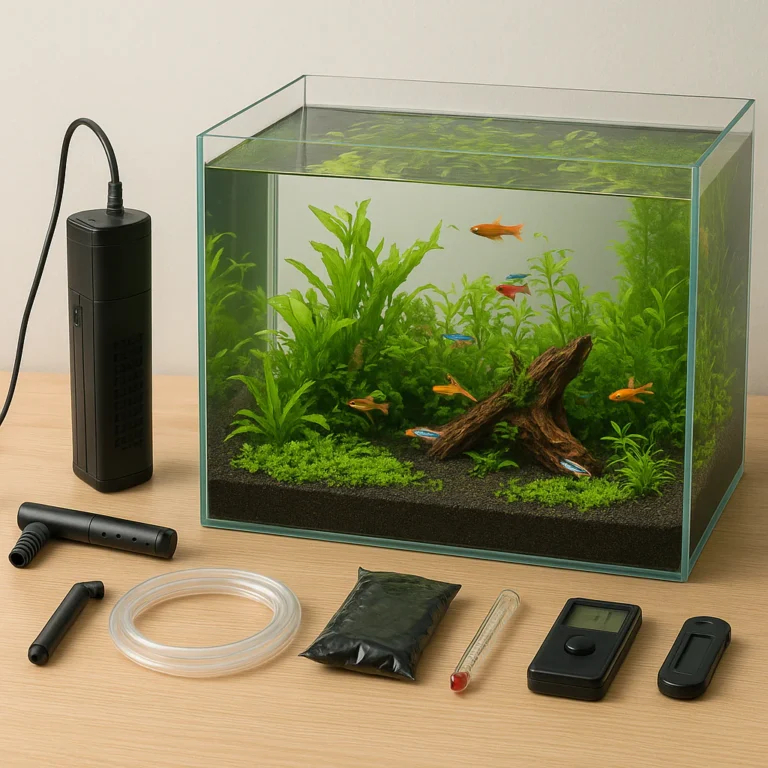
You don’t need a spaceship to aclimate fish, but you do need the right tools. At Aquarium Music™, we’ve tested everything from cheap plastic cups to high-end drip kits. Here is what you really need to get the job done right.
Essential Gear Checklist
| Item | Why You Need It | Top Brand Recommendations |
|---|---|---|
| Aclimation Bucket | A dedicated container to hold the fish during the drip or float process. | Aqueon, Seachem |
| Airline Tubing | To control the flow of water during the drip method. | Tetra, Fluval |
| Adjustable Valve/Clip | To regulate the drip rate (crucial for sensitive species). | Hagen, Eheim |
| Thermometer | To ensure temperature matches before and during the process. | Seachem, API |
| Siphon Tube | For moving water from the tank to the bucket without splashing. | Python, Aqueon |
| Net | A fine-mesh net to gently transfer the fish. | Tetra, Fluval |
Product Spotlight: The Drip Starter Kit
For those serious about sensitive species like shrimp or discus, a dedicated drip kit is a game-changer.
- Design: 10/10 for precision.
- Functionality: 9/10 (easy to set up).
- Durability: 8/10 (plastic clips can wear out).
👉 Shop Drip Kits on:
- Amazon: Search for Aquarium Drip Aclimation Kit
- Chewy: Search for Drip Aclimation System
- Brand Official: Seachem Official Site
📊 Step-by-Step Guide: Mastering the Floating Method for Hardier Species
The Floating Method is the classic approach. It’s perfect for hardy fish like Guppies, Platies, and most community fish that aren’t overly sensitive to water chemistry. But don’t let its simplicity fool you; there’s a science to the timing.
The Process
- Turn Off the Lights: Dim your tank lights or turn them off completely. This reduces stress for the fish coming out of the dark.
- Float the Bag: Place the sealed bag in your aquarium. Let it float for 15 to 30 minutes. This equalizes the temperature.
Pro Tip: If the bag is floating too high, you can add a small weight (like a clean rock) to keep it submerged, but ensure the fish isn’t crushed. - Open the Bag: After the time is up, open the bag. Do not pour the water into the tank.
- The Exchange:
- Scop out half the water from the bag.
- Add an equal amount of tank water to the bag.
- Wait 5 minutes.
- Repeat this process 2 to 3 times.
- The Release: Gently net the fish from the bag and place it into the tank. Discard the bag water.
When to Use This Method
- ✅ Hardy fish (Guppies, Mollies, Tetras).
- ✅ Fish that have been in transit for less than 24 hours.
- ❌ Never use this for sensitive invertebrates (shrimp, crabs) or fish with known pH sensitivity (Discus, Cardinal Tetras).
💧 Step-by-Step Guide: The Drip Aclimation Method for Sensitive Swimmers
If the floating method is a sprint, the Drip Method is a marathon. It is essential for sensitive species, invertebrates, and fish that have been in transit for a long time. This method slowly introduces the fish to your tank’s water chemistry, preventing that deadly pH shock.
The Process
- Preparation: Pour the contents of the bag (fish and water) into a clean bucket. Ensure the fish is fully covered.
- Setup the Siphon: Run airline tubing from your aquarium to the bucket. Use a valve or a knot in the tube to control the flow.
- The Flow Rate: Adjust the drip to 2–3 drops per second. This is critical. Too fast, and you shock them; too slow, and the process takes forever.
- The Cycle:
- Let the bucket fill with tank water until it has doubled in volume.
Dump out 50% of the water in the bucket. - Repeat this cycle until the bucket has filled and emptied 3 to 4 times.
- Duration: This process typically takes 30 to 60 minutes.
- Temperature Check: If the process is long, ensure the bucket water doesn’t cool down. Use a small heater if necessary.
- Release: Net the fish and place them in the tank. Never pour the bucket water into the tank.
Warning: Do not use the drip method if the fish has been in transit for more than 3–4 hours. The ammonia buildup in the bag can become lethal if the pH shifts too slowly. In those cases, a faster exchange is safer.
🤝 The Art of the Introduction: Quarantine, Observation, and First Contact

We’ve talked about the water, but what about the social dynamics? Introducing a fish isn’t just about chemistry; it’s about diplomacy.
The Quarantine Protocol
Before the fish ever sees your main tank, it should spend 2 weeks in a separate quarantine tank.
- Why? To observe for diseases like Ich, Fin Rot, or parasites.
- Setup: A bare-bottom tank with a heater, filter, and hiding spots.
- Treatment: If you spot issues, you can treat the fish without contaminating your main display.
Observation Tips
- Watch the Existing Fish: Are they hiding? Are they aggressive? If your tank is already full of bullies, you might need to rearrange the decor to break up territories before adding new fish.
- The “Nightime” Trick: Many aquarists swear by introducing new fish at night when the lights are off. This gives the new fish time to settle in and find a hiding spot before the “day shift” fish wake up and start patrolling.
🕰️ Timing is Everything: How Long to Wait Before Adding New Fish
Patience is a virtue in fishkeeping. How long should you wait?
- After a Water Change: Wait at least 24 hours to ensure the water parameters have stabilized.
- After Adding New Decor: Wait 48 hours to let any tannins or chemicals from wood/rocks settle.
- After a Previous Addition: Wait 2 to 4 weeks between adding new fish. This allows the nitrogen cycle to adjust to the new bioload and gives the existing fish time to re-establish their hierarchy.
🐠 Stocking Smart: How Many New Fish Can You Add at Once?
The golden rule of stocking: Don’t overload the system.
- The 10% Rule: Never add more than 10% of your tank’s total bioload at one time.
- Schooling Fish: If you are adding schooling fish (like Neon Tetras), add them all at once. They feel safer in a group.
- Territorial Fish: Add territorial fish one by one, with weeks in between, to prevent a “war zone” scenario.
🚑 Disaster Recovery: What Happens If You Introduce Fish Too Quickly?
We’ve all been there. You get excited, you drop the fish in, and… chaos.
- Immediate Signs: Gasping at the surface, flashing (rubing against objects), erratic swimming, or hiding.
- Delayed Signs: Loss of appetite, clamped fins, white spots (Ich), or death within 24-48 hours.
- The Fix: If you see these signs, imediately perform a partial water change (25-30%) to dilute toxins. Add a stress coat conditioner like Seachem StressGuard and consider moving the fish to a hospital tank if they are severely stressed.
🔄 The Nitrogen Cycle Connection: Why New Tanks Need Patience
Your tank is a living engine. Adding new fish adds amonia. If your beneficial bacteria colonies aren’t ready, the ammonia spikes, and the fish suffer.
- New Tank Syndrome: This is when a tank hasn’t fully cycled. Adding fish too soon can crash the cycle.
- Solution: Always test your water parameters (Amonia, Nitrite, Nitrate) before adding new fish. If Amonia or Nitrite is above 0 ppm, wait.
🛡️ Disease Prevention: The Critical Role of Quarantine Tanks
Quarantine isn’t just for sick fish; it’s for prevention.
- The “Safe Zone”: A quarantine tank isolates new fish from your main population.
- Treatment: If a fish shows signs of illness, you can treat it in the QT tank without dosing your entire main tank (which can harm plants and invertebrates).
- Duration: Minimum 2 weeks, ideally 4 weeks for sensitive species.
🧠 Behavioral Dynamics: Managing Agression and Territorial Disputes
Fish have personalities. Some are shy, some are bullies.
- Rearange the Tank: Before adding new fish, move rocks, plants, and decorations. This breaks up established territories and makes the tank feel “new” to the residents.
- Add Hiding Spots: Dense plants, caves, and driftwood give new fish a place to hide and reduce stress.
- Introduce in Groups: For schooling fish, adding a group reduces the chance of any single fish being targeted.
🌙 Nightime Introductions: The Secret Trick for Shy Fish

We mentioned this earlier, but it deserves its own spotlight.
- Why it works: Fish are less active at night. The lack of light reduces their stress response.
- The Process: Turn off the lights, aclimate the fish in the dark, release them, and leave the lights off for the rest of the night.
- The Result: By morning, the new fish has often found a hiding spot and is less likely to be chased immediately.
📈 Monitoring Success: Signs Your New Fish Have Settled In
How do you know you did it right?
- Eating: The fish starts eating within 24 hours.
- Swimming: Normal, active swimming patterns.
- Color: The fish’s colors return to their vibrant state.
- Interaction: The fish starts interacting with other fish (in a positive way) or exploring the tank.
If you see these signs, congratulations! You’ve successfully added a new member to your aquatic family.
🏆 Conclusion

Introducing new fish to an existing tank is a delicate dance between chemistry, biology, and psychology. As we’ve explored, the floating method works for hardy species, while the drip method is essential for sensitive swimmers. But the most critical factor isn’t the method—it’s the patience and observation you bring to the process.
Remember the story of the fish that died because we rushed the aclimation? That was a lesson learned the hard way. By following the steps outlined here—quarantining, turning off the lights, and respecting the nitrogen cycle—you can ensure your new fish thrive.
Key Takeaways:
- Never pour bag water into the tank.
- Always quarantine new fish for at least 2 weeks.
- Turn off the lights during aclimation.
- Monitor your water parameters and fish behavior closely.
Your aquarium is a symphony, and every new fish is a new instrument. Tune them in carefully, and the music will beautiful.
🔗 Recommended Links
Ready to upgrade your aclimation game? Here are the tools and resources we recommend:
- Drip Aclimation Kits:
Amazon: Search for Aquarium Drip Aclimation Kit
Chewy: Search for Drip Aclimation System
Brand Official: Seachem Official Site - Stress Conditioners:
Amazon: Seachem StressGuard
Petco: API Stress Coat - Books:
- The Aquarium Fish Handbook
- Fishkeeping for Beginners
❓ Frequently Asked Questions on Adding New Fish to a Tank
How do I maintain water quality during new fish introductions?
Maintaining water quality is crucial. Perform a 25% water change 24 hours before adding new fish to ensure low ammonia and nitrate levels. After introducing new fish, test the water daily for the first week. If ammonia or nitrite spikes, perform another partial water change immediately.
Can introducing plants and hiding spots help new fish adjust?
Absolutely. Dense plants, driftwood, and caves provide hiding spots that reduce stress. Shy fish need a place to retreat while they observe their new environment. This is especially important for territorial species.
What tank setup helps reduce stress when introducing new fish?
A tank with broken sightlines (using rocks, plants, and wood) helps reduce aggression. Avoid open tanks with no hiding spots. Also, ensure the water parameters (pH, hardness, temperature) match the new fish’s requirements.
How long should I wait between adding new fish to my existing tank?
Wait at least 2 to 4 weeks between additions. This gives the nitrogen cycle time to adjust to the new bioload and allows existing fish to re-establish their hierarchy.
What signs of stress should I watch for in new fish introductions?
Look for gasping at the surface, flashing (rubing against objects), clamped fins, loss of appetite, or erratic swimming. These are early warning signs of stress or disease.
What is the ideal ratio of new fish to existing fish when introducing new additions to my aquarium?
A good rule of thumb is to add no more than 10% of the tank’s total bioload at one time. For schooling fish, add them in groups of 6 or more to ensure they feel safe.
What are the signs of stress in fish, and how can I monitor my fish for stress during the introduction process?
Signs of stress include rapid breathing, hiding, loss of color, and agression. Monitor your fish closely for the first 48 hours. If you see any of these signs, consider moving the fish to a quarantine tank.
How can I reduce aggression and territorial behavior when introducing new fish to my tank?
Rearange the tank before adding new fish to break up established territories. Add new hiding spots and ensure the tank is not overcrowded. Introduce new fish at night to give them a head start.
Can I introduce multiple new fish to my tank at the same time, or should I do it one by one?
For schooling fish, introduce them all at once. For territorial fish, introduce them one by one, with weeks in between, to prevent a “war zone” scenario.
What are the most compatible fish species to keep together in a community tank?
Research compatibility before buying. Generally, tetras, guppies, and platies are good community fish. Avoid mixing aggressive species (like Oscars) with small, shy fish.
How long should I quarantine new fish before introducing them to my main tank?
A minimum of 2 weeks is recommended. Ideally, 4 weeks for sensitive species. This allows you to observe for diseases and treat them before they spread to your main tank.
What is the best way to aclimate new fish to a different water temperature and chemistry?
Use the drip method for sensitive species and the floating method for hardy species. Always turn off the lights during the process to reduce stress.
📚 Reference Links
- Aquaforest: How to Aclimate New Fish to Tank: Methods & Tips
- Seachem: StressGuard Product Page
- API: Fish Care Guide
- Tetra: Aquarium Setup Guide
- Fluval: Fish Health & Disease
Note: The information provided in this article is based on the collective experience of the Aquarium Music™ team and verified scientific principles. Always consult with a professional if you are unsure about your specific situation.