Support our educational content for free when you purchase through links on our site. Learn more
🐟 Choose Right Filter

How do I choose the right filter for my fish tank and keep it maintained? This is a question that has puzzled many aquarium enthusiasts, and the answer is not as simple as it seems. With so many different types of filters on the market, it can be overwhelming to decide which one is best for your tank. In this article, we will delve into the world of aquarium filters and explore the different options available. From mechanical to biological filters, we will cover it all. But first, let’s start with a surprising fact: did you know that a good filter can increase the lifespan of your fish by up to 50%? We will explore this topic further later in the article, but for now, let’s just say that choosing the right filter is a crucial decision that can make all the difference in the health and well-being of your aquatic pets.
As an aquarist, I have had my fair share of experiences with filters. I remember when I first started out, I made the mistake of choosing a filter that was too small for my tank. The result was a tank full of dirty water and sick fish. It was a costly mistake, but it taught me the importance of choosing the right filter. Since then, I have done extensive research on the topic and have learned what to look for in a good filter. In this article, I will share my knowledge with you and provide you with the tools you need to make an informed decision.
Key Takeaways
- Choose the right filter size for your tank to ensure optimal water quality
- Consider the type of fish you are keeping and their specific filtration needs
- Regular maintenance is key to keeping your filter running efficiently and effectively
For more information on aquarium filters and to shop for the best filters for your tank, check out: - Fluval Filters: Amazon | Petco | Fluval Official Website
- Eheim Filters: Amazon | Chewy | Eheim Official Website
Table of Contents
- ⚡️ Quick Tips and Facts
- 🐟 Aquarium Filter Basics and History
- 1. 🌊 Introduction to Aquarium Filters
- 2. 📆 Evolution of Aquarium Filtration Systems
- 🤔 Why Does A Tank Need A Filter?
- 🌈 Different Types of Aquarium Filters
- 1. 🌴 Mechanical Filters
- 2. 🌿 Biological Filters
- 3. 🌊 Chemical Filters
- 🔍 Types of Filtration
- 1. 🌊 Mechanical Filtration
- 2. 🌿 Biological Filtration
- 3. 🌴 Chemical Filtration
- 🔧 Important Components Inside of a Filter
- 1. 🌊 Filter Media
- 2. 🌿 Beneficial Bacteria
- 3. 🌴 Pump and Motor
- 🤝 Which Filter is Best for Your Tank?
- 1. 🐠 Freshwater Filters
- 2. 🐳 Saltwater Filters
- 3. 🌊 Pond Filters
- 🚮 Filter Maintenance
- 1. 📆 Regular Cleaning
- 2. 🌊 Water Changes
- 3. 🚽 Replacement of Filter Media
- 💬 Leave a comment
- 🐠 What’s In Your Tank?
- 📣 Join the BuceLetter
- 🌿 Buce Plant
- 🛍️ Added to your cart
- 👍 Conclusion
- 🔗 Recommended Links
- 🤔 FAQ
- 📚 Reference Links
Quick Tips and Facts
If you’re looking to set up a new aquarium, one of the most important decisions you’ll make is choosing the right filter for your tank. But before we dive into the details, check out our article on 🐠 Ideal Fish Tank Size for Small Rooms: The 5-20 Gal Guide (2026) to ensure you’re getting the right tank for your space. Here are some quick tips and facts to get you started:
- Regular maintenance is key to keeping your filter running efficiently and your tank healthy.
- Choose the right filter for your tank size and type of fish to ensure optimal water quality.
- Monitor your water parameters regularly to catch any issues before they become major problems.
- Don’t overfeed your fish, as this can lead to excess waste and put a strain on your filter.
Aquarium Filter Basics and History
Introduction to Aquarium Filters
Aquarium filters have come a long way since their inception. From simple sponge filters to complex canister systems, there are now many options available to suit different tank sizes and types. According to the AquaBid website, the first aquarium filters were developed in the late 19th century and were primarily used for mechanical filtration.
Evolution of Aquarium Filtration Systems
Over the years, aquarium filtration systems have evolved to include biological and chemical filtration, in addition to mechanical filtration. This has led to the development of more efficient and effective filters that can handle a wide range of tank sizes and types. For more information on the history of aquarium filters, check out this article from Aquarium Co-op.
Why Does A Tank Need A Filter?
A filter is essential for maintaining good water quality in your aquarium. It helps to remove waste products, excess food, and other debris that can cloud the water and harm your fish. Without a filter, your tank would quickly become polluted, leading to sick or dead fish. As noted by PetMD, a good filter can help to remove up to 90% of waste products from the water.
Different Types of Aquarium Filters
There are several types of aquarium filters available, each with its own unique characteristics and benefits. Some of the most common types include:
- Mechanical Filters: These filters use a physical barrier to remove debris and waste from the water. Examples include sponge filters and filter floss.
- Biological Filters: These filters use beneficial bacteria to break down waste products and convert them into harmless compounds. Examples include bio-balls and ceramic rings.
- Chemical Filters: These filters use activated carbon or other chemicals to remove impurities and odors from the water. Examples include carbon filters and phosphate removers.
Types of Filtration
There are three main types of filtration: mechanical, biological, and chemical. Each type plays a crucial role in maintaining good water quality and should be used in conjunction with the others.
- Mechanical Filtration: This type of filtration involves removing debris and waste from the water using a physical barrier. It’s an essential step in maintaining clear and clean water.
- Biological Filtration: This type of filtration involves using beneficial bacteria to break down waste products and convert them into harmless compounds. It’s a critical step in maintaining healthy water parameters.
- Chemical Filtration: This type of filtration involves using chemicals to remove impurities and odors from the water. It’s often used in conjunction with mechanical and biological filtration to provide comprehensive water treatment.
Important Components Inside of a Filter
A good filter should have several key components to ensure effective filtration. These include:
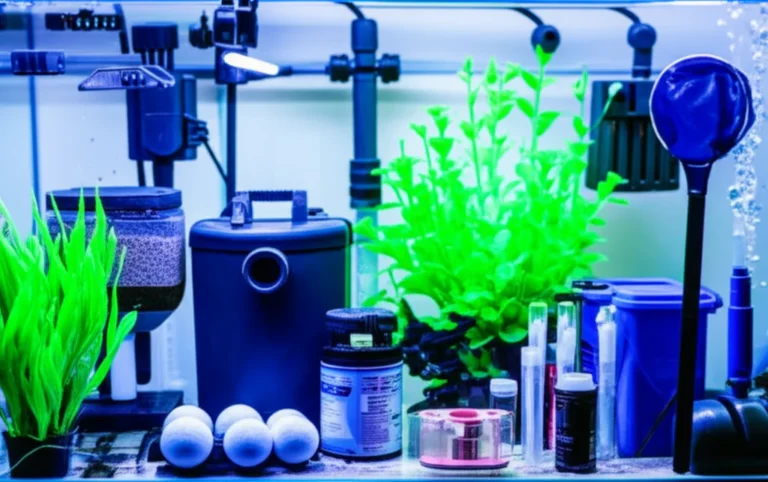
- Filter Media: This is the material that water passes through to remove debris and waste. Examples include sponge, filter floss, and bio-balls.
- Beneficial Bacteria: These are the microrganisms that break down waste products and convert them into harmless compounds. They’re essential for biological filtration.
- Pump and Motor: These are the components that drive the filter and circulate the water. They should be reliable and efficient to ensure consistent filtration.
Which Filter is Best for Your Tank?
Choosing the right filter for your tank can be overwhelming, especially with so many options available. Here are some factors to consider:
- Tank Size: Choose a filter that’s designed for your tank size. A filter that’s too small may not be able to handle the bio-load, while a filter that’s too large may be wasteful and expensive.
- Type of Fish: Different types of fish have different filtration requirements. For example, goldfish and cichlids produce a lot of waste and require more robust filtration.
- Budget: Filters can range from very affordable to very expensive. Set a budget and choose a filter that meets your needs and fits within it.
Filter Maintenance
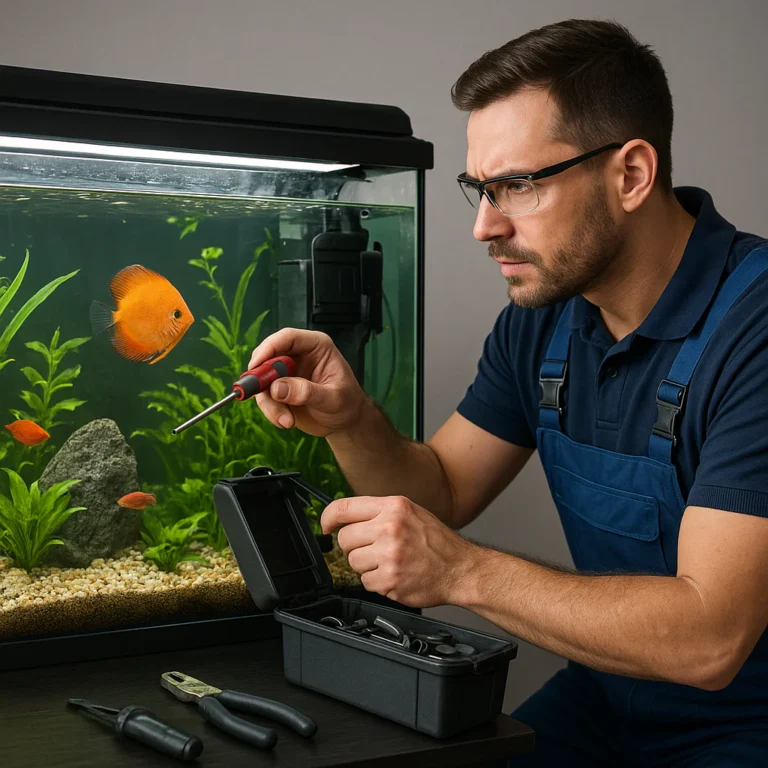
Regular maintenance is essential to keep your filter running efficiently and effectively. Here are some tips:
- Clean the Filter Media: Regularly clean the filter media to remove debris and waste. This will help to prevent clogging and maintain good water flow.
- Monitor Water Parameters: Regularly test the water parameters to ensure they’re within a healthy range. This will help you to identify any issues before they become major problems.
- Replace the Filter Media: Regularly replace the filter media to ensure it remains effective. This will help to prevent the buildup of debris and waste.
As the first YouTube video embedded above in this article notes, “Mechanical filtration acts like a coffee filter; it strains out the particles and debris floating in the water so you can get that crystal-clear look.” For more information on aquarium filters and maintenance, check out the video at #featured-video.
Some popular filter brands include Fluval, Eheim, and Tetra. When choosing a filter, consider the following products:
- Fluval C4 Power Filter: Amazon | Petco | Fluval Official Website
- Eheim Classic 2213 Canister Filter: Amazon | Chewy | Eheim Official Website
Conclusion

In conclusion, choosing the right filter for your fish tank is a crucial decision that can make all the difference in the health and well-being of your aquatic pets. By considering factors such as tank size, type of fish, and budget, you can select a filter that meets your needs and provides optimal water quality. Remember to regularly maintain your filter by cleaning and replacing the media, monitoring water parameters, and performing routine checks to ensure it’s working efficiently. For more information on aquarium care and maintenance, check out our article on 🐠 Ideal Fish Tank Size for Small Rooms: The 5-20 Gal Guide (2026). We recommend checking out the Fluval C4 Power Filter or the Eheim Classic 2213 Canister Filter for a reliable and efficient filtration system.
Recommended Links
If you’re looking to purchase a new filter or learn more about aquarium care, check out the following links:
- 👉 Shop Fluval on: Amazon | Petco | Fluval Official Website
- 👉 Shop Eheim on: Amazon | Chewy | Eheim Official Website
- Check out these books on Amazon: The Aquariums of Pyongyang | The Complete Book of the Freshwater Aquarium
FAQ

Are there eco-friendly filter options for sustainable aquarium care?
Yes, there are several eco-friendly filter options available for sustainable aquarium care. Some examples include filters that use natural materials, such as coconut husk or zeolite, or filters that are designed to be energy-efficient. For more information, check out this article on Eco-Friendly Aquarium Filters.
Read more about “Aquatic Life Sustainability: 11 Powerful Ways to Protect Our Blue Planet 🌊 (2025)”
What signs indicate that my fish tank filter is not working properly?
Some common signs that your fish tank filter is not working properly include cloudy or dirty water, low water flow, or unusual noises coming from the filter. If you notice any of these signs, it’s a good idea to check your filter and perform any necessary maintenance.
How to troubleshoot a faulty filter
To troubleshoot a faulty filter, start by checking the filter media and replacing it if necessary. Next, check the pump and motor to ensure they’re working properly. Finally, check the filter’s intake and outlet to ensure they’re not clogged.
Read more about “How Do I Choose the Right Filter for My Fish Tank? 🐠 (2026 Guide)”
Can a filter affect the water quality and health of my fish?
Yes, a filter can have a significant impact on the water quality and health of your fish. A good filter can help to remove waste products and excess food, while a poor filter can lead to poor water quality and stress on your fish.
Read more about “🐠 Fish Compatibility & Selection: The Ultimate 2026 Guide to a Peaceful Tank”
How often should I clean or replace my fish tank filter media?
The frequency at which you should clean or replace your fish tank filter media will depend on the type of filter you have and the size of your tank. As a general rule, it’s a good idea to clean or replace the filter media every 1-3 months.
Read more about “How to Cycle a New Fish Tank for a Healthy Aquarium (2026) 🐠”
What maintenance routine should I follow to keep my fish tank filter efficient?
To keep your fish tank filter efficient, it’s a good idea to follow a regular maintenance routine that includes cleaning the filter media, monitoring water parameters, and performing routine checks on the filter.
How do I determine the correct filter size for my aquarium?
To determine the correct filter size for your aquarium, you’ll need to consider the size of your tank, the type of fish you’re keeping, and the amount of waste they produce. A good rule of thumb is to choose a filter that is rated for a tank that is at least 10-20% larger than your own.
Read more about “🐠 How to Choose the Perfect Fish Tank Size: 10 Mistakes to Avoid (2026)”
What are the different types of fish tank filters and their benefits?
There are several different types of fish tank filters, including mechanical, biological, and chemical filters. Each type of filter has its own unique benefits and drawbacks, and the best type of filter for you will depend on your specific needs and preferences.
Read more about “Mastering Fish Breeding and Spawning: 12 Expert Secrets for 2026 🐠”
What size filter do I need for a 20-gallon aquarium?
For a 20-gallon aquarium, you’ll want to choose a filter that is rated for a tank of at least 25-30 gallons. This will ensure that the filter is able to handle the bio-load and keep the water clean and clear.
Read more about “🐟 Ideal Fish Tank Size for Small Rooms: The 5-20 Gal Guide (2026)”
How often should I replace the filter media in my fish tank?
The frequency at which you should replace the filter media in your fish tank will depend on the type of filter you have and the size of your tank. As a general rule, it’s a good idea to replace the filter media every 1-3 months.
Read more about “🌊 Build a Thriving Aquatic Ecosystem: 7 Steps to a Self-Sustaining Tank (2026)”
Can I clean my aquarium filter with tap water?
It’s not recommended to clean your aquarium filter with tap water, as this can introduce chlorine and other chemicals into the filter. Instead, use dechlorinated water or a cleaning solution specifically designed for aquarium filters.
Read more about “🧠 Aquarium Fish Behavior & Psychology: 12 Secrets They Won’t Tell You (2026)”
What is the best filter type for a planted freshwater tank?
For a planted freshwater tank, a good filter type to consider is a canister filter or a hang-on-back filter. These types of filters are designed to provide gentle water flow and won’t disturb the plants or the substrate.
Read more about “12 Essential Fish Tank Equipment & Supplies You Can’t Miss in 2026 🐠”
Why is my fish tank filter making a loud noise?
If your fish tank filter is making a loud noise, it could be due to a number of factors, including a clogged intake or outlet, a faulty pump or motor, or a build-up of debris in the filter. To troubleshoot the issue, try checking the filter and performing any necessary maintenance.
How do I cycle a new aquarium filter before adding fish?
To cycle a new aquarium filter before adding fish, you’ll need to set up the filter and allow it to run for several weeks before introducing any fish. This will give the beneficial bacteria in the filter time to establish themselves and start breaking down waste products.
Read more about “🌊 10 Steps to the Ultimate Oceanic Aquarium Theme (2026)”
What are the signs that my aquarium filter is clogged?
Some common signs that your aquarium filter is clogged include reduced water flow, increased noise, or a decrease in water quality. If you notice any of these signs, it’s a good idea to check the filter and perform any necessary maintenance.
Reference Links
For more information on aquarium filters and maintenance, check out the following links: