Support our educational content for free when you purchase through links on our site. Learn more
🌊 7 Most Popular Types of Fish Tanks Explained (2025)


Ever wondered what makes freshwater, saltwater, and reef tanks so wildly different — and which one is truly right for you? Whether you’re a curious beginner or a seasoned aquarist looking to expand your aquatic repertoire, this guide dives deep into the 7 most popular fish tank types that hobbyists adore. From the easy-going charm of freshwater setups to the dazzling complexity of reef tanks, we’ll unpack everything you need to know to create your own underwater masterpiece.
Did you know that over 90% of new aquarium owners start with freshwater tanks because they’re more forgiving — but saltwater tanks offer a kaleidoscope of colors and species you simply can’t find anywhere else? And reef tanks? They’re the ultimate aquatic challenge, where science meets art in a living coral garden. Stick around, because later we reveal the top expert tips for maintaining each tank type and the best gear to make your aquarium sing.
Key Takeaways
- Freshwater tanks are beginner-friendly, affordable, and versatile — perfect for community, biotope, or planted setups.
- Saltwater tanks offer stunning marine life but require precise water chemistry and specialized equipment like protein skimmers and sumps.
- Reef tanks are the pinnacle of aquarium keeping, demanding intense lighting, stable parameters, and dedicated care for corals.
- Specialty tanks like brackish water and paludariums add exciting variety beyond the basics.
- Choosing the right tank size and materials (glass vs. acrylic) impacts your setup’s longevity and maintenance ease.
- Consistent maintenance and compatibility planning are crucial for a thriving aquatic ecosystem.
- Budget realistically: freshwater setups cost less upfront, while saltwater and reef tanks require higher investment but offer unmatched beauty.
Ready to pick your perfect tank? Explore our curated gear recommendations and expert insights to make your aquatic dreams come true!
👉 Shop Recommended Aquarium Equipment:
- Aqueon Glass Aquariums on Amazon
- EcoTech Marine Radion LED Lighting at Bulk Reef Supply
- Reef Octopus Protein Skimmers at Marine Depot
Table of Contents
- ⚡️ Quick Tips and Facts About Popular Fish Tanks
- 🌊 The Aquatic Evolution: A Brief History of Fish Tanks and Aquariums
- 1️⃣ Freshwater Fish Tanks: The Beginner’s Favorite
- 2️⃣ Saltwater Fish Tanks: Diving Into the Ocean at Home
- 3️⃣ Reef Tanks: The Underwater Garden of Coral and Color
- 🌟 Specialty and Hybrid Tanks: Beyond the Basics
- 🛠️ Choosing the Right Tank Size and Materials for Your Setup
- 💡 Aquarium Maintenance: Keeping Your Fish Tank Healthy and Happy
- 🐠 Fish Compatibility and Community Planning Across Tank Types
- 💰 Budgeting and Cost Considerations for Different Fish Tanks
- 🎵 Aquarium Music™’s Top Recommended Brands and Products
- 🔍 Troubleshooting Common Issues in Freshwater, Saltwater, and Reef Tanks
- 🎯 Conclusion: Which Fish Tank Type is Right for You?
- 🔗 Recommended Links for Fish Tank Enthusiasts
- ❓ FAQ: Your Burning Questions About Fish Tanks Answered
- 📚 Reference Links and Further Reading
⚡️ Quick Tips and Facts About Popular Fish Tanks
Welcome, fellow water whisperers! Before we plunge into the deep end, let’s get our feet wet with some rapid-fire insights. Here at Aquarium Music™, we’ve seen it all, and we want to get you started on the right fin.
- Bigger is Better (and Easier!): It sounds counterintuitive, but larger aquariums are more stable. The greater water volume means that chemical changes happen much more slowly, giving you more time to react. A 20-gallon tank is a great starting point for beginners, not that 5-gallon bowl you’ve been eyeing.
- Freshwater First? ✅ For most beginners, a freshwater fish tank is the recommended starting point. It’s generally less expensive and more forgiving than its salty counterpart.
- Saltwater is a Commitment: Think of a saltwater tank as a high-maintenance relationship. It’s stunningly beautiful but demands more of your time, money, and attention to water chemistry.
- Reef Tanks are the Ultimate Challenge: These are a specialized type of saltwater tank where the focus is on growing corals. They require intense lighting, specific water flow, and pristine water conditions. Not for the faint of heart, but oh, the rewards!
- The Nitrogen Cycle is NON-NEGOTIABLE: This is the biological process that makes a new aquarium safe for fish. You absolutely must cycle your tank before adding fish. This involves establishing beneficial bacteria that convert toxic fish waste (ammonia) into less harmful substances. Skipping this step is the number one rookie mistake.
- Glass vs. Acrylic: Glass is more scratch-resistant and generally cheaper, but heavier and can shatter. Acrylic is lighter, offers better insulation, and has clearer viewing from angles, but it scratches very easily. Choose your weapon!
- Don’t Trust the Box: The “starter kits” often come with underpowered filters and heaters. Do your research on individual components. Check out our guide to Aquarium Equipment for our top picks.
🌊 The Aquatic Evolution: A Brief History of Fish Tanks and Aquariums

Ever wonder how we went from muddy ponds to crystal-clear reef tanks in our living rooms? It’s a wild ride! The ancient Romans and Egyptians kept fish in ponds for food and entertainment, but the concept of a glass “aquarium” is much more recent.
The whole shebang really kicked off in Victorian England. In 1851, the Great Exhibition in London featured ornate, cast-iron framed aquariums, sparking a public craze. A chemist named Robert Warington figured out the key principle: the balance between plants and animals. He discovered that plants produce enough oxygen to support fish, as long as their numbers are kept low. This was the birth of the balanced aquarium!
Of course, they didn’t have the fancy canister filters or LED lighting we have today. They relied on that simple, natural balance. Fast forward to today, and we have technology that allows us to replicate a slice of the Amazon River or the Great Barrier Reef with stunning accuracy. We’ve come a long way from a goldfish in a bowl, haven’t we?
1️⃣ Freshwater Fish Tanks: The Beginner’s Favorite
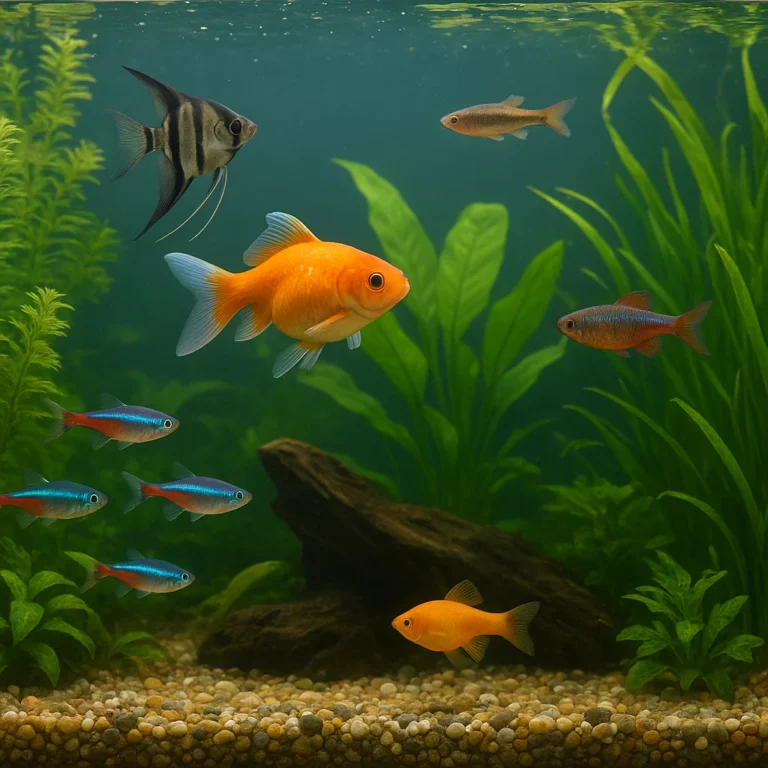
Ah, the freshwater tank. This is where 9 out of 10 aquarists first dip their toes, and for good reason! It’s the most accessible, affordable, and forgiving entry point into this amazing hobby. Think of it as the acoustic guitar of the aquarium world—easy to learn, but you can still create beautiful music with it.
The setup is generally simpler, the fish are hardier, and the maintenance is more manageable. But don’t mistake “simpler” for “boring.” The world of freshwater is vast and vibrant!
Types of Freshwater Tanks: Community, Biotope, and Planted
- The Community Tank: This is the classic “mix-and-match” aquarium. The goal is to house a variety of peaceful fish species that get along well together. Think Neon Tetras, Guppies, Corydoras Catfish, and Rasboras. The key here is research! You can’t just throw any fish together. Our Fish Care and Species Profiles section is your best friend for planning a peaceful community.
- The Biotope Tank: For the purists out there! A biotope is an aquarium that replicates a specific natural habitat. For example, an Amazon River biotope would feature dark, tannin-stained water, driftwood, leaf litter, and only fish native to that region, like Cardinal Tetras and Apistogramma dwarf cichlids. It’s a fantastic way to learn about ecology.
- The Planted Tank (Aquascape): This is where art meets science. In a planted tank, the aquatic plants are the stars of the show. Fish are often chosen to complement the aquascape. These setups can range from low-tech (simple lighting, no CO2) to high-tech systems with intense lighting and CO2 injection to supercharge plant growth. If this sounds like your jam, you’ll love our articles on Aquascaping and Aquatic Plants.
Popular Freshwater Fish Species and Setup Tips
For a beginner’s community tank, you can’t go wrong with these hardy and colorful fish:
| Fish Species | Temperament | Min. Tank Size | Key Tip |
|---|---|---|---|
| Neon Tetra | Peaceful, Shoaling | 10 Gallons | Keep in groups of 6+ to feel secure. |
| Guppy | Peaceful, Active | 10 Gallons | Prolific breeders! Keep males only unless you want babies. |
| Corydoras Catfish | Peaceful, Bottom-dweller | 20 Gallons | Needs a sandy substrate to protect their sensitive barbels. |
| Platy | Peaceful, Hardy | 10 Gallons | Great for adding a splash of orange, red, or yellow. |
| Zebra Danio | Peaceful, Fast-moving | 10 Gallons | Very hardy and great for cycling a new tank (with care!). |
Setup Tip: Always use a reliable heater for tropical fish to keep the temperature stable, usually between 72-78°F. A simple hang-on-back filter like an AquaClear or a canister filter like the Fluval 07 Series is perfect for most freshwater setups.
2️⃣ Saltwater Fish Tanks: Diving Into the Ocean at Home
Ready to trade your guitar for an electric one with a full pedalboard? Welcome to saltwater aquariums! The fish are undeniably spectacular—the colors and patterns are straight out of a psychedelic dream. But with great beauty comes great responsibility.
The primary difference is, well, the salt! You’ll be mixing synthetic sea salt into purified water to a specific salinity. Water chemistry is far more critical and complex than in freshwater tanks. Fluctuations in parameters can be disastrous for sensitive marine life. This is why we say it’s a better fit for hobbyists with some experience under their belt.
Fish-Only vs. Fish-Only with Live Rock (FOWLR) Tanks
- Fish-Only (FO): The most basic type of saltwater tank. It’s exactly what it sounds like: a tank with just fish and artificial decorations. Filtration is handled entirely by equipment. It’s an older method and less common now because it lacks the immense benefits of live rock.
- Fish-Only With Live Rock (FOWLR): This is the most popular entry into saltwater. A FOWLR tank uses “live rock”—porous rock harvested from the ocean (or aquacultured) that is teeming with beneficial bacteria and micro-organisms. This rock becomes your primary biological filter, breaking down waste far more efficiently than any man-made filter media. It also provides a natural look and hiding places for your fish.
Essential Equipment and Water Chemistry for Saltwater Tanks
Here’s where the gear gets a serious upgrade. While you can use a canister filter, many saltwater hobbyists opt for a more advanced system.
- Protein Skimmer: This is a game-changer. It injects air into the water column to create a foam that removes organic waste compounds before they break down into nitrates. Think of it as pre-emptive waste removal. Brands like Bubble Magus and Reef Octopus are industry standards.
- Sump: Many saltwater tanks, especially larger ones, use a sump. This is a separate, smaller tank hidden below the main display where you can house your heater, skimmer, and other equipment for a clean look. It also increases the total water volume of your system, adding stability.
- Powerheads/Wavemakers: Marine fish and invertebrates come from environments with strong currents. Powerheads like the Ecotech Marine VorTech or Hydor Koralia are essential for creating water movement, which aids in gas exchange and keeps waste suspended so it can be removed by the filter.
Water Chemistry 101: You’ll need a good quality refractometer or hydrometer to measure salinity. You’ll also be testing for pH, alkalinity, ammonia, nitrite, and nitrate, just like in freshwater. Regular water changes (typically 10-20% weekly or bi-weekly) are crucial for replenishing trace elements and keeping nitrates low. Our guide to Tank Maintenance has detailed schedules.
3️⃣ Reef Tanks: The Underwater Garden of Coral and Color
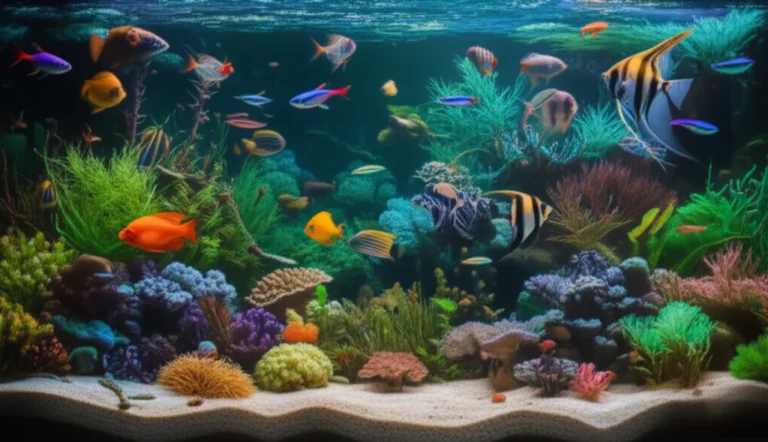
If a FOWLR tank is an electric guitar, a reef tank is a full orchestra. This is the pinnacle of the aquarium hobby for many. Here, the focus shifts from just fish to creating a thriving ecosystem for corals and other invertebrates. The fish become supporting actors to the stunning, living coral.
Everything gets dialed up to eleven: the lighting is more intense, the water flow is more precise, and the water chemistry is managed down to the parts-per-million. Why? Because corals are animals, and they are far more sensitive than most fish.
Coral Types: Soft, LPS, and SPS Explained
Not all corals are created equal! They are generally grouped into three categories based on their care requirements and skeletal structure.
- Soft Corals: These corals lack a hard, stony skeleton. They are generally the most forgiving and are a great starting point for a new reefer. They sway beautifully in the current. Examples include Leathers (Sinularia), Zoanthids, and Mushrooms.
- LPS (Large Polyp Stony): These corals have a hard skeleton but feature large, fleshy polyps. They are a fantastic “next step” up from softies. They are beautiful, often colorful, and a bit more demanding. Think Hammer corals, Frogspawn, and Bubble corals (Euphyllia).
- SPS (Small Polyp Stony): The holy grail for many reefers. These corals have small polyps on a hard, branching skeleton. They require the most intense light, highest flow, and most stable water chemistry. They are the most challenging but offer incredible growth forms and colors. Acropora is the most famous (and infamous) genus here.
Wondering which corals to start with? The advice from this featured video is spot on for beginners. The goal should be an “awesome, easy to manage tank.” It recommends starting with hardy, fast-growing corals like Zoanthids, Sinularia Leathers, Toadstools, Green Star Polyps, and Euphyllia (like Frogspawn and Hammers). As the video wisely notes, “I don’t think any new tank would be complete without some type of Euphyllia.” These corals are more forgiving of the inevitable beginner mistakes.
Lighting, Flow, and Nutrient Management for Reef Success
- Lighting: This is arguably the most important piece of equipment for a reef tank. Corals are photosynthetic, and they need powerful, specific spectrums of light to survive and grow. LED lighting has taken over the hobby, with brands like EcoTech Marine Radion, AI (AquaIllumination), and Kessil leading the pack.
- Flow: Corals need strong, chaotic flow to bring them nutrients and wash away waste. You’ll use multiple powerheads to achieve this, eliminating any “dead spots” in the tank.
- Nutrient Management: In a reef tank, you need to keep your nitrates and phosphates extremely low, as they can fuel algae growth and inhibit coral health. This is achieved through a combination of a good protein skimmer, regular water changes, and sometimes specialized filter media or a refugium (a section in your sump used to grow nutrient-exporting macroalgae).
🌟 Specialty and Hybrid Tanks: Beyond the Basics
Think you’ve seen it all? The aquarium world is full of creative niches that blur the lines between these main categories.
Brackish Water Tanks: The Salty Sweet Spot
What do you get when you cross freshwater with saltwater? A brackish tank! This replicates estuaries where rivers meet the ocean. The salinity is lower than a full marine tank but higher than freshwater. These tanks are unique and can house fascinating fish like Archerfish, Monos, and Pufferfish that thrive in these specific conditions.
Paludariums and Aquascapes: Where Land Meets Water
A paludarium is a hybrid aquarium/terrarium that features both aquatic and terrestrial elements. Imagine a tank with a water section for fish and a land section with rocks, wood, and live plants growing out of the water. They are perfect for semi-aquatic animals like frogs, newts, and crabs, and they offer a stunning, slice-of-nature display. This is a major focus in the world of high-end Aquascaping and Aquatic Plants.
🛠️ Choosing the Right Tank Size and Materials for Your Setup
Let’s talk about the box itself. The two main choices are glass and acrylic.
| Feature | Glass Aquarium | Acrylic Aquarium |
|---|---|---|
| Clarity | Very clear, but can have a slight green tint. | Exceptionally clear, no tint. Better for viewing angles. |
| Weight | Very heavy. | Significantly lighter than glass. |
| Durability | Scratch-resistant, but can shatter on impact. | Scratches easily, but is much more impact-resistant. |
| Cost | Generally more affordable. | Typically more expensive. |
| Shapes | Mostly limited to standard rectangular and bowfront shapes. | Can be molded into virtually any shape. |
Our take: For most people, a standard glass aquarium from a reputable brand like Aqueon or Waterbox is the best choice. The scratch resistance is a huge plus for day-to-day maintenance. Acrylic is fantastic for very large, custom, or public aquarium displays.
As for size, we’ll say it again: start with the biggest tank you can afford and have space for. A 20-gallon “long” or a 40-gallon “breeder” are phenomenal starting points for freshwater. For saltwater, a 40-gallon breeder is a great minimum to maintain stability. A tiny tank is a recipe for frustration!
💡 Aquarium Maintenance: Keeping Your Fish Tank Healthy and Happy
An aquarium is a living ecosystem, and you are its caretaker. Consistent maintenance is the secret to a successful, beautiful tank. Neglect it, and you’ll be farming algae instead of admiring fish.
The core of your routine will be the weekly water change. This involves siphoning out 10-25% of the tank’s water and replacing it with fresh, dechlorinated (for freshwater) or pre-mixed saltwater. This simple act removes nitrates, replenishes essential minerals, and keeps the environment stable.
A Typical Weekly Checklist:
- ✅ Test your water: Check key parameters like ammonia, nitrite, nitrate, and pH. For reef tanks, add alkalinity, calcium, and magnesium.
- ✅ Scrape the glass: Use an algae scraper to clean the viewing panes.
- ✅ Siphon the substrate: Use a gravel vacuum to clean fish waste and uneaten food from the sand or gravel. This is when you’ll remove the water for your water change.
- ✅ Refill the tank: Slowly add the new, temperature-matched water.
- ✅ Clean the filter (monthly, not weekly!): Rinse your filter media in the old tank water you just removed. NEVER use tap water, as the chlorine will kill your beneficial bacteria.
- ✅ Observe your fish: Daily observation is key! Look for any signs of stress, disease, or unusual behavior.
Saltwater maintenance is more time-consuming due to the need to mix saltwater in advance and the more frequent testing required to keep parameters stable. You’ll also need to empty your protein skimmer collection cup every few days. For a deep dive, check out our Tank Maintenance guides.
🐠 Fish Compatibility and Community Planning Across Tank Types
This is where so many beginners go wrong. You can’t just pick fish because they look pretty. You have to create a community that is compatible in temperament, size, and water parameter needs.
- Temperament: Don’t mix aggressive fish with peaceful ones. A Jack Dempsey will terrorize a school of Neon Tetras. It’s not a “personality flaw,” it’s just their nature.
- Size: That cute little Oscar in the store will grow to over a foot long. Make sure you know the adult size of any fish you buy and have a tank large enough to accommodate it for its entire life.
- Water Needs: Don’t mix a soft-water Amazonian fish with a hard-water African Cichlid. They require completely different water chemistry to thrive.
- Swimming Level: A good community tank has fish that occupy all levels. Top-dwellers (like Danios), mid-water swimmers (like Tetras), and bottom-dwellers (like Corydoras Catfish) create a more balanced and interesting display.
Before you buy a single fish, make a plan! Research every single species. Our extensive library of Fish Care and Species Profiles is the perfect place to start your research.
💰 Budgeting and Cost Considerations for Different Fish Tanks
Let’s talk money. This hobby can be as cheap or as expensive as you make it, but it’s important to have realistic expectations. The article from CO2Art.us correctly points out that freshwater setups are generally more affordable, while saltwater tanks come with a higher price tag.
Here’s a rough breakdown of where the costs differ:
| Cost Factor | Freshwater Tank | Saltwater / Reef Tank |
|---|---|---|
| Initial Tank & Stand | Lower | Can be higher for “reef-ready” tanks with built-in overflows. |
| Filtration | Lower (Hang-on-back or canister filter) | Higher (Sump, protein skimmer, return pump) |
| Lighting | Lower (Basic LED is fine for fish-only) | Much Higher (Reef-capable LEDs are a major expense) |
| Water & Additives | Low (Dechlorinator) | Higher (RO/DI unit, salt mix, testing kits, supplements) |
| Livestock | Lower (Most fish are affordable) | Higher (Marine fish and especially corals are more expensive) |
| “Rock” | Low (Inert rock or driftwood) | Higher (Live rock or dry rock is a significant cost) |
The Bottom Line: You can set up a nice 20-gallon freshwater tank for a few hundred dollars. A similarly sized saltwater FOWLR tank will likely cost twice that to get started properly. A full-blown reef tank? The sky’s the limit, but expect to spend significantly more, especially on lighting. Don’t forget the ongoing costs of food, salt mix, replacement filter media, and electricity!
🎵 Aquarium Music™’s Top Recommended Brands and Products
We get asked for recommendations all the time. After years of setting up and maintaining hundreds of tanks, these are the brands that have earned our trust. They offer a great balance of performance, reliability, and value.
-
Aquariums:
- Aqueon: A solid, widely available choice for standard glass tanks.
- Waterbox Aquariums: Beautiful, high-quality, all-in-one systems for both freshwater and reefing.
- 👉 Shop Waterbox on: Waterbox Official Website | Bulk Reef Supply
- Red Sea: A leader in all-in-one reef tank systems, known for their quality and completeness.
- 👉 Shop Red Sea on: Bulk Reef Supply | Marine Depot
-
Filtration:
- AquaClear (Hang-on-Back): A simple, reliable, and customizable HOB filter. A freshwater classic.
- Fluval (Canister): The 07 series are workhorses for larger freshwater or FOWLR tanks.
- Reef Octopus (Protein Skimmers): Excellent performance for the price in the saltwater world.
- 👉 CHECK PRICE on: Bulk Reef Supply | Marine Depot
-
Lighting (Reef):
- EcoTech Marine Radion: High-end, powerful, and fully customizable. A top choice for SPS corals.
- 👉 Shop EcoTech Marine on: Bulk Reef Supply | EcoTech Marine Official Website
- AquaIllumination (AI): Another top-tier brand with excellent control and performance. The Hydra series is very popular.
- 👉 Shop AI on: Bulk Reef Supply | AquaIllumination Official Website
- EcoTech Marine Radion: High-end, powerful, and fully customizable. A top choice for SPS corals.
🔍 Troubleshooting Common Issues in Freshwater, Saltwater, and Reef Tanks
Even with the best care, you’ll eventually run into problems. Don’t panic! Here’s a quick guide to the most common aquarium ailments.
-
Problem: Cloudy Water
- New Tank (Bacterial Bloom): If your tank is new, you’re likely seeing a harmless bacterial bloom. It’s milky-white and will clear on its own in a few days to a week. Be patient!
- Established Tank (Overfeeding/Poor Maintenance): This is often a sign of excess nutrients. Cut back on feeding, increase your water change schedule, and make sure your filter is clean.
-
Problem: Algae Outbreak
- Green Algae (on glass/decor): Usually caused by too much light and/or excess nutrients (nitrates/phosphates). Reduce your lighting period to 6-8 hours a day, check your nutrient levels, and add algae-eating crew like snails or certain fish.
- Brown Algae (Diatoms): Common in new tanks. It feeds on silicates and will usually burn itself out as the tank matures.
- Hair Algae: The bane of many hobbyists. This is a sure sign of high nitrates and phosphates. Aggressive manual removal and addressing the root nutrient issue is key.
-
Problem: Fish are Gasping at the Surface
- This is a serious sign of low oxygen or poor water quality.
- Immediate Action: Perform a large water change (30-50%) immediately. Add an air stone or point a powerhead towards the surface to increase surface agitation, which improves gas exchange.
- Diagnosis: Test for ammonia and nitrite. A spike in either is toxic and reduces the blood’s ability to carry oxygen.
-
Problem: White Spots on Fish (Ich)
- Ichthyophthirius multifiliis is a common parasite that looks like grains of salt sprinkled on your fish.
- Treatment (Freshwater): Slowly raise the tank temperature to 82-84°F (if your fish can tolerate it) to speed up the parasite’s life cycle, and treat the tank with an ich medication like Ich-X.
- Treatment (Saltwater): Marine ich (Cryptocaryon irritans) is more difficult to treat. Often, fish must be removed to a separate quarantine tank for copper treatment or tank transfer method, as many medications are not reef-safe.
The key to troubleshooting is methodical investigation. Don’t just start dumping chemicals in. Test your water, observe your fish, and make one change at a time.
🎯 Conclusion: Which Fish Tank Type is Right for You?

So, you’ve journeyed through the shimmering world of freshwater, saltwater, and reef tanks with us here at Aquarium Music™. What’s the final verdict? Which fish tank type should you pick to dive into your own aquatic symphony?
Freshwater tanks are the perfect starting point for most hobbyists. They offer ease of setup, lower costs, and a forgiving environment for beginners. Whether you want a lively community tank or a lush planted aquascape, freshwater setups provide endless variety and beauty without overwhelming complexity.
Saltwater tanks elevate the hobby to a new level of vibrancy and diversity. The dazzling colors and exotic species are unmatched, but they demand more precise water chemistry, specialized equipment like protein skimmers and sumps, and a bigger time commitment. Saltwater tanks are ideal for those ready to take their skills up a notch.
Reef tanks are the ultimate challenge and reward. They require intense lighting, stable water parameters, and careful nutrient management to keep delicate corals thriving. If you’re passionate about creating a living underwater garden and willing to invest the effort, reef tanks offer breathtaking beauty and a dynamic ecosystem that few other hobbies can match.
Remember our early teaser about the nitrogen cycle? It’s the heartbeat of every successful aquarium, no matter the type. Skipping it is like trying to play a symphony without tuning your instruments first—disastrous! So, take your time, plan carefully, and enjoy the process.
Whatever you choose, the key is research, patience, and consistent care. Your aquatic orchestra awaits—let’s make it sing!
🔗 Recommended Links for Fish Tank Enthusiasts
Ready to start your aquarium adventure? Here are some of our favorite products and resources to get you going:
Aquariums & Equipment
-
Waterbox Aquariums (Freshwater & Reef):
Waterbox Official Website | Bulk Reef Supply -
Red Sea Reef Systems:
Bulk Reef Supply | Marine Depot -
Reef Octopus Protein Skimmers:
Bulk Reef Supply | Marine Depot -
EcoTech Marine Radion LED Lighting:
Bulk Reef Supply | EcoTech Marine Official Website -
AquaIllumination (AI) Hydra Series:
Bulk Reef Supply | AquaIllumination Official Website
Books for Deeper Dive
-
The Simple Guide to Freshwater Aquariums by David E. Boruchowitz
Amazon -
The Reef Aquarium (Volumes 1-3) by Julian Sprung and J. Charles Delbeek
Amazon -
Aquascaping: A Step-by-Step Guide to Planting, Styling, and Maintaining Beautiful Aquariums by George Farmer
Amazon
❓ FAQ: Your Burning Questions About Fish Tanks Answered

What are the key differences between freshwater and saltwater fish tanks?
Freshwater tanks typically have simpler setups, lower costs, and are more forgiving for beginners. They use tap or treated water with minimal salt content and support a wide range of hardy fish and plants. Maintenance involves regular water changes and basic filtration.
Saltwater tanks require precise salinity control, advanced filtration (like protein skimmers), and often use live rock to maintain biological balance. They offer more vibrant and diverse marine species but demand more equipment, testing, and maintenance. Saltwater setups are better suited for intermediate to advanced hobbyists.
For more details, see our Aquarium Setup and Tank Maintenance guides.
How do reef tanks differ from traditional saltwater aquariums?
Reef tanks are a specialized subset of saltwater aquariums focused on cultivating corals and invertebrates alongside fish. They require intense lighting, strong water flow, and ultra-stable water chemistry to support photosynthetic corals.
Traditional saltwater tanks (Fish-Only or FOWLR) focus mainly on fish and may include live rock but do not require the same level of precision in lighting or nutrient control. Reef tanks are more complex and expensive but offer spectacular biodiversity and aesthetics.
Read more about “10 Aquarium Filtration Systems That Will Transform Your Tank in 2025 🌊”
What types of fish are best suited for freshwater tanks?
Hardy, peaceful species like Neon Tetras, Guppies, Platies, Corydoras Catfish, and Zebra Danios are excellent for beginners. They tolerate a range of water conditions and are compatible in community tanks.
Avoid aggressive or large species until you gain experience. Always research fish compatibility and adult sizes before purchasing.
Read more about “🎣 9 Must-Have Fish Tank Equipment Essentials for 2025”
What equipment is essential for maintaining a saltwater aquarium?
- Protein Skimmer: Removes organic waste before it breaks down.
- Sump or Refugium: Houses equipment and increases water volume.
- Powerheads/Wavemakers: Provide necessary water flow.
- High-quality Lighting: Especially for reef tanks.
- Salinity Tester (Refractometer or Hydrometer): For precise salt level measurement.
- Test Kits: For ammonia, nitrite, nitrate, pH, alkalinity, calcium, and magnesium.
- RO/DI Water Filter: Produces pure water for mixing saltwater.
Read more about “10 Eco-Friendly Aquarium Options to Transform Your Tank in 2025 🌿”
How can I create a thriving reef tank ecosystem at home?
- Start with hardy corals like soft corals and LPS before moving to SPS.
- Invest in quality LED lighting (EcoTech Marine Radion or AI Hydra).
- Maintain stable water parameters with regular testing and water changes.
- Use live rock and a protein skimmer for biological filtration.
- Ensure strong, variable water flow with multiple powerheads.
- Feed corals appropriately with coral foods or supplements.
- Be patient! Reef tanks take time to mature and stabilize.
Read more about “25 Must-Know Freshwater Fish Species to Transform Your Aquarium 🐠 (2025)”
What are the pros and cons of freshwater versus saltwater fish tanks?
| Aspect | Freshwater | Saltwater |
|---|---|---|
| Pros | Affordable, easier maintenance, wide fish variety, beginner-friendly | Vibrant colors, exotic species, complex ecosystems |
| Cons | Less biodiversity, fewer exotic species | Higher cost, complex maintenance, sensitive water chemistry |
Read more about “🐠 20 Pros & Cons of Large vs Small Fish Tanks (2025)”
How do lighting and filtration vary between freshwater, saltwater, and reef tanks?
- Freshwater: Moderate lighting mainly for plants; simple filtration (HOB or canister).
- Saltwater (Fish-Only/FOWLR): Stronger lighting; advanced filtration including protein skimmers and sumps.
- Reef Tanks: Intense, spectrum-specific LED lighting for coral photosynthesis; highly efficient filtration with skimmers, refugiums, and frequent water parameter monitoring.
How important is the nitrogen cycle in setting up any fish tank?
The nitrogen cycle is crucial. It establishes beneficial bacteria that convert toxic ammonia (from fish waste) into nitrite and then nitrate, which is less harmful. Cycling your tank before adding fish prevents deadly ammonia spikes and creates a stable environment. Skipping this step is the most common cause of early fish deaths.
Read more about “What Is the Ideal Fish Tank Size for Small Rooms & Offices? 🐠 (2025)”
📚 Reference Links and Further Reading
- The Difference Between Saltwater and Freshwater Aquariums — CO2Art.us
- Aqueon Official Website
- Waterbox Aquariums Official Website
- Red Sea Official Website
- EcoTech Marine Official Website
- AquaIllumination Official Website
- Bulk Reef Supply
- Marine Depot
- Fish Care and Species Profiles at Aquarium Music™
- Tank Maintenance at Aquarium Music™
- Aquarium Setup at Aquarium Music™
- Aquascaping and Aquatic Plants at Aquarium Music™
We hope this deep dive into fish tanks has inspired you to create your own underwater symphony. Remember, every great aquarist started with a single fish and a dream. Happy fishkeeping! 🐠🎶