Support our educational content for free when you purchase through links on our site. Learn more
🐟 Ultimate Fish Care & Health Guide (2026): 10 Secrets to a Thriving Tank

Have you ever stared into a crystal-clear aquarium, mesmerized by the vibrant dance of your fish, only to watch it slowly turn into a murky, lifeless soup overnight? It’s a heartbreak every aquarist fears, but the truth is, the difference between a thriving ecosystem and a graveyard often comes down to a few critical, yet misunderstood, biological principles. At Aquarium Music™, we’ve seen tanks that looked perfect on paper fail because the owner missed the invisible signs of stress, and we’ve seen “beginer” setups flourish simply because the owner understood the nitrogen cycle better than the shop clerk.
In this comprehensive guide, we’re stripping away the myths and diving deep into the science of fish care and health. From mastering the delicate balance of water chemistry to identifying the subtle early symptoms of diseases like Ich and Fin Rot before they become fatal, we cover everything you need to know to conduct your own aquatic symphony. We’ll even reveal the one common mistake 90% of new owners make that leads to “New Tank Syndrome,” and share a shocking anecdote about a “miracle cure” that was actually just a simple water change. By the end of this article, you won’t just be keeping fish; you’ll be cultivating a living masterpiece.
Key Takeaways
- Water Quality is Non-Negotiable: Amonia and Nitrite must always be 0 ppm; even trace amounts are toxic and can cause rapid death.
- Prevention Beats Cure: Implementing a strict 30-day quarantine protocol for new fish is the single most effective way to prevent disease outbreaks in your main tank.
- Feed Less, Not More: Overfeeding is the leading cause of water quality crashes and fish mortality; feed only what your fish can consume in 2–3 minutes.
- Stability Over Perfection: Maintaining stable temperature and pH levels is far more important than hitting “perfect” numbers, as sudden swings cause fatal stress.
- Know Your Enemy: Learn to identify early signs of common diseases like Ich, Velvet, and Fin Rot to treat them before they spread.
Table of Contents
- ⚡️ Quick Tips and Facts
- 📜 A Brief History of Aquarium Fish Keeping: From Ancient Ponds to Modern Tanks
- 🐟 The Ultimate Guide to Aquarium Fish Care and Health
- 1. 🧪 Mastering Water Quality: The Foundation of Fish Health
- 2. 🍽️ Nutritional Needs: Feding Your Fined Friends for Optimal Vitality
- 3. 🏠 Tank Setup and Environment: Creating a Stress-Free Habitat
- 4. 🩺 Common Fish Diseases: Identification, Symptoms, and Treatment
- 5. 🛡️ Preventative Care and Quarantine Protocols
- 6. 🔄 The Nitrogen Cycle Explained: Keeping Your Tank Balanced
- 7. 🌡️ Temperature and pH Control: Fine-Tuning Your Aquarium Parameters
- 8. 🐠 Freshwater vs. Saltwater Fish Care: Key Differences and Challenges
- 9. 🤝 Tank Mates and Compatibility: Avoiding Agression and Stress
- 10. 🧹 Routine Maintenance Schedule: Weekly, Monthly, and Quarterly Tasks
- 💡 Expert Anecdotes: Lessons Learned from the Frontlines of Aquarium Music™
- 📊 Comparison Table: Top Brands for Water Test Kits and Fish Medications
- 🏁 Conclusion: Your Journey to a Thriving Aquarium
- 🔗 Recommended Links
- ❓ Frequently Asked Questions (FAQ)
- 📚 Reference Links
⚡️ Quick Tips and Facts
Before we dive into the deep end of the aquarium world, let’s hit the surface with some non-negotiable truths that every successful aquarist must know. Whether you’re a seasoned pro or just bought your first beta, these facts are the bedrock of fish care and health.
- Water is Life: Your fish don’t just live in water; they are water. Their skin and gills are permeable, meaning water quality is directly synonymous with fish health. A single drop of chlorine can be fatal.
- The Golden Rule of Feding: Underfeed, don’t overfeed. 90% of aquarium deaths are caused by overfeeding, which leads to ammonia spikes and poor water quality. If your fish are begging, they are likely just bored, not hungry.
- The Nitrogen Cycle is Non-Negotiable: You cannot skip this. A “cycled” tank has beneficial bacteria that convert toxic ammonia into nitrite, and then into less harmful nitrate. Never add fish to an uncycled tank.
- Quarantine is Your Best Friend: That beautiful new fish from the local store? It’s a ticking time bomb of potential parasites. Always quarantine new arrivals for 30 days before introducing them to your main tank.
- Stress Kills: Fish are masters of hiding illness. By the time you see visible symptoms (white spots, clamped fins), the disease is often advanced. Prevention is infinitely easier than cure.
Curious about why some tanks look like crystal-clear art while others turn into green soups overnight? It all comes down to one specific biological process we’ll unravel in the “Nitrogen Cycle” section later. Keep reading!
📜 A Brief History of Aquarium Fish Keeping: From Ancient Ponds to Modern Tanks

The love affair between humans and fish isn’t a modern phenomenon; it’s a symphony of history that has been playing for millennia.
The Ancient Origins
Did you know the first “aquariums” weren’t glass tanks at all? They were ponds.
- Ancient China (20+ years ago): The Chinese were the first to selectively breed goldfish, transforming wild carp into the vibrant, colorful creatures we know today. They kept them in porcelain bowls and stone ponds, observing their behavior and colors.
- Rome and Greece: The Romans kept sea fish in stone tanks attached to their villas, primarily for food, but also for the sheer spectacle of watching marine life.
The Victorian Explosion
The modern aquarium hobby truly began in the 19th century.
- 1832: Jeane Villepreux-Power, a French seamstress, invented the first glass aquarium to study the argonaut octopus.
- 1850s: The term “aquarium” was coined. The Victorians went wild, turning fish keeping into a status symbol. They built elaborate glass tanks with heating systems (using hot water pipes!) and exotic plants.
The Modern Era
Today, we have LED lighting, protein skimmers, and automated dosing systems. We’ve moved from keeping fish in bowls to creating self-sustaining ecosystems. Yet, the core philosophy remains unchanged: provide a stable environment, and the fish will thrive.
For more on how we’ve evolved our setups, check out our deep dive into Aquarium Setup techniques.
🐟 The Ultimate Guide to Aquarium Fish Care and Health
Welcome to the main event! Here at Aquarium Music™, we believe that keeping fish is less about “maintenance” and more about conducting a living orchestra. Every parameter, every feeding, and every water change is a note in the symphony of aquatic life.
But how do you ensure every instrument is in tune? Let’s break it down.
1. 🧪 Mastering Water Quality: The Foundation of Fish Health
If you take nothing else from this article, let it be this: Water quality is 90% of fish care. You can have the most expensive fish, the fanciest tank, and the best food, but if your water is toxic, your fish will die.
The Big Three: Amonia, Nitrite, and Nitrate
- Amonia (NH3/NH4+): Produced by fish waste and decaying food. Highly toxic. Even trace amounts can burn gills and suppress the immune system.
- Nitrite (NO2-): The result of beneficial bacteria breaking down ammonia. Also toxic. It prevents blood from carrying oxygen (Brown Blood Disease).
- Nitrate (NO3-): The end product. Less toxic, but high levels cause stress, stunted growth, and algae blooms.
Target Parameters for a Healthy Tank:
| Parameter | Ideal Level | Danger Level |
|---|---|---|
| Amonia | 0 ppm | > 0.25 ppm |
| Nitrite | 0 ppm | > 0.5 ppm |
| Nitrate | < 20 ppm | > 40 ppm |
| pH | Species Specific (6.5-7.5) | Sudden swings |
Wait, what about chlorine? Tap water contains chlorine and chloramine, which are deadly to fish. You must use a water conditioner (dechlorinator) for every water change. Brands like Seachem Prime or API Stress Coat are industry standards for neutralizing these toxins instantly.
Shop Water Conditioners on Amazon | Shop Water Conditioners on Chewy
Testing Your Water
You cannot manage what you do not measure. Relying on “it looks clear” is a recipe for disaster.
- Liquid Test Kits: The gold standard. Brands like API Freshwater Master Test Kit offer superior accuracy compared to strips.
- Test Strips: Good for quick checks, but often less accurate for low-level ammonia/nitrite detection.
Buy API Freshwater Master Test Kit on Amazon
2. 🍽️ Nutritional Needs: Feding Your Fined Friends for Optimal Vitality
Just like humans, fish need a balanced diet. A diet of only flakes can lead to malnutrition and a weakened immune system.
Understanding Fish Diets
- Omnivores: (e.g., Goldfish, Tetras, Guppies) Need a mix of plant and animal matter.
- Carnivores: (e.g., Bettas, Cichlids, Oscars) Require high-protein diets.
- Herbivores: (e.g., Plecos, some Cichlids) Need algae wafers and vegetable matter.
The Art of Feding
- Frequency: Feed small amounts 2-3 times a day. Only give what they can consume in 2-3 minutes.
- Variety: Rotate between flakes, pellets, frozen foods (brine shrimp, bloodworms), and live foods.
- Fasting: Once a week, skip a feeding day. This mimics nature and helps clear their digestive systems.
Pro Tip: For bottom dwellers like Corydoras or Plecos, ensure you use sinking pellets. If they don’t get to the food, they will starve while the top feeders feast!
Shop High-Quality Fish Food on Amazon
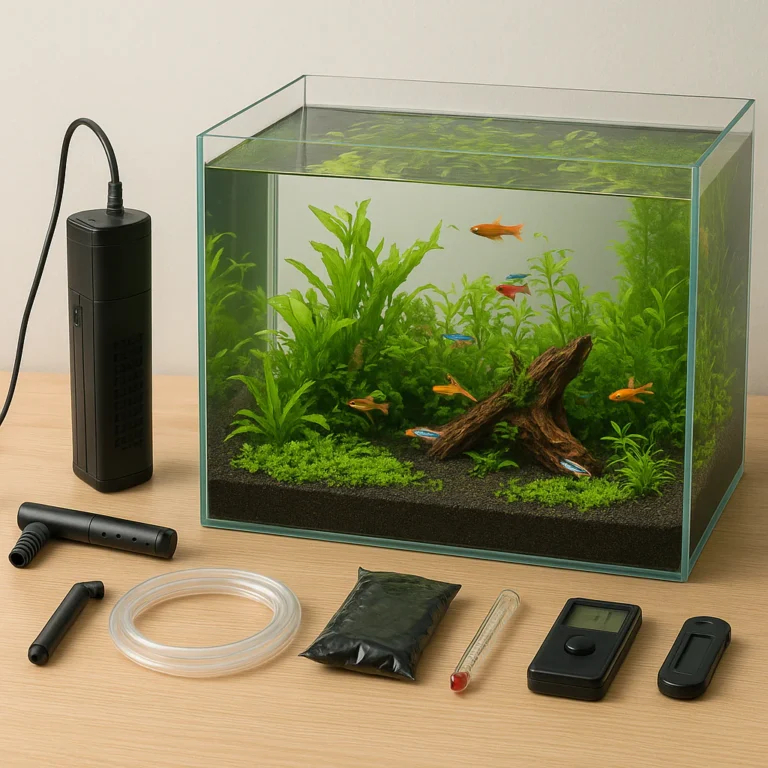
3. 🏠 Tank Setup and Environment: Creating a Stress-Free Habitat
Your tank is your fish’s entire world. If the world is uncomfortable, the fish will be stressed, and stress leads to disease.
Filtration: The Heart of the Tank
A filter does three things:
- Mechanical: Traps debris (food, waste).
- Biological: Houses beneficial bacteria (the most important part!).
- Chemical: Removes toxins and odors (using carbon or resins).
Filter Types:
- Hang-On-Back (HOB): Great for beginners, easy to clean.
- Canister Filters: High capacity, excellent for large tanks or heavy feeders.
- Sponge Filters: Perfect for breeding tanks or fry; gentle flow.
Shop Canister Filters on Amazon
Substrate and Decor
- Substrate: Sand is great for bottom dwellers; gravel is easier to clean. Avoid sharp rocks that can tear delicate fins.
- Hiding Spots: Fish need places to hide to feel safe. Use Aquascaping and Aquatic Plants or caves to create a secure environment.
Lighting
Lighting isn’t just for looks; it regulates the fish’s circadian rhythm.
- Duration: 8-10 hours a day is usually sufficient.
- Intensity: Match the light to your plants and fish species. Too much light = algae; too little = stress.
Why do some fish hide all the time? It could be a lack of hiding spots, aggressive tank mates, or poor water quality. We’ll cover tank mates in section 9, but remember: a stressed fish is a sick fish.
4. 🩺 Common Fish Diseases: Identification, Symptoms, and Treatment
Even with perfect care, diseases can happen. Early detection is key.
Ich (White Spot Disease)
- Symptoms: Tiny white spots like salt grains on fins and body, flashing (rubing against objects), clamped fins.
- Cause: Parasite Ichthyophthirius multifilis.
- Treatment: Raise temperature to 86°F (30°C) and use medication like API Ich Cure or Seachem Paraguard.
Fin Rot
- Symptoms: Fins look raged, frayed, or discolored (black/red edges).
- Cause: Bacterial infection, often due to poor water quality.
- Treatment: Improve water quality immediately. Use API Fin & Body Cure or Seachem Kanaplex.
Velvet (Gold Dust Disease)
- Symptoms: Yellow/gold dust-like coating, rapid breathing, lethargy.
- Treatment: Requires copper-based medication. Seachem Cupramine is highly effective.
Dropsy
- Symptoms: Bloating, pinecone-like scales, lethargy.
- Cause: Often internal bacterial infection organ failure.
- Treatment: Difficult to treat. Isolate the fish, use antibiotics like Seachem Kanaplex, and improve water quality.
Shop Fish Medications on Amazon
5. 🛡️ Preventative Care and Quarantine Protocols
As the Merck Veterinary Manual states, “Preventing disease is prioritized over treatment.”
The Quarantine Tank (QT)
Every new fish should spend 30 to 60 days in a separate, bare-bottom tank.
- Why? To observe for hidden diseases and treat them without contaminating your main tank.
- Setup: Simple heater, sponge filter, and hiding spot. No fancy decor needed.
- Protocol: If the fish shows no signs of illness after 30 days, they are safe to introduce.
Routine Maintenance
- Weekly: 25-50% water change, vacuum substrate, clean filter media (in tank water, not tap water!).
- Monthly: Check filter flow, inspect equipment, test water parameters.
- Quarterly: Deep clean decorations, check heater calibration.
6. 🔄 The Nitrogen Cycle Explained: Keeping Your Tank Balanced
This is the secret sauce of aquarium keeping. It’s the biological process that turns toxic waste into safe nutrients.
- Amonia Source: Fish poop and uneaten food.
- Bacteria 1 (Nitrosomonas): Converts Amonia -> Nitrite.
- Bacteria 2 (Nitrobacter): Converts Nitrite -> Nitrate.
- Removal: Nitrate is removed via water changes or consumed by plants.
The “New Tank Syndrome”:
When you first set up a tank, these bacteria don’t exist yet. If you add fish immediately, ammonia spikes, and fish die.
- Solution: Cycle your tank before adding fish. You can do this with fish food (fishless cycling) or by adding a few hardy fish (fish-in cycling, not recommended for beginners).
Learn more about Cycling on our Aquarium Setup page
7. 🌡️ Temperature and pH Control: Fine-Tuning Your Aquarium Parameters
Different fish have different needs. Mixing a cold-water Goldfish with a tropical Beta is a recipe for disaster.
Temperature
- Tropical Fish: Generally 74°F – 82°F (23°C – 28°C).
- Cold Water Fish: Goldfish and Koi prefer 65°F – 72°F (18°C – 2°C).
- Stability: Sudden temperature swings are more dangerous than the specific number. Use a reliable heater and thermometer.
Shop Aquarium Heaters on Amazon
pH Levels
- Soft Water: pH 6.0 – 6.8 (Tetras, Discus).
- Hard Water: pH 7.5 – 8.5 (Livebearers, Cichlids).
- Buffering: Use crushed coral or aragonite sand to raise pH, or peat moss to lower it. Avoid chemical pH adjusters unless absolutely necessary; they cause dangerous swings.
Confused about Cold vs. Tropical? We’ve got you covered. Check out our detailed guide on ❄️ vs 🌡️: Cold vs. Tropical Fish Tanks: Which is Right for You? to make the right choice for your home.
8. 🐠 Freshwater vs. Saltwater Fish Care: Key Differences and Challenges
While the principles of water quality apply to both, the execution differs significantly.
| Feature | Freshwater | Saltwater (Marine) |
|---|---|---|
| Setup Cost | Lower | Significantly Higher |
| Maintenance | Moderate | High (Protein Skimmers, Salinity checks) |
| Fish Hardiness | Generally hardier | Often more sensitive |
| Disease Treatment | Easier to treat | More complex (copper dosing) |
| Stability | Easier to maintain | Requires extreme stability |
Saltwater Specifics:
- Salinity: Must be maintained at 1.020-1.025 specific gravity. Use a refractometer, not a hydrometer.
- Calcium & Alkalinity: Critical for corals and invertebrates.
- Protein Skimmer: Essential for removing organic waste before it breaks down.
Shop Saltwater Test Kits on Amazon
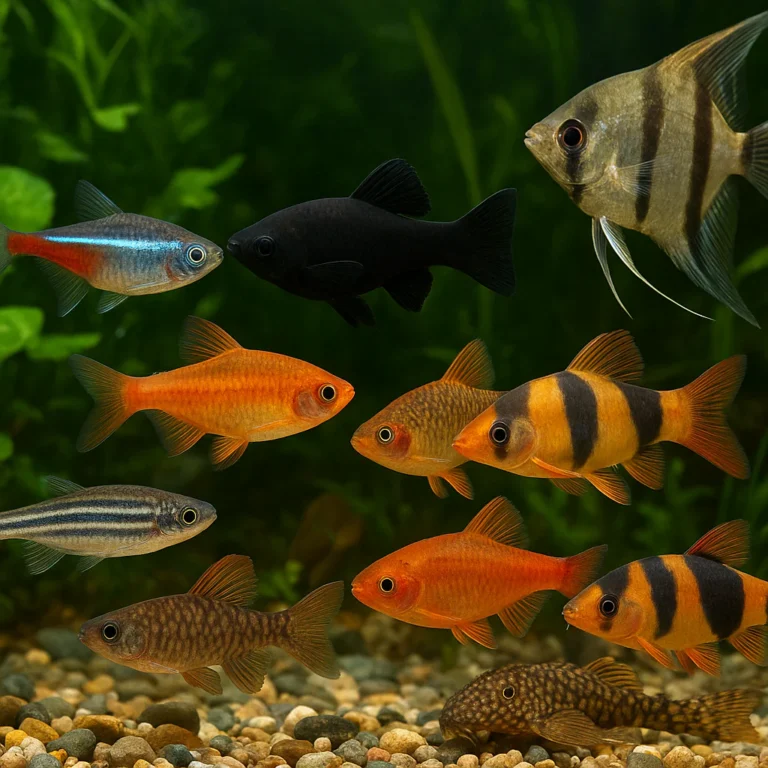
9. 🤝 Tank Mates and Compatibility: Avoiding Agression and Stress
One of the most common mistakes is mixing incompatible species.
The Rules of Compatibility
- Size Matters: Don’t put small fish with large fish (predation).
- Temperament: Agressive Cichlids will destroy peaceful Tetras.
- Water Parameters: Ensure all fish have similar pH and temperature needs.
- Schooling: Many fish (Tetras, Rasboras) need groups of 6+ to feel safe.
Common Mistakes:
- ❌ Keeping a single Beta with other Bettas (males will fight).
- ❌ Mixing Goldfish with Tropical fish (temperature mismatch).
- ❌ Overstocking the tank (leads to aggression and poor water quality).
Shop Fish Species Guides on Amazon
10. 🧹 Routine Maintenance Schedule: Weekly, Monthly, and Quarterly Tasks
Consistency is the melody of a healthy tank.
Weekly Tasks
- Test water parameters (Amonia, Nitrite, Nitrate, pH).
- Perform 25-50% water change.
- Vacuum the substrate.
- Rinse filter media in removed tank water (never tap water!).
- Wipe down glass (if algae appears).
Monthly Tasks
- Check heater and filter function.
- Trim plants (if applicable).
- Inspect decorations for wear.
Quarterly Tasks
- Deep clean the tank (remove all decor, scrub rocks).
- Replace carbon or chemical media.
- Check and replace old filter floss.
Shop Aquarium Cleaning Tools on Amazon
💡 Expert Anecdotes: Lessons Learned from the Frontlines of Aquarium Music™
We’ve seen it all at Aquarium Music™. From the “miracle cure” that was just a bad water change to the “impossible” tank that thrived after a simple pH adjustment.
The Case of the “Ghost” Beta:
One of our team members, let’s call him Dave, bought a stunning Beta. Two days later, the fish was lethargic and gasping. Dave panicked, bought three different medications, and the fish got worse.
- The Real Issue: Dave had used tap water without conditioner. The chlorine was burning the fish’s gills.
- The Fix: A 50% water change with conditioned water. The fish recovered in 24 hours.
- The Lesson: Always check your water first. Don’t medicate until you’ve ruled out water quality issues.
The “Over-Feding” Disaster:
Another story involves a tank of Oscars that were fed every 15 minutes because the owner thought they were “beging.” The tank turned green, and the fish developed swim bladder issues.
- The Fix: We cut feeding to twice a day and fasted them for two days. The water cleared, and the fish’s buoyancy returned.
- The Lesson: Fish are not robots. They don’t need constant food. In fact, they thrive better with a bit of hunger.
These stories remind us that observation is the most powerful tool in an aquarist’s kit.
📊 Comparison Table: Top Brands for Water Test Kits and Fish Medications
To help you navigate the sea of products, here’s a breakdown of the brands we trust at Aquarium Music™.
| Brand | Product Type | Best For | Pros | Cons |
|---|---|---|---|---|
| API | Freshwater Master Test Kit | Beginners & General Use | Accurate, easy to read, affordable | Liquid reagents can expire |
| Seachem | Prime (Conditioner) | Emergency Detox | Neutralizes chlorine, ammonia, heavy metals | Strong smell, small bottles |
| Seachem | Cupramine | Ich/Velvet Treatment | Highly effective, safe for invertebrates (dosed correctly) | Copper sensitive fish (scaless) |
| Fluval | Canister Filters | Large Tanks | Powerful flow, quiet operation | Expensive, complex to clean |
| Hikari | Sinking Pelets | Bottom Feeders | High quality, varied nutrition | Can cloud water if overfed |
| Marineland | Bio-Wheel Filter | Small to Medium Tanks | Good biological filtration, affordable | Not for heavy feeders |
Shop API Products on Amazon | Shop Seachem Products on Amazon
🏁 Conclusion: Your Journey to a Thriving Aquarium

So, we’ve covered the symphony of fish care: from the nitrogen cycle that keeps the water safe, to the nutrition that fuels your fish, and the quarantine that protects your ecosystem.
Remember, the question we asked at the beginning—why do some tanks turn into green soups while others remain crystal clear?—has a simple answer: Consistency and Knowledge. It’s not about having the most expensive gear; it’s about understanding the biology of your tank and respecting the needs of your fish.
Your Next Steps:
- Test your water today.
- Review your feeding habits.
- Plan a quarantine tank for your next purchase.
The journey to a thriving aquarium is a continuous learning process. But with the right knowledge, your tank will become a living masterpiece, a symphony of color and life that brings joy to your home every day.
Ready to dive deeper? Explore our Fish Care and Species Profiles to learn about specific species, or check out our Aquascaping and Aquatic Plants section to turn your tank into a work of art.
🔗 Recommended Links
Essential Books for Every Aquarist:
- The Ultimate Guide to Aquarium Fish Care – A comprehensive resource for beginners and pros.
- Fish Diseases: Diagnosis and Treatment – The bible for treating sick fish.
Top Brands to Explore:
- Seachem: Official Website | Amazon Store
- API: Official Website | Amazon Store
- Fluval: Official Website | Amazon Store
- Hikari: Official Website | Amazon Store
Where to Buy:
- Amazon: Aquarium Supplies
- Chewy: Fish Care
- Petco: Aquariums
- PetSmart: Fish & Supplies
- Bulk Reef Supply: Saltwater Supplies
❓ Frequently Asked Questions (FAQ)

How does aquarium lighting affect fish behavior and health?
Lighting regulates the circadian rhythm of fish, affecting their sleep, feeding, and breeding cycles. Too much light can cause stress and algae blooms, while too little can lead to lethargy. A consistent 8-10 hour light cycle is ideal.
Read more about “🌊 Master Water Parameter Control: The 2026 Guide to Stable Tanks”
What are the essential tank maintenance tips for healthy fish?
The essentials are: regular water changes (25-50% weekly), vacuuming the substrate, cleaning filter media in tank water, and testing water parameters weekly. Consistency is key.
Read more about “🚨 Fix Cloudy Water & Sick Fish: The Ultimate 2026 Troubleshooting Guide”
How can I create a balanced diet plan for different types of fish?
Identify if your fish are omnivores, carnivores, or herbivores. Rotate between flakes, pellets, frozen foods (brine shrimp, bloodworms), and vegetables. Avoid overfeeding; feed only what they can eat in 2-3 minutes.
Read more about “❄️ vs 🌡️: Cold vs. Tropical Fish Tanks: Which is Right for You? (2026)”
What are the best natural remedies for treating fish diseases?
For minor issues, raising the temperature (for Ich) and improving water quality are the best natural remedies. Salt baths can help with some parasites, but for serious infections, medication is often necessary.
Read more about “Saltwater Fish Disease Treatment: 10 Expert Tips to Save Your Reef in 2026 🐠”
How often should I feed my pet fish for best health?
Feed 2-3 times a day in small amounts. Once a week, fast your fish to allow their digestive systems to rest. Overfeeding is a leading cause of death in aquariums.
Read more about “🐠 7 Proven Benefits of a Fish Tank: Stress Relief & Air Quality (2026)”
What are the common signs of illness in freshwater fish?
Look for clamped fins, loss of color, lethargy, gasping at the surface, white spots, frayed fins, or hiding. Early detection is crucial for successful treatment.
Read more about “How to Cycle a New Fish Tank for a Healthy Aquarium (2026) 🐠”
How do I maintain optimal water quality for my aquarium fish?
Maintain zero ammonia and nitrite, keep nitrates below 20 ppm, and ensure stable pH and temperature. Use a good filter, perform regular water changes, and avoid overstocking.
Read more about “🌿 7 Steps to a Natural Fish Tank: Plants, Rocks & Ornaments (2026)”
How often should I test my aquarium water parameters?
Test weekly for ammonia, nitrite, nitrate, and pH. If you have a new tank or sick fish, test daily until parameters stabilize.
Read more about “15 Stunning Fish Tank Decor Ideas to Transform Your Aquarium in 2026 🐠”
What are the early signs of common fish diseases?
- Ich: White spots, flashing.
- Fin Rot: Raged fins, red edges.
- Velvet: Gold dust, rapid breathing.
- Dropsy: Bloating, pinecone scales.
Read more about “🚨 Fix Your Tank: 7 Algae & Gear Fixes (2026)”
How do I safely treat ich in my freshwater tank?
Raise the temperature to 86°F (30°C) and use an Ich medication like API Ich Cure or Seachem Paraguard. Continue treatment for the full cycle (usually 7-10 days) even if symptoms disappear.
Read more about “🧠 Aquarium Fish Behavior & Psychology: 12 Secrets They Won’t Tell You (2026)”
What is the best diet to boost my fish’s immune system?
A varied diet rich in protein and vitamins is best. Foods containing garlic, spirulina, and beta-glucans can help boost immunity. Avoid low-quality flakes with fillers.
Read more about “Why Regular Water Changes Are Vital for Your Fish Tank 🐠 (2026)”
Why are my fish gasping at the surface?
This is a sign of low oxygen or high ammonia/nitrite. Check your water parameters immediately, increase aeration, and perform a water change.
Read more about “15 Critical Mistakes to Avoid When Setting Up a Fish Tank 🐠 (2026)”
How can I prevent stress in my aquarium fish?
Provide hiding spots, maintain stable water parameters, avoid overstocking, and ensure compatible tank mates. Minimize sudden changes in the environment.
Read more about “🐟 Choose Right Filter”
What quarantine procedures should I follow for new fish?
Isolate new fish in a separate tank for 30-60 days. Observe for signs of illness. If healthy, aclimate them slowly before introducing to the main tank.
Read more about “Freshwater Fish Care: 12 Expert Secrets for a Thriving Aquarium (2026) 🐠”
📚 Reference Links
- Merck Veterinary Manual: Routine Health Care of Fish – A comprehensive guide to fish health management.
- Seachem: Aquarium Water Quality – Detailed information on water parameters and treatments.
- API: Fish Disease Guide – Identification and treatment of common fish diseases.
- Fish River Rural Health (FRRH): Home – While focused on human health, this organization highlights the importance of community health and support, a concept that parallels the interconnectedness of an aquarium ecosystem.
- Aquarium Music™ Categories:
- Fish Care and Species Profiles
- Aquarium Setup
- Fish and Aquatic Life
- Aquascaping and Aquatic Plants
- Aquarium Equipment