Support our educational content for free when you purchase through links on our site. Learn more
15 Stunning Fish Tank Decor Ideas to Transform Your Aquarium in 2026 🐠


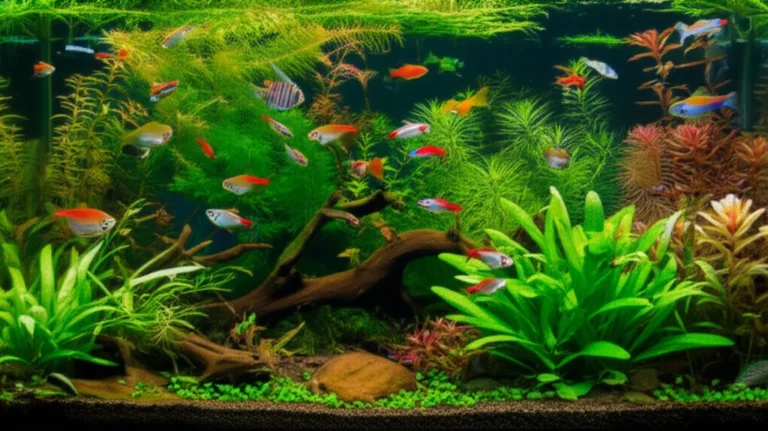
Ever wondered how a simple splash of decor can turn your fish tank from a bland box into a vibrant underwater paradise? At Aquarium Music™, we’ve seen firsthand how the right decorations don’t just beautify—they create habitats that boost fish health, encourage natural behaviors, and mesmerize every onlooker. From lush live plants to whimsical resin castles and natural driftwood, this guide dives deep into 15 must-have fish tank decor ideas that blend function with flair.
Did you know that fish use decorations as territories, breeding grounds, and even playgrounds? That’s right—your choice of rocks, caves, and plants directly shapes their daily lives. Stick around to discover expert tips on safety, maintenance, and how lighting can make your decor truly pop. Plus, we reveal our top picks for trusted brands and DIY hacks to personalize your aquatic masterpiece.
Key Takeaways
- Balance natural and artificial decor to create a healthy, visually stunning environment.
- Choose fish-safe materials and pre-treat decorations to protect water quality.
- Incorporate hiding spots and open swimming areas to reduce fish stress and encourage natural behavior.
- Use proper lighting to enhance colors and support plant growth.
- Regular maintenance keeps your decor clean and your fish thriving.
Ready to turn your aquarium into a symphony of aquatic life? Dive in and let’s get decorating!
Table of Contents
- ⚡️ Quick Tips and Facts About Fish Tank Decor
- 🌊 The Colorful History and Evolution of Fish Tank Decorations
- 🎨 Types of Fish Tank Decor: From Natural to Artificial Wonders
- 1. Live Plants: The Lush Greenery for Your Aquarium
- 2. Artificial Plants: Low-Maintenance Beauty
- 3. Rocks and Stones: Nature’s Sculptures Underwater
- 4. Driftwood and Branches: Rustic Charm and Shelter
- 5. Caves, Castles, and Ornaments: Fantasy Meets Function
- 6. Substrate Choices: Gravel, Sand, and Beyond
- 🐠 How to Choose Safe and Fish-Friendly Decorations
- 🛠️ DIY Fish Tank Decor: Creative Ideas to Personalize Your Aquarium
- 🌟 Top 15 Must-Have Fish Tank Decor Items for Every Aquarist
- 💡 Lighting and Its Impact on Fish Tank Decor Appearance
- 🧽 Maintenance Tips: Keeping Your Fish Tank Decor Clean and Vibrant
- 🐟 How Fish Interact with Different Types of Decorations
- 🌿 Aquascaping Trends: Modern Styles and Inspirations
- 📦 Where to Buy Quality Fish Tank Decor: Trusted Brands and Retailers
- 💬 What Our Customers Say: Real Stories from Aquarium Enthusiasts
- 🔍 Frequently Asked Questions About Fish Tank Decor
- 📚 Recommended Links for Further Reading and Inspiration
- 📝 Reference Links and Credible Sources
- 🏁 Conclusion: Making Your Aquarium a Stunning Underwater Paradise
⚡️ Quick Tips and Facts About Fish Tank Decor
Welcome to the dazzling world of fish tank decor! At Aquarium Music™, we’ve spent countless hours diving into the symphony of aquatic life, and one thing’s crystal clear: decor isn’t just about looks—it’s about creating a thriving, happy home for your finned friends. Whether you’re a newbie or a seasoned aquascaper, here are some quick nuggets to get your creativity flowing:
- ✅ Balance is key: Aim for about 60-70% decor coverage, leaving enough open swimming space for your fish. Overcrowding can stress your aquatic pals. (Related: What Are the 22 Pros & Cons of Large vs Small Fish Tanks? 🐠)
- ✅ Safety first: Avoid sharp edges, toxic materials, or anything that can leach harmful substances. Always rinse new decor thoroughly before adding it.
- ✅ Mix natural and artificial: Live plants oxygenate and absorb nitrates, but artificial plants offer vibrant, low-maintenance options.
- ✅ Hiding spots = happy fish: Caves, driftwood, and dense plants reduce stress by providing shelter.
- ✅ Lighting matters: It can make or break your decor’s visual impact and affect plant growth.
- ✅ Maintenance: Regular cleaning prevents algae buildup and keeps decor looking fresh.
Fun fact: Did you know that some fish use decorations as “territories” or even breeding grounds? So your decor choices influence fish behavior more than you might think!
Ready to explore the full spectrum of fish tank decor? Let’s dive deeper!
🌊 The Colorful History and Evolution of Fish Tank Decorations

Fish tank decor has come a long way from the humble beginnings of bare glass bowls and a single plastic castle. The journey is as fascinating as the aquatic worlds we create!
From Simple Beginnings to Artistic Aquascaping
- Early days: In the 19th century, fishkeeping was mostly about function—simple gravel and a few plants sufficed.
- Mid-20th century: The rise of plastic ornaments like castles and treasure chests made tanks more playful and visually engaging.
- Modern era: Aquascaping emerged as an art form, blending natural elements like driftwood, rocks, and live plants into breathtaking underwater landscapes.
Why Does History Matter?
Understanding the evolution helps us appreciate the balance between aesthetics and fish welfare. For example, early plastic decor often lacked fish safety considerations, but today’s products are designed with aquatic life in mind.
For a deep dive into the art of aquascaping, check out our Aquascaping and Aquatic Plants section.
🎨 Types of Fish Tank Decor: From Natural to Artificial Wonders
Fish tank decor comes in many shapes, sizes, and materials. Let’s break down the main categories with pros, cons, and expert tips.
1. Live Plants: The Lush Greenery for Your Aquarium
Why we love them: Live plants are the lungs of your tank, producing oxygen and absorbing harmful nitrates. They create a natural habitat that fish adore.
| Feature | Rating (1-10) | Notes |
|---|---|---|
| Aesthetic Appeal | 9 | Natural beauty, dynamic growth |
| Fish Health Benefits | 10 | Oxygenation, nitrate absorption |
| Maintenance | 6 | Requires lighting, CO2, trimming |
| Compatibility | 8 | Some plants need specific water parameters |
Tips from Aquarium Music™:
- Choose hardy species like Java Fern, Anubias, or Amazon Sword for beginners.
- Use root tabs and proper substrate for nutrient uptake.
- Avoid overplanting; balance is key.
2. Artificial Plants: Low-Maintenance Beauty
Why they rock: No trimming, no special lighting, and no worries about plant death. Plus, they come in vibrant colors and fun shapes.
| Feature | Rating (1-10) | Notes |
|---|---|---|
| Aesthetic Appeal | 7 | Can look fake if low quality |
| Fish Health Benefits | 3 | No biological benefits |
| Maintenance | 9 | Easy to clean, no care needed |
| Compatibility | 9 | Safe if made from soft, non-toxic materials |
Pro tip: Opt for silk or soft plastic plants to avoid fin damage, especially for delicate species like bettas. The CousDUOBe 21 Pcs Fish Tank Plants set is a popular choice for vibrant, safe decor.
3. Rocks and Stones: Nature’s Sculptures Underwater
Rocks add texture and create natural hiding spots. Popular types include Seiryu stones, slate, and lava rock.
| Feature | Rating (1-10) | Notes |
|---|---|---|
| Aesthetic Appeal | 8 | Natural, rugged look |
| Fish Health Benefits | 6 | Provide shelter and territory boundaries |
| Maintenance | 8 | Easy to clean, but can alter water chemistry |
| Compatibility | 7 | Some rocks raise pH (e.g., limestone) |
Aquascaper’s note: Use inert stones like Seiryu or dragon stone for stable water chemistry. The Current USA Seiryu Stones are favorites for their lightweight and realistic appearance.
4. Driftwood and Branches: Rustic Charm and Shelter
Driftwood adds warmth and natural tannins that can soften water and lower pH, beneficial for many tropical fish.
| Feature | Rating (1-10) | Notes |
|---|---|---|
| Aesthetic Appeal | 9 | Natural, organic shapes |
| Fish Health Benefits | 8 | Releases tannins, provides shelter |
| Maintenance | 7 | Requires soaking to reduce tannins |
| Compatibility | 8 | Great for soft water species |
Our tip: Try the Estes Gravel Malaysian Driftwood for a natural look that also benefits water chemistry.
5. Caves, Castles, and Ornaments: Fantasy Meets Function
From resin castles to ceramic caves, these decorations add personality and provide essential hiding spots.
| Feature | Rating (1-10) | Notes |
|---|---|---|
| Aesthetic Appeal | 7 | Fun, thematic |
| Fish Health Benefits | 9 | Provide shelter and breeding sites |
| Maintenance | 8 | Easy to clean, durable |
| Compatibility | 9 | Wide variety for all tank sizes |
Featured picks:
- SLOCME Resin Castle Decoration: Intricate, eco-friendly, and fish-safe.
- Penn-Plax Spongebob Ornament: Adds nostalgic charm and multiple hiding spots.
6. Substrate Choices: Gravel, Sand, and Beyond
Substrate anchors plants, provides habitat for beneficial bacteria, and influences tank aesthetics.
| Substrate Type | Pros | Cons | Best For |
|---|---|---|---|
| Gravel | Easy to clean, good for plants | Can trap debris | Most freshwater tanks |
| Sand | Natural look, soft for bottom dwellers | Harder to clean, compacts easily | Cichlids, bottom feeders |
| Aqua Soil | Nutrient-rich for plants | Expensive, alters water chemistry | Planted aquariums |
| Bare Bottom | Easy maintenance | Less natural appearance | Hospital or breeding tanks |
How to Choose Safe and Fish-Friendly Decorations
Safety is non-negotiable when selecting fish tank decor. Here’s how we vet our picks at Aquarium Music™:
Step 1: Material Matters
- Avoid metals, untreated wood, or painted items that can leach toxins.
- Opt for resin, ceramic, natural stones, or properly cured driftwood.
Step 2: Check for Sharp Edges
- Run your fingers over surfaces to ensure no sharp points that can injure fish.
- For artificial plants, silk or soft plastic is best.
Step 3: Compatibility with Water Chemistry
- Some rocks (like limestone) raise pH; great for African cichlids but bad for soft water fish.
- Driftwood lowers pH and softens water, ideal for Amazon biotopes.
Step 4: Size and Placement
- Decorations should fit your tank size and species.
- Avoid overcrowding; fish need open swimming space.
Step 5: Pre-Treatment
- Rinse thoroughly with warm water (no soap).
- Soak driftwood for days to weeks to reduce tannins.
- Boil rocks if unsure about contaminants.
🛠️ DIY Fish Tank Decor: Creative Ideas to Personalize Your Aquarium
Want to add a personal touch? DIY decor can be fun and budget-friendly!
Popular DIY Ideas
- Natural rock formations: Glue aquarium-safe rocks with silicone to create caves.
- PVC pipe caves: Paint with non-toxic aquarium paint for custom shelters.
- Terracotta pots: Break and arrange for natural caves.
- Marimo moss balls: Easy to grow and maintain, they add lush green spheres.
- Floating logs or cork bark: Adds rustic charm and shade.
Pro Tips
- Always use aquarium-safe silicone or glue.
- Avoid materials that leach chemicals (e.g., treated wood, plastics not labeled safe).
- Test new decor in a separate container before placing in your tank.
🌟 Top 15 Must-Have Fish Tank Decor Items for Every Aquarist
We compiled a list of our favorite decor items, blending aesthetics, function, and safety. Each scored on design, durability, fish-friendliness, and maintenance ease (1-10 scale):
| Item | Design | Durability | Fish-Friendly | Maintenance | Notes |
|---|---|---|---|---|---|
| Current USA Manzanita Wood | 9 | 9 | 10 | 8 | Tannin-free, great hiding spots |
| Current USA Seiryu Stones | 8 | 9 | 9 | 9 | Lightweight, natural look |
| Penn-Plax Spongebob Ornament | 7 | 8 | 10 | 9 | Fun, colorful, fish-safe |
| Underwater Galleries Cichlid Stones | 8 | 8 | 10 | 9 | Ceramic, hollow for shelter |
| SLOCME Resin Castle Decoration | 9 | 9 | 10 | 8 | Detailed, eco-friendly resin |
| Estes Gravel Malaysian Driftwood | 9 | 7 | 9 | 7 | Natural, tannin releasing |
| CousDUOBe 21 Pcs Fish Tank Plants | 7 | 8 | 9 | 9 | Vibrant, safe plastic plants |
| Marimo Moss Balls | 8 | 8 | 10 | 10 | Purifies water, low maintenance |
| Aqua Soil Substrate | 9 | 8 | 10 | 7 | Nutrient-rich for plants |
| Ceramic Breeding Caves | 7 | 9 | 10 | 9 | Great for egg-laying species |
| Terracotta Pot Caves | 6 | 7 | 9 | 8 | DIY friendly, natural look |
| Floating Cork Bark | 8 | 7 | 9 | 8 | Adds shade and texture |
| Silk Artificial Plants | 7 | 8 | 10 | 9 | Soft, safe for delicate fish |
| Aquarium Gravel (Natural) | 8 | 9 | 10 | 8 | Base for plants and bacteria |
| LED Aquarium Lighting | 9 | 9 | 10 | 9 | Enhances decor and plant growth |
👉 CHECK PRICE on:
- Current USA Manzanita Wood – Amazon
- SLOCME Resin Castle Decoration – Amazon
- Penn-Plax Spongebob Ornament – Amazon
- CousDUOBe Fish Tank Plants – Amazon
💡 Lighting and Its Impact on Fish Tank Decor Appearance
Lighting is the unsung hero of aquarium aesthetics. It can transform your tank from dull to dazzling!
Types of Lighting
- LED: Energy-efficient, customizable spectrum, ideal for live plants and decor.
- Fluorescent: Traditional, less efficient, but good for plant growth.
- Incandescent: Rarely used now; generates heat and consumes more power.
How Lighting Enhances Decor
- Highlights colors and textures of plants, rocks, and ornaments.
- Creates shadows and depth, making the tank feel larger and more natural.
- Influences algae growth—too much light can cause unwanted blooms.
Expert Tip
Use adjustable LED lights with timers to mimic natural day/night cycles. For planted tanks, specialized plant LEDs boost photosynthesis.
🧽 Maintenance Tips: Keeping Your Fish Tank Decor Clean and Vibrant
Decor can become algae magnets or accumulate detritus if neglected. Here’s how we keep ours sparkling:
Step-by-Step Cleaning Routine
- Remove decor carefully: Use aquarium-safe gloves to avoid stressing fish.
- Rinse with warm water: Avoid soap or chemicals.
- Scrub gently: Use a soft brush or algae scraper to remove buildup.
- Soak in vinegar solution: For stubborn algae, soak in 1:1 vinegar and water for 10-15 minutes, then rinse thoroughly.
- Dry before returning: Prevents introducing unwanted contaminants.
Pro Tips
- Clean decor during routine water changes to minimize disruption.
- Avoid over-cleaning live plants; trim dead leaves instead.
- Monitor for wear and replace any damaged decor.
🐟 How Fish Interact with Different Types of Decorations
Fish aren’t just passive observers—they actively engage with their environment!
Behavior Influenced by Decor
- Hiding: Shy or territorial species seek caves and dense plants for shelter.
- Breeding: Many fish lay eggs on or inside decorations like caves or broad leaves.
- Foraging: Some species graze algae off rocks or sift through substrate.
- Territorial displays: Rocks and wood create boundaries for dominant fish.
Examples from Our Experience
- Our cichlids love the Underwater Galleries Cichlid Stones for their hollow centers—perfect for territorial claims.
- Bettas prefer silk plants with soft edges to avoid fin tears.
- Shrimp and small fish use Current USA Manzanita Wood branches as playgrounds and hiding spots.
🌿 Aquascaping Trends: Modern Styles and Inspirations
Aquascaping is where science meets art. Here are the hottest trends shaping aquarium decor today:
Popular Styles
- Nature Aquarium: Inspired by Japanese aquascaper Takashi Amano, emphasizing natural landscapes with rocks, wood, and lush plants.
- Dutch Style: Focuses on colorful plants arranged in neat rows, less emphasis on hardscape.
- Biotope: Replicates a specific natural habitat, including native plants and decor.
- Minimalist: Clean lines, sparse decor, focusing on a few statement pieces.
Inspirations to Try
- Mix Current USA Seiryu Stones with live mosses for a mountain stream vibe.
- Combine driftwood and Marimo moss balls for a Zen garden feel.
- Use colorful artificial plants sparingly to add pops of color without overwhelming.
For more on aquascaping, visit our Aquascaping and Aquatic Plants section.
📦 Where to Buy Quality Fish Tank Decor: Trusted Brands and Retailers
Finding decor that’s both beautiful and safe can be a challenge. Here are our top picks:
| Brand/Store | Specialty | Why We Recommend | Where to Shop |
|---|---|---|---|
| Current USA | High-quality artificial wood, stones | Durable, fish-safe, beginner-friendly | Amazon |
| Penn-Plax | Licensed ornaments, resin decor | Fun, colorful, safe | Amazon |
| SLOCME | Resin castles and caves | Detailed, eco-friendly | Amazon |
| Amalthea Cellars | Artificial rock caves and sets | Realistic, safe, variety packs | Amalthea Cellars |
| Estes Gravel | Natural driftwood | Authentic, enhances water chemistry | Amazon |
Insider Tip
Check customer reviews for durability and fish safety. Some artificial plants can be stiff and damage fins, so look for silk or soft plastic options.
💬 What Our Customers Say: Real Stories from Aquarium Enthusiasts
We love hearing from our community! Here are some highlights:
- “I added the Current USA Manzanita Wood to my 20-gallon tank, and my shrimp absolutely adore it. It’s like their own jungle gym!” — Jamie L.
- “The Penn-Plax Spongebob ornament was a hit with my kids and fish alike. It’s colorful and easy to clean.” — Marcus T.
- “I was nervous about using artificial plants, but the CousDUOBe set looks surprisingly natural and my betta hasn’t had any fin damage.” — Sarah P.
- “Driftwood changed the water chemistry in my Amazon biotope tank, and my tetras are thriving!” — Carlos M.
Want to share your story? Visit our Fish Care and Species Profiles page and join the conversation.
🔍 Frequently Asked Questions About Fish Tank Decor
Q1: Can I mix natural and artificial decorations?
Absolutely! Many aquarists combine both to balance aesthetics and maintenance. Just ensure all items are safe and compatible with your fish.
Q2: How often should I clean my tank decorations?
Every 2-4 weeks during water changes is ideal. Avoid harsh chemicals; warm water and gentle scrubbing work best.
Q3: Are all artificial plants safe for bettas?
Nope! Bettas have delicate fins. Opt for silk or soft plastic plants to prevent tears.
Q4: Can driftwood change my water parameters?
Yes, it releases tannins that lower pH and soften water. This is beneficial for many tropical fish but may not suit all species.
Q5: What’s the best substrate for planted tanks?
A nutrient-rich aqua soil substrate is preferred for healthy plant growth.
For more FAQs, check our Tank Maintenance section.
📚 Recommended Links for Further Reading and Inspiration
- Aquarium Co-Op: How to Decorate Your Aquarium
- The Spruce Pets: Best Aquarium Decorations
- Aquascaping Love: Beginner’s Guide
- FishLab: Live Plants vs Artificial Plants
📝 Reference Links and Credible Sources
- Fish Tanks Direct: Aquarium Decorations
- Amalthea Cellars: Artificial Fish Tank Decor Sets
- Current USA Official Website
- Penn-Plax Official Website
- Aquarium Co-Op YouTube Channel
Stay tuned for the grand finale where we wrap it all up and help you create your own underwater masterpiece!
🏁 Conclusion: Making Your Aquarium a Stunning Underwater Paradise

After exploring the vast and vibrant world of fish tank decor, it’s clear that the right decorations do much more than just beautify your aquarium—they create a thriving, stimulating habitat that supports your fish’s health and happiness. From the lush greenery of live plants to the whimsical charm of resin castles, each piece plays a vital role in crafting your underwater symphony.
Recap of Key Takeaways
- Balance is everything: Combine natural and artificial elements to optimize aesthetics and fish welfare.
- Safety first: Always choose fish-safe materials and pre-treat new decor to avoid water contamination.
- Maintenance matters: Regular cleaning keeps your decor vibrant and your fish healthy.
- Lighting and layout: Proper lighting enhances colors and textures, while thoughtful arrangement supports fish behavior and tank ecology.
- DIY creativity: Personal touches can make your aquarium truly unique and engaging.
The 9 Pcs Artificial Fish Tank Decor With Rock Cave Set — Our Thoughts
This set, highlighted earlier, is a fantastic example of functional and aesthetic decor. It offers:
Positives:
- Realistic rock cave design that provides excellent hiding spots and territorial boundaries.
- Durable, non-toxic resin material safe for both freshwater and saltwater tanks.
- Easy to clean and maintain, making it ideal for busy aquarists.
Drawbacks:
- Limited to a specific style—may not suit all tank themes.
- Size may not fit very small tanks.
Our recommendation: If you want a naturalistic, cave-rich environment that supports fish comfort and breeding, this set is a confident pick. It balances beauty and function without compromising fish safety.
Closing the Loop
Remember our early teaser about how fish use decorations not just for looks but for behavior? Now you know that caves become territories, plants are oxygen factories, and lighting paints the scene. Your decor choices shape the entire aquatic experience.
Ready to turn your tank into a mesmerizing underwater paradise? Dive in with confidence, creativity, and care!
📚 Recommended Links for Further Reading and Shopping
👉 Shop Featured Fish Tank Decor:
- Current USA Manzanita Wood:
Amazon | Current USA Official Website - SLOCME Resin Castle Decoration:
Amazon - Penn-Plax Spongebob Ornament:
Amazon | Penn-Plax Official Website - CousDUOBe 21 Pcs Fish Tank Plants:
Amazon - Estes Gravel Malaysian Driftwood:
Amazon - 9 Pcs Artificial Fish Tank Decor With Rock Cave Set Aquarium Sand:
Amalthea Cellars
Recommended Books:
- The Simple Guide to Freshwater Aquariums by David E. Boruchowitz — Amazon
- Aquascaping: A Step-By-Step Guide to Planting, Styling, and Maintaining Beautiful Aquariums by George Farmer — Amazon
- The 101 Best Aquarium Plants by Mary E. Sweeney — Amazon
🔍 Frequently Asked Questions About Fish Tank Decor
How can I choose the right decorations to match the theme and style of my fish tank?
Choosing decor that fits your tank’s theme involves considering your fish species, tank size, and aesthetic goals. For example, a biotope tank mimicking the Amazon River would benefit from driftwood, Amazon swords, and soft substrate, while a cichlid tank might require rocky caves and harder substrates. Think about the natural habitat of your fish and try to replicate it for authenticity and fish comfort.
Can I use recycled materials to make unique fish tank decorations?
Yes, but with caution! Recycled materials must be non-toxic, aquarium-safe, and free from contaminants like paint, glue, or metals. For example, clean terracotta pots or untreated natural wood can be repurposed. Avoid plastics or items that can leach chemicals. Always soak and test any DIY recycled decor before introducing it to your tank.
What are some creative ways to use plants as fish tank decorations?
- Layering: Use tall plants in the back and shorter ones in front to create depth.
- Floating plants: Add duckweed or frogbit for surface cover and shade.
- Moss walls: Attach moss to driftwood or rocks for a lush, natural look.
- Plant “islands”: Group plants on small rock formations or wood pieces to mimic natural clusters.
How often should I clean and replace decorations in my fish tank?
Clean decorations every 2-4 weeks during water changes to prevent algae and debris buildup. Replace decorations only if they show signs of damage, sharp edges, or if they start leaching substances into the water. Live plants should be trimmed regularly but replaced only if unhealthy.
What are the best materials to use for DIY fish tank decorations?
Use aquarium-safe silicone, untreated natural wood, ceramic, and inert stones. Avoid treated wood, metals, or plastics not labeled safe for aquariums. Silicone glue is perfect for assembling rock caves or attaching moss.
How can I create a natural environment in my fish tank using decorations?
Incorporate elements like driftwood, natural stones, live plants, and substrate that mimic your fish’s native habitat. Use a mix of hiding spots, open swimming areas, and varied textures. Adjust water parameters to match the natural environment, enhancing the overall authenticity.
What are the most popular types of decorations for a fish tank?
- Live and artificial plants
- Driftwood and natural wood pieces
- Rocks and caves
- Resin ornaments like castles or themed figurines
- Substrate varieties (gravel, sand, aqua soil)
What are the best natural fish tank decor ideas?
- Manzanita or Malaysian driftwood for rustic charm
- Seiryu or dragon stone for dramatic rock formations
- Live plants like Java fern, Anubias, and Amazon sword
- Natural gravel or sand substrate
How can I create a themed fish tank decor?
Start by choosing a theme—biotope, fantasy, or minimalist. Select decor that supports the theme (e.g., castles and treasure chests for pirate themes, natural wood and plants for jungle themes). Use color-coordinated substrate and lighting to enhance the mood.
What materials are safe for fish tank decorations?
Safe materials include:
- Resin labeled fish-safe
- Ceramic and terracotta (unglazed)
- Natural stones (tested for pH neutrality)
- Properly cured driftwood
- Silk or soft plastic plants
How do I arrange fish tank decor for a balanced ecosystem?
- Place taller plants and rocks toward the back or sides to create depth.
- Leave open swimming space in the center.
- Include hiding spots evenly distributed to reduce territorial stress.
- Use substrate that supports beneficial bacteria and plant roots.
What plants work well as fish tank decor in freshwater tanks?
- Java fern (Microsorum pteropus)
- Anubias species
- Amazon sword (Echinodorus amazonicus)
- Cryptocoryne species
- Hornwort (Ceratophyllum demersum)
Can DIY fish tank decor enhance the aquatic environment?
Absolutely! When done with safe materials and proper design, DIY decor can provide unique hiding spots, enrich fish behavior, and personalize your tank. It also offers budget-friendly options and creative satisfaction.
📝 Reference Links and Credible Sources
- Fish Tanks Direct: Aquarium Decorations
- Amalthea Cellars: 9 Pcs Artificial Fish Tank Decor With Rock Cave Set
- Current USA Official Website
- Penn-Plax Official Website
- Aquarium Co-Op YouTube Channel
- The Spruce Pets: Best Aquarium Decorations
- Aquascaping Love: Beginner’s Guide
Ready to transform your aquarium into a masterpiece? Dive into the decor adventure with confidence and creativity! 🐠🌿