Support our educational content for free when you purchase through links on our site. Learn more
🌊 Master Water Parameter Control: The 2026 Guide to Stable Tanks

Ever wondered why your fish thrive in one tank but sicken in another, even when the water looks crystal clear? The secret isn’t magic; it’s the invisible symphony of water parameter control. At Aquarium Music™, we’ve seen tanks crash from a single degree of temperature swing or a subtle pH drift, while others flourish for decades with near-perfect stability. In this comprehensive guide, we move beyond basic testing to reveal the advanced chemistry, automated technologies, and preventative strategies that separate hobbyists from true aquascaping maestros. From decoding the nitrogen cycle to mastering reverse osmosis and preventing silent threats like biofilm, we’ll show you exactly how to conduct your own aquatic orchestra.
Key Takeaways
- Stability Trumps Perfection: Fish and plants can adapt to a wide range of parameters, but they cannot survive rapid fluctuations; consistent conditions are the true key to a healthy ecosystem.
- Master the Core Six: Successful control requires monitoring pH, GH, KH, Amonia, Nitrite, and Nitrate, understanding how they interact rather than just chasing specific numbers.
- Prevention is Better than Cure: Regular maintenance, proper filtration, and understanding biofilm management are far more effective than trying to fix a crashed tank.
- Leverage Technology: Modern tools like automated dosing systems and real-time IoT sensors can eliminate human error and maintain the delicate balance required for sensitive species.
- Know Your Source: Always test your tap water regularly, as municipal sources change seasonally, and consider RO/DI water for total control over your aquarium’s chemistry.
Table of Contents
- ⚡️ Quick Tips and Facts
- 📜 The Evolution of Water Parameter Control in Aquascaping
- 🌡️ Why Water Parameters Matter: The Chemistry of Life
- 🔬 Core Parameters Every Aquarist Must Monitor
- 1. pH Levels: The Acid-Base Balance
- 2. General Hardness (GH) and Carbonate Hardness (KH)
- 3. Amonia, Nitrite, and Nitrate: The Nitrogen Cycle
- 4. Temperature Stability and Thermal Control
- 5. Dissolved Oxygen and Water Flow Dynamics
- 🛠️ Tools and Technologies for Precise Parameter Management
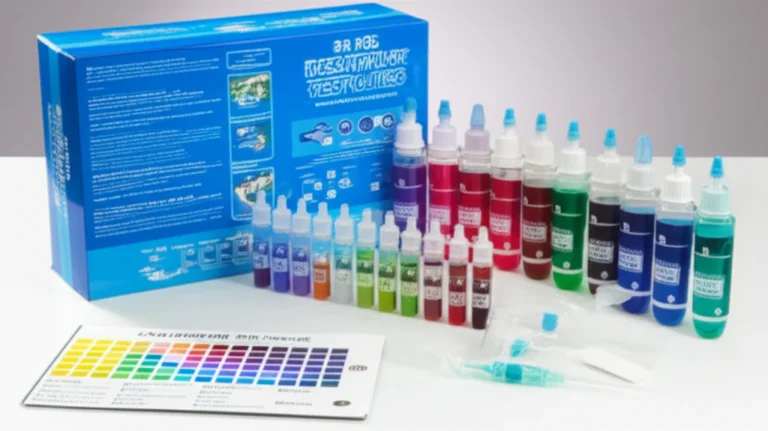
- Digital Test Kits vs. Liquid Reagent Tests
- Automated Dosing Systems and Controllers
- Sensors and IoT Integration for Real-Time Monitoring
- 🌿 Advanced Techniques for Stabilizing Water Chemistry
- Buffering Strategies for Sensitive Species
- Managing Alkalinity and CO2 Injection
- Reverse Osmosis (RO) Water Preparation
- 🚫 Common Mistakes in Water Parameter Control
- Overlooking the Impact of Tap Water Variability
- Ignoring the Role of Biofilm and Sediment
- Rapid Changes vs. Gradual Adjustments
- 🦠 Preventing Disease Through Parameter Management
- The Link Between Stress and Pathogen Outbreaks
- Maintaining Disinfectant Residuals in Large Systems
- Remediation Strategies for Parameter Imbalances
- 📊 Interpreting Test Results: A Guide for Beginners and Pros
- Understanding Tolerance Ranges for Popular Species
- When to Worry: Critical Thresholds for Toxicity
- 🔧 Maintenance Routines for Long-Term Stability
- Weekly Water Change Protocols
- Filter Media Replacement and Cleaning
- Seasonal Adjustments in Parameter Control
- 🌍 Environmental and Public Health Considerations
- Safe Disposal of Chemically Treated Water
- Legionella Control Measures in Large Aquatic Displays
- Guidelines for Public Aquariums and Educational Facilities
- 💡 Pro Tips for Mastering Water Parameter Control
- 🏁 Conclusion
- 🔗 Recommended Links
- 📚 Reference Links
⚡️ Quick Tips and Facts
Welcome
, fellow water whisperers! Before we dive deep into the symphony of aquatic chemistry, here are some quick-fire facts and
tips to get your fins wet. At Aquarium Music™, we believe that understanding the ‘why’ makes the ‘how’
so much easier.
- ✅ Consistency is King: As the presenter in our featured
video wisely states, “The important part is consistency.” Fish and plants can adapt to a
wide range of parameters, but they despise rapid, drastic changes. - ❌ Don’t Chase Perfect Numbers:
Obsessing over a specific pH or GH value can lead to more stress (for you and your fish!) than it’s worth.
A stable, healthy ecosystem is the goal, not a perfect lab report.
🌡️ Temperature Matters More Than You Think: For larger systems, especially, maintaining hot water storage above 14
0°F (60°C) and circulation above 120°F (49°C)
is critical to prevent harmful bacteria like Legionella. For your home aquarium, a
stable temperature within your species’ preferred range is paramount.
- 💧 Know Your Source Water: Your tap water is the
foundation. Is it liquid rock or softer than a pillow? Get a baseline reading of your tap water’s pH, GH
, and KH before you even think about adjusting it. - 🌿 Plants are Your Partners: Live plants aren
‘t just pretty faces! They are natural filters, consuming nitrates and helping to stabilize your ecosystem. Check out our guides
on Aquascaping and Aquatic Plants to learn more. - ☣️ The Unseen Enemy: Bio
film and sediment are breeding grounds for unwanted bacteria. The CDC notes that these are key factors influencing Legionella growth
, a principle that applies to the overall health of any aquatic system. Regular cleaning is non-negotiable
. - 🧪 Test, Don’t Guess: Regular water testing is the only way to truly know what’s
happening in your tank. We recommend testing weekly when establishing a new tank, and bi-weekly or monthly for a mature one
.
📜 The Evolution of Water Parameter Control in Aquascaping {#the-evolution-of-water-
parameter-control-in-aquascaping}
Remember the days of the simple goldfish bowl? A little gravel
, a plastic plant, and a prayer. We’ve come a long, long way, baby! The journey of
water parameter control is a fascinating tale of science meeting passion.
In the early days of the hobby, the “weekly
water change” was the beginning and end of water management. It was a blunt instrument, a reset button that often caused
as much shock as it did good. We didn’t fully grasp the delicate dance of the nitrogen cycle or the buffering
capacity of carbonates.
Then came the boom of liquid test kits, like the classic API Freshwater Master Test Kit. Suddenly, we could see
the invisible! We could measure ammonia, nitrite, nitrate, and pH. This was a revolution! It allowed us to
understand the processes happening in our tanks and intervene with newfound precision. This shift empowered hobbyists to keep more sensitive Fish and Aquatic Life and paved the way for the
modern aquascaping movement.
Today, we’re in the digital age. We have probes that give us
real-time data on our smartphones, and automated dosers that maintain mineral levels with pinpoint accuracy. Brands like Neptune Systems and GHL have brought laboratory-grade technology to our living rooms. But with all this tech, the core principles
remain the same. It’s still about creating a stable, healthy environment where life can flourish. The tools have just become
sharper, allowing us to compose ever more complex and beautiful aquatic symphonies.
🌡️ Why Water
Parameters Matter: The Chemistry of Life
So, why all the fuss about a bunch of invisible chemicals? Think of your aquarium water not as just… well
, water, but as a life-support system. It’s the air your fish breathe, the soil your
plants grow in, and the medium through which all biological processes happen. Every drop is a complex chemical soup, and getting
the recipe right is the secret to a thriving underwater world.
When parameters swing wildly, it’s like asking a
person to live in a room where the oxygen levels, temperature, and air pressure change dramatically every few hours. It’s incredibly
stressful! This stress weakens the immune systems of your fish, making them susceptible to diseases. It stunts plant growth, leading
to algae outbreaks.
For example, General Hardness (GH) isn’t just a number; it’
s a measure of essential minerals like calcium and magnesium. These are vital for everything from the
bone development of your fish to the strength of your shrimp’s exoskeleton and the cellular structure of your plants. Without them, life simply cannot function correctly.
Similarly, pH affects everything. It influences how
readily nutrients are available to plants and, more critically, how toxic ammonia is. A small shift in pH can make the
ammonia in your tank significantly more lethal. It’s a delicate balance, a symphony where every instrument must be in tune. And
you, the aquarist, are the conductor.
🔬 Core Parameters Every Aquarist Must Monitor {#core-
parameters-every-aquarist-must-monitor}
Ready to become a master conductor? Let’s break down the core
sections of your aquatic orchestra. These are the fundamental parameters you need to understand and monitor to ensure your tank is a stage
for life, not a tragedy.
1. pH Levels: The Acid-Base Balance
pH (potential of Hydrogen) is the rockstar of water parameters—everyone’s heard of it! It’s a scale from
0 to 14 that measures how acidic or alkaline your water is.
-
7.0 is neutral.
-
Below 7.0 is acidic.
-
Above 7.0 is alkaline (or basic).
Most freshwater fish and plants in the hobby thrive in a slightly acidic to neutral range, typically **
6.5 to 7.5**. Why? This range often mimics their natural habitats in
rivers and streams. However, some fish, like African Cichlids, prefer much higher, alkaline pH levels. Always
research the specific needs of your chosen inhabitants in our Fish Care and Species Profiles.
Things that affect pH:
- ✅ Driftwood: Releases
tannins, which gently lower pH. - ✅ Peat Moss: A classic method for acidifying water.
✅ Aquarium Soils: Many active substrates like UNS Controsoil are designed to buffer the pH downwards, making them ideal for planted tanks.
- ❌ Certain Rocks: Rocks rich in calcium, like Seiryu stone or Texas Holey Rock, will
leach carbonates and raise the pH and hardness.
2. General Hardness (GH) and Carbonate Hardness (KH)
Don’t let the names confuse you! GH and KH are two different, but equally important, measures
of your water’s mineral content.
-
General Hardness (GH): This is the measure of dissolved
calcium and magnesium ions. As we mentioned, this is crucial for the biological functions
of nearly all aquatic life. Think of it as the “multivitamin” in your water. An ideal range for a
typical community or planted tank is 5-8 dGH (degrees of General Hardness). -
Carbonate Hardness (KH): This is the water’s buffering capacity.
It measures the amount of carbonate and bicarbonate ions, which act like a sponge, soaking up acids and preventing your pH from crashing
downwards. A stable KH is the key to a stable pH. For most planted tanks, a
KH of 4-8 dKH provides a solid buffer without being excessively high.
Have you ever wondered why your pH seems to swing wildly overnight? It’s likely due to a low KH
!
3. Amonia, Nitrite, and Nitrate: The Nitrogen Cycle
Ah, the nitrogen cycle.
This is the cornerstone of your aquarium’s biological filtration and arguably the most critical process to understand for any new Aquarium Setup.
Here’s the quick
and dirty version:
- Ammonia (NH₃): Produced by fish waste, uneaten food, and
decaying organic matter. Ammonia is HIGHLY TOXIC to fish. In a healthy, cycled tank, your
ammonia level should always be 0 ppm. - Nitrite (NO₂⁻): Beneficial bacteria
consume ammonia and convert it into nitrite. Nitrite is also HIGHLY TOXIC. In a cycled tank, your nitrite
level should also be 0 ppm. - Nitrate (NO₃⁻): A second type
of beneficial bacteria consumes nitrite and converts it into nitrate. Nitrate is far less toxic and is tolerated by fish
at much higher levels. It’s also a primary nutrient for aquatic plants! You control nitrates through regular water changes and plant
uptake.
| Parameter | Ideal Level (Cycled Tank) | Why it Matters |
|---|---|---|
| :— | :— | :— |
| Ammonia | 0 ppm | Extremely toxic; causes gill burn and death |
| . | ||
| Nitrite | 0 ppm | Very toxic; prevents blood from carrying oxygen. |
| **Nit | ||
| rate** | < 40 ppm (ideally < 20 ppm) | Low toxicity; high levels can |
| stress fish and fuel algae. |
4. Temperature Stability and Thermal Control
Just like you wouldn’t enjoy
your home’s temperature fluctuating by 10 degrees every hour, neither do your fish. Temperature stability is crucial
for metabolic function and immune health. Most tropical fish thrive between 75-80°F (24-27°C).
A reliable heater is a non-negotiable piece of gear. We’ve had great success
with brands like Eheim Jager and Fluval M Series. For larger or more sensitive systems, an external temperature controller like the Inkbird ITC-308 provides an excellent failsafe against heater malfunction.
5. Dissolved Oxygen and Water Flow Dynamics
Fish
don’t breathe water; they breathe oxygen dissolved in the water. The amount of dissolved oxygen is directly related to two
things: temperature (colder water holds more oxygen) and surface agitation.
Good water flow is essential for:
*
Gas Exchange: A rippling surface allows carbon dioxide to escape and oxygen to enter the water.
- Dist
ributing Nutrients: It ensures that fertilizers and CO₂ (in a high-tech tank) reach all your plants.
Preventing Dead Spots: Stagnant areas can accumulate waste and lead to anaerobic pockets.
You can improve
flow and oxygenation with well-placed filters, powerheads like the Hydor Koralia, or even a simple air stone.
🛠️ Tools and Technologies for Precise Parameter Management
Gone
are the days of just “eyeballing it.” Modern technology has given us an incredible arsenal for monitoring and controlling our
aquatic worlds. Investing in the right tools is a cornerstone of responsible fishkeeping, and we cover many of them in our 🐠 Ultimate Fish Tank Equipment Guide: 7 Essential Upgrades (2026).
Digital Test Kits vs. Liquid Reagent Tests
This is the classic debate: the
old-school reliability of liquid tests versus the modern convenience of digital readers.
| Feature | Liquid Reagent Kits (e.g., API) | Digital Testers (e.g., Hanna Checkers) |
|---|---|---|
| :— | :— | :— |
| Accuracy | Good, but subject to user error (color interpretation, filling lines). | Generally |
| more precise, provides a numerical reading. | ||
| Ease of Use | Involves counting drops, shaking | |
| vials, and comparing colors. Can be tedious. | Simpler process, but still requires careful measurement of reagents. |
| Cost | Lower initial cost. Very cost-effective per test. | Higher initial investment. Reagents can
be costly. |
| Best For | General monitoring, cycling a new tank, beginners on a budget. |
Tracking specific parameters with high accuracy (e.g., phosphate, alkalinity in reef tanks), colorblind individuals. |
Here
at the shop, we use both! We rely on the trusty API Freshwater Master Test Kit for daily checks and cycling new tanks.
But for dialing in the parameters on a sensitive shrimp tank or a high-tech aquascape, the precision of a **
Hanna Checker** for phosphate or alkalinity is invaluable
.
Automated Dosing Systems and Controllers
For the aquarist who wants ultimate stability and control, automated systems are the holy
grail.
-
Dosing Pumps: These devices, like the Jebao Dosing Pump, allow you to automatically
add precise, small amounts of liquid supplements to your tank throughout the day. This is a game-changer for maintaining stable GH
, KH, and fertilizer levels in planted tanks or calcium and alkalinity in reef tanks. It eliminates the “rollercoaster” effect of
manual daily dosing. -
Aquarium Controllers: This is the brain of the operation. A full-blown
controller like the Neptune Systems APEX can monitor pH, temperature, and other parameters in real-time. It can then be
programmed to turn on heaters, coolers, CO₂ solenoids, or dosing pumps to keep everything exactly where you want it
. It can even send you a text alert if something goes wrong! It’s a significant investment, but for large
or complex systems, the peace of mind is priceless.
Sensors and IoT Integration for Real-Time Monitoring
The future
is now! The latest trend is Wi-Fi-enabled sensors that provide 24/7 monitoring from your phone. The
Seneye Home is a popular option that constantly monitors temperature
, pH, and even free ammonia, alerting you to potential disasters before they happen. This technology transforms aquarium management from a
reactive chore to a proactive science, letting you enjoy the beauty of your tank without constant worry.
🌿
Advanced Techniques for Stabilizing Water Chemistry
Once you’
ve mastered the basics, you can start exploring advanced techniques to create specialized environments or achieve ultimate stability. This is where the art
of aquascaping truly meets the science of chemistry.
Buffering Strategies for Sensitive Species
Are you trying to keep
delicate species like Crystal Red Shrimp or certain wild-caught Bettas? These animals often require very specific, stable, and often acidic water
conditions. The key is buffering.
As we discussed, KH is your pH buffer. But what if you want a
low pH and stability? This is where active substrates come in. Aquarium soils like ADA Aqua Soil Amazonia are designed to pull KH out of the water column, allowing the pH to drop and
remain stable in the acidic range (often 6.2-6.8). This creates the perfect environment for many
soft-water plants and animals.
Managing Alkalinity and CO2 Injection
In a high-tech planted tank, you
‘re injecting CO₂ to fuel lush plant growth. But CO₂ forms carbonic acid in water, which naturally drives down the
pH. This is where managing your KH becomes a delicate balancing act.
- If your KH is too
low (<2 dKH): CO₂ injection can cause a dangerous pH crash, stressing your fish. - If
your KH is too high (>8 dKH): You’ll need to inject a massive amount of CO₂ to lower
the pH to the target range, which can be dangerous for your livestock.
The sweet spot for most high-tech tanks
is a KH between 3 and 6 dKH. This provides enough of a buffer to prevent a crash while still allowing you
to achieve the desired CO₂ concentration (indicated by a 1.0-1.2 drop in pH from your pre-CO₂ level). Using a “drop checker” with a calibrated 4 dKH solution is the best visual
aid for gauging CO₂ levels.
Reverse Osmosis (RO) Water Preparation
What’s the secret weapon
of many award-winning aquascapers? They don’t use tap water. They start with a blank slate:
Reverse Osmosis (RO) or RO/DI water. An RO unit, like one from Bulk Reef Supply, strips virtually everything
out of your source water, giving you pure H₂O.
Why is this so powerful? It gives you **
total control**. You are no longer at the mercy of your municipal water supply’s seasonal fluctuations. You can build your water from
the ground up by adding back specific minerals. Products like Seachem Equilibrium are used to restore GH, while products like Seachem Alkaline Buffer are used to raise KH. This allows you to create the exact water parameters
your chosen plants and animals need to thrive.
As the YouTuber in our featured
video explains, this is the preferred method for many hobbyists who want to precisely control their parameters using remineralizers like
the SL-Aqua GH/KH Conditioner.
🚫 Common Mistakes in Water
Parameter Control
We’ve all been there.
In our excitement, we sometimes make mistakes that can set our aquariums back. Here at Aquarium Music™, we’ve made
a few ourselves over the years! Learning from these common pitfalls is a crucial step on your journey to becoming an aquas
caping maestro.
Overlooking the Impact of Tap Water Variability
You tested your tap water when you set up your tank six
months ago, and it was perfect. So why are you having problems now? Many aquarists forget that municipal water sources
are not static. They can change seasonally. Heavy rains can lower hardness, while dry spells can concentrate minerals. Water treatment plants can change
their disinfectant from chlorine to chloramine without notice.
Our advice: Test your tap water at least once every couple
of months. And always use a high-quality water conditioner that neutralizes both chlorine and chloramine, like **
Seachem Prime**. It
‘s the cheapest insurance policy you can buy for your tank.
Ignoring the Role of Biofilm and Sediment
You can’t see it, but it’s there. A slimy layer of biofilm covers every surface in your aquarium
. While much of this is beneficial bacteria, thick layers of biofilm and accumulated sediment (mulm) can become problematic. As
the CDC highlights in its guidelines for large water systems, sediment and biofilm are primary factors that support
the growth of unwanted bacteria.
In an aquarium context, this means:
Oxygen Depletion:** Decomposing sludge consumes vast amounts of oxygen, especially at night.
- Nutrient
Spikes: This gunk can trap and then suddenly release phosphates and nitrates, fueling algae blooms. - Path
ogen Reservoir: It can be a breeding ground for harmful bacteria and parasites.
The Fix: Regular gravel vacuuming and
cleaning of filter components are not just for aesthetics; they are critical for long-term water stability and health.
Rapid
Changes vs. Gradual Adjustments
You just tested your water and the pH is 7.8, but you
want it to be 6.8. The absolute worst thing you can do is dump in a bottle of “pH Down” and
call it a day. Sudden, large swings in any parameter are far more deadly to fish than suboptimal but stable conditions.
Imagine being thrown from a sauna into a snowbank—that’s what a rapid pH swing feels like to a fish. It
causes severe osmotic shock, burns their gills, and can be fatal.
The Golden Rule: If you need to make
an adjustment, do it slowly.
- Lowering pH? Add driftwood or peat moss and
let it work its magic over days or weeks. - Increasing Hardness? Add a small amount of crushed coral to
your filter and let it dissolve slowly. - Water Changes: If your tank water is very different from your tap
water, perform smaller, more frequent water changes (e.g., 10-15% twice a week instead of 50% once a week).
🦠 Preventing Disease Through Parameter Management {#preventing-disease
-through-parameter-management}
A common cry for help we hear is, “My fish are sick, what
medicine should I use?” But often, the medicine is not a chemical, but a correction. Poor water quality is the
number one cause of stress in aquarium fish, and stress is the number one precursor to disease.
The Link Between Stress and
Pathogen Outbreaks
Fish have a surprisingly robust immune system, but it’s heavily compromised by stress. When a
fish is stressed by fluctuating temperatures, incorrect pH, or the presence of ammonia, its body produces cortisol. This stress hormone suppresses
its immune response, opening the door for opportunistic pathogens like Ich (White Spot Disease) or bacterial infections to take hold.
Think
of it this way: the pathogens are almost always present in the aquarium in low numbers. A healthy, unstressed fish can
easily fight them off. A stressed fish cannot. Therefore, maintaining stable, ideal water parameters is the single best preventative
medicine you can practice.
Maintaining Disinfectant Residuals in Large Systems
While not a common practice for home aquariums
, understanding how large public aquariums or commercial systems ensure safety is fascinating and provides valuable lessons. The CDC emphasizes the need to maintain a detectable disinfectant residual (like chlorine or monochloramine) in large potable water systems to control
bacteria.
This isn’t something you’d do in your display tank (it would kill your fish and beneficial bacteria!), but it highlights the principle of proactive microbial control. In our aquariums, we achieve
this not with chlorine, but with a massive, healthy colony of beneficial bacteria in our filters, which outcompetes harmful
microbes for resources. A well-maintained UV sterilizer, like one from Aqua Ultraviolet, can serve a similar function by killing free-floating bacteria and algae spores without harming the established filter colony
.
Remediation Strategies for Parameter Imbalances
What do you do when things go wrong? A tank cycle crashes
, or a decoration leaches unknown chemicals, causing a parameter spike. The key is calm, methodical action.
1
. Identify the Cause: Don’t just treat the symptom. Why did ammonia spike? Did you add too many fish at
once? Did a filter fail? Did a large snail die unnoticed?
2. Perform a Large Water Change
: This is your emergency reset button. A 50-75% water change (with properly conditioned and temperature-matched water) is the fastest way to dilute toxins like ammonia and nitrite and bring parameters back to a safer level.
3.
Add a Detoxifier: Products like Seachem Prime are invaluable in an emergency. They don’t just remove chlorine; they also temporarily bind with and detoxify ammonia
and nitrite, making them harmless to your fish while giving your filter bacteria time to catch up.
4. Boost
Your Biological Filter: Add a bottled bacteria product like FritzZyme 7 to help re-establish your
bacterial colony more quickly.
The CDC notes that after a remediation procedure, harmful bacteria will likely return if the underlying conditions
aren’t fixed. This is 100% true for aquariums. A
big water change will save your fish today, but if you don’t fix the root cause of the ammonia spike, you’
ll be right back in the same emergency tomorrow.
📊 Interpreting Test Results: A Guide for Beginners
and Pros
You’ve got the test kit, you’ve followed the instructions, and now you’re staring at a row
of colorful vials. What do these numbers actually mean for your tank? Let’s decode the data.
Understanding
Tolerance Ranges for Popular Species
The “perfect” parameters don’t exist. The ideal numbers depend entirely on the type of ecosystem
you’re creating. A South American Blackwater tank has vastly different needs than an African Rift Lake setup.
Here
‘s a general guide to get you started:
| Tank Type | pH Range | GH Range (dGH)
| KH Range (dKH) | Temp Range (°F) |
|---|---|
| :— | :— |
| Community Tropical (Tetras, Guppies, Corydoras) | |
| 6.8 – 7.6 | 5 – 12 |
| 5 – 80°F | |
| Planted / Aquascape | 6.5 – 7. |
| 5 | 4 – 8 |
| African Cichlid (Lakes Malawi/Tanganyika) | 7.8 – 8.6
| 10 – 20 | 10 – 18 | 76 – 82
°F |
| South American Cichlid (Discus, Angelfish) | 6.0
- 7.2 | 3 – 8 | 1 – 4 | 80 – 8
6°F |
| Caridina Shrimp (Crystal Red/Black) | 5.8 – 6.8
| 4 – 6 | 0 – 2 | 70 – 74°F |
Remember:
These are just guidelines! The most important goal is stability within these ranges.
When to Worry: Critical Threshold
s for Toxicity
Some parameters are more forgiving than others. A slightly high nitrate level is a call for a water change
. A slightly high ammonia level is a five-alarm fire.
- 🚨 Ammonia: Any reading above 0.
25 ppm is a cause for immediate concern and action (water change, detoxifier). At 1.0 ppm
and above, you are in a critical danger zone for your fish. - 🚨 Nitrite: Similar to ammonia, any
reading above 0.25 ppm indicates a problem with your nitrogen cycle. Levels of 0.5 ppm
or higher can be lethal. - ⚠️ Nitrate: While less toxic, levels consistently above 40
-50 ppm can cause long-term stress, stunt growth, and fuel stubborn algae. Aim to keep it below
20 ppm. - 🌡️ Temperature: A swing of more than 2-3°F in
a 24-hour period can be very stressful. Ensure your heater is functioning correctly.
Don’t panic
if you get a weird reading. First, double-check the test. Did you shake the reagent bottle enough? Is
the test kit expired? If the reading is confirmed, then it’s time to take calm, measured action.
🔧 Maintenance Routines for Long-Term Stability
The
secret to effortless water parameter control isn’t fancy equipment; it’s a consistent, disciplined maintenance routine. A little
bit of work on a regular schedule prevents massive problems from ever developing. This is how you achieve that enviable, crystal-clear,
stable aquarium.
Weekly Water Change Protocols
The weekly water change is the backbone of aquarium maintenance. It’s not just about
removing nitrates; it’s about replenishing essential minerals and trace elements that get used up by plants and biological processes.
**
Our Recommended Weekly Routine:**
- Test Your Water: Before you do anything, test your tank’s nitrate levels
. This tells you if your water change percentage is appropriate. If nitrates are creeping up each week, you may need to change
a larger volume or do it more frequently. - Prepare New Water: Prepare your new water in a clean
, dedicated bucket. Treat it with a water conditioner like API Stress Coat+. Use a small heater to match the temperature to your tank’s water *exactly
*. - Clean the Glass: Use a mag-float or algae scraper to clean the inside of the glass
before you remove any water. This allows the debris to be siphoned out. - Siphon and
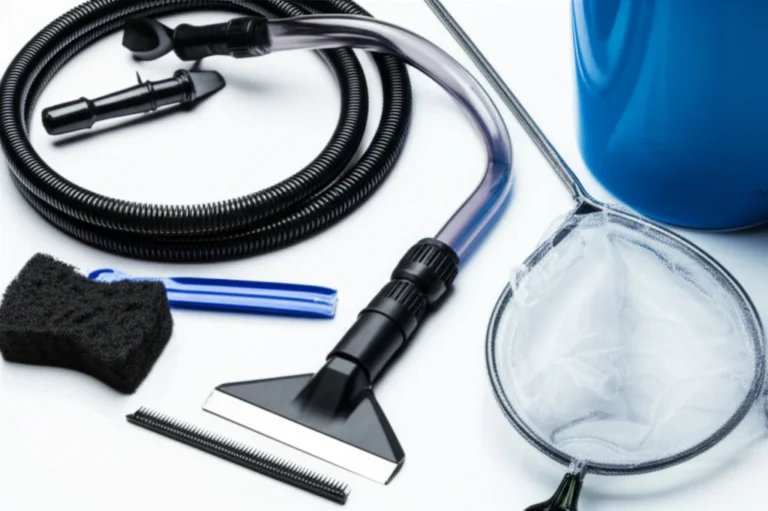
Vacuum: Use a gravel vacuum (we love the Python Pro-Clean) to remove water. Gently vacuum about 1/3 of the substrate
surface, pulling up detritus and waste. - Refill Slowly: Slowly add the new, prepared
water back into the tank. Try not to disturb the substrate or blast your fish and plants. Pouring it onto a piece
of driftwood or a rock can help diffuse the flow.
Filter Media Replacement and Cleaning
Your filter is the heart of your aquarium
‘s life support system. Never, ever replace all of your filter media at once! This will instantly destroy your biological
filter and trigger a new cycle, endangering your fish.
- Mechanical Media (Sponges, Floss): These
should be rinsed monthly in the old tank water you siphoned out during a water change. Never rinse them in tap water
, as the chlorine will kill the beneficial bacteria. Replace them only when they are literally falling apart. - Biological
Media (Ceramic Rings, Bio-Balls): This is where your beneficial bacteria live. This media should almost *
never* be replaced. A gentle swish in old tank water once every 3-6 months is all that’s
needed to remove excess sludge. - Chemical Media (Activated Carbon, Purigen): This media becomes exhausted
and needs to be replaced or recharged according to the manufacturer’s instructions, typically every 4-6 weeks. Seachem Purigen is a favorite of ours because it can
be “recharged” and reused multiple times.
Seasonal Adjustments in Parameter Control
Your aquarium doesn’t exist in
a vacuum. The environment of your home can affect it.
- Summer: Your home is warmer, which
can cause your tank temperature to rise. This is especially true if the tank gets direct sunlight (a big no-no!).
Warmer water holds less dissolved oxygen, so you may need to add an air stone or increase surface agitation to compensate. You
may even need an aquarium chiller in very hot climates. - Winter: Your home is cooler and the air is often
drier. This can cause the tank temperature to drop, forcing your heater to work harder. It also increases the rate of evaporation.
Be sure to top off your tank with dechlorinated water (or pure RO water to avoid concentrating minerals) between water changes.
🌍 Environmental and Public Health Considerations
As responsible aquarists
, our duty of care extends beyond the glass box. How we manage our systems can have an impact on our own health and the environment
.
Safe Disposal of Chemically Treated Water
Have you ever used medication to treat your fish for ich or a bacterial infection?
When you perform a water change, where does that medicated water go? Most of us pour it down the drain,
where it enters the municipal water system. While the dilution is immense, it’s a good practice to be mindful. Some
advanced hobbyists run used water through a carbon filter before disposal to remove medications and chemicals.
More importantly, never
release aquarium water, plants, or livestock into local waterways. This is how invasive species and diseases are introduced, which can devast
ate local ecosystems.
Legionella Control Measures in Large Aquatic Displays
While the risk in a small home aquarium is virtually
nonexistent, it’s a serious consideration for public aquariums, large water features in buildings, or commercial fish-holding
facilities. The principles used to control Legionella in these systems, as outlined by the [CDC](https://www.
cdc.gov/control-legionella/php/toolkit/potable-water-systems-module.html
), offer valuable lessons in microbial control for any scale.
The CDC states, “No single measure can ensure Legion
ella control,” emphasizing a layered approach. Key factors for its growth are:
- Temperature: Legionella thrives in a range of 77–113°F (25–45°C). This is squarely within the temperature range of many tropical
aquariums, highlighting the importance of a clean system. - Water Age and Stagnation: The CDC recommends
flushing low-flow pipes or “dead legs” weekly. In our tanks, this translates
to ensuring good flow to all corners and preventing stagnant, anaerobic areas from forming. - Biofilm and Sediment:
As mentioned before, this is a primary breeding ground. Regular cleaning is your best defense.
Guidelines
for Public Aquariums and Educational Facilities
Public facilities operate under stringent guidelines. They often employ sophisticated filtration systems that include large
sand filters, protein skimmers, and powerful UV sterilizers to maintain water clarity and microbial control. They also have rigorous
monitoring schedules, testing water parameters multiple times per day.
For educational facilities with smaller classroom tanks, the key is establishing a simple
but unbreakable maintenance protocol. This includes weekly testing and water changes, clear feeding instructions to prevent overfeeding, and regular filter
checks. Using point-of-use (POU) filters with a pore size of 0.2 microns or
less on faucets used for water changes can provide an extra layer of security against introducing pathogens.
💡 Pro Tips for Mastering Water Parameter Control {#pro-tips-for-mastering-water
-parameter-control}
You’ve absorbed the science and the theory. Now, let’s boil it down to
some pro-level tips from our team at Aquarium Music™ that will elevate your water management game.
-
”
Read” Your Plants and Animals: Your inhabitants are the ultimate water quality sensors. Are your shrimp actively grazing and molting successfully
? Are your fish exhibiting vibrant colors and normal behavior? Are your plants pearling (releasing bubbles of oxygen)? If
the answer is yes, your parameters are likely in a good place, regardless of what the test kit says. Learn to observe
your tank holistically. -
Keep a Logbook: This sounds tedious, but it’
s a lifesaver for troubleshooting. Keep a simple notebook or a spreadsheet. Record your test results, the date of
your water changes, when you cleaned your filter, and any new additions. When a problem arises, this log will help
you identify patterns and pinpoint the cause. -
Invest in a TDS Pen: A Total Dissolved Solids
(TDS) pen is an inexpensive and incredibly useful tool. It gives you an instant snapshot of the total mineral content in your water
. While it doesn’t tell you what those solids are, it’s fantastic for checking the consistency of your
tap water, knowing when your RO membrane needs changing, and ensuring your remineralized water is on target. The
ideal TDS for many planted tanks is 120-150 PPM. -
Create a “Hospital Tank”: Never medicate your main display tank unless you absolutely have to. A
separate, smaller quarantine or hospital tank allows you to treat sick fish without nuking your main tank’s biological filter with
medication. It’s also essential for quarantining new arrivals for 4-6 weeks to observe for any signs of illness
before introducing them to your established ecosystem. -
Don’t Underestimate Surface Skimmers: A greasy film of
protein on the water’s surface not only looks bad, but it also severely inhibits gas exchange, reducing the oxygen level
in your tank. A simple surface skimmer, like the Eheim Skim 350,
will keep the surface pristine and dramatically improve the health of your aquarium.
🏁 Conclusion

We’ve journeyed from the basics of pH and hardness to the advanced realms of automated dosing and Legionella prevention. But remember the question we posed at the very beginning: Can you truly master the water, or does the water master you?
The answer, as we’ve discovered together, lies in the balance. You cannot force nature into a rigid box, but you can create a stable, harmonious environment where life thrives. The “perfect” numbers are a myth; the perfect stability is the reality. Whether you are keeping a simple community tank or a high-tech aquascape, the secret isn’t in the most expensive gadget or the most complex chemical formula. It’s in the consistency of your routine, the patience to make gradual changes, and the curiosity to understand the chemistry of your unique ecosystem.
As the CDC wisely noted regarding large systems, “No single measure can ensure control.” The same applies to your home aquarium. It’s the layering of good habits—regular testing, consistent water changes, proper filtration, and mindful feeding—that creates a symphony of aquatic life. Don’t let the fear of a wrong number paralyze you. Embrace the process, learn from the fluctuations, and enjoy the beauty of the world you’ve created.
Our Confident Recommendation:
If you are just starting out, do not overcomplicate things. Start with a high-quality liquid test kit (like the API Freshwater Master Test Kit) and a reliable heater. Master the art of the weekly water change before investing in automated controllers. Once you understand the rhythm of your tank, then consider upgrading tools like Neptune Systems controllers or RO/DI units to fine-tune your environment. Remember, the best tool you have is your own observation.
🔗 Recommended Links
Ready to upgrade your setup? Here are the top-rated products and resources we trust at Aquarium Music™ to help you maintain perfect water parameters.
Essential Testing & Monitoring
- API Freshwater Master Test Kit: The gold standard for beginners and pros alike.
👉 Shop on: Amazon | Petco | Chewy - Hanna Instruments Checker HI701 (Amonia): For precise, digital ammonia readings.
👉 Shop on: Amazon | Bulk Reef Supply - Seneye Home Aquarium Monitor: Real-time Wi-Fi monitoring for temperature, pH, and ammonia.
👉 Shop on: Amazon | Seneye Official Website
Water Treatment & Filtration
- Seachem Prime: The ultimate water conditioner for detoxifying chlorine, chloramine, and ammonia.
👉 Shop on: Amazon | Petco | Seachem Official Website - Python No Spill Clean and Fill: The easiest way to perform large water changes without lifting a heavy bucket.
👉 Shop on: Amazon | PetSmart - Eheim Skim 350: Keep that surface film gone for optimal gas exchange.
👉 Shop on: Amazon | Eheim Official Website
Advanced Control & Automation
- Neptune Systems Apex Controller: The brain of the modern aquarium for total parameter control.
👉 Shop on: Amazon | Neptune Systems Official Website - Jebao DCP Dosing Pump: Reliable and affordable automated dosing for fertilizers and minerals.
👉 Shop on: Amazon | Jebao Official Website
Educational Resources
- “The Aquarium Water Quality Handbook” by Dr. Michael S. L.: A deep dive into the chemistry of aquariums.
👉 Shop on: Amazon - “The Art of Aquascaping” by Takashi Amano: The bible for creating stable, planted ecosystems.
👉 Shop on: Amazon
📚 Reference Links
We believe in transparency and scientific accuracy. Here are the sources and further reading that informed our advice:
- CDC Guidelines on Water Management Programs: Comprehensive guidance on controlling Legionella and managing water parameters in building systems.
- CDC: Control Legionella in Potable Water Systems
- ASHRAE Guideline 12: The industry standard for managing the risk of Legionellosis associated with building water systems.
- ASHRAE Guideline 12-2020
- Understanding Parameter Sensitivity and its Management: A scientific perspective on how water parameters interact and affect aquatic life.
- Wiley Online Library: Understanding parameter sensitivity and its management…
- Seachem Technical Support: Detailed chemical data sheets and application guides for aquarium products.
- Seachem Technical Library
- Neptune Systems Knowledge Base: Expert articles on controller programming and parameter stability.
- Neptune Systems Knowledge Base
❓ Frequently Asked Questions
Why is controlling water temperature important for aquatic life?
Temperature is the master regulator of aquatic metabolism. Fish are ectothermic (cold-blooded), meaning their body temperature matches their environment.
- Metabolic Rate: Warmer water speeds up metabolism, increasing oxygen demand and waste production. Cooler water slows it down.
- Oxygen Solubility: As water warms, it holds less dissolved oxygen. A sudden spike in temperature can lead to oxygen starvation, even if the water looks clear.
- Immune Function: Rapid temperature fluctuations stress the fish’s immune system, making them susceptible to diseases like Ich.
- Reproduction: Many species require specific temperature triggers to breed.
How can I adjust ammonia and nitrate levels in my fish tank?
- Amonia: This is toxic and must be kept at 0 ppm. If detected:
- Immediate Action: Perform a large water change (50%+) with dechlorinated water.
- Detoxify: Use a product like Seachem Prime to bind ammonia temporarily.
- Long-term: Ensure your biological filter is cycled. Add beneficial bacteria supplements if necessary. Reduce feeding to lower waste production.
- Nitrate: This is less toxic but should be kept below 40 ppm.
- Water Changes: The most effective method. Regularly replace 25-50% of the water.
- Plants: Live plants consume nitrate as a nutrient. Adding more plants can naturally lower levels.
- Chemical Filtration: Use media like Seachem DeNitrate or Purigen to absorb nitrates.
What is the ideal pH level for a freshwater aquarium?
There is no single “ideal” pH for all fish. It depends on the species:
- General Community Tanks: A range of 6.5 to 7.5 is suitable for most tetras, guppies, and livebearers.
- African Cichlids: Prefer alkaline water, typically 7.8 to 8.6.
- South American Cichlids (Discus/Angelfish): Thrive in acidic water, 6.0 to 7.2.
- Shrimp (Caridina): Often require acidic, soft water, 5.8 to 6.8.
- Crucial Note: Stability is more important than the specific number. A stable pH of 7.8 is better than a fluctuating pH of 6.8.
How often should water parameters be checked in a home aquarium?
- New Tanks (First 4-6 weeks): Test daily or every other day for ammonia and nitrite to monitor the cycling process.
- Established Tanks: Test weekly for ammonia, nitrite, and nitrate.
- Monthly: Test pH, GH, and KH to ensure they haven’t drifted.
- After Events: Always test immediately after adding new fish, changing filter media, or noticing signs of illness.
What tools are used for accurate water parameter testing?
- Liquid Reagent Kits: (e.g., API Master Test Kit) Offer the best balance of accuracy and cost for most hobbyists. They measure ammonia, nitrite, nitrate, and pH.
- Digital Testers: (e.g., Hanna Checkers) Provide numerical readings, eliminating color-matching errors. Ideal for specific parameters like phosphate or alkalinity.
- Electronic Probes: (e.g., Seneye, Neptune Systems) Offer real-time, continuous monitoring of temperature, pH, and sometimes ammonia. Best for large or sensitive systems.
- TDS Meter: Measures total dissolved solids, useful for checking RO water and remineralization.
How does water parameter control affect fish health?
Poor parameter control is the leading cause of fish disease.
- Stress: Fluctuating pH, hardness, or temperature triggers a stress response, releasing cortisol which suppresses the immune system.
- Toxicity: High ammonia or nitrite damages gills, preventing oxygen uptake and leading to suffocation.
- Osmotic Stress: Incorrect GH/KH can disrupt the fish’s ability to regulate fluids and salts in their body, causing organ failure.
- Disease Outbreaks: Stressed fish are the primary targets for opportunistic pathogens like Ich, Fin Rot, and bacterial infections.
What are the key water parameters to monitor in an aquarium?
The “Big Six” for most freshwater tanks are:
- Amonia: Must be 0 ppm.
- Nitrite: Must be 0 ppm.
- Nitrate: Keep below 40 ppm.
- pH: Maintain species-specific stability.
- GH (General Hardness): Essential for fish health and plant growth.
- KH (Carbonate Hardness): Critical for pH stability.
- Temperature: Must be stable and species-appropriate.
How do I maintain stable water parameters for a reef tank?
Ref tanks (saltwater) require stricter control due to sensitive corals.
- Automated Dosing: Use dosing pumps to add calcium, alkalinity, and magnesium daily to prevent swings.
- Kalkwasser or Two-Part: Maintain consistent alkalinity and calcium levels.
- RO/DI Water: Always start with pure water to avoid introducing impurities.
- Regular Testing: Test alkalinity and calcium 2-3 times a week.
- Stable Salinity: Use a refractometer (not a hydrometer) to monitor salinity daily.
What are the best tools for monitoring water parameters in aquariums?
- For Beginners: API Freshwater Master Test Kit (Liquid) + Digital Thermometer.
- For Intermediate: Hanna Checker (for Phosphate/Alkalinity) + TDS Meter.
- For Advanced: Neptune Systems Apex or GHL Profibus controllers for automated, real-time monitoring and control.
- For Shrimp/Planted: Seneye Home for constant ammonia and pH monitoring.
Why are water parameters fluctuating in my saltwater aquarium?
Fluctuations usually stem from:
- Evaporation: As water evaporates, salinity and mineral concentrations rise. Top off with fresh RO water, not saltwater.
- Algae/Corals: Rapid growth can deplete calcium and alkalinity quickly.
- Inconsistent Dosing: Manual dosing often leads to “sawtoth” patterns (high after dosing, low before). Automated dosing solves this.
- Water Changes: Using tap water with different parameters than your tank water can cause swings. Always use RO/DI water.
How often should I test water parameters for optimal fish health?
- Weekly: Amonia, Nitrite, Nitrate, pH.
- Bi-Weekly: GH, KH.
- Monthly: TDS, Salinity (if saltwater).
- Immediate: If fish are acting lethargic, gasping, or showing spots.
What is the ideal pH range for tropical freshwater fish?
Most common tropical freshwater fish (Tetras, Rasboras, Guppies, Platies, Mollies, Swordtails, Corydoras) thrive in a pH range of 6.5 to 7.5.
- Soft Water Fish: Some species (like Discus or Cardinal Tetras) prefer 6.0 to 6.8.
- Hard Water Fish: Livebearers and African Cichlids prefer 7.5 to 8.5.
- Key Takeaway: Match the pH to your local tap water if possible, or adjust slowly to match the natural habitat of your specific fish.
How does temperature affect water parameters in an aquarium?
- Gas Solubility: Higher temperatures decrease the amount of dissolved oxygen and CO₂.
- Chemical Reactions: Warmer water can accelerate the breakdown of medications and the growth of bacteria (both good and bad).
- pH Shift: Temperature changes can slightly alter pH readings and the toxicity of ammonia (amonia is more toxic at higher pH and higher temperatures).
- Metabolism: As mentioned, it directly dictates how much food fish eat and how much waste they produce.
Can I use automated systems to control water parameters?
Absolutely. Automated systems are the gold standard for stability.
- Dosing Pumps: Automatically add minerals, fertilizers, or buffers at set intervals, preventing the “sawtoth” effect of manual dosing.
- Controllers: Devices like the Neptune Apex can monitor pH and temperature, then automatically turn on CO₂ solenoids, chillers, or heaters to maintain set points.
- Auto Top-Off (ATO): Systems that automatically add fresh water when evaporation occurs, keeping salinity and mineral levels stable.
- Benefit: These systems remove human error and ensure 24/7 stability, which is critical for sensitive species like shrimp, corals, and wild-caught fish.