Support our educational content for free when you purchase through links on our site. Learn more
🐠 Community

Fish Tanks: Your Ultimate Guide (2026)
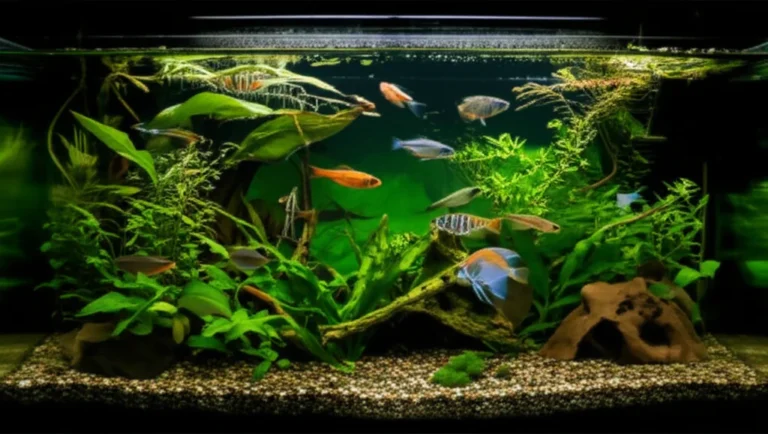
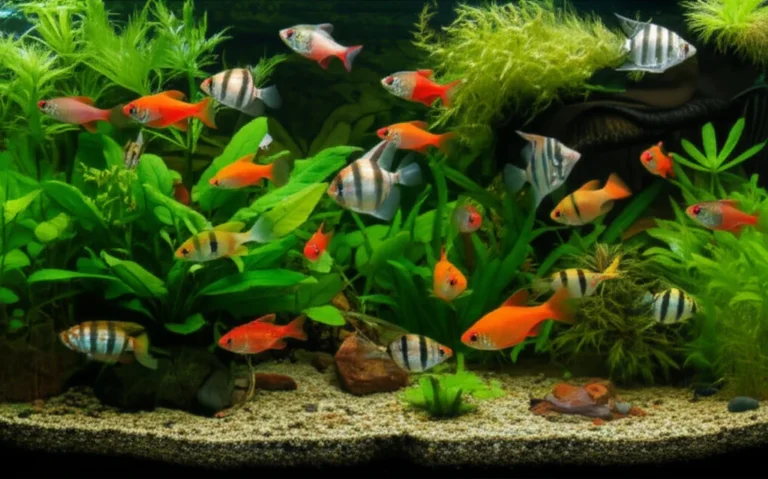
Ever dreamt of an
underwater ballet in your living room? A vibrant ecosystem where dazzling fish of all shapes and sizes glide gracefully, coexisting in perfect harmony? That, my friends, is the magic of a community fish tank! Here at Aquarium Music™, we’ve
spent countless hours (and probably too many late nights) perfecting the art of aquatic coexistence, and we’re thrilled to share our deepest insights with you. Forget the days of mismatched fish and cloudy water; we’re about to unlock the
secrets to creating a thriving, peaceful, and utterly captivating aquatic sanctuary. From the foundational gear you absolutely need to the top 12 fish species that will turn your tank into a living masterpiece, we’ve got every fin-flapping detail
covered. Are you ready to discover which tiny, algae-eating hero can keep your glass spotless, or which schooling fish will add an electrifying shimmer to your aquascape? Dive in, because your ultimate guide to community fish tanks starts now!
Key Takeaways
- Planning is Paramount: Success hinges on careful research and preparation, from tank size and equipment to fish compatibility and water parameters. Don’t rush the nitrogen cycle!
- Essential Gear Matters
: Invest in a quality filter, heater, and lighting system tailored to your tank’s needs and inhabitants. Oversizing filtration is often a smart move. - Compatibility is King: Select fish with similar temperaments
, size, and water parameter requirements to ensure a peaceful and stress-free environment. Avoid aggressive species in a general community tank. - Aquascaping Enhances Life: Provide ample hiding spots, plants, and varied
decor to create territories, reduce stress, and enrich your fish’s environment. - Maintain Water Quality: Regular water changes and consistent testing of ammonia, nitrite, and nitrate are crucial for long-term health and
stability. - Diverse Diet for Diverse Fish: Offer a varied diet of high-quality flakes, pellets, frozen, and live foods to meet the nutritional needs of all your tank inhabitants.
Table of Contents
- ⚡️ Quick Tips and Facts for Your Community Aquarium
- 📜 The Harmonious History of Community Aquariums: A Journey Through Aquatic Coexistence
- 🤔 What Exactly is a Community Fish Tank? Defining Your Aquatic Utopia
- 🌟 Why Dive into the Community Tank Craze? Benefits of a Diverse Aquatic Ecosystem
- 🛠️ Setting the Stage: Essential Gear for Your Thriving Community Aquarium
- 📏 Tank Size & Placement: Finding the Perfect Foundation
- 🌡️ Heating & Temperature Control: Keeping Things Cozy
- 💡 Lighting for Plants & Fish: Illuminating Your Underwater World
-
🌿 The Art of Aquascaping Your Community Oasis: Design Principles for Harmony
-
🗺️ Creating Zones & Territories: Preventing Fin-Flapping Fights
-
🔬 Water Parameters: The Unsung Heroes of a Thriving Community Aquarium
-
💧 Hardness (GH & KH): Understanding Your Water’s Mineral Content
-
♻️ The Nitrogen Cycle Explained: Your Tank’s Biological Engine
-
🐠 Stocking Your Symphony: Principles of Community Fish Selection
-
🤝 Compatibility is Key! Mixing Fish for Peaceful Coexistence
-
📈 Size Matters: Considering Growth Potential and Tank Capacity
-
🎭 Temperament & Behavior: Understanding Your Fish’s Personality
-
🌍 Biotope Considerations: Creating a Natural Slice of the World
-
📏 The 1-Inch-Per-Gallon Rule: Why It’s Often Misleading (and What to Do Instead)
-
🏆 Our Top 12 Picks: The Best Fish for a Peaceful Community Aquarium
-
1. 🐠 Neon Tetra (Paracheirodon innesi): The Dazzling Jewel of the Amazon
-
2. 🐟 Rummynose Tetra (Hemigrammus rhodostomus): The Schooling Sensation with a Red Nose
-
3. 🦐 Celestial Pearl Danio (Danio margaritatus): The Galactic Gem for Smaller Tanks
-
4. 🐡 Cherry Barb (Puntius titteya): The Blushing Beauty with a Peaceful Demeanor
-
5. 🌈 Guppy (Poecilia reticulata): The Prolific Performer and Livebearer Extraordinaire
-
6. 🐠 Platy (Xiphophorus maculatus/variatus): The Colorful Charmer for Beginners
-
7. 🐡 Dwarf Gourami (Trichogaster lalius): The Gentle Giant (of Small Tanks)
-
8. 🐌 Cory Catfish (Corydoras species): The Bottom-Dwelling Buddy and Cleanup Crew
-
9. 🌿 Oto Cat (Otocinclus affinis): The Algae-Eating Ace for a Pristine Tank
-
10. 🪵 Bristlenose Pleco (Ancistrus sp.): The Wood-Loving Workhorse and Algae Scrubber
-
11. 🌟 Harlequin Rasbora (Trigonostigma heteromorpha): The Subtle Shimmer of Southeast Asia
-
12. ❄️ White Cloud Mountain Minnow (Tanichthys albonubes): The Cool Water Classic for Unheated Tanks
-
📝 Notes on Community Fish Selection: Beyond the Basics of Compatibility
-
🍽️ Feeding Your Finny Friends: Nutrition for a Happy and Healthy Community
-
🥗 Variety is the Spice of Life: A Balanced Diet for Diverse Species
-
🧼 Maintaining Your Masterpiece: Routine Care for Community Tanks
-
🚨 Troubleshooting Common Community Tank Conundrums: Solving Aquatic Mysteries
-
🤒 Fish Illnesses & Prevention: Spotting and Treating Ailments
-
🚀 Advanced Community Aquascaping & Stocking Ideas: Taking Your Tank to the Next Level
-
🦐 Adding Invertebrates (Shrimp & Snails): The Unsung Heroes of Cleanup
⚡️ Quick Tips and Facts for Your Community Aquarium
Welcome, fellow aquarists, to the wonderful world of community fish
tanks! Here at Aquarium Music™, we believe that a well-curated community aquarium is more than just a collection of fish; it’s a living, breathing symphony of aquatic life. But before you dive fin-first into this exciting
hobby, let’s arm you with some quick, essential facts and tips to avoid those pesky beginner blunders. Trust us, we’ve seen enough fishy fiascos to write a whole opera! One of the biggest mistakes newcomers
make is rushing the process, leading to a cascade of issues. To truly set yourself up for success, you’ll want to avoid these common pitfalls, and we’ve got a whole article dedicated to them: 15 Deadly New Fish Tank Mistakes to Avoid (2026).
- Size Matters (A Lot!): Don’t skimp on tank size. A larger tank provides more stability and space, reducing aggression and stress for your finned friends. Think 20 gallons (75 liters) as an absolute minimum for a very small community, but 30-55 gallons (113-208 liters) is ideal for a diverse, thriving community.
- Cycle
, Cycle, Cycle! This isn’t just a suggestion; it’s the golden rule of fishkeeping. Establishing the nitrogen cycle before adding fish prevents toxic ammonia and nitrite spikes. Patience is a virtue here! - Compatibility
is King 👑: Not all fish play nice. Research, research, research! Mixing peaceful schooling fish with aggressive species is a recipe for disaster. We’ll dive deep into this later, but remember: **peaceful temperaments are paramount
** for a harmonious community. - Plants are Your Pals 🌱: Live plants do more than just look pretty. They oxygenate the water, absorb nitrates, and provide crucial hiding spots and enrichment for your fish. Plus, they make
aquascaping a joy! - Don’t Overstock! It’s tempting to fill your tank with every beautiful fish you see, but overcrowding leads to poor water quality, stress, and disease. Less is often more in
the aquatic world. - Water Parameters are Non-Negotiable: pH, hardness, ammonia, nitrite, and nitrate levels are your tank’s vital signs. Invest in a good test kit and use it regularly. Consistency is key to a
stable environment. - Quarantine New Arrivals: This step is often skipped, but it’s a lifesaver! A separate quarantine tank prevents introducing diseases to your established community. Trust us, a few weeks of isolation can save you
months of heartache. - Variety in Diet: Just like us, fish thrive on a varied diet. Don’t just stick to flakes! Offer a mix of high-quality flakes, pellets, frozen, and live foods appropriate
for your specific species.
📜 The Harmonious History of Community Aquariums: A

Journey Through Aquatic Coexistence
Have you ever wondered how we got to the point where we can create miniature underwater worlds, teeming with diverse life, right in our living rooms? The concept of the “community aquarium” isn’t a new fad
; it’s a fascinating evolution rooted in centuries of human curiosity and scientific advancement.
Early forms of aquariums date back to ancient Rome and Egypt, where fish were kept in outdoor ponds and glass bowls for observation and food. However, these
were far from the intricate ecosystems we cultivate today. The real spark for indoor aquariums ignited in the mid-19th century with the Victorian era’s fascination with natural history. Philip Henry Gosse, a naturalist, is often credited with co
ining the term “aquarium” in 1853 and popularizing the concept of a balanced, self-sustaining aquatic environment in his book The Aquarium: An Unveiling of the Wonders of the Deep Sea.
Initially, these early aquariums often housed single species or very limited combinations. The idea of a “community” tank, where multiple species from different regions could coexist peacefully, gradually emerged as understanding of fish behavior, water chemistry
, and filtration improved. Pioneers in the field began experimenting with different species, observing their interactions, and learning the delicate balance required to prevent conflict and disease.
The 20th century brought significant technological leaps: reliable heaters, efficient filters, and better
lighting systems transformed aquariums from fragile experiments into robust, accessible hobbies. This allowed for greater control over water parameters, making it possible to house a wider array of tropical fish, many of which were being discovered and imported from the Amazon, Africa,
and Southeast Asia. The rise of specialized fish foods and medications further solidified the hobby, enabling aquarists to maintain healthier, more diverse communities.
Today, the community aquarium stands as a testament to our ability to mimic nature’s intricate
designs. It’s a blend of art, science, and a deep appreciation for the aquatic world, constantly evolving with new discoveries, breeding techniques, and aquascaping trends. From simple goldfish bowls to elaborate planted tanks, the journey
of the community aquarium reflects humanity’s enduring desire to bring a piece of the wild indoors.
🤔 What Exactly is a Community Fish Tank? Defining Your Aquatic Utopia
So, you’ve heard the buzz, seen the stunning photos, and now you’re wondering: what is a community fish tank, really? Simply
put, a community fish tank is an aquarium designed to house multiple species of fish, and often invertebrates like shrimp and snails, that can coexist peacefully and thrive together in a shared environment. It’s about creating a harmonious ecosystem where different aquatic
creatures, typically from various geographical regions but with similar water parameter requirements and temperaments, can live side-by-side without undue stress or aggression.
Unlike a species-specific tank, which focuses on a single type of fish (like a cichlid tank or a betta tank), a community tank celebrates diversity. Imagine a bustling underwater city where everyone gets along – that’s the dream! This means careful planning is essential. You can’t just throw any fish together and expect a
peaceful paradise. We’re talking about balancing factors like:
- Temperament: Are they peaceful, semi-aggressive, or outright bullies?
- Size: Will one fish outgrow and eat another?
Water Parameters: Do they all prefer similar pH, hardness, and temperature?
- Dietary Needs: Can they all be adequately fed without competition?
- Swimming Levels: Do they occupy different parts of the tank (top, middle, bottom)?
- Social Needs: Are they schooling fish that need a group, or solitary creatures?
The beauty of a community tank lies in its dynamic interactions and the visual spectacle of various colors, shapes, and
behaviors. It’s a living canvas, constantly changing, and offering endless opportunities for observation and enjoyment. It’s also a fantastic way to learn about different fish species and their unique needs.
🌟 Why Dive into the Community Tank Craze? Benefits of a Diverse Aquatic Ecosystem
Why bother with the
careful planning and research that goes into a community tank when you could just keep a single betta? Ah, my friend, that’s like asking why listen to a full orchestra when a solo flute will do! The benefits of a diverse aquatic
ecosystem are manifold, offering a richer, more engaging, and often more stable experience for both you and your fish.
Here at Aquarium Music™, we’re passionate about the symphony of life a well-planned community tank brings. Here’s
why you should consider joining the craze:
- Visual Spectacle & Dynamic Behavior: Let’s be honest, a tank with a variety of fish is simply more captivating! You’ll witness a fascinating array of colors, fin
shapes, and swimming patterns. Observing different species interact, school together, forage, and even display courtship rituals is incredibly rewarding. It’s like having a living, ever-changing piece of art in your home. - Enhanced Ecosystem
Stability: Believe it or not, a diverse community can sometimes be more stable than a single-species tank. Different fish occupy different niches, contributing to the overall health of the ecosystem. Bottom dwellers like Corydoras stir the substrate, preventing
anaerobic pockets, while algae eaters like Otocinclus keep surfaces clean. This natural balance can help mitigate issues like excessive algae growth or detritus buildup. - Natural Pest Control: Many community fish, and especially invertebrates like snails and shrimp, act
as natural cleanup crews. They’ll munch on uneaten food, detritus, and even some types of algae, reducing the workload on your filtration system and keeping your tank sparkling. - Learning & Engagement: A community tank is a
continuous learning experience. You’ll delve into the fascinating world of fish behavior, water chemistry, and plant biology. It encourages research, problem-solving, and a deeper understanding of aquatic life. It’s never boring!
Aesthetic Appeal & Aquascaping Opportunities:** With a variety of fish, you have more freedom and inspiration for aquascaping. You can design different zones and hiding spots to cater to various species, creating a truly immersive and natural
-looking environment. Imagine a school of vibrant Neon Tetras darting through a dense jungle of Anubias and Java Fern – pure bliss!
- Reduced Boredom (for you and the fish!): Let’s face
it, watching a single fish can get a bit monotonous. A community tank offers constant activity and new things to observe. For the fish, the presence of compatible tank mates can reduce stress and encourage more natural behaviors, making for happier, healthier inhabitants
.
So, are you ready to orchestrate your own aquatic masterpiece? We certainly hope so! The journey is incredibly rewarding, and the vibrant life you’ll cultivate is a constant source of wonder.
🛠️ Setting the Stage: Essential Gear for Your Thriving Community Aquarium
Alright, maestro, it’s time to gather
your instruments! Building a successful community aquarium is like setting up a stage for a grand performance. Every piece of equipment plays a crucial role in creating a stable, healthy, and beautiful environment for your aquatic cast. Skimping here is one
of those deadly new fish tank mistakes we warned you about! Let’s break down the essential gear you’ll need, with a few of our team’s personal favorites and insights. This is where your journey into Aquarium Setup truly begins!
📏 Tank Size & Placement: Finding the Perfect Foundation
Choosing the right tank size
is perhaps the most critical decision you’ll make. For a community tank, bigger is almost always better. Why? More water volume means greater stability in water parameters, more swimming space for your fish, and more room for error
(which, let’s be honest, we all need sometimes!).
- Minimum Recommendation: While some might suggest a 10-gallon for a very small, specific community, we at Aquarium Music™ strongly recommend a
minimum of 20 gallons (75 liters) for a true community tank. This allows for a small school of peaceful fish and a bottom dweller or two. - Ideal Starting Size: For a diverse and thriving community,
aim for 30-55 gallons (113-208 liters). A 55-gallon tank, for instance, offers a fantastic footprint for aquascaping and allows for a wider variety of fish species
and larger schools. This size is often a sweet spot for beginners and experienced hobbyists alike. - Placement Pointers:
- Sturdy Surface: Aquariums are heavy! A 55-gallon tank filled
with water, substrate, and decor can weigh over 600 pounds (270 kg). Ensure your stand can handle the weight. - Level Ground: An uneven tank can lead to stress on the glass seams
and potential leaks. Use a leveling mat if necessary. - Away from Direct Sunlight: Direct sun encourages rampant algae growth and can cause drastic temperature fluctuations.
- Away from Vents/Drafts: Constant
drafts can also lead to temperature instability. - Near an Outlet: You’ll need power for filters, heaters, and lights.
- Consider Traffic: A high-traffic area might stress shy fish.
**
Our Anecdote:** “I once tried to squeeze a ‘community’ into a 10-gallon tank,” recounts our lead aquascaper, Alex. “It was a constant battle with water parameters, aggression, and stunted fish. Moving
to a 29-gallon was like night and day – the fish relaxed, the plants flourished, and I finally relaxed!”
💧 Filtration Systems: The Lungs of Your Aquarium
Your filter is the unsung hero, the tireless workhorse keeping your water pristine. It performs three crucial types of filtration:
- Mechanical: Removes physical
debris (uneaten food, waste). - Biological: Houses beneficial bacteria that convert toxic ammonia and nitrite into less harmful nitrate (the nitrogen cycle!).
- Chemical: Removes dissolved pollutants, odors, and discoloration
(e.g., activated carbon).
For a community tank, you’ll want robust filtration. Here are the main types:
Hang-on-Back (HOB) Filters
-
Description: These filters hang on
the back of your tank, drawing water in, passing it through media, and returning it via a waterfall effect. -
Pros: Easy to install and maintain, good for mechanical and chemical filtration, relatively inexpensive.
-
Cons:
Can be noisy, less customizable media options, may not provide enough biological filtration for heavily stocked tanks. -
Our Rating (1-10):
-
Design: 7
-
Functionality: 7
-
Ease of Use: 9
-
Noise Level: 6
-
Value: 8
-
Recommended Brand: AquaClear HOB Filters are a team favorite. Their design
allows for customizable media, letting you pack in extra biological filtration. -
👉 Shop AquaClear Filters on: Amazon | Chewy | Hagen Official Website
Canister Filters
- Description: These are external filters that sit below or beside the tank, connected by hoses. They offer multiple media baskets for extensive mechanical, biological, and chemical filtration.
- Pros: Excellent filtration capacity, quiet operation
, highly customizable media, ideal for larger tanks or heavily stocked communities. - Cons: More expensive, can be intimidating to set up and clean for beginners.
- Our Rating (1-10):
Design: 8
- Functionality: 10
- Ease of Use: 6
- Noise Level: 9
- Value: 8
- Recommended Brand: **
Fluval Canister Filters** (like the Fluval 307 or 407) are industry leaders. They’re powerful, reliable, and relatively easy to maintain once you get the hang of them.
👉 Shop Fluval Canister Filters on: Amazon | Petco | Fluval Official Website
Sponge Filters
Description: Air-driven filters that pull water through a sponge, providing excellent biological and some mechanical filtration.
-
Pros: Inexpensive, easy to clean, gentle flow (great for fry or delicate fish), excellent biological filtration.
-
Cons: Less mechanical filtration, can be unsightly, requires an air pump.
-
Our Rating (1-10):
-
Design: 5
-
Functionality: 7
-
Ease of Use: 9
-
Noise Level: 7 (depends on air pump)
-
Value: 10
-
Recommended Brand: Aquarium Co-Op Sponge Filters are
highly regarded for their quality and efficiency. -
👉 Shop Aquarium Co-Op Sponge Filters on: Aquarium Co-Op Official Website
Expert
Tip: For community tanks, we often recommend oversizing your filtration. If your tank is 30 gallons, get a filter rated for 40-50 gallons. This extra capacity provides a buffer and keeps your water even
cleaner. You can learn more about choosing the right gear in our Aquarium Equipment section.
🌡️ Heating & Temperature Control: Keeping Things Cozy
Most popular community fish are tropical, meaning they need stable, warm water. A reliable heater is non-negotiable.
How to Choose:** A general rule of thumb is 5 watts per gallon for tanks up to 50 gallons, and slightly less for larger tanks. For example, a 20-gallon tank needs a 100
-watt heater.
- Placement: Place your heater near a strong water flow (e.g., near the filter output) to ensure even heat distribution.
- Thermometer: Always use a separate thermometer to monitor the
actual water temperature. Don’t rely solely on the heater’s dial.
Submersible Heaters
- Description: Fully submersible heaters with an adjustable thermostat.
- Pros: Efficient, accurate temperature control, discreet
. - Cons: Can fail, leading to overheating or underheating (rare but possible).
- Our Rating (1-10):
- Design: 8
- Functionality:
9 - Ease of Use: 9
- Reliability: 8
- Value: 8
- Recommended Brand: Eheim Jager Heaters are renowned for their precision
and durability. Fluval M Series Heaters are also excellent, compact options. - 👉 Shop Eheim Jager Heaters on: Amazon | Chewy | Eheim Official Website
- 👉 Shop Fluval M Series Heaters on: Amazon |
Petco | Fluval Official Website
Personal Story: “I once had a cheap heater fail on me during a cold snap,” recalls our resident fish health expert, Maya. “Woke up to a tank that felt like an
ice bath! Luckily, I caught it in time, but it taught me to never skimp on heater quality and always have a reliable thermometer.”
💡 Lighting for Plants & Fish: Illuminating Your Underwater World
Lighting serves two main purposes: showcasing your fish and supporting plant growth. The type of light you need depends heavily on whether you plan to have
live plants and what kind.
- Basic Fish-Only Tank: A simple LED light strip will suffice to illuminate your fish and tank.
- Planted Tank: This is where it gets interesting! Live plants require
specific light spectrums and intensity (PAR – Photosynthetically Active Radiation) to thrive. - Low-Light Plants (e.g., Anubias, Java Fern, Mosses): A moderate LED light with
a full spectrum is usually enough. - Medium-Light Plants (e.g., Cryptocoryne, Swords): You’ll need a brighter LED with good PAR values.
- High-
Light Plants (e.g., Carpeting plants, Red Stem Plants): Requires powerful, often controllable LED fixtures with high PAR and specific red/blue spectrums.
LED Aquarium Lights
-
Description: Energy-efficient,
long-lasting lights that come in various intensities and spectrums. -
Pros: Low heat output, customizable colors/intensity (on some models), energy-efficient.
-
Cons: Higher upfront cost for high-
quality units. -
Our Rating (1-10):
-
Design: 9
-
Functionality: 9 (for planted tanks) / 7 (for fish-only)
-
Ease of Use: 8
-
Value: 8
-
Recommended Brands:
-
Fluval Plant 3.0 LED: Excellent for planted tanks, offering full spectrum control via an app.
-
👉 Shop Fluval Plant 3.0 LED on: Amazon | Petco | Fluval Official Website
-
Chihiros WRGB II: Another top-tier choice for serious planted tank enthusiasts, known for its vibrant colors and powerful growth capabilities.
-
👉 Shop Chihiros WRGB II on: Amazon | Aqua Lab Aquaria | Chihiros Official Website
-
Nicrew ClassicLED Plus: A fantastic budget-friendly option for low
-to-medium light planted tanks or vibrant fish-only displays. -
👉 Shop Nicrew ClassicLED Plus on: Amazon | Nicrew Official Website
Tip: Consider a timer for your lights. Consistent light cycles (8-10 hours per day) are
crucial for plant health and preventing algae outbreaks.
🪨 Substrate Choices: More Than Just Pretty Gravel
The
substrate isn’t just for aesthetics; it plays a vital role in your aquarium’s ecosystem, especially in a planted community tank.
- Gravel:
- Pros: Inexpensive, easy to clean, comes
in many colors. - Cons: Not ideal for rooted plants, can trap detritus if too coarse.
- Best for: Fish-only tanks, or tanks with plants that don’t root deeply (e.g., Anubias, Java Fern attached to hardscape).
- Sand:
- Pros: Natural look, great for bottom-dwelling fish (like Corydoras) that like to sift, good for some
rooted plants. - Cons: Can compact, requiring careful cleaning to prevent anaerobic pockets.
- Best for: Tanks with sand-sifting fish, or a natural riverbed look.
- Recommended
Brand: CaribSea Super Naturals Aquarium Sand is a popular choice for its natural appearance and fine grain. - 👉 Shop CaribSea Super Naturals Sand on: Amazon | Petco | CaribSea Official Website
- Planted Tank Substrates (Aqua Soil):
- Pros: Rich in nutrients for plants, excellent for root development, often buffers pH to a slightly acidic level (ideal for many tropical fish).
- Cons: More expensive, can be
messy during setup, may break down over time. - Best for: Heavily planted community tanks.
- Recommended Brand: ADA Aqua Soil Amazonia is the gold standard for planted tanks, though
Fluval Stratum is a fantastic, more readily available alternative. - 👉 Shop ADA Aqua Soil Amazonia on: Amazon | Aqua Forest Aquarium
- 👉 Shop Fluval Stratum on: Amazon | PetSmart | Fluval Official Website
Aquascaping Insight: Consider layering! A base of nutrient-rich aqua soil, capped with a thin layer of sand or fine gravel, can give
you the best of both worlds for plants and bottom dwellers. This falls under our Aquascaping and Aquatic Plants expertise
.
🏡 Decorations & Hiding Spots: Creating Safe Havens
Decorations aren’t just for your enjoyment; they are
vital for your fish’s well-being. Hiding spots reduce stress, provide territories, and can even prevent aggression.
- Driftwood:
- Pros: Natural look, releases beneficial tannins (which can lower pH slightly and have anti-bacterial properties), provides surfaces for beneficial bacteria and algae growth (which some fish graze on).
- Cons: Can leach tannins heavily initially (staining water brown), may need to be pre
-soaked to sink. - Types: Malaysian, Manzanita, Cholla, Spiderwood.
- Rocks:
- Pros: Create caves and crevices, add structure, come in various
shapes and colors. - Cons: Some rocks can alter water chemistry (e.g., limestone can raise pH/hardness). Always test rocks with vinegar before adding them to your tank.
- Types: Se
iryu Stone, Dragon Stone (Ohko Stone), Lava Rock. - Artificial Decorations:
- Pros: Wide variety of themes, no impact on water chemistry, easy to clean.
- Cons: Can
look unnatural, some sharp edges can injure fish (always check!). - Live Plants: (We’ll cover these in more detail, but they are the best decoration!)
- Pros: Natural, oxygen
ate water, absorb nitrates, provide excellent hiding spots, enhance ecosystem. - Cons: Require specific lighting and care.
Safety First: Always rinse new decorations thoroughly before adding them to your tank. For driftwood, boiling
or prolonged soaking can help release tannins and ensure it sinks.
🧪 Water Testing Kits: Your Aquatic Health Report Card
This
is your most important diagnostic tool. You can’t see ammonia or nitrite, but they are deadly.
-
Liquid Test Kits (Recommended):
-
Pros: Most accurate, cost-effective in the long run.
-
Cons: More involved, takes a few minutes per test.
-
Key Tests: Ammonia, Nitrite, Nitrate, pH, GH (General Hardness), KH (Carbonate Hardness).
Recommended Brand: API Freshwater Master Test Kit is the industry standard and a must-have for any serious aquarist.
- 👉 Shop API Freshwater Master Test Kit on: Amazon | Chewy | API Official Website
- Test Strips:
- Pros: Quick and easy.
- Cons
: Less accurate, more expensive per test over time. - Best for: Quick spot checks between more thorough liquid tests.
Aquarium Music™ Pro Tip: Test your water weekly, especially when starting a new tank or
adding new fish. Knowing your parameters is the first step to troubleshooting any issues.
🌿 The Art of Aquascaping Your Community Oasis: Design Principles for Harmony
Now that you have your gear, it’s time to unleash your inner artist! Aquascaping isn’t just about making your tank look pretty
; it’s about creating a functional, stimulating, and safe environment for your fish. A well-designed aquascape can reduce stress, prevent aggression, and highlight the natural beauty of your aquatic inhabitants. This is where the magic of Aquascaping and Aquatic Plants truly comes alive!
Think of it as designing a miniature landscape, complete with mountains, valleys, forests
, and open plains. The goal is to balance aesthetics with the biological needs of your community.
🪵 Hardscape Fundamentals: Rocks, Wood,
and Structure
Hardscape refers to the non-living elements in your tank – rocks, driftwood, and other inert decorations. These form the backbone of your aquascape.
- Rule of Thirds: A classic artistic principle,
placing focal points off-center (at the intersections of imaginary lines dividing your tank into thirds horizontally and vertically) creates a more dynamic and pleasing composition. - Creating Depth: Use larger elements in the foreground and smaller ones in the background
to create an illusion of depth. Varying the height and placement of rocks and wood also adds visual interest. - Defining Territories: Strategically placed hardscape elements can break up sightlines and create natural boundaries, which is crucial for
preventing aggression in a community tank. A shy fish needs a place to retreat, and a slightly more dominant fish needs its own space. - Safe Havens: Ensure there are plenty of caves, crevices, and overhangs for fish
to hide in. This is especially important for bottom dwellers and nocturnal species. - Anchoring Plants: Driftwood and porous rocks like lava rock are excellent for attaching epiphytic plants like Anubias, Bucephalandra, and Java
Fern.
Our Aquascaper’s Secret: “Don’t be afraid to break the rules once you understand them,” advises Alex. “Sometimes, a single, striking piece of driftwood can be more impactful than a cluttered arrangement
. And always, always ensure your hardscape is stable and won’t tumble over, especially if you have active fish or are doing maintenance.”
🌱 Live Plants: The Green Heartbeat of Your Community Tank
Live plants are not just decorative; they are integral to a healthy, balanced community aquarium. They are the lungs and kidneys of your underwater world
!
- Benefits Galore:
- Oxygenation: Plants perform photosynthesis, releasing oxygen into the water during the day.
- Nitrate Absorption: They consume nitrates, a byproduct of the nitrogen cycle
, helping to keep water parameters stable and reduce algae. - Hiding Spots & Security: Dense planting provides crucial cover for shy fish, fry, and invertebrates, making them feel safer and reducing stress.
Natural Food Source:** Some fish graze on plant matter or the microfauna living on plants.
- Algae Control: Healthy plants outcompete algae for nutrients and light.
- Aesthetics: They bring
unparalleled natural beauty and vibrancy to your aquascape. - Plant Categories for Community Tanks:
- Foreground Plants (Carpeting): Dwarf Hairgrass, Monte Carlo, Glossostigma (require high light, CO2 for best results).
- Midground Plants: Cryptocoryne species, Dwarf Sagittaria, Staurogyne repens.
- Background Plants: Amazon Swords, Vallisneria, R
otala species, Ludwigia. - Epiphytes (Attach to Hardscape): Anubias species, Java Fern, Bucephalandra.
- Floating Plants: Frogbit, Dwarf Water
Lettuce, Salvinia (provide shade and consume nitrates rapidly).
Choosing the Right Plants: Consider your lighting, substrate, and whether you plan to dose CO2. Start with easy, low-light plants if you’re a
beginner. We have a wealth of information on Aquascaping and Aquatic Plants to guide you!
🗺️ Creating Zones & Territories: Preventing Fin-Flapping Fights
This is where thoughtful aquascaping directly impacts fish behavior
and harmony. Different fish species occupy different “zones” in the tank, and within those zones, they often establish small territories.
- Top Dwellers: Fish like Hatchetfish or some Danios prefer the upper water
column. Ensure open swimming space here. - Mid-Water Swimmers: Most schooling tetras, barbs, and gouramis inhabit the middle. Provide open areas for schooling, but also some plant cover for security.
Bottom Dwellers: Corydoras, Plecos, and Otocinclus spend their time on the substrate. Ensure soft substrate (sand is ideal for Corys!) and plenty of caves or driftwood for hiding.
- Breaking Line
of Sight: Use tall plants, driftwood, and rock formations to create visual barriers. This prevents one fish from constantly seeing and harassing another, reducing stress and aggression. - Multiple Hiding Spots: Always provide more hiding spots than you have
shy or territorial fish. This ensures everyone has a safe retreat.
By consciously designing your aquascape with these zones and territories in mind, you’re not just making a beautiful tank; you’re building a peaceful, functional home for your diverse aquatic
community. It’s like designing a neighborhood where everyone has their own yard and a friendly fence!
🔬 Water Parameters: The Unsung Heroes of a Thriving Community Aquarium
If your filter is the lungs of your aquarium, then water parameters are its very lifeblood. Understanding and maintaining stable water chemistry is absolutely crucial for the health and
longevity of your community fish. Ignore these, and you’re inviting disaster. This is foundational knowledge for Fish Care and Species Profiles!
⚖️ pH Levels: The Balance of Acidity and Alkalinity
pH is a measure of how
acidic or alkaline your water is, on a scale of 0 to 14. A pH of 7 is neutral, below 7 is acidic, and above 7 is alkaline.
- Why it Matters: Different fish species have
evolved in waters with specific pH ranges. Drastic or rapid changes in pH can cause severe stress and even death. - Community Tank Sweet Spot: Most popular community fish (e.g., Tetras, Rasboras, Corydoras, Livebearers) thrive in a slightly acidic to neutral range, typically 6.5 to 7.5.
- Factors Affecting pH:
- Source Water: Your tap water’s pH is the
starting point. - Substrate: Some substrates (like active aqua soils) can lower pH, while others (like crushed coral or limestone) can raise it.
- Driftwood: Releases tannins that
can slightly lower pH over time. - CO2 Injection: Used in planted tanks, CO2 lowers pH.
- Buffers: KH (carbonate hardness) acts as a buffer, resisting pH changes.
❌ Don’t Chase pH! Trying to constantly adjust your pH can be more harmful than having a stable, slightly off-target pH. Focus on stability. If your tap water is consistently outside the ideal range for your chosen fish, consider species
that are compatible with your water, or use RO/DI water and remineralize it.
💧 Hardness (GH & KH): Understanding Your Water’s Mineral Content
Water hardness refers to the concentration of dissolved minerals. We typically talk about two types:
- GH (General Hardness): Measures the total concentration of dissolved mineral ions, primarily calcium and
magnesium. This affects osmotic regulation in fish. - Community Tank Sweet Spot: Most community fish prefer soft to moderately hard water (4-12 dGH).
- KH (Carbonate Hardness / Alkalinity): Measures the concentration of carbonates and bicarbonates, which act as a buffer against pH swings.
- Why it Matters: A stable KH is crucial for preventing dangerous pH crashes. If KH drops too low, your
pH can fluctuate wildly. - Community Tank Sweet Spot: A KH of 3-8 dKH is generally recommended for stability.
Factors Affecting Hardness:
- Source Water: Again, your tap water
is key. - Rocks/Substrate: Limestone, crushed coral, or certain decorative rocks can leach minerals and increase GH and KH.
- Water Changes: Regular water changes help replenish buffers.
Expert Insight
: “I once had a client whose pH kept crashing,” recalls Maya. “Turns out, their KH was almost non-existent. A simple addition of a small amount of crushed coral in a filter bag slowly brought up their KH, stabilizing
their pH and saving their fish!”
♻️ The Nitrogen Cycle Explained: Your Tank’s Biological Engine
This is the most
fundamental concept in fishkeeping. It’s a natural biological process that converts toxic fish waste into less harmful substances.
- Ammonia (NH3/NH4+): Fish waste, uneaten food, and decaying plant
matter break down into highly toxic ammonia.
- Danger: Extremely toxic to fish, even in small amounts.
- Nitrite (NO2-): Beneficial bacteria (Nitrosomonas) colonize your
filter media and substrate, converting ammonia into nitrite.
- Danger: Also highly toxic to fish, preventing oxygen uptake.
- Nitrate (NO3-): Another group of beneficial bacteria (Nitrobacter)
converts nitrite into nitrate.
- Danger: Less toxic than ammonia or nitrite, but high levels can still stress fish and promote algae growth.
- Removal: Primarily removed through regular water changes and absorbed by live plants.
Cycling Your Tank: Before adding fish, you must establish this cycle. This process, called “cycling,” involves introducing an ammonia source (e.g., pure ammonia, fish food, or a “starter” fish) and allowing
beneficial bacteria to grow. It typically takes 4-8 weeks. Never skip this step! It’s one of the deadly new fish tank mistakes that leads to “new tank syndrome” and fish fatalities.
Key Takeaway: Ammonia and nitrite should always
be 0 ppm in an established tank. Nitrates should be kept below 20 ppm (ideally below 10 ppm for sensitive species).
🌊 Regular Water Changes: The Secret to Long-Term Success
Even with a perfectly cycled tank and robust filtration, nitrates will accumulate. This is where water changes come in.
Why They’re Essential:**
- Remove Nitrates: The primary method for reducing nitrate levels.
- Replenish Minerals: Reintroduces essential trace elements that fish and plants use up.
Remove Dissolved Organics: Gets rid of invisible pollutants that can build up and stress fish.
- How Often & How Much:
- For a healthy, moderately stocked community tank, a 25-30%
water change weekly is a good starting point. - Heavily stocked tanks or those with high nitrate readings may require more frequent or larger changes.
- Always use a good dechlorinator (like Seachem Prime or API Tap Water Conditioner) to neutralize chlorine and chloramines in tap water.
- Temperature Matching: Try to match the temperature of the new water to your tank water to avoid shocking your fish.
Personal Anecd
ote: “I used to dread water changes,” admits our content lead, Sarah. “But once I got a good gravel vacuum and a Python No-Spill Clean and Fill system, it became a breeze. Now it’s a
relaxing part of my Sunday routine, and my fish clearly appreciate it!”
- 👉 Shop Python No-Spill Clean and Fill on: Amazon | Petco
| Python Products Official Website
🐠 Stocking Your Symphony: Principles of Community Fish Selection
This is where the “community” truly comes together! Choosing the right fish for your tank is an art form, a delicate balance of compatibility, size, temperament, and environmental
needs. Get it right, and you’ll have a vibrant, peaceful ecosystem. Get it wrong, and you’ll have a fin-nipping, stressed-out mess. Our Fish and Aquatic Life experts have seen it all, so let’s guide you through the symphony of selection.
🤝 Compatibility is Key! Mixing Fish for Peaceful Coexistence
This is the golden rule of community tanks. You wouldn’t put a lion in a sheep pen, right? The same logic
applies underwater.
- Temperament: This is paramount. Stick to fish with similar, peaceful temperaments. Avoid mixing known fin-nippers (like some Barbs, though Cherry Barbs are an exception) with long-finned species
(like Guppies or Bettas). Avoid aggressive cichlids (with rare exceptions for very large tanks and specific species) with small, peaceful community fish. - Size: A simple rule: if a fish can fit
another fish in its mouth, it probably will. Avoid housing tiny fish with much larger, predatory species. Even if a fish isn’t inherently aggressive, a significant size difference can lead to smaller fish being seen as food.
Water Parameters: All inhabitants should thrive in similar water conditions (pH, GH, KH, temperature). Trying to accommodate fish with wildly different needs will lead to stress and poor health for at least one group.
- Swimming Levels
: Aim for a mix of fish that occupy different parts of the tank – top, middle, and bottom. This maximizes space utilization and reduces competition for territory. - Dietary Needs: Ensure all fish can be adequately fed.
If you have fast eaters and slow eaters, some might go hungry. Herbivores, omnivores, and carnivores need appropriate food.
The “First YouTube Video” Perspective: The video emphasizes researching fish compatibility and creating a suitable environment
for a thriving community tank. It specifically highlights species like Cory Catfish, Rasboras, Guppies, Platies, Mollies, Swordtails, Cherry Barbs, Dwarf Gouramis, Zebra Danios, Celestial Pearl Danios, Bristlen
ose Plecos, Neon Tetras, Cardinal Tetras, Congo Tetras, and Black Skirt Tetras as suitable for community tanks, noting their peaceful nature and schooling requirements where applicable. This aligns perfectly with our
philosophy – research is your best friend!
📈 Size Matters: Considering Growth Potential and Tank Capacity
It’s easy to
fall in love with a tiny, adorable fish at the pet store, only to realize it will grow into a monster that needs a pond! Always research the adult size of any fish you consider.
- Stunting: Keeping
a fish in too small a tank can stunt its growth, leading to health problems, a shortened lifespan, and a miserable existence. - Bioload: Larger fish produce more waste, increasing the bioload on your filter and requiring
more frequent water changes. - Space for Schooling: Schooling fish need adequate space to swim together in a group. A cramped tank prevents natural schooling behavior and increases stress.
🎭 Temperament & Behavior: Understanding Your Fish’s Personality
Fish have personalities, believe it or not! Some are shy, some are boisterous, and some are downright
grumpy.
-
Shy Fish: Need plenty of hiding spots and peaceful tank mates. Overly active or aggressive tank mates will stress them out.
-
Active Fish: Need open swimming space. Can sometimes stress out very
shy or slow-moving fish. -
Territorial Fish: May claim a specific area (e.g., a cave or a corner) and defend it. Providing multiple territories or breaking up sightlines with decor can help.
-
Fin-Nippers: Some species (like Tiger Barbs, though Cherry Barbs are generally peaceful) are known for nipping the fins of slower, long-finned fish. Avoid these combinations.
👯 Schooling vs. Solitary: Meeting Social Needs
Many popular community fish are schooling species, meaning they need to be kept in groups to
feel secure and display natural behaviors.
- Schooling Fish: Tetras, Rasboras, Danios, and Corydoras are classic examples. A school of at least 6-10 individuals is usually
recommended. Keeping them alone or in too small a group will make them stressed, shy, and prone to illness. - Solitary/Pair Fish: Some fish, like Dwarf Gouramis, can be kept alone or in a
pair (male/female) in a community setting. Research individual species needs carefully.
🌍 Biotope Considerations:
Creating a Natural Slice of the World
For the more advanced aquarist, a biotope aquarium aims to replicate a specific natural habitat, including fish, plants, and hardscape from that region. While a general community tank mixes species from various
regions, understanding biotopes can inform your choices.
- Amazonian Biotope: Soft, acidic water, dark substrate, lots of driftwood and leaf litter, dense planting. Fish: Neon Tetras, Rummynose Tet
ras, Corydoras, Dwarf Cichlids. - Southeast Asian Biotope: Slightly acidic to neutral water, fine substrate, rocks, driftwood, and plants like Cryptocorynes and Java Fern. Fish: Ras
boras, Danios, Cherry Barbs, Dwarf Gouramis.
While you don’t have to create a strict biotope, understanding the natural environments of your chosen fish can help you provide optimal conditions and create a more cohesive
, natural-looking aquascape.
📏 The
1-Inch-Per-Gallon Rule: Why It’s Often Misleading (and What to Do Instead)
You’ve probably heard it: “1 inch of fish per gallon of water.” It’s a catchy
, easy-to-remember rule, but it’s also wildly inaccurate and potentially harmful for your fish!
-
Why it Fails:
-
Fish Shape & Volume: A 1-inch Neon
Tetra has a vastly different bioload and space requirement than a 1-inch Bristlenose Pleco. -
Activity Level: Active schooling fish need more swimming space than sedentary bottom dwellers.
-
Adult
Size: The rule rarely accounts for the fish’s adult size. -
Bioload: It doesn’t consider the amount of waste a fish produces.
-
Filtration: It ignores
the capacity of your filtration system. -
What to Do Instead:
-
Research Individual Species: This is the only reliable method. Look up the adult size, temperament, social needs (schooling?), and specific tank size
recommendations for each fish you’re interested in. -
Consider Bioload: Larger fish, or fish that are messy eaters, contribute more to the bioload.
-
Prioritize Schooling: If
a fish needs a school of 6, factor in the space for all 6, not just one. -
Use Online Calculators (with caution): Websites like AqAdvisor can give you a rough estimate and highlight
potential compatibility issues, but always use them as a guide, not gospel. -
Err on the Side of Understocking: It’s always better to have slightly fewer fish than too many. An understocked tank is
more stable, healthier, and easier to maintain.
Our Firm Stance: Forget the 1-inch-per-gallon rule! It’s a relic of outdated fishkeeping advice. Prioritize research and responsible stocking for a truly
thriving community.
🏆 Our Top 12 Picks: The
Best Fish for a Peaceful Community Aquarium
Alright, the moment you’ve been waiting for! Based on years of experience, countless successful community tanks, and a deep understanding of fish behavior, the Aquarium Music™ team has curated a list of our
absolute favorite, most reliable, and utterly charming fish for your peaceful community aquarium. These species are generally compatible, relatively easy to care for, and bring incredible vibrancy to any tank. We’ve even considered insights from the “first YouTube video” to ensure we’re hitting all the right notes!
1. 🐠 Neon Tetra (Paracheirodon innesi): The Dazzling Jewel of the Amazon
No community tank is complete without these shimmering beauties! Neon Tetras are the quintessential schooling fish,
instantly recognizable by their iridescent blue stripe and vibrant red band.
- Temperament: Extremely peaceful.
- Size: Up to 1.5 inches (4 cm).
- Tank Size: Minimum 1
0 gallons for a small school, but 20+ gallons is better for a larger, happier school. - Water Parameters: Soft, acidic water (pH 6.0-7.0, GH 2-10 dGH).
- Social Needs: Must be kept in schools of 6 or more, ideally 10+. They become stressed and lose their vibrant color if kept alone.
- Diet: Omnivore.
High-quality flake food, micro pellets, frozen daphnia, brine shrimp. - Why We Love Them: Their dazzling colors truly pop against a planted background, and their tight schooling behavior is mesmerizing. They are a classic for a reason
! The “first YouTube video” also praises them as “peaceful, striking fish with distinctive blue and red coloring, popular for their easy care and vibrant appearance.” - Considerations: Can be
a bit sensitive to unstable water parameters, so ensure your tank is fully cycled.
2. 🐟 Rummynose Tetra (Hemigrammus rhodostomus): The Schooling Sensation with a Red Nose
If you want a truly tight schooling fish, look no further than
the Rummynose Tetra. Their bright red noses and black-and-white striped tails make them stand out, and their synchronized swimming is a sight to behold.
- Temperament: Very peaceful.
- Size:
Up to 2 inches (5 cm). - Tank Size: Minimum 20 gallons, preferably 30+ gallons for a larger school.
- Water Parameters: Soft, acidic water (pH 6.0-7.0, GH 2-10 dGH).
- Social Needs: Excellent schoolers, keep in groups of 6 or more. Their red nose intensifies when they are happy and healthy in a good
school. - Diet: Omnivore. High-quality flake food, micro pellets, frozen bloodworms, brine shrimp.
- Why We Love Them: Their intense schooling behavior is unparalleled, and their vibrant red faces
are a fantastic splash of color. They are a great indicator of water quality – if their noses fade, something is off!
3. 🦐 Celestial Pearl Danio (Danio margaritatus): The Galactic Gem for Smaller Tanks
Often called “CPDs,” these tiny,
jewel-like fish exploded onto the aquarium scene and for good reason! Their iridescent bodies dotted with pearl-like spots are simply stunning.
- Temperament: Extremely peaceful, but can be shy.
- Size: Up to
1 inch (2.5 cm). - Tank Size: Minimum 10 gallons, but thrives in 15-20+ gallons with dense planting.
- Water Parameters: Slightly acidic to neutral (pH 6.5-7.5, GH 5-15 dGH).
- Social Needs: Best kept in groups of 6 or more. They will be more confident and display better colors in a larger
group. - Diet: Omnivore. Micro pellets, crushed flake food, frozen daphnia, baby brine shrimp.
- Why We Love Them: Perfect for smaller community tanks, heavily planted nano tanks, or even
as dither fish for shy species. Their unique patterning is captivating. The “first YouTube video” describes them as “small, peaceful, and colorful ‘galaxy rasboras’ that do well in planted tanks and appreciate schooling.” - Considerations: Their small size means they can be intimidated by very boisterous tank mates.
4. 🐡 Cherry Barb (Puntius titteya): The Blushing Beauty with a Peaceful Demeanor
Unlike some of their fin-nipping barb
cousins, Cherry Barbs are a true gem for the peaceful community tank. Males develop a stunning, deep cherry-red coloration, especially during breeding.
- Temperament: Peaceful and active.
- Size: Up to 2
inches (5 cm). - Tank Size: Minimum 10 gallons for a small group, 20+ gallons for a larger school.
- Water Parameters: Slightly acidic to neutral (pH 6.0-7.5, GH 5-19 dGH).
- Social Needs: Keep in groups of 6 or more. They are more confident and colorful in a school.
- Diet: Omnivore. High-quality
flake food, pellets, frozen bloodworms, brine shrimp. - Why We Love Them: Their vibrant red color adds a beautiful contrast, and their active swimming adds life to the mid-water column. They are hardy and adaptable. The
“first YouTube video” notes them as “peaceful, active, and colorful fish from the goldfish family, thriving in groups of six or more.” - Considerations: While generally peaceful, very
long-finned tank mates might occasionally get a gentle nip, but it’s rare.
5. 🌈 Guppy (Poecilia reticulata): The Prolific Performer and Livebearer Extraordinaire
Guppies are the quintessential beginner fish, and for good reason!
Their endless variety of colors and fin shapes, combined with their hardiness, make them a perennial favorite.
-
Temperament: Extremely peaceful and active.
-
Size: Up to 2.5 inches (6 cm).
-
Tank Size: Minimum 10 gallons for a small group, 20+ gallons for a larger, mixed-sex community.
-
Water Parameters: Adaptable, but prefer slightly alkaline, harder water (pH7.0-8.0, GH 10-20 dGH).
-
Social Needs: Keep in groups. If keeping males and females, aim for a ratio of **1 male to 2-3 females
** to prevent males from harassing a single female. -
Diet: Omnivore. High-quality flake food, micro pellets, frozen brine shrimp, daphnia.
-
Why We Love Them: Their vibrant colors and
flowing fins are simply stunning. They are livebearers, meaning they give birth to live fry, which can be a fun (and sometimes overwhelming!) experience. The “first YouTube video” highlights them as “popular, adaptable, and easy-to-
care-for livebearers known for their colors and flowing fins. They are prolific breeders.” -
Considerations: They breed very easily! If you don’t want an explosion of fry, consider
keeping only males (a “male guppy tank” can be incredibly colorful) or housing them with fish that will naturally predate on fry.
6. 🐠 Platy (Xiphophorus maculatus/variatus): The Colorful Charmer for Beginners
Platies are another fantastic livebearer, offering a robust
splash of color and a friendly demeanor. They come in an astonishing array of colors and patterns, from bright red to sunset orange to Mickey Mouse.
- Temperament: Very peaceful and active.
- Size: Up to
2.5 inches (6 cm). - Tank Size: Minimum 10 gallons for a small group, 20+ gallons for a larger community.
- Water Parameters: Adaptable, but prefer slightly alkaline,
harder water (pH 7.0-8.0, GH 10-20 dGH). - Social Needs: Keep in groups. Like guppies, if keeping males and females, aim for a 1 male to
2-3 females ratio. - Diet: Omnivore. High-quality flake food, pellets, spirulina flakes, frozen brine shrimp.
- Why We Love Them: Hardy, colorful, and constantly
active, Platies are perfect for beginners. They are also known to graze on soft algae. The “first YouTube video” mentions Platies as “peaceful livebearers that also help with algae control.”
Considerations:** Also prolific breeders! Be prepared for fry or consider a male-only tank.
7. 🐡 Dwarf Gourami (Trichogaster lalius): The Gentle Giant (of Small Tanks)
Dwarf Gouramis are stunning labyrinth fish, meaning they can breathe atmospheric air.
Males display brilliant iridescent blues, reds, and oranges. They are a fantastic centerpiece fish for a peaceful community.
-
Temperament: Generally peaceful, but males can be territorial with other male gouramis or similar-looking fish.
-
Size: Up to 2 inches (5 cm).
-
Tank Size: Minimum 10 gallons for a single male, 20+ gallons for a pair (male/female).
Water Parameters:** Slightly acidic to neutral (pH 6.0-7.5, GH 5-15 dGH).
- Social Needs: Best kept as a single male or a male/female pair.
Avoid keeping multiple males in tanks smaller than 30-40 gallons. - Diet: Omnivore. High-quality flake food, small pellets, frozen bloodworms, brine shrimp.
- Why We Love Them: Their
vibrant colors and unique labyrinth breathing behavior make them a captivating addition. They are relatively hardy and add a different shape and swimming style to the mid-to-upper water column. The “first YouTube video” describes them as “peaceful, colorful labyrinth
fish that prefer warmer water temperatures and are best kept in pairs in larger tanks.” - Considerations: Can be prone to Dwarf Gourami Iridovirus (DGIV), so choose healthy specimens from reputable
sources. Avoid housing with very boisterous or fin-nipping fish.
### 8. 🐌 Cory Catfish (Corydoras species): The Bottom-Dwelling Buddy and Cleanup Crew
These adorable, armored catfish are the undisputed champions of the aquarium floor! With their constantly twitching barbels s
ifting through the substrate, they are both entertaining and incredibly useful.
- Temperament: Extremely peaceful and social.
- Size: Varies by species, typically 1-3 inches (2.5-7.5 cm). Popular species include Panda Cory, Bronze Cory, Albino Cory, Julii Cory.
- Tank Size: Minimum 10 gallons for a small school of smaller species, but 20+ gallons is better
for most. - Water Parameters: Adaptable, but prefer slightly acidic to neutral (pH 6.0-7.5, GH 5-15 dGH).
- Social Needs: Absolutely
must be kept in schools of 6 or more of their own species. They are much happier, more active, and healthier in a group. - Diet: Omnivore/Scavenger. Sinking pellets, algae wafers, frozen blood
worms, brine shrimp. - Why We Love Them: They are fantastic cleanup crew members, constantly sifting the substrate for uneaten food. Their playful antics are a joy to watch. The “first YouTube video” praises them as “peace
ful bottom dwellers, scavengers, and easy to care for. They thrive in groups of six or more.” - Considerations: Require a soft substrate (sand is ideal!) to protect their delicate
barbels. Avoid sharp gravel.
9
. 🌿 Oto Cat (Macrotocinclus affinis): The Algae-Eating Ace for a Pristine Tank
Otocinclus catfish, or “Oto Cats,” are tiny, peaceful, and incredibly efficient algae eaters. They
are like miniature Bristlenose Plecos, perfect for smaller tanks.
- Temperament: Very peaceful and shy.
- Size: Up to 2 inches (5 cm).
- Tank Size:
Minimum 10 gallons, but 20+ gallons is better for a school. - Water Parameters: Soft, slightly acidic to neutral (pH 6.0-7.5, GH 2-10 dGH).
- Social Needs: Must be kept in schools of 6 or more. They are very shy and feel secure in numbers.
- Diet: Herbivore. Primarily graze on soft algae. Supplement with algae wafers,
blanched zucchini, spinach. - Why We Love Them: They are fantastic at keeping soft algae under control, especially on plant leaves and glass. Their small size makes them suitable for nano community tanks.
- Considerations
: Can be sensitive to new tank conditions and poor water quality. Ensure your tank is well-established and has plenty of biofilm/algae for them to graze on. They often starve in new, “too clean” tanks.
10. 🪵 Bristlenose Ple
co (Ancistrus sp.): The Wood-Loving Workhorse and Algae Scrubber
For a larger, more robust algae eater that won’t outgrow your community tank, the Bristlenose Pleco is an excellent choice
. Their unique bristly noses (on males) and efficient algae-eating habits make them a popular bottom dweller.
- Temperament: Peaceful, though males can be territorial with other males.
- Size: Up to
5 inches (12 cm). - Tank Size: Minimum 20 gallons for a single, but 30+ gallons is better.
- Water Parameters: Adaptable, but prefer slightly acidic to neutral
(pH 6.5-7.5, GH 5-15 dGH). - Social Needs: Can be kept singly. If keeping multiple, ensure ample hiding spots.
- Diet: Primarily
herbivore. Algae wafers, blanched vegetables (zucchini, cucumber), and driftwood is essential for their digestion. - Why We Love Them: Excellent algae eaters, especially for tougher green algae. They are fascinating
to watch as they cling to surfaces and rasp away. The “first YouTube video” calls them “interesting bottom-dwelling catfish that are peaceful and help clean tanks by eating algae. They prefer tanks without artificial algae.” - Considerations: They produce a fair amount of waste, so good filtration is a must. Ensure they have access to real driftwood for their diet.
11. 🌟 Harlequin Rasbora (Trigonostigma heteromorpha): The Subtle Shimmer
of Southeast Asia
These elegant, copper-colored fish with their distinctive black “harlequin” wedge are a staple in planted community tanks. They are peaceful, active, and school beautifully.
- Temperament: Very peaceful.
Size: Up to 1.75 inches (4.5 cm).
- Tank Size: Minimum 10 gallons for a small school, 20+ gallons for a larger group.
Water Parameters: Soft, slightly acidic (pH 6.0-7.0, GH 2-10 dGH).
-
Social Needs: Excellent schoolers, keep in groups of 6 or more.
-
Diet: Omnivore. High-quality flake food, micro pellets, frozen daphnia, brine shrimp.
-
Why We Love Them: Their subtle, metallic sheen and unique body shape add a touch of sophistication
to any aquascape. They are hardy and reliable.
12. ❄️ White Cloud Mountain Minnow (Tanichthys albonubes): The Cool Water Classic for Unheated Tanks
For those looking to set up a community tank without a heater, White
Cloud Mountain Minnows are your go-to! These hardy, active fish are beautiful and tolerate cooler temperatures.
- Temperament: Very peaceful and active.
- Size: Up to 1.5 inches (4 cm).
- Tank Size: Minimum 10 gallons for a small school, 20+ gallons for a larger group.
- Water Parameters: Adaptable, but prefer cooler, slightly acidic to neutral
water (pH 6.0-7.5, GH 5-20 dGH). Temperature range: 64-72°F (18-22°C). - Social Needs: Excellent
schoolers, keep in groups of 6 or more. - Diet: Omnivore. High-quality flake food, micro pellets, frozen daphnia, brine shrimp.
- Why We Love Them: Their
hardiness and ability to thrive in unheated tanks make them unique. They have a subtle iridescence and active schooling behavior. - Considerations: Do not mix with tropical fish that require warmer temperatures.
📝 Notes on Community Fish Selection: Beyond the Basics of Compatibility
Choosing your fish is more than just picking pretty faces; it’
s about understanding the intricate dance of an ecosystem. We’ve covered the basics of compatibility, but here at Aquarium Music™, we believe in going deeper. These additional insights will help you fine-tune your selection and ensure a truly thriving community.
<
a id=”avoiding-common-pitfalls-what-not-to-do-when-stocking”>
❌ Avoiding Common Pitfalls: What NOT to Do When Stocking
Even with the best intentions, it
‘s easy to stumble. Here are some common mistakes to avoid:
- Don’t Buy on Impulse! That flashy fish at the store might look amazing, but if you haven’t researched its adult size, temperament,
and water requirements, you’re setting yourself up for failure. Impulse buys are a leading cause of fish rehoming or worse. - Don’t Overstock! We can’t stress this enough. A crowded tank leads to
stress, aggression, poor water quality, and disease. Always err on the side of understocking. - Don’t Mix Aggressive with Peaceful: This seems obvious, but sometimes a “semi-aggressive” fish can be
a terror in a peaceful tank. When in doubt, stick to truly peaceful species for your first community tank. - Don’t Ignore Tank Size Recommendations: A fish might survive in a smaller tank, but it
won’t thrive. Stunting, stress, and behavioral issues are common in undersized environments. - Don’t Introduce Fish Too Quickly: Your tank’s beneficial bacteria need time to adjust to a new bioload.
Add fish slowly, a small group at a time, over several weeks. - Don’t Forget the Nitrogen Cycle: Adding fish to an uncycled tank is a death sentence. Period.
👋 Introducing New Inhabitants: A Gentle Welcome
Bringing new fish home is exciting, but it’s also a delicate process. Proper acclimation minimizes stress and reduces the risk of disease
.
- Dim the Lights: Turn off your aquarium lights to reduce stress on both the new and existing fish.
- Float the Bag: Place the sealed bag containing your new fish in your aquarium for 15-
20 minutes. This allows the water temperature in the bag to equalize with your tank water. - Drip Acclimation (Recommended): This is the safest method, especially for sensitive species.
- Open the bag
and roll down the edges to create a float. - Use an air line tubing and a small clamp (or tie a knot) to create a slow drip of your tank water into the bag. Aim for 1-2 drips per second
. - Allow the bag water volume to double over 30-60 minutes.
- Carefully net the fish out of the bag and place them in your tank. **Never add the bag water to your aquarium
**, as it may contain pathogens or undesirable water parameters.
- Observe: Keep a close eye on your new arrivals and existing fish for the next few hours and days. Look for signs of stress, aggression, or illness.
🏥 Quarantine Protocols: A Must for a Healthy Community
This is the step most beginners skip, and it’s often
the most regretted. A quarantine tank is a separate, smaller tank (5-10 gallons is often sufficient) used to house new fish for 2-4 weeks before introducing them to your main display tank.
Why Quarantine?
-
Disease Prevention: New fish can carry parasites (like Ich), bacterial infections, or other diseases that can decimate your entire established community.
-
Observation: Allows you to observe new
fish for signs of illness or stress in a controlled environment. -
Treatment: If a new fish shows signs of illness, you can treat it in the quarantine tank without medicating your main display tank (which can harm beneficial bacteria and plants).
-
Acclimation: Gives fish time to recover from the stress of transport and adjust to your water parameters.
-
Quarantine Tank Setup:
-
Small tank (5-10 gallons)
-
Sponge filter (seeded with media from your main tank, or run in your main tank for a few weeks)
-
Heater
-
Thermometer
-
A few PVC pipes or plastic
plants for hiding spots (easy to clean) -
No substrate (easier to keep clean and spot parasites)
Aquarium Music™’s Golden Rule: Always quarantine new fish! It’s a small investment in
time and equipment that can save you immense heartache and expense down the line.
🍽
️ Feeding Your Finny Friends: Nutrition for a Happy and Healthy Community
Feeding time is often the most interactive part of fishkeeping, but it’s also where many mistakes are made. Proper nutrition is vital for vibrant colors, strong immune systems, and
overall fish health. Remember, a healthy fish is a happy fish, and a happy fish makes for a harmonious community!
🥗 Variety is the Spice of Life: A Balanced Diet for Diverse Species
Just like us, fish thrive on a varied diet. Relying solely on one type of food, even a high-quality one, won
‘t provide all the necessary nutrients for a diverse community.
- High-Quality Flakes/Pellets: These should form the staple of your fish’s diet. Look for brands with whole fish meal or spirulina as primary
ingredients. - Recommended Brand: Hikari Micro Pellets or TetraMin Tropical Flakes are excellent choices for most community fish.
- 👉 Shop Hikari Micro Pellets on: Amazon | Chewy | Hikari Official Website
- 👉 Shop TetraMin Tropical Flakes on: Amazon | PetSmart | Tetra Official Website
- Frozen Foods: A fantastic way to provide protein and enrichment.
- Options: Bloodworms, brine shrimp, daph
nia, mysis shrimp. - Benefits: Mimics natural prey, provides essential nutrients, encourages natural hunting behaviors.
- How to Feed: Thaw a small portion in a cup of tank water before
adding to the tank. - Live Foods (Use with Caution): While highly nutritious and stimulating, live foods can introduce parasites or diseases if not sourced from a reputable supplier.
- Options: Brine shrimp, d
aphnia, blackworms. - Benefits: Excellent for conditioning breeding fish, stimulating appetite.
- Vegetable Matter: Essential for herbivorous fish (like Plecos, Otos, Platies).
Options: Algae wafers, spirulina flakes, blanched zucchini, cucumber, spinach.
- How to Feed: Use a veggie clip or weigh down blanched vegetables so they sink.
Aquarium
Music™ Feeding Philosophy: Think of it like a balanced human diet. You wouldn’t eat pizza every day, right? Offer a staple food daily, and supplement with frozen or fresh vegetables 2-3 times a week.
⏰ Feeding Schedules: Consistency is Key
Fish thrive on routine. Consistent feeding times help reduce stress and ensure all fish get enough to eat.
- Frequency
: Most community fish benefit from being fed 1-2 times per day. - Amount: Only feed what your fish can consume in 2-3 minutes. Any food left floating or sinking to the bottom after this time is likely
too much. - Observation: Watch your fish during feeding. Are the shy ones getting enough? Are the fast eaters hogging everything? Adjust accordingly. You might need to feed at multiple spots or use different types of food (e.g., sinking pellets for bottom dwellers, flakes for surface feeders).
Personal Story: “I used to just dump a pinch of flakes in whenever I walked by,” confesses Sarah. “My tank was always cloudy, and I had
a constant algae problem. Once I switched to a strict twice-a-day, 2-minute rule, the water cleared up, and my fish looked so much healthier!”
⚠️ Overfeeding Dangers: The Silent Killer of Aquariums
Overfeeding is arguably the most common mistake new aquarists make, and it’s a silent killer.
Poor Water Quality: Uneaten food decomposes, releasing ammonia and nitrite, leading to dangerous spikes in toxins. This stresses fish and can cause “new tank syndrome” even in established tanks.
- Algae Blooms: Excess nutrients
from uneaten food fuel unsightly algae growth. - Obesity & Health Issues: Just like humans, overweight fish are prone to health problems and a shortened lifespan.
- Clogged Filters: Excess food can clog filter
media, reducing its efficiency.
The Golden Rule of Feeding: When in doubt, feed less! It’s far better to slightly underfeed your fish than to overfeed them. Fish can go several days without food without
issue, but even a single instance of severe overfeeding can crash your tank.
🧼 Maintaining Your Masterpiece
: Routine Care for Community Tanks
You’ve built your aquatic symphony, stocked it with a harmonious cast, and fed them well. Now, how do you keep that masterpiece pristine and thriving? Regular maintenance is the key to a healthy, stable
community aquarium. Think of it as the ongoing rehearsal that keeps your orchestra in perfect tune! This is where your commitment to Aquarium Setup and Fish Care and Species Profiles truly shines.
👀 Daily Checks: A Quick Glance for Peace of Mind
These quick checks take mere minutes but can alert you to potential problems before they escalate.
- Fish Behavior: Are all your fish swimming normally? Are they
active and alert, or are any hiding excessively, gasping at the surface, or showing clamped fins? - Water Clarity: Is the water clear, or is it cloudy, green, or discolored?
- Equipment
Check: Is your filter running properly? Is your heater light on (if applicable) and the temperature stable? Is your air pump (if used) bubbling? - Plant Health: Are plants looking vibrant, or are there signs of melting
, holes, or excessive algae? - Temperature: A quick glance at your thermometer to ensure it’s within the ideal range.
Aquarium Music™ Tip: Make these checks part of your morning or evening routine. A
consistent habit helps you spot subtle changes.
🗓️ Weekly Water Changes: The Cornerstone of Aquarium Health
As
discussed, regular water changes are non-negotiable. They dilute nitrates, replenish essential minerals, and remove dissolved organic pollutants.
- Frequency: 25-30% weekly for most community tanks. Adjust based on stocking level
and nitrate readings. - Procedure:
- Prepare New Water: Fill buckets with tap water and add a high-quality dechlorinator (e.g., Seachem Prime). If needed, adjust temperature to
match your tank. - Unplug Equipment: Unplug heaters and filters to prevent damage.
- Gravel Vacuum: Use a gravel vacuum to siphon out old water while simultaneously cleaning the substrate. Focus
on areas where detritus accumulates. - Refill Slowly: Slowly add the prepared new water back into the tank, avoiding disturbing the substrate or stressing fish.
- Re-plug Equipment: Once
refilled, plug your heater and filter back in.
- Water Testing: Perform your full suite of water tests (ammonia, nitrite, nitrate, pH, GH, KH) before your water change to get an
accurate reading of your tank’s baseline, and then periodically after to ensure stability.
Our Aquarist’s Confession: “I used to think water changes were a chore,” says Alex. “But now I see them as a
mini-reset button for the tank. The fish are always more active and vibrant afterward, and it’s a great opportunity to really observe everything.”
🧹 Monthly Deep Dives: When to Go the Extra Mile
Beyond your weekly routine, some tasks benefit from a monthly or bi-monthly schedule.
- Filter Maintenance:
Mechanical Media (Sponges, Filter Floss): Rinse these in old tank water (never tap water, as chlorine kills beneficial bacteria!) to remove trapped debris. Replace filter floss as it degrades.
- Biological Media
(Ceramic Rings, Bio-Balls): Generally, leave these alone unless they are heavily clogged. A gentle rinse in old tank water is occasionally okay. - Chemical Media (Activated Carbon): Replace activated carbon every 3
-4 weeks, as it becomes saturated and can leach absorbed pollutants back into the water. - Glass Cleaning: Scrape off any stubborn algae from the glass using an algae scraper or magnetic cleaner.
- Plant Tr
imming: Trim overgrown plants to maintain your aquascape and prevent them from shading out other plants or blocking light. Remove any decaying leaves. - Substrate Stirring (for sand): Gently stir the top layer of sand in
areas not reached by your gravel vacuum to prevent anaerobic pockets.
Important Note: Never clean all your filter media at once, especially biological media. This can remove too many beneficial bacteria and crash your nitrogen cycle. Stagger your cleaning or
only clean a portion at a time.
🌿 Algae Management: Keeping the Green at Bay
Algae is a natural
part of any aquarium, but excessive growth indicates an imbalance.
- Causes of Algae:
- Excess Nutrients: Too much light, overfeeding, insufficient water changes.
- Too Much Light
: Leaving lights on for too long (more than 8-10 hours). - Low CO2 (in planted tanks): Plants can’t outcompete algae for nutrients.
- Prevention &
Control: - Consistent Water Changes: Reduces nitrates and phosphates that fuel algae.
- Appropriate Lighting Schedule: Use a timer for 8-10 hours max.
- Don’t Overfeed
: Less uneaten food means fewer nutrients for algae. - Live Plants: Healthy plants outcompete algae.
- Algae Eaters: Otocinclus, Bristlenose Plecos, Amano Shrimp, Ner
ite Snails are excellent natural algae controllers. - Manual Removal: Scrape algae from glass, scrub decor, and remove affected plant leaves.
Aquarium Music™ Philosophy: A little algae is normal and even beneficial.
It’s when it takes over that you have a problem. Address the root cause, don’t just treat the symptom!
🚨 Troubleshooting Common Community Tank Conundrums: Solving Aquatic Mysteries
Even the most meticulously maintained community tanks can throw a curveball. Don’t panic! Many common issues have straightforward solutions. Here at Aquarium Music™, we
‘ve navigated countless aquatic mysteries, and we’re here to help you become a master detective of your own tank.
🤒 Fish Illnesses & Prevention: Spotting and Treating Ailments
The best defense against fish illness is a strong offense: excellent water quality, proper nutrition, and minimal stress. But sometimes, despite your best efforts, a fish might
get sick.
-
Common Symptoms to Watch For:
-
White Spots (Ich/White Spot Disease): Looks like salt sprinkled on the fish’s body and fins. Often caused by stress or temperature fluctuations.
-
Fungus: Cotton-like growths on the body or fins.
-
Fin Rot: Fins appear frayed, ragged, or disintegrating. Often a bacterial infection due to poor water quality.
Clamped Fins: Fins held close to the body, indicating stress or illness.
-
Gasping at Surface: Sign of low oxygen or ammonia/nitrite poisoning.
-
Lethargy/H
iding: Unusual inactivity or hiding more than usual. -
Loss of Appetite: Refusing food.
-
Bloating: Swollen abdomen.
-
Flashing: Rubbing against decor or substrate to
relieve irritation. -
First Steps When You See Symptoms:
- Test Water Parameters IMMEDIATELY: Ammonia, nitrite, and nitrate levels are often the culprits.
- Perform a Water
Change: A 25-50% water change can often alleviate stress and dilute toxins. - Observe Closely: Try to identify specific symptoms.
- Isolate (if possible): Move
the sick fish to a quarantine tank to prevent spread and treat it separately.
- Prevention is Key:
- Quarantine ALL New Fish: Seriously, this is your best defense.
- Maintain Stable
Water Parameters: Consistency is crucial. - Provide a Varied, Nutritious Diet: Boosts immune systems.
- Avoid Overcrowding: Reduces stress and disease transmission.
- Minimize
Stress: Provide hiding spots, compatible tank mates, and stable conditions.
Recommended Treatments (Use with Caution & Follow Instructions):
- Ich: API Super Ick Cure, Seachem Paraguard.
- Bacterial Infections
(Fin Rot, Body Slime): API Melafix, Seachem KanaPlex. - Fungus: API Fungus Cure.
Warning: Always research medications thoroughly. Some medications can harm invertebrates (shrimp, snails) or live plants. Remove carbon from your filter during treatment.
😡 Aggression & Bullying: Restoring
Peace to Your Tank
Even in a “peaceful” community, aggression can flare up. It’s usually a sign of an imbalance.
-
Common Causes:
-
Overcrowding: Not enough space for everyone
. -
Incompatible Species: Mixing fish with different temperaments or sizes.
-
Insufficient Hiding Spots: Shy fish have nowhere to escape.
-
Lack of Schooling: Schooling fish kept
in too small groups become stressed and nippy. -
Territorial Disputes: Especially common with male gouramis, some cichlids, or fish defending breeding sites.
-
Fin Nipping: Some
fish are prone to nipping long, flowing fins. -
Solutions:
-
Increase Hiding Spots: Add more plants, driftwood, or rock caves to break up sightlines.
-
Rear
range Decor: Sometimes, simply moving decorations can disrupt established territories and reduce aggression. -
Increase School Size: If a schooling fish is nippy or stressed, adding more of its kind can make it feel more secure.
-
Remove the Aggressor: If a single fish is consistently bullying others, it may need to be rehomed or moved to a species-specific tank.
-
Remove the Victim: If a
fish is constantly being targeted, remove it to a quarantine tank to recover from stress. -
Re-evaluate Stocking: Is your tank overstocked? Are the species truly compatible?
Aquarium Music™ Insight
: “I once had a beautiful male Dwarf Gourami that became a total tyrant in my 10-gallon,” recalls Maya. “I loved him, but he was stressing out everyone else. I moved him to a 20-
gallon with more plants, and he mellowed out significantly. Sometimes, they just need more space!”
📉 Water Quality Issues:
Diagnosing and Fixing Imbalances
Poor water quality is the root of most aquarium problems. Regular testing and prompt action are crucial.
-
Cloudy Water:
-
Bacterial Bloom (New Tank Syndrome): Common
in new tanks, indicates a cycling issue. Solution: Patience, small daily water changes, beneficial bacteria starter. -
Overfeeding: Uneaten food decaying. Solution: Feed less, gravel vacuum.
-
Al
gae Bloom: Green water. Solution: Reduce light, water changes, algae eaters. -
Green Water (Algae Bloom):
-
Causes: Excess light, excess nutrients (nitrates/phosphates).
-
Solutions: Reduce lighting duration, increase water changes, add fast-growing plants, consider a UV sterilizer.
-
Brown/Yellow Water:
-
Tannins from Driftwood: Harmless,
even beneficial. Solution: Activated carbon in filter, more frequent water changes, pre-soak driftwood. -
Accumulated Organics: Sign of insufficient water changes. Solution: Increase water change frequency/volume.
High Ammonia/Nitrite:
- Causes: Uncycled tank, overstocking, overfeeding, filter crash, dead fish.
- Solutions: Immediate, large (50%+) water change
. Use a detoxifying water conditioner (e.g., Seachem Prime). Dose with beneficial bacteria. Reduce feeding. Find and remove source of ammonia (e.g., dead fish). - High Nitrate:
- Causes
: Insufficient water changes, overstocking, overfeeding. - Solutions: Increase water change frequency/volume. Add more live plants. Reduce feeding.
Remember: Your test kit is your best friend! Don
‘t guess; test!
🚀 Advanced Community Aquascap
ing & Stocking Ideas: Taking Your Tank to the Next Level
So, you’ve mastered the basics, your community tank is thriving, and you’re ready for a new challenge? Excellent! At Aquarium Music™, we’re always pushing
the boundaries of aquatic artistry and husbandry. Let’s explore some ways to elevate your community tank from simply “good” to truly “spectacular.”
🏞️ Biotope-Specific Community Tanks: A Niche Approach
Instead of mixing fish from all corners of the globe, a biotope tank focuses on recreating a specific natural habitat. This means selecting
fish, plants, and hardscape that would naturally be found together in a particular river, lake, or stream. It’s a deeper dive into ecological accuracy and can be incredibly rewarding.
-
Why Go Biotope?
-
Authenticity: Creates a more natural and cohesive environment.
-
Optimal Conditions: Fish thrive in conditions that closely mimic their native habitat.
-
Educational: A fantastic way to learn about specific ecosystems.
-
Unique Aesthetics: Often results in stunning, natural-looking aquascapes.
-
Popular Biotope Examples for Community Tanks:
-
Amazon Blackwater: Soft, acidic water, stained
brown with tannins from copious amounts of driftwood and leaf litter (e.g., Indian Almond Leaves). Dim lighting. -
Fish: Neon Tetras, Cardinal Tetras, Rummynose Tetras, Dwarf Cichlids (e.g., Apistogramma species), Pencilfish, Corydoras.
-
Plants: Cryptocoryne species (though not strictly Amazonian, they adapt well), Anubias (again, adaptable), floating
plants. -
Southeast Asian River: Clear to slightly tea-stained water, fine sand or gravel, smooth river stones, driftwood, dense planting.
-
Fish: Harlequin Rasboras, Chili Ras
boras, Celestial Pearl Danios, Cherry Barbs, Dwarf Gouramis, Kuhli Loaches. -
Plants: Cryptocoryne species, Java Fern, Bucephalandra, various stem plants.
-
Central American Livebearer: Hard, alkaline water, rocky decor, some hardy plants.
-
Fish: Platies, Guppies, Mollies, Swordtails (ensure proper male-to-female ratios).
Plants: Anubias, Java Fern, Vallisneria, Hornwort.
Challenge: Researching the exact water parameters, flora, and fauna of a specific biotope can be a fun and engaging project. It’
s a true test of your dedication to Fish Care and Species Profiles and Aquascaping and Aquatic Plants.
👶 Breeding in a Community
Setting: The Joy of Fry
While dedicated breeding tanks offer the highest success rates, many peaceful community fish will breed in a well-established community tank. Witnessing the miracle of life in your own aquarium is incredibly rewarding!
Livebearers (Guppies, Platies, Mollies, Swordtails):** These are the easiest to breed. They give birth to live, free-swimming fry.
- Tips: Provide dense plant cover (like Java Moss, Guppy Grass, or floating plants) for fry to hide in. Some fry will inevitably be eaten by adult fish, but enough will usually survive in a heavily planted tank.
- Egg Layers (Tetras, Rasboras, Barbs, Corydoras): These fish lay eggs, often scattering them among plants or on the substrate.
- Tips: To increase fry survival, provide spawning mops (yarn mops),
fine-leaved plants (like Java Moss), or a spawning grid. Adults will often eat their own eggs and fry, so removing the parents after spawning or moving the eggs to a separate grow-out tank is often necessary for significant numbers.
Bubble Nesters (Dwarf Gouramis): Male gouramis build a nest of bubbles at the surface to house eggs and fry.
- Tips: Provide floating plants (like Frogbit) to help anchor the nest
. The male will guard the nest, but once the fry are free-swimming, he should be removed to prevent him from eating them.
Considerations:
- Overpopulation: Be prepared for the possibility of many
fry, especially with livebearers. Do you have a plan for them? (e.g., larger tank, local fish store, fellow hobbyists). - Fry Food: Newly hatched fry require specialized, tiny foods like infus
oria, liquid fry food, or newly hatched brine shrimp. - Water Quality: Fry are very sensitive to water quality, so pristine conditions are even more critical.
Breeding in a community tank adds another layer of dynamic interaction
and observation to your hobby. It’s a testament to the health and comfort of your aquatic environment!
🦐 Adding Invertebrates (Shrimp & Snails): The Unsung Heroes of Cleanup
Beyond fish, the world of aquatic invertebrates offers a fascinating and incredibly beneficial dimension to your community tank. These little critters are not
just interesting to watch; they are often the unsung heroes of your cleanup crew, tackling algae and detritus that fish might miss.
-
Why Add Invertebrates?
-
Algae Control: Many
species are voracious algae eaters, keeping your glass, plants, and decor pristine. -
Detritus Eaters: They consume uneaten food and decaying plant matter, contributing to a cleaner substrate.
-
Aer
ation: Snails can stir the substrate, preventing anaerobic pockets. -
Fascinating Behavior: Their unique movements and social interactions add another layer of interest to your tank.
-
Biotope Accuracy: Many
natural habitats include a rich diversity of invertebrates. -
Our Top Picks for Community Tanks:
-
1. Amano Shrimp (Caridina multidentata): The Algae-Eating Machine
-
Pros
: Arguably the best algae eater for freshwater tanks, especially for hair algae. Peaceful, active, and hardy. -
Cons: Can be shy initially. Cannot breed in freshwater (requires brackish water for larvae), so no population
explosion. -
Compatibility: Excellent with peaceful community fish. Avoid with aggressive fish that might see them as a snack.
-
👉 Shop Amano Shrimp on: Aquatic Arts | Flip Aquatics
-
2. Nerite Snails (Neritina natalensis, etc.): The Glass & Hardscape Scrubber
-
Pros: Fantastic at cleaning algae from glass, rocks, and driftwood. Come in beautiful shell patterns (Zebra, Horned, Tiger). Cannot reproduce in freshwater (lays eggs, but larvae need brackish water), so no snail infestations.
-
Cons: Will lay tiny, white, sesame-seed-like eggs on hard surfaces that are difficult to remove (though they won’t hatch).
-
Compatibility: Excellent with all peaceful community fish.
-
3. Mystery Snails (Pomacea bridgesii): The Colorful Personality
-
Pros:
Large, colorful, and active snails that are fun to watch. Excellent detritus eaters. -
Cons: Can get quite large. Will eat soft plants if not well-fed. Can reproduce in freshwater (lays clutches of eggs above the waterline), so monitor population.
-
Compatibility: Generally good with peaceful fish, but avoid with snail-eating fish (e.g., Loaches, some Pufferfish).
-
4. Cherry Shrimp (Neocaridina davidi): The Colorful Micro-Cleanup Crew
-
Pros: Small, vibrant, and breed readily in freshwater. Excellent for cleaning biofilm and micro-algae from
plants and decor. -
Cons: Can be easily predated upon by larger fish. Population can explode if not controlled.
-
Compatibility: Best for nano tanks or tanks with very small, peaceful fish (e.g., Celestial Pearl Danios, Otocinclus). Not recommended with most tetras or barbs, as they will be seen as food.
-
👉 Shop Cherry Shrimp on: Aquatic Arts | Flip Aquatics
Important Considerations:
*
Fish Compatibility: Always ensure your fish won’t eat your invertebrates! Many larger fish, even “peaceful” ones, will happily snack on shrimp or small snails.
- Copper Sensitivity: Many invertebrate species are highly sensitive to copper-
based medications. Always check medication ingredients before treating a tank with invertebrates. - Water Parameters: Ensure the water parameters are suitable for both your fish and your chosen invertebrates. Many shrimp and snails prefer harder water.
Adding invertebrates can truly
complete your aquatic ecosystem, providing both aesthetic appeal and invaluable cleaning services. They are a testament to the diverse and interconnected nature of a thriving community tank!