Support our educational content for free when you purchase through links on our site. Learn more
🐠 Freshwater vs. Saltwater: 5 Tank Types & Your Perfect Match (2026)

Ever stared into a glass box of swirling neon colors and wondered, “Is this magic, or just chemistry?” You aren’t alone. At Aquarium Music™, we’ve watched thousands of hobbyists stand exactly where you are now, paralyzed by the choice between the serene, lush world of freshwater and the dazzling, high-stakes realm of saltwater. The truth? There is no single “best” tank, only the one that fits your life, your budget, and your patience level.
In this guide, we’re diving deep into the five distinct types of aquariums available today, from the humble nano bowl to the complex reef city. We’ll reveal why a “simple” saltwater setup can cost three times more than a freshwater one, and how a single mistake in salinity can wipe out a colony in hours. But here’s the secret we’ll save for later: the most expensive tank isn’t always the most rewarding. Whether you crave the living art of an aquascape or the vibrant chaos of a marine reef, we’ll help you decode which ecosystem is truly yours.
Key Takeaways
- Freshwater tanks are generally more forgiving and cost-effective, making them the ideal starting point for beginners.
- Saltwater (Ref) tanks offer unmatched visual beauty but demand precise water chemistry and a higher budget.
- Nano tanks (under 10 gallons) are perfect for small spaces but require frequent maintenance due to rapid parameter swings.
- Brackish water setups provide a unique middle ground for species like Mudskippers and Puffers that thrive in mixed salinity.
- Cycling your tank before adding fish is the non-negotiable step that prevents “New Tank Syndrome” and ensures fish survival.
Table of Contents
- ⚡️ Quick Tips and Facts
- 📜 A Brief History of the Home Aquarium: From Roman Fish Ponds to Modern Nano Tanks
- 🐠 Freshwater vs. Saltwater: The Ultimate Showdown of Tank Types
- 🌊 Freshwater Aquariums: The Gateway to the Underwater World
- 1. Community Freshwater Tanks: Harmony in a Glass Box
- 2. Cichlid Tanks: Personality-Packed Powerhouses
- 3. Planted Aquariums: The Living Art of Aquascaping
- 4. Beta Bowls and Nano Tanks: Big Fun in Small Packages
- 5. Discus Tanks: The Royal Treatment for Beginners?
- 🐡 Saltwater Aquariums: Diving Deep into Marine Life
- 1. Reef Tanks: Building a Coral City Under Your Roof
- 2. Fish-Only with Live Rock (FOWLR): The Saltwater Sweet Spot
- 3. Fish-Only (FO) Tanks: Simplicity Mets Salinity
- 4. Nano Refs: Small Footprint, Big Ocean Vibes
- 5. Brackish Water Tanks: The Best of Both Worlds
- 🛠️ Choosing Your Perfect Tank: A Step-by-Step Guide to the Right Setup
- 🧪 Essential Equipment Breakdown: Filters, Heaters, and Lighting Explained
- 💰 Budgeting for Your Aquarium: Initial Costs vs. Long-Term Maintenance
- 🧘 ♂️ Why Your Aquarium is the Ultimate “Good Place” for Mental Health
- 🚫 Common Mistakes to Avoid When Starting Your First Tank
- 🔍 Troubleshooting 101: Algae, Cloudy Water, and Fish Behavior
- 🏆 Conclusion
- 🔗 Recommended Links
- ❓ FAQ
- 📚 Reference Links
⚡️ Quick Tips and Facts
Before you dive headfirst into the world of aquatic life, let’s hit the pause button and drop some essential truths that could save your fish (and your wallet) from a watery disaster.
- The “Cycling” Myth: Contrary to popular belief, you cannot just fill a tank, add fish, and walk away. The biological cycle (converting toxic ammonia to nitrite, then nitrate) takes 4 to 6 weeks to establish. Skipping this is the #1 cause of “New Tank Syndrome.” 🚫🐟
- Saltwater isn’t “Harder,” it’s “Less Forgiving”: As noted by experts at Tropical Fish Hobbyist, a high-tech planted freshwater tank can be just as complex as a reef. However, saltwater systems have a narrower margin for error regarding salinity and pH. One mistake in a saltwater tank can wipe out a colony in hours; in freshwater, you often have days to fix it.
- The “Live Rock” Lifeline: In saltwater setups, live rock isn’t just decoration; it’s the engine of your filtration. It houses the beneficial bacteria and microfauna (like copepods) that keep the system alive.
- Evaporation is Sneaky: When water evaporates from a saltwater tank, the salt stays behind. Never top off a saltwater tank with saltwater! You must top off with freshwater only to maintain stable salinity.
- The “Uglies” are Normal: If you see green hair algae or brown diatoms in your first few months, don’t panic. This is the “ugly phase” where the ecosystem is maturing. It usually passes.
- Stocking Rule of Thumb: A common mistake is overstocking. A good rule for beginners is 1 inch of fish per gallon, but this varies wildly by species. Always research the adult size, not the size of the fish in the store!
For a deeper dive into the pitfalls that catch 90% of beginners, make sure you read our comprehensive guide on 🚫 10 Deadly Fish Tank Mistakes to Avoid (2026).
📜 A Brief History of the Home Aquarium: From Roman Fish Ponds to Modern Nano Tanks

You might think the concept of keeping fish in a glass box is a modern invention, but the obsession with aquatic life dates back to the Roman Empire. The Romans kept Muraena (moray els) in elaborate stone ponds, treating them almost like pets. Fast forward to the 19th century, and the invention of the glass aquarium (thanks to Jeane Villepreux-Power) revolutionized the hobby, allowing us to see the underwater world without getting wet.
The evolution from heavy, lead-framed tanks to the sleek, rimless nano tanks of today mirrors our desire for convenience and aesthetics. We’ve moved from keeping hardy goldfish in bowls to cultivating complex reef ecosystems that mimic the Great Barrier Reef in our living rooms.
Did you know? The first public aquarium opened in London’s Regent’s Park in 1853. Today, the hobby has exploded, with millions of enthusiasts worldwide, from casual goldfish keepers to dedicated aquascapers creating underwater forests.
🐠 Freshwater vs. Saltwater: The Ultimate Showdown of Tank Types
So, you’re standing at the crossroads. Left leads to the serene, lush world of freshwater, and right leads to the vibrant, challenging, and dazzling world of saltwater. Which path do you take?
It’s not just about which fish looks cooler; it’s about your lifestyle, budget, and patience level.
The Freshwater Advantage
- Cost: Generally lower startup and maintenance costs.
- Forgiveness: Water parameters are more stable; mistakes are often recoverable.
- Variety: Thousands of species, from tiny neon tetras to massive Oscars.
- Maintenance: Easier water changes (just tap water, usually, after conditioning).
The Saltwater Allure
- Visual Impact: Unmatched colors in corals and marine fish.
- Complexity: A rewarding challenge for those who love science and precision.
- Community: The “reefing” community is incredibly supportive (more on that later!).
- Cost: Higher initial investment and ongoing costs for salt, RO/DI water, and specialized lighting.
The Verdict? If you want a low-stress, nature-focused hobby, go freshwater. If you want a high-tech, science-heavy project with breathtaking visuals, go saltwater. But wait—before you decide, let’s break down the specific types of tanks within these categories.
🌊 Freshwater Aquariums: The Gateway to the Underwater World
Freshwater aquariums are the bread and butter of the hobby. They are diverse, adaptable, and perfect for beginners. But “freshwater” isn’t a monolith; it’s a spectrum of setups.
1. Community Freshwater Tanks: Harmony in a Glass Box
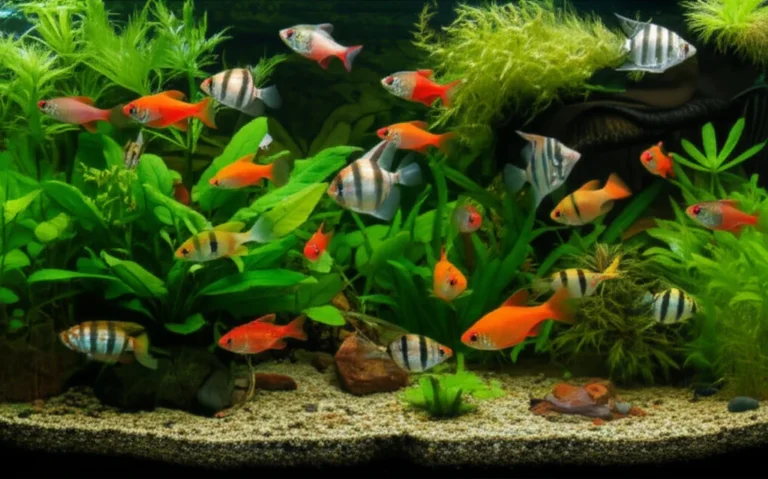
This is the classic setup: a mix of peaceful fish swimming together. Think Neon Tetras, Guppies, Platies, and Corydoras catfish.
- Pros: Easy to stock, colorful, active.
- Cons: Requires careful research to avoid aggression (e.g., don’t mix fin-nippers with long-finned fish).
- Best For: Beginners and families.
2. Cichlid Tanks: Personality-Packed Powerhouses
Cichlids are the dogs of the fish world—intelligent, interactive, and sometimes a bit grumpy. From African Mbuna to South American Angelfish, they bring massive personality.
- Pros: Highly interactive, fascinating behaviors.
- Cons: Can be aggressive; require specific water chemistry (hard/alkaline for African, soft/acidic for South American).
- Best For: Intermediate hobbyists who want a challenge.
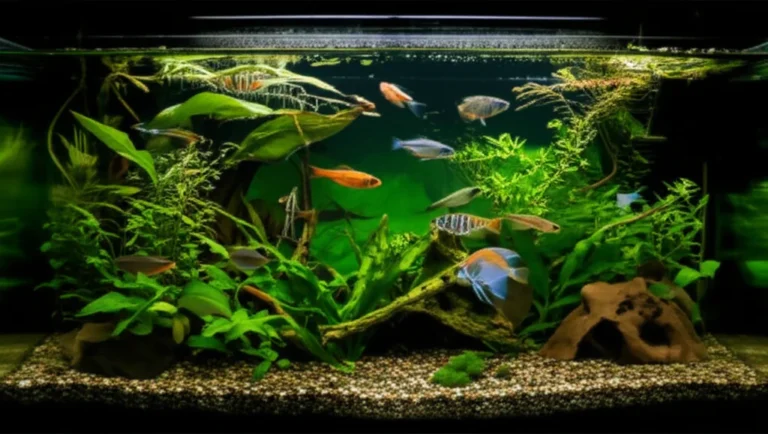
3. Planted Aquariums: The Living Art of Aquascaping
Here, the plants are the stars. Using techniques from aquascaping, you create underwater landscapes with Java Fern, Anubias, and carpeting plants like Hemianthus callitrichoides.
- Pros: Natural filtration, stunning aesthetics, oxygen-rich water.
- Cons: Requires CO2 injection (optional but recommended), specific lighting, and nutrient dosing.
- Best For: Nature lovers and artists.
4. Beta Bowls and Nano Tanks: Big Fun in Small Packages
Nano tanks (under 10 gallons) are perfect for apartments or desks. A single Betta fish or a small school of Endler’s Livebearers can thrive here.
- Pros: Low cost, small footprint, quick setup.
- Cons: Water parameters fluctuate faster; limited fish choices.
- Best For: Beginners with limited space.
5. Discus Tanks: The Royal Treatment for Beginners?
Discus are the kings of freshwater. They are stunning but demanding. They need pristine water, high temperatures, and frequent water changes.
- Pros: Unbeatable beauty and temperament.
- Cons: High maintenance, sensitive to water quality, expensive.
- Best For: Dedicated hobbyists ready to commit.
For more on specific species, check out our Fish Care and Species Profiles category.
🐡 Saltwater Aquariums: Diving Deep into Marine Life
Saltwater aquariums are the pinnacle of the hobby. They are complex, expensive, and absolutely mesmerizing. But they demand respect.
1. Reef Tanks: Building a Coral City Under Your Roof
This is the holy grail. A tank filled with SPS (Small Polyp Stony) or LPS (Large Polyp Stony) corals, anemones, and marine fish.
- Pros: The most beautiful aquariums on earth.
- Cons: Extremely high maintenance, expensive lighting (LEDs), precise water chemistry (Calcium, Alkalinity, Magnesium).
- Best For: Advanced hobbyists with a budget.
2. Fish-Only with Live Rock (FOWLR): The Saltwater Sweet Spot
You get the beauty of marine fish and the filtration benefits of live rock, but no corals to worry about.
- Pros: Easier than a reef, still looks great, less sensitive to lighting.
- Cons: Still requires saltwater chemistry management.
- Best For: Those who want marine life without the coral headache.
3. Fish-Only (FO) Tanks: Simplicity Mets Salinity
Just fish and sand/gravel. No live rock, no corals.
- Pros: Simplest saltwater option.
- Cons: Requires mechanical filtration (protein skimmer) to handle waste; less natural look.
- Best For: Budget-conscious saltwater beginners.
4. Nano Refs: Small Footprint, Big Ocean Vibes
A mini reef in a 5-10 gallon tank. Perfect for clownfish, blennies, and a few hardy corals like Zoanthids.
- Pros: Affordable entry into reefing, small space.
- Cons: Water parameters swing wildly; limited fish choices.
- Best For: Apartment dwellers.
5. Brackish Water Tanks: The Best of Both Worlds
Brackish water is a mix of fresh and saltwater (like estuaries). It’s home to Mudskippers, Puffers, and Gobies.
- Pros: Unique fish you can’t find elsewhere.
- Cons: Specific gravity must be maintained; few fish species available.
- Best For: Hobbyists looking for something different.
🛠️ Choosing Your Perfect Tank: A Step-by-Step Guide to the Right Setup
How do you actually pick the right one? It’s not just about the fish you like; it’s about the ecosystem you can maintain.
- Assess Your Space: Measure your floor space and check the weight limit. A 75-gallon tank weighs over 60 lbs when full!
- Determine Your Budget: Be honest. Saltwater can cost 3x-5x more than freshwater.
- Evaluate Your Time: Can you test water weekly? Do you have time for daily feeding?
- Research the Fish: Never buy a fish just because it’s pretty. Check its adult size and temperament.
- Start Small: It’s tempting to go big, but a 20-gallon tank is often the sweet spot for beginners.
For a complete guide on setting up your tank, visit our Aquarium Setup section.
🧪 Essential Equipment Breakdown: Filters, Heaters, and Lighting Explained
You can’t run a marathon without shoes, and you can’t run a tank without the right gear.
Filtration
- Hang-on-Back (HOB): Great for freshwater, easy to clean. Brands like Fluval and Aqueon are industry standards.
- Canister Filters: The powerhouse for planted tanks and larger setups. Eheim is the gold standard here.
- Sumps: Essential for saltwater. They house equipment out of sight and increase water volume.
Lighting
- Freshwater: Standard LED strips work for most plants.
- Saltwater/Ref: You need high-intensity LEDs with specific spectrums (PAR values) to keep corals alive. Brands like Kessil and AI Hydra are top-tier.
Temperature Control
- Heaters: Always get a submersible heater with a thermostat. Eheim and Fluval offer reliable options.
- Chillers: For large tanks or tropical fish in hot climates, a chiller might be necessary to keep temps down.
Water Testing
- Liquid Test Kits: Always superior to strips. Seachem and API offer the most accurate kits for ammonia, nitrite, nitrate, pH, and salinity.
💰 Budgeting for Your Aquarium: Initial Costs vs. Long-Term Maintenance
Let’s talk money. The sticker price is just the beginning.
| Expense Category | Freshwater (Estimated) | Saltwater (Estimated) | Notes |
|---|---|---|---|
| Tank & Stand | $10 – $30 | $20 – $60+ | Glass vs. Acrylic, size matters. |
| Filtration | $50 – $150 | $20 – $60+ | Saltwater needs skimmers and sumps. |
| Lighting | $30 – $10 | $150 – $80+ | Reef lighting is expensive. |
| Substrate/Decor | $20 – $50 | $50 – $20 | Live rock is pricey. |
| Fish/Corals | $50 – $20 | $10 – $1,0+ | Marine fish and corals vary wildly. |
| Water/Salt | $10/month | $30+/month | RO/DI units and salt mix add up. |
| Testing Kits | $20 | $50+ | More parameters to test in saltwater. |
Pro Tip: Don’t skimp on the RO/DI (Reverse Osmosis/Deionization) unit for saltwater. Tap water contaminants can kill corals instantly.
🧘 ♂️ Why Your Aquarium is the Ultimate “Good Place” for Mental Health
Remember the article “A Good Place: Under the Sea”? It highlighted how aquariums offer an escape from the chaos of the real world. There is science behind this.
Watching fish swim triggers a relaxation response. Studies have shown that people with dementia who watched aquariums ate more and had reduced agitation. For the rest of us, the rhythmic sound of bubbles and the mesmerizing movement of fish lower blood pressure and reduce anxiety.
In a world of 24-hour news cycles and political noise, your tank is a sanctuary. It’s a place where the only drama is a beta fish flaring at its reflection, and the only crisis is a minor algae bloom that you can fix with a water change. As one hobbyist put it, “The world’s crises cannot be solved as readily as problems that are confined to a fish tank.”
🚫 Common Mistakes to Avoid When Starting Your First Tank
We’ve all been there. You buy the fish, the tank, the food, and then… pof. The fish are gone. Here’s how to avoid the graveyard.
- Skipping the Cycle: Adding fish before the bacteria are established. Amonia poisoning is silent and deadly.
- Overfeeding: Fish have stomachs the size of their eye. Overfeeding causes water quality issues and obesity.
- Overstocking: More fish = more waste = more ammonia. Stick to the 1-inch-per-gallon rule as a starting point.
- Ignoring Water Changes: Even with a filter, you must change 10-20% of the water weekly to remove nitrates and replenish minerals.
- Mixing Incompatible Fish: Putting aggressive cichlid with a peaceful tetra is a recipe for disaster.
🔍 Troubleshooting 101: Algae, Cloudy Water, and Fish Behavior
Things go wrong. Here’s how to fix them.
- Green Water (Algae Bloom): Usually caused by too much light or excess nutrients. Solution: Reduce lighting hours, perform a large water change, and use a UV sterilizer.
- Cloudy Water (Bacterial Bloom): Common in new tanks. Solution: Don’t panic. It usually clears in a few days. Do not over-clean the filter!
- Fish Gasping at Surface: Low oxygen or high ammonia. Solution: Increase aeration and test water immediately.
- Brown Algae (Diatoms): Common in new saltwater tanks. Solution: It’s normal. Siphon it off and let the tank mature.
For more detailed troubleshooting, explore our Aquarium Equipment and Aquascaping and Aquatic Plants categories.
🏆 Conclusion

So, which path will you choose? The lush, forgiving, and vibrant world of freshwater, or the complex, dazzling, and rewarding challenge of saltwater?
If you are a beginner with a limited budget and a desire for a relaxing hobby, freshwater is your answer. Start with a 20-gallon community tank and a few hardy fish like Neon Tetras or Guppies. It’s a gateway to the hobby that teaches you the basics of water chemistry and fish care without the heartbreak of constant losses.
If you are ready to dive deeper, have a higher budget, and crave the ultimate visual reward, saltwater awaits. Start with a Nano Reef or a FOWLR setup. Embrace the learning curve, join the supportive community of “reefers,” and enjoy the satisfaction of building a living coral city.
The Bottom Line: There is no “better” tank, only the tank that fits your life. Whether you choose the calm of a planted freshwater garden or the chaos of a saltwater reef, the most important ingredient is your passion.
Ready to start your journey? Check out our recommended gear below to get the best start possible.
🔗 Recommended Links
👉 Shop Freshwater Essentials:
- Fluval Edge 20 Gallon Kit: Amazon | Fluval Official
- API Freshwater Master Test Kit: Amazon | API Official
- Seachem Flourish Plant Fertilizer: Amazon | Seachem Official
👉 Shop Saltwater Essentials:
- Red Sea REFER 150 System: Amazon | Red Sea Official
- Kessil A360X LED Light: Amazon | Kessil Official
- Instant Ocean Reef Crystals Salt Mix: Amazon | Instant Ocean Official
Recommended Books:
- The Conscientious Marine Aquarist by Robert Fener: Amazon
- The Freshwater Aquarium by D. Alderton: Amazon
❓ FAQ

What size fish tank is ideal for a home aquarium?
For beginners, a 20-gallon tank is often considered the “sweet spot.” It’s large enough to maintain stable water parameters (which is crucial for fish health) but small enough to fit in most living spaces. Nano tanks (5-10 gallons) are great for specific setups like Beta bowls or nano reefs, but they require more frequent maintenance due to rapid parameter fluctuations.
Read more about “🚫 10 Deadly Fish Tank Mistakes to Avoid (2026)”
How much maintenance does a saltwater fish tank require compared to freshwater?
Saltwater tanks generally require more frequent and precise maintenance. While both need weekly water changes, saltwater requires mixing saltwater, testing for specific gravity, and monitoring calcium, alkalinity, and magnesium levels. Freshwater tanks are more forgiving of minor parameter shifts. However, a high-tech planted freshwater tank can be just as demanding as a reef tank.
Read more about “Saltwater vs. Freshwater Fish Tanks: 13 Pros & Cons You Must Know 🐠 (2025)”
What types of fish are best suited for freshwater aquariums?
For beginners, Neon Tetras, Guppies, Platies, Mollies, Corydoras catfish, and Betta fish (kept alone) are excellent choices. They are hardy, readily available, and adapt well to a range of water conditions. Avoid aggressive species like Oscars or large Cichlids until you have experience.
Read more about “🐠 The Ultimate Aquatic Pet Care Guide (2026): 15 Secrets to a Thriving Tank”
What equipment do I need for a saltwater fish tank setup?
Essential equipment includes a protein skimmer (to remove organic waste), a sump (for equipment and water volume), live rock (for biological filtration), a high-quality LED light (for corals), a refractometer (to measure salinity), and a RO/DI water system (to ensure pure water).
Read more about “🌊 15 Secrets to Mastering Your Tropical Fish Tank (2026)”
How do I choose the best fish tank for beginners?
Consider your budget, available space, and time commitment. If you have limited time and budget, a freshwater community tank is the best choice. If you have a higher budget and enjoy the challenge of science, a Nano Reef or FOWLR setup is a great entry point into saltwater. Always start with a tank that is at least 10-20 gallons to ensure stability.
Read more about “🏆 15+ Top Aquarium Equipment Reviews & Ratings (2026)”
What are the best beginner fish tanks for saltwater vs freshwater?
- Freshwater: The Fluval Edge or Aqueon LED kits are popular all-in-one solutions.
- Saltwater: The Red Sea REFER series or AquaMax nano kits are excellent for beginners, as they come with integrated sumps and skimmers.
Read more about “Dive Into 9 Must-Join Aquatic Online Communities & Forums (2026) 🌊”
How much does it cost to set up a saltwater aquarium compared to freshwater?
A basic freshwater setup can cost between $20-$50, while a comparable saltwater setup often starts at $80-$1,50 due to the need for specialized equipment like skimmers, high-end lighting, and live rock. Ongoing costs for saltwater are also higher due to salt mix, water testing, and potential coral supplementation.
Which type of fish tank is easier to maintain for a first-time owner?
Freshwater tanks are generally easier to maintain for first-time owners. They are more forgiving of mistakes, have a wider variety of hardy fish, and require less expensive equipment. Saltwater tanks demand precision and consistency, which can be overwhelming for a novice.
What are the pros and cons of nano reef tanks versus traditional freshwater setups?
- Nano Refs:
Pros: Stunning visuals, small footprint, unique marine life.
Cons: High cost, sensitive water parameters, limited fish choices. - Traditional Freshwater:
Pros: Lower cost, stable parameters, wide variety of fish.
Cons: Less “exotic” look, potential for algae if not managed.
Can I keep both saltwater and freshwater fish in the same tank?
No. Saltwater and freshwater fish have completely different biological needs. Saltwater fish require a specific salinity (salt concentration) that would dehydrate and kill freshwater fish. Freshwater fish would swell and die in saltwater. They must be kept in separate tanks.
Read more about “🌊 15 Secrets to Mastering Aquatic Life & Habitat Creation (2026)”
What size aquarium is recommended for a beginner interested in tropical fish?
A 20-gallon tank is highly recommended. It provides enough water volume to buffer against parameter swings, allows for a small school of fish, and is manageable for a beginner. A 10-gallon is possible but requires more diligent maintenance.
Read more about “🌈 30 Most Colorful & Exotic Fish for Your Tank (2026)”
How do I choose the right filtration system for my specific fish tank type?
- Freshwater: Hang-on-back (HOB) or canister filters are sufficient for most setups.
- Saltwater: A protein skimmer is essential, often combined with a sump system. Live rock also acts as a primary biological filter. For planted freshwater tanks, a canister filter with media for plant nutrients is ideal.
📚 Reference Links
- Tropical Fish Hobbyist (TFH): August 2012 – Q&Afreshwater (Note: Content may be restricted, but a valuable historical resource).
- The Outline: A Good Place: Under the Sea
- Fluval: Freshwater Aquariums
- Red Sea: Saltwater Aquariums
- Seachem: Water Chemistry Guides
- API: Fish Care Resources
- Marine Depot: Saltwater Supplies
- Bulk Reef Supply: Refing Equipment