Support our educational content for free when you purchase through links on our site. Learn more
🚨 7 Ways to Fix Algae & Cloudy Water (2026)

Ever walked into your living room, ready to unwind with a coffee, only to be greeted by a fish tank that looks like a bowl of pea soup? We’ve all been there. One minute you’re admiring your vibrant neon tetras, and the next, the water is so cloudy you can’t see the bottom, or a fuzzy green carpet is taking over your prized Anubias. It’s enough to make even the most seasoned aquarist panic and reach for the nearest chemical bottle. But here’s the secret that the pros at Aquarium Music™ have learned through years of trial, error, and a few tank crashes: panic is the enemy of clarity.
In this comprehensive guide, we’re diving deep into the science and art of troubleshooting your aquarium’s most common nightmares. We’ll uncover why that “milky” water is actually a sign of life, not death, and how to outsmart the green beast without nuking your ecosystem. From the hidden dangers of overfeeding to the surprising power of a simple UV sterilizer, we’ll walk you through every step to restore your tank to its crystal-clear glory. By the end of this article, you’ll know exactly how to diagnose the problem, choose the right tools, and maintain a symphony of aquatic life that sings all year round.
Key Takeaways
- Diagnose Before You Act: Algae and cloudiness have distinct causes; identifying whether it’s a bacterial bloom, nutrient imbalance, or lighting issue is the critical first step to a solution.
- Patience is Your Best Tool: Many issues, like new tank bacterial blooms, resolve naturally within days if you avoid drastic water changes or chemical over-treatments.
- Balance the Nitrogen Cycle: Controlling nitrates and phosphates through regular water changes and proper feeding is the most effective long-term strategy against algae.
- Maintain Mechanical Filtration: Regularly cleaning or replacing filter floss and ensuring proper water flow can instantly clear particulate matter and prevent haze.
- Stability Over Perfection: Fish thrive in stable water parameters rather than “perfect” numbers that fluctuate wildly; consistent testing is key to prevention.
Table of Contents
- ⚡️ Quick Tips and Facts
- 📜 The Evolution of the Aquarium: From Ancient Ponds to Crystal Clear Tanks
- 🚨 Diagnosing the Disaster: Is It Algae, Cloudiness, or Something Worse?
- 🌿 Taming the Green Beast: Comprehensive Strategies to Eliminate Algae Growth
- 💨 Clearing the Fog: Solving Water Cloudiness and White Water Issues
- 🧪 The Science of Stability: Testing Water Parameters to Prevent Crashes
- 🛠️ Equipment Check: Filters, Pumps, and Maintenance Routines That Work
- 🐠 Fresh Water & Aquarium Fish: Species-Specific Troubleshooting Guides
- 🚫 Common Mistakes That Turn a Hobby into a Nightmare
- 🧠 The Aquarist’s Mindset: Patience, Observation, and the “Wait It Out” Rule
- 🏆 Conclusion
- 🔗 Recommended Links
- ❓ FAQ
- 📚 Reference Links
Body
⚡️ Quick Tips and Facts
Welcome, fellow water whisperers,
to the Aquarium Music™ guide on demystifying your fish tank troubles! Before we dive deep into the murky waters of algae
and cloudiness, let’s get you some life-saving quick hits. Think of this as the cheat sheet to
avoiding a full-blown aquatic apocalypse. We’ve all been there, staring into a tank that looks more like pea
soup than a pristine paradise, and trust us, panic is not a good look. One of the biggest hurdles is simply
avoiding common pitfalls, which is why we put together a guide on the [🚫 10 Deadly Fish Tank Mistakes to Avoid (2026)](https://www.aquariummusic.com/what-are-the-common
-mistakes-to-avoid-when-setting-up-and-maintaining-a-fish-tank
/).
Here’s a rapid-fire round of facts to get you started:
| Quick Fact 💡 | The |
|---|---|
| Lowdown | |
| Algae’s Favorite Food | Algae thrives |
| on three things: light, nitrates, and phosphates. Control these, and you control the green monster. | |
| Cloudy Water Culprit | That milky white haze? It’s often a bacterial bloom, especially |
| in new tanks. It’s usually harmless and temporary! | |
| The “Fix It” Fallacy | As |
| the experts at Aqueon wisely say, “If it ain’t broke, don’t fix it, and | |
| if it is broken, fix it gradually.” Drastic changes stress your fish. | |
| ** | |
| Nitrite vs. Nitrate** | Remember this: “Nitrites with an ‘I’ make your fish ill much faster than |
| nitrates with an ‘A’.” Both come from fish waste, but nitrites are far more toxic. |
| Tap Water Terror | Your tap water contains chlorine or chloramine to make it safe for you, but it’
s a gill-burning nightmare for fish. Always use a water conditioner. |
| **Patience is a Virtue
** | Most aquarium problems don’t appear overnight, and they won’t disappear overnight either. The best tool in
your arsenal is patience. |
📜 The Evolution of the Aquarium:
From Ancient Ponds to Crystal Clear Tanks
Ever wonder how we got from muddy fish ponds to the high-definition aquatic
theaters in our living rooms? The journey is wild! The practice of keeping fish for ornamental purposes dates back thousands of years, with
the ancient Sumerians and Egyptians keeping fish in ponds. But these were hardly the balanced ecosystems we strive for today.
The real game-changer was the Victorian era’s obsession with the natural world. In 1850, chemist
Robert Warington created a stable, balanced aquarium by adding snails to consume algae and aquatic plants to oxygenate the water.
This discovery, detailed in his paper with the Chemical Society of London, laid the groundwork for the modern hobby.
Fast forward to today. We have powerful canister filters, protein skimmers, automated lighting systems, and precise water testing kits. Yet
, we’re still battling the same fundamental foes: algae and water impurities. The difference is that now, we have the
science and technology to win the war. Understanding this history helps us appreciate that we’re not just keeping fish; we’re
curating a tiny, living ecosystem, a practice refined over centuries.
🚨 Diagnosing
the Disaster: Is It Algae, Cloudiness, or Something Worse?
That heart-sinking moment. You walk over
to your tank, coffee in hand, ready to greet your swimming pets, and you’re met with… a mess
. Is it green? Is it white? Is it a full-blown tank crash? Before you start frantically dumping chemicals into
the water, take a breath. Let’s play detective. 🕵️
The first step is observation. What *
exactly* are you seeing? Different problems have different visual cues.
| Symptom | Possible Cause | Color | Texture
| First Action |
| :— | :— | :— | :— | :— |
| Green Water
| Algae Bloom (Phytoplankton) | Pea Soup Green | Uniformly cloudy | Test nitrates/phosphates,
reduce light. |
| White/Gray Cloudiness | Bacterial Bloom | Milky White | Hazy, cloudy
| Test ammonia/nitrite. If new tank, wait. |
| Brown Fluff | Diatoms (Brown Algae) | Dusty Brown | Coats surfaces, easily wiped off | Common in new tanks. Reduce silicates,
wipe away. |
| Green Hair/Threads | Hair Algae | Green | Long, stringy threads
| Manual removal, check nutrients, add algae eaters. |
| Dark, Fuzzy Patches | Black Beard
Algae (BBA) | Black, Dark Gray | Tufted, like a beard | Tough to remove. Spot
treat, check CO2 levels. |
| Slimy Blue-Green Sheets | Cyanobacteria | Blue-Green |
Slimy, sheet-like, smells earthy | This is bacteria, not algae! Blackout, improve flow. |
Remember
, a small amount of algae is normal and even beneficial, as it helps process pollutants. It
‘s the excessive growth that signals an imbalance. The key is to identify the root cause—overfeeding, too
much light, poor filtration—rather than just treating the symptom. As the seasoned folks at [ReefBum](https://www
.reefbum.com/pests/tank-crashes-a-part-of-reef-keeping
/) will tell you, “Knowledge is power,” and blindly throwing solutions at a problem can lead to a true catastrophe.
🌿 Taming the Green Beast: Comprehensive Strategies to Eliminate
Algae Growth
Alright, you’ve identified the green menace. Now, how do you send it packing for good? Er
adicating algae isn’t about a single magic bullet; it’s about a multi-pronged attack that restores balance to your
aquarium. Let’s break down the battle plan.
1. The Nitrogen Cycle Culprit: Why Your Water
is Turning Green
At the heart of most algae problems is the nitrogen cycle. In simple terms: your fish produce
waste (ammonia), and beneficial bacteria convert that toxic ammonia into less harmful nitrates. Plants use nitrates as fertilizer, but if
you have more nitrates than your plants can consume… you’re essentially serving up an all-you-can-eat buffet
for algae.
- What to Do:
- ✅ Test Your Water: You need to know
your enemy. Get a reliable test kit and check your nitrate levels. Aqueon suggests keeping nitrates below 50
parts per million (ppm). - ✅ Regular Water Changes: This
is the #1 way to manually remove nitrates from the water column. A 25-30% weekly water
change is a great starting point for most tanks. - ❌ Don’t Overstock: More fish =
more waste = more nitrates. It’s a simple equation. Research your fish and their needs in our Fish and Aquatic Life section before
you buy. - ❌ Don’t Overfeed: Uneaten food decays, creating ammonia and,
eventually, nitrates. Feed your fish only what they can consume in a minute or two.
2. Lighting Overload: How to Balance Photoperiods for a Pristine Tank
Algae is
a plant, and just like the prized Anubias in your aquascape, it needs light to photosynthesize. The
problem is, it’s way less picky. Leaving your aquarium light on for 12-14 hours a
day is like rolling out the red carpet for an algae party.
-
Finding the Sweet Spot:
-
Start with 6-8 hours of light per day. You can use an inexpensive outlet timer to automate
this. -
Avoid direct sunlight. Placing your tank next to a window is a guaranteed recipe for a
green-out. -
If you have a planted tank, you’ll need to find the right balance that
gives your Aquascaping and Aquatic Plants enough light to thrive and outcompete the algae, without overdoing
it. High-tech planted tanks might need more, but they also have CO2 injection and nutrient dosing to match.
3. Nutrient Imbalance: The Secret War Against Phosphates and Nitrates
While nitrates are the most
common fuel, phosphates are algae’s other favorite superfood. They can sneak into your tank from fish
food and even your tap water. The goal is to get phosphate levels as close to zero as possible.
- Cutting Off the Supply:
- Phosphate-Removing Media: Products like Seachem PhosGuard or
Granular Ferric Oxide (GFO) are chemical filtrants that you can add to your filter to absorb phosphates directly from
the water. While GFO is often discussed in reefing circles, as seen on ReefBum, it’s highly effective in freshwater too. - Use RO/DI Water: If your tap water is high
in phosphates, consider using reverse osmosis deionized (RO/DI) water for your water changes.
Feed High-Quality Food:** Cheaper fish foods often use phosphate-based preservatives.
👉 Shop Phosphate Removers on
:
- The Cleaning Crew: Best Algae Eaters and Scrubbers for Your Tank
Why do all the work yourself
? Employ a dedicated cleanup crew! These critters make a living munching on the very stuff you’re trying to get
rid of.
| Algae Eater | Type | What It Eats | Notes |
|---|---|---|---|
| :— | :— | :— | :— |
| Amano Shrimp | Invertebrate | Hair algae, biofilm, leftover | |
| food | Tireless workers, best in groups. True heroes! | ||
| Nerite Snails | In | ||
| vertebrate | Green spot algae, diatoms | Won’t reproduce in freshwater. Excellent on glass. | |
| **Ot | |||
| ocinclus Catfish** | Fish | Soft green algae, diatoms | Peaceful, must be kept in groups. Very |
| sensitive. | |||
| Siamese Algae Eater | Fish | Black Beard Algae (BBA) | |
| One of the few that eats BBA. Can get territorial. | |||
| Bristlenose Pleco | |||
| Fish | Biofilm, green algae | A smaller, more manageable pleco. Great for most tanks. |
For
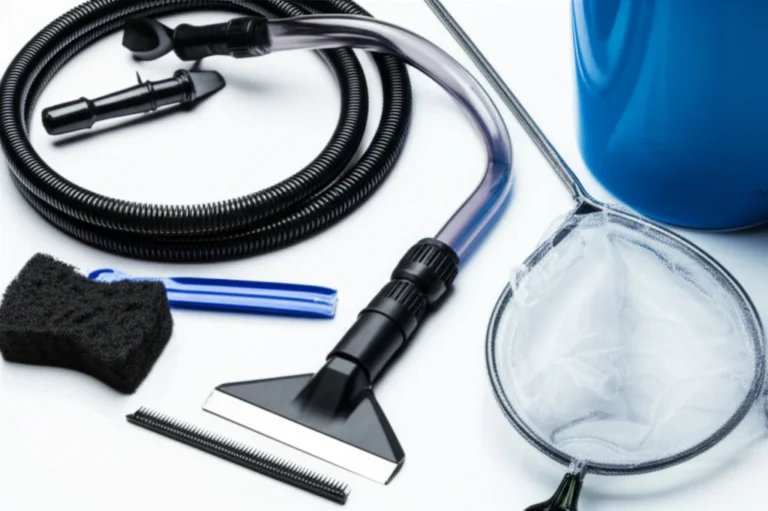
the algae they miss, you’ll need some elbow grease. A Mag-Float is a fantastic tool for daily glass cleaning without getting your hands wet
. For tougher spots, an algae scraper with a long handle is essential. Aqueon makes a variety of scrapers and cleaning
magnets that get the job done.
5. Manual Removal Techniques: Tools and Tricks for
Instant Results
Sometimes you just need the satisfaction of ripping that algae out yourself. For stringy hair algae, grab a clean
toothbrush, twirl it like you’re making spaghetti, and pull the algae out. During your weekly water change, use
your gravel vacuum to siphon algae off of decorations and substrate. This physical removal is a crucial step in winning the war.
💨 Clearing the Fog: Solving Water Cloudiness and White Water Issues
You’ve conquered
the green, but now your tank looks like someone poured a glass of milk in it. What gives? This is usually
a bacterial bloom, and understanding it is key to clearing the fog.
1. Bacterial Blooms
: Why Your Tank Looks Like a Milkshake
As explained in this helpful video, there are two main types of bacteria at
play. [see: #featured-video] The good guys (autotrophic bacteria) are part of your filter’
s biological cycle. The cloudy-water culprits (heterotrophic bacteria) float in the water column and feast on excess organic waste
.
- In a New Tank (New Tank Syndrome): This is completely normal. When you first
set up a tank, the heterotrophic bacteria multiply rapidly to consume nutrients, causing a bloom. The best course of action?
As the video advises, “DO NOTHING!” [see: #featured-video] Don’t do a water
change; don’t add chemicals. Let the tank cycle and establish its colony of beneficial bacteria. It will clear on
its own in a few days to a week. - In an Established Tank: A sudden bacterial bloom in a
mature tank is a red flag. It means there’s a source of excess nutrients. - Did a
fish die unnoticed? - Did you overfeed significantly?
- Did you clean your filter too thoroughly,
killing off the good bacteria? - Action Plan: Find and remove the source of the waste. Do
a partial water change and use a gravel vac to clean the substrate. Ensure you have good surface agitation from your filter outflow
to maintain oxygen levels, as these bacteria consume a lot of it. [see: #featured-video]
<
a id=”particulate-matter-dust-debris-and-the-art-of-mechanical-filtration”>
2. Particulate Matter: Dust, Debris, and the Art of Mechanical Filtration
Sometimes, cloudy
water isn’t bacterial; it’s just… stuff. Fine particles of sand, dust from new gravel, or stirred
-up detritus can hang in the water column.
- The Fix: This is a job for your mechanical
filtration. - Filter Floss: Add a layer of fine filter floss or polishing pad to your filter. We
‘re big fans of the Poly-Fil you can get at a craft store (it’s the same stuff, just cheaper!). It
will clog quickly, so be prepared to replace it every few days until the water clears. - Water
Clarifiers: Products like Seachem Clarity
work by clumping fine particles together so your filter can catch them. Use them sparingly, as they are a temporary fix, not
a solution to the underlying problem.
Check out our deep dives on Aquarium Equipment for reviews on the best filters to keep your water crystal clear.
3. Chemical Cloudiness: Tannins, Silicates, and Water Conditioners
- T
annins: Added a new piece of driftwood? That brownish, tea-colored tint is from tannins. It’s not
harmful—in fact, many fish from blackwater environments like bettas and tetras love it! If you don’t
like the look, you can boil the wood before adding it or use a chemical filter media like Seachem Purigen, which does an incredible job of removing tannins
. - Silicates: High silicate levels in your tap water can lead to a bloom of diatoms (brown algae),
which can look like a dusty brown cloudiness. - Precipitation: Sometimes, using certain water conditioners or
pH adjusters can cause minerals to precipitate out of the water, causing a temporary haze. It usually clears within a few
hours.
4. The UV Sterilizer Solution: When to Upgrade Your Filtration Game
For persistent green water (algae blooms) or bacterial blooms, a UV sterilizer is the nuclear option. This device
plumbs into your filter outflow and zaps free-floating algae and bacteria with ultraviolet light, killing them instantly.
Is it for you? It’s not a must-have for every tank, but it’s an incredibly
effective tool for problem-solving. If you’ve tried everything else for green water with no luck, a UV sterilizer will
clear it in days.
- Top Brands: The Green Killing Machine is a popular, easy-to-install
internal model. For larger tanks or canister filters, brands like Aqua Ultraviolet
offer powerful inline units.
🧪 The Science of Stability: Testing Water Parameters to Prevent Crashes
The secret to a healthy tank is stability. Fish can adapt to a wide range of conditions, but they can’t handle
rapid swings. Regular water testing is like a health check-up for your aquarium. It allows you to spot invisible problems before they become
visible disasters.
We recommend testing weekly. Here’s what you need to track:
| Parameter
| Ideal Range (Freshwater) | Why It Matters |
|---|---|
| Ammonia (NH₃) | 0 ppm |
| reading is an emergency. | |
| Nitrite (NO₂⁻) | 0 ppm |
| ents blood from carrying oxygen. | |
| Nitrate (NO₃⁻) | **< |
| 40 ppm** | Less toxic, but high levels stress fish and fuel algae. |
| pH | |
| 6.8 – 7.8 (most tropicals) | Measures acidity/alkalinity. Stability |
| is more important than a specific number. | |
| KH (Carbonate Hardness) | **4-8 d |
| KH** | Buffers pH, preventing dangerous swings. |
| GH (General Hardness) | **4-1 |
| 2 dGH** | Measures essential minerals like calcium and magnesium. |
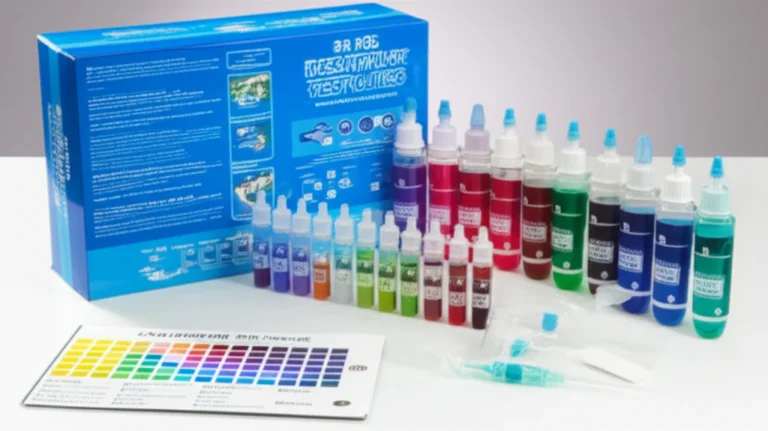
For testing, you have two main options: strips
and liquid kits.
- Test Strips: Products like the Aqueon 7-in-1 Aquarium Test Strips are fast and easy. They’re great for a quick weekly check-
up. - Liquid Test Kits: The API Freshwater Master Test Kit is the gold standard for
the hobby. It’s more accurate than strips, especially for ammonia and nitrite, and is essential for cycling a new
tank or diagnosing a problem.
👉 CHECK PRICE on:
- API Freshwater Master Test Kit: [Amazon](
https://www.amazon.com/API-FRESHWATER-800-Test-Freshwater-Aqu
arium/dp/B000255NCI/) | Chewy | Petco - Aqueon 7-in-1 Test Strips: Amazon | Chewy
| Petco
🛠️
Equipment Check: Filters, Pumps, and Maintenance Routines That Work
Your equipment is the life support system for your aquatic
world. A failing filter or pump can cause a tank to crash in hours. As the ReefBum article highlights, a single
component failure can be a root cause of a disaster.
Your Weekly Maintenance Checklist:
*
✅ Water Change: 25-30% using a gravel vacuum.
- ✅ Glass Cleaning: Sc
rape the interior glass. - ✅ Visual Check: Count your fish. Check for any signs of illness or stress. Check
that all equipment is running normally.
Your Monthly Maintenance Checklist:
- ✅ Filter Maintenance: This is crucial.
NEVER wash your filter media in tap water. The chlorine will kill your beneficial bacteria, causing your tank to cycle all
over again. Instead, gently rinse sponges and ceramic media in the old tank water you just siphoned out. Replace
filter floss or carbon. - ✅ Prune Plants: Trim any dead or dying leaves from your aquatic plants.
We
trust brands like Fluval, Eheim, and Oase for reliable filtration that will stand the test of time.
🐠 Fresh Water & Aquarium Fish:
Species-Specific Troubleshooting Guides
Not all fish are created equal, and their tank needs can vary wildly. A solution for
a goldfish tank might be a disaster in a sensitive shrimp tank.
- Goldfish & Other “Dirty” Fish: These
guys are waste-producing machines! They need oversized filtration and frequent, large-volume water changes to keep nitrates in check and
prevent algae. - Bettas: Often kept in smaller tanks, which means water parameters can swing dangerously
fast. A small heater and filter are non-negotiable. Weekly water changes are a must. Check out our Fish Care and Species Profiles for more on betta care. - African Cichlids: As mentioned in the #featured-video,
these are hardy fish, but they require hard, alkaline water (high pH and KH). They also have a high bi
oload. The key to preventing issues is robust filtration and using crushed coral or aragonite sand to buffer the water.
Planted Tanks: This is a delicate balancing act. You’re intentionally adding light and nutrients (fertilizers) to grow
plants. The goal is to dose these in a way that your plants can use them all, leaving nothing for algae. Too
much light without enough CO2 and nutrients is a recipe for an algae farm.
🚫 Common Mistakes That Turn
a Hobby into a Nightmare
We’ve all made mistakes. I once “cleaned” my canister filter with hot tap water, thinking
I was doing a great job sterilizing it. I wiped out my entire biological filter and woke up to a cloudy, ammonia
-filled tank. It was a hard lesson.
Here are some of the most common blunders we see:
- Adding Fish Too Soon: You MUST let your tank cycle and establish its beneficial bacteria before adding fish
. This takes weeks. Be patient! A proper Aquarium Setup is the foundation of success. - Believing the “1 Inch of Fish
per Gallon” Rule: This is a terrible, outdated rule. A 10-inch Oscar produces vastly more waste than
ten 1-inch neon tetras. Research the adult size and bioload of your fish. - ”
Chasing” pH: Using chemicals to constantly adjust your pH is a fool’s errand. A stable pH is far healthier
for your fish than a “perfect” but fluctuating one. - Ignoring Equipment Warnings: The cautionary tale from ReefB
um about removing the UV-protective glass from a metal halide bulb is an extreme but important example.
Read your equipment manuals and understand how they work to prevent catastrophic failure.
🧠 The
Aquarist’s Mindset: Patience, Observation, and the “Wait It Out” Rule
If there’s one secret
to this hobby, it’s this: learn to be a good observer. Spend time every day just watching your tank.
How are the fish behaving? Is a new type of algae appearing? Is the water flow normal? Catching problems early is
half the battle.
The other half is patience. As we’ve seen with bacterial blooms, sometimes the best action
is no action. In a world of instant gratification, the aquarium teaches us the art of waiting. It teaches us that
nature works on its own timeline. As the ReefBum article puts it, “Resiliency is very important when it comes
to reef keeping!”—and that applies just as much to freshwater tanks.
So, when
you see that first sign of trouble, don’t panic. Observe, test, diagnose, and then act deliberately and gradually. Your
fish will thank you for it. Now, what’s the long-term secret to keeping that tank clear for good
? Let’s wrap it all up.