Support our educational content for free when you purchase through links on our site. Learn more
🌊 7 Signs of a Healthy & Thriving Fish Tank Ecosystem (2026)


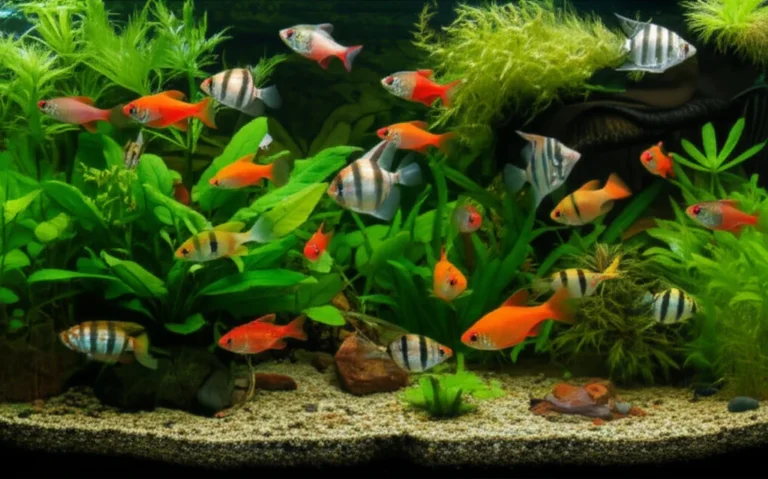
A thriving fish tank ecosystem instantly reveals itself through crystal-clear water, active and colorful fish, and lush, growing plants that outcompete algae. If you are wondering what are the signs of a healthy and thriving fish tank ecosystem, the answer lies in this perfect biological balance where your fish are breeding, your plants are vibrant, and your water tests show zero ammonia and nitrite.
Most new aquarists spend weeks staring at a murky green bowl, convinced they are failing, only to realize they were just missing the invisible bacteria colony doing the heavy lifting. We once watched a client’s tank transform from a cloudy swamp to a crystal-clear jungle in just three weeks simply by stopping the overfeeding and adding a handful of fast-growing stem plants.
Nature is efficient; when the nitrogen cycle is locked in, waste disappears as fast as it is produced. This invisible harmony is the true heartbeat of your underwater world, turning a simple glass box into a living, breathing masterpiece.
Key Takeaways
- Water Clarity is King: Crystal-clear water with no odor is the first visual sign of a stable biological filter.
- Fish Behavior Speaks Volumes: Active foraging, bright coloration, and schooling behavior indicate low stress and optimal health.
- Plant Vitality Matters: Robust new growth and vibrant colors in aquatic plants prove they are successfully absorbing excess nutrients.
- The Invisible Engine: A healthy ecosystem relies on beneficial bacteria to keep ammonia and nitrite at 0 ppm.
- Balance Over Sterility: A tiny amount of algae is normal, but plants outcompeting algae is the hallmark of a thriving system.
Table of Contents
- ⚡️ Quick Tips and Facts
- 📜 From Ponds to Planted Tanks: A Brief History of the Balanced Aquarium
- 👀 The Visual Vibe Check: Spoting Crystal Clear Water and Lush Greenery
- 🧪 The Invisible Balance: Decoding Water Parameters and Nitrogen Cycles
- 🐟 Behavior Bingo: How Happy Fish Act When Their Ecosystem is Thriving
- 🌿 Plant Power: Signs of Robust Growth and Vibrant Coloration
- 🦠 Microscopic Marvels: Understanding Beneficial Bacteria and Biofilms
- 🚫 Red Flags: Common Warning Signs of a Crashing or Unstable Tank
- 🛠️ Maintenance Mastery: Routine Checks to Keep Your Ecosystem Huming
- 🧪 1. Testing Water Chemistry Weekly with Reliable Kits
- 🧹 2. Performing Partial Water Changes Without Stressing Your Stock
- 🥬 3. Pruning Plants and Removing Detritus to Prevent Algae Bloms
- 🍽️ 4. Feding Strategies That Prevent Overfeeding and Amonia Spikes
- filtration-efficiency”>🔍 5. Inspecting Equipment for Optimal Flow and Filtration Efficiency
- 🧩 Troubleshooting Guide: Fixing Cloudy Water, Algae, and Fish Stress
- 🏆 Conclusion: Celebrating Your Living Masterpiece
- 🔗 Recommended Links
- aquariums-answered”>❓ FAQ: Your Burning Questions About Healthy Aquariums Answered
- 📚 Reference Links
⚡️ Quick Tips and Facts
Before we wade into the murky depths of nitrate cycles and algae wars, let’s hit the high notes of what a thriving tank actually looks like. If you’re staring at your aquarium wondering, “Is this a jungle or a swamp?”, here are the immediate tell-tale signs:
- Crystal Clear Water: You should be able to see the back of the tank without squinting. If it looks like pea soup, something is off.
- Active Inhabitants: Fish shouldn’t be hiding in the corner like they’re avoiding a tax audit. They should be foraging, schooling, or exploring.
- Stable Parameters: Your test kit shouldn’t be screaming “Danger!” with ammonia or nitrite spikes.
- Lush Greenery: Plants should be growing, not melting into a brown sludge.
- No “Fishy” Smell: A healthy tank smells like nothing or a faint, fresh earthy scent. If it smells like low tide, you have a problem.
Pro Tip: Don’t just look; listen. A healthy filter hums a steady tune, not a rattling death rattle. And remember, a tank is a living system, not a static decoration. If you’re wondering how to pick the right size to start this journey, check out our deep dive on 🐟 10 Critical Factors for Choosing the Perfect Fish Tank Size (2026).
📜 From Ponds to Planted Tanks: A Brief History of the Balanced Aquarium

You might think the concept of a “self-sustaining” aquarium is a modern buzzword, but the roots go back much deeper than the latest TikTok trend. The idea of a balanced ecosystem in a glass box has fascinated humans since the Victorian era, but the Walstad Method, popularized by Dr. Diana Walstad in her book Ecology of the Planted Aquarium, revolutionized how we view these systems.
Dr. Walstad argued that we don’t need expensive CO2 injection or high-tech canister filters to create a paradise. Instead, we need soil-based substrates and a heavy planting load to mimic nature’s nutrient cycles. This approach shifts the focus from “fighting” the tank to “working with” it.
“The more you observe, the better you’ll understand the relationships between plants, bacteria, and aquatic inhabitants.” — Glass Box Diaries
In the early days, aquarists relied on the “Goldfish Bowl” myth, which was actually a recipe for disaster. It wasn’t until the discovery of the Nitrogen Cycle in the mid-20th century that we understood the invisible biology at play. Today, we know that a thriving ecosystem is a delicate dance between beneficial bacteria, aquatic plants, and aquatic life.
For those interested in the nitty-gritty of setting up these historical methods, explore our guides on Aquarium Setup and Aquascaping and Aquatic Plants.
👀 The Visual Vibe Check: Spoting Crystal Clear Water and Lush Greenery
When you walk up to your tank, the first thing you notice is the visual vibe. Is it a window into an underwater world, or a murky window into a swamp?
The Clarity Factor
Clear water is the hallmark of a healthy biological filter. If your water is cloudy, it’s usually one of two things:
- Bacterial Bloom: A white, milky haze often seen in new tanks as beneficial bacteria colonies establish themselves. This is usually temporary.
- Particulate Matter: Dust, uneaten food, or detritus floating in the water column. This indicates your filtration isn’t catching everything or you’re overfeeding.
✅ The Good Sign: You can clearly read the label on a bottle of fish food placed at the back of the tank.
❌ The Bad Sign: You can’t see the fish until they swim right in front of your nose.
The Greenery Gauge
Your plants are the lungs of your tank. They absorb nitrates and produce oxygen.
- Vibrant Coloration: Leaves should be the color they are supposed to be. Red plants should be red, not green and legy.
- New Growth: Look for new leaves unfurling. If your plants are just sitting there looking sad, they might be nutrient-deficient or suffering from poor lighting.
- No Melting: While some initial melting is normal for certain species (like Amazon Swords), a tank where plants are dissolving into a brown goo is a sign of instability.
For more on keeping your flora happy, check out our Aquascaping and Aquatic Plants category.
🧪 The Invisible Balance: Decoding Water Parameters and Nitrogen Cycles
You can’t see it, but the Nitrogen Cycle is the engine room of your aquarium. If this engine stalls, your tank crashes. Here’s what a healthy cycle looks like:
| Parameter | Ideal Range (Freshwater) | What It Means |
|---|---|---|
| Amonia | 0 ppm | Zero tolerance. Even 0.25 ppm is toxic to fish. |
| Nitrite | 0 ppm | Zero tolerance. Blocks oxygen uptake in fish blood. |
| Nitrate | < 20 ppm | Waste product. Should be low; high levels stunt growth and cause stress. |
| pH | 6.5 – 7.5 | Stability is key. Drastic swings are worse than a slightly “off” number. |
| GH/KH | Varies by species | General Hardness and Carbonate Hardness buffer pH and provide minerals. |
The Bacteria Brigade
The magic happens in your filter media and substrate.
- Nitrosomonas: Converts toxic Amonia into Nitrite.
- Nitrobacter: Converts toxic Nitrite into less toxic Nitrate.
If you see 0 Amonia and 0 Nitrite on your test kit, your bacteria colony is doing its job. If you see spikes, your cycle is broken.
Did you know? A mature tank can process waste faster than you can add it, provided you don’t overstock. This is the “Goldilocks” zone of the nitrogen cycle.
For a deeper dive into water chemistry, visit our Aquarium Equipment section for filter recommendations.
🐟 Behavior Bingo: How Happy Fish Act When Their Ecosystem is Thriving
Your fish are the best indicators of tank health. They can’t tell you if their water feels “off,” but their behavior screams it.
The Happy Fish Checklist
- Active Foraging: Fish should be exploring the substrate, sifting through sand, or grazing on algae.
- Schooling: Schooling fish (like Tetras or Rasboras) should stay in tight groups. If they are scattered and hiding, they are stressed.
- Appetite: A healthy fish eats eagerly. If they are pushing food away, something is wrong.
- Breding: Seeing eggs, fry (baby fish), or mating behaviors is the ultimate sign of a stress-free environment.
The Stress Signals
- Clamped Fins: Fins held tight against the body.
- Gasping at the Surface: Indicates low oxygen or high ammonia.
- Hiding: While some species are shy, constant hiding is a red flag.
- Rubing: Fish rubbing against rocks (flashing) often indicates parasites or poor water quality.
Check out our Fish Care and Species Profiles to learn specific behaviors for your favorite species.
🌿 Plant Power: Signs of Robust Growth and Vibrant Coloration
In a thriving ecosystem, plants aren’t just decoration; they are functional machinery.
Growth Indicators
- New Leaves: Regular production of new foliage.
- Runers and Rhizomes: Plants like Java Fern or Anubias should be spreading.
- Root Development: If you have rooted plants, check the roots. They should be white or light tan, not black and mushy.
The Algae Balance
A little algae is normal. In fact, it’s a sign of life.
- Good Algae: Green spot algae on glass (cleanable), soft green water (bacteria bloom, usually temporary).
- Bad Algae: Black beard algae (hard to remove), hair algae (covers everything), or brown diatoms (often a sign of new tank syndrome or silicates).
If your plants are outcompeting the algae, you have a winner. If algae is taking over, your plants are losing the nutrient war.
🦠 Microscopic Marvels: Understanding Beneficial Bacteria and Biofilms
You might think a clean tank is a sterile tank, but that’s a myth. A healthy tank is teming with microscopic life.
Biofilms: The Good Stuff
That slimy film on your driftwood or rocks? That’s biofilm. It’s a colony of beneficial bacteria and microrganisms.
- For Shrimp: Baby shrimp (fry) graze on biofilm for their first few weeks of life.
- For Fish: It’s a natural food source and helps break down organic waste.
The Bacterial Colony
Your filter media is the home of your beneficial bacteria.
- Don’t Over-Clean: Never rinse your filter media in tap water. The chlorine will kill your bacteria. Rinse it in old tank water only.
- Surface Area: The more surface area in your filter, the more bacteria you can house.
🚫 Red Flags: Common Warning Signs of a Crashing or Unstable Tank
Even the best aquarists have bad days. Here is how to spot a tank that is about to crash:
- Sudden Fish Deaths: If a fish dies and you find it days later, check your ammonia levels immediately.
- Cloudy Water: If it doesn’t clear up in a few days, it’s likely a bacterial imbalance organic overload.
- Algae Explosion: If you wake up and your tank looks like a green smoothie, your nutrient balance is off.
- Fish Lethargy: If your fish are lying on the bottom or floating upside down, it’s an emergency.
Remember: A stable tank is a slow tank. If you see rapid changes, act fast.
🛠️ Maintenance Mastery: Routine Checks to Keep Your Ecosystem Huming
Maintenance isn’t about scrubing everything until it sparkles; it’s about consistency.
🧪 1. Testing Water Chemistry Weekly with Reliable Kits
Don’t guess. Test.
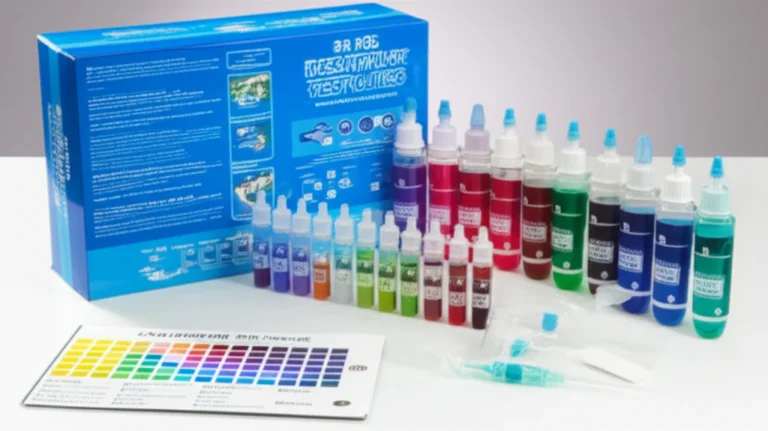
- Liquid Test Kits: More accurate than strips. Brands like API Freshwater Master Test Kit are the gold standard.
- Frequency: Test weekly for the first month, then monthly for established tanks.
👉 Shop API Freshwater Master Test Kit on:
🧹 2. Performing Partial Water Changes Without Stressing Your Stock
- The 25% Rule: Change 20-30% of the water weekly.
- Temperature Match: Ensure new water is the same temperature as the tank to avoid shock.
- Dechlorinator: Always use a water conditioner like Seachem Prime to neutralize chlorine and chloramine.
👉 Shop Seachem Prime on:
🥬 3. Pruning Plants and Removing Detritus to Prevent Algae Bloms
- Trim Dead Leaves: Remove yellowing or dead leaves immediately.
- Vacuum Gravel: Use a gravel vacuum to remove uneaten food and waste.
- Glass Cleaning: Use an algae scraper or magnet cleaner.
🍽️ 4. Feding Strategies That Prevent Overfeeding and Amonia Spikes
- Less is More: Feed only what they can eat in 2-3 minutes.
- Fast Days: Consider skipping feeding one day a week to let the tank process waste.
- Variety: Rotate between flakes, pellets, and frozen foods like Hikari or New Life Spectrum.
👉 Shop Hikari Frozen Foods on:
🔍 5. Inspecting Equipment for Optimal Flow and Filtration Efficiency
- Check Flow: Is the filter output strong? If not, clean the impeller.
- Listen: A rattling noise means something is loose or worn out.
- Heater Check: Ensure the heater is set correctly and functioning.
👉 Shop Fluval Filters on:
🧩 Troubleshooting Guide: Fixing Cloudy Water, Algae, and Fish Stress
So, you’ve spotted a problem. Now what?
Cloudy Water
- White Cloud: Likely a bacterial bloom. Do a 50% water change, stop feeding for 24 hours, and wait. It usually clears in 3-5 days.
- Green Water: Algae bloom. Reduce lighting hours, add a UV sterilizer, or use a water clarifier.
Algae Overgrowth
- Black Beard Algae: Cut out infected leaves. Reduce light duration. Add Amano Shrimp (they love eating this).
- Brown Diatoms: Common in new tanks. Scrape it off and ensure your lighting isn’t too strong.
Fish Stress
- Check Parameters: Test for ammonia and nitrite immediately.
- Water Change: Perform a 50% water change with dechlorinated water.
- Add Salt: A small amount of aquarium salt can help reduce stress (check species compatibility first).
🏆 Conclusion: Celebrating Your Living Masterpiece
So, is your tank a thriving ecosystem or a ticking time bomb? The signs are all there if you know where to look. From the crystal clarity of the water to the active foraging of your fish, a healthy tank is a symphony of biological processes working in harmony.
Remember the words from the Glass Box Diaries: “The more you observe, the better you’ll understand.” It’s not about having the most expensive equipment; it’s about understanding the balance between plants, bacteria, and fish. Whether you are following the Walstad Method or running a high-tech planted tank, the goal is the same: a stable, vibrant, and beautiful underwater world.
If you’ve been wondering why your fish seem stressed or your plants are melting, look back at the red flags we discussed. Often, the solution is as simple as a water change or a pruning session. And if you’re just starting out, remember that patience is your best friend. Nature takes time to find its rhythm.
Final Thought: A healthy tank isn’t just a hobby; it’s a living piece of art that breathes, grows, and evolves. Keep observing, keep testing, and keep enjoying the show.
🔗 Recommended Links
Ready to upgrade your setup or fix a specific issue? Here are our top picks for products that help maintain a thriving ecosystem:
- Water Testing:
API Freshwater Master Test Kit: Amazon | Chewy | Petco - Water Conditioners:
Seachem Prime: Amazon | Bulk Reef Supply | Marine Depot - Filtration:
Fluval FX6 Canister Filter: Amazon | Petco | Fluval Official - Lighting:
NICREW SkyLED: Amazon | Chewy - Books:
Ecology of the Planted Aquarium by Diana Walstad: Amazon
❓ FAQ: Your Burning Questions About Healthy Aquariums Answered

What are common signs of algae balance versus algae overgrowth in a fish tank?
Algae balance is indicated by small, manageable patches of green spot algae on glass or soft green water that clears up quickly. Algae overgrowth presents as thick mats of hair algae, black beard algae that covers plants, or a green water cloud that persists. Balance means plants are outcompeting algae for nutrients; overgrowth means nutrients (nitrates/phosphates) are too high or light duration is too long.
Read more about “🐟 Feed Your Fish Right: The Ultimate 2026 Guide to Health & Growth”
How does tank cleanliness affect the overall health of aquatic life?
Cleanliness directly impacts water quality. Accumulated detritus (waste, dead leaves) decomposes into ammonia, which is toxic. Regular cleaning removes this source of toxins, prevents anaerobic pockets (which can produce hydrogen sulfide), and ensures that beneficial bacteria have a healthy environment to thrive. However, “sterile” is bad; you want to remove waste, not beneficial biofilm.
What role do beneficial bacteria play in maintaining a vibrant fish tank ecosystem?
Beneficial bacteria are the engine of the nitrogen cycle. They convert toxic amonia (from fish waste) into nitrite, and then into nitrate (which is less toxic and used by plants). Without these bacteria, fish would die from ammonia poisoning within days. They live primarily in the filter media and substrate.
How often should I test and adjust water parameters in a healthy aquarium?
For a new tank (first 4-6 weeks), test daily or every other day. For an established tank, test weekly for the first few months, then monthly if stable. Always test immediately if you notice fish stress, cloudy water, or algae blooms. Adjustments should be made slowly; drastic changes in pH or temperature can shock fish.
Read more about “🐟 How Often to Feed Fish & Best Foods (2026 Guide)”
Which fish behaviors signify a stress-free and thriving tank environment?
Stress-free fish exhibit active foraging, schooling (for schooling species), bright coloration, and normal breathing rates. They should be exploring the tank, not hiding constantly. Breding behaviors, such as egg-laying or fry care, are the ultimate sign of a stress-free environment.
What are the key indicators of balanced aquatic plants in a fish tank?
Balanced plants show consistent new growth, vibrant coloration (no yellowing or melting), and strong root systems. They should be outcompeting algae for nutrients. If plants are growing well, they are effectively absorbing nitrates and phosphates, keeping the water stable.
Read more about “🦐 Can Shrimp & Snails Live With Fish? (2026 Guide)”
How can I tell if my aquarium water quality is optimal for fish health?
Optimal water quality is defined by 0 ppm ammonia, 0 ppm nitrite, and low nitrate levels (<20 ppm). The water should be crystal clear with no odor. A stable pH and appropriate hardness (GH/KH) for your specific fish species are also critical indicators.
How can I create a stable and diverse ecosystem in a newly set up fish tank?
Start with a cycled tank (either fishless or with a small amount of hardy fish). Use a nutrient-rich substrate and plant heavily to absorb waste. Introduce livestock gradually to avoid overloading the biological filter. Maintain a consistent feeding schedule and perform regular partial water changes.
What water parameters are essential to monitor for a healthy fish tank ecosystem?
The essential parameters are Amonia, Nitrite, Nitrate, pH, Temperature, GH (General Hardness), and KH (Carbonate Hardness). Amonia and Nitrite must always be zero. Nitrate should be kept low. pH, GH, and KH should be stable and appropriate for your specific fish species.
Read more about “🌿 Top 15 Best Plants for Freshwater & Saltwater Tanks (2026)”
How can I prevent common fish diseases in a well-established aquarium ecosystem?
Prevention is key. Maintain excellent water quality through regular testing and water changes. Avoid overstocking and overfeeding. Quarantine new fish before adding them to the main tank. Provide a balanced diet to boost immune systems. Stress is the primary cause of disease, so ensure a stable environment.
Read more about “Dive Into Corydoras: 10 Must-Know Facts & Care Tips 🐟 (2026)”
What role do plants play in maintaining a healthy and thriving fish tank ecosystem?
Plants act as natural filters, absorbing nitrates and phosphates that fuel algae. They produce oxygen during photosynthesis and provide hiding spots and breding grounds for fish. They also help stabilize pH and provide a surface for beneficial bacteria to colonize.
Can I keep different species of fish together in a thriving aquarium ecosystem?
Yes, but you must consider compatibility. Ensure species have similar water parameter requirements (pH, temperature, hardness) and temperament. Avoid mixing aggressive fish with peaceful ones. Research the adult size of each species to ensure the tank is large enough for all of them.
Read more about “🌊 Ultimate Guide to Aquarium Filtration Systems (2026)”
What are the key indicators of a balanced biological cycle in a fish tank?
A balanced cycle is indicated by zero ammonia, zero nitrite, and stable nitrate levels. The water should be clear, and fish should be healthy and active. The presence of beneficial bacteria in the filter and substrate is the foundation of this balance.
Read more about “🧼 15-Step Fish Tank Cleaning & Maintenance Guide (2026)”
How often should I clean my fish tank to maintain a healthy ecosystem?
Perform a 20-30% water change weekly. Vacuum the substrate to remove detritus. Clean the filter media in old tank water (not tap water) every 2-4 weeks, depending on flow rate. Trim plants as needed. Avoid cleaning everything at once, as this can disrupt the biological balance.
Read more about “🌿 Ultimate Aquatic Plant Care Guide (2026): From Algae to Jungle”
📚 Reference Links
- Dr. Diana Walstad’s Research: Ecology of the Planted Aquarium
- API Water Testing: API Official Website
- Seachem Laboratories: Seachem Official Website
- Fluval: Fluval Official Website
- Glass Box Diaries (YouTube): Watch the Channel
- Aquarium Music™ Categories:
- Aquarium Setup
- Fish Care and Species Profiles
- Fish and Aquatic Life
- Aquarium Equipment
- Aquascaping and Aquatic Plants