Support our educational content for free when you purchase through links on our site. Learn more
🌿 Stop Algae for Good: 7 Steps to a Crystal-Clear Tank (2026)

The secret to preventing algae isn’t a magic chemical; it’s simply balancing your light, nutrients, and plant growth so your flora outcompetes the green invaders. If you’ve ever asked yourself, “How do I prevent algae from growing in my fish tank?” the answer lies in treating your aquarium as a living ecosystem rather than a static display.
We once watched a client’s pristine planted tank turn into a swampy nightmare overnight after they moved it next to a sunny window. The algae didn’t just appear; it exploded because the light intensity suddenly doubled, feeding the microscopic organisms while the plants couldn’t keep up.
Algae are ancient survivors that have been thriving on Earth for billions of years, long before humans invented glass tanks. They are essentially the canary in the coal mine, screaming that your water chemistry is out of whack.
Instead of scrubing glass until your arms ache, focus on stability. A consistent routine of water changes, proper lighting hours, and healthy plant coverage will starve the algae of the resources it needs to take over.
Key Takeaways
- Balance is King: Algae blooms are almost always caused by an imbalance between light and nutrients, not just “dirty” water.
- Plant Power: Maintaining 70% plant coverage with fast-growing species is the most effective natural barrier against algae.
- Light Discipline: Limit your photoperiod to 6–8 hours daily and use a timer to prevent accidental over-exposure.
- Consistent Maintenance: Perform weekly 30–50% water changes to remove excess nitrates and phosphates before algae can feast.
- Observation First: Before reaching for chemicals, identify the specific algae type to understand what your tank is telling you.
Table of Contents
- ⚡️ Quick Tips and Facts
- 🧬 The Algae Chronicles: A Brief History of Unwanted Green Guests
- 🔍 Why Is My Tank Turning Green? Understanding the Root Causes
- 🚫 The 7 Deadly Sins of Algae Control: What Not to Do
- 💡 Lighting Mastery: Balancing Photoperiod and Intensity to Starve Algae
- 🥗 Nutrient Wars: Managing Nitrates, Phosphates, and CO2 for Crystal Clear Water
- 🌿 The Plant Power Strategy: Outcompeting Algae with Fast-Growing Flora
- 🐠 Stocking Smarts: How Fish Load and Feding Habits Fuel Algae Bloms
- 🧹 The Maintenance Matrix: Water Changes, Filter Cleaning, and Substrate Vacuuming
- 🐌 The Ultimate Cleanup Crew: Best Algae-Eating Snails, Shrimp, and Fish
- 🧪 Chemical Warfare: When to Use Algaecides and UV Sterilizers (And When to Avoid Them)
- 🔬 Troubleshooting Guide: Identifying and Eradicating Specific Algae Types
- 📊 The Algae Prevention Checklist: Your Weekly Battle Plan
- 🏆 The Bottom Line: Why Patience Wins the War Against Algae
- 💎 #1 Key Takeaway: The Light-Nutrient Balance Equation
- 💎 #2 Key Takeaway: The Power of Competitive Plant Growth
- 💎 #3 Key Takeaway: Consistency Over Intensity in Maintenance
- 💎 #4 Key Takeaway: Biological Filtration is Your Best Friend
- 💎 #5 Key Takeaway: The Role of Water Flow in Preventing Stagnation
- 💎 #6 Key Takeaway: Don’t Fear the Green Water (Yet)
- 💎 #7 Key Takeaway: Observation is the Ultimate Tool
- 🛒 Recommended Products and Tools for Algae Control
- 🏁 Conclusion
- 🔗 Recommended Links
- ❓ FAQ: Your Algae Questions Answered
- 📚 Reference Links
⚡️ Quick Tips and Facts
Before we dive into the deep end of the algae abyss, let’s hit the pause button on panic. You’ve probably heard that algae is the enemy, but here’s the truth bomb from our team at Aquarium Music™: Algae is inevitable. It’s not a sign of failure; it’s a sign of life. The goal isn’t a sterile, glass-clear void, but a balanced ecosystem where your plants outcompete the green invaders.
Here are the non-negotiables to keep in your back pocket:
- The 8-Hour Rule: Limit your lighting to 6–8 hours maximum. Anything longer is basically an all-you-can-eat buffet for algae.
- Nutrient Balance: Algae thrives on excess nitrates and phosphates. If your water tests show high levels, your fish are likely overfed or your water changes are too infrequent.
- The “Blackout” Trick: For severe outbreaks, turning off the lights for 3–4 days (while keeping the filter running) can starve algae to death. Warning: This stresses plants, so use it as a last resort!
- Live Plants are Heroes: A tank with 70% plant coverage is naturally resistant to algae because plants suck up the nutrients before algae can get a bite.
- Don’t Overclean: Cleaning your filter with tap water kills the beneficial bacteria that keep your tank cycled. Always rinse media in old tank water.
If you’re just starting your journey and wondering why you even want a tank in the first place, check out our guide on the 🌊 15 Surprising Benefits of a Fish Tank at Home or Office. Spoiler alert: Watching a clean, algae-free tank is way more relaxing than scrubing glass!
🧬 The Algae Chronicles: A Brief History of Unwanted Green Guests

Let’s take a trip down memory lane, shall we? Algae isn’t some modern invention born from bad tap water or cheap LED lights. These ancient organisms have been around for billions of years, long before humans decided to put fish in glass boxes. In fact, algae were the first organisms to produce oxygen on Earth! 🌍
In the context of the aquarium hobby, algae has always been the “bad guy” in the story, but that’s only because we’ve created an environment that favors them. In nature, algae are kept in check by constant water movement, grazing animals, and fluctuating light. In your tank? It’s a static paradise for them.
“Algae is opportunistic, meaning they’ll expose any imbalance in your tank.” — Aquas Shack
Think of algae as the canary in the coal mine. If you see a sudden bloom of green water or hair algae, it’s not the algae’s fault; it’s your tank’s way of screaming, “Hey! Something is off here!” Whether it’s too much light, too many fish, or a lack of CO2, algae is just the symptom. The real villain is the imbalance you haven’t spotted yet.
🔍 Why Is My Tank Turning Green? Understanding the Root Causes
So, you look at your tank, and instead of a pristine aquascape, you’re staring at a swamp. Why? It usually boils down to the Light-Nutrient-CO2 Triangle. If one side of this triangle is out of whack, algae wins.
The Lighting Overload
Algae loves light. Like, obsessively loves it. If you leave your lights on for 12+ hours a day, or if your tank is sitting in a sunny window, you are essentially handing algae a VIP pass.
- Duration: Too long = Algae party.
- Intensity: Too bright = Algae explosion.
- Spectrum: Old bulbs or the wrong color temperature can favor specific algae types.
The Nutrient Flood
Algae needs food. In a tank, that food is amonia, nitrite, nitrate, and phosphate.
- Overfeeding: This is the #1 cause. Uneaten food rots, releasing nutrients.
- Overstocking: Too many fish = too much poop = too many nutrients.
- Tap Water: Some municipal water sources are high in phosphates, which act as rocket fuel for algae.
The CO2 Deficit
In a planted tank, plants need CO2 to grow fast. If your plants are starving for CO2, they grow slowly. Algae, being the opportunistic scoundrels they are, will grow fast and take over the nutrients. It’s a race for resources, and if your plants are slow, algae wins.
🚫 The 7 Deadly Sins of Algae Control: What Not to Do
We’ve all been there. You see green, you panic, and you do something drastic. Here are the seven deadly sins that turn a minor algae issue into a full-blown disaster.
- The “Scrub Everything” Sin: Scouring your tank with soap or tap water kills your beneficial bacteria, causing a cycling crash and a massive ammonia spike.
- The “More Light” Sin: Thinking that more light will help your plants grow faster and outcompete algae. Spoiler: It usually just feeds the algae more.
- The “Chemical Fix” Sin: Dumping algaecides into the tank. While they might kill the algae temporarily, they often harm your fish and plants, and they don’t fix the root cause.
- The “Overstocking” Sin: Adding more fish to “clean up” the mess. More fish = more waste = more algae.
- The “Neglect” Sin: Skipping water changes for months. Nitrates build up until they hit toxic levels for fish and feast levels for algae.
- The “Wrong Plants” Sin: Planting slow-growing species in a high-light tank. You need fast growers to outcompete algae.
- The “Inconsistent Maintenance” Sin: Cleaning the tank once a month for an hour instead of 15 minutes a week. Consistency is key!
💡 Lighting Mastery: Balancing Photoperiod and Intensity to Starve Algae
Lighting is the single most critical factor in algae control. It’s the engine that drives photosynthesis for both your plants and your algae. If you get this wrong, nothing else matters.
The Golden Rule: Less is More
Most hobbyists make the mistake of running their lights for 10–12 hours. This is a recipe for disaster.
- Recommended Photoperiod: 6–8 hours is the sweet spot for most freshwater tanks.
- The Blackout Method: If you have a severe outbreak, turn the lights off for 3–4 days. Cover the tank with a black trash bag to ensure zero light. Note: This stresses plants, so only do this if the algae is out of control.
Intensity and Spectrum
Not all light is created equal.
- Intensity: If you have a high-tech planted tank with CO2 injection, you can handle higher light. If you have a low-tech tank, keep the light low to moderate.
- Spectrum: Algae often thrive on blue light. If you have old fluorescent bulbs, they might have shifted spectrum over time. Replace them annually.
The Timer is Your Best Friend
Never rely on your memory to turn the lights on and off. Use a mechanical or digital timer. Consistency is crucial. A fluctuating light schedule confuses plants and stresses fish, while algae just laughs and grows.
Pro Tip: If you have a tank near a window, move it or cover the window. Sunlight is unpredictable and often too intense, leading to massive algae blooms.
🥗 Nutrient Wars: Managing Nitrates, Phosphates, and CO2 for Crystal Clear Water
If light is the engine, nutrients are the fuel. You can’t stop the engine, but you can control the fuel supply.
Nitrates (NO3)
- Source: Fish waste, decaying food, and plant matter.
- Target Level: 10–40 ppm for most planted tanks.
- Control: Regular water changes (30–50% weekly) and avoiding overfeeding.
Phosphates (PO4)
- Source: Fish food, tap water, and decaying organic matter.
- Target Level: <0.5 ppm.
- Control: Use RO (Reverse Osmosis) water if your tap water is high in phosphates. Add phosphate-adsorbing media (like Seachem PhosGuard) to your filter.
CO2 and Carbon
- The Problem: In a low-tech tank, plants struggle to get enough CO2. Algae, however, can survive on the CO2 produced by fish respiration.
- The Solution: In high-tech tanks, inject CO2 to boost plant growth. In low-tech tanks, rely on floating plants (like Frogbit or Duckweed) to shade the water and compete for nutrients.
The Balance Equation
The key is Balance.
- High Light + Low Nutrients = Algae (Plants starve, algae eats).
- Low Light + High Nutrients = Algae (Plants can’t use the nutrients, algae eats).
- High Light + High Nutrients + High CO2 = Healthy Plants (Plants outcompete algae).
🌿 The Plant Power Strategy: Outcompeting Algae with Fast-Growing Flora
Plants are your natural algae fighters. They compete with algae for the same nutrients. If your plants are growing fast, they suck up the nitrates and phosphates before algae can get a chance.
The “70% Rule”
Aim to cover 70% of your substrate with live plants. The more plants you have, the less room and resources algae has.
Best Algae-Competing Plants
- Fast Growers: Hornwort, Anacharis, Water Wisteria, Rotala. These plants grow like crazy and absorb nutrients rapidly.
- Floating Plants: Frogbit, Duckweed, Water Letuce. These shade the water column, blocking light from reaching algae on the substrate.
- Stem Plants: Hygrophila, Ludwigia. These are great for rapid nutrient uptake.
Plant Health is Key
Dead leaves are a food source for algae. Trim your plants regularly and remove any decaying matter immediately. A healthy plant is a hungry plant, and a hungry plant is an algae fighter.
🐠 Stocking Smarts: How Fish Load and Feding Habits Fuel Algae Bloms
Your fish are the nutrient generators in your tank. Too many fish, or too much food, and you’re feeding the algae army.
The Overstocking Trap
Every fish produces waste. If you have too many fish for your tank size, the biological filter gets overwhelmed, leading to high ammonia and nitrate levels.
- Rule of Thumb: 1 inch of fish per gallon (for small fish). Adjust based on the species’ waste production.
- High-Waste Fish: Goldfish, large cichlids, and plecos produce a lot of waste. Be careful with stocking levels.
The Feding Frenzy
Overfeeding is the silent killer of clear water.
- The 2-Minute Rule: Only feed as much as your fish can eat in 2 minutes.
- Skip a Day: Try skipping feeding one day a week. This gives your fish a break and reduces the nutrient load.
- Frozen vs. Flakes: Frozen foods often have less filler and produce less waste than cheap flake foods.
The “Cleaner Fish” Myth
Don’t rely on “cleaner fish” to solve your algae problem. While some fish eat algae, they also produce waste. If you add a Pleco to a small tank, you’re just adding more nutrients to the mix.
🧹 The Maintenance Matrix: Water Changes, Filter Cleaning, and Substrate Vacuuming
Consistency is the secret weapon against algae. A little bit of maintenance every week is better than a massive cleanup once a month.
Water Changes
- Frequency: Weekly.
- Volume: 30–50% of the tank volume.
- Why: This removes excess nitrates and phosphates that accumulate over time. It also replenishes trace elements needed by plants.
Filter Cleaning
- Method: Rinse filter media in a bucket of old tank water (never tap water!).
- Why: Tap water contains chlorine that kills beneficial bacteria. You want to keep the bacteria colony healthy to process ammonia.
- Frequency: Clean the mechanical media (sponges) every 2–4 weeks. Don’t replace all media at once; replace it in stages.
Substrate Vacuuming
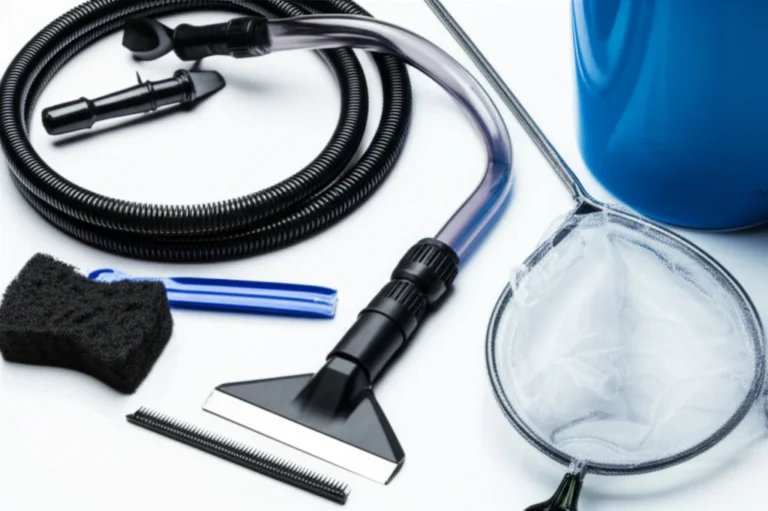
- Action: Use a gravel vacuum to remove debris from the substrate during water changes.
- Why: Detritus (waste) trapped in the substrate breaks down and releases nutrients.
🐌 The Ultimate Cleanup Crew: Best Algae-Eating Snails, Shrimp, and Fish
While plants and maintenance are the primary defense, a cleanup crew can help keep the algae in check. They are the janitors of your tank.
Top Algae Eaters
| Species | Best For | Pros | Cons |
|---|---|---|---|
| Nerite Snails | Glass, rocks, leaves | Excellent algae eaters, won’t breed in freshwater | Can be slow, need calcium |
| Amano Shrimp | Hair algae, biofilm | Great for planted tanks, peaceful | Expensive, sensitive to copper |
| Otocinclus Catfish | Soft algae, biofilm | Small, peaceful, great for nano tanks | Shy, need established tanks |
| Siamese Algae Eater | Black Beard Algae (BA) | Agressive algae eater, grows large | Can be territorial, needs space |
| Cherry Shrimp | Biofilm, soft algae | Colorful, breed easily | Vulnerable to predators |
Important Considerations
- Compatibility: Make sure your cleanup crew is compatible with your other fish. Some fish (like large cichlids) will eat snails and shrimp.
- Population Control: Snails can breed rapidly if you overfeed. Keep an eye on their numbers.
- Not a Cure-All: A cleanup crew helps, but they won’t fix an underlying imbalance. They are the support team, not the main event.
🧪 Chemical Warfare: When to Use Algaecides and UV Sterilizers (And When to Avoid Them)
Sometimes, despite your best efforts, algae gets out of hand. This is when you might consider chemical treatments or UV sterilizers. But proceed with caution!
Algaecides
- What they do: Kill algae on contact.
- The Risk: They can harm your plants, beneficial bacteria, and invertebrates (shrimp/snails). They also don’t fix the root cause.
- When to use: As a last resort for severe outbreaks. Always follow the manufacturer’s instructions.
- Recommendation: Avoid if possible. Focus on fixing the imbalance first.
UV Sterilizers
- What they do: Use UV light to kill free-floating algae (green water) and pathogens.
- The Benefit: Great for green water outbreaks. They don’t harm plants or fish.
- The Limitation: They only work on water that passes through the unit. They won’t help with algae growing on glass or rocks.
- When to use: For persistent green water issues.
Expert Insight: “Treating symptoms without fixing the root cause is the aquatic equivalent of taking an aspirin to soothe a toothache without treating the abscess.” — TFH Magazine
🔬 Troubleshooting Guide: Identifying and Eradicating Specific Algae Types
Not all algae are created equal. Different types require different strategies. Here’s how to identify and tackle the most common offenders.
Green Water (Free-floating algae)
- Cause: Excess nutrients and light.
- Solution: UV sterilizer, blackout for 3 days, reduce feeding.
Green Spot Algae (GSA)
- Cause: Low CO2, low light, high phosphates.
- Solution: Increase CO2, reduce light, add phosphate-adsorbing media.
Hair Algae (Filamentous)
- Cause: High nutrients, low CO2, poor water flow.
- Solution: Manual removal, increase CO2, add Amano shrimp, improve water flow.
Black Beard Algae (BA)
- Cause: Low CO2, fluctuating CO2, high organic load.
- Solution: Increase CO2 stability, reduce organic load, use Siamese Algae Eaters.
Blue-Green Algae (Cyanobacteria)
- Cause: Low water flow, high organic load, low oxygen.
- Solution: Improve water flow, perform large water changes, use antibiotics (last resort).
📊 The Algae Prevention Checklist: Your Weekly Battle Plan
To keep your tank algae-free, follow this weekly checklist. Consistency is key!
| Task | Frequency | Notes |
|---|---|---|
| Water Change | Weekly | 30–50% of tank volume |
| Substrate Vacuum | Weekly | Remove debris and detritus |
| Glass Cleaning | Weekly | Scrape algae off glass |
| Filter Rinse | Every 2–4 weeks | Rinse in old tank water |
| Plant Trimming | Weekly | Remove dead leaves |
| Nutrient Testing | Weekly | Check Nitrates and Phosphates |
| Lighting Check | Daily | Ensure timer is working correctly |
| Feding Check | Daily | Follow the 2-minute rule |
🏆 The Bottom Line: Why Patience Wins the War Against Algae
Algae control is a marathon, not a sprint. You won’t fix it overnight. It takes time to balance your tank, establish a healthy plant colony, and find the right rhythm.
Patience is your greatest ally. Don’t panic when you see a few spots of algae. Instead, ask yourself: “What is my tank telling me?” Is it too much light? Too many fish? Not enough plants?
Remember, a perfectly algae-free tank is rare. A balanced tank with a little bit of algae is a sign of a healthy ecosystem. Embrace the journey, and enjoy the symphony of aquatic life!
💎 #1 Key Takeaway: The Light-Nutrient Balance Equation
The most critical factor in preventing algae is balancing light and nutrients. If you have high light, you need high nutrients (and CO2) to support plant growth. If you have low light, keep nutrients low. Imbalance is the enemy.
💎 #2 Key Takeaway: The Power of Competitive Plant Growth
Fast-growing plants are your best defense. They outcompete algae for nutrients. Aim for 70% plant coverage and choose species that grow quickly.
💎 #3 Key Takeaway: Consistency Over Intensity in Maintenance
Weekly water changes and regular maintenance are more effective than occasional massive cleanups. Consistency keeps nutrient levels stable and prevents algae blooms.
💎 #4 Key Takeaway: Biological Filtration is Your Best Friend
Maintain a healthy colony of beneficial bacteria by never cleaning your filter with tap water. These bacteria break down ammonia and nitrites, keeping your water safe for fish and plants.
💎 #5 Key Takeaway: The Role of Water Flow in Preventing Stagnation
Stagnant water creates dead zones where algae thrives. Ensure proper water circulation with filters and powerheads to keep debris moving and oxygen levels high.
💎 #6 Key Takeaway: Don’t Fear the Green Water (Yet)
Green water is often a temporary issue caused by a spike in nutrients. It can be fixed with a UV sterilizer and a blackout period. Don’t panic; just adjust your maintenance.
💎 #7 Key Takeaway: Observation is the Ultimate Tool
Watch your tank closely. Notice changes in algae growth, plant health, and fish behavior. Your observations will help you identify the root cause of any issues.
🛒 Recommended Products and Tools for Algae Control
Here are some of our top picks for tools and products that can help you keep your tank algae-free.
Lighting and Timers
- Fluval Plant 3.0 LED Light: Adjustable spectrum and intensity, perfect for planted tanks.
- Mechanical Timer: Essential for consistent lighting schedules.
Water Testing and Treatment
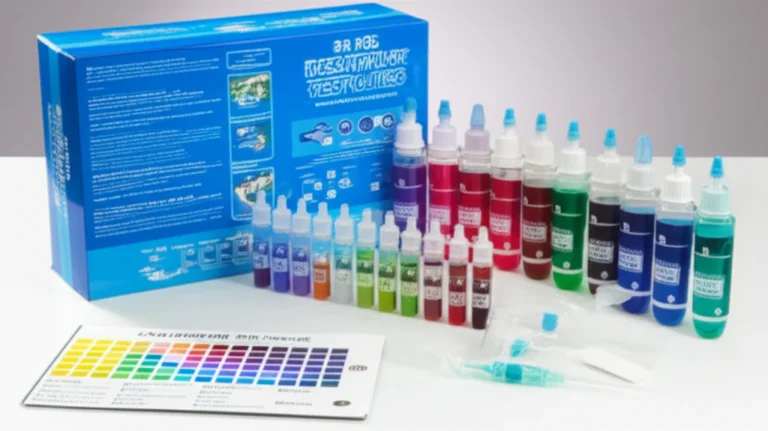
- API Freshwater Master Test Kit: Accurate testing for ammonia, nitrite, nitrate, and pH.
- Seachem PhosGuard: Phosphate-adsorbing media to remove excess phosphates.
Cleanup Crew
- Nerite Snails: Available at most pet stores.
- Amano Shrimp: Great for planted tanks.
Filtration and Flow
- Fluval FX6 Canister Filter: High flow rate for large tanks.
- Airstone: Increases oxygenation and water flow.
👉 CHECK PRICE on:
- Fluval Plant 3.0 LED Light: Amazon | Chewy | Fluval Official
- API Freshwater Master Test Kit: Amazon | Petco | PetSmart
- Seachem PhosGuard: Amazon | Bulk Reef Supply | Seachem Official
🏁 Conclusion

Algae in your fish tank isn’t a sign of failure; it’s a symptom of imbalance. By understanding the root causes—excess light, nutrient overload, and poor water flow—you can take control of your aquarium’s ecosystem.
Remember the 7 Deadly Sins: avoid overfeeding, overstocking, and inconsistent maintenance. Embrace the power of fast-growing plants, maintain a consistent lighting schedule, and perform regular water changes. If you do these things, your tank will thrive, and algae will be kept in check.
Don’t be afraid to experiment and observe. Every tank is unique, and what works for one might not work for another. But with patience and the right approach, you can create a symphony of aquatic life that is both beautiful and healthy.
So, the next time you see a spot of green, don’t panic. Ask yourself: “What is my tank trying to tell me?” And then, take action. Your fish and plants will thank you!
🔗 Recommended Links
- Books:
- The Planted Tank Book by Diana Walstad
- Aquarium Algae Control by Peter Hiscock
- Products:
- Fluval Plant 3.0 LED Light
- API Freshwater Master Test Kit
- Seachem PhosGuard
- Nerite Snails
- Amano Shrimp
❓ FAQ: Your Algae Questions Answered

What are the signs of algae overgrowth harming my aquatic life?
Algae overgrowth can lead to oxygen depletion at night, especially with green water. It can also block light from reaching plants, causing them to die. In severe cases, certain types of algae (like Cyanobacteria) can produce toxins that harm fish.
How does water quality affect algae growth in freshwater tanks?
Poor water quality, specifically high levels of nitrates and phosphates, fuels algae growth. Regular water changes and proper filtration are essential to maintain good water quality and prevent algae blooms.
Read more about “🌊 85+ Ultimate Aquarium Decoration Ideas for 2026”
Are there specific fish species that eat algae in a tank?
Yes, species like Nerite Snails, Amano Shrimp, Otocinclus Catfish, and Siamese Algae Eaters are known for their algae-eating habits. However, they should be part of a balanced approach, not the sole solution.
Read more about “🌡️ How to Maintain Perfect Water Temperature for Your Fish (2026)”
What role does lighting play in algae growth in aquariums?
Lighting is a primary driver of algae growth. Too much light or an inconsistent photoperiod can lead to algae blooms. Limiting light to 6–8 hours and using a timer can help prevent this.
Can live plants help reduce algae growth in my fish tank?
Absolutely! Live plants compete with algae for nutrients and light. A tank with 70% plant coverage is much less likely to have algae problems.
What are the best natural methods to control algae in a tank?
The best natural methods include reducing light, increasing plant coverage, performing regular water changes, and adding a cleanup crew of algae-eating organisms.
Read more about “🌊 7 Ways a Fish Tank Heals Your Mind & Soul (2026)”
Are there any natural methods for controlling algae in aquariums, without using chemicals or algae-eating fish?
Yes! You can use floating plants to shade the water, reduce feeding, and improve water flow. These methods help balance the ecosystem without introducing chemicals or new species.
What is the role of water circulation and filtration in preventing algae growth in fish tanks?
Proper water circulation prevents stagnant zones where algae can thrive. Filtration removes debris and excess nutrients, keeping the water clean and balanced.
How does lighting affect algae growth in aquariums, and what type of lighting is best?
Algae thrives on excessive light. Using a timer to limit light to 6–8 hours and choosing a full-spectrum LED light can help control algae growth.
Can I use algae-control products in my fish tank, and are they safe for my fish?
Algae-control products (algaecides) can be used as a last resort, but they can harm plants, beneficial bacteria, and invertebrates. Always follow the manufacturer’s instructions and use them sparingly.
What are the best algae-eating fish to add to my aquarium?
Nerite Snails, Amano Shrimp, Otocinclus Catfish, and Siamese Algae Eaters are excellent choices. Choose based on your tank size and other inhabitants.
Read more about “🐟 15 Best Fish for a Beginner’s Tank (2026)”
How often should I clean my fish tank to prevent algae buildup?
Perform a weekly water change of 30–50% and clean the substrate and filter regularly. Consistency is key to preventing algae buildup.
Read more about “How to Prevent Algae & Keep Crystal-Clear Fish Tank Water (2026) 🌊”
What are the main causes of algae growth in fish tanks?
The main causes are excess light, high nutrient levels (nitrates and phosphates), por water flow, and overfeeding. Addressing these factors is essential for algae control.
Read more about “🌊 Brackish Water Aquariums: The Ultimate 2026 Guide to Estuarine Life”
📚 Reference Links