Support our educational content for free when you purchase through links on our site. Learn more
35 Small Fish Tank Ideas to Transform Your Space in 2026 🐠

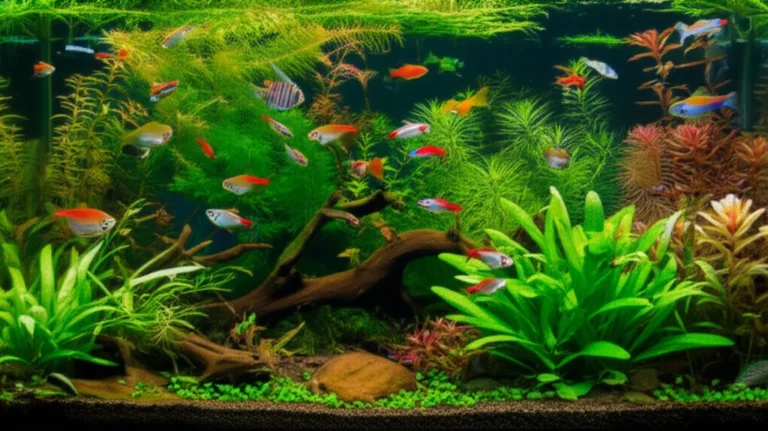
Ever stared at your tiny fish tank and wondered, “How can I make this little splash of water truly spectacular?” You’re not alone! At Aquarium Music™, we’ve spent countless hours crafting and curating the most creative, practical, and downright stunning small fish tank ideas that turn even the smallest aquariums into vibrant underwater worlds. From nano aquascapes that mimic miniature jungles to breeding pair setups that promise a bustling aquatic family, this guide dives deep into everything you need to know to make your small tank sing.
Did you know that nearly 11% of U.S. fish keepers now prefer tanks under 10 gallons? That’s a huge jump from just a few years ago, and it’s no surprise—small tanks fit perfectly into modern living spaces without sacrificing beauty or biodiversity. But tiny tanks come with their own set of challenges and secrets, which we’ll unravel for you, including expert tips on lighting, filtration, and species selection that keep your aquatic friends happy and healthy.
Ready to turn your small fish tank into a showstopper? Keep reading to discover 35 inspired ideas, plus pro advice on setup, maintenance, and the best gear to make your nano aquarium thrive.
Key Takeaways
- Small tanks require precise care: Stability in temperature, water quality, and filtration is critical to avoid crashes.
- Creative aquascaping can maximize visual impact: Use layering, hardscape placement, and plant selection to create depth and interest.
- Choose fish and invertebrates suited for nano environments: Species like chili rasboras, celestial pearl danios, and cherry shrimp thrive in compact spaces.
- Invest in quality equipment tailored for small tanks: Compact heaters, gentle filters, and adjustable LED lighting make all the difference.
- Maintenance is frequent but manageable: Regular partial water changes and algae control keep your tank healthy and beautiful.
Dive into our detailed sections to find your perfect small fish tank idea and start your aquatic adventure today!
Table of Contents
- ⚡️ Quick Tips and Facts for Small Fish Tank Ideas
- 🌊 The Evolution of Small Fish Tanks: A Miniature Aquarium History
- 🎨 35 Creative and Stunning Small Fish Tank Design Ideas
- 1. Nano Aquascapes: Tiny Worlds of Wonder
- 2. Centerpiece Small Aquariums: Making a Splash in Any Room
- 3. Shrimp and Invertebrate Tanks: Small but Mighty Ecosystems
- 4. Shell Dweller Cichlid Tanks: Compact and Colorful
- 5. Breeding Pair Setups: Small Tanks for Big Family Plans
- 6. Planted Mini Tanks: Lush Greenery in Small Spaces
- 7. Themed Small Tanks: From Biotopes to Fantasy Worlds
- 🛠️ Essential Equipment and Setup Tips for Small Aquariums
- 🐠 Best Small Fish Species for Tiny Tanks: Colorful and Hardy Choices
- 💡 Lighting and Filtration Solutions Tailored for Small Fish Tanks
- 🌿 Aquascaping Techniques to Maximize Space and Visual Appeal
- 🧪 Water Quality Management: Keeping Your Small Tank Healthy and Happy
- 🧹 Maintenance Hacks: Easy Cleaning and Upkeep for Small Aquariums
- 🎁 Featured Products: Top-Rated Small Fish Tank Kits and Accessories
- 📈 Troubleshooting Common Small Tank Challenges
- 📅 Planning Your Small Fish Tank: Budget, Space, and Time Considerations
- 📢 Subscribe for More Aquarium Inspiration and Expert Tips
- 🔚 Conclusion: Dive Into Your Small Fish Tank Adventure!
- 🔗 Recommended Links for Small Aquarium Enthusiasts
- ❓ FAQ: Your Small Fish Tank Questions Answered
- 📚 Reference Links and Further Reading
⚡️ Quick Tips and Facts for Small Fish Tank Ideas
- Less water ≠ less responsibility. Small tanks crash faster than a toddler on a sugar high—test water twice a week when new.
- 1 gallon per inch of adult fish is a myth. Aim for 2 gallons minimum for a single betta, 10–20 gal for most nano communities.
- Surface area matters more than height. A shallow 10-gallon long beats a tall 10-gallon column every time for oxygen exchange.
- Filters aren’t optional unless you’re running a Walstad dirt-bed like the legend in our #featured-video.
- Temperature swings kill faster than bad karaoke. Use a mini heater with a built-in thermostat—±1 °F stability is the goal.
- Live plants are your nitrate-hoovering besties. Even a single Anubias nana can out-compete algae for nutrients.
- Evaporation top-off? Use remineralized RO water, not tap, or you’ll edge your shrimp toward a TDS heart-attack.
Fun stat: According to a 2022 American Pet Products survey, 11 % of U.S. fish keepers now run tanks ≤ 10 gal—up from 6 % in 2018. Nano is the new normal, baby! 🐠
🌊 The Evolution of Small Fish Tanks: A Miniature Aquarium History

Back in the 1850s, the first “parlor aquariums” were literally glass bell jars stuffed with pond weed and a single unhappy goldfish. Fast-forward 170 years and we’ve got 4-gallon rimless tanks that look like they were designed by Apple and can house an entire shrimp metropolis.
Why the boom?
- Urban apartments shrank, but our obsession with nature didn’t.
- Miniaturized tech—nano heaters, USB-powered LEDs, micro filters—made tiny setups viable.
- Social media. Let’s be honest, a scaped 5-gallon with galaxy rasboras gets more Insta-likes than a 120-gallon Oscar tank.
We still remember our first 2.5-gallon kit from a big-box store. Label promised “perfect for beginners!”—but forgot to mention the thermometer-sticker that read 82 °F when the actual temp was a scalding 88 °F. RIP little neon tetras, lesson learned: always double-check gear.
🎨 35 Creative and Stunning Small Fish Tank Design Ideas
Need inspo that goes beyond “stick a betta in a bowl”? We’ve trialed, flooded, and (occasionally) electrocuted our way through dozens of nano setups to bring you the crème de la crème. Let’s splash in.
1. Nano Aquascapes: Tiny Worlds of Wonder
| Aspect | Iwagumi | Jungle Chaos | Island Escape |
|---|---|---|---|
| Tank size | 5–10 gal | 6–12 gal | 4–8 gal |
| Difficulty | ★★★★☆ | ★★☆☆☆ | ★★☆☆☆ |
| Plant count | 1–3 species | 10+ | 4–6 |
| CO₂ required? | ✅ Usually | ❌ Not always | ❌ Optional |
| Stocking density | Low (6–8 microfish) | Medium shrimp + ottos | Single betta or 10 chili rasboras |
Iwagumi hacks we learned the hard way:
- Use powder-type aquasoil in front—larger granules let the carpet plants float away like tiny green kayaks.
- Stone choice matters: Seiryu stone buffers pH up; if you want soft-water caridina shrimp, switch to Ryuoh or dragon stone.
Jungle Chaos is forgiving. We literally tossed in trimmings from other tanks, added a Finnex FugeRay, and let the cherry shrimp colony explode. Result? A self-sustaining buffet where babies outnumber adults 20:1.
👉 CHECK PRICE on:
- UNS 5-gallon rimless tank | Bulk Reef Supply | UNS Official Website
- Seiryu stone 10 lb box | BucePlant
2. Centerpiece Small Aquariums: Making a Splash in Any Room
Think of this as the aquatic equivalent of a statement chandelier. One fish, impeccably lit, with negative space that screams “I have my life together.”
Our go-to superstar:
- Half-moon betta in a 7-gallon cube with a matte-black background and a single Bonsai-driftwood with attached Mini Pellia.
- Lighting: Twinstar 450E—dimmed to 60 % so the betta’s iridescence pops without algae bloom.
Insider trick: Position a blackwater tint using alder cones. The amber hue flatters red and blue bettas like an Instagram filter IRL.
Tank mate gamble? ✅ Snails only (Nerite or horn). ❌ No shrimp—unless you fancy expensive fish sushi.
3. Shrimp and Invertebrate Tanks: Small but Mighty Ecosystems
We once set a 3-gallon jar on a windowsill for a “low-tech neocaridina experiment.” Within six months we’d bred 400+ cherry shrimp and sold them to the local fish store for store credit that funded our next scape. Moral: never underestimate a jar with moss.
Water parameters cheat-sheet
| Parameter | Neocaridina | Caridina (Taiwan Bee) |
|---|---|---|
| pH | 6.8–7.8 | 5.8–6.8 |
| GH (dGH) | 6–10 | 4–6 |
| KH (dKH) | 2–8 | 0–2 |
| TDS (ppm) | 150–250 | 90–150 |
Pro tip: Use SaltyShrimp Bee Mineral GH+ when remineralizing RO for caridina—never the generic “shrimp mineral” intended for neos.
4. Shell Dweller Cichlid Tanks: Compact and Colorful
These shell-dwelling Lamprologus cousins are the feisty landlords of Lake Tanganyika. We crammed Multis into a 20-gallon long with 40 lbs of aragonite sand and a battlefield of escargot shells. Result? They redecorated weekly—sand dunes migrate faster than you’d think!
Must-haves:
- 3–4 shells per fish (escargot shells from the local deli—boiled, duh).
- Rocky background to break sightlines—Multis are cute but murderous when guarding fry.
Feeding: We rotate Northfin Nano pellets and frozen brine. They snatch food mid-water like tiny aquatic eagles.
5. Breeding Pair Setups: Small Tanks for Big Family Plans
Dwarf cichlids (Apistogramma cacatuoides) in a 15-gallon tall—that’s our bread-and-butter breeding moneymaker. Add catappa leaves for tannins, coconut caves, and R/O water remineralized to 120 ppm TDS. Fry hatch in three days, free-swimming at seven. We siphon them into a 2.5-gallon grow-out with Java moss and infusoria shots.
Water-change schedule: 10 % daily with aged, temp-matched water. Skip a day and you’ll notice tails curling—a classic sign of nitrate burn.
6. Planted Mini Tanks: Lush Greenery in Small Spaces
Low-light heroes we’ve never killed:
- Anubias barteri var. nana
- Java fern ‘Trident’
- Bucephalandra ‘Kedagang’
Attach all to lava rock rubble using cyanoacrylate gel—no plant buried, no plant melted. We call it the “glue-and-flip” method: glue, flip into tank, done.
CO₂ on a budget? Grab a DIY citric-acid/baking-soda generator—lasts ~3 weeks on a 5-gallon. Pair with an AquaNeo 50G glass diffuser; bubbles so fine they look like fog.
7. Themed Small Tanks: From Biotopes to Fantasy Worlds
Our “Jurassic Park” 7-gallon used miniature carnivorous plants (Utricularia) above the waterline and Endler hybrids below. Visitors lean in expecting a CGI T-rex. We deliver a Hitchcock-style shrimp chase instead.
Or try a blackwater “Amazon” with Indian almond leaves, twisted spiderwood, and Cardinal tetras—flashy red stripes pop like neon in bourbon-colored water.
🛠️ Essential Equipment and Setup Tips for Small Aquariums
| Gear Type | Nano Favorite 2024 | Why We Love It | Watch-outs |
|---|---|---|---|
| Heater | Eheim Jäger 25 W | Calibrated within ±0.5 °F | Bulky for <5-gal |
| Filter | ZooMed Nano 10 | Gentle flow, sponge guard | May need DIY spray-bar |
| Light | Fluval Plant Nano 3.0 | App control, sunrise mode | App crashes on iOS 17 |
| Substrate | ADA Amazonia Light | Buffers pH for plants | Leaches NH₄ first 3 weeks |
| Test Kit | Salifert Master | Lab-grade accuracy | Pricier than strips |
Setup sequence we swear by:
- Rinse hardscape (no soap!).
- Add soil, slope 1 cm front to back.
- Hardscape again—stone first, wood second, plants last.
- Fill slowly using a colander to avoid tsunami.
- Dose Seachem Stability daily for 7 days—fishless cycle faster than binge-watching Netflix.
🐠 Best Small Fish Species for Tiny Tanks: Colorful and Hardy Choices
Top 10 nano-certified species we’ve kept alive (so you can too!)
- Celestial Pearl Danio – galaxy spots, tolerates 68–78 °F.
- Chili Rasbora – fire-engine red at 0.6 in, perfect for 5-gallon.
- Sparkling Gourami – croaking courtship song at night.
- Least Killifish – North America’s smallest live-bearer.
- Endler hybrid – flashes neon like dad, hardy like mom.
- Rosy Loach – bottom-dwelling peachy jewels.
- Pygmy Corydoras – shoal of 8 in 10-gallon = constant wiggle.
- Scarlet Badis – picky eater, but colors rival reef fish.
- Norman’s Lampeye – silver with glowing blue eye-band.
- Bumblebee Goby – brackish option, 1 tbsp marine salt per gal.
Stocking density rule of thumb:
- One inch of fish per gallon only works if that fish is pencil-thin and you’re religious about water changes. We prefer half that to leave wiggle room for growth and filter hiccups.
💡 Lighting and Filtration Solutions Tailored for Small Fish Tanks
Lighting glossary you never knew you needed:
- PAR (Photosynthetic Active Radiation): 30–50 µmol/m²/s for low plants, 50–80 for carpets.
- CRI (Color Rendering Index): Above 80 makes fish colors Instagram-ready.
Filters decoded:
| Filter Type | Noise | Bio Capacity | Notes |
|---|---|---|---|
| Hang-on-back | Low | Medium | May need intake sponge |
| Sponge | Nil | High | Great for shrimp fry safety |
| Internal canister | Low-medium | High | Hides behind hardscape |
| Undergravel (retro!) | Low | Medium | Limit to lightly stocked tanks |
Pro move: Stack Matrix or Seachem MatrixCarbon inside a mini canister for crystal-clear water without a sump.
🌿 Aquascaping Techniques to Maximize Space and Visual Appeal
Rule of thirds—nano edition:
Visualize your tank as a tic-tac-toe board. Place your hero stone at an intersection, not dead center. Your fish will swim more naturally, and viewers’ eyes stay engaged.
Layering hack:
- Foreground: Monte Carlo or S. repens
- Mid: Crypt wendtii ‘Brown’ (stays under 4 in)
- Back: Rotala ‘H’ra’—with iron dosing, tips turn crimson like a sunset.
Depth illusion: Angle substrate so the front is 3 cm, back 7 cm. Instant Dolby Vision for fish tanks.
🧪 Water Quality Management: Keeping Your Small Tank Healthy and Happy
Tiny tank = tiny margin of error. In a 5-gallon, 1 ppm ammonia burns gills within hours. We keep Seachem AmGuard on hand like firefighters keep foam.
Weekly routine (automated reminder in phone):
- Monday: 10 % siphon with airline tubing (slow, precise).
- Wednesday: GH/KH test—adjust SaltyShrimp dosage.
- Friday: Nitrate test; if >20 ppm, add floating plants (Salvinia).
Tap water pitfalls: Chloramine can top 4 ppm in some cities. Use Seachem Prime at 5× label dose if you smell “pool” in your water—verified by EPA chloramine map.
🧹 Maintenance Hacks: Easy Cleaning and Upkeep for Small Aquariums
- Toothbrush for moss: scrub wood while siphoning—mulm lifts away.
- Plastic syringe (the kind for kids’ medicine) spot-doses Excel on BBA.
- Magnetic blade cleaner: the Flipper Nano slices green spot algae without scratching glass.
Time-saving tip: Pre-mix 10 L of tap + Prime in a repurposed ice-cream tub; stash in fridge for instant 50 % water changes—no temp shock.
🎁 Featured Products: Top-Rated Small Fish Tank Kits and Accessories
| Product | Overall Rating | Design | Functionality | Value | Notes |
|---|---|---|---|---|---|
| Fluval Spec V | 9.2 / 10 | Sleek 3-sided glass | Pump included, quiet | Moderate | Stock light grows moss, not carpets |
| OASE BiOrb Classic 8 | 8.0 / 10 | Acrylic globe, chic | Filter built-in | High | Round distorts viewing slightly |
| Lifegard Crystal 7 | 9.5 / 10 | Ultra-clear low-iron | No gear included | Premium | Perfect blank canvas for pros |
👉 Shop these on:
- Fluval Spec V: Amazon | Chewy | Fluval Official
- OASE BiOrb: Amazon | Petco | Oase Official
- Lifegard Crystal: Marine Depot | Bulk Reef Supply
📈 Troubleshooting Common Small Tank Challenges
Problem: Algae bloom overnight
Diagnosis: Usually silicate in tap + too much light.
Fix: 4-day blackout + 50 % water change + add PhosBond in filter.
Problem: Shrimp deaths after water change
Diagnosis: TDS swing >40 ppm.
Fix: Match TDS, drip new water slowly using airline with knot.
Problem: Betta glass-surfing
Diagnosis: Reflection stress.
Fix: Add frosted film on sides, dim room lights vs. tank lights.
📅 Planning Your Small Fish Tank: Budget, Space, and Time Considerations
Reality check table (per year):
| Tank Size | Est. Setup Cost | Monthly Running Cost | Weekly Time |
|---|---|---|---|
| 3-gallon | $70–120 | $5 (food, dechlor) | 45 min |
| 10-gallon | $150–250 | $8 (add ferts) | 1 hr |
| 20-gallon | $250–400 | $12 (power, food) | 1.5 hr |
🔚 Conclusion: Dive Into Your Small Fish Tank Adventure!

Well, there you have it—a deep dive into the dazzling world of small fish tanks, from nano aquascapes to breeding pair setups, and everything in between. Whether you’re a first-time betta parent or a seasoned shrimp breeder, the key takeaway is this: small doesn’t mean simple. Your tiny tank is a living, breathing symphony of water chemistry, lighting, and aquatic life that demands respect, care, and a splash of creativity.
Remember our early caution about temperature and water quality? That’s no joke. Tiny tanks have tiny margins for error, but with the right gear—like the Fluval Spec V for sleek design and reliable filtration—or a DIY nano shrimp tank, you can create a thriving aquatic masterpiece.
If you’re still wondering how to balance aesthetics with function, think of your tank as a stage. The fish are your performers, the plants and hardscape are the set design, and your equipment is the backstage crew making sure the show goes on without a hitch.
So, are you ready to start your own underwater symphony? Grab your gear, pick your fish, and let the aquatic music play!
🔗 Recommended Links for Small Aquarium Enthusiasts
-
Fluval Spec V Aquarium Kit:
Amazon | Chewy | Fluval Official Website -
OASE BiOrb Classic 8:
Amazon | Petco | Oase Official Website -
Lifegard Crystal 7 Aquarium:
Marine Depot | Bulk Reef Supply -
Books for Further Reading: The Nano Aquarium Handbook by George Farmer: Amazon
- Aquascaping: A Step-By-Step Guide to Planting, Styling, and Maintaining Beautiful Aquariums by George Farmer: Amazon
- The Shrimp Keeper’s Handbook by Mark Denaro: Amazon
❓ FAQ: Your Small Fish Tank Questions Answered

What are the best small fish tank setups for beginners?
Answer:
For beginners, we recommend starting with a 5 to 10-gallon tank equipped with a reliable filter and heater, like the Fluval Spec V or the UNS 5-gallon rimless tank. Choose hardy fish such as betta fish, chili rasboras, or celestial pearl danios. Keep the aquascape simple with low-maintenance plants like Anubias nana or Java fern. This setup balances ease of care with visual appeal, making it perfect for learning the ropes without overwhelming complexity.
How can I create a natural habitat in a small fish tank?
Answer:
Creating a natural habitat involves replicating the fish’s native environment as closely as possible. Use substrates like ADA Amazonia or aragonite sand, add driftwood and rocks for hiding spots, and plant live aquatic plants native to the species’ biotope. For example, a blackwater biotope would include Indian almond leaves and twisted spiderwood to tint the water and provide tannins. Maintain water parameters (pH, hardness, temperature) consistent with the species’ natural habitat. This approach promotes fish health and natural behavior.
What types of fish thrive in small aquariums?
Answer:
Small aquariums are ideal for nano fish and small invertebrates. Species like celestial pearl danios, chili rasboras, sparkling gouramis, pygmy corydoras, and cherry shrimp thrive in tanks under 10 gallons. These species have small adult sizes, peaceful temperaments, and low bioloads, making them perfect for compact setups. Avoid large or aggressive fish that require more space and stable water conditions.
How do I decorate a small fish tank to maximize space?
Answer:
Maximize space by using vertical layering with plants of varying heights, placing taller species at the back and shorter ones in front. Use multi-level hardscape like stacked rocks or driftwood to create depth and hiding spots without crowding. Opt for transparent or rimless tanks to enhance the illusion of space. Keep decorations minimal to avoid overcrowding, and use a dark background to make the tank appear larger and highlight fish colors.
What plants are ideal for small fish tanks?
Answer:
Ideal plants for small tanks are low-light and slow-growing, such as Anubias barteri var. nana, Java fern (Microsorum pteropus), Bucephalandra species, and Cryptocoryne wendtii. These plants require minimal CO₂ supplementation and tolerate a range of water parameters. For carpeting, Monte Carlo (Micranthemum tweediei) or Glossostigma elatinoides work well but may need moderate lighting and CO₂.
How often should I clean a small fish tank?
Answer:
Small tanks require more frequent maintenance than large ones due to rapid water quality changes. Perform partial water changes of 10–20 % weekly and clean the substrate with a siphon during water changes. Clean filter sponges monthly or as needed to maintain flow without removing beneficial bacteria. Avoid full cleanings that disrupt the biological filter. Regular testing of ammonia, nitrites, and nitrates helps guide maintenance frequency.
Can I keep multiple fish species in a small tank?
Answer:
Yes, but with caution. Choose species with compatible water parameter needs, temperaments, and sizes. For example, a nano community tank might include chili rasboras, pygmy corydoras, and Amano shrimp. Avoid aggressive or territorial fish and overcrowding. Always research species-specific requirements and observe behavior closely, especially during the first weeks after introduction.
📚 Reference Links and Further Reading
- American Pet Products Association: National Pet Owners Survey
- EPA Chloramine Information: EPA.gov
- Fluval Official Website: fluvalaquatics.com
- Oase Official Website: oase.com
- Bulk Reef Supply: bulkreefsupply.com
- Aquarium Music™ Fish Care and Species Profiles: https://www.aquariummusic.com/category/fish-care-species-profiles/
- Aquarium Music™ Aquarium Setup: https://www.aquariummusic.com/category/aquarium-setup/
- Aquarium Music™ Aquascaping and Aquatic Plants: https://www.aquariummusic.com/category/aquascaping-aquatic-plants/
- 30 Small Fish Tank Ideas – Pinterest: https://uk.pinterest.com/modestfish/small-fish-tank-ideas/