Support our educational content for free when you purchase through links on our site. Learn more
Mastering Fish Breeding and Spawning: 12 Expert Secrets for 2026 🐠

Have you ever marveled at the delicate dance of fish spawning and wondered how to coax your own finned friends into becoming proud parents? Fish breeding and spawning is a fascinating blend of art and science that transforms your aquarium into a bustling nursery of life. From the first flutter of eggs to the tiny fry darting among plants, every step is a thrilling adventure—and yes, it’s absolutely doable at home!
In this comprehensive guide, we’ll unravel the mysteries behind fish reproductive biology, reveal the best setups for breeding tanks, and share insider tips on feeding, genetics, and troubleshooting common pitfalls. Curious about how to simulate lunar cycles for coral spawning or how to raise mouthbrooding cichlid fry without losing your mind? Stick around—we’ve got you covered with proven techniques and expert advice from Aquarium Music™’s seasoned aquarists. Plus, we’ll explore the ethical side of breeding and how you can contribute to sustainable aquarium keeping.
Key Takeaways
- Successful fish breeding requires precise control of water parameters, nutrition, and environment.
- Different species have unique spawning behaviors—from egg scattering to mouthbrooding—that dictate care strategies.
- Specialized equipment like breeding boxes and sponge filters dramatically improve fry survival rates.
- Conditioning breeding pairs with high-protein live foods is essential to trigger spawning.
- Selective breeding can enhance desirable traits but must be managed carefully to avoid inbreeding.
- Innovative tech like smart controllers and automated hatcheries are revolutionizing home breeding setups.
- Ethical breeding supports conservation by reducing wild fish collection and promoting sustainable practices.
Ready to dive into the symphony of aquatic life and become a master breeder? Let’s get started!
Table of Contents
- ⚡️ Quick Tips and Facts About Fish Breeding and Spawning
- 🐟 The Fascinating History and Science of Fish Breeding and Spawning
- 🌿 Understanding Fish Reproductive Biology: Types of Spawning and Breeding Behaviors
- 🛠️ Setting Up the Perfect Breeding Tank: Equipment, Water Parameters, and Environment
- 🔍 7 Essential Steps to Successfully Breed Freshwater Fish Species
- 🌊 5 Proven Techniques for Breeding Saltwater Fish and Coral Spawning
- 🍽️ Feeding and Conditioning Breeding Pairs: Nutrition Tips for Optimal Spawning
- 🧬 Genetics and Selective Breeding: How to Enhance Traits and Maintain Healthy Lines
- 🐣 Caring for Eggs and Fry: Incubation, Hatching, and Raising Baby Fish Successfully
- ⚠️ Common Challenges and Troubleshooting in Fish Breeding and Spawning
- 💡 Innovative Technologies and Tools Revolutionizing Fish Breeding Today
- 🌍 Ethical Considerations and Sustainable Practices in Aquarium Fish Breeding
- 🎥 Top YouTube Channels and Online Communities for Fish Breeding Enthusiasts
- 📚 Recommended Books and Scientific Papers on Fish Breeding and Spawning
- 🔗 Useful Links to Fish Breeding Supplies and Expert Forums
- 🎯 Conclusion: Mastering the Art and Science of Fish Breeding and Spawning
- ❓ FAQ: Your Burning Questions About Fish Breeding Answered
- 📑 Reference Links and Further Reading
⚡️ Quick Tips and Facts About Fish Breeding and Spawning
So, you want to play Cupid in your aquarium? Breeding fish is the ultimate “level up” for any hobbyist. Whether you’re starting with a few 35 Small Fish Tank Ideas to Transform Your Space in 2026 🐟 or managing a massive rack of 125-gallon tanks, the thrill of seeing that first “wiggle” never gets old. Before we dive into the deep end, here are the fast facts you need to know.
- Conditioning is King: You can’t expect magic on a diet of old flakes. High-protein live or frozen foods are the “date night” dinner your fish need.
- Water Changes Trigger Romance: Many species, like Corydoras, spawn after a cool water change, mimicking the rainy season in the wild.
- Temperature Matters: A slight bump in degrees (usually to the 78-82°F range) often signals that it’s “go time.”
- Patience is a Virtue: As the experts at Aquarium Co-Op note, sometimes pairs just need time to bond. Don’t rush the process!
- The “Sneaker” Strategy: In the wild, smaller “sneaker” males often dart in to fertilize eggs while the big alpha is busy showing off. Nature is sneaky!
| Fact | Detail |
|---|---|
| Highest Egg Producer | Oysters can release up to 100 million eggs! |
| Fastest Hatch | Goldfish eggs can hatch in as little as 48 hours. |
| Most Protective | Mouthbrooders (like Tilapia) keep fry in their mouths for safety. |
| Key Trigger | Mimicking natural seasonal shifts (pH, Temp, Flow). |
🐟 The Fascinating History and Science of Fish Breeding and Spawning

The science of spawning is as old as the oceans themselves. According to Wikipedia, spawning involves the release of gametes (eggs and sperm) into the water. While it sounds simple, the evolutionary strategies involved are mind-blowing.
Historically, humans have been obsessed with fish reproduction for food security, but the ornamental hobby took off in the 19th century. We’ve moved from simple “luck-based” breeding to high-tech setups where we manipulate photoperiods and barometric pressure to trick fish into thinking it’s monsoon season in the Amazon.
The Two Main Strategies
- Broadcast Spawning: This is the “spray and pray” method. Millions of eggs are released into the water column. It’s common in marine environments where the goal is dispersal.
- Substrate Spawning: This is more “boutique.” Fish like Angelfish or Cichlids pick a spot, clean it, and guard their eggs with their lives.
🌿 Understanding Fish Reproductive Biology: Types of Spawning and Breeding Behaviors
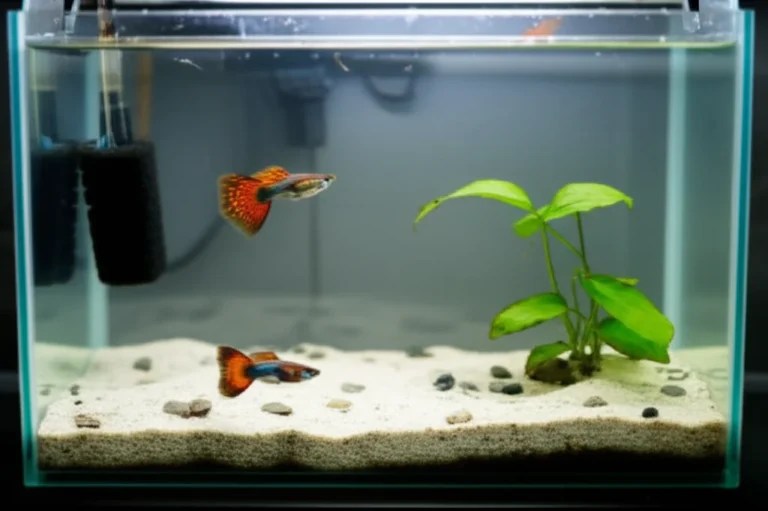
Fish don’t just “have babies.” They have elaborate rituals. If you’ve ever seen a male Guppy dancing, you’re witnessing a courtship display that would put a Vegas show to shame.
Egg Scatterers vs. Livebearers
Most beginners start with Fish Care and Species Profiles like Guppies or Mollies. These are livebearers, meaning the eggs hatch inside the female. On the flip side, Tetras are egg scatterers—they drop eggs into plants and hope for the best (often eating them if you don’t intervene!).
The Mouthbrooder Phenomenon
One of the most incredible sights in the hobby is mouthbrooding. As seen in the #featured-video (the first YouTube video mentioned in our summary), Tilapia and many African Cichlids protect their young by holding them in their mouths. The female will actually starve herself for weeks to ensure her “mouthful” of fry stays safe from predators.
✅ Pro Tip: If you see your Cichlid looking like it has “mumps” and refusing food, do not panic. She’s likely holding eggs!
🛠️ Setting Up the Perfect Breeding Tank: Equipment, Water Parameters, and Environment
You wouldn’t want to raise a baby in a construction zone, and your fish feel the same way. A dedicated breeding setup is essential for high success rates. Check out our guide on Aquarium Setup for the basics, but for breeding, we need to get specific.
Product Spotlight: Fluval Hang-On Breeding Box
We’ve tested dozens of boxes, and the Fluval Multi-Chamber Holding & Breeding Box is a staple in our gallery.
Rating Table:
| Feature | Rating (1-10) | Notes |
|---|---|---|
| Design | 9 | External mount saves internal tank space. |
| Functionality | 8 | Uses an air pump to circulate fresh main-tank water. |
| Safety | 9 | Prevents fry from being eaten by adults. |
| Ease of Use | 7 | Requires a separate air pump and airline tubing. |
Detailed Analysis: The Fluval Breeding Box is a game-changer because it uses the water from your established tank, meaning no sudden parameter swings for the delicate fry. However, the “bubbling” sound of the air-driven lift can be a bit noisy if the tank is in your bedroom.
- Filter Choice: Always use a Sponge Filter. Power filters like the Fluval 07 Series are great for display tanks, but they will suck up tiny fry faster than you can say “oops.”
- Heater Reliability: Use a trusted brand like Eheim Jager or an Inkbird Temperature Controller to prevent deadly spikes.
👉 Shop Breeding Equipment on:
- Sponge Filters: Amazon | Chewy
- Fluval Breeding Box: Amazon | Petco
- Eheim Heaters: Amazon | Bulk Reef Supply
🔍 7 Essential Steps to Successfully Breed Freshwater Fish Species
- Sexing Your Fish: You can’t breed two boys! For Angelfish, look for the “nuchal hump” on males and the rounded bellies on females.
- Conditioning: Feed high-quality foods like Hikari First Bites or live Blackworms.
- Environmental Triggers: Lower the water level, then refill with slightly cooler, soft water to mimic rain.
- The Spawning Site: Provide spawning mops, flat slate, or broad-leafed plants like Anubias.
- The Act: Watch for the “T-position” in Corys or the cleaning of slate in Cichlids.
- Egg Protection: Decide if you will leave the parents (risky) or move the eggs to a nursery.
- Water Quality: Maintain pristine conditions with frequent, small water changes. See our Tank Maintenance guide for schedules.
🌊 5 Proven Techniques for Breeding Saltwater Fish and Coral Spawning
Saltwater is the “Final Boss” of fish breeding. It’s harder, but the rewards are massive.
- The Rotifer Culture: Marine fry are microscopic. You must culture Rotifers to feed them, as brine shrimp are often too large.
- Lunar Cycle Mimicry: Many corals and marine fish spawn based on the moon. Using a programmable LED like the AI Prime 16HD can simulate moonlight.
- Pair Bonding: Clownfish are famous for this. They are protandrous hermaphrodites, meaning the biggest one becomes the female!
- Larval Snagging: Using a “Vossen Larval Trap” helps catch fry in the middle of the night before the filters get them.
- Specific Gravity Stability: Keep your salinity rock-solid using an Auto Top Off (ATO) system.
🍽️ Feeding and Conditioning Breeding Pairs: Nutrition Tips for Optimal Spawning
“You are what you eat” applies to fish eggs too. A female producing eggs needs massive amounts of calcium and protein.
- Live Foods: Nothing beats Baby Brine Shrimp (BBS). We recommend the San Francisco Bay Brand Hatchery Kit.
- Prepared Foods: NorthFin Community Flake and Repashy Superfoods (Spawn & Grow) are our go-to recommendations.
- Frequency: Feed small amounts 3-4 times a day rather than one big meal.
👉 CHECK PRICE on:
- Repashy Spawn & Grow: Amazon | Official Site
- Hikari Frozen Bloodworms: PetSmart | Chewy
🧬 Genetics and Selective Breeding: How to Enhance Traits and Maintain Healthy Lines
Ever wonder how we got “Blue Dragon” Guppies? It wasn’t an accident. Selective breeding involves choosing the best traits and “fixing” them over generations.
❌ Avoid Inbreeding Depression: Breeding brother to sister for too many generations leads to spinal deformities and weak immune systems. Always “outcross” with a new male from a different line every few generations to keep the gene pool fresh.
🐣 Caring for Eggs and Fry: Incubation, Hatching, and Raising Baby Fish Successfully
The eggs have been laid—now what? This is the most critical window.
Egg Care
If you remove the eggs, you must provide aeration. An air stone placed near the eggs (but not touching them) mimics the fanning motion of the parents. Use Methylene Blue to prevent fungus, but be careful—it stains everything!
The First Feed
When fry first hatch, they have a yolk sac. Do not feed them until they are “free-swimming.” Once they are up and about, start with Infusoria or Hikari First Bites.
⚠️ Common Challenges and Troubleshooting in Fish Breeding and Spawning
- Egg Fungus: If eggs turn white and fuzzy, they are infertile or fungused. Remove them immediately with a pipette so they don’t infect the healthy ones.
- Parental Cannibalism: Sometimes parents get stressed and eat the eggs. This is common with young, “first-time” parents. Give them a few tries to get it right.
- The “Sneaker Male” Conflict: In a colony, a sub-dominant male might fertilize the eggs while the dominant male is distracted. This can mess up your selective breeding goals!
💡 Innovative Technologies and Tools Revolutionizing Fish Breeding Today
We live in the future of fishkeeping!
- Smart Controllers: Systems like the Neptune Apex can track pH drops that occur during spawning.
- Digital Microscopes: Used by pro breeders to check egg development and identify parasites early.
- Automated Brine Shrimp Hatcheries: No more DIY soda bottle messes!
🌍 Ethical Considerations and Sustainable Practices in Aquarium Fish Breeding
Why breed at home? Because it saves the wild! Every “tank-bred” fish is one less fish taken from a fragile coral reef or river. By supporting Fish and Aquatic Life through captive breeding, we reduce the carbon footprint of the hobby and ensure species don’t go extinct due to habitat loss.
🎥 Top YouTube Channels and Online Communities for Fish Breeding Enthusiasts
If you want to see it in action, these are the masters:
- Aquarium Co-Op: The gold standard for practical, “no-nonsense” breeding advice.
- The Urban Farming Guys: Great for large-scale Tilapia and aquaponics insights.
- Keep on Fishkeeping: Excellent for deep dives into specific species.
📚 Recommended Books and Scientific Papers on Fish Breeding and Spawning
- The Cichlid Aquarium by Dr. Paul V. Loiselle.
- Breeding Show Guppies by Bryan Chin.
- Conditioning, Spawning and Rearing of Fish with Emphasis on Marine Clownfish by Frank H. Hoff.
🔗 Useful Links to Fish Breeding Supplies and Expert Forums
- Breeding Supplies: Bulk Reef Supply
- Expert Advice: Aquarium Co-Op Forum
- Live Food Cultures: Florida Aqua Farms
👉 Shop Breeding Essentials on:
But wait… once you have 500 baby Bristlenose Plecos, what do you actually do with them? And is it possible to actually make a profit, or is this just a very expensive (but adorable) hobby? We’ll resolve the “business of breeding” in our final thoughts.
🎯 Conclusion: Mastering the Art and Science of Fish Breeding and Spawning

Breeding fish is much more than just a hobby—it’s a symphony of patience, science, and a dash of luck. From setting up the perfect breeding tank to understanding the nuanced behaviors of your finned friends, the journey is as rewarding as it is intricate. Whether you’re coaxing a pair of angelfish to lay eggs on a slate or nurturing delicate marine larvae under simulated moonlight, the key ingredients remain the same: optimal water conditions, proper nutrition, and a stress-free environment.
Our deep dive into breeding equipment revealed that the Fluval Multi-Chamber Breeding Box stands out as a reliable, well-designed tool to protect your precious eggs and fry. Its external mounting design preserves tank space and maintains water quality, though it requires a bit of setup with an air pump. For those serious about breeding, pairing this with a quality sponge filter and a dependable heater like the Eheim Jager is a winning combo.
Remember the question we teased earlier: What do you do with hundreds of baby Bristlenose Plecos? Beyond the joy of watching them grow, breeding can become a sustainable practice that supports conservation and reduces wild capture. Some breeders even turn it into a small business, selling healthy, tank-raised fish to fellow enthusiasts. The secret? Careful planning, selective breeding, and a willingness to learn from each batch.
In short, fish breeding is a rewarding challenge that brings you closer to the rhythms of aquatic life. With the right knowledge, tools, and a little bit of Aquarium Music™ magic, you’ll be orchestrating your own underwater love stories in no time. 🎶🐠
🔗 Recommended Links
👉 Shop Breeding Essentials:
-
Fluval Multi-Chamber Breeding Box:
Amazon | Petco | Fluval Official Website -
Eheim Jager Aquarium Heater:
Amazon | Bulk Reef Supply | Eheim Official Website -
Repashy Spawn & Grow Food:
Amazon | Repashy Official Site -
San Francisco Bay Brand Brine Shrimp Hatchery Kit:
Amazon
Recommended Books:
-
The Cichlid Aquarium by Dr. Paul V. Loiselle:
Amazon -
Breeding Show Guppies by Bryan Chin:
Amazon -
Conditioning, Spawning and Rearing of Fish with Emphasis on Marine Clownfish by Frank H. Hoff:
Amazon
❓ FAQ: Your Burning Questions About Fish Breeding Answered

How often do fish spawn, and what are the signs that my fish are ready to breed or are already spawning?
Fish spawning frequency varies widely by species and environmental conditions. Many tropical freshwater fish spawn every few weeks under optimal conditions, while others, like some marine species, spawn seasonally or only once in their lifetime.
Signs your fish are ready to breed include:
- Increased activity and courtship displays (e.g., males flaring fins or chasing females).
- Physical changes such as swollen bellies in females or brighter coloration in males.
- Nest building or cleaning behavior, especially in substrate spawners like angelfish.
- Changes in water parameters (natural or induced) often trigger spawning.
Can I breed different species of fish together, and what are the potential risks and benefits?
Breeding different species together (hybridization) is generally not recommended unless you are an experienced breeder with a specific goal. Risks include:
- Hybrid offspring may be sterile or have health issues.
- Loss of pure genetic lines.
- Aggression or stress among breeding pairs.
However, some hybrids like the popular Blood Parrot Cichlid have been intentionally created. Benefits of hybridization include novel colors or behaviors but come with ethical considerations regarding species integrity.
What is the difference between livebearers and egg-layers, and how do their breeding habits vary?
- Livebearers (e.g., guppies, mollies) fertilize eggs internally and give birth to free-swimming fry. They generally require less intervention, and fry are often more robust.
- Egg-layers (e.g., tetras, cichlids) deposit eggs externally on substrates or plants. These eggs often require protection or removal to prevent predation.
Breeding habits differ in courtship, egg care, and fry rearing, so understanding your species is crucial.
How can I create a suitable environment for fish to spawn and breed in a pond or lake?
Creating a breeding-friendly pond or lake environment involves:
- Providing natural substrates like rocks, plants, or spawning mops.
- Maintaining stable water quality with proper aeration and filtration.
- Mimicking natural seasonal changes (temperature, photoperiod).
- Ensuring predator control to protect eggs and fry.
- Introducing native or compatible species to avoid stress.
What are the most popular species of fish for breeding, and why are they preferred?
Popular breeding species include:
- Guppies: Hardy, prolific, and colorful.
- Angelfish: Beautiful, substrate spawners with parental care.
- Corydoras Catfish: Peaceful bottom dwellers with interesting spawning behavior.
- Discus: Challenging but rewarding due to their unique parental care.
- Clownfish: Iconic marine species with fascinating sex change behavior.
They are preferred for their ease of breeding, interesting behaviors, or commercial value.
How do I stimulate spawning in my fish, and what are the key triggers?
Key spawning triggers include:
- Temperature changes: Slight increases or decreases mimic seasonal shifts.
- Water chemistry: Softening or acidifying water can induce spawning.
- Water changes: Fresh water simulates rain and triggers breeding.
- Photoperiod: Adjusting light cycles to mimic natural day lengths.
- Diet: Conditioning with high-protein live or frozen foods.
What are the ideal water conditions for breeding fish in a home aquarium?
Ideal conditions vary by species but generally include:
| Parameter | Range |
|---|---|
| Temperature | 75-82°F (24-28°C) |
| pH | 6.5-7.5 (species dependent) |
| Hardness | Soft to moderately hard water |
| Ammonia/Nitrite | 0 ppm |
| Nitrate | <20 ppm |
Stable parameters with minimal fluctuations are critical for successful spawning.
What are some common challenges and diseases that can affect fish during the breeding and spawning process?
Common issues include:
- Egg fungus: White fuzzy growth on eggs, preventable with Methylene Blue.
- Parental cannibalism: Stress or inexperience causing parents to eat eggs or fry.
- Poor water quality: Leading to fungal or bacterial infections.
- Parasites: Ich or velvet can stress breeding pairs.
- Inbreeding depression: Genetic defects from poor breeding practices.
What are the nutritional requirements for breeding fish, and how can I provide the necessary nutrients?
Breeding fish require:
- High-protein diets (live foods like brine shrimp, blackworms).
- Vitamins and minerals to support egg development.
- Specialized foods like Repashy Spawn & Grow or Hikari First Bites.
Feed multiple small meals daily to condition breeding pairs.
What role do aquarium decorations and plants play in creating a suitable environment for fish breeding?
Decorations and plants provide:
- Spawning sites: Flat leaves, caves, or spawning mops.
- Shelter: Protection for shy or fry fish.
- Water quality benefits: Live plants help maintain oxygen and reduce nitrates.
Choosing species-appropriate décor enhances breeding success.
What are the different types of fish breeding methods, such as egg scattering or mouthbrooding?
- Egg scattering: Eggs are released and scattered; parents usually don’t care for them (e.g., tetras).
- Substrate spawning: Eggs laid on surfaces and guarded (e.g., angelfish).
- Mouthbrooding: Parents carry eggs/fry in their mouths for protection (e.g., African cichlids).
- Livebearing: Internal fertilization and live birth (e.g., guppies).
Each method requires different care strategies.
How do water temperature and quality affect fish spawning and breeding success?
Temperature influences metabolism and hormonal cycles, triggering spawning behavior. Water quality affects egg viability and fry survival. Poor conditions lead to stress, disease, and failed spawnings.
What are the most common fish species bred in captivity for the aquarium trade?
Common captive-bred species include:
- Guppies
- Mollies
- Angelfish
- Discus
- Corydoras
- Betta splendens
- Various cichlids
Captive breeding reduces wild collection and supports sustainable hobby practices.
📑 Reference Links and Further Reading
- Spawning – Wikipedia
- Angelfish Male vs Female, Spawning, Hatching and Raising Fry – Aquarium Co-Op Forum
- Discus Fish Breeding and Spawning – Facebook Group Post
- Fluval Official Website
- Eheim Official Website
- Repashy Official Store
- Bulk Reef Supply
- Aquarium Co-Op Forum
Dive deeper into the world of fish breeding and join the community of passionate aquarists who share their successes, failures, and tips. After all, every great fish story starts with a single egg!