Support our educational content for free when you purchase through links on our site. Learn more
How Can I Prevent Algae from Growing in My Fish Tank? 12 Expert Tips (2025) 🌿

If you’ve ever stared helplessly at a once-pristine fish tank slowly turning into a green jungle, you’re not alone. Algae growth is one of the most common headaches for aquarists — but what if we told you that with the right know-how, you could keep algae at bay and enjoy a crystal-clear, vibrant aquatic masterpiece? At Aquarium Music™, we’ve orchestrated countless algae battles, and in this guide, we’re sharing 12 proven strategies to prevent algae from taking over your fish tank in 2025 and beyond.
From mastering the perfect lighting schedule to enlisting algae-eating allies and optimizing water chemistry, this article dives deep into every aspect of algae control. Curious about which natural cleanup crew can turn your tank into an algae-free haven? Or wondering how CO2 fluctuations secretly invite algae to party? Stick around — we’ll reveal all the secrets, bust common myths, and arm you with expert tips to keep your underwater symphony in perfect harmony.
Key Takeaways
- Control light exposure by limiting aquarium lighting to 8-10 hours daily and avoiding direct sunlight.
- Maintain water quality through regular water changes and nutrient testing to keep nitrates and phosphates low.
- Stabilize CO2 levels and ensure good water circulation to prevent algae-friendly conditions.
- Introduce live plants and algae-eating species like Amano shrimp and Nerite snails for natural algae control.
- Perform consistent tank maintenance, including substrate vacuuming and glass cleaning, to remove algae buildup early.
Ready to stock your tank with algae-fighting heroes?
- 👉 Shop Amano Shrimp: Amazon | Chewy
- Explore CO2 Systems: Fluval Pressurized CO2 Kits | Fluval Official
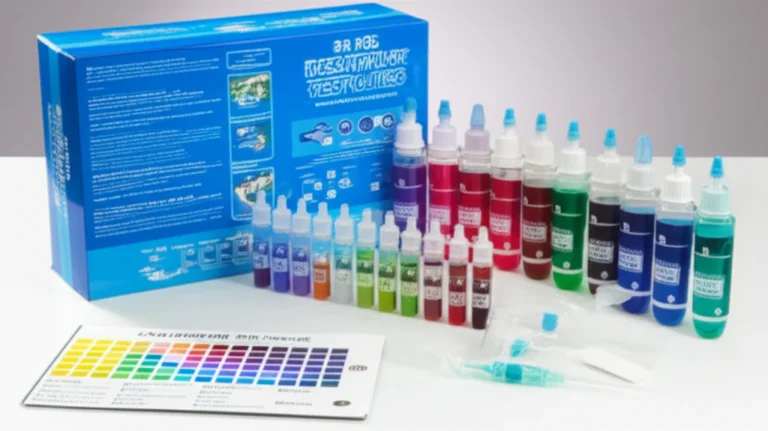
- Test Your Water: API Freshwater Master Test Kit | API Official
Dive in and let’s make algae a thing of the past!
Table of Contents
- ⚡️ Quick Tips and Facts: Your Algae Prevention Cheat Sheet
- 📜 The Algae Enigma: Understanding Its Role in Your Aquatic Ecosystem
- 🎨 The Colorful World of Algae: Identifying Your Unwanted Guests
- 🕵️♀️ Unmasking the Culprits: Why Algae Thrives in Your Aquarium
- 🧼 Algae Attack! Effective Strategies for Immediate Removal
- ✅ 12 Pro-Tips to Banish Algae: Your Ultimate Prevention Playbook
- 1. Master Your Lighting Schedule 💡
- 2. Embrace Regular Water Changes 💧
- 3. Control Nutrient Levels (Nitrates & Phosphates) 🧪
- 4. Optimize CO2 for Plant Growth 🌱
- 5. Ensure Robust Filtration & Water Flow 🌊
- 6. Choose the Right Tank Placement ☀️
- 7. Don’t Overfeed Your Fish! 🐠
- 8. Introduce Algae-Eating Allies 🐌
- 9. Keep Your Substrate Squeaky Clean ✨
- 10. Maintain Stable Water Parameters 🌡️
- 11. Quarantine New Plants & Decor 🪴
- 12. Consider RO/DI Water for Purity 🚰
- 🌿 Green Guardians: Leveraging Live Plants in Your Algae Battle
- 🐌🦐 The Clean-Up Crew: Natural Algae Eaters for Your Tank
- 🔬 Beyond the Basics: Advanced Algae Management Techniques
- 💡 Algae Myths Busted: Separating Fact from Fiction
- 🤯 When Algae Won’t Quit: Troubleshooting Stubborn Outbreaks
- ✨ Conclusion: Your Path to an Algae-Free Oasis
- 🔗 Recommended Resources & Further Reading
- ❓ Frequently Asked Questions About Algae Control
- 📚 Reference Links & Citations
⚡️ Quick Tips and Facts: Your Algae Prevention Cheat Sheet
Before we dive into the nitty-gritty of algae control, here’s a quick hit list from our Aquarium Music™ aquarists to get you started on the right fin:
- Algae is inevitable but manageable — it’s part of your tank’s natural ecosystem.
- Limit light exposure to 8-10 hours daily to starve algae of energy.
- Regular water changes (10-30% weekly) keep nutrients like nitrates and phosphates in check.
- Don’t overfeed! Excess food fuels algae growth.
- Introduce live plants — they compete with algae for nutrients.
- Use algae-eating species like Amano shrimp or Nerite snails as natural cleaners.
- Maintain stable water parameters — fluctuations stress fish and plants, favoring algae.
- Clean tank surfaces regularly to prevent algae buildup.
Curious how these tips work together to create an algae-free oasis? Keep reading — we’ll unpack every detail and share insider secrets from our aquascaping symphony! 🎶🐠
📜 The Algae Enigma: Understanding Its Role in Your Aquatic Ecosystem
Algae often get a bad rap, but here’s a secret: they’re a natural and essential part of your aquarium’s ecosystem. Think of algae as the green carpet that signals a living, breathing underwater world. Without it, your tank might feel sterile and lifeless.
Algae are photosynthetic organisms that convert light and nutrients into energy, producing oxygen in the process. However, when conditions tip in their favor — too much light, excess nutrients, or poor maintenance — they can bloom uncontrollably, turning your tank into a green swamp.
Understanding algae’s role helps us appreciate why complete eradication isn’t the goal. Instead, we aim for balance — keeping algae in check while fostering a vibrant, healthy aquatic environment. This balance is the foundation of every successful aquascape we craft at Aquarium Music™.
For a deeper dive into aquarium ecosystems, check out our Fish Tank Setup Guide.
🎨 The Colorful World of Algae: Identifying Your Unwanted Guests
Not all algae are created equal. Knowing your enemy is half the battle! Here’s the lowdown on the most common algae types you’ll encounter:
Green Algae: The Common Culprit
- Appearance: Bright green spots, filaments, or fuzzy patches on glass, plants, and decor.
- Behavior: Usually harmless and often signals a healthy tank.
- Control: Easier to manage with proper maintenance.
Brown Diatom Algae: The New Tank Menace
- Appearance: Brown, dusty coating on surfaces, especially in new tanks.
- Cause: Silicates and low light conditions.
- Control: Usually disappears as tank matures; improve filtration and light.
Black Beard Algae (BBA): The Stubborn Scourge
- Appearance: Black, bristly tufts on plants, rocks, and wood.
- Cause: CO2 fluctuations and nutrient imbalances.
- Control: Hard to remove; requires CO2 stabilization and algae eaters like Siamese Algae Eaters.
Hair Algae: The Stringy Nuisance
- Appearance: Long, green strands floating or attached to plants.
- Cause: Excess nutrients and light.
- Control: Manual removal and nutrient control.
Blue-Green Algae (Cyanobacteria): The Smelly Imposter
- Appearance: Slimy, blue-green mats with a foul odor.
- Cause: Poor water circulation and excess nutrients.
- Control: Improve flow, water changes, and sometimes antibiotics (with caution).
Red Slime Algae: Another Cyanobacteria Imposter
- Appearance: Reddish, slimy coating on surfaces.
- Cause: Similar to blue-green algae conditions.
- Control: Same as blue-green algae strategies.
Knowing these types helps you tailor your approach — because treating green spot algae the same as cyanobacteria is like using a violin bow to hammer a nail! 🎻🔨
🕵️♀️ Unmasking the Culprits: Why Algae Thrives in Your Aquarium
Why does algae sometimes throw a wild party in your tank? Here’s the scoop on the main factors that fuel its growth:
Light Overload: Too Much of a Good Thing?
Algae are like sunbathers — they thrive on light. But too much light, especially direct sunlight or prolonged artificial lighting beyond 10 hours, is like giving algae an all-you-can-eat buffet.
Tip: Use timers to regulate lighting and avoid placing tanks near windows.
Nutrient Imbalance: The Algae Buffet (Nitrates & Phosphates)
Excess nitrates and phosphates from fish waste, uneaten food, and decaying plants are algae’s favorite snacks. Without regular water changes or nutrient control, these compounds accumulate and fuel explosive algae growth.
Tip: Test water regularly with kits like API Freshwater Master Test Kit and adjust feeding and maintenance accordingly.
CO2 Fluctuations: The Invisible Trigger
Plants need stable CO2 levels to outcompete algae. Fluctuations or low CO2 can weaken plants, giving algae the upper hand.
Tip: Consider CO2 injection systems like the Fluval Pressurized CO2 Kit for planted tanks.
Poor Water Flow: Stagnation Station
Algae love stagnant spots where debris and nutrients settle. Weak filtration or dead zones in the tank create perfect algae nurseries.
Tip: Use powerheads or circulation pumps to maintain even flow.
Neglected Maintenance: The Dirty Secret
Skipping water changes, filter cleaning, or substrate vacuuming lets waste build up, creating algae-friendly conditions.
Tip: Set a maintenance schedule and stick to it!
Overfeeding: A Feast for Fish and Algae
Overfeeding leads to uneaten food decomposing, raising nutrient levels and inviting algae to feast.
Tip: Feed only what fish consume in 3-5 minutes and remove leftovers promptly.
🧼 Algae Attack! Effective Strategies for Immediate Removal
When algae blooms hit, quick action is key. Here’s how to tackle the green invaders head-on:
Manual Removal: Getting Hands-On
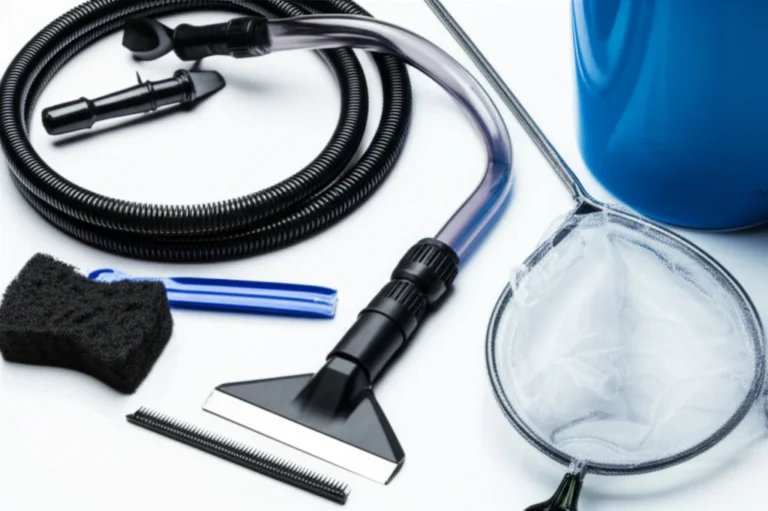
- Use algae scrapers, magnetic pads, or soft brushes to clean glass and decor.
- Trim affected plant leaves carefully.
- Vacuum substrate to remove settled algae and debris.
Pro Tip: Regular manual cleaning prevents algae from gaining a foothold.
Chemical Solutions: A Word of Caution
- Algaecides like API Algaefix can help but may harm sensitive plants and beneficial bacteria.
- Antibiotics (e.g., erythromycin) target cyanobacteria but require careful dosing and tank quarantine.
Warning: Use chemicals as a last resort and always follow manufacturer instructions.
The Blackout Method: Lights Out for Algae
- Turn off all aquarium lights for 3-4 days to starve algae.
- Cover the tank to block ambient light completely.
- Monitor plants closely — some may suffer from lack of light.
Note: This method is effective for stubborn algae but not suitable for all setups.
✅ 12 Pro-Tips to Banish Algae: Your Ultimate Prevention Playbook
Ready to become an algae-fighting maestro? Here’s our definitive list of expert tips from Aquarium Music™:
1. Master Your Lighting Schedule 💡
- Limit lighting to 8-10 hours daily using timers.
- Use full-spectrum LED lights like Fluval Plant 3.0 for balanced growth.
- Avoid direct sunlight exposure.
2. Embrace Regular Water Changes 💧
- Change 10-30% of water weekly to reduce nutrients.
- Use dechlorinated or RO/DI water for purity.
- Vacuum substrate during changes.
3. Control Nutrient Levels (Nitrates & Phosphates) 🧪
- Test water weekly with API kits.
- Avoid overfeeding and remove uneaten food.
- Use phosphate removers like Seachem PhosGuard if needed.
4. Optimize CO2 for Plant Growth 🌱
- Maintain stable CO2 levels with injection systems or liquid carbon supplements.
- Monitor with drop checkers.
5. Ensure Robust Filtration & Water Flow 🌊
- Use quality filters like AquaClear or Fluval FX series.
- Add circulation pumps to eliminate dead zones.
6. Choose the Right Tank Placement ☀️
- Place tanks away from windows or use curtains/blinds.
- Avoid rooms with fluctuating temperatures.
7. Don’t Overfeed Your Fish! 🐠
- Feed small amounts once or twice daily.
- Use automatic feeders for consistency.
8. Introduce Algae-Eating Allies 🐌
- Add species like Amano shrimp, Nerite snails, or Otocinclus catfish.
- Ensure compatibility with tank inhabitants.
9. Keep Your Substrate Squeaky Clean ✨
- Vacuum gravel or sand weekly.
- Remove detritus and decaying plant material.
10. Maintain Stable Water Parameters 🌡️
- Monitor pH, hardness, and temperature regularly.
- Avoid sudden changes that stress fish and plants.
11. Quarantine New Plants & Decor 🪴
- Soak new plants in bleach or potassium permanganate solutions to kill algae spores.
- Rinse thoroughly before adding to tank.
12. Consider RO/DI Water for Purity 🚰
- Use reverse osmosis/deionized water to minimize impurities.
- Blend with tap water to achieve desired parameters.
🌿 Green Guardians: Leveraging Live Plants in Your Algae Battle
Live plants are your tank’s natural defense against algae. They gobble up nutrients faster than algae can, shading surfaces and competing for light. Here’s why we swear by them at Aquarium Music™:
- Fast-growing species like Hornwort, Water Wisteria, and Anacharis soak up excess nitrates.
- Carpet plants such as Dwarf Hairgrass and Monte Carlo cover substrate, limiting algae-friendly bare spots.
- Floating plants like Duckweed reduce light penetration, slowing algae growth.
Pro Tip: Healthy plants require balanced lighting, CO2, and nutrients — neglect any, and algae will seize the opportunity.
Explore our full range of aquatic plants at Aquascaping and Aquatic Plants.
🐌🦐 The Clean-Up Crew: Natural Algae Eaters for Your Tank
Sometimes, the best defense is a good offense — enter the algae-eating champions! Here’s our top picks:
| Species | Algae Types Controlled | Tank Size Minimum | Compatibility Notes |
|---|---|---|---|
| Otocinclus Catfish | Green algae, soft algae | 10 gallons | Peaceful, good for community tanks |
| Siamese Algae Eaters | Black beard algae, green algae | 20 gallons | Can be territorial; keep in groups |
| Amano Shrimp | Hair algae, green algae | 15 gallons | Sensitive to copper; peaceful |
| Nerite Snails | Green spot algae, glass algae | 5 gallons | Cannot reproduce in freshwater |
| Bristlenose Plecos | Green algae, soft algae | 20 gallons | Good algae eaters; avoid overstock |
Personal Story: We once battled a stubborn BBA outbreak in a 40-gallon planted tank. Introducing a small group of Siamese Algae Eaters, combined with CO2 stabilization, turned the tide within weeks.
👉 CHECK PRICE on:
- Amano Shrimp: Amazon | Chewy
- Nerite Snails: Amazon | PetSmart
- Siamese Algae Eaters: Amazon | Bulk Reef Supply
🔬 Beyond the Basics: Advanced Algae Management Techniques
For aquarists ready to take it to the next level, here are some advanced tools and tactics:
UV Sterilizers: Zapping Algae Away ⚡
- UV sterilizers like the Coralife Turbo-Twist use ultraviolet light to kill free-floating algae spores and pathogens.
- Effective against green water algae blooms.
- Requires proper sizing and flow rate for your tank volume.
Pros: Chemical-free, continuous algae control.
Cons: Initial cost and maintenance of bulbs.
Specialized Algae Control Products: When All Else Fails 🧴
- Products like Seachem Excel (liquid carbon) can suppress algae by boosting plant growth and competing for nutrients.
- Algaecides such as API Algaefix target algae but must be used cautiously to avoid harming fish and plants.
Expert Advice: Always research product compatibility and start with small doses.
💡 Algae Myths Busted: Separating Fact from Fiction
Let’s clear the murky waters with some myth-busting:
-
Myth: Algae only grows in dirty tanks.
Fact: Even pristine tanks can have algae if conditions favor it. -
Myth: Algae eaters will eliminate all algae.
Fact: They help control but won’t eradicate algae alone. -
Myth: Turning off lights completely kills algae instantly.
Fact: Blackouts help but must be combined with other measures. -
Myth: Chemicals are the best way to get rid of algae.
Fact: Chemicals can harm tank balance; prevention is safer and more effective.
🤯 When Algae Won’t Quit: Troubleshooting Stubborn Outbreaks
If algae keeps coming back like an uninvited encore, consider these troubleshooting steps:
- Reassess lighting: Is your timer working? Are bulbs too strong or old?
- Test water parameters: Are nitrates, phosphates, or pH out of range?
- Check CO2 stability: Fluctuations can trigger algae.
- Evaluate stocking levels: Overcrowding increases waste.
- Inspect filtration and flow: Dead spots can harbor algae.
- Review maintenance routine: Are water changes and cleaning consistent?
Sometimes, stubborn algae signals an underlying imbalance. Don’t hesitate to consult with local aquarium experts or reach out to Aquarium Music™ for personalized advice.
✨ Conclusion: Your Path to an Algae-Free Oasis
So, what’s the final chord in our algae symphony? Algae is a natural, persistent player in your aquarium’s ecosystem — but with the right knowledge and tools, you can keep it from stealing the spotlight. By mastering lighting schedules, maintaining water quality, balancing nutrients, and enlisting the help of live plants and algae-eating allies, you create a harmonious environment where algae stays in tune, not out of control.
Remember, prevention is your best friend. Regular maintenance, smart feeding, and stable water parameters form the foundation of algae control. When outbreaks occur, combine manual removal with targeted strategies like the blackout method or advanced equipment such as UV sterilizers.
At Aquarium Music™, we’ve seen countless tanks transformed from algae battlegrounds into vibrant aquatic concerts — and yours can be next. So, grab your algae scrapers, tune your lighting, and let the underwater symphony play on beautifully!
🔗 Recommended Links & Shopping
Ready to take action? Here are some of our top product picks and resources to help you conquer algae:
- Amano Shrimp: Amazon | Chewy
- Nerite Snails: Amazon | PetSmart
- Siamese Algae Eaters: Amazon | Bulk Reef Supply
- Fluval Pressurized CO2 Kit: Amazon | Fluval Official Website
- API Freshwater Master Test Kit: Amazon | API Official Website
- Seachem PhosGuard: Amazon | Seachem Official Website
- Fluval Plant 3.0 LED Light: Amazon | Fluval Official Website
- API Algaefix: Amazon | API Official Website
- Coralife Turbo-Twist UV Sterilizer: Amazon | Coralife Official Website
📚 Recommended Books:
- The Simple Guide to Freshwater Aquariums by David E. Boruchowitz — Amazon
- Aquascaping: A Step-By-Step Guide to Planting, Styling, and Maintaining Beautiful Aquariums by George Farmer — Amazon
❓ Frequently Asked Questions About Algae Control
What causes algae to grow in fish tanks and how can I identify the type of algae I have?
Algae growth is primarily fueled by excess light, nutrient imbalances (especially nitrates and phosphates), and poor water circulation. Different algae types have distinct appearances:
- Green algae: fuzzy or spotty green patches.
- Brown diatoms: brown dust-like coating, common in new tanks.
- Black beard algae: black, bristly tufts.
- Hair algae: stringy green strands.
- Blue-green algae (cyanobacteria): slimy mats with a foul odor.
Identifying your algae helps tailor control methods. For example, black beard algae often requires CO2 stabilization and specific algae eaters, while brown diatoms usually fade as the tank matures.
How often should I clean my fish tank to prevent algae buildup and maintain water quality?
Regular maintenance is key. We recommend:
- Water changes: 10-30% weekly to reduce nutrient buildup.
- Glass cleaning: 1-3 times per week using algae scrapers or magnetic pads.
- Substrate vacuuming: weekly or biweekly to remove detritus.
- Filter maintenance: clean or replace media monthly, avoiding complete sterilization to preserve beneficial bacteria.
Consistency prevents algae from gaining a foothold and keeps your aquatic environment healthy.
What are the best algae-controlling products for fish tanks and are they safe for my fish?
Products like API Algaefix and Seachem Excel can help control algae but should be used cautiously. Algaecides may harm sensitive plants and beneficial bacteria if overdosed. Liquid carbon supplements like Seachem Excel promote plant growth, indirectly suppressing algae.
UV sterilizers (e.g., Coralife Turbo-Twist) are chemical-free options that kill free-floating algae spores. Always research product compatibility and start with small doses. Prevention and maintenance remain safer and more effective than chemical treatments.
Can I use natural methods to control algae growth in my fish tank, such as adding algae-eating fish?
Absolutely! Natural algae eaters like Amano shrimp, Nerite snails, Otocinclus catfish, and Siamese Algae Eaters are excellent allies. They consume various algae types and help maintain balance.
However, they are not a silver bullet — they work best combined with proper tank care. Also, ensure compatibility with your existing fish and tank conditions to avoid stress or aggression.
How does water circulation and aeration affect algae growth in fish tanks, and what can I do to improve it?
Poor water flow creates stagnant zones where algae thrive by allowing nutrients and debris to settle. Good circulation distributes oxygen and nutrients evenly, supporting healthy plants and discouraging algae.
Use powerheads, circulation pumps, or adjust filter output to eliminate dead spots. Aeration devices like air stones increase oxygen levels, benefiting fish and beneficial bacteria, indirectly helping control algae.
What role does lighting play in algae growth, and are there any specific lighting setups that can help prevent algae?
Lighting is a major driver of algae growth. Excessive duration or intensity fuels algae photosynthesis. Limiting light to 8-10 hours per day with timers is essential.
Full-spectrum LED lights designed for planted tanks, like the Fluval Plant 3.0, provide balanced light that supports plants without overfeeding algae. Avoid direct sunlight and consider blackout periods for stubborn algae outbreaks.
Are there any specific fish tank decorations or designs that can help reduce algae growth and improve overall water quality?
Yes! Decorations that promote good water flow and avoid creating stagnant areas help reduce algae buildup. Smooth surfaces are easier to clean than porous ones.
Incorporate live plants as natural filters and shade providers. Avoid overcrowding the tank with decor that traps debris. Designs with open swimming space and good circulation foster healthier ecosystems less prone to algae.
📚 Reference Links & Citations
- WebMD: How to Remove Algae from Fish Tank
- Serenity USA: Algae in a Fish Tank
- Aqua Shack: How To Naturally Get Rid Of Algae (Fish Tank Tips)
- API Fish Care: API Official Website
- Seachem: Seachem Official Website
- Fluval Aquatics: Fluval Official Website
- Coralife Products: Coralife Official Website
For more expert insights and aquarium care tips, visit our Tank Maintenance and Aquascaping and Aquatic Plants categories at Aquarium Music™.