Support our educational content for free when you purchase through links on our site. Learn more
10 Expert Ways to Decorate Your Fish Tank Naturally in 2025 🌿

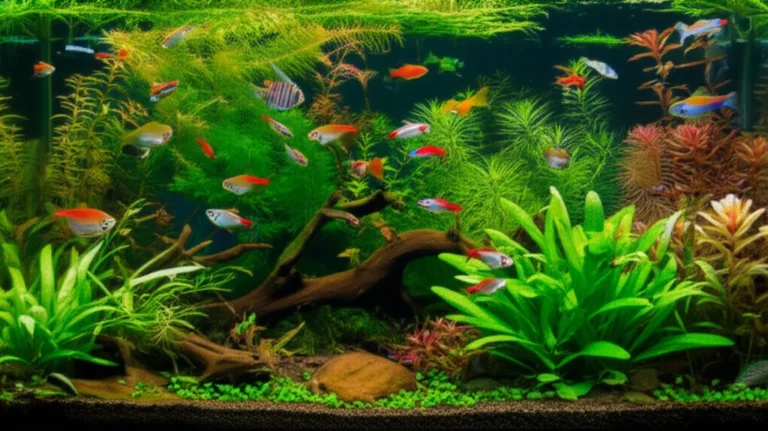
Ever stared at your fish tank and wondered, “How can I decorate my fish tank to create a natural and visually appealing environment?” You’re not alone! At Aquarium Music™, we’ve transformed countless glass boxes into breathtaking underwater worlds that rival nature itself. Whether you’re dreaming of a lush Amazon biotope or a serene blackwater jungle, this guide will walk you through 10 expert strategies to make your aquarium a living masterpiece.
Did you know that a well-planned natural tank not only dazzles the eyes but also reduces fish stress and promotes healthier ecosystems? Stick around, because later we’ll reveal our top-rated driftwood picks (including the stunning LANDEN Natural Spider Wood), substrate secrets, and lighting hacks that bring your aquascape to life. Ready to dive in?
Key Takeaways
- Choose natural materials like real driftwood, rocks, and live plants to mimic authentic aquatic habitats.
- Plan your layout around your fish’s natural environment and behaviors for a harmonious ecosystem.
- Use layered planting and substrate techniques to create depth and visual interest.
- Hide equipment cleverly with plants and hardscape to maintain a clutter-free, natural look.
- Maintain your tank with regular pruning and water changes to keep it pristine and thriving.
- Our favorite decor? The LANDEN Natural Spider Wood for intricate, delicate hardscape that elevates any tank.
👉 Shop expert picks for natural aquarium decor:
- Driftwood & Hardscape: LANDEN Natural Spider Wood on Amazon
- Substrates: Seachem Flourite Black Sand | ADA Aqua Soil Amazonia
- Plants: Tropica 1-2-Grow! Tissue Culture Plants
Ready to turn your tank into a natural wonder? Let’s get started!
Table of Contents
- ⚡️ Quick Tips and Facts
- 🌱 The Origins of Natural Aquarium Decor: A Brief Dive Into Aquascaping History
- Why Go Natural? Benefits of a Realistic Fish Tank Environment
- Essential Planning: Understanding Your Fish and Their Needs
- Aquarium Design Styles: From Biotope to Nature Aquarium
- 1. Choosing the Right Substrate for a Natural Look
- 2. Selecting Live Plants: The Green Backbone of Your Aquascape
- 3. Hardscape Heroes: Rocks, Driftwood, and Natural Structures
- 4. Backgrounds and Backdrops: Setting the Scene
- 5. Adding Leaf Litter and Botanicals for Authenticity
- 6. Creative Use of Lighting for a Natural Ambiance
- 7. Hiding Equipment: Keeping It Natural and Clutter-Free
- 8. Fish and Invertebrate Selection for a Harmonious Community
- 9. Maintenance Tips for a Pristine, Natural-Looking Aquarium
- 10. Common Mistakes to Avoid When Decorating Your Tank
- Aquascaping Tools and Must-Have Accessories
- Expert Picks: Best Brands and Products for Natural Aquarium Decor
- Inspiration Gallery: Stunning Natural Aquascapes to Spark Your Creativity
- Troubleshooting: Solving Common Aquascaping Challenges
- Conclusion
- Recommended Links
- FAQ
- Reference Links
Here is the main body of the article, written according to your specifications.
Body
Welcome, fellow water whisperers, to the Aquarium Music™ blog! We’re the team that believes a great fish tank is more than just a glass box; it’s a living, breathing symphony of life. Today, we’re tackling one of the most exciting parts of our hobby: transforming that box into a breathtaking, natural underwater world. Forget the neon gravel and sunken pirate ships (unless that’s your jam, no judgment!). We’re diving deep into the art of creating a visually stunning environment that your fish will not only love but thrive in.
So, how do you decorate your fish tank to look like a slice of a wild riverbed or a serene, sunken forest? It’s easier than you think. Let’s get our hands wet!
⚡️ Quick Tips and Facts
In a hurry? Here’s the low-down on creating a natural aquarium paradise:
- Go for Natural Materials: ✅ Use real wood, rocks, and live plants. ❌ Avoid plastic plants and brightly colored, artificial decor.
- The Rule of Thirds is Your Friend: Position key focal points (like a large piece of driftwood or a prominent rock) off-center to create a more dynamic and visually pleasing layout.
- Substrate Matters: Use natural-colored sand or fine gravel. Darker substrates can make fish colors pop!
- Layer Up: Create depth by placing taller plants and decor in the back and shorter ones in the front. Sloping your substrate from back to front also enhances this effect.
- Fish First, Decor Second: Always choose decor that is safe and beneficial for your specific fish species. Some fish need caves, while others prefer open swimming spaces.
- Tannins Are Good! That tea-colored water from driftwood? It’s caused by tannins, which have antifungal and antibacterial properties and can help mimic the natural habitat of many species.
- Patience is a Virtue: A newly scaped tank needs time to “grow in.” Your plants will fill out, and the ecosystem will mature. Don’t be discouraged if it doesn’t look perfect on day one!
🌱 The Origins of Natural Aquarium Decor: A Brief Dive Into Aquascaping History
The idea of a “natural aquarium” isn’t new, but it was revolutionized in the 1990s by the legendary Takashi Amano. 📸 A professional track cyclist and photographer, Amano brought his keen eye for composition and his love of nature to the aquarium world. He pioneered the “Nature Aquarium” style, which uses Japanese gardening principles like Wabi-sabi (the beauty of imperfection) to create underwater landscapes.
Before Amano, many aquariums were sterile-looking setups or followed the “Dutch Style,” which is more like a meticulously planned underwater flower garden. Amano’s approach was different. He used rocks and driftwood to create structure and a sense of age, and carefully selected plants to mimic wild landscapes. His work, showcased in his stunning Nature Aquarium World books, inspired a global movement. Suddenly, everyone wanted a piece of nature in their living room. This shift is the reason we now have access to an incredible variety of natural aquascaping and aquatic plants and materials.
Why Go Natural? Benefits of a Realistic Fish Tank Environment
You might be wondering, “Is all this effort really worth it? My guppies seem fine with a SpongeBob pineapple.” And hey, we get it. But the benefits of a natural setup go far beyond simple aesthetics.
- For Your Fish 🐠: A natural environment drastically reduces stress. Hiding spots provided by wood, rocks, and plants make fish feel secure. For many species, it encourages natural behaviors like breeding, foraging, and establishing territories. Live plants help oxygenate the water and absorb harmful nitrates, leading to a healthier, more stable ecosystem.
- For You 🧘: Let’s be honest, a beautifully aquascaped tank is a stunning piece of living art. It’s a conversation starter and a source of endless fascination. The gentle movement of plants and fish has a proven calming effect, reducing stress and anxiety. It’s like having a window to another world, right in your home.
- For the Ecosystem 🌿: A well-balanced natural tank becomes a miniature, self-sustaining ecosystem. Beneficial bacteria colonize the surfaces of rocks, wood, and substrate, playing a crucial role in the nitrogen cycle. It’s a beautiful lesson in biology happening right before your eyes.
Essential Planning: Understanding Your Fish and Their Needs
Before you buy a single rock or plant, the most crucial step is research. The golden rule of aquarium keeping is to build the environment for the fish, not the other way around.
H3: Biotope vs. Biotype-Inspired
- Biotope Aquarium: This is the purist’s approach. A biotope is an exact replication of a specific natural habitat, using only plants, substrate, hardscape, and fish found in that precise location. Think of a Rio Negro blackwater stream or a specific corner of Lake Tanganyika. It’s challenging but incredibly rewarding.
- Biotype-Inspired Aquarium: This is what most of us aim for! It takes inspiration from a general region or type of environment (e.g., a Southeast Asian river, a jungle stream) but allows for more creative freedom. You might use plants and fish from the same continent that thrive in similar water conditions, even if they wouldn’t be found in the exact same spot in the wild.
Ask yourself these questions for your chosen fish:
- Do they come from fast-moving water or still ponds?
- Do they prefer sandy bottoms or rocky crevices?
- Are they shy and need lots of cover, or are they open-water swimmers?
- What are their water parameter needs (pH, hardness, temperature)?
Answering these will guide every single decor choice you make. Check out our Fish Care and Species Profiles to get started on your research.
Aquarium Design Styles: From Biotope to Nature Aquarium
Ready to feel like an underwater architect? Understanding a few key design styles can give you a fantastic starting point.
| Style | Key Characteristics | Best For |
|---|---|---|
| Nature Aquarium | Inspired by natural landscapes (mountains, forests). Heavy use of rocks and driftwood. Follows composition rules like the Golden Ratio. | Creating a serene, artistic, and naturalistic scene. |
| Iwagumi | A minimalist Japanese style using only rocks as hardscape. Typically features a low-growing carpet of plants. Odd numbers of rocks are used. | A dramatic, clean, and highly stylized look. |
| Jungle Style | Wild, dense, and lush. Plants are allowed to grow freely, creating a chaotic but beautiful look. Often uses large-leafed plants. | Low-maintenance setups and for those who love a “wild” aesthetic. |
| Dutch Style | The “flower garden” approach. Focuses on a rich variety of plants with different colors, textures, and heights. Hardscape is minimal or absent. | Plant enthusiasts who love color and contrast. |
| Biotope | A scientifically accurate recreation of a specific natural habitat. | Purists and fish keepers wanting to observe the most natural behaviors. |
Don’t feel locked into one style! The best aquascapes often borrow elements from several different styles to create something unique.
1. Choosing the Right Substrate for a Natural Look
The foundation of your underwater world! The substrate you choose impacts the look, the health of your plants, and the well-being of your fish.
H3: Sand, Gravel, or Aqua Soil?
- Sand: Perfect for a natural riverbed or lake look. It’s a must-have for bottom-dwelling fish like Corydoras catfish and Kuhli loaches, who love to sift through it. CaribSea Super Naturals sand is a fantastic, natural-looking option.
- ✅ Pros: Natural appearance, safe for bottom dwellers.
- ❌ Cons: Can compact over time, making it tricky for some plant roots. Debris sits on top, making it easy to see but also easy to clean.
- Gravel: A classic for a reason. It’s great for anchoring plants and allows good water flow to the roots. Opt for natural colors like brown, black, or grey. Avoid the neon rainbow stuff! Seachem Flourite is a popular clay-based gravel that’s excellent for planted tanks.
- ✅ Pros: Good for plant roots, easy to maintain.
- ❌ Cons: Can be too sharp for some bottom-dwelling fish.
- Aqua Soil: The secret weapon for lush plant growth. These clay-based substrates are packed with nutrients that feed plants directly through their roots. Brands like ADA Aqua Soil Amazonia and Fluval Stratum are industry leaders. They often lower pH slightly, which is great for many popular tropical fish.
- ✅ Pros: Packed with nutrients, promotes incredible plant growth.
- ❌ Cons: Can be messy at first and may leach ammonia initially, requiring careful monitoring during the tank’s initial cycle.
Pro Tip: Use a mix! We often use a base layer of aqua soil in the back where we plan to plant heavily, and cap it with sand in the front for a clean, aesthetic foreground. This is a key part of a successful aquarium setup.
2. Selecting Live Plants: The Green Backbone of Your Aquascape
Live plants are the heart and soul of a natural aquarium. They are the living, growing, ever-changing element that brings your scape to life. But where do you even begin? Let’s break it down.
H3: The Holy Trinity of Aquarium Plants: Foreground, Midground, Background
- Foreground Plants: These are your low-growing, carpeting plants that create a lush lawn effect.
- Beginner: Dwarf Sagittaria (Sagittaria subulata), Marsilea Hirsuta.
- Advanced: Monte Carlo (Micranthemum ‘Monte Carlo’) or Dwarf Baby Tears (Hemianthus callitrichoides ‘Cuba’) – these often require CO2 injection and high light.
- Midground Plants: These are your feature plants. They add texture and bridge the gap between the foreground and background.
- Beginner: Cryptocoryne wendtii, Anubias Nana ‘Petite’, Java Fern (Microsorum pteropus). These are super hardy!
- Intermediate: Blyxa japonica, Staurogyne repens.
- Background Plants: These are the tall, fast-growing plants that create a dense backdrop and hide equipment.
- Beginner: Vallisneria, Amazon Sword (Echinodorus amazonicus), Rotala rotundifolia.
- Intermediate: Ludwigia ‘Super Red’, Pogostemon stellatus ‘Octopus’.
Remember: Anubias and Java Ferns are epiphytes. This means you should never bury their rhizome (the thick, horizontal stem) in the substrate, or they will rot. Instead, attach them to rocks or driftwood using super glue gel (like Seachem Flourish Glue) or thread.
3. Hardscape Heroes: Rocks, Driftwood, and Natural Structures
Hardscape is the skeleton of your aquascape. It provides the structure, scale, and focal points around which everything else is built.
H3: The Wonderful World of Wood
Driftwood adds an instant sense of age and nature to any tank. It also releases beneficial tannins and provides surfaces for plants and beneficial bacteria to grow on.
- Spiderwood: Known for its fine, intricate branches. Excellent for creating a delicate, forest-like feel. The LANDEN Natural Spider Wood is a great example of this type.
- Mopani Wood: A dense, two-toned wood that sinks easily. It’s known for leaching a lot of tannins, perfect for creating a blackwater look.
- Dragon Ohko Stone: Not a wood, but often used with it. It’s a clay-based rock with incredible texture and crevices. It’s inert, meaning it won’t alter your water chemistry.
Crucial Prep Step: Always prepare your hardscape!
- Boil or Soak: Boil smaller pieces of wood for 1-2 hours and rocks for 20-30 minutes. This sterilizes them and helps waterlog the wood so it sinks. For larger pieces you can’t boil, soak them in a tub of hot water for several days.
- Scrub: Use a new, clean brush to scrub off any dirt or loose material.
- The Vinegar Test (for rocks): Unsure if a rock is aquarium-safe? Drop a bit of vinegar on it. If it fizzes, it contains calcium and will raise your pH and hardness. ❌ Do not use it unless you’re keeping fish that require hard, alkaline water (like African cichlids).
4. Backgrounds and Backdrops: Setting the Scene
What’s behind your tank is almost as important as what’s in it. A good background makes the aquarium colors pop, hides wires and wall outlets, and adds a crucial sense of depth.
- Solid Black: The classic choice. It makes plant greens and fish colors incredibly vibrant and hides equipment perfectly. You can achieve this with a simple coat of black paint on the outside of the tank or by applying a black vinyl film.
- Frosted Film: Our personal favorite here at Aquarium Music™! A frosted background creates a beautiful, soft-lit effect. If you place a light behind it, you can create a stunning sunrise or sunset gradient. It gives an amazing sense of depth without being distracting.
- 3D Backgrounds: These are molded inserts that go inside the tank to replicate a rock wall or root system. They look incredible but can take up significant space in the aquarium. Brands like Universal Rocks make some hyper-realistic options.
5. Adding Leaf Litter and Botanicals for Authenticity
Want to take your natural look to the next level? Add botanicals! This is the key to creating a true blackwater biotope, but it looks fantastic in any natural setup.
- Indian Almond Leaves (Catappa Leaves): The king of botanicals. They release tannins and humic substances, which have mild antibacterial properties and can lower pH slightly. They also provide food for shrimp and create natural hiding spots.
- Alder Cones: Tiny but mighty! These little cones are tannin powerhouses and add a wonderfully rustic texture to the substrate.
- Cholla Wood: The dried skeleton of a cactus. It’s hollow and full of holes, making it the perfect natural playground and hideout for shrimp and small fish.
You can find a huge variety of safe botanicals from dedicated suppliers like Tannin Aquatics. Just like driftwood, it’s a good idea to boil them briefly before adding them to your tank.
6. Creative Use of Lighting for a Natural Ambiance
Lighting isn’t just about seeing your fish; it’s about growing plants and setting the mood. Modern LED lights offer incredible control over color and intensity.
- Creating Depth: Use a light with good color rendering (a high CRI) to bring out the natural tones in your wood, rocks, and fish. A light like the Twinstar S-Line or Fluval Plant 3.0 allows you to customize the light spectrum.
- Shafts of Light: In a jungle-style tank, you can use floating plants like Amazon Frogbit or Red Root Floaters to dapple the light. This creates beautiful, shifting shafts of light that penetrate the canopy, just like in a real forest.
- Spotlighting: You can use a small, focused spotlight (or adjust the settings on a programmable LED) to highlight a specific feature, like a beautiful piece of driftwood or a standout red plant, drawing the viewer’s eye.
Don’t forget a timer! A consistent photoperiod of 6-8 hours a day is crucial for plant health and for preventing algae. This is a key piece of aquarium equipment.
7. Hiding Equipment: Keeping It Natural and Clutter-Free
Nothing ruins a beautiful natural aquascape faster than a clunky black filter intake or a bright orange heater. The illusion of nature depends on hiding the man-made elements.
- Use Plants: This is the easiest method. Plant tall, bushy background plants like Hornwort or Rotala in front of filter intakes and heaters.
- Use Hardscape: Strategically place a large piece of driftwood or a stack of rocks to obscure equipment from the primary viewing angle.
- Go High-Tech:
- Canister Filters: These keep all the bulky filter media outside the tank. You’re only left with an intake and an outflow pipe, which can be replaced with elegant glass “lily pipes” for a minimalist look.
- Inline Heaters: These connect to the tubing of your canister filter, heating the water as it circulates. This removes the heater from the tank entirely! Hydor makes a popular and reliable inline heater.
- Black Silicone: When setting up a new tank, consider one with black silicone seams instead of clear. It tends to blend in better and doesn’t show algae as easily.
8. Fish and Invertebrate Selection for a Harmonious Community
The final brushstroke on your living painting! Choosing the right inhabitants is key.
- Schooling Fish: A large school of a single species of small fish creates a much more dramatic and natural effect than a random mix of 2-3 of everything. A school of 20+ Rummy Nose Tetras or Harlequin Rasboras moving in unison is a sight to behold.
- The “Clean-Up Crew”: Don’t forget your janitors! Amano Shrimp are algae-eating machines. Nerite Snails are fantastic at cleaning glass and hardscape and won’t reproduce in freshwater. Corydoras Catfish will patrol the substrate, cleaning up leftover food.
- Centerpiece Fish: This is your “star of the show.” It could be a pair of German Blue Rams, a stunning Betta, or a group of Angelfish. Make sure your tank is large enough and the decor suits their needs (e.g., Rams need caves, Angelfish need vertical height).
9. Maintenance Tips for a Pristine, Natural-Looking Aquarium
A natural tank isn’t a “set it and forget it” project. It requires regular gardening to keep it from turning into an overgrown mess. This is where good tank maintenance habits come in.
- Pruning is Key: Get a good pair of aquascaping scissors. Regularly trim your stem plants to encourage bushier growth and prevent them from blocking light to plants below.
- Glass Cleaning: Use a mag-float or a scraper to keep the glass crystal clear. A clean viewing pane makes all the difference.
- Water Changes: A 25-30% weekly water change is standard for most planted tanks. This replenishes trace elements for plants and removes dissolved organic compounds.
- Gravel Vacuuming: Gently vacuum the open areas of your substrate, but be careful not to uproot your plants. In a heavily planted tank, the plants will consume much of the waste.
10. Common Mistakes to Avoid When Decorating Your Tank
We’ve all been there. Here are some common pitfalls to sidestep on your journey to aquascaping nirvana.
- ❌ The Wall of Rock: Pushing all your rocks and wood flat against the back glass. This creates a flat, 2D look. Pull your hardscape forward to create depth and swimming paths for fish.
- ❌ Perfect Symmetry: A perfectly symmetrical layout often looks unnatural and static. Embrace asymmetry and the rule of thirds.
- ❌ Ignoring Scale: Using tiny pieces of wood in a huge tank, or a massive rock in a nano tank. Try to keep your hardscape elements in scale with the tank size.
- ❌ Mixing Too Many Textures: Sticking to one or two types of rock and one type of wood creates a more cohesive and powerful look than a random jumble of everything.
- ❌ Forgetting the Foreground: Leaving the front of the tank empty. Even a simple, clean sand path or a few small detail stones can complete the picture.
Aquascaping Tools and Must-Have Accessories
Having the right tools makes a world of difference, turning a frustrating task into a meditative experience.
- Pinsettes/Tweezers (Straight and Curved): Absolutely essential for planting delicate stems and placing small plants without disturbing the whole layout.
- Aquascaping Scissors (Straight and Curved/Wave): For pruning plants. Wave scissors are brilliant for trimming carpeting plants close to the substrate.
- Substrate Spatula: For smoothing and contouring your sand or soil to create slopes and paths.
- Super Glue Gel: The aquascaper’s best friend for attaching moss, Anubias, and Java Fern to hardscape. Make sure it’s a cyanoacrylate gel. Gorilla Glue Gel is a popular, safe choice.
Brands like UNS (Ultum Nature Systems) and ADA (Aqua Design Amano) make beautiful, high-quality stainless steel tools that are a joy to use.
Expert Picks: Best Brands and Products for Natural Aquarium Decor
We’ve tested a LOT of products over the years. Here are some of our tried-and-true favorites that deliver consistent, beautiful results.
H3: Featured Hardscape: LANDEN Natural Spider Wood
This is a perfect example of the kind of wood that can instantly elevate a tank. Spiderwood is all about creating intricate, root-like structures.
Aquarium Music™ Rating: LANDEN Natural Spider Wood (XL)
| Feature | Rating (1-10) | Notes |
|---|---|---|
| Natural Appearance | 9/10 | Excellent, fine branches create a very realistic, delicate look. |
| Versatility | 8/10 | Great for Nature and Jungle styles. Can be used to create tree-like structures. |
| Ease of Use | 7/10 | Tends to be very buoyant. Requires prolonged soaking or being weighed down to sink. |
| Value | 8/10 | Getting multiple, large pieces in one pack is convenient for creating a cohesive scape. |
| Overall | 8.0/10 | A fantastic choice for aquascapers looking for intricate detail. |
Spiderwood, like the kind from LANDEN, is a go-to for us when we want to create a sense of a sunken forest. The key is patience. It will float for a while! We recommend soaking it in a bucket for a week or two, or simply weighing it down in the tank with a rock until it becomes waterlogged.
- 👉 Shop LANDEN Spider Wood on: Amazon
H3: Our Go-To Substrates and Plants
- Seachem Flourite Black Sand: A great two-for-one. It has the fine texture of sand that bottom dwellers love, but it’s a porous clay material that’s fantastic for plant roots.
- Tropica 1-2-Grow! Tissue Culture Plants: These plants are grown in a sterile lab environment, meaning they are 100% free of pests, snails, and algae. You get a ton of tiny plantlets in one cup, perfect for starting a carpet.
- 👉 Shop Tropica Plants on: Amazon | Bulk Reef Supply
- ADA Aqua Soil Amazonia Ver.2: The gold standard for a reason. If you’re serious about growing demanding plants, this soil provides the best foundation.
Inspiration Gallery: Stunning Natural Aquascapes to Spark Your Creativity
Words can only do so much. To truly get your creative juices flowing, you need to see what’s possible. We highly recommend you spend some time looking at the masters.
- The IAPLC (International Aquatic Plants Layout Contest): This is the world championship of aquascaping. A quick search for “IAPLC winners” will show you a gallery of the most breathtaking aquariums on the planet. Pay attention to how they use scale, depth, and flow.
- George Farmer: A UK-based aquascaper known for his accessible, beautiful, and often low-tech approaches. His YouTube channel is a goldmine of practical advice.
- The Green Machine: The YouTube channel of the late, great James Findley. His videos are cinematic masterpieces that showcase the entire process of creating a world-class Nature Aquarium from start to finish.
Notice how these scapes often tell a story. Is it a mountain pass? A mossy cliffside? A sun-dappled riverbank? Thinking about the “story” of your tank can help guide your decor choices.
Troubleshooting: Solving Common Aquascaping Challenges
Even the experts run into problems. Here’s how to tackle a few common headaches.
- “My driftwood is growing white fuzz!”
- The Problem: This is a harmless biofilm (bacterial/fungal growth) that feeds on the sugars in the wood. It’s ugly but not dangerous.
- The Solution: It will go away on its own in a week or two. If you can’t stand looking at it, you can siphon it off during a water change. Many shrimp and snails (like Otocinclus catfish) love to eat it!
- “My new plants are melting!”
- The Problem: Many aquatic plants are grown emersed (out of water). When you submerge them, they have to shed their old, air-breathing leaves and grow new, submerged-adapted leaves. This “melting” is normal.
- The Solution: Be patient! As long as the root system and crown of the plant are healthy, it will bounce back. You can trim away the melting leaves to keep the tank looking tidy.
- “Help, Algae Everywhere!”
- The Problem: Algae is caused by an imbalance of light, nutrients, and CO2. It’s especially common in new tanks as the ecosystem stabilizes.
- The Solution: This is a huge topic, but the basics are:
- Reduce Light: Cut your photoperiod down to 6 hours.
- Check Nutrients: Are you dosing too many fertilizers?
- Manual Removal: Remove as much as you can by hand or with a scraper.
- Add Plants: Healthy, fast-growing plants are the best competitors for algae.
- Add an Algae-Eating Crew: Amano shrimp and Nerite snails are your best friends.
Conclusion

Creating a natural and visually appealing fish tank is a rewarding journey that blends art, science, and a deep appreciation for aquatic life. From selecting the perfect substrate to choosing the right plants, hardscape, and fish, every element plays a vital role in crafting a harmonious underwater world. Remember, patience and planning are your best friends—nature didn’t rush, and neither should you.
Regarding the LANDEN Natural Spider Wood, it’s a fantastic choice for aquascapers craving intricate, delicate driftwood branches that mimic sunken forest roots. Its fine branching structure adds depth and complexity, making your tank feel like a true slice of nature. The main caveat is its buoyancy, requiring soaking or weighting down, but that’s a small price for such a stunning visual impact.
Positives:
- Realistic, delicate branching for natural aesthetics
- Versatile for various natural styles like Nature and Jungle aquariums
- Comes in convenient multi-piece packs for cohesive scaping
Negatives:
- Requires soaking or weighting to sink
- May leach tannins, which some aquarists may need to manage
Our recommendation? If you’re serious about natural aquascaping and want to add a “wow” factor, LANDEN Spider Wood is a top-tier choice. Just plan ahead for the soaking phase and enjoy the transformation it brings.
By now, you should feel empowered to start your own natural aquarium adventure, armed with expert tips and a keen eye for detail. Your fish will thank you, and your tank will become a living masterpiece that delights for years to come. Ready to dive in?
Recommended Links
👉 Shop Featured Products:
-
Tropica 1-2-Grow! Tissue Culture Plants:
Amazon | Bulk Reef Supply -
Seachem Flourish Glue:
Amazon
Recommended Books on Aquascaping and Aquarium Care:
- Nature Aquarium World by Takashi Amano — Amazon
- The 101 Best Aquarium Plants by Mary E. Sweeney — Amazon
- Aquascaping: A Step-by-Step Guide to Planting, Styling, and Maintaining Beautiful Aquariums by George Farmer — Amazon
FAQ

What are the best plants to use in a freshwater aquarium to create a natural environment?
The best plants depend on your tank size, lighting, and fish species, but some universally loved options include:
- Foreground: Dwarf Sagittaria, Monte Carlo, and Java Moss for lush carpeting.
- Midground: Cryptocoryne wendtii and Anubias Nana ‘Petite’ for texture and structure.
- Background: Vallisneria, Amazon Sword, and Rotala rotundifolia for height and density.
These plants are hardy, widely available, and create a layered, natural look. For more delicate or high-tech setups, consider tissue culture plants like Tropica 1-2-Grow! which are pest-free and vibrant.
Read more about “Marine Life Aquarium 🐠”
How can I choose the right substrate and decorations for my fish tank to promote a healthy ecosystem?
Start with your fish’s natural habitat and water parameters. For example, soft sand is ideal for bottom dwellers like Corydoras, while nutrient-rich aqua soils promote lush plant growth. Avoid substrates that alter water chemistry undesirably unless your fish require it.
Decorations like driftwood and rocks should be aquarium-safe and prepared properly (boiled or soaked). Use botanicals like Indian Almond leaves to add tannins and mimic natural environments. Always ensure decorations provide hiding spots and swimming space to reduce fish stress.
What are some creative ways to use rocks and stones in aquarium decorating to create hiding places for fish?
Rocks can be stacked to create caves, arches, and crevices that serve as natural shelters. Using Dragon Ohko Stone or Seiryu Stone allows you to build intricate hardscape structures with texture and depth.
Try arranging rocks asymmetrically and layering them to create swim-through tunnels. Combining rocks with driftwood and plants can simulate riverbanks or rocky outcrops. Remember to test rocks for pH impact and stability before placing them in your tank.
How do I select the most suitable background and lighting for my aquarium to enhance its visual appeal?
Choose a background that complements your aquascape:
- Black backgrounds intensify colors and hide equipment.
- Frosted or gradient backgrounds add depth and soft lighting effects.
- 3D backgrounds create realistic underwater textures.
For lighting, pick LEDs with adjustable spectrum and intensity, such as Fluval Plant 3.0 or Twinstar S-Line, to support plant growth and highlight colors. Use floating plants or adjustable spotlights to create natural light shafts and focal points.
What role do water features, such as waterfalls or bubblers, play in creating a natural and engaging aquarium environment?
Water features add movement and oxygenation, mimicking natural currents and aeration. Bubblers create surface agitation, which improves gas exchange and can enhance fish health.
Waterfalls or cascades (in larger tanks or paludariums) add visual interest and soothing sounds. However, in heavily planted tanks, excessive surface agitation can reduce CO2 levels, so balance is key.
Can I use recycled or DIY decorations in my aquarium, and if so, what are some ideas for creating unique and functional pieces?
Yes! Many aquarists enjoy crafting unique decorations from natural or recycled materials, but safety is paramount.
Ideas include:
- Using natural rocks or branches collected from safe, pollution-free areas (after proper cleaning and sterilization).
- Creating caves from ceramic pots or PVC pipes wrapped in aquarium-safe materials.
- DIY backgrounds from foam and aquarium-safe silicone painted with non-toxic paints.
Avoid anything painted with unknown chemicals or treated wood. Always research and test new materials before adding them to your tank.
How often should I change or update my aquarium decorations to keep the environment interesting and stimulating for my fish?
Aquariums are dynamic ecosystems. While frequent rearranging can stress fish, occasional updates every 6-12 months can refresh the environment.
Prune plants regularly and replace any that are dying. Rearrange hardscape elements carefully to create new swim paths or hiding spots. Adding seasonal botanicals like leaf litter can also simulate natural cycles and keep your tank engaging.
Reference Links
- Takashi Amano’s Nature Aquarium World
- Seachem Flourite Product Page
- ADA Aqua Soil Amazonia
- Tannin Aquatics – Indian Almond Leaves and Botanicals
- Hydor Inline Heater Official Site
- International Aquatic Plants Layout Contest (IAPLC)
- How Can I Make My Aquarium Look Natural? – Luck Landscaping
- Aquarium Music™ Fish Care and Species Profiles
- Aquarium Music™ Tank Maintenance
- Aquarium Music™ Aquarium Setup
- Aquarium Music™ Aquarium Equipment
- Aquarium Music™ Aquascaping and Aquatic Plants
Thanks for swimming through this deep dive with us! We hope your next fish tank project will be a natural masterpiece that sings with life and beauty. 🎶🐠🌿